Kooma Cherry Hill.
Kooma Cherry Hill sits along Route 38 in the Cherry Hill Mall corridor, positioning itself within South Jersey's suburban dining scene. The restaurant draws from pan-Asian culinary traditions, offering a format that balances familiar comfort with more considered preparation. For diners exploring Cherry Hill's expanding restaurant range, Kooma represents a practical and accessible option within the Route 38 dining strip.
Pearl is the En Primeur Club membership app — saves, bookings, and concierge access live there. Same editors, same standards.
- Address
- 2000 NJ-38 #1025, Cherry Hill Township, NJ 08002
- Phone
- +18564865140
- Website
- koomacherryhill.com
- Directions
- Get directions
 Saves & bookings on Pearl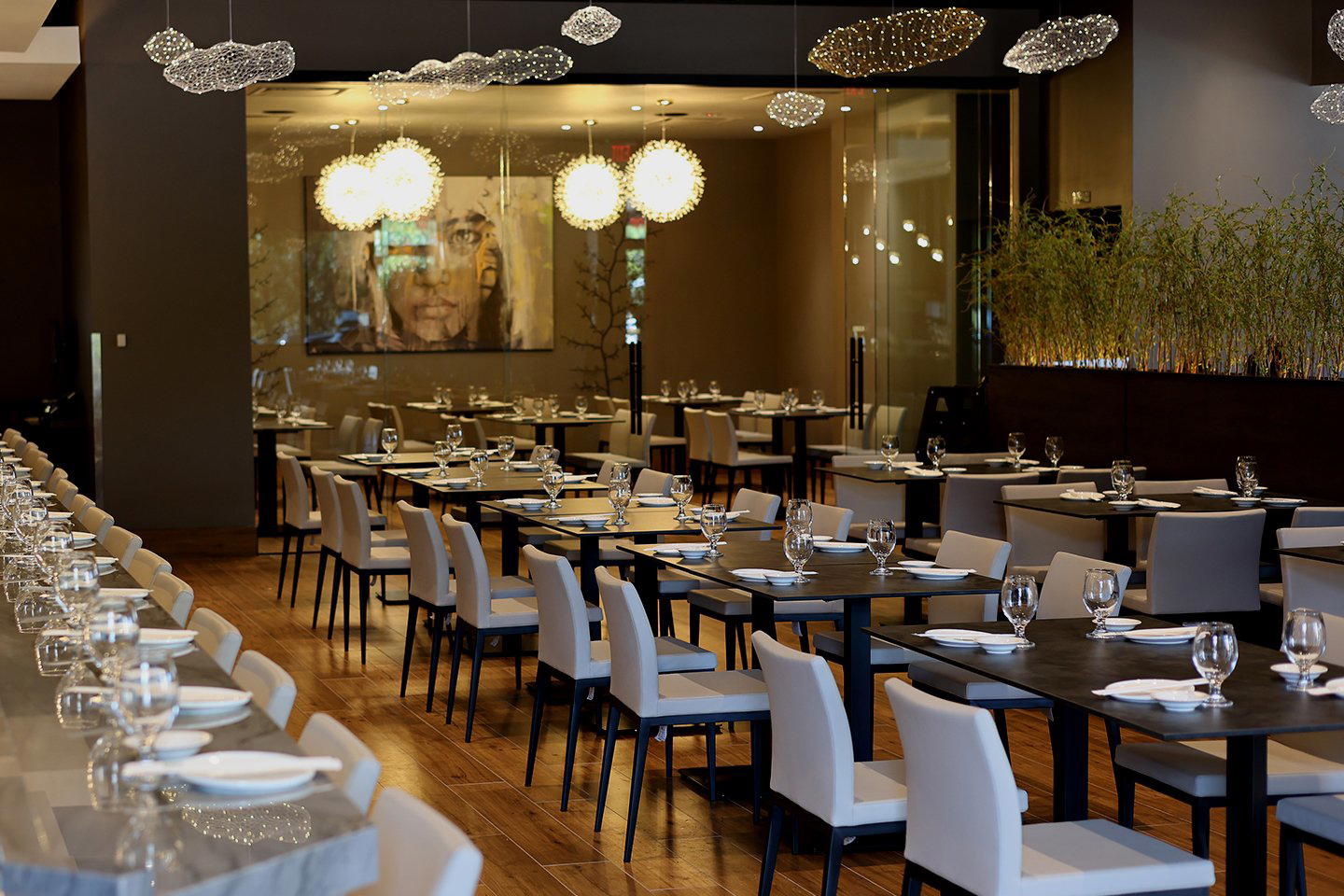
Route 38 and the Suburban Asian Dining Shift
Cherry Hill's restaurant corridor along Route 38 has gradually moved beyond the strip-mall casual category that defined it for decades. The stretch running through Cherry Hill Township now holds a more varied mix of cuisines and formats, from Italian-American institutions like Caffe Aldo Lamberti and AMICI RESTAURANT & EVENTS BYOB to Mexican and Latin options at La Cita, alongside Japanese-focused counters like Koi Matsu Japanese Restaurant. Kooma Cherry Hill, located at 2000 NJ-38 within the Cherry Hill Mall complex, is an Asian Fusion & Sushi restaurant in Cherry Hill Township with.
This positioning matters when you consider how suburban Asian dining in the mid-Atlantic region has evolved. Across South Jersey and the Philadelphia suburbs, the appetite for pan-Asian formats grew steadily through the 2000s and 2010s, as diners became more fluent with sushi, Thai, and Korean-influenced dishes. Venues that could serve multiple Asian culinary traditions under one roof attracted broader party groups, particularly in mall-adjacent locations where the dining decision is often made collectively. Kooma Cherry Hill fits that template, and understanding that template is the right frame for evaluating what it offers.
Ingredient Sourcing and What It Signals at This Price Point
In pan-Asian restaurants operating at the mid-tier suburban level, ingredient sourcing is where the quality gap between operators tends to open up most visibly. The decisions made around seafood provenance, the origin of proteins, and the freshness of produce have a direct and immediate effect on the eating experience in cuisines where raw preparations, light broths, and quick-cooked proteins leave little room for technique to compensate for substandard materials.
At restaurants in Kooma's category, the sourcing question is most consequential when it comes to fish. Sushi and sashimi preparations, which appear across the pan-Asian format, are straightforwardly honest about quality in a way that a heavily sauced dish is not. The degree to which Kooma Cherry Hill has pursued this approach is worth investigating when you visit, specifically by observing texture and temperature in any raw fish preparations, which are the clearest indicators of supply chain discipline.
For broader context on what ingredient sourcing can look like at the highest levels, operations like Single Thread Farm in Healdsburg and Blue Hill at Stone Barns in Tarrytown have built their entire identities around closed-loop sourcing models. That standard is not the comparison point for a suburban mall-adjacent restaurant in Cherry Hill, but it illustrates what intentional sourcing looks like when taken seriously. Closer to the mid-Atlantic, The Inn at Little Washington in Washington has maintained sourcing rigor within a different format context. These references are useful not as direct comparisons but as markers for what the broader conversation around provenance looks like in American dining right now.
The Pan-Asian Format in a Competitive Suburban Market
South Jersey's dining market has enough density that pan-Asian concepts face real competition, not only from each other but from more specialized operators. When a diner chooses a pan-Asian restaurant over a dedicated Japanese counter like Koi Matsu or a focused American bistro like Randall's Restaurant, they are usually making that choice based on group accommodation, menu breadth, or convenience rather than the pursuit of a single cuisine at depth. Kooma Cherry Hill's location within the Cherry Hill Mall footprint at 2000 NJ-38 reinforces this read: the venue is well-positioned for parties with mixed preferences, pre- or post-shopping dining occasions, and group meals where consensus matters more than culinary specificity.
This is not a criticism. The suburban pan-Asian format serves a genuine function in a dining market like Cherry Hill's, and doing it well requires operational consistency, a menu calibrated to range without tipping into incoherence, and a service format that handles volume without losing attentiveness. The strongest operators in this category across the Philadelphia suburbs have found that the format works well when the kitchen has clear strengths within the broader menu, rather than treating all sections with equal ambition. Identifying those strengths at Kooma is worthwhile on a first visit.
For those whose dining interests run toward more concentrated formats, the EP Club guides to venues like Atomix in New York City or Le Bernardin in New York City offer a different register entirely. Within the Asian fine dining conversation, 8 1/2 Otto e Mezzo Bombana in Hong Kong illustrates how Italian-Asian crossover operates at the highest level. These are not the peer comparisons for Kooma, but they are useful anchors for readers placing different dining options in context.
Planning a Visit
Kooma Cherry Hill is located at 2000 NJ-38, Suite 1025, within the Cherry Hill Mall complex in Cherry Hill Township, NJ 08002. The mall-adjacent address means parking is generally accessible without the constraints that apply to freestanding restaurant locations in denser urban areas. For diners coming from Philadelphia, the Route 38 corridor is reachable via the Ben Franklin or Walt Whitman Bridge, with the Cherry Hill Mall serving as a clear navigational landmark.
Given the suburban format and mall positioning, walk-ins may be possible, though reservations are recommended. For the broader Cherry Hill dining context, the EP Club Cherry Hill restaurants guide covers the full range of options across the township, from casual to more formal formats.
Readers interested in American restaurants operating at the destination level in comparable regions can explore the EP Club guides to Alinea in Chicago, Lazy Bear in San Francisco, Providence in Los Angeles, Addison in San Diego, Emeril's in New Orleans, and The French Laundry in Napa for a broader sense of the American dining range that Cherry Hill sits within.
How It Stacks Up
Comparable venues nearby, for context on price, style, and recognition.
| Venue | Cuisine | Price | Notes |
|---|---|---|---|
| Kooma Cherry Hill.This venue — the venue you are viewing | Asian Fusion & Sushi | $$$ | Not listed |
| La Cita | Authentic Mexican | $$ | Cherry Hill |
| Caffe Aldo Lamberti | Contemporary Italian Seafood | $$$ | Cherry Hill |
| The Boiling House | Viet-Cajun Seafood Boil | $$ | Cherry Hill |
| Tutti Toscani | Traditional Tuscan Italian | $$ | Cherry Hill |
| Steak38 | Classic American Steakhouse | $$$$ | Cherry Hill |
Continue exploring
More in Cherry Hill
Restaurants in Cherry Hill
Browse all →
Bars in Cherry Hill
Browse all →

At a Glance
- Modern
- Elegant
- Sophisticated
- Date Night
- Group Dining
- Special Occasion
- Craft Cocktails
- Sake Program
Current opening hours
- Monday
- 11:30 AM–10 PM
- Tuesday
- 11:30 AM–10 PM
- Wednesday
- 11:30 AM–10 PM
- Thursday
- 11:30 AM–10 PM
- Friday
- 11:30 AM–11 PM
- Saturday
- 11:30 AM–11 PM
- Sunday
- 11:30 AM–9 PM
Hours can change for holidays and private events. Last verified .
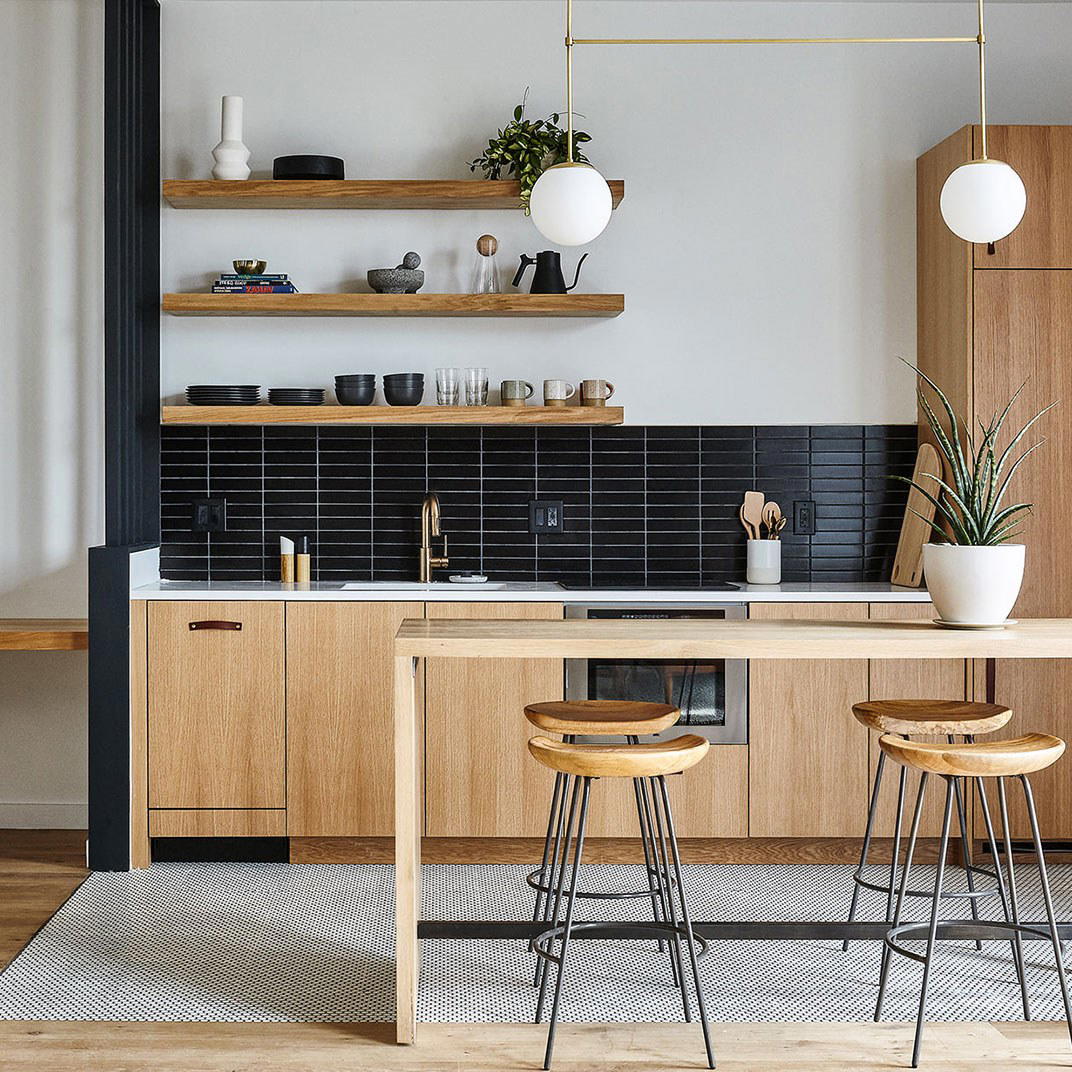
Modern fine dining atmosphere emphasizing artistic food presentation with fresh, high-quality ingredients.