The Denver Central Market
Our verdict
The Denver Central Market on Larimer Street anchors RiNo's food hall format in a neighbourhood that has become Denver's most concentrated zone for independent food and drink operators. Multiple vendor stalls share one open industrial space, making it a practical and social entry point into the city's broader independent dining scene.

Pearl is the En Primeur Club membership app, where members save venues, book tables and use the concierge.
Larimer Street and the Logic of the Food Hall
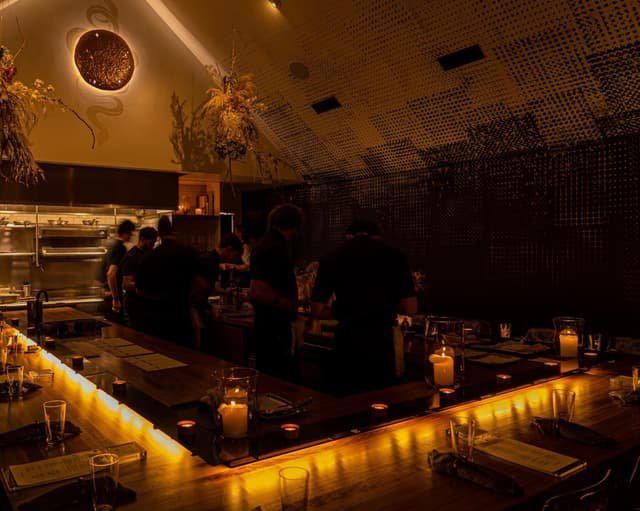
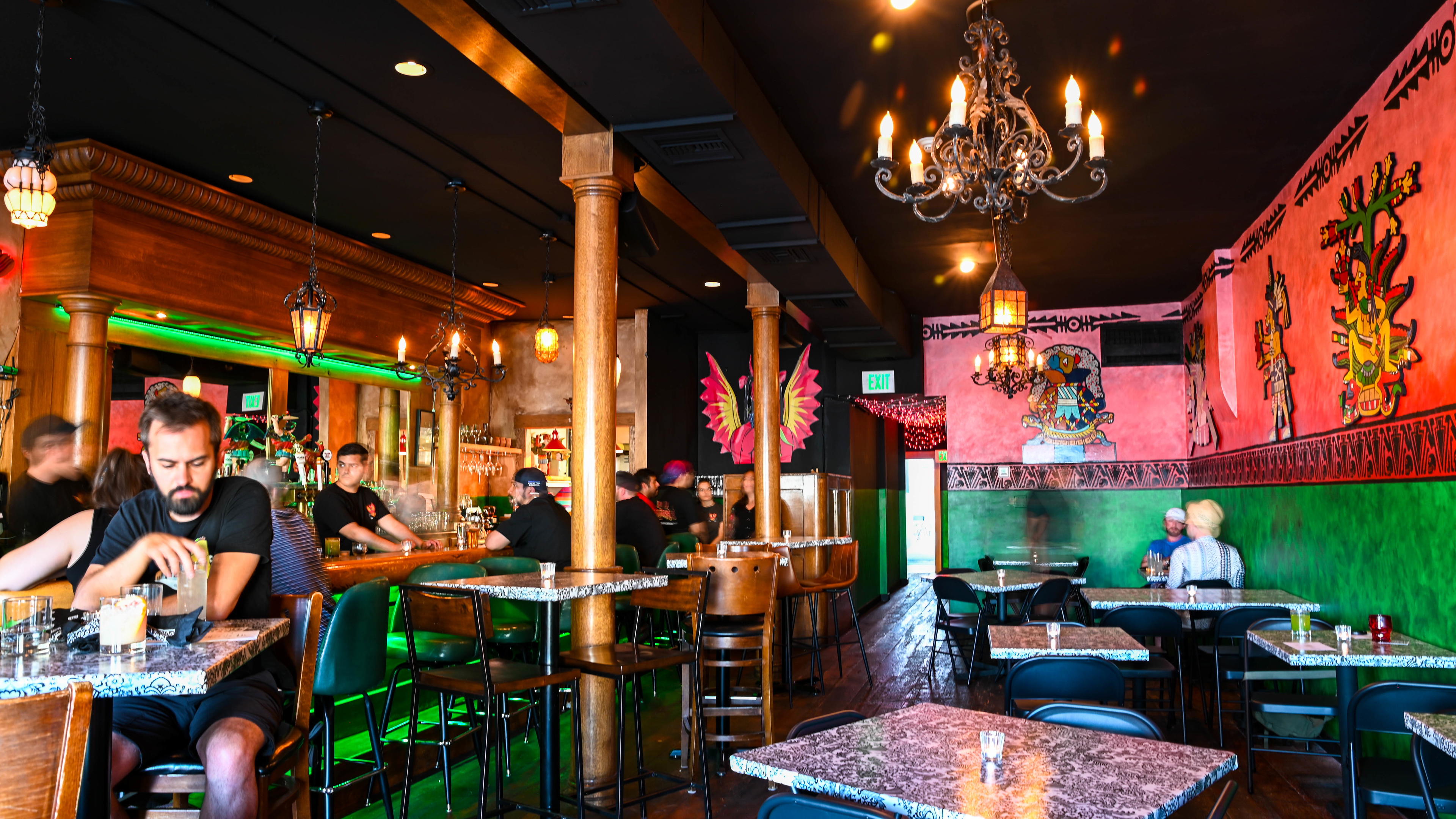
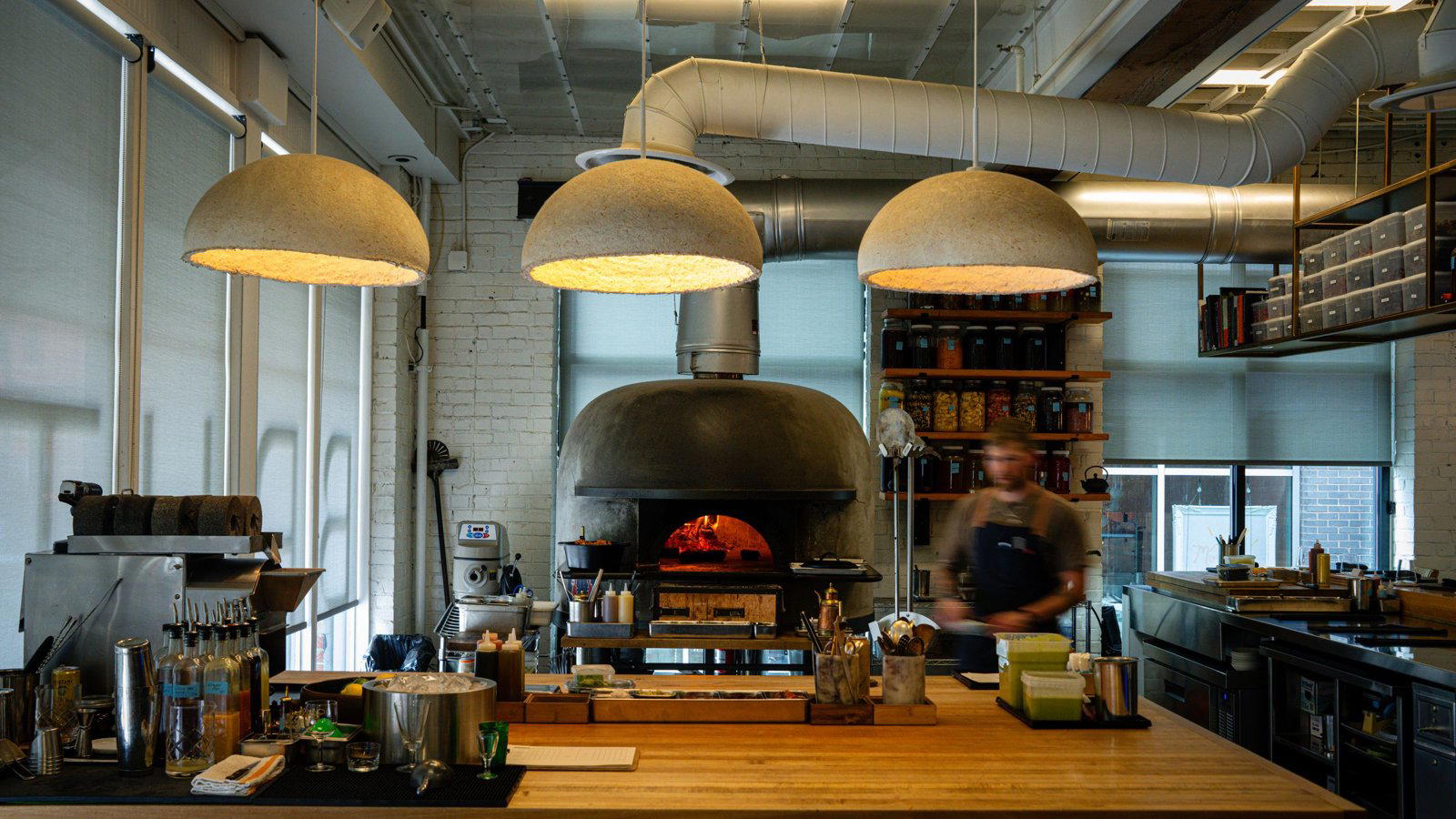
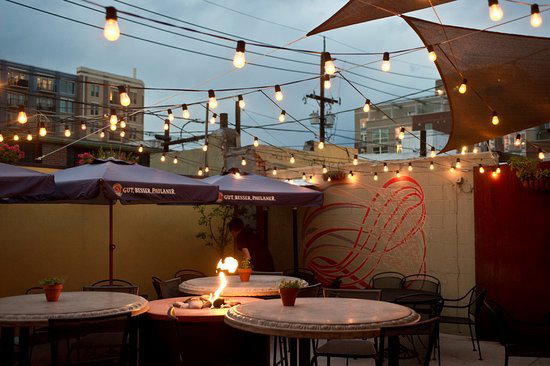
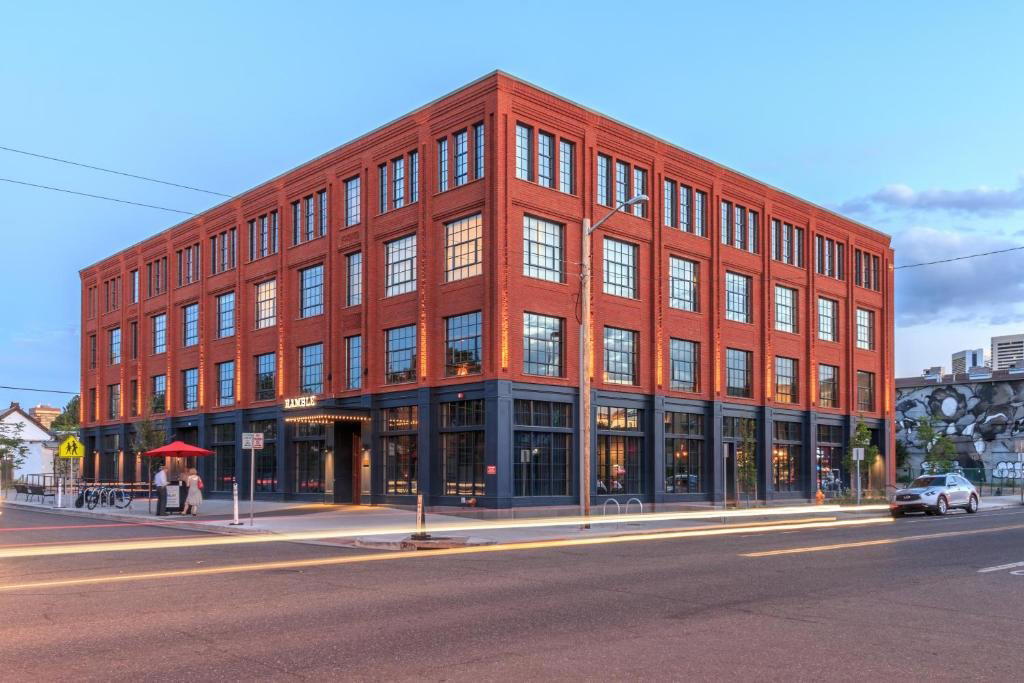
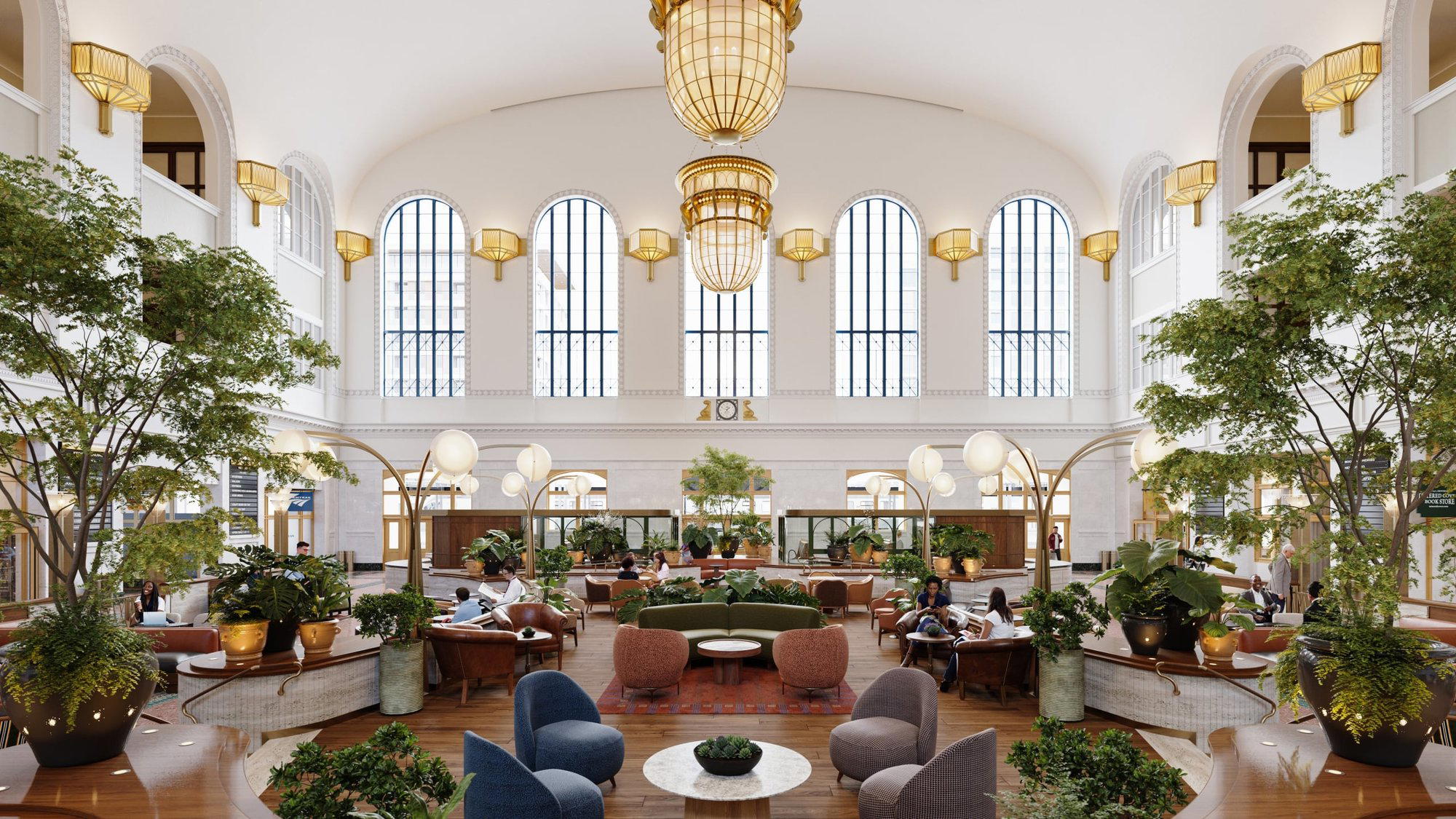
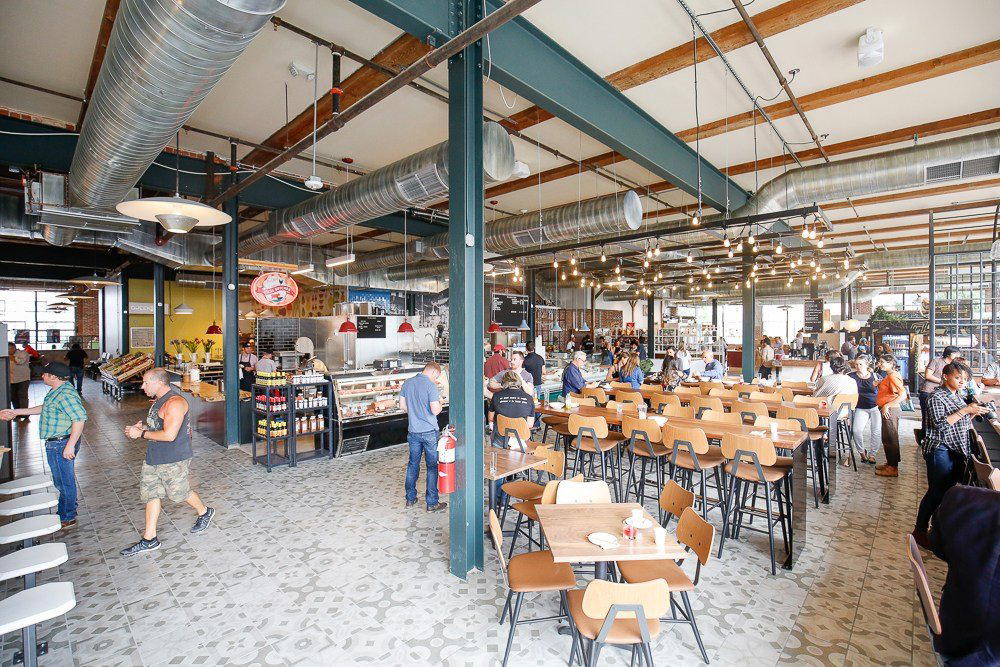
Walk east along Larimer Street through the River North Art District and the building at 2669 announces itself through open garage doors and the converging smell of espresso, fresh bread, and whatever is coming off the grill nearest the entrance. The Denver Central Market operates on the food hall model that spread across American cities through the 2010s, but the RiNo context matters here. This is a neighbourhood that rebuilt itself around independent operators, muralists, and small-batch producers rather than chain tenants, and the market's vendor mix reflects that orientation more directly than most comparable formats in the city.
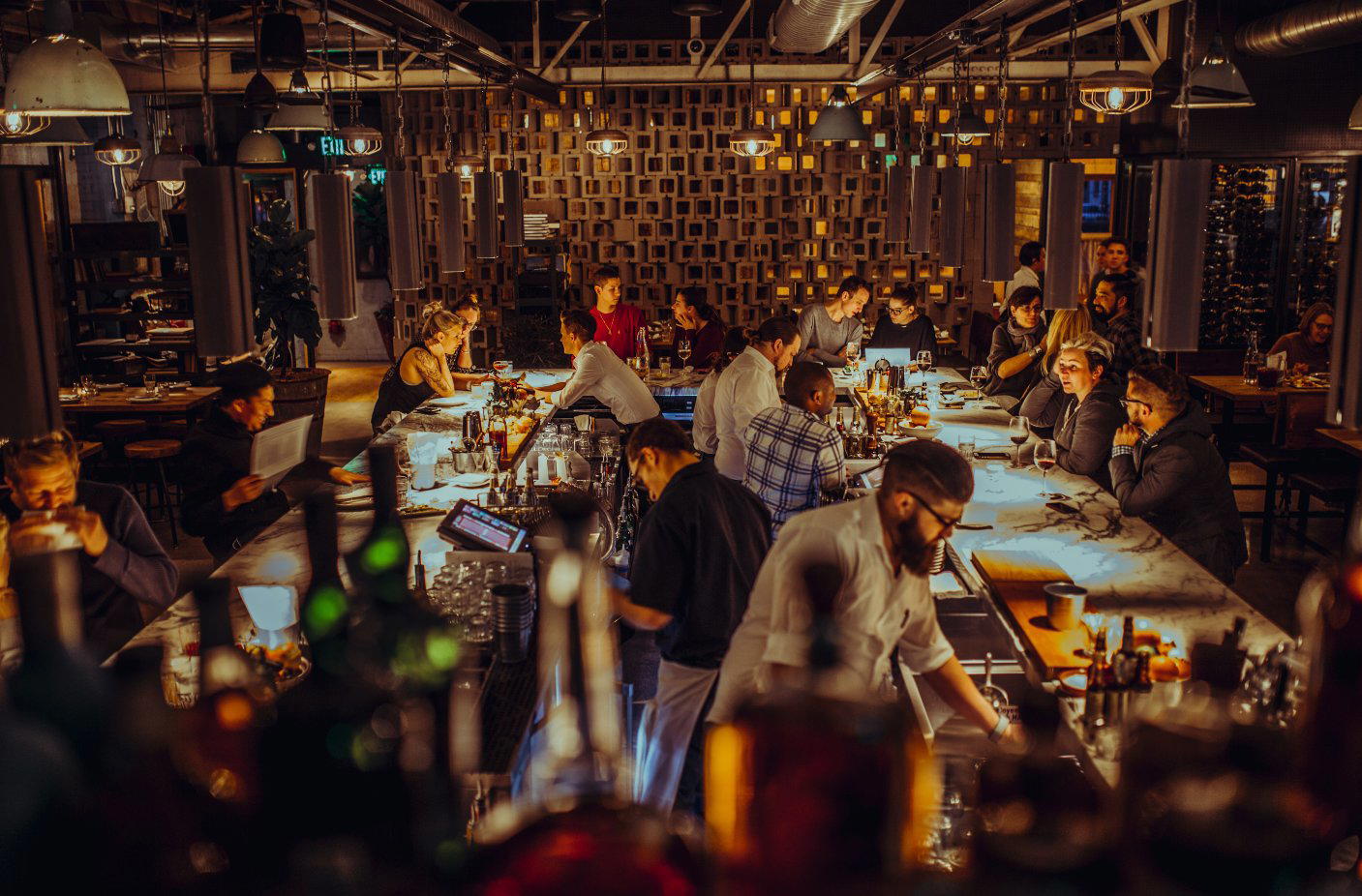
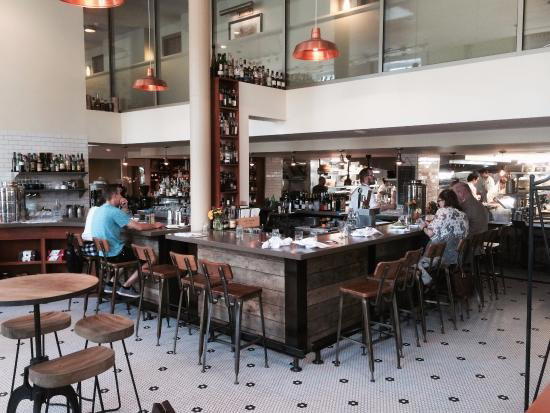
Food halls as a category split between two poles: the curated, single-ownership model where every stall is programmed toward a coherent identity, and the looser landlord-tenant model where vendors arrive with their own concepts and the hall becomes a kind of edited bazaar. Denver Central Market sits closer to the curated end. The physical space is compact and the vendors share infrastructure, which keeps the experience from feeling like a shopping mall food court. The industrial shell, high ceilings, and communal seating are the bones; the operators bring the character.
What the Format Means for the Visitor
The food hall format solves a specific logistical problem: groups with divergent appetites or dietary requirements. One person wants a breakfast pastry, another wants a proper egg dish, a third is focused on the coffee program. The Denver Central Market handles that spread from a single address without anyone having to compromise on a shared menu. That practical logic is the strongest case for visiting, and it is also what makes food halls a sustainable format in neighbourhoods where foot traffic is mixed between residents, remote workers, and visitors.
For visitors planning a morning or midday stop in RiNo, the market functions as a base rather than a destination in the way a single-concept restaurant would be. You are not booking weeks ahead or timing a reservation around a chef's tasting schedule. The logistics are intentionally low-friction: arrive, assess the stall offerings, make a decision at the counter. That accessibility is a feature, not a compromise, in a neighbourhood where the higher-stakes dining and drinking happens elsewhere on the same streets.
RiNo's evening food and drink circuit runs on a different model entirely. The cocktail programs at Death & Co (Denver) and Williams & Graham require advance planning and operate at a different price tier, as does the more relaxed but carefully programmed Yacht Club. The Denver Central Market occupies a different hour and a different register, which is part of why it makes sense as a starting point for a day in the district rather than a competing option against those venues.
Denver's Independent Food Scene in Context
Denver's food identity has shifted considerably since the early 2010s. The city moved from a steak-and-brew baseline toward a more varied independent scene driven partly by the same demographic influx that reshaped RiNo from warehouse district to one of the more closely watched food neighbourhoods in the Mountain West. That shift produced a cluster of serious single-concept operators, small-batch coffee roasters, and specialty food producers, many of whom needed retail or counter-service formats to reach customers before the evening restaurant trade began. The food hall model provided that infrastructure.
Compared to what is happening in other American cities, Denver's food hall density remains moderate. Chicago has more total format volume; New York has both scale and a longer legacy of covered market trading. But within the Mountain West context, Denver's independent operators have used the format to establish credibility in categories where the city previously had little presence. The market on Larimer is one node in that broader pattern.
The interactive and activity-led end of Denver dining is covered by operators like Ace Eat Serve, which combines ping-pong and an Asian-influenced food and drink menu in a format that has no obvious equivalent elsewhere in the city. Denver Central Market is less theatrical, more workaday, which is its own form of distinction in a neighbourhood that can sometimes lean toward the self-consciously designed experience.
For a fuller map of where the Denver independent scene sits in 2024, the EP Club Denver guide covers the full range of venues across neighbourhoods and formats.
Placing Denver in the Wider American Food Hall Conversation
The food hall revival in American cities is now mature enough to allow comparisons across markets. The vendor-led, neighbourhood-anchored model that Denver Central Market represents has close analogues in how operators like Kumiko in Chicago or ABV in San Francisco have seeded neighbourhoods with anchor identity before or alongside more formal dining. The specific venue types differ, but the underlying logic is the same: concentration of credible independent operators in a walkable zone creates a self-reinforcing draw that benefits everyone in that cluster.
The cocktail bar counterparts in other cities Jewel of the South in New Orleans, Julep in Houston, Superbueno in New York City, Bar Leather Apron in Honolulu, and The Parlour in Frankfurt, operate at a different tier of planning and commitment. None of them are substitutes for what a food hall does, and the Denver Central Market is not trying to compete in that category. It is solving a different problem in a different part of the day.
Know Before You Go
Know Before You Go
- Address: 2669 Larimer St, Denver, CO 80205
- Neighbourhood: River North Art District (RiNo), Denver
- Format: Multi-vendor food hall; counter service across stalls
- Booking: No reservation required; walk-in across operating hours
- Leading timing: Morning and midday for the widest stall selection; check individual vendor hours as they may vary
- Getting there: Larimer Street is accessible from downtown Denver; street parking available in RiNo; the neighbourhood is walkable from several other Larimer and Brighton Blvd venues
- Planning note: Phone and website data are not currently available through EP Club; verify current vendor hours and offerings directly via search before visiting
Frequently asked questions
Where exactly is The Denver Central Market?
The Denver Central Market is located at 2669 Larimer St, Denver, CO 80205, Denver.
Is The Denver Central Market good for groups with mixed dietary needs?
The multi-vendor format at 2669 Larimer St is specifically suited to groups where people want different things, one person can go to one counter while another goes elsewhere, and everyone eats in the same space. This is the structural advantage that distinguishes a market hall from a conventional restaurant in Denver's RiNo district. It removes the negotiation over a single shared menu entirely.
What's the best thing to order at The Denver Central Market?
Because The Denver Central Market operates on a multi-vendor model at 2669 Larimer St in Denver's River North Art District, there is no single menu, each independent vendor sets its own offering. The practical approach is to walk the hall first and commit based on what you see rather than arriving with a fixed order in mind. That format is precisely why the space works for groups with different appetites.
What's the defining thing about The Denver Central Market?
The defining feature is its vendor-led structure inside a single address on Larimer Street, multiple independent operators sharing one roof rather than a single restaurant concept. That model lets the market reflect Denver's independent food scene directly, with vendors rising or shifting as the neighbourhood evolves. It is one of the clearer examples in Denver of how RiNo's food identity has moved beyond the city's earlier steak-and-brew baseline.
Cuisine and Awards Snapshot
| Venue | Price |
|---|---|
| The Denver Central MarketThis venue (the venue you are viewing) | $20–30 |