The County Line
Our verdict
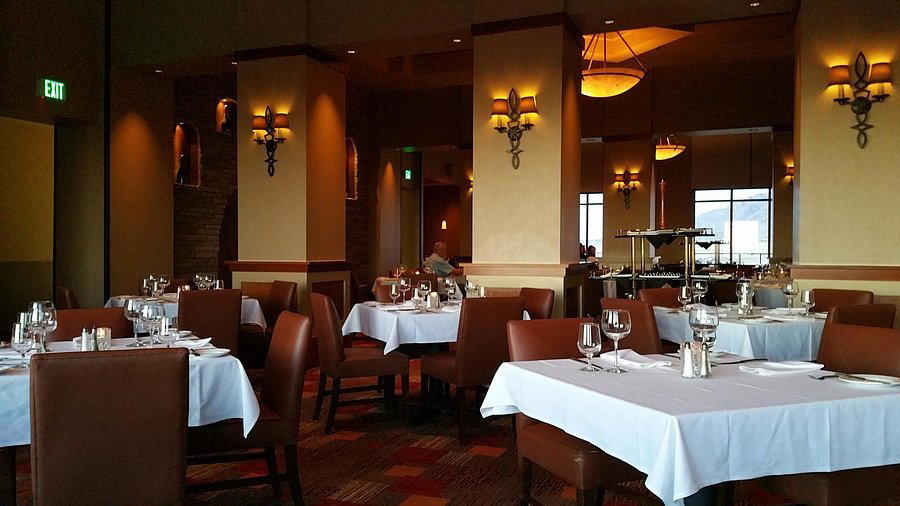
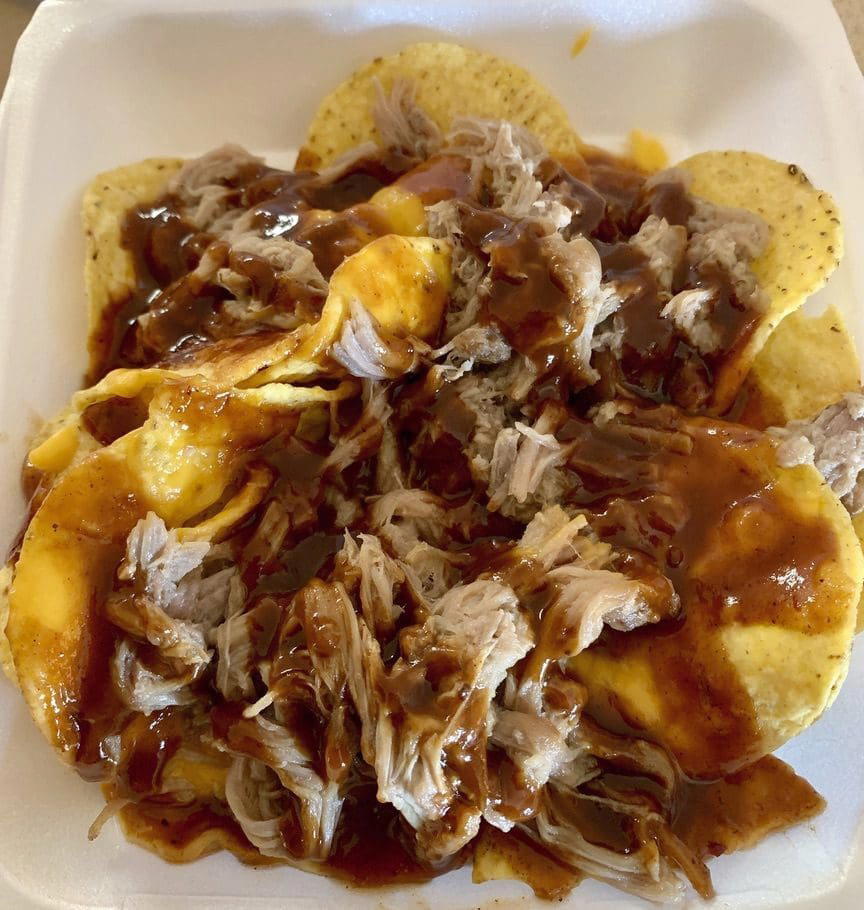
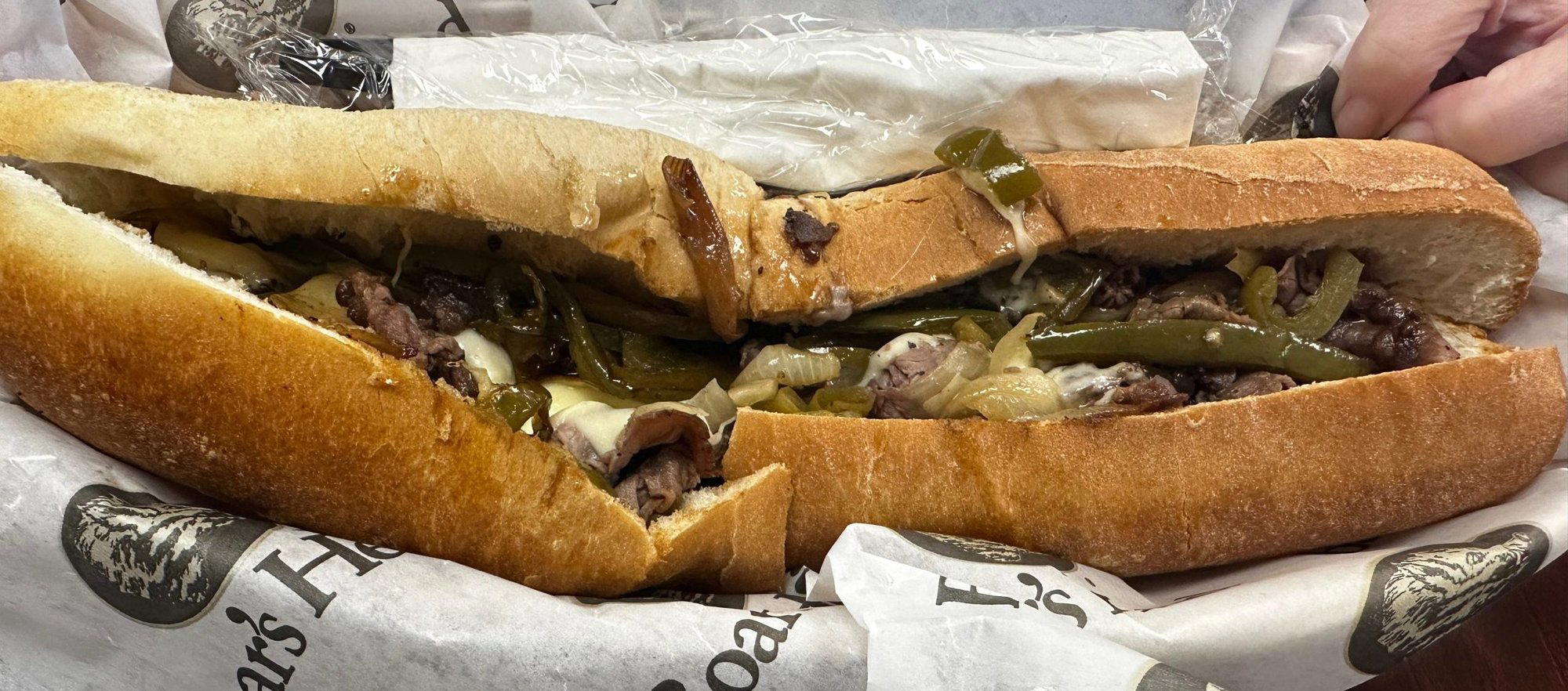
The County Line serves Texas-style barbecue at 9600 Tramway Blvd NE, with brisket, beef ribs, and pulled pork plus mountain and skyline views.

Pearl is the En Primeur Club membership app, where members save venues, book tables and use the concierge.
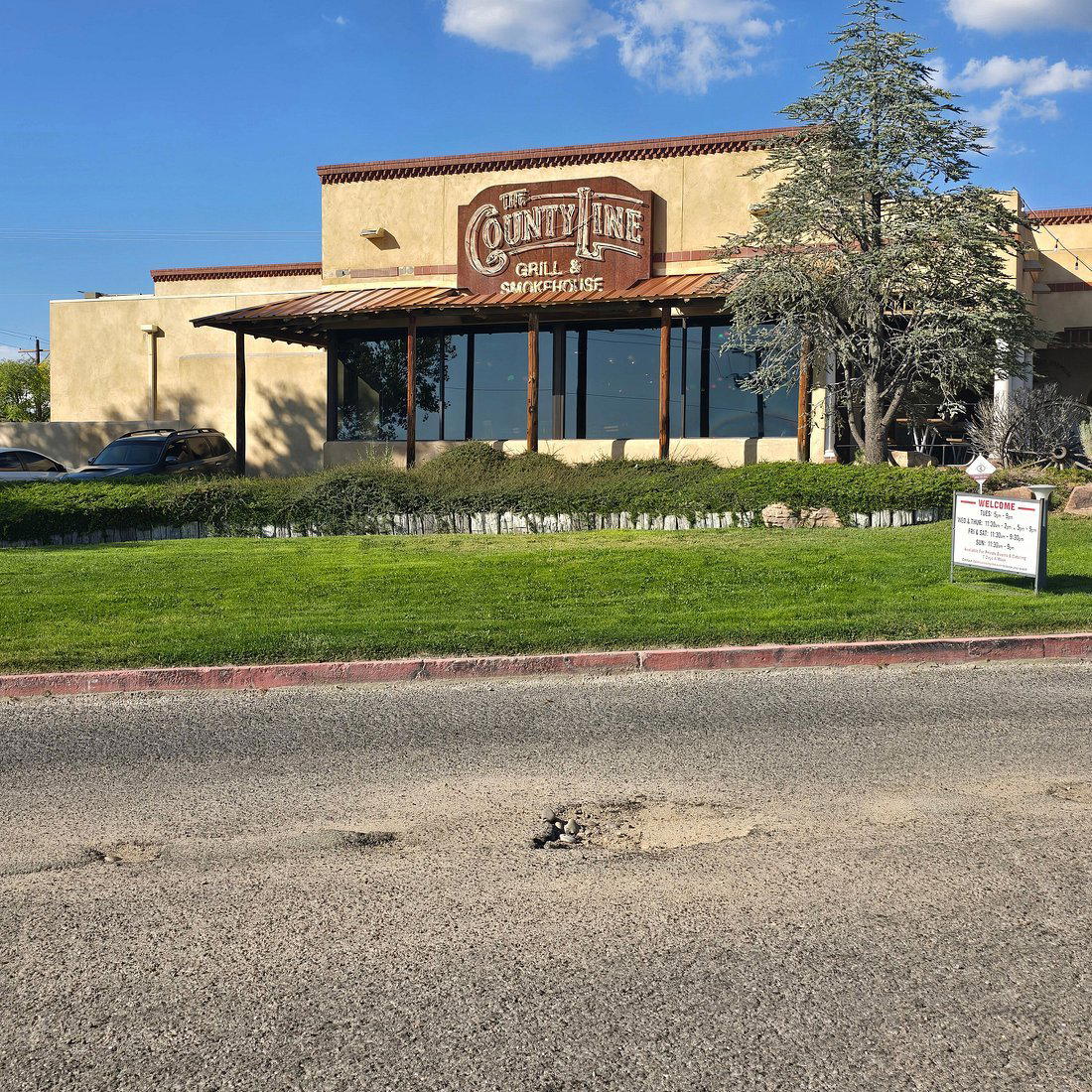
Where Tramway Boulevard Meets the Smoke
Drive north on Tramway Boulevard until the Sandia Mountains fill the windshield, and The County Line appears at 9600, positioned at the edge of Albuquerque where the city gives way to the foothills. The setting frames a category of American dining that has grown more specific over the past decade: the regional barbecue house that doubles as a destination rather than a waypoint. In a city whose dining identity is shaped by green and red chile, by old-school New Mexican comfort and a newer wave of globally inflected kitchens, a smoke-forward restaurant at this address occupies a deliberate niche.
Albuquerque has a layered restaurant scene. Antiquity Restaurant holds down classic Continental in the Old Town corridor. Artichoke Cafe has long represented the city's fine-dining ambitions. Azuma Sushi and Teppan anchors the Japanese end of the spectrum. Afghan Kebab House brings a different fire-and-smoke tradition to bear. The County Line operates in a different register from all of them, offering the kind of menu whose logic is visible before a single plate arrives: protein first, then sides, then sauce.
Reading the Menu as Architecture
American barbecue menus, at their clearest, function as honest declarations. They tell you exactly what the kitchen is confident enough to anchor. The structure is hierarchical: the protein choices sit at the top of the decision tree, and everything else orbits them. At County Line-style houses, that hierarchy is explicit, with meats listed by cut and preparation rather than by course or chef whim. There is no amuse-bouche logic here, no menu architecture borrowed from European tasting formats.
This is worth pausing on because menu structure reflects kitchen priorities. At the most technically demanding American restaurants, menus are often narrative documents. Alinea in Chicago presents dining as sequential composition. Lazy Bear in San Francisco builds a communal progression with a fixed arc. Blue Hill at Stone Barns in Tarrytown frames the menu around agricultural sourcing. Single Thread Farm in Healdsburg and The French Laundry in Napa operate as extended culinary arguments. A smoke-house menu argues differently: it foregrounds the primary technique and asks you to choose your entry point into it. That transparency is its own form of confidence.
Barbecue menus in the American Southwest carry a regional inflection that separates them from Texas, Kansas City, or Memphis counterparts. The proximity to New Mexican chile culture means that sauces and rubs often absorb local influence, even when the core smoking tradition draws from further east. This cross-regional layering is what gives Southwestern barbecue houses their particular character: they are not operating inside a single canonical tradition, and the menu often reflects that by offering multiple sauce profiles or regionally adjusted sides alongside the smoke.
The Neighbourhood Context
Tramway Boulevard runs along the base of the Sandia Mountains, a corridor that connects the city's northeastern residential expansion to the wilderness edge. Restaurants at this end of Albuquerque serve a different purpose from those in downtown's Central Avenue corridor or Nob Hill's denser commercial strip. They draw from the surrounding residential catchment, from visitors heading to the Sandia Peak Tramway, and from diners making a deliberate trip rather than a spontaneous stop. This is destination dining in the geographic sense, where the drive itself signals intent.
That positioning shapes what a restaurant at this address needs to deliver. The experience has to justify the journey, which puts weight on consistency, portion confidence, and the kind of crowd-friendly format that works for groups as readily as for couples. Smoke-house formats tend to suit this brief: shareable, visually clear, and calibrated for tables where people are actually hungry rather than grazing through a tasting sequence. Compare this to the intimacy required at tighter formats like Atomix in New York City or the theatre demanded at Providence in Los Angeles, and the difference in intent becomes clear.
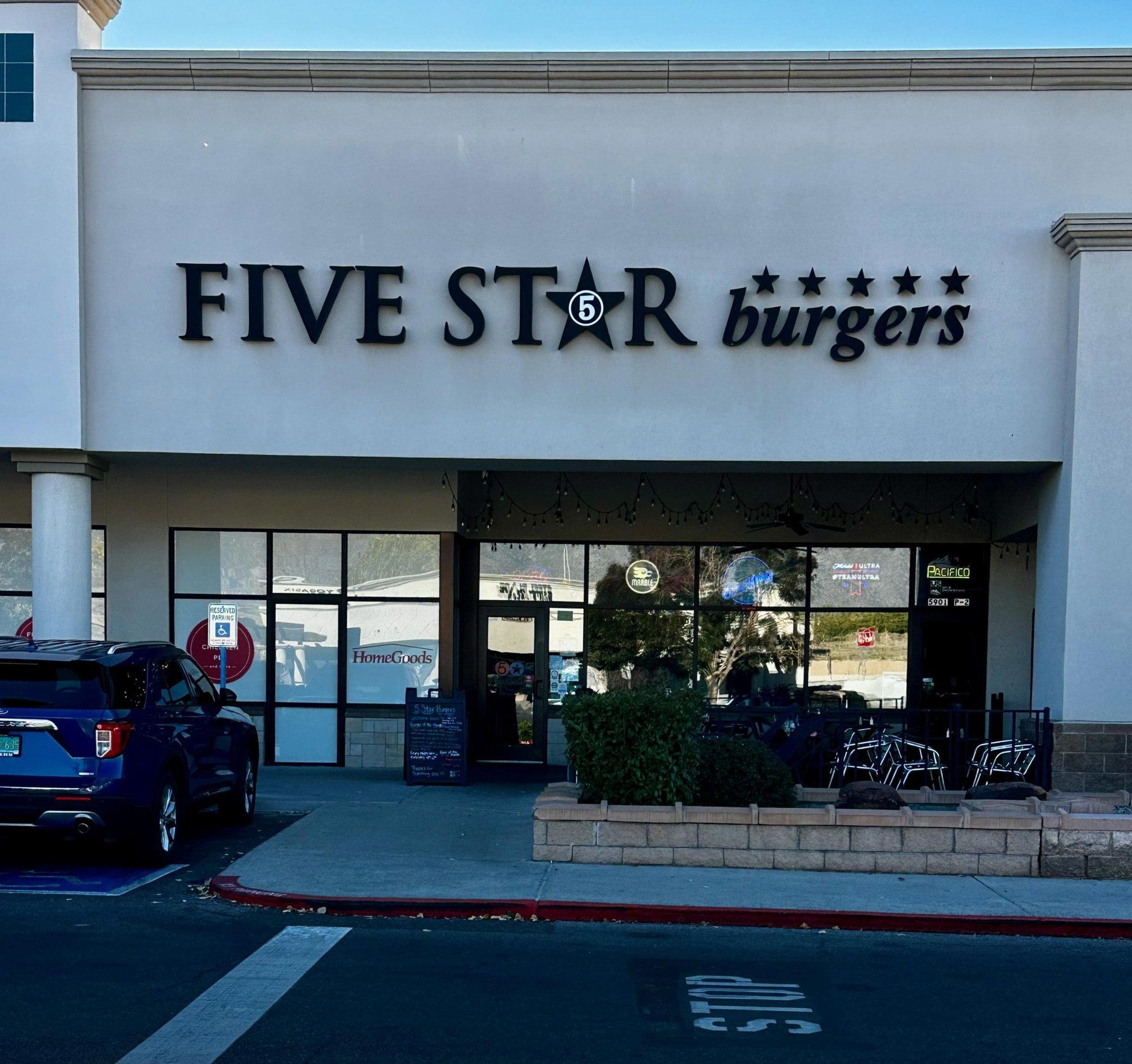
Within Albuquerque, the counter-comparison is also useful. 5 Star Burgers sits in the fast-casual tier with a focused meat-forward format. El Pinto commands the north valley as the city's most prominent New Mexican restaurant by volume. Little Anita's holds a loyal local following for traditional plates. The County Line's position at the top of Tramway places it in a different conversation: less about daily convenience, more about an occasion with a view.
Where The County Line Fits in the Wider American Dining Map
American regional dining has increasingly found recognition at the national level through awards and editorial attention, though the distribution of that recognition skews heavily toward fine-dining formats. Le Bernardin in New York City, Emeril's in New Orleans, Addison in San Diego, The Inn at Little Washington, and 8 1/2 Otto e Mezzo Bombana in Hong Kong all operate in formal or semi-formal registers where critical infrastructure, from Michelin to the James Beard Foundation, tends to concentrate. Regional smoke-houses occupy a different critical relationship: celebrated in food writing, loyal in their followings, but rarely running alongside the award-circuit venues in a direct comparison. They are measured instead by consistency, by how recognizable the product remains over years, and by the depth of the local relationship.
That is a harder test in some ways. A restaurant that has anchored its neighbourhood for years, through Albuquerque's shifting dining economy and the expansion of its north-east corridor, demonstrates a form of durability that tasting-menu formats rarely face in the same way. The measure is different, but it is a real one.
Planning a Visit
The County Line sits at 9600 Tramway Boulevard NE, Albuquerque, NM 87122, at the northeastern edge of the city with the Sandia Mountains as backdrop. The location places it roughly at the base of the Sandia Peak Tramway route, so timing a dinner visit around late afternoon gives you the option of pairing it with a Tramway excursion earlier in the day. For groups, calling ahead is advisable given the destination-dining draw that comes with this corner of the city, particularly on weekends when the northeast residential base tends to fill smoke-house formats early. Albuquerque's dining scene, covered in depth in our full Albuquerque restaurants guide, offers enough variety across the city that The County Line is most logically positioned as a northeast-focused anchor rather than a downtown alternative.
Frequently asked questions
What's the address for The County Line?
The County Line is located at 9600 Tramway Blvd NE, Albuquerque, NM 87122, Albuquerque.
Is The County Line a good option for dining after hiking the Sandia Mountains?
The restaurant's position at 9600 Tramway Blvd NE places it directly along the corridor connecting Albuquerque's city grid to the Sandia Mountain wilderness access points, making it a natural stop for those coming off the trails. American barbecue, the format the venue works within, is well-suited to the appetite that follows a long hike. It is worth confirming hours directly with The County Line before planning a post-hike visit.
What do regulars order at The County Line?
The County Line's menu follows the logic of classic American barbecue: the kitchen signals its confidence through what it anchors at the top of the menu. At a Tramway Boulevard address framed by the Sandia Mountains, smoked meats are the clear draw, and returning guests typically orient their order around whatever the pit is built to run. Without a printed menu on record, the safest approach is to ask your server what came off the smoker that day.
Should I book The County Line in advance?
The County Line sits at the northeastern edge of Albuquerque at 9600 Tramway Blvd NE, a stretch that draws both city residents and visitors arriving from the mountain trails nearby. That dual pull means weekend evenings can fill quickly. Calling ahead or checking current reservation policy directly with the venue is the most reliable way to secure a table.
The Minimal Set
Comparable venues nearby, for context on price, style, and recognition.
| Venue | Cuisine | Price | Awards | Notes |
|---|---|---|---|---|
| The County LineThis venue (the venue you are viewing) | Texas-Style Barbecue | $20–30 | Not listed | Not listed |
| Bow & Arrow Brewing Co | Southwest-Inspired Craft Brewery | $20–30 | James Beard Award Semi Finalist | Downtown, Southwest-Inspired Craft Brewery |
| Artichoke Cafe | New American Fine Dining | $50–100 | Not listed | Huning Highland Historic District, New American Fine Dining |
| Antiquity Restaurant | Classic American Steakhouse | $50–100 | Not listed | West Old Town, Classic American Steakhouse |
| Slate Street Cafe | Contemporary American Comfort | $20–30 | Not listed | Downtown, Contemporary American Comfort |
| Bien Shur | French-American Fine Dining | $50–100 | Not listed | Raynolds Addition, French-American Fine Dining |