The Connaught Grill

Michelin Plate
Our verdict
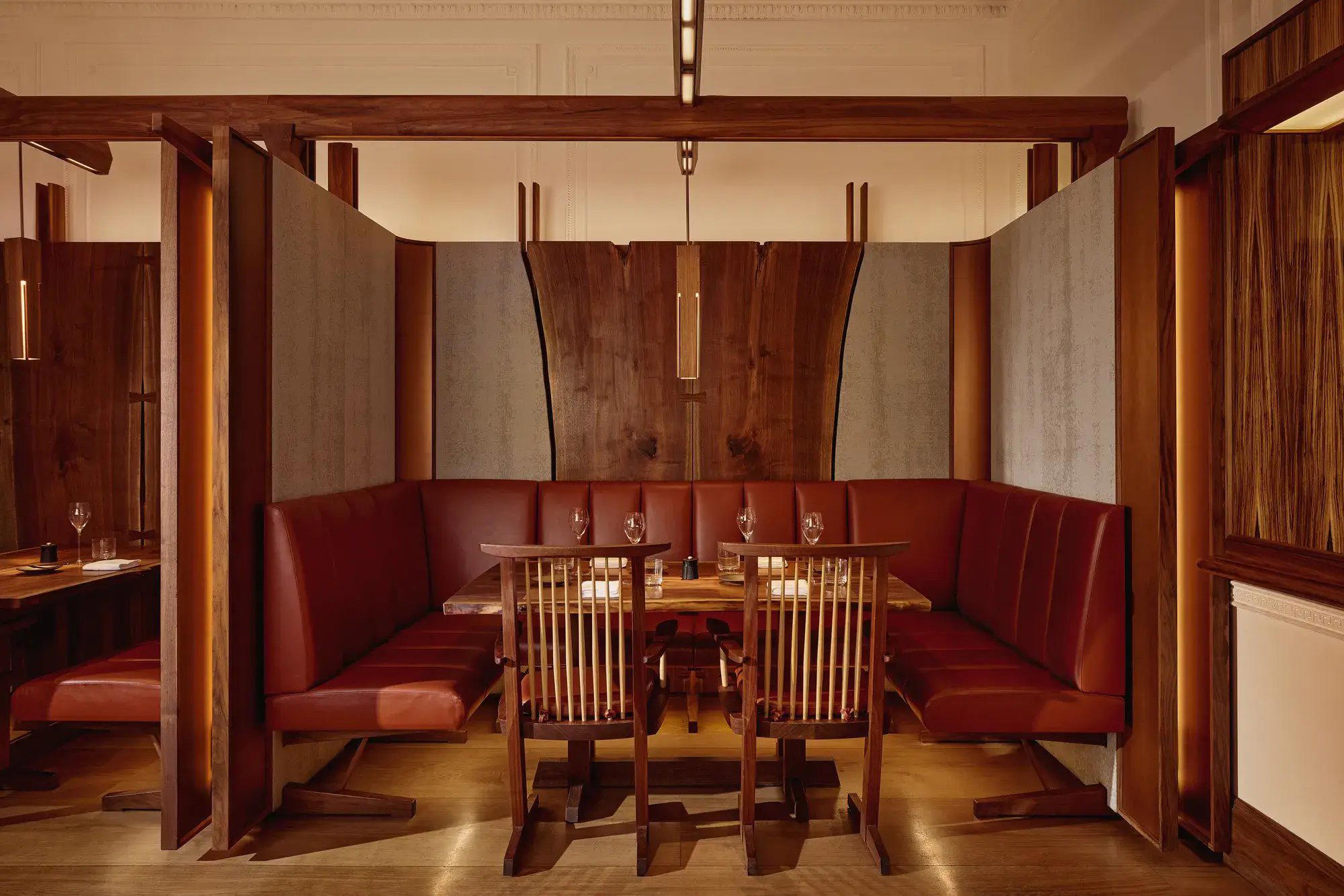
Open since 1955, The Connaught Grill on Carlos Place in Mayfair is one of London's most durable rooms for serious grill-room dining. Rosewood panelling, furniture by Mira Nakashima, and a wine list stocked with serious bottles frame a menu centred on premium cuts, from Aberdeen Angus to Kobe beef. Old-school glamour, preserved rather than reimagined.

Pearl is the En Primeur Club membership app, where members save venues, book tables and use the concierge.
The menu
What to order
- Tomahawk Steak
- Hereford Beef Fillet
- Dover Sole
- Sunday Roast
The Grill Room as London Institution
The grill room has always occupied a specific position in British dining culture, distinct from the tasting-menu counter and the brasserie. It is a room where the theatre belongs to the cut rather than the kitchen, where the wine list carries as much weight as the menu, and where the room itself is considered part of the offer. Carlos Place in Mayfair has housed one of the form's most persistent examples since 1955, when The Connaught Grill first opened inside one of London's most formal hotel addresses. Seven decades later, the format survives not through reinvention but through maintenance of a set of conventions that have genuine cultural staying power.
That longevity matters in a city where dining rooms open and close at speed. London's Mayfair corridor has absorbed waves of contemporary European restaurants, tasting-menu destinations, and chef-driven projects over the past twenty years. Venues like Alain Ducasse at The Dorchester and CORE by Clare Smyth represent the ambition end of contemporary London fine dining. The Connaught Grill sits in a different register entirely: the tradition-forward grill room that predates London's modern restaurant moment and has outlasted several of its successors.
Room First, Menu Second
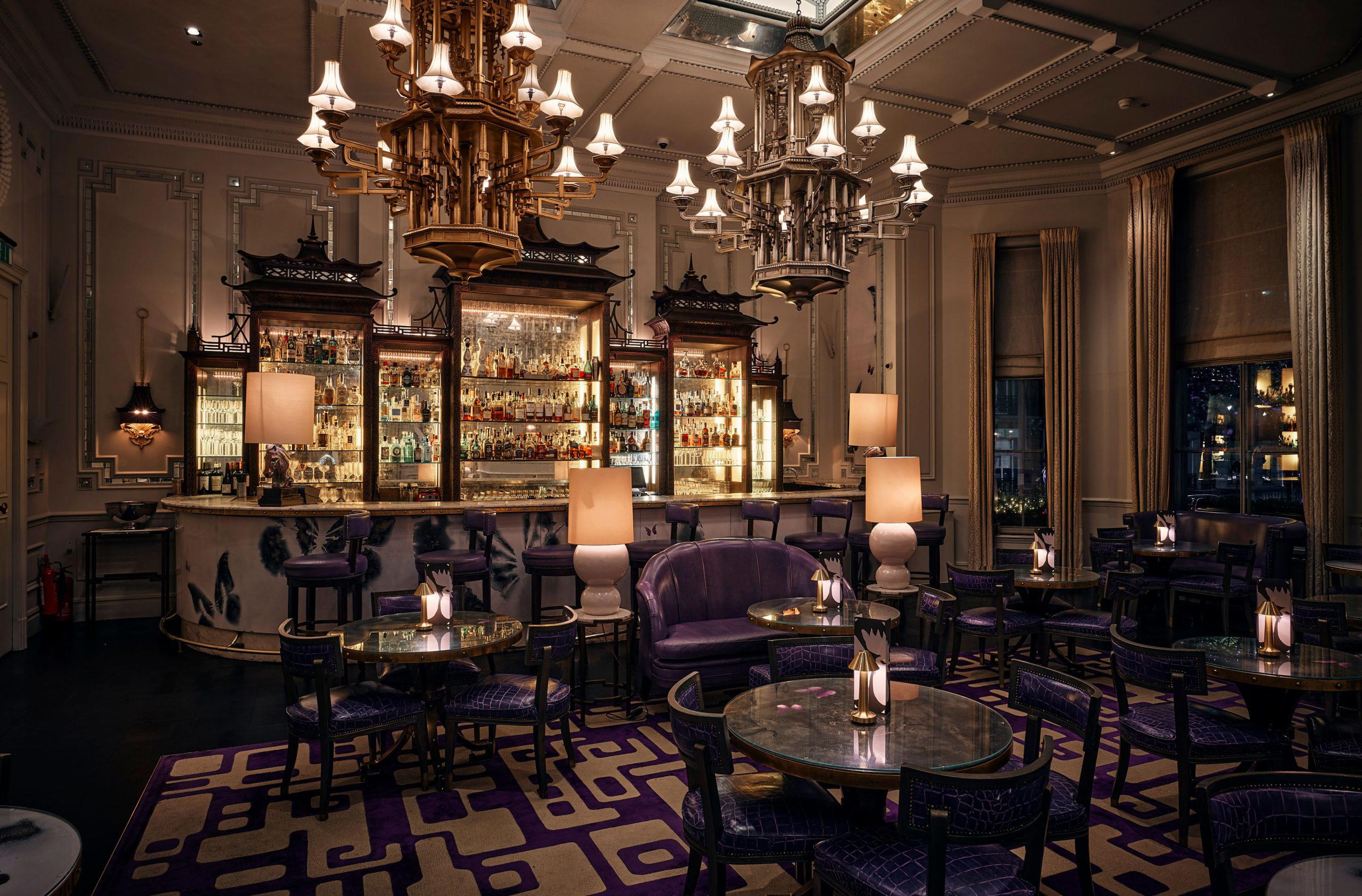
The entrance corridor is part of the experience before a dish arrives. Glass-fronted wine cabinets and rosewood panelling signal the room's priorities clearly: provenance, material quality, discretion. It is not a room designed for social media documentation or open-kitchen performance. The dining space itself is intimate and contained, with furniture crafted by Mira Nakashima, whose work carries its own design lineage and whose presence here is a considered choice rather than a decorative accident.
The effect is of a room that has been refreshed without being reset. The sense of old-school glamour that defines the Connaught Grill's appeal is not accidental nostalgia; it reflects a deliberate position in a market that has largely moved toward lighter, more informal formats. Where much of London's premium dining has leaned into natural light, open kitchens, and pared-back interiors, this room retains a darker, more enclosed character that reads as confident rather than dated.
Among London's broader dining scene, rooms with this kind of physical formality have become rarer. The category once included numerous hotel dining rooms across Belgravia and Mayfair; most have either closed or repositioned toward brasserie formats. The Connaught Grill is among the remaining examples where the original purpose of the room, a serious, unhurried dinner anchored by premium ingredients and an authoritative wine list, remains the operational model.
The British Grill Tradition and What It Actually Means
The grill room as a format has deep roots in British and specifically London dining. Its cultural logic is different from the French restaurant tradition that shaped much of European fine dining: less sauce-led, more focused on the ingredient at the centre of the plate, and historically tied to club dining and hotel formality rather than chef-driven tasting menus. Aberdeen Angus beef, sourced from Scottish Highland cattle bred specifically for flavour depth, has been a fixture of the British grill canon for well over a century. Kobe beef, at the premium end of the global wagyu category, represents the international extension of that same ingredient-first philosophy.
The Connaught Grill's menu operates within this tradition, offering grill-room classics that foreground cut quality rather than culinary intervention. That approach places it in a different competitive conversation from the creative-led rooms that have defined London's critical attention in recent years. Ikoyi, The Clove Club, and The Ledbury occupy a tier where technique and conceptual ambition drive the offer. The Connaught Grill's argument is different: that the quality of the primary ingredient, sourced and prepared correctly, is argument enough.
That position is more defensible than it might appear. As London's restaurant scene has become more international and more technique-oriented, the direct grill room has become a rarer category. Outside Mayfair, the British tradition of ingredient-led cooking finds expression in very different formats, from Moor Hall in Aughton to L'Enclume in Cartmel and Waterside Inn in Bray. In London itself, the hotel grill room in its classic form is a contracting category, which gives the Connaught Grill's persistence genuine scarcity value.
The Wine Programme as a Structural Commitment
The wine list at The Connaught Grill is described as a collection of serious bottles rather than a curated-by-the-glass programme. That distinction matters. A grill-room wine list built around serious cellar depth operates on different assumptions from a contemporary restaurant list focused on natural producers and regional discovery. The logic here is alignment with the food: if the menu centres on premium cuts of beef at the top of the provenance hierarchy, the wine programme should offer bottles at a comparable level of ambition and maturity.
In London's current wine-bar and wine-led dining culture, that traditional model is less common than it was. Rooms like this, where a deep bottle list is understood as part of the formal dining contract, now operate in a niche that younger dining rooms have largely vacated. For guests who arrive with a specific bottle in mind or intend to spend significantly on wine, the format is a practical fit in a way that many contemporary London rooms are not.
Where It Sits in Mayfair's Dining Map
Carlos Place sits at the quieter end of Mayfair, away from the retail density of Bond Street and the foot traffic of Berkeley Square. The Connaught's address has historically attracted a guest profile more interested in discretion than visibility, and the Grill operates within that positioning. It is not a room designed to generate column inches or social traction; it is designed to deliver a specific, formal dining experience to guests who have already decided what they want.
Mayfair's premium dining is, broadly, split between chef-driven destination restaurants and hotel dining rooms with long track records. The former category has attracted most of the city's critical attention over the past decade. The latter, of which the Connaught Grill is one of the more durable examples, has been less written about but has maintained a consistent audience. For guests exploring London's wider dining offer, our full London restaurants guide maps the full range, and our London hotels guide, bars guide, and experiences guide cover the rest of the city's premium offer.
Internationally, the grill-room tradition finds different expressions. Le Bernardin in New York City and Emeril's in New Orleans represent the American side of the premium dining tradition; in the UK, regional comparisons include Gidleigh Park in Chagford and Hand and Flowers in Marlow, both of which pursue ingredient quality through very different formats. hide and fox in Saltwood represents the newer generation of British rooms focused on provenance. None of them are doing quite the same thing as the Connaught Grill, which remains, for better or worse, a specific product of a specific tradition.
Know Before You Go
- Address: Carlos Place, Mayfair, London
- Cuisine: British grill room; premium cuts including Aberdeen Angus and Kobe beef
- Established: 1955
- Atmosphere: Formal; rosewood panelling, Mira Nakashima furniture, glass-fronted wine cabinets
- Wine: Extensive bottle list; geared toward serious wine drinkers
- Reservations: Recommended; contact the hotel directly via The Connaught's main booking channels
- Dress code: Smart dress expected; the room's formality sets the tone
Frequently asked questions
What's the signature dish at The Connaught Grill?
Do I need a reservation for The Connaught Grill?
What's the standout thing about The Connaught Grill?
Is The Connaught Grill allergy-friendly?
A Pricing-First Comparison
Comparable venues nearby, for context on price, style, and recognition.
| Venue | Cuisine | Price | Awards | Notes |
|---|---|---|---|---|
| The Connaught GrillThis venue (the venue you are viewing) | Modern British Grill | $150–200 | Michelin Plate | Not listed |
| Berner's Tavern | Contemporary British | $100–150 | Not listed | Fitzrovia, Contemporary British |
| 74 Charlotte Street by Ben Murphy | Modern British | $50–100 | Michelin Plate · AA Rosettes 3 Rosettes | Fitzrovia, Modern British |
| Holborn Dining Room | Modern British Brasserie | $50–100 | World's Best Wine Lists Awards WBWL 2-Star | Lincoln's Inn, Modern British Brasserie |
| Sketch: The Parlour | Modern British Bistro | $50–100 | Not listed | Mayfair, Modern British Bistro |
| The Garden Room at the Chelsea Townhouse | British Breakfast & Brunch | $30–50 | Relais Chateaux Award | Chelsea, British Breakfast & Brunch |
Recognition history
Dated appearances from independent guides and award organizations, with the underlying list record or original source where available.
Michelin Plate
Michelin
Continue exploring
More in London
Restaurants in London
All restaurants in London →
Bars in London
All bars in London →
Hotels in London
All hotels in London →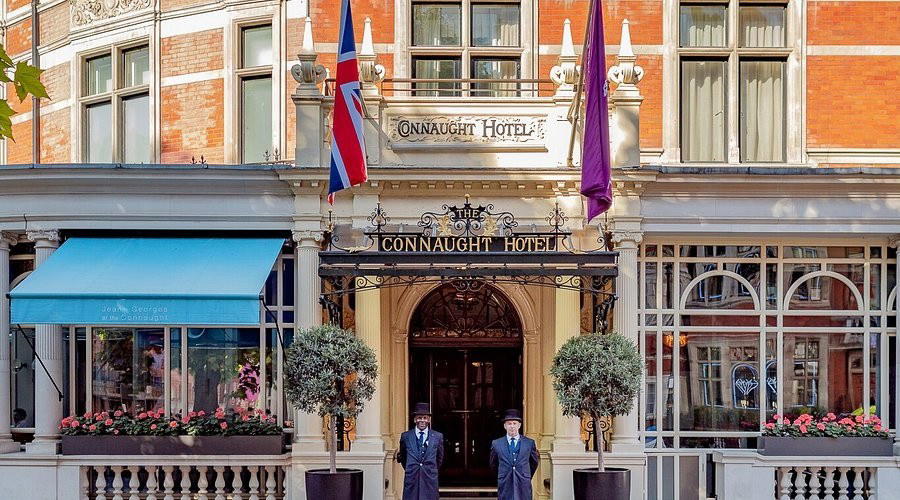



The Connaught Grill
The wine
- Wine program
- Deep wine list
- Extensive wine list
- Sommelier-led
Details
- Elegant
- Sophisticated
- Classic
- Intimate
- Well Known
- Date Night
- Business Dinner
- Special Occasion
- Celebration
- Open Kitchen
- Hotel Restaurant
- Historic Building
- Extensive Wine List
- Sommelier Led
- Local Sourcing
- A La Carte
- Vegetarian Friendly
Current opening hours
- Monday
- 6–10:15 PM
- Tuesday
- 6–10:15 PM
- Wednesday
- 6–10:15 PM
- Thursday
- 6–10:15 PM
- Friday
- 6–10:15 PM
- Saturday
- 12–2:30 PM, 6–10:15 PM
- Sunday
- 12–4:30 PM, 6–9 PM
Hours can change for holidays and private events. Hours as of .
Discreet intimate space with old-school glamour, rosewood panelling, glass-fronted wine cabinets, and bespoke Mira Nakashima furniture.