The Boulevard
Our verdict
The Boulevard brings a Modern American menu with pronounced Asian-fusion influences to Arlington, Virginia, a city whose dining scene has diversified well beyond its federal-corridor reputation. The kitchen works a format that sits comfortably between neighborhood staple and destination-worthy table, making it a reference point for the Mid-Atlantic's growing appetite for cross-cultural cooking.

Pearl is the En Primeur Club membership app, where members save venues, book tables and use the concierge.

Where the Mid-Atlantic Meets the Pacific Rim
Arlington, Virginia has spent the better part of two decades quietly rewriting what a Washington, D.C. suburb is supposed to eat. The corridor running from Rosslyn through Clarendon and into Ballston now contains Vietnamese pho shops that have been operating since the 1970s resettlement wave, Neapolitan pizzerias holding their own against anything across the river, and a growing cohort of kitchens doing serious cross-cultural work. The Boulevard fits into that last category: a Modern American kitchen with Asian-fusion influences that reflects the mid-Atlantic region's particular talent for absorbing multiple culinary traditions without flattening any of them. For context on how the wider scene fits together, the full Arlington restaurants guide maps the range from casual to destination-grade.
The fusion format The Boulevard occupies is neither new nor simple to execute well. The American coasts have set the standard: Atomix in New York City operates at the intersection of Korean fine dining and Western tasting-menu conventions; Providence in Los Angeles draws on Pacific Rim sourcing within a classically structured seafood program. The Mid-Atlantic equivalent tends to be less formally ambitious but often more regionally coherent, drawing on the Chesapeake's seafood traditions, the Korean and Vietnamese communities of the Virginia suburbs, and the kind of confident, produce-forward American cooking that has defined the region since Patrick O'Connell opened The Inn at Little Washington in the late 1970s.
The Fusion Register Arlington Has Made Its Own
Asian-fusion as a category covers an enormous range, from the superficial (sriracha aioli on a burger) to the genuinely considered (dashi-based reductions replacing classical French stocks in otherwise Western preparations). Arlington's dining culture, shaped heavily by its large East and Southeast Asian communities, tends to reward the latter. Bangkok 54 has anchored serious Thai cooking in the area for years. The Vietnamese tradition runs even deeper, with establishments like Bayou Bakery demonstrating how Southern and regional American influences can coexist productively with other traditions.
The Boulevard's Modern American with Asian-fusion framing places it in a lineage that connects nationally to projects like Lazy Bear in San Francisco, where American vernacular cooking gets filtered through technically precise, culturally layered lenses, and regionally to the broader D.C.-area movement that has increasingly positioned the capital as a serious destination for cross-cultural fine and mid-fine dining. It is a format that rewards kitchens willing to do the homework: understanding which Asian techniques genuinely transform a dish versus which ones simply accessorize it.
Regional Context: The Virginia Dining Belt
Virginia's culinary identity has historically split between two poles. The first is the agricultural and pastoral tradition of the Shenandoah Valley and the Blue Ridge foothills, the same tradition that gave Blue Hill at Stone Barns its American spiritual counterpart in The Inn at Little Washington. The second is the dense, polyglot urban cooking of the Northern Virginia suburbs, where the proximity to D.C. and the presence of large immigrant communities from East Asia, South Asia, and Latin America have created a more heterogeneous dining culture than the state's pastoral reputation suggests.
The Boulevard operates squarely in that second tradition. Arlington is not farm-to-table country in the way that Healdsburg is for Single Thread Farm or Yountville is for The French Laundry. It is a dense, transit-connected suburb where the most interesting cooking tends to emerge from the collision of different culinary heritages rather than from any single regional tradition. That collision is what Modern American with Asian-fusion influences, done seriously, looks like in practice.
For comparison across the Arlington dining spectrum: A Modo Mio Pizzeria Napoletana anchors the Italian-tradition end; Angie works the French-influenced European bistro format; Barley Mac covers the American gastropub register. The Boulevard's cross-cultural positioning gives it a distinct lane from all three.
Where It Sits in the Broader American Picture
American fine and mid-fine dining has moved significantly toward cultural synthesis over the past decade. Kitchens from Alinea in Chicago to Addison in San Diego and Le Bernardin in New York City all demonstrate, in different ways, that American dining identity is not a single register but a conversation between multiple traditions. The fusion impulse that The Boulevard represents is part of that conversation, and at its finest it produces cooking that is neither derivative nor arbitrarily exotic but genuinely of its place: a suburban Virginia restaurant feeding a community that grew up eating pho and bánh mì alongside crab cakes and cornbread.
The Gulf South analog is worth noting too. Emeril's in New Orleans built its reputation on exactly this kind of synthesis: American technique, Creole tradition, and outside influences producing something that reads as regionally specific rather than globally generic. The Mid-Atlantic version is less codified as a culinary tradition but no less real for that. Northern Virginia's dining culture is still in the process of naming itself.
Planning Your Visit
The Boulevard is located in Arlington, Virginia, making it accessible from D.C. via the Metro's Orange, Blue, or Silver lines, all of which stop in the Arlington corridor. Arlington's dining scene rewards walking: the density of restaurants in the Clarendon and Ballston areas means pre- or post-dinner options for drinks or dessert are within easy reach. Given the venue's Modern American positioning with Asian-fusion influences, the kitchen likely draws on both local and regional sourcing alongside imported pantry items standard to Asian-influenced cooking, which tends to make the menu more seasonally dynamic than a purely static format. Booking in advance is advisable for weekend sittings at Arlington restaurants in this register; walk-in availability tends to be more reliable at the bar, if one exists, or at off-peak weekday times.
Frequently asked questions
What should I order at The Boulevard?
Menu's Modern American foundation with Asian-fusion influences suggests the most considered choices will be dishes where those two registers genuinely intersect rather than run parallel. Look for preparations where an Asian technique or pantry element is doing structural work in the dish rather than appearing as a garnish. At Arlington restaurants in this format, seafood preparations and anything involving fermented or umami-forward sauces tend to be where the kitchen shows its range most clearly. If a tasting or chef's selection format is offered, that is typically the most coherent way to read the full scope of the menu.
Can I walk in to The Boulevard?
Arlington's dining scene at the mid-to-upper register has grown competitive enough that weekend walk-ins at more serious kitchens carry risk, particularly on Friday and Saturday evenings. The Boulevard's positioning in the Modern American with Asian-fusion space suggests it draws from both the local residential community and visitors from D.C. which broadens its demand base. A reservation for weekend visits is the more reliable approach; weekday evenings and lunch sittings, if offered, tend to have more flexibility across Arlington generally.
What's the defining dish or idea at The Boulevard?
The defining idea at The Boulevard is the productive tension between American culinary structure and Asian-influenced technique. Nationally, the kitchens doing this most coherently treat Asian ingredients and methods as load-bearing elements rather than decorative ones, producing dishes that read differently from either tradition alone. Whether The Boulevard achieves that synthesis consistently is the question worth asking when you sit down, and the answer will be visible in the most complex items on the menu rather than the approachable ones.
Is The Boulevard worth the price?
Value in Arlington's mid-to-upper dining tier is best assessed against the cross-river D.C. alternative. A comparable Modern American kitchen with Asian-fusion influences in D.C.'s Penn Quarter or 14th Street corridor will typically carry a meaningfully higher price point due to real estate and operational costs. Arlington restaurants in this register have historically offered competitive value on that comparison. Whether the cooking justifies the specific price is a function of execution, and the Asian-fusion format, when done with genuine intent rather than superficial application, tends to involve more complex sourcing and technique than a direct American menu at the same price level.
When is the ideal time to visit The Boulevard?
If weekday evenings are an option, they typically offer a quieter room and more attentive service pacing at Arlington restaurants in this category. The Metro access makes midweek visits from D.C. logistically direct. Seasonally, menus in this format often shift with produce availability, which in the Mid-Atlantic means late spring through early autumn tends to bring the widest range of local ingredients into the kitchen, making that window the most representative of what the menu can do at full range.
How does The Boulevard compare to other Asian-influenced American restaurants in the greater D.C. area?
The greater D.C. and Northern Virginia corridor has developed one of the more serious concentrations of Asian-influenced American cooking in the country, driven by the region's large Korean, Vietnamese, and South Asian communities. The Boulevard's Arlington location places it within that ecosystem, where the competition includes long-established Vietnamese and Thai specialists alongside newer fusion-format kitchens. Its Modern American framing distinguishes it from single-cuisine specialists like Bangkok 54 and positions it in a smaller cohort of restaurants attempting genuine synthesis across multiple culinary traditions rather than operating within one.
Cuisine and Recognition
Comparable venues nearby, for context on price, style, and recognition.
| Venue | Cuisine | Price | Notes |
|---|---|---|---|
| The BoulevardThis venue (the venue you are viewing) | Modern American with Global Flavors | Not listed | Not listed |
| Open Road Rosslyn | American Gastropub | $20–30 | Rosslyn |
| Texas Jacks Barbecue | Texas-Style Barbecue | $20–30 | Lyon Park |
| Ruthie's All-Day | Modern Southern BBQ All-Day | $20–30 | Columbia Pike |
| Mejana | Authentic Lebanese | $50–100 | Clarendon - Courthouse |
| Inca Social | Modern Peruvian Cevicheria | $30–50 | Rosslyn |
Continue exploring
More in Arlington
Restaurants in Arlington
All restaurants in Arlington →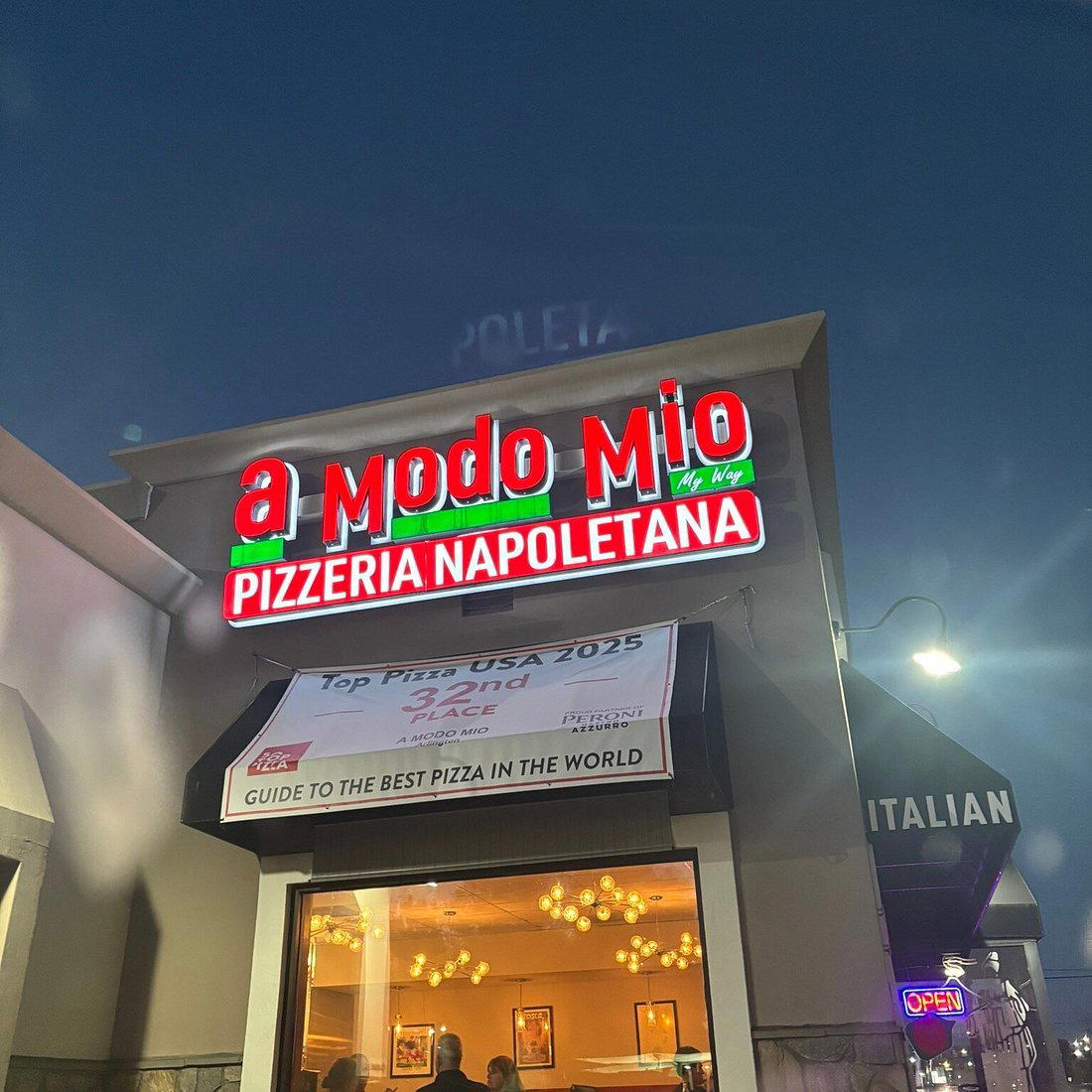


Bars in Arlington
All bars in Arlington →
Hotels in Arlington
All hotels in Arlington →
Details
- Historic Building
Modern atmosphere in a repurposed historic space.