Altitude
Altitude gives Arlington a quieter bar proposition: Italian-leaning food, a wine-bar spine, and the analogue pull of a vinyl listening lounge. In a city often associated with stadium traffic, breweries, and casual drinking rooms, it points toward a more composed evening format built around what is in the glass, what is on the turntable, and how long the table can hold a conversation.
Pearl is the En Primeur Club membership app — saves, bookings, and concierge access live there. Same editors, same standards.
- Address
- 2011 Crystal Drive, Arlington, VA 22202
 Saves & bookings on Pearl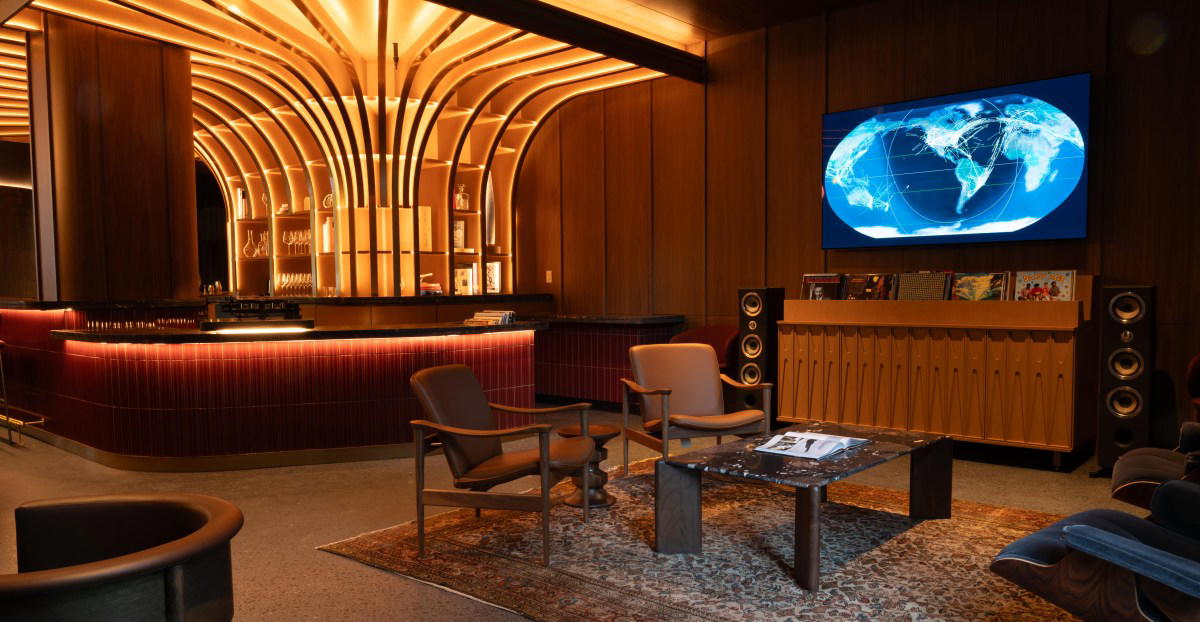
Altitude and Arlington's Quieter Drinking Register
The first cue at a listening-led bar is rarely the menu. It is the change in volume. Arlington has plenty of rooms built for game-day noise, beer flights, late brunch, and quick rounds before or after an event, but Altitude belongs to a smaller category: the bar where the soundtrack matters, the glassware slows the pace, and Italian-leaning food gives the evening a shape beyond another drink order. That combination places it closer to a contemporary aperitivo room than to a sports-adjacent Arlington bar.
The distinction matters because Arlington’s drinking culture is split across several practical moods. There are tiki-minded rooms such as 4 Kahunas, brewery formats such as Division Brewing, brunch-and-bar hybrids such as Egg Bar Brunch & Bar, and crowd-friendly theme venues such as Guy Fieri's Taco Joint. Altitude sits away from that louder axis. Its relevance is categorical. Its relevance is categorical: Arlington has room for a bar where wine, records, and Italian cues do the editorial work.
Why the Vinyl-Bar Format Changes the Drink
Vinyl listening lounges have become a useful corrective to the last decade of cocktail culture. After years of speakeasy doors, theatrical glassware, and drinks written like chemistry notes, a different kind of bar has gained ground: lower light, better speakers, less performance, and a drinks list that can support time rather than spectacle. Altitude’s listed identity puts it in that lane. The stronger point is structural: a listening lounge asks the beverage programme to respect tempo.
In that setting, wine has an advantage. A bottle can sit through a side of a record. A glass can bridge antipasti, pasta, and an after-dinner drink without forcing a reset. Italian-leaning bars are especially well suited to this rhythm because the country’s drinking grammar has long understood appetite: aperitivo before dinner, wine with food, bitter or amaro-shaped drinking at the edge of the night. Even when a venue’s cocktail list is not publicly detailed, that tradition gives the room a logic. The drink is not decoration; it is pacing.
For cocktail-focused readers, the useful question is not whether Altitude competes with laboratory-style bars in New York or Los Angeles. Arlington’s more meaningful comparison is local: does a drink programme give the evening a reason to linger when the city already has breweries, brunch bars, and stadium-adjacent energy? It trades the rapid turnover of a conventional bar for a listening-room model, where the sound system, wine orientation, and Italian food cues form the experience.
Italian-Leaning, Not Italian-Themed
“Italian-leaning” is a useful phrase because it suggests influence rather than costume. It leaves space for a wine list shaped by Italy, food designed around drinking, and a service style that does not have to become trattoria theatre. In American cities, that category has grown because it is flexible. It can hold vermouth, Lambrusco, skin-contact whites, bitter aperitifs, salumi, conservas-adjacent snacks, pasta, and late-night pours without requiring a full restaurant posture.
That form is valuable in Arlington because it fills a gap between restaurant dinner and bar-hopping. A full Italian restaurant asks for a larger commitment: reservation, courses, a table built around food. A conventional wine bar can become static if the kitchen is secondary and the room has no point of view. A vinyl lounge changes the middle ground. Music gives the space a non-food identity; Italian-leaning cooking gives the drinks something to hold onto; wine keeps the night from becoming a parade of sweet or high-proof cocktails. The format is adult without becoming stiff.
There is also a useful restraint in the absence of public award data. Many bar pages lean on medals, lists, and chef biographies until the reader learns more about the résumé than the room. That absence does not weaken the editorial read; it clarifies the terms of judgment. The reason to pay attention is not institutional validation. It is the way the concept maps onto a broader shift in American bar culture toward sound, mood, and lower-friction drinking formats.
The Arlington Context: Stadium City, Suburban Density, and Grown-Up Evenings
Arlington is not a single dining personality. It is part sports corridor, part suburban family market, part business-travel base, and part regional night-out zone. That produces bars with different operating assumptions. Some rooms need to absorb groups before a game. Some work because craft beer remains a durable local habit. Others serve the late brunch economy, where eggs, cocktails, and daytime socializing share the bill. A wine-and-vinyl concept reads differently inside that mix. It is not chasing every occasion. It is built for a narrower one: the night when the soundtrack matters more than screens and the second glass matters more than speed.
For readers mapping a broader itinerary, EP Club’s Arlington coverage separates those moods across categories. The city’s restaurant frame is collected in Our full Arlington restaurants guide, while bar-led evenings sit inside Our full Arlington bars guide. Visitors treating Arlington as a base can cross-reference Our full Arlington hotels guide, and more niche planning sits in Our full Arlington wineries guide and Our full Arlington experiences guide. Altitude’s place in that map is the bar entry for people who want the night to slow down rather than expand outward.
That slower register is not passive. The better listening-room bars create a subtle pressure on behavior: fewer interruptions, more attention to what is playing, and a drink order that does not need to announce itself. Still, the format itself carries clues. A vinyl lounge is unlikely to reward the same mindset as a high-capacity party bar. It is better read as a room for couples, small groups, or solo drinkers who prefer a bar seat and a record side to a room engineered for constant movement.
How Altitude Compares Beyond Arlington
The listening-bar idea has roots in Japanese jazz kissaten and record-bar culture, then spread through cities that wanted serious audio without club infrastructure. In the United States, the category has developed in parallel with the maturation of cocktail bars. Some rooms use the format to showcase rare spirits. Others center natural wine, aperitivo, or chef-led snacks. Altitude’s Italian-leaning, wine-bar identity places it in the latter camp. It is less about the bartender as magician and more about the beverage programme as a social tempo.
That does not make it provincial. The national bar conversation has already broadened beyond the hidden-door model. Miami’s Café La Trova in Miami uses live music and Cuban cocktail heritage as the organizing principle; Happy Accidents in Albuquerque built attention around creative drinking outside the usual coastal circuit; Roquette in Seattle shows how a smaller, mood-specific room can define an evening through focus rather than scale. Altitude belongs in that broader editorial conversation because it treats the bar as a full cultural format, not just a counter with bottles behind it.
The comparison also exposes what should not be overstated. There is no Michelin data, no World’s 50 Best Bars citation, and no James Beard recognition. The trust signal here is contextual rather than award-led: the venue’s stated category aligns with a documented, expanding segment of premium bar culture. For a reader, that is useful. It says the decision is about preference, not trophy-chasing. If the night calls for wine, records, and Italian inflection in Arlington, Altitude is clearly filed in that lane.
The Drink Programme, Read Through Restraint
A cocktail programme can be defined by invention, but it can also be defined by refusal. Not every serious bar needs smoke, foam, tableside explanation, or a drink that takes twelve minutes to build. In an Italian-leaning wine bar, the more interesting standard is integration: whether cocktails, wine, and food share a vocabulary. The public record provided here confirms the broad categories, so the editorial read stays with structure rather than specific pours. Bitter, bright, low-intervention, and food-compatible drinking traditions are the relevant reference points, not an imagined signature serve.
That matters because many American cocktail rooms separate the drink from the evening. The order becomes the event. A listening lounge works better when the drink supports a longer arc: first glass while the room settles, food in the middle, another pour when the record changes. Wine bars understand that arc naturally. Italian drinking culture gives it further shape through aperitivo and digestivo traditions, even when the exact menu is not public. Altitude’s category suggests a programme that should be judged by cohesion, not pyrotechnics.
For Arlington, that cohesion is the editorial hook. The city does not lack places to drink. It lacks fewer rooms where music, wine, and food appear to have been considered as one evening rather than three separate revenue streams. That is the distinction to watch at Altitude. The drinks need not chase national trends if the room gives Arlington a disciplined alternative to louder local formats.
Planning the Evening
Practical detail is limited by the available record. No address, phone number, website, hours, seat count, or price range is listed. The room’s listed identity points toward a slower, smaller-scale experience, so peak evening timing may feel different from a brewery or brunch bar even if formal capacity is not available.
Dress expectations should follow the format rather than an invented policy. A wine bar and vinyl lounge usually rewards a composed casual approach: less game-day gear, more dinner-adjacent ease. That is guidance based on category, not a stated rule. Price expectations also remain unconfirmed. Readers comparing options should treat Altitude as a concept-led bar rather than a budget category until menu information is checked directly. In practice, that means it makes sense as the centerpiece of a quiet drinks-and-food evening, not as an add-on between louder stops.
Reputation & Price
Comparable venues nearby, for context on price, style, and recognition.
| Venue | Price | Notes |
|---|---|---|
| AltitudeThis venue — the venue you are viewing | $$$ | Not listed |
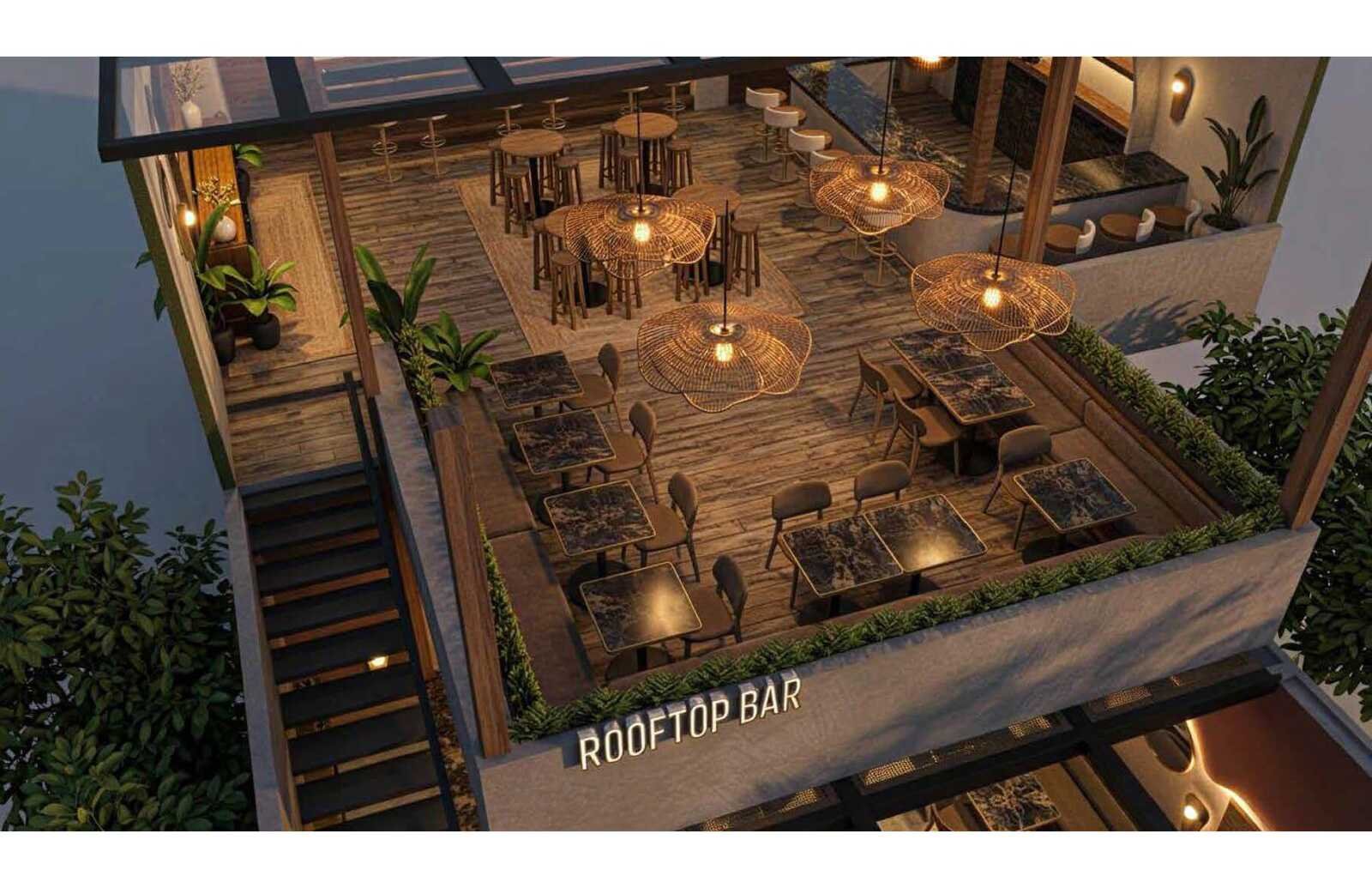
| Solset | $$$ | Clarendon, rooftop_bar |
Continue exploring
More in Arlington
Bars in Arlington
Browse all →
Restaurants in Arlington
Browse all →
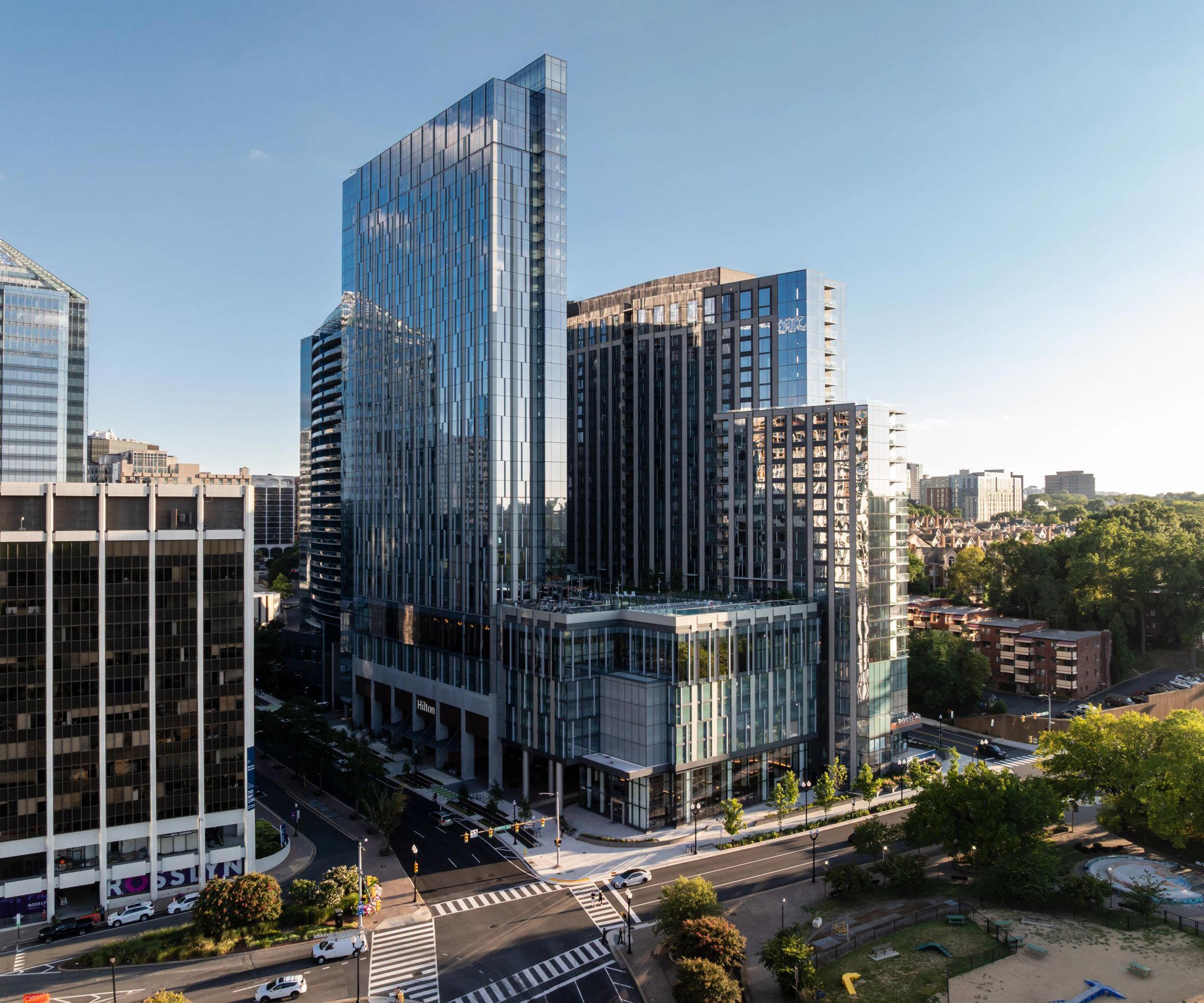
At a Glance
- Sophisticated
- Elegant
- Modern
- Intimate
- Trendy
- Date Night
- After Work
- Special Occasion
- Celebration
- Group Outing
- Private Event
- Design Destination
- Standalone
- Seated Bar
- Lounge Seating
- Booth Seating
- Private Rooms
- Craft Cocktails
- Conventional Wine
- Natural Wine
- Low Abv
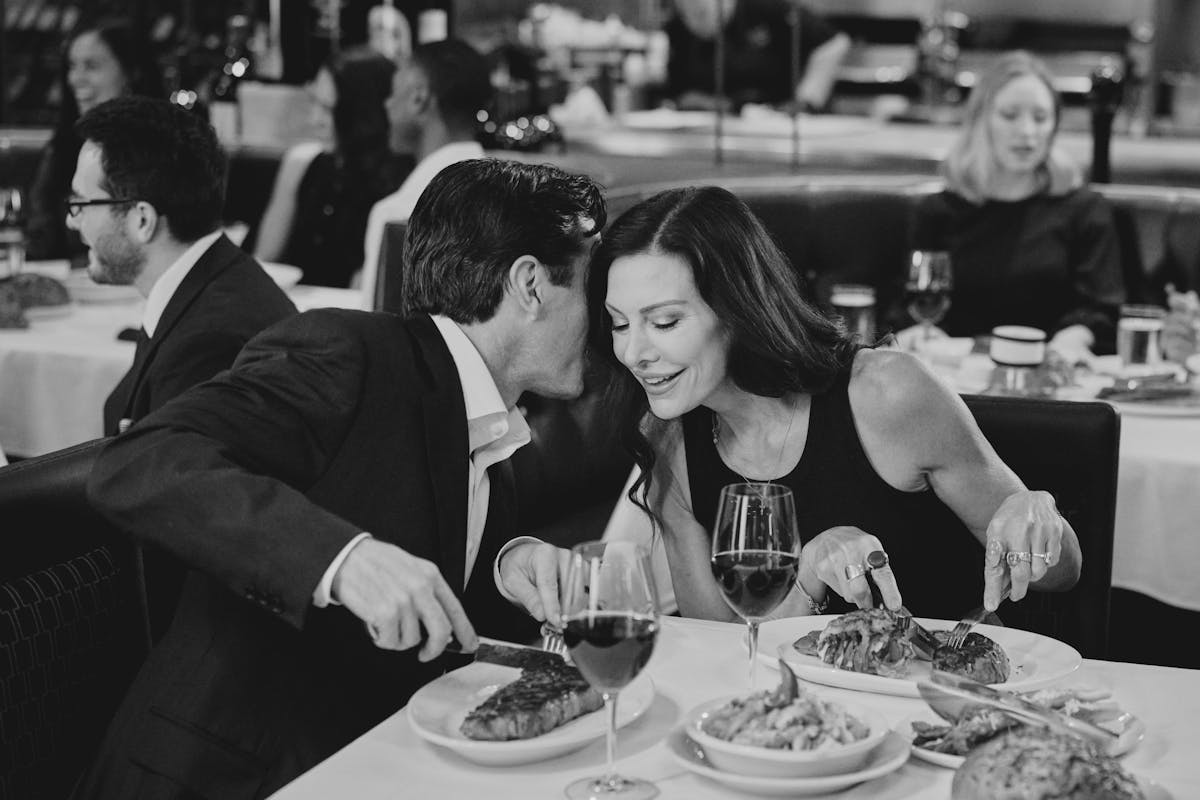
Seductive, low-lit, and design-forward, with custom nooks, embossed gold-foil menus, aviation-inspired details, and a curated vinyl listening room that evokes the golden age of jet-set travel.
Know Before You Go
- Getting there
- 2011 Crystal Drive, Arlington, VA 22202