The Block
On Woodward Avenue in Detroit's Midtown corridor, The Block occupies a stretch of the city where independent dining has quietly reshaped the neighbourhood's food identity. The venue sits among a generation of Detroit restaurants that have leaned into sourcing transparency and operational conscience, making it a reference point for how the city's dining scene is evolving beyond its industrial past.
Pearl is the En Primeur Club membership app — saves, bookings, and concierge access live there. Same editors, same standards.
- Address
- 3919 Woodward Ave, Detroit, MI 48201
- Phone
- +13138320892
- Website
- theblockdet.com
- Directions
- Get directions
 Saves & bookings on Pearl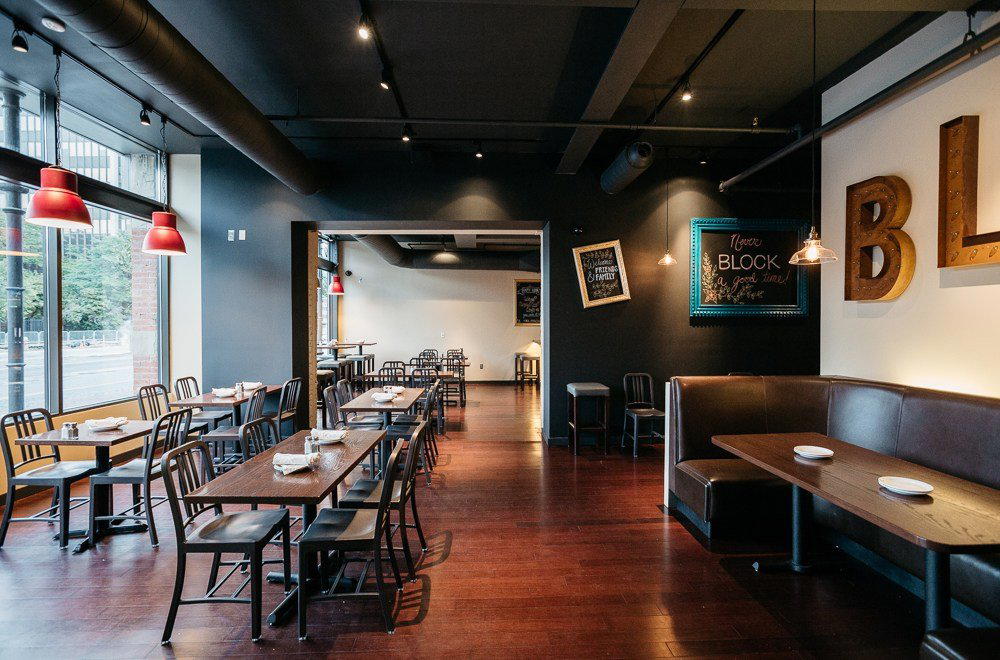
Woodward Avenue and the New Detroit Dining Conscience
Midtown Detroit's Woodward Avenue corridor has undergone a quiet but consequential shift over the past decade. Where the stretch once read as a gap between downtown ambition and university-district utility, it has become one of the city's more interesting blocks for independent dining — venues that trade on neighbourhood identity and sourcing integrity rather than celebrity or spectacle. The Block, at 3919 Woodward Ave, sits inside that pattern. Its address alone places it in conversation with the broader story of how Detroit's restaurant community has rebuilt itself: incrementally, neighbourhood by neighbourhood, with a stronger emphasis on what food comes from and how kitchens operate than the city's earlier revival wave tended to produce.
Across American dining, the sustainability frame has split into two recognisable camps. One is performance-led: the composting program mentioned in a press kit, the seasonal menu rotated for optics. The other is operational: procurement structures, waste systems, and supplier relationships that shape what actually lands on a plate. Detroit's geography and post-industrial history have given its restaurants an unusual relationship with the latter. Land availability, urban farming initiatives, and a food-cost environment distinct from coastal markets have pushed a number of Midtown and New Center operators toward sourcing models that would be economically harder to maintain in, say, New York or San Francisco. The Block is part of that Detroit-specific context.
Midtown's dining cohort includes Selden Standard, which built its reputation on rotating local sourcing and a vegetable-forward menu before that framing was common in the city, and newer arrivals like ADELINA and Alpino, both of which operate in a register that prioritises ingredient provenance and deliberate menu restraint. Further out, Baobab Fare has drawn national attention for its East African kitchen and its community sourcing model. The Block shares a zip code and a general dining philosophy with several of these addresses, and that proximity matters: Woodward Avenue has become a readable strand of Detroit's more ethically oriented dining tier.
Nationally, the restaurants most associated with serious sustainability practice tend to operate at higher price points and with significant institutional support. Blue Hill at Stone Barns in Tarrytown built its model around a working farm attached to the restaurant. Single Thread Farm in Healdsburg controls its supply chain from cultivation to table. The French Laundry in Napa operates its own kitchen garden across the street. These are resource-intensive models, and they set a standard that neighbourhood restaurants elsewhere can only approximate. What distinguishes Detroit's version of this story is that the city's lower real estate costs and existing urban agriculture infrastructure allow mid-tier restaurants to engage with sourcing ethics at a level that would require significantly larger operating budgets in other markets.
Detroit's Food Identity Beyond the Coney Island Baseline
Any honest account of Detroit dining has to acknowledge the city's baseline identity: the Coney Island hot dog, the vernacular diner culture, the workingman's food traditions that predate the city's various reinventions. American Coney Island on Lafayette represents that tradition in its most concentrated form, and it remains a genuine reference point rather than a tourist curiosity. The newer dining generation, which includes The Block, doesn't displace that tradition so much as operate alongside it, serving a different function for a different audience. What has changed is that Detroit's restaurant culture now supports a full range of price points and culinary approaches, from the Coney counter to the sourcing-forward Midtown dining room, without the cognitive dissonance that might have seemed unavoidable a decade ago.
Venues like Vecino with its modern Mexican approach and Slow's Bar-BQ with its long-standing barbecue program have demonstrated that Detroit diners will support restaurants that take their category seriously and operate with some degree of operational discipline. The Block fits that broader pattern: a Woodward Avenue address that signals neighbourhood seriousness rather than destination-dining theatrics.
The Sustainability Frame in Practice
Across the American dining scene, waste reduction has moved from a talking point to a measurable operational standard at the serious end of the market. Restaurants like Lazy Bear in San Francisco and Alinea in Chicago have incorporated preservation, fermentation, and whole-product utilisation into their kitchen logic at a technical level. At Le Bernardin in New York City, seafood sourcing has been tied to specific sustainability certifications for years. In Los Angeles, Providence has made traceable, responsibly caught seafood a central part of its identity and its public communication. What these operations share is that the sustainability position is structural rather than decorative: it shapes procurement, menu design, and kitchen practice in ways that are visible to a careful diner. Detroit's dining scene is building toward the same standard at its own pace, and Midtown is where that shift is most legible.
Other American venues that have received recognition for this kind of practice include Addison in San Diego and The Inn at Little Washington, both of which have made sourcing transparency part of their critical positioning. Internationally, 8½ Otto e Mezzo Bombana in Hong Kong and Atomix in New York have shown that ingredient ethics can operate alongside formal fine-dining ambition without contradiction. Detroit's version of this conversation is less formal and more neighbourhood-scaled, but the underlying logic is the same.
Visiting The Block: What to Know Before You Go
The Block's Woodward Avenue address puts it in easy reach of Midtown's broader dining circuit. Visitors building a serious Detroit itinerary would do well to approach the neighbourhood as a cluster rather than a series of individual reservations: Amore da Roma, 313 Cinnamon Rolls, and several other Woodward-adjacent addresses allow for a multi-meal day in the same corridor without significant travel time. For a full picture of where The Block sits within the city's dining geography, the EP Club Detroit guide maps the broader scene across neighbourhoods and price points. As with most independently operated Midtown venues, confirming hours and any reservation requirements directly with the restaurant before visiting is advisable, particularly for weekend and evening service when the corridor draws consistent foot traffic from the nearby cultural institutions. Comparisons to national peers like Emeril's in New Orleans are less instructive here than understanding the specific Detroit context: this is a city where neighbourhood-scale dining carries its own logic, and Woodward Avenue is one of the clearest places to read it.
How The Block Detroit compares with similar nearby venues.
| Venue | Cuisine |
|---|---|
| Warda Pâtisserie | pastries / French-influenced |
| 313 Cinnamon Rolls | bakery / vegan cinnamon rolls |
At a Glance
- Lively
- Cozy
- Trendy
- Brunch
- Group Dining
- Casual Hangout
- Happy Hour
- Open Kitchen
- Craft Cocktails
Current opening hours
- Monday
- Closed
- Tuesday
- Closed
- Wednesday
- 12–9 PM
- Thursday
- 12–9 PM
- Friday
- 12–10 PM
- Saturday
- 11 AM–10 PM
- Sunday
- 11 AM–4 PM
Hours can change for holidays and private events. Last verified .
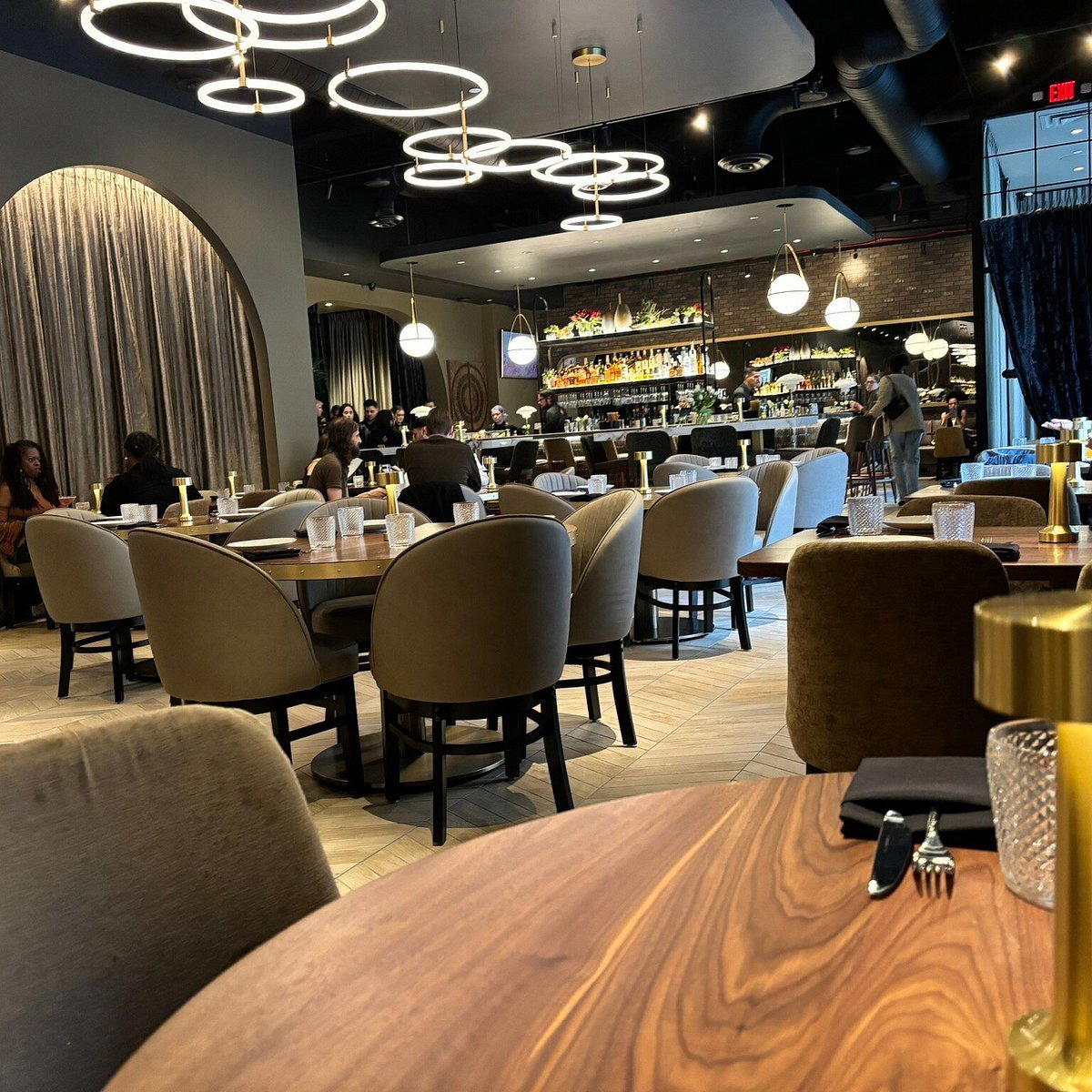
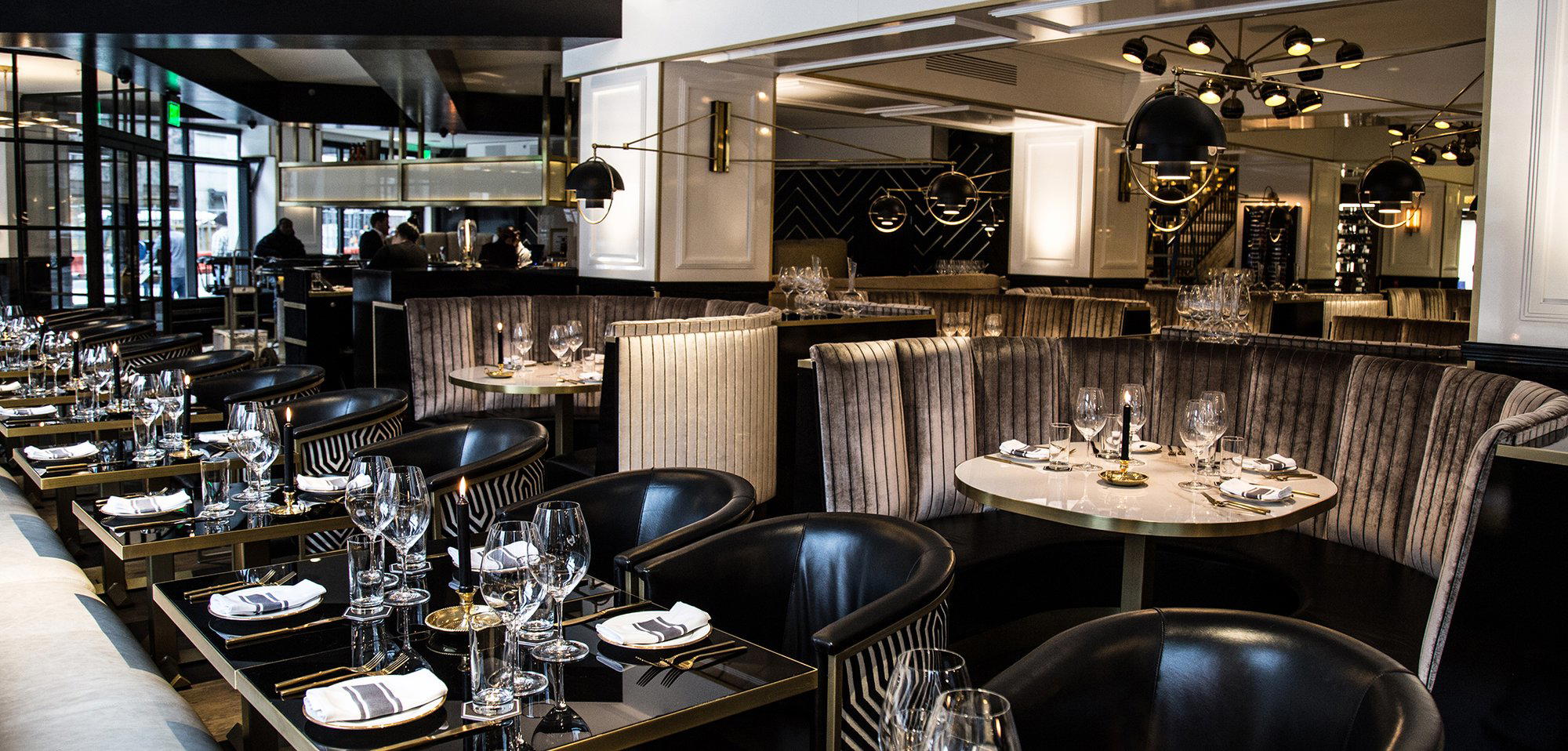
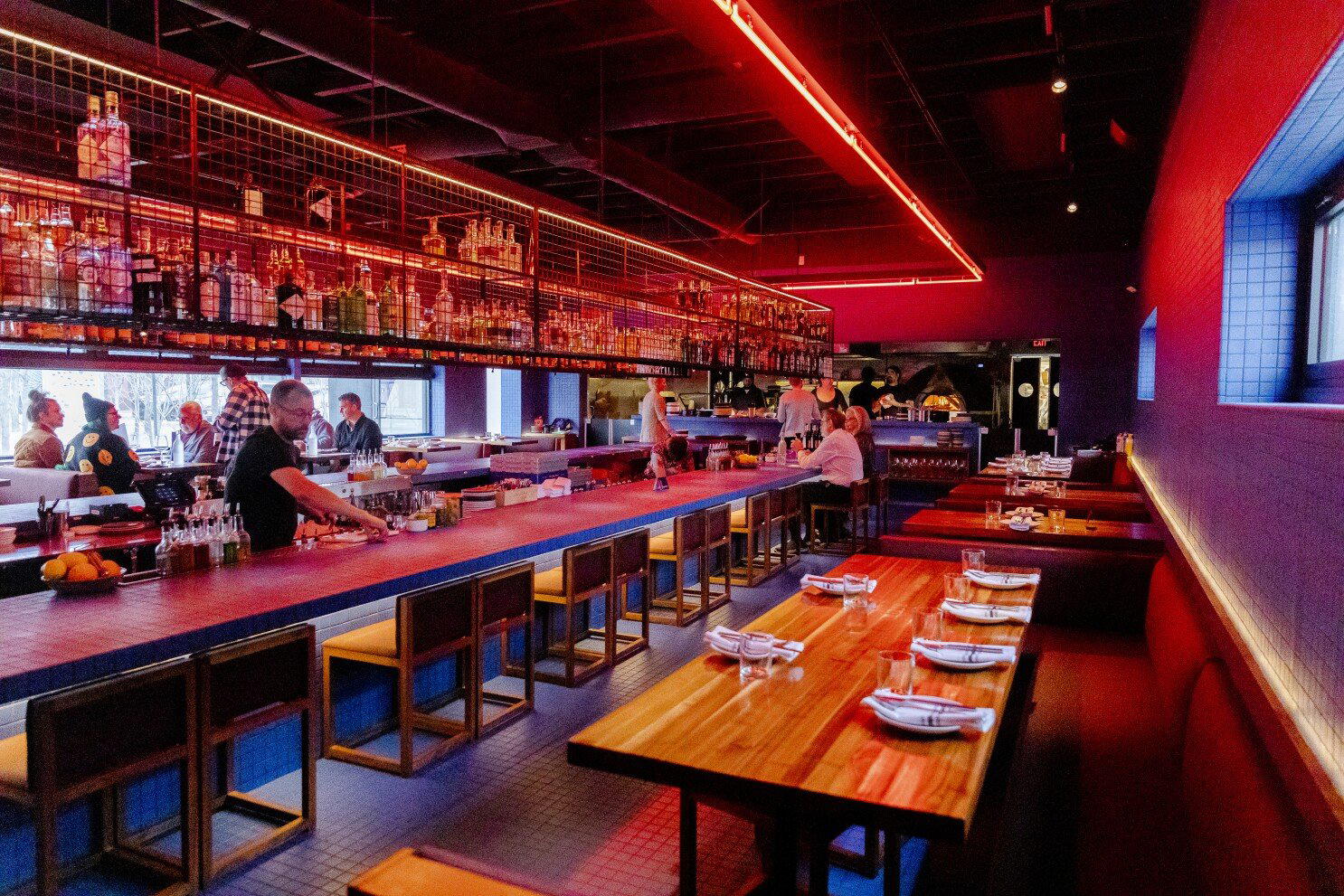
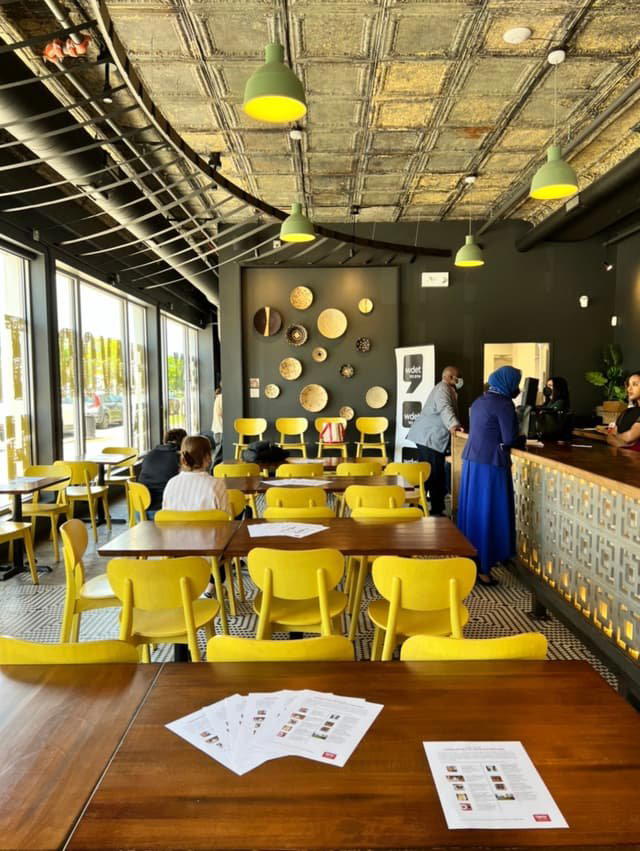
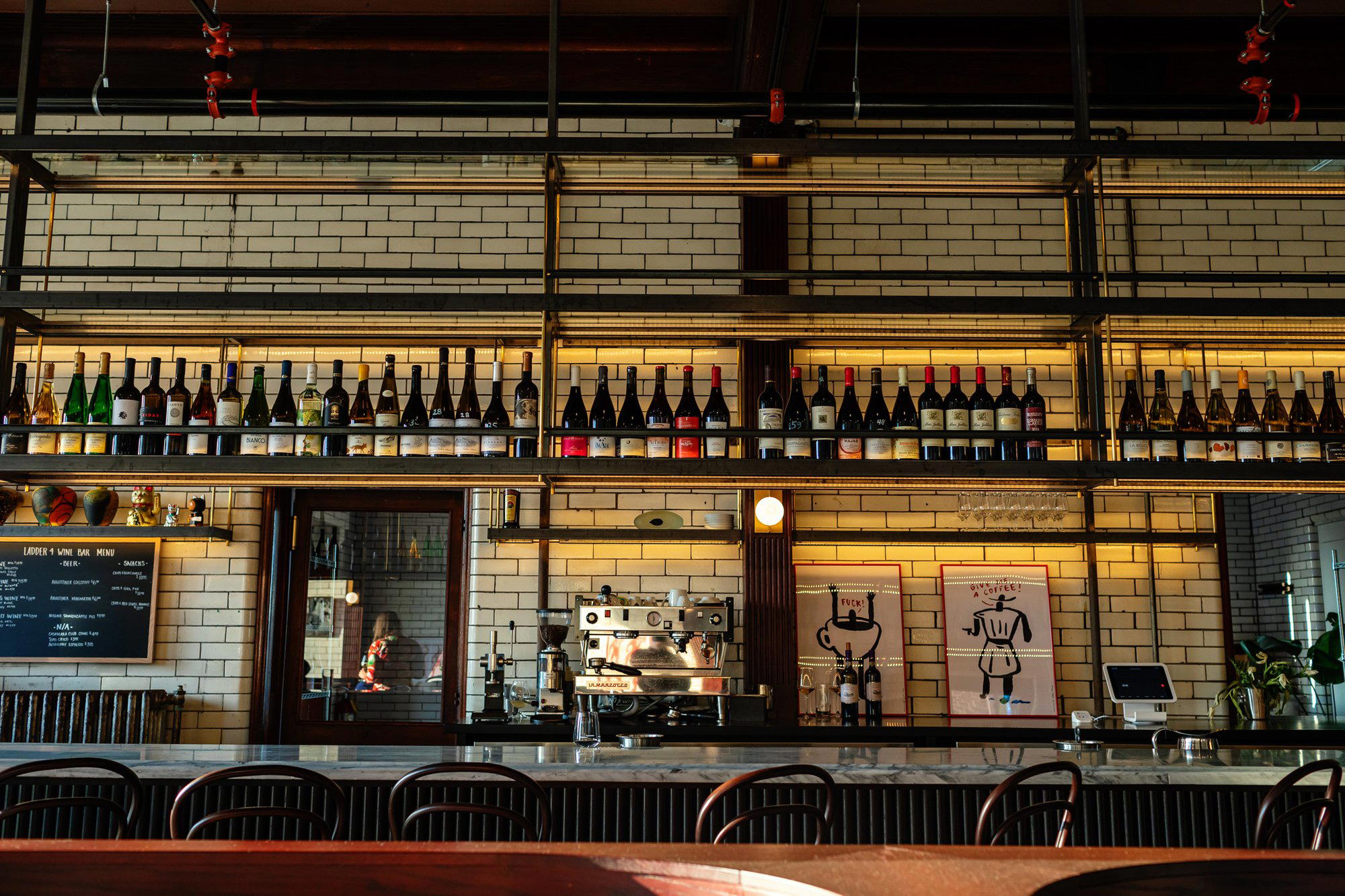
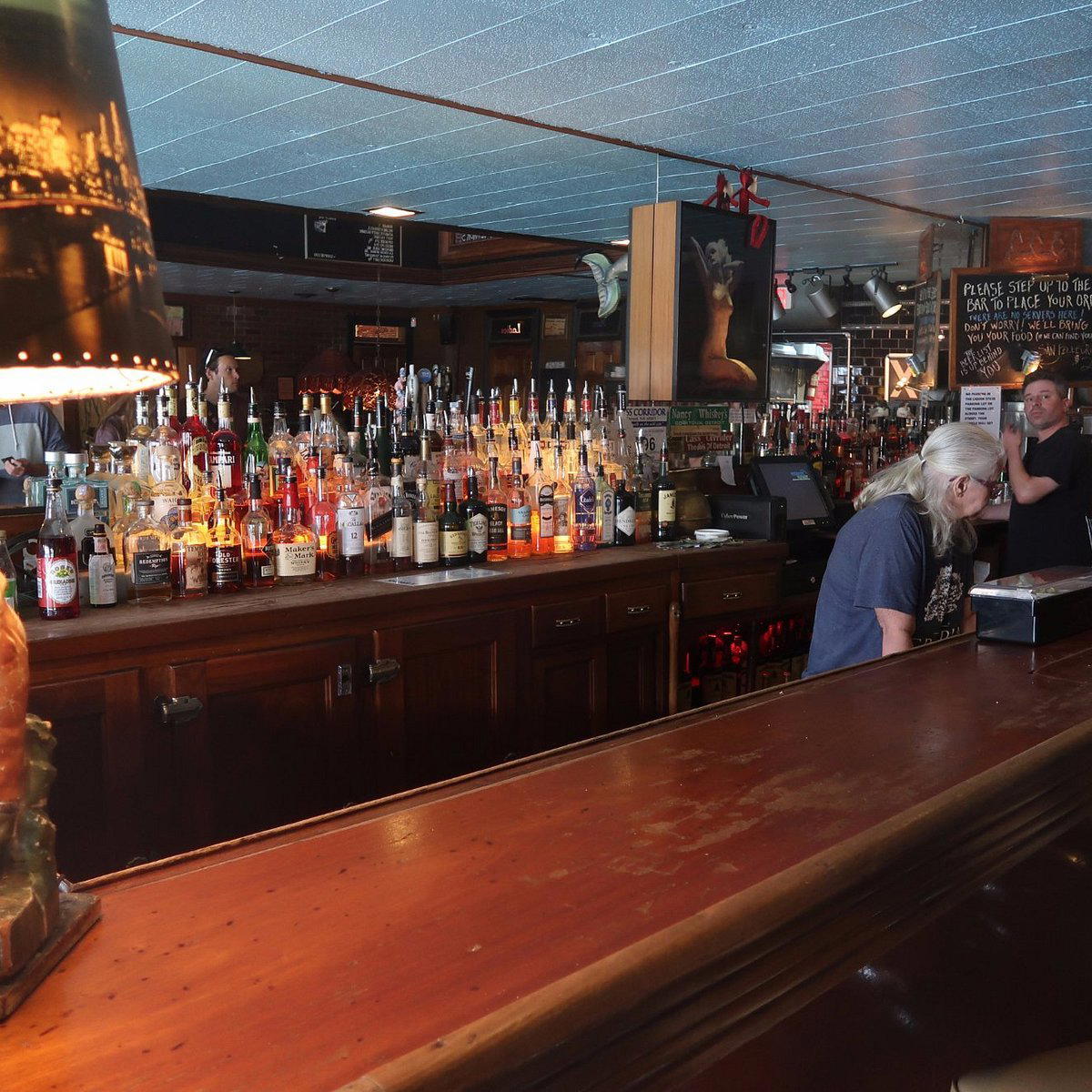
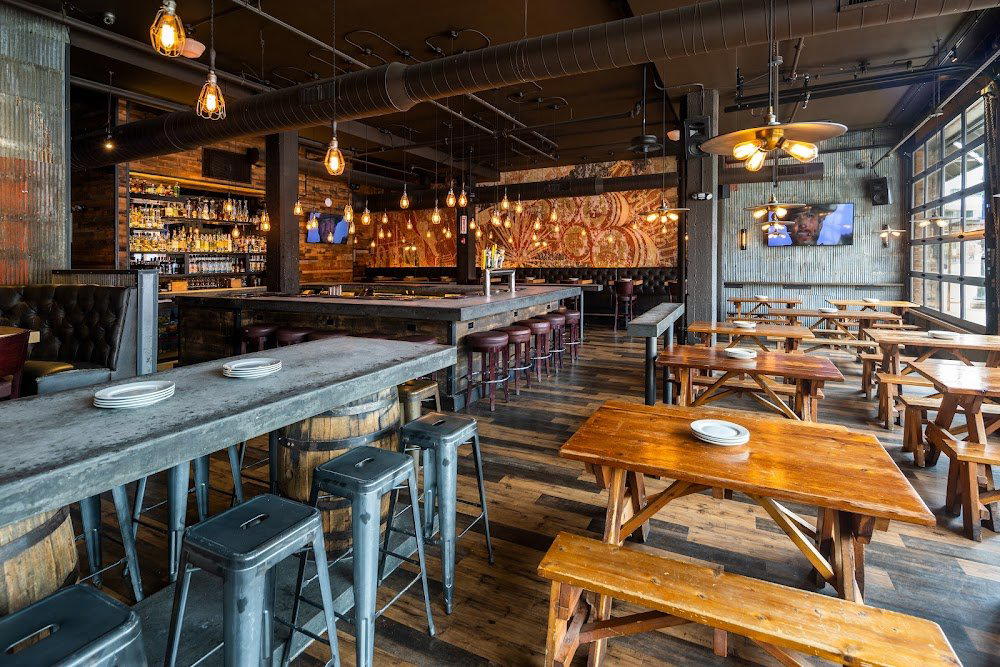
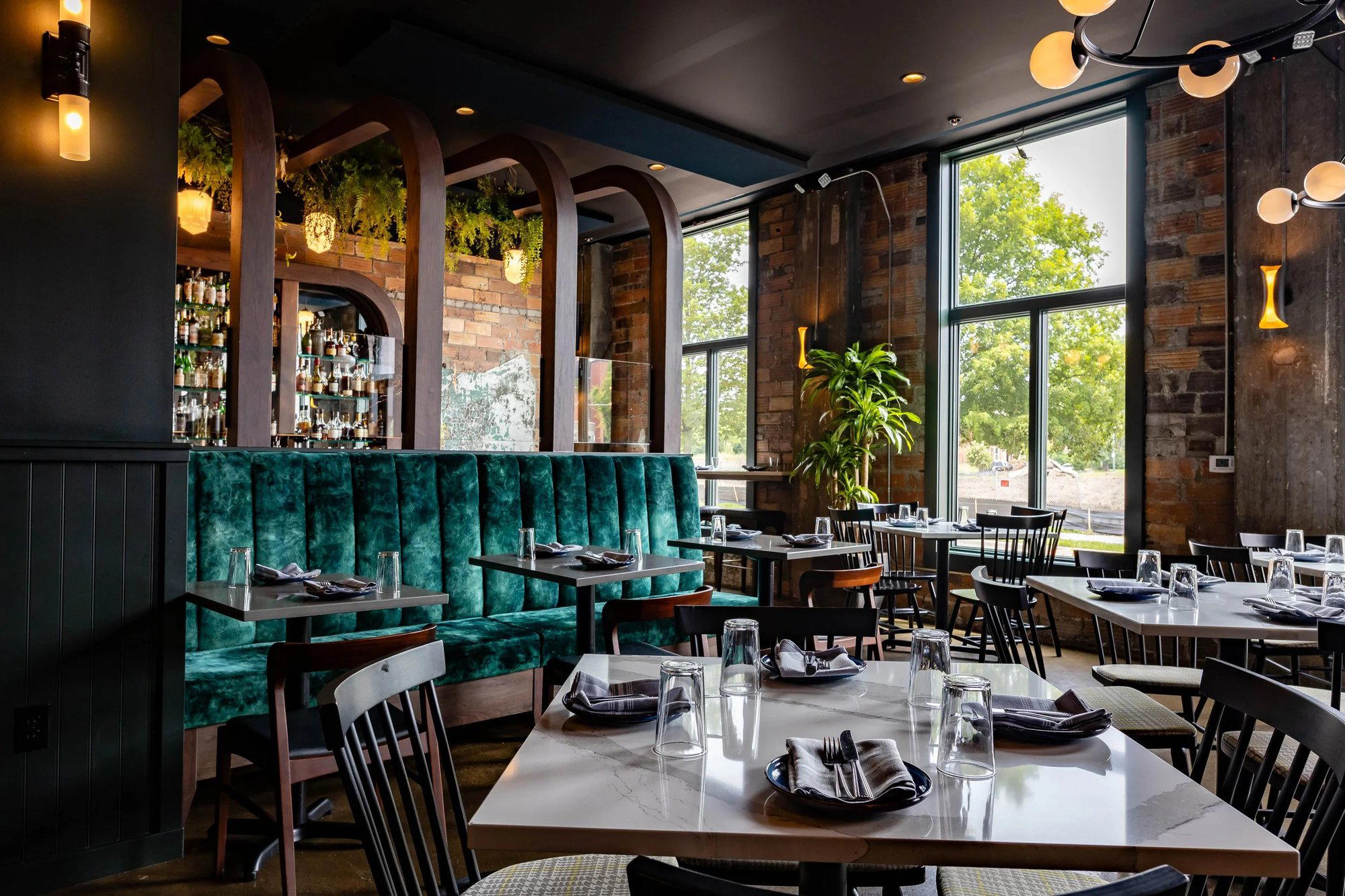
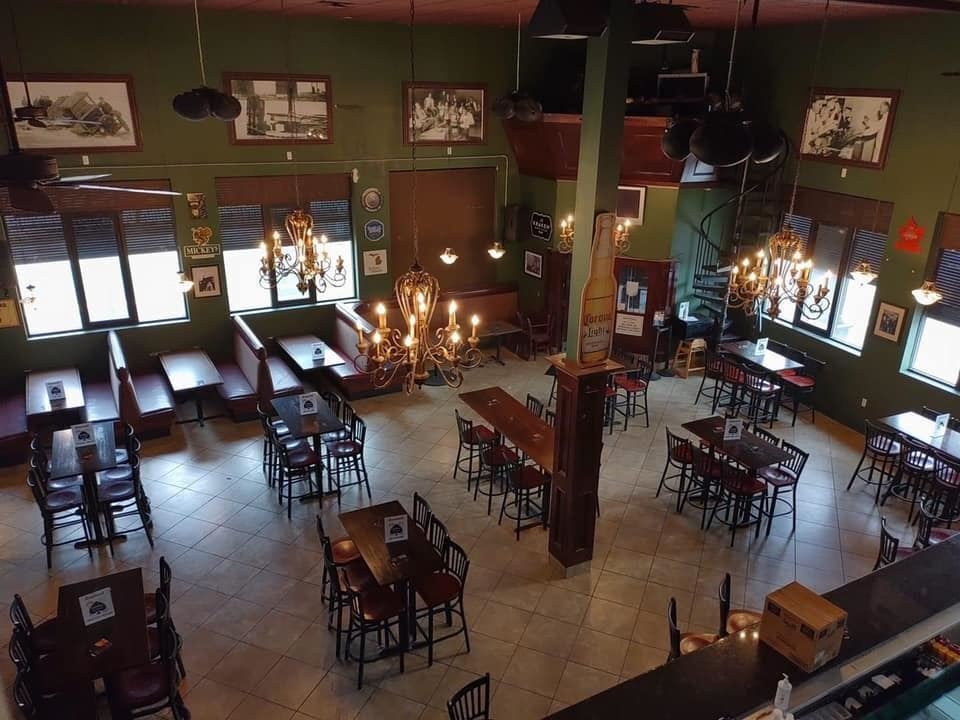
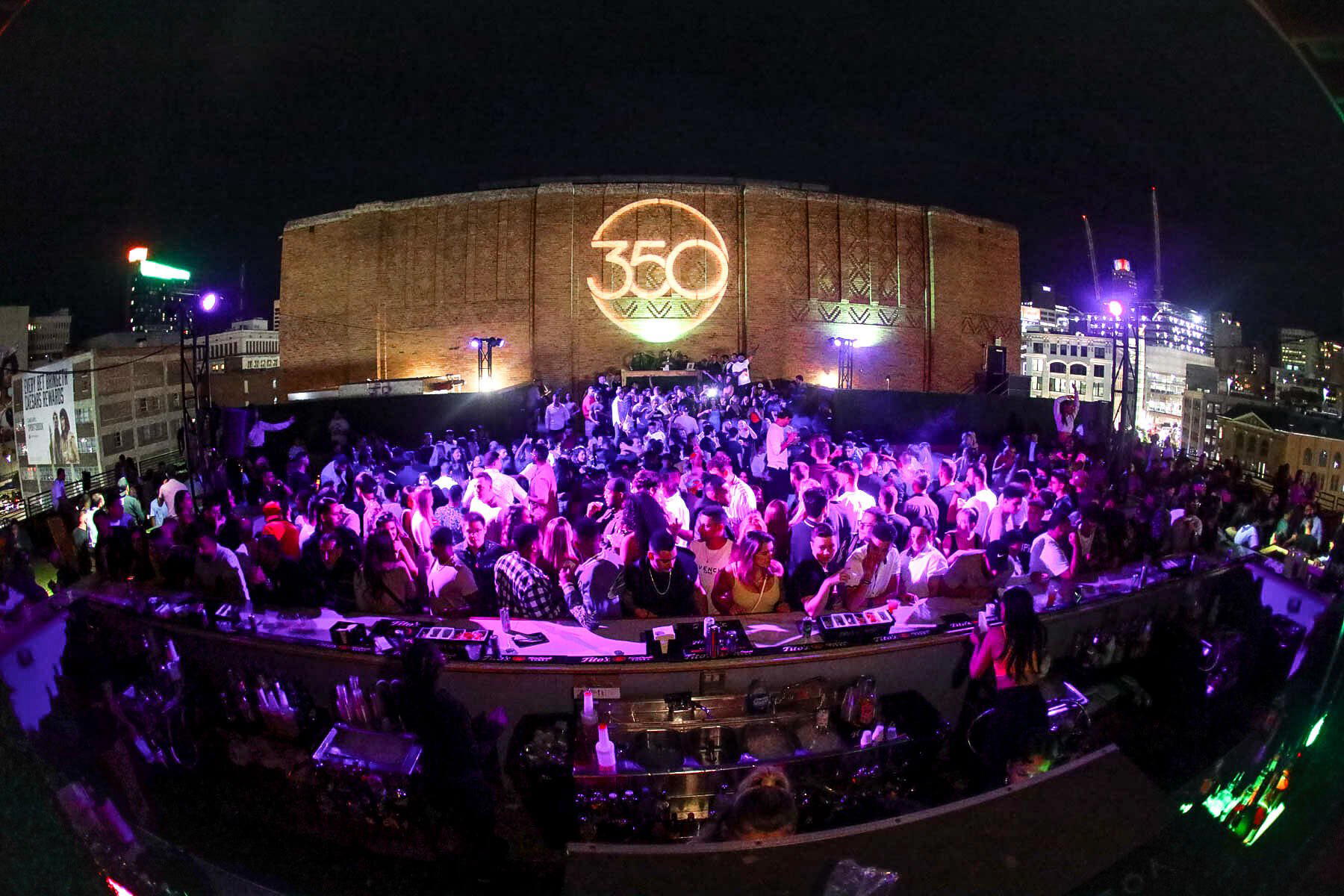
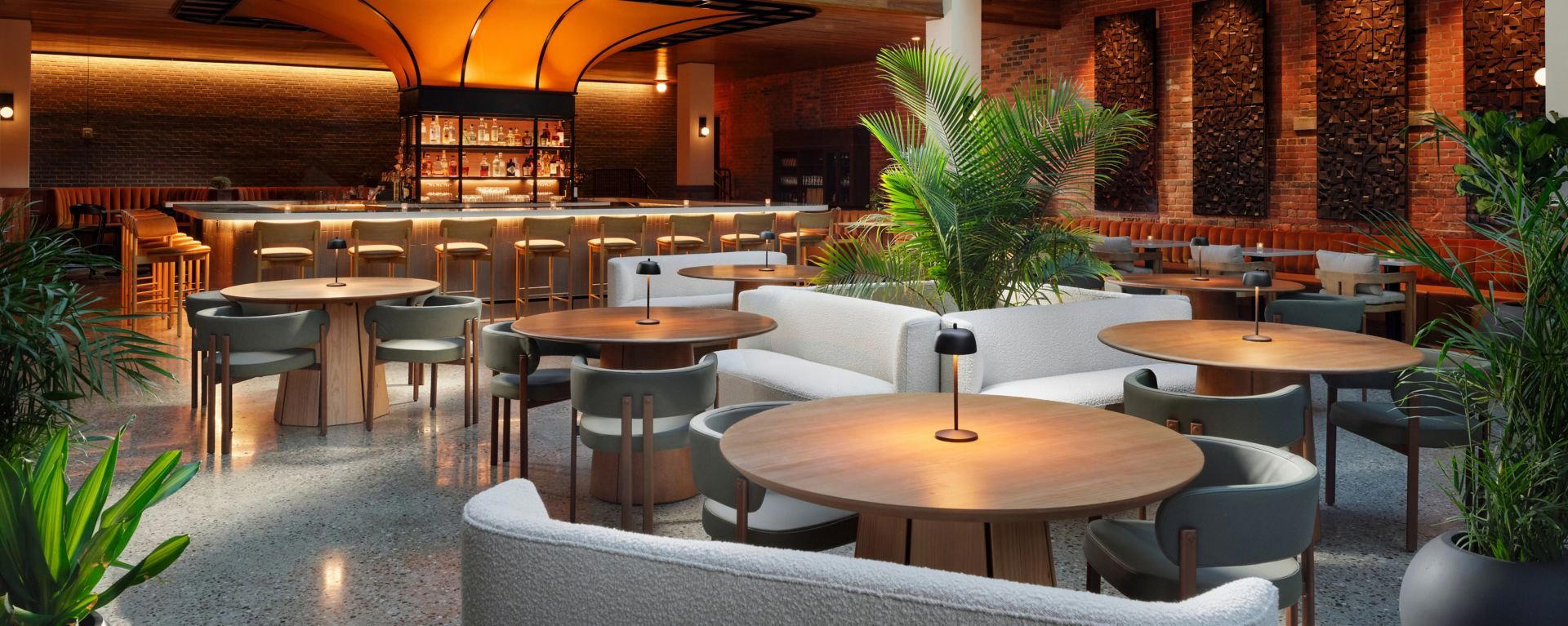
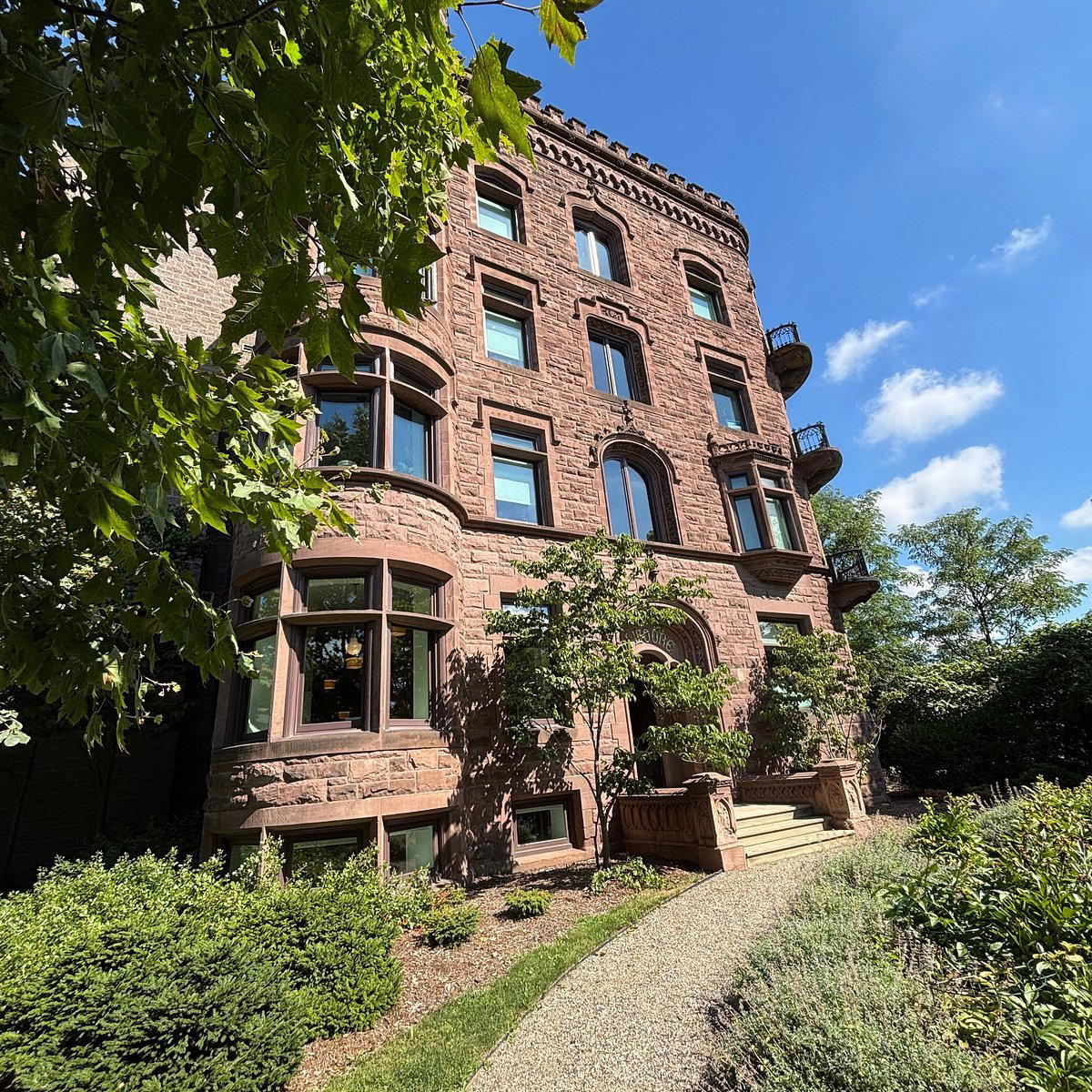
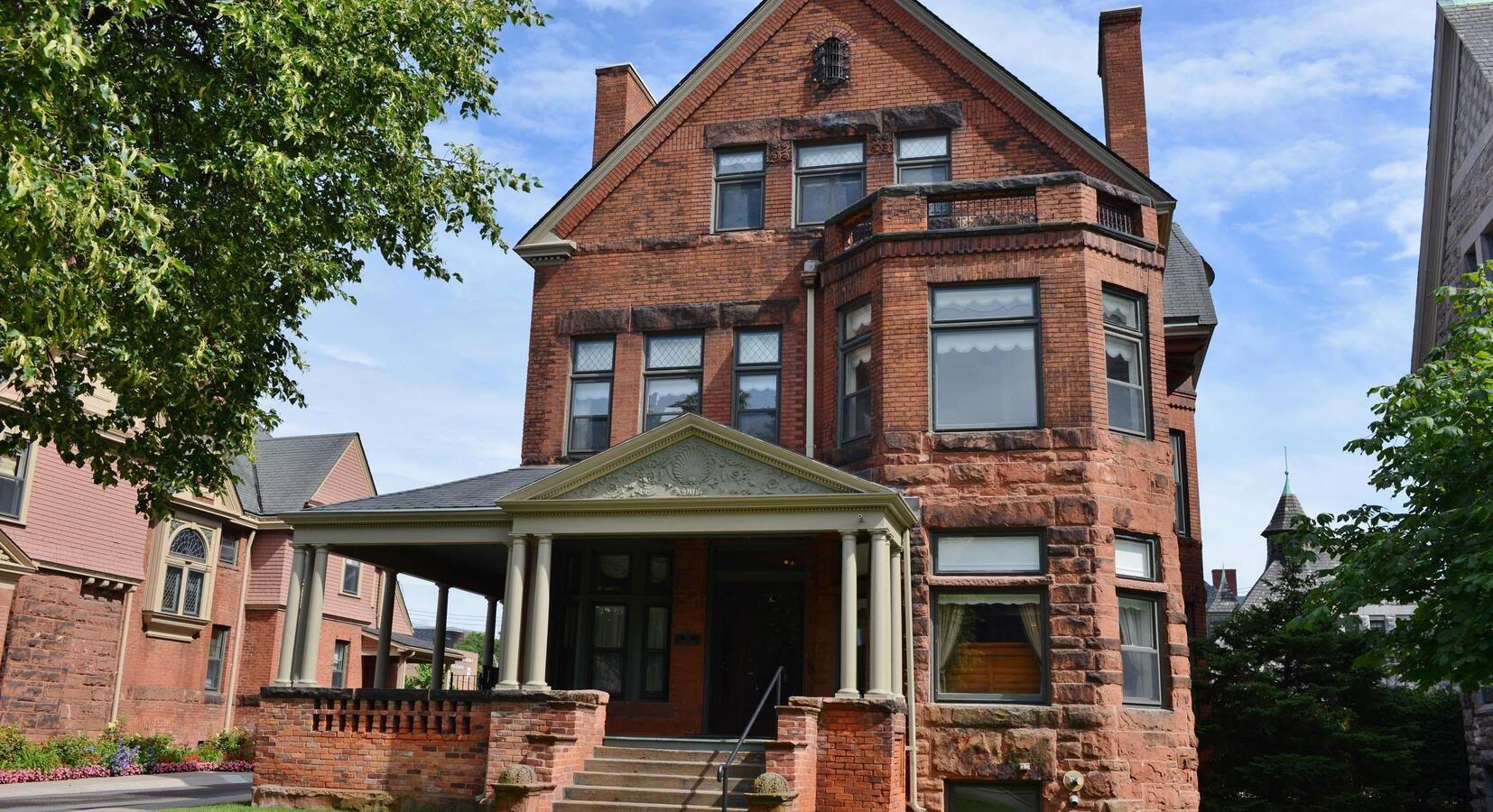
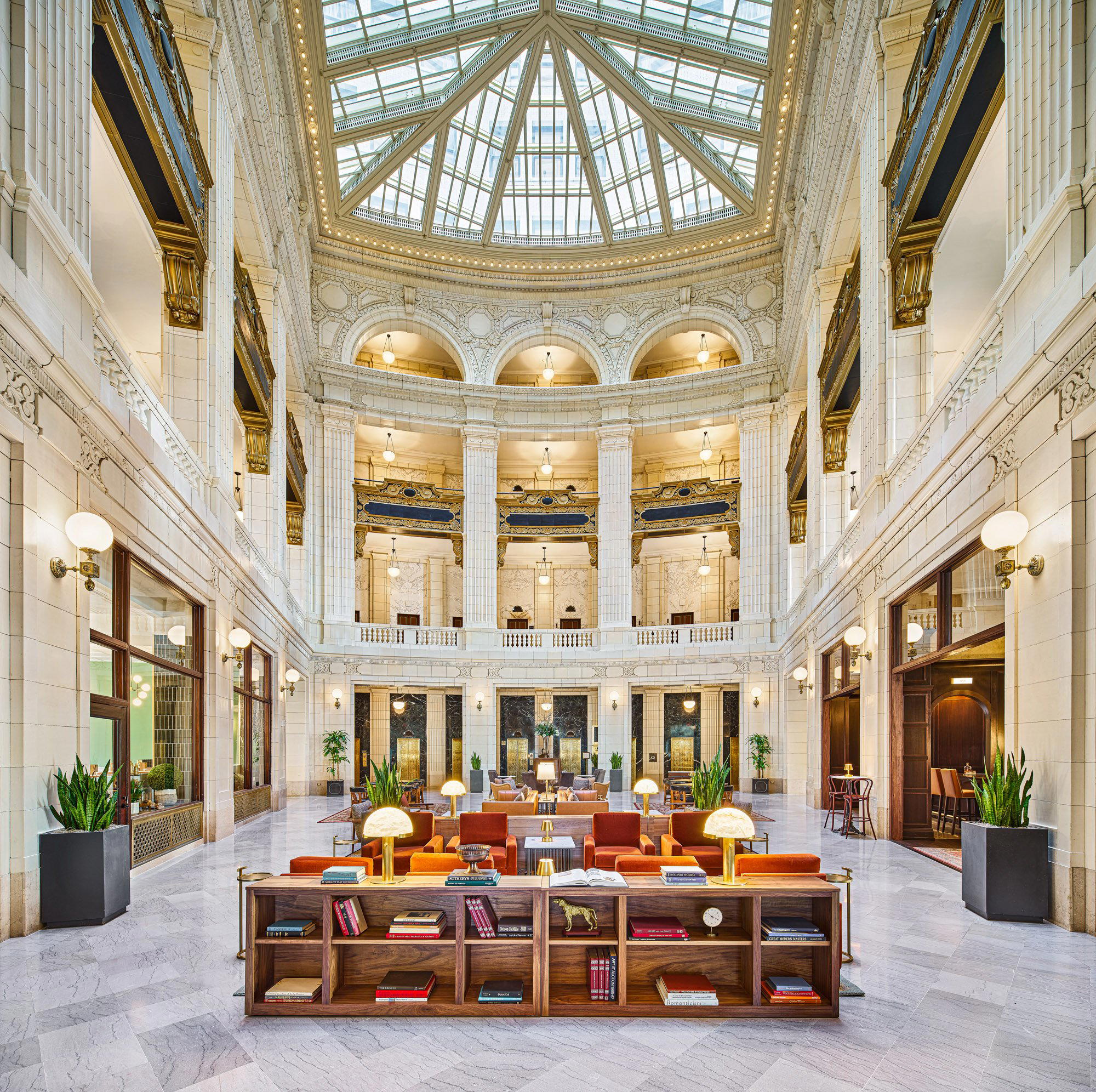
Lively yet cozy atmosphere with stylish decor, great music, warm and inviting lighting, well-suited for gatherings.
Know Before You Go
- Getting there
- 3919 Woodward Ave, Detroit, MI 48201