Thai Elephant Restaurant
Thai Elephant Restaurant on El Camino Real brings the layered spice traditions of Thai cooking to Atascadero, a mid-sized Central Coast city with a dining scene that skews toward American casual. For a region where Southeast Asian cuisine is underrepresented, it occupies a distinct position. Visit for a straightforward read on regional Thai flavors without the drive to San Luis Obispo or beyond.
Pearl is the En Primeur Club membership app — saves, bookings, and concierge access live there. Same editors, same standards.
- Address
- 7320 El Camino Real, Atascadero, CA 93422
- Phone
- +18054666515
- Website
- thaielephantonline.com
- Directions
- Get directions
 Saves & bookings on Pearl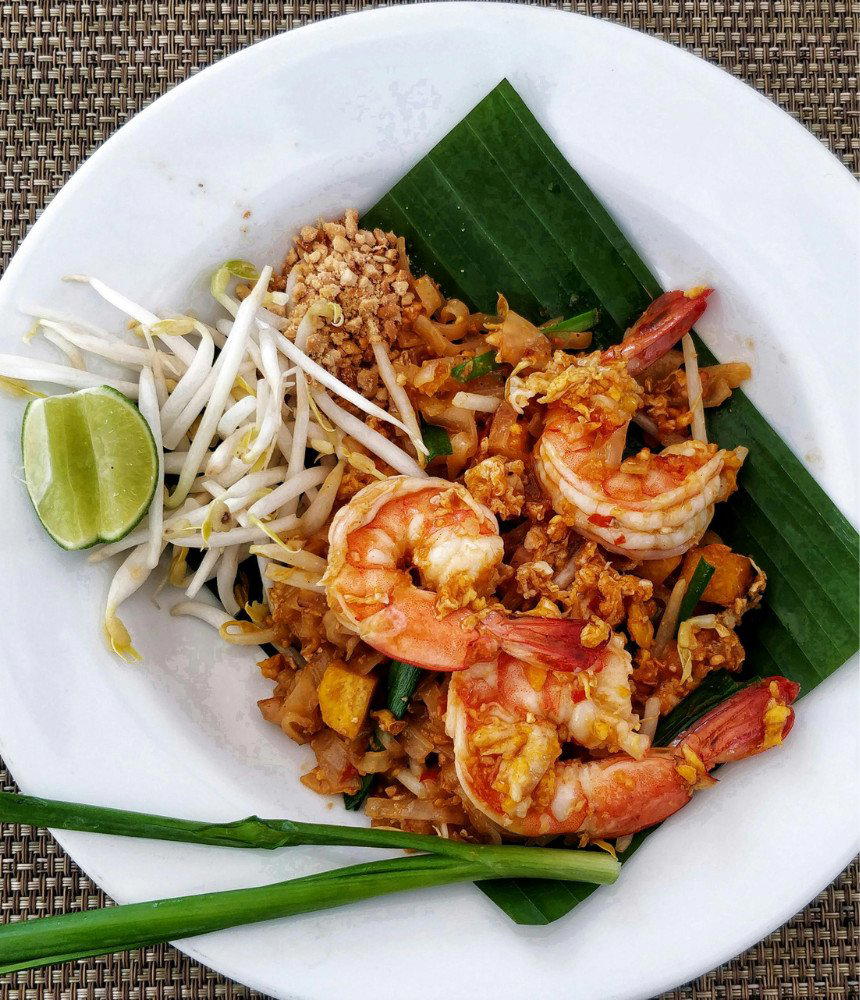
Thai Cooking on the Central Coast: Where Thai Elephant Fits In
El Camino Real in Atascadero moves at the pace of a highway corridor rather than a restaurant district. Strip plazas, auto shops, and regional chains define most of the stretch, which makes a dedicated Thai kitchen at 7320 El Camino Real an anomaly worth understanding in context. Thai Elephant Restaurant occupies a position that has less to do with fine dining competition and more to do with geography: Atascadero sits between San Luis Obispo to the south and Paso Robles to the north, and both cities have thinner Thai representation than their populations might suggest. That gap is where Thai Elephant operates, serving a cuisine that, even in well-resourced American metros, often gets reduced to pad thai and green curry on a laminated menu.
Thai cooking at its most considered is a regional tradition with significant internal variation. Northern Thai food leans toward fermented and smoked flavors, chiang mai sausage, and milder chilies. Southern Thai cooking is sharper, more coconut-forward, and heavily influenced by Malay and Indian spice trade routes. Central Thai cuisine, which most American Thai restaurants adapt, is the register that introduced stir-fries, jasmine rice dishes, and nam prik-based preparations to the broader market. Understanding where any Thai restaurant positions itself within that spectrum is a more useful lens than simply asking whether the food is good. Across the United States, Thai restaurants have historically compressed regional diversity to meet the middle of the American palate — that compression is the category norm, not the exception, and it applies from neighborhood spots in Los Angeles to strip-mall operations in smaller cities like Atascadero.
The Dining Scene in Atascadero and How Thai Elephant Fits It
Atascadero's restaurant offerings are concentrated in the American casual and bar-food registers. Venues like Street Side Ale House represent the dominant character of the local dining scene: approachable, ingredient-agnostic, built for groups. Thai Elephant introduces a different logic to the same corridor, one organized around a specific national cuisine tradition rather than a mood or format. That contrast matters for a reader trying to map the city's dining options. If you want a fuller picture of where this fits, our full Atascadero restaurants guide maps the city's dining scene across categories.
To calibrate the category against what exists elsewhere on the West Coast: the Thai and broader Southeast Asian dining traditions have produced some of the most technically demanding kitchens in American cities, though that tier operates in a different register entirely. Precision-driven tasting menus from venues like Lazy Bear in San Francisco or highly awarded programs like Atomix in New York City demonstrate what happens when non-Western culinary traditions are brought into a fine-dining framework with serious investment. Thai Elephant is not operating in that tier, nor does a mid-sized California corridor city typically support the infrastructure for it. The comparison is useful not to diminish a local restaurant but to clarify what kind of dining need it serves — and in Atascadero, consistent access to Thai cooking is itself a meaningful contribution to the local dining mix.
The Cultural Roots That Shape Thai Cuisine
Thai food carries a culinary architecture that is more complex than its American casual presentation often suggests. The balance of sour, sweet, salty, spicy, and bitter elements is not incidental but structural, deriving from centuries of agricultural and trade influence across the Indochina peninsula. Fish sauce as a foundational flavor agent, galangal as a distinct aromatic from ginger, kaffir lime leaves as a leading note in soups and curries, these are not decorative flourishes but load-bearing ingredients in dishes that lose coherence without them. The level to which any Thai restaurant in America sources and uses those ingredients with care is the most honest measure of its fidelity to the tradition.
That question of sourcing fidelity is also what separates Thai kitchens that operate as cultural documents from those that operate primarily as delivery platforms for familiar flavors. American Thai dining has moved meaningfully in the past decade: restaurants in Los Angeles, New York, and the Bay Area have introduced regional menus with dishes like khao soi, boat noodles, and som tam in registers that treat them as specific rather than generic. If the menu carries regional markers beyond the standard American Thai selection, that signals something about the kitchen's relationship to the tradition.
Placing Thai Elephant Against a National Backdrop
The restaurants that receive the most sustained critical attention in American dining are predominantly European-influenced or American progressive in orientation. Le Bernardin in New York City, Alinea in Chicago, The French Laundry in Napa, Providence in Los Angeles, Single Thread Farm in Healdsburg, Addison in San Diego, Blue Hill at Stone Barns in Tarrytown, Bacchanalia in Atlanta, Brutø in Denver, Frasca Food & Wine in Boulder, Emeril's in New Orleans, The Inn at Little Washington, Causa in Washington, D.C., and 8½ Otto e Mezzo Bombana in Hong Kong all occupy the top tier of their respective categories by award and credential. Thai Elephant does not compete in that space, nor is it positioned to. What it does represent is something different: local cultural access. In smaller American cities, the availability of a specific national cuisine can be more consequential for a community's dining identity than any single award-winning tasting menu would be, precisely because its absence would be noticed by regulars rather than critics.
Planning a Visit
Thai Elephant Restaurant is located at 7320 El Camino Real, Atascadero, CA 93422, on one of the main commercial arteries running through the city. Given the limited density of dining options in the corridor, parking is unlikely to be a friction point. Current hours, pricing, and booking availability are not confirmed in available records, so contacting the restaurant directly before a visit is the practical approach, particularly for groups or weekend timing. The cuisine type is consistent with the Thai restaurant category as a broad reference, though the specific menu format, pricing tier, and regional emphases are details leading verified at source.
How Thai Elephant Restaurant Atascadero compares with similar nearby venues.
| Venue | Cuisine | Price |
|---|---|---|
| Six Test Kitchen | Contemporary | $$$$ |
Continue exploring
More in Atascadero
Restaurants in Atascadero
Browse all →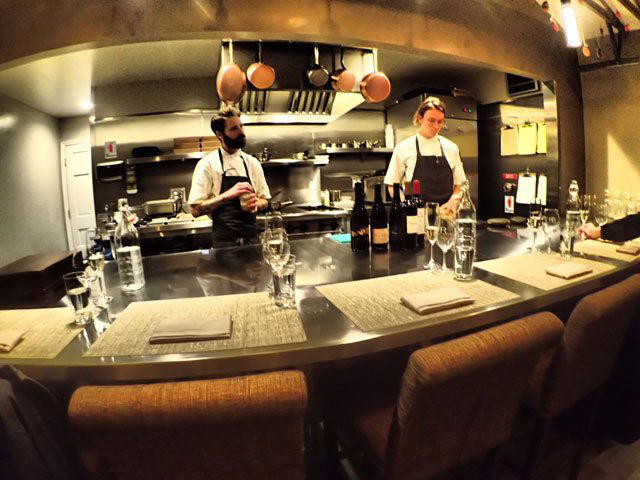
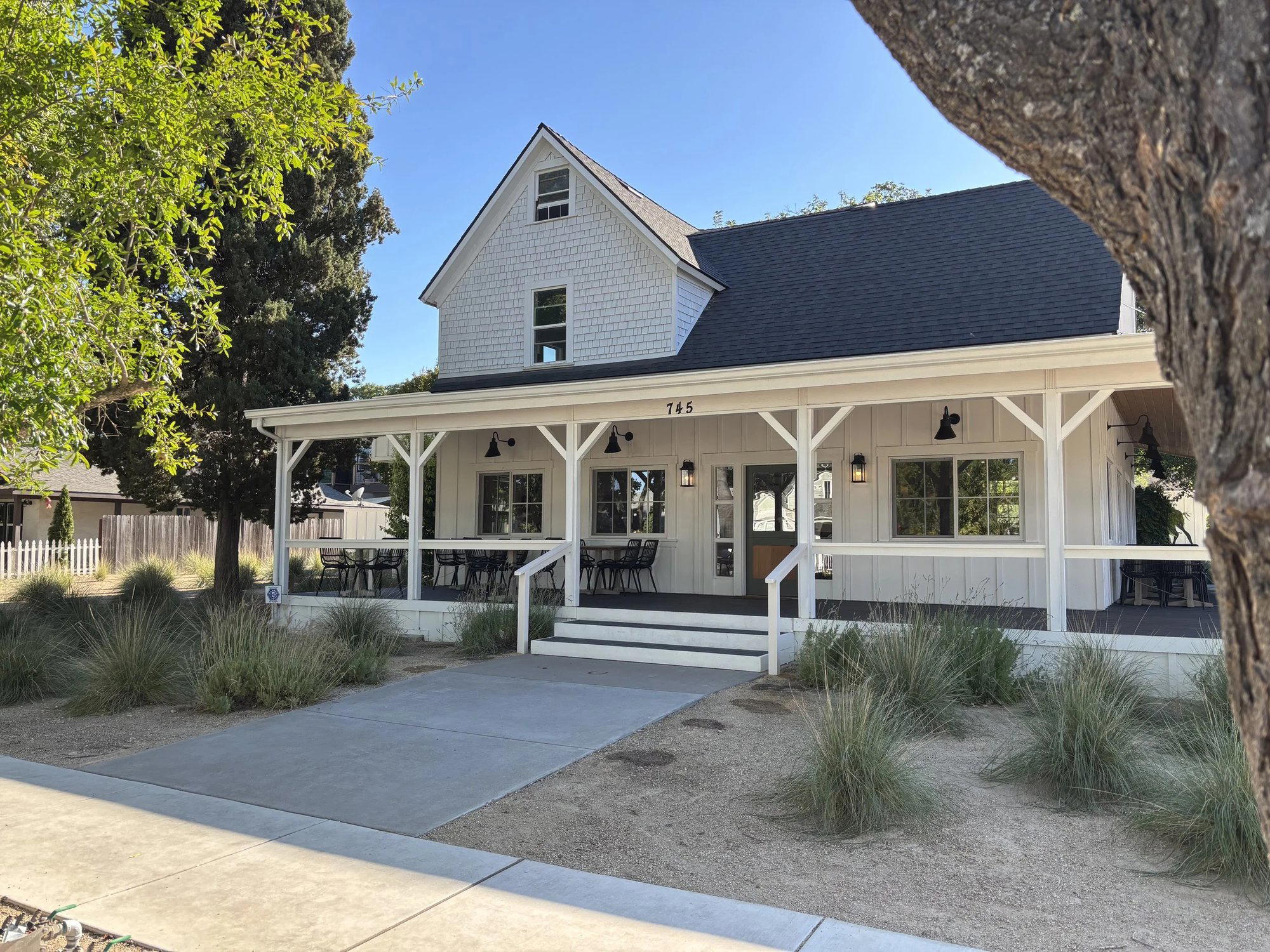
Bars in Atascadero
Browse all →
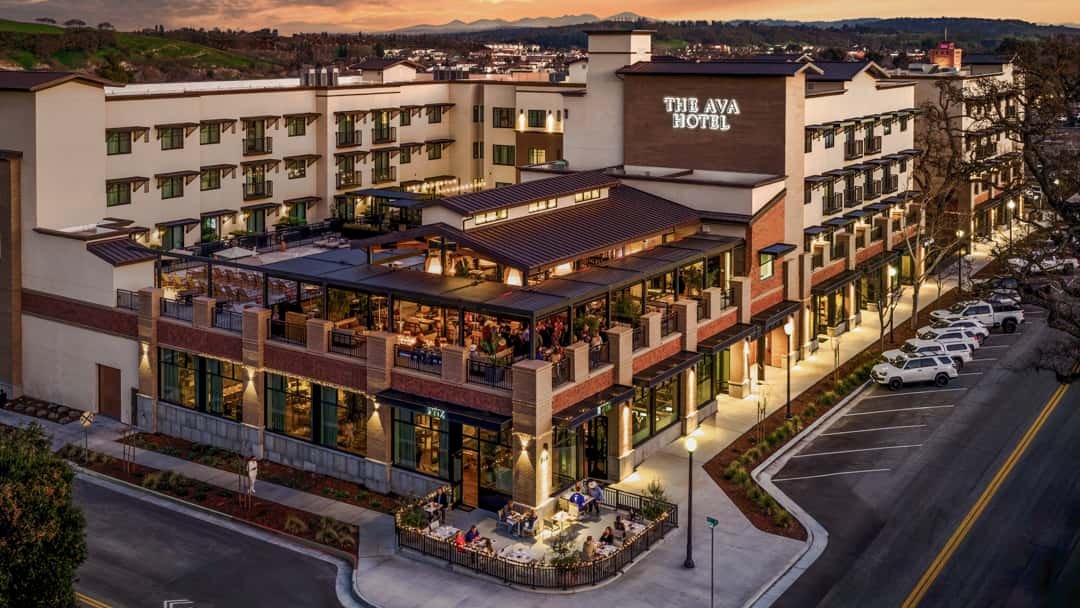
Hotels in Atascadero
Browse all →


At a Glance
- Cozy
- Classic
- Casual Hangout
- Family
- Open Kitchen
Current opening hours
- Monday
- Closed
- Tuesday
- 11 AM–3 PM, 4–9 PM
- Wednesday
- 11 AM–3 PM, 4–9 PM
- Thursday
- 11 AM–3 PM, 4–9 PM
- Friday
- 11 AM–3 PM, 4–9 PM
- Saturday
- 11 AM–3 PM, 4–9 PM
- Sunday
- 11 AM–3 PM, 4–9 PM
Hours can change for holidays and private events. Last verified .
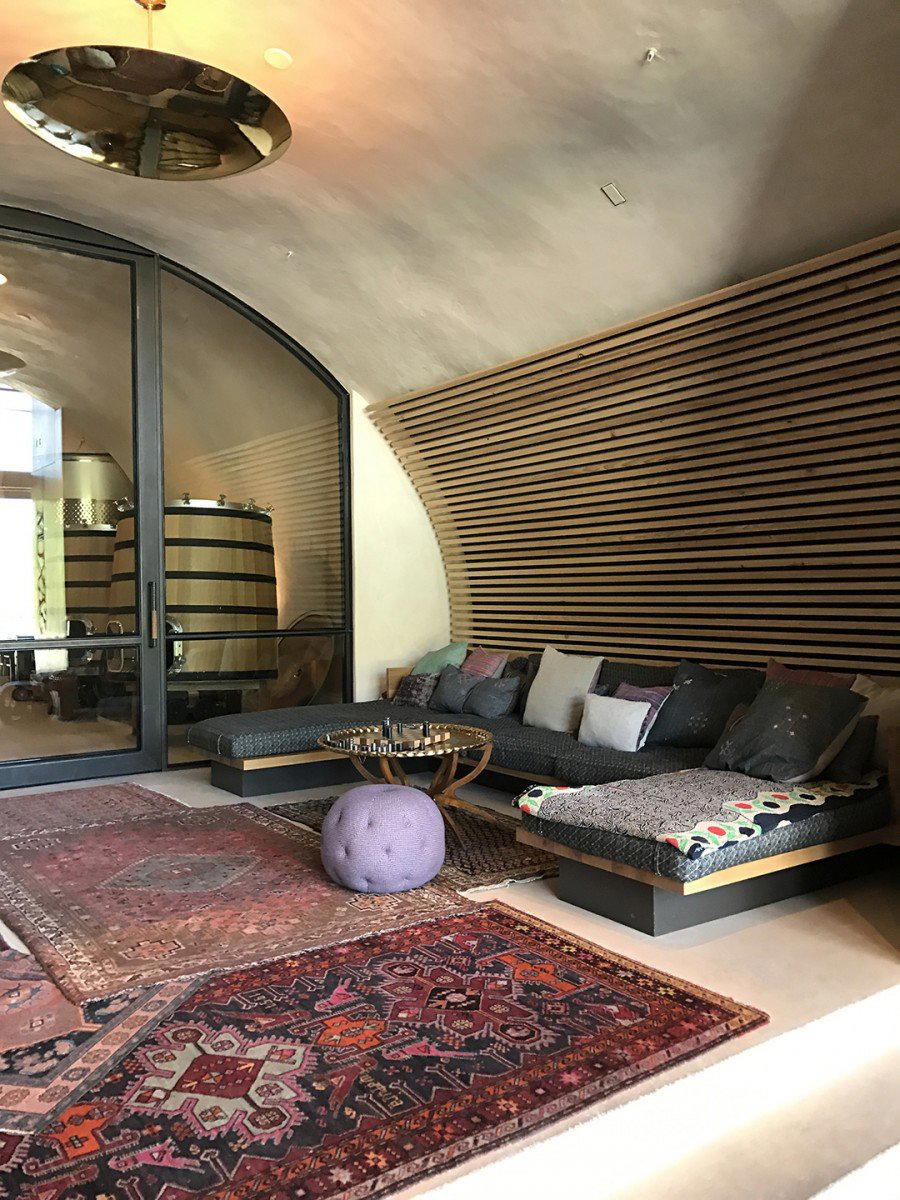
Warm and inviting with traditional Thai décor, soothing colors, and subtle heritage accents.
Know Before You Go
- Getting there
- 7320 El Camino Real, Atascadero, CA 93422