Thaï Genève
Thai food in Geneva occupies a narrow lane between hotel-lobby pan-Asian and the handful of independent kitchens that cook with genuine regional intent. Thaï Genève, on Rue Neuve-du-Molard in the Rive Gauche, sits in the latter category, offering a focused menu that positions it as a considered alternative to the French Contemporary and Italian formats that dominate the city's mid-to-upper dining tier.
Pearl is the En Primeur Club membership app — saves, bookings, and concierge access live there. Same editors, same standards.
- Address
- Rue Neuve-du-Molard 3, 1204 Genève, Switzerland
- Phone
- +41223101254
- Website
- thai-geneve.com
- Directions
- Get directions
 Saves & bookings on Pearl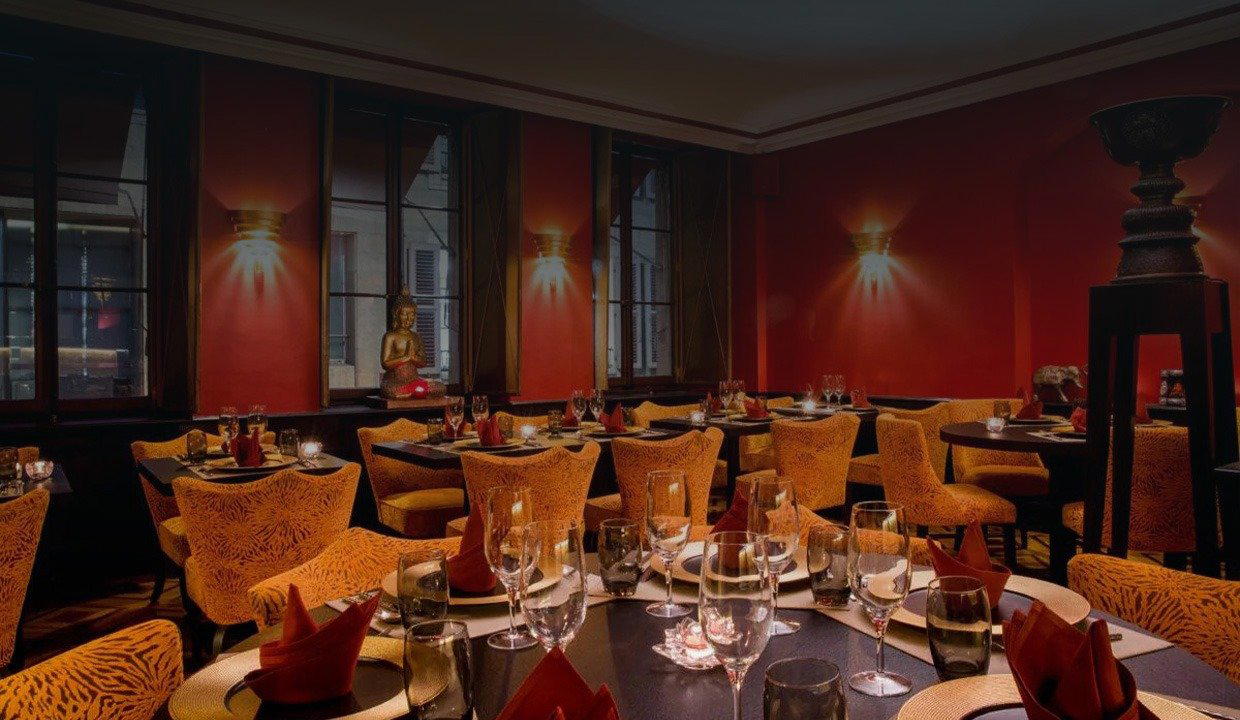
Thai Cooking in a City Built Around French Tradition
Geneva's restaurant scene is shaped by two gravitational forces: the inherited prestige of French haute cuisine and the international appetite generated by a diplomatic and finance-heavy resident population. That second force creates space for cuisines that would otherwise struggle to find a foothold in a city with the cost base and culinary conservatism of Geneva. Thai cooking, with its layered spice logic and herb-forward palate, sits at an interesting remove from the city's default register. Where places like L'Atelier Robuchon and Il Lago anchor stronger examples from the formality curve, independent Thai kitchens occupy a different space entirely, one where authenticity of technique rather than ceremony is the operative measure of quality. Thaï Genève is a Thai restaurant in Geneva’s 1204 district, serving Authentic Thai Fine Gastronomy at a mid-market price point of about $45 per person.
Thaï Genève, at Rue Neuve-du-Molard 3 in the 1204 postal district, operates in the Rive Gauche quarter, a part of the city that concentrates both tourist footfall and a working local dining population. The address places it within reasonable reach of the old town and the Plainpalais axis, giving it a location that neither isolates it in a hotel corridor nor buries it in a purely residential neighborhood. That positioning matters in Geneva more than in many cities, because the dinner-hour geography here tends to be decided early by a clientele that plans carefully.
Menu Architecture as a Signal of Approach
In Thai cooking, the structure of a menu reveals more than individual dish names do. A kitchen that separates curries by region, distinguishes between fresh and dried herb bases, or acknowledges the cooking traditions of the north and south is operating with a different intent than one that sequences dishes in the standard appetizer-to-dessert ladder common to European formats. The relevant question for any Thai restaurant working outside Bangkok or Chiang Mai is whether the menu has been edited toward a coherent regional point of view or assembled to cover as much ground as possible for an unfamiliar audience.
In Geneva, where the Thai dining category is thin compared to cities with larger Southeast Asian diaspora communities, the tendency toward breadth at the expense of depth is a common structural problem. Restaurants in comparable diplomatic capitals like Brussels or Bern often default to menus that prioritize legibility over specificity, producing kitchens that feel interchangeable. A menu with clear structural logic, whether organized by protein, region, or preparation method, signals a kitchen that has made editorial choices rather than simply compiled a catalogue. That distinction is what separates restaurants in this category that attract repeat visitors from those that function primarily as one-visit novelties for the curious.
By occupying a space in the Rive Gauche, Thaï Genève operates in a neighborhood with enough residential density to support the kind of regular patronage that forces a kitchen to maintain consistency. Compare this to, for instance, the broader Swiss fine dining circuit, where destinations like Hotel de Ville Crissier in Crissier or Schloss Schauenstein in Fürstenau draw destination diners who travel specifically for the occasion. Neighborhood Thai cooking requires a different kind of consistency, one built around daily repetition rather than set-piece execution.
Where Thaï Genève Sits in the City's Dining Tier
Geneva's mid-market dining category, which broadly covers restaurants without formal tasting menus and without the price ceiling of places like Cheval Blanc by Peter Knogl in Basel or Memories in Bad Ragaz, is the segment where independent ethnic kitchens compete most directly against each other. Geneva's Chinese offering, represented at the high end by Tsé Fung (€€€), occupies a different price tier than most independent Thai operations. French contemporaries like L'Aparté and La Micheline offer a closer pricing comparison, though their cuisine category draws a different primary audience.
For the diner whose Geneva week already includes a session at a serious European table, Arakel for modern cuisine or a special-occasion dinner at a destination outside the city at 7132 Silver in Vals or focus ATELIER in Vitznau, a Thai option serves a different function. It becomes the casual counterpoint, the evening that prioritizes flavor complexity over service theater. That is a legitimate and well-established dining pattern in cities where the resident population eats out frequently across multiple register levels in the same week.
The Broader Context of Asian Dining in Geneva
Swiss cities generally underindex on Southeast Asian dining compared to their scale of international population. Zurich's offer, anchored in part by restaurants adjacent to the kind of sharing format championed by IGNIV Zürich by Andreas Caminada, is more developed. Geneva's diplomatic character brings a different demographic: transient professionals who have eaten Thai food in Bangkok, London, New York, and Singapore, and who apply a calibrated comparative standard when they sit down at a local Thai table. That is a more demanding audience than the casual curious, and it raises the quality floor for any kitchen that wants to hold repeat visitors.
The analogy in the American context is instructive. In New York, the distance between a neighborhood Thai kitchen and the precision of a place like Atomix (Korean fine dining) or the technical discipline of Le Bernardin is measured in intent and price, not in the fundamental seriousness of the cooking. A kitchen does not need a Michelin endorsement, as found at references like Einstein Gourmet in Sankt Gallen or Colonnade in Lucerne, to be taken seriously by a well-traveled diner. It needs internal consistency, sourcing discipline, and a menu structure that makes coherent choices about what kind of Thai cooking it is actually doing.
For Geneva's Thai category, that remains the operative test. See our full Geneva restaurants guide for broader context on how the city's dining tiers are organized and which cuisines currently have the strongest independent representation.
The address at Rue Neuve-du-Molard 3 places the restaurant in walking distance of the lake-front and the Bel-Air junction, accessible on foot from the central hotel zone, which makes pre-planning a reservation direct for visitors staying in the 1204 district.
The Quick Read
Comparable venues nearby, for context on price, style, and recognition.
| Venue | Cuisine | Price | Notes |
|---|---|---|---|
| Thaï GenèveThis venue — the venue you are viewing | Cite, Authentic Thai Fine Gastronomy | $$$ | Not listed |
| Soï | Pâquis, Northern Thai Street Food | $$ | Not listed |
| Ciro | Le Prieuré, Seasonal Italian Trattoria | $$$ | Not listed |
| Giardino Romano | Not listed | $$$ | Les Delices, Sardinian-Inspired Italian with Truffles |
| Café Zinette | La Queue D'arve, French-Swiss Bistro | $$$ | Not listed |
| Café du Centre | Cite, French Seafood Brasserie | $$$ | Not listed |
At a Glance
- Elegant
- Sophisticated
- Casual Hangout
- Group Dining
- Business Dinner
- Standalone
Current opening hours
- Monday
- 12–2:30 PM
- Tuesday
- 12–2:30 PM, 7–10 PM
- Wednesday
- 12–2:30 PM, 7–10 PM
- Thursday
- 12–2:30 PM, 7–10 PM
- Friday
- 12–2:30 PM, 7–10 PM
- Saturday
- 12–2:30 PM, 7–10 PM
- Sunday
- Closed
Hours can change for holidays and private events. Last verified .
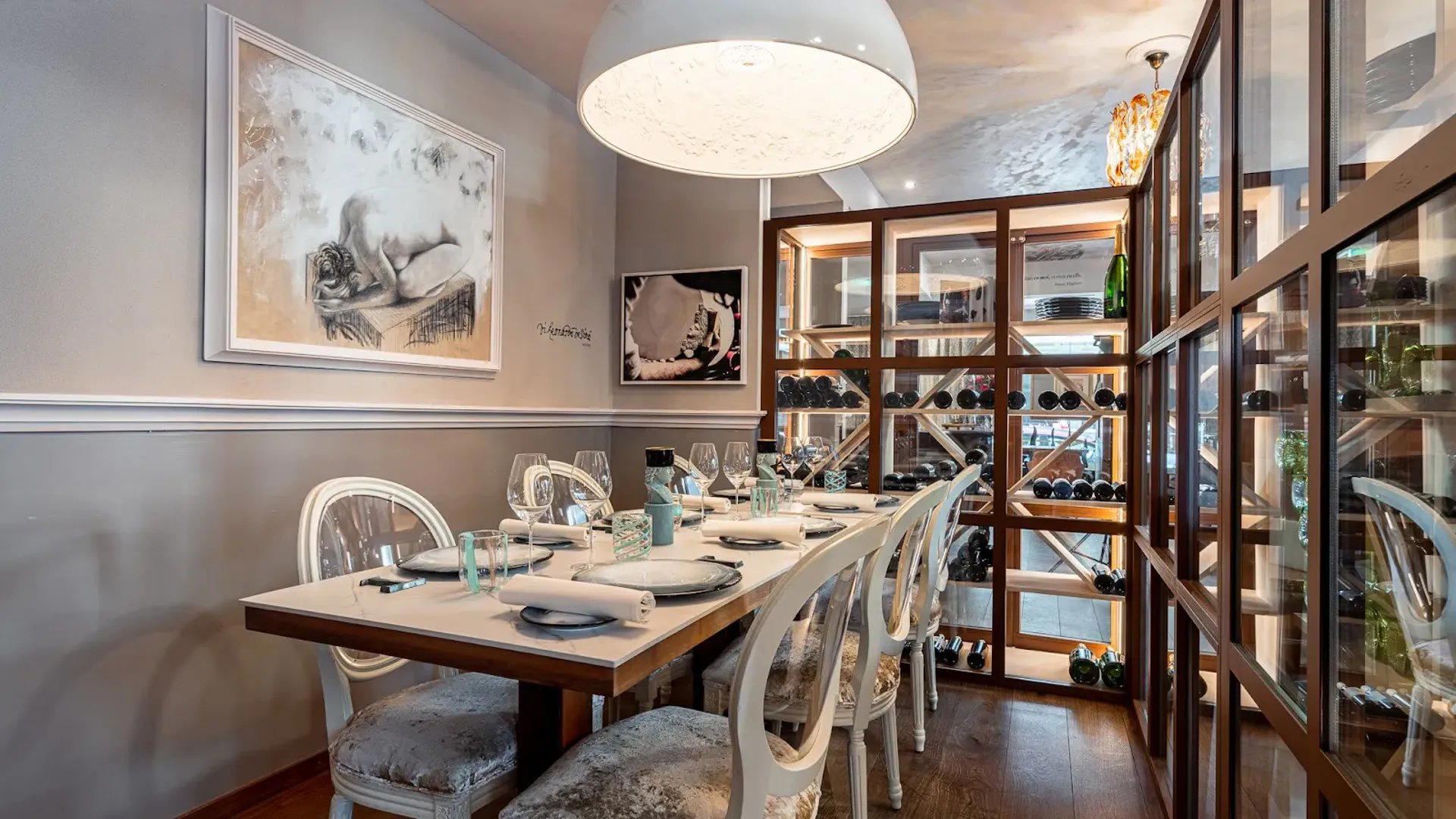
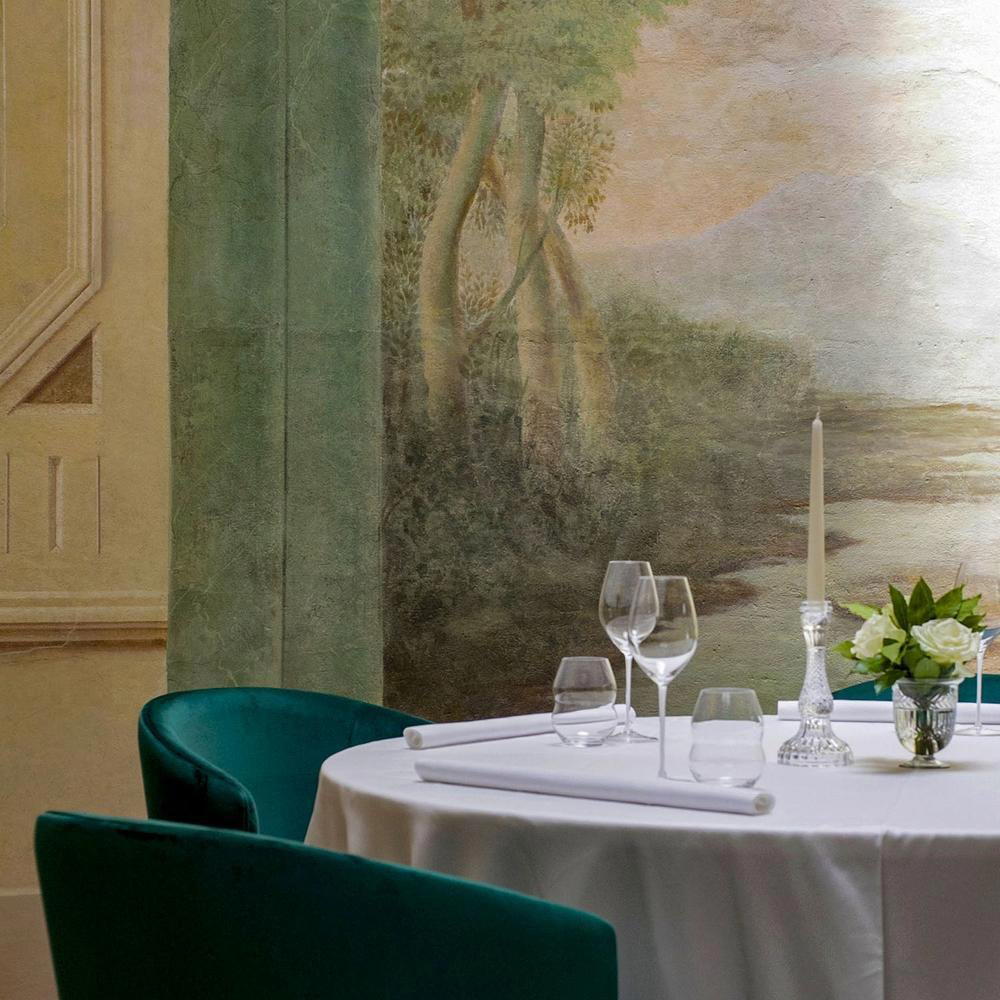
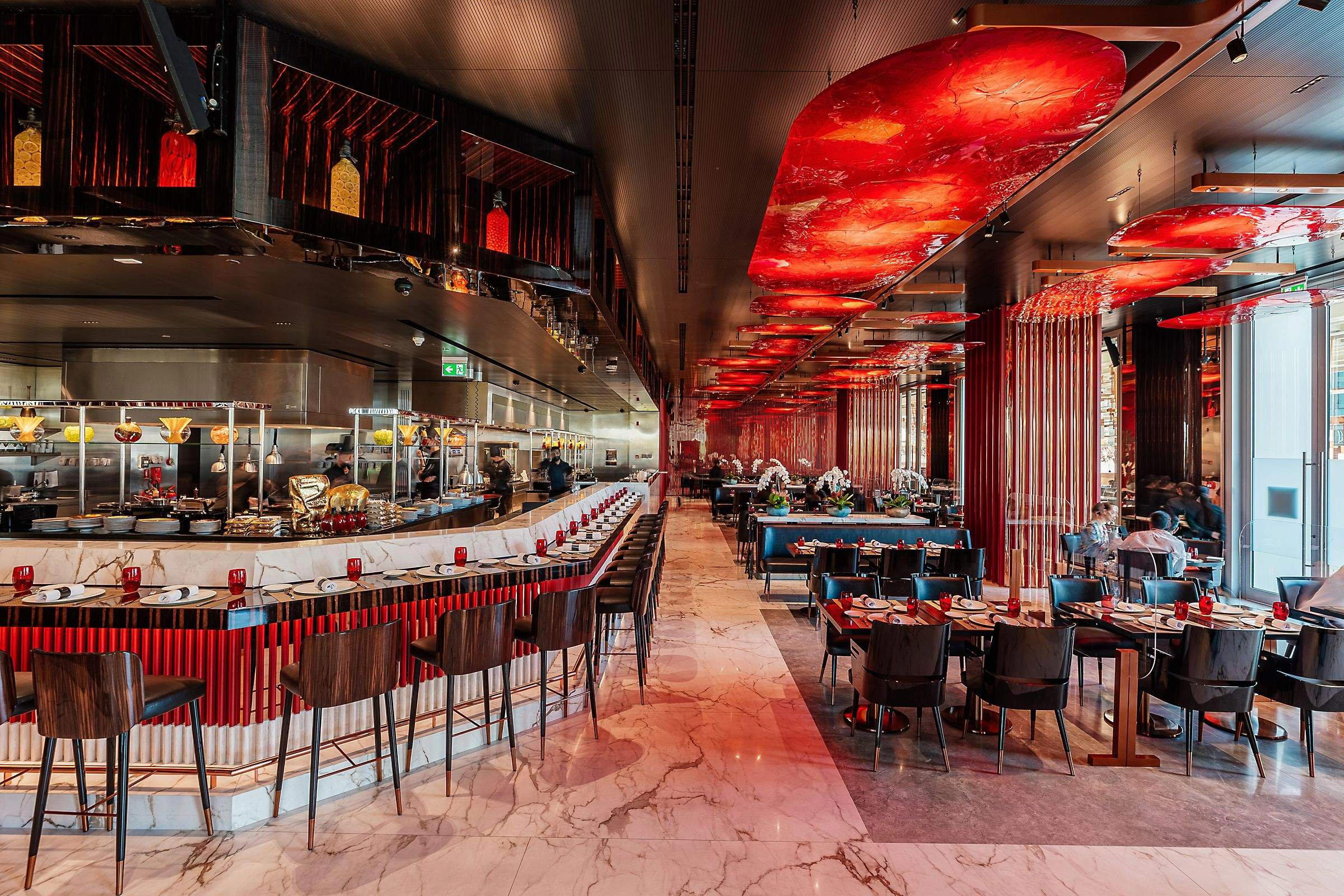
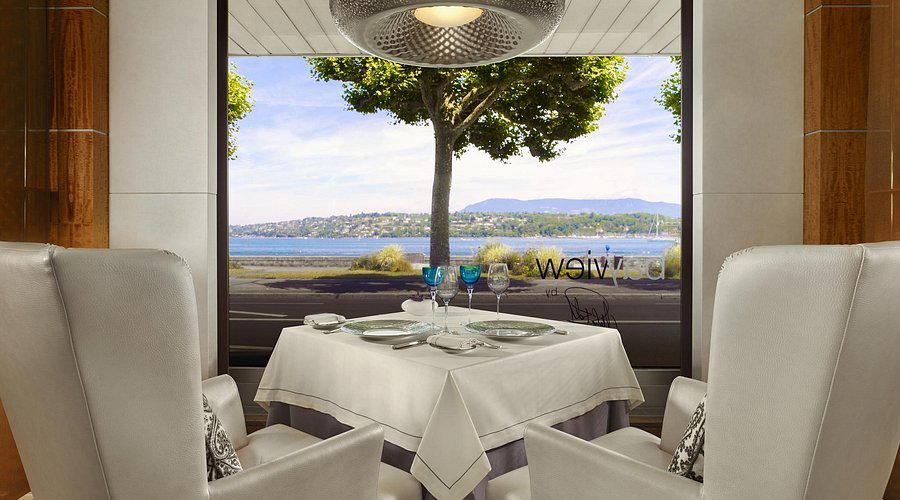
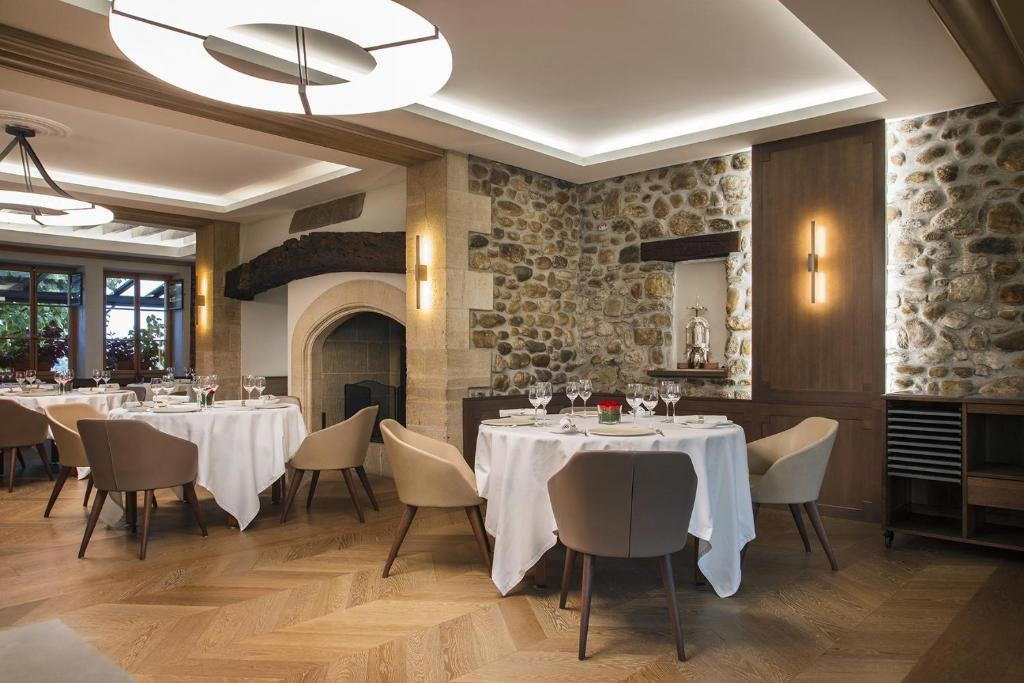
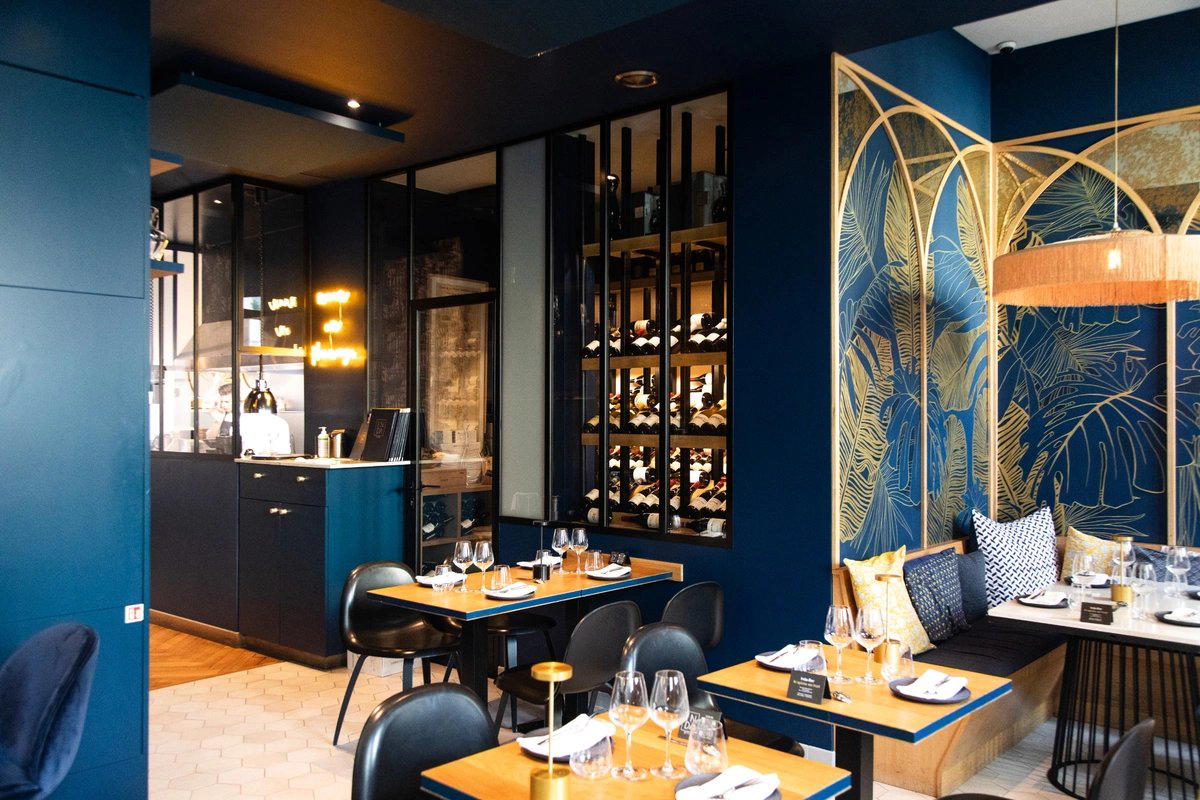
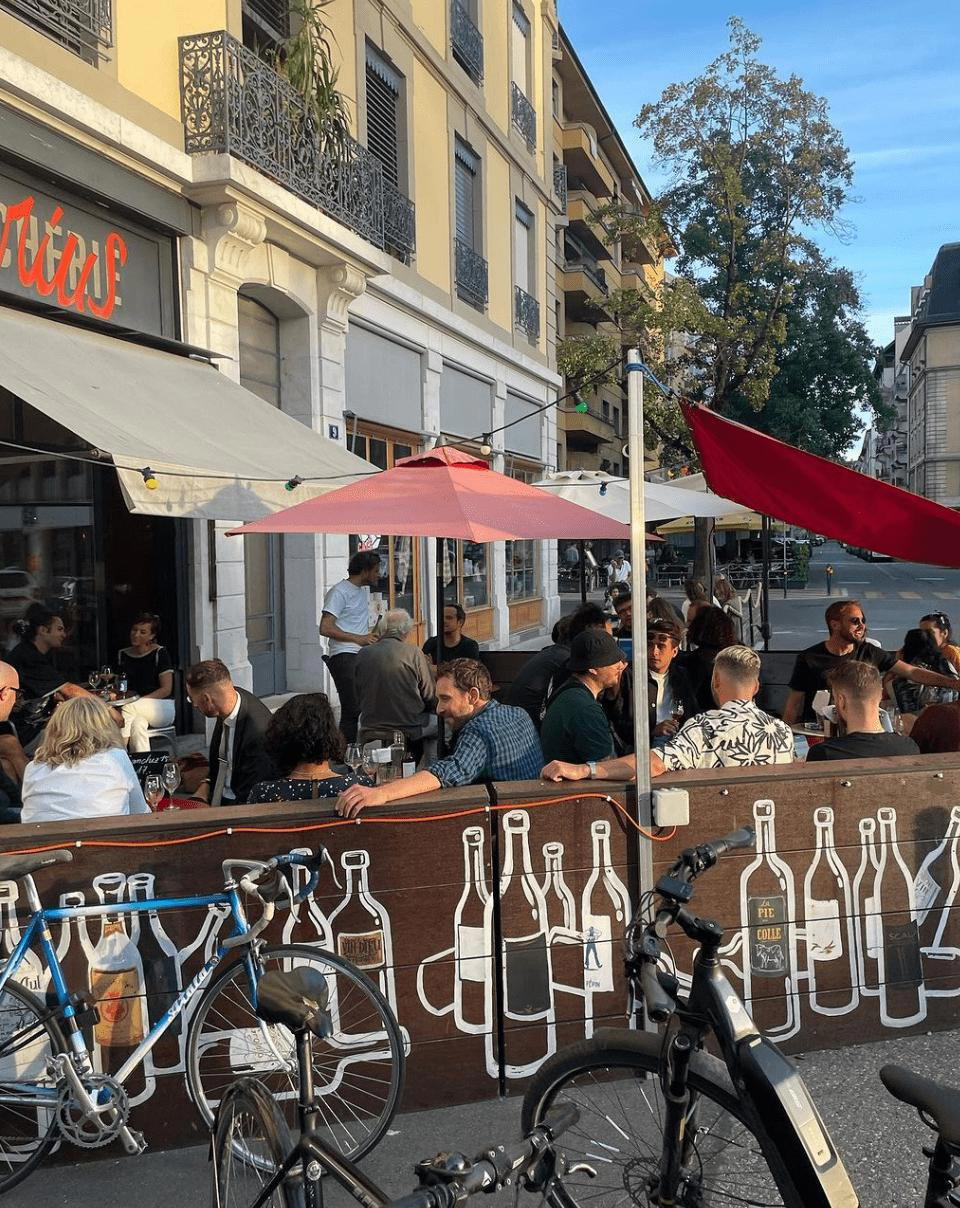
Bright, cozy, and relaxed atmosphere with a friendly service style that balances authenticity with refined dining.