Giardino Romano

Gambero Rosso 1 Forchetta
Our verdict
On Rue de Saint-Jean in Geneva's left-bank quarter, Giardino Romano represents the kind of Italian address the city has long needed: a room where the meal builds deliberately across courses rather than landing all at once. Geneva's Italian dining options sit in a narrow band between hotel formality and neighbourhood trattoria; this address occupies the space between those poles, where sequence and pacing matter as much as individual plates.

Pearl is the En Primeur Club membership app, where members save venues, book tables and use the concierge.
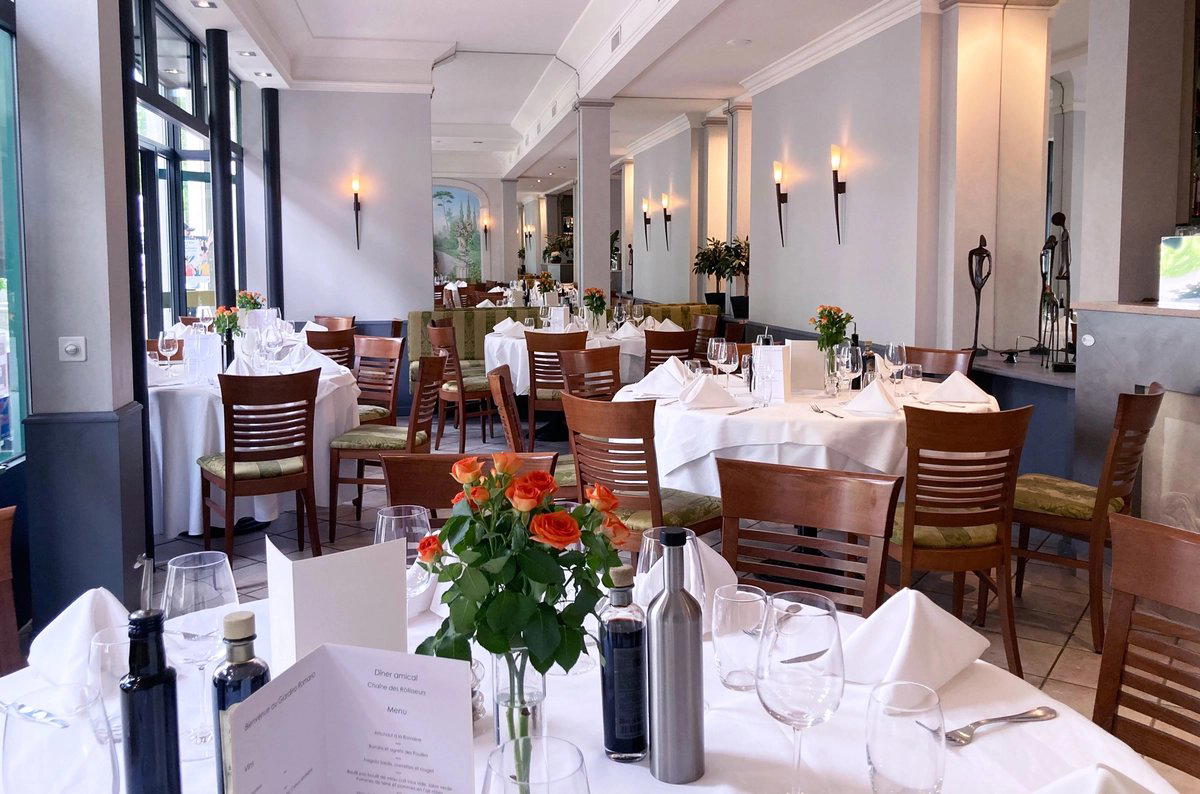
The menu
What to order
- Tagliatelles à la truffe blanche
- Pizza with truffles
- Ravioli del plin
A Street, a Room, a Sequence
Geneva's left-bank neighbourhoods have been shifting for several years now. The corridor around Rue de Saint-Jean, once defined mainly by its proximity to the train station and a certain workaday practicality, has attracted a quieter category of address: rooms that rely less on spectacle and more on what happens once you sit down. Giardino Romano occupies this street at number 30A, and the address itself signals something about what kind of dining the city is producing in its less-trafficked quarters.
Italian dining in Geneva has always occupied an awkward position. The city's Italian community is well-established, yet the restaurant tier that sits above simple trattoria and below the formality of hotel dining has historically been thin. Where Il Lago operates at the higher end of Italian in Geneva's lakeside hotel context, the demand for a mid-register but serious Italian address has rarely been met with consistency.
How the Meal Moves
The editorial angle that matters most for a room like this is progression: how a kitchen sequences a meal, how each stage sets up the next, and whether the arc of courses holds together or fragments into disconnected dishes. In Italian cooking, this is a structural question as much as a culinary one. The traditional Italian meal is built on tempo. Antipasto gives way to primo, primo gives way to secondo, and the transition between them is as much about texture and weight as about flavour. A kitchen that understands this builds meals that feel complete rather than accumulated.
Across Switzerland's serious Italian and contemporary European tables, this sequencing intelligence is what separates the tighter operations from those that serve excellent individual dishes without a coherent through-line. Da Vittorio in St. Moritz manages this at a high-volume luxury register; Schloss Schauenstein in Fürstenau does it with a more restrained, ingredient-led approach. The question for any Italian-inflected address in Geneva is whether the kitchen has the discipline to control that arc without the support structures of a destination-resort context.
Geneva's Italian Tier: Where This Address Sits
Geneva's restaurant scene is often described in terms of its French and international fine-dining tier, anchored by addresses like L'Atelier Robuchon at the top of the French contemporary category. Italian specifically is harder to map. The city's geography and its Franco-Swiss culinary identity push Italian dining either toward the casual end or toward hotel positioning. The middle ground, where a kitchen takes Italian structure seriously without the overhead of a starred hotel room, is where addresses like Giardino Romano operate and where the city's Italian dining culture is still finding its footing.
For comparison, look at how Geneva handles other Mediterranean-adjacent cuisines. La Micheline works the Mediterranean register with a more casual format. Arakel approaches modern cuisine from a different direction entirely. The Italian thread in the city's dining map is thinner than its French or international lines, which means that a room willing to commit to Italian sequencing and structure occupies ground that is less contested but also less supported by comparison points for the diner.
The Neighbourhood as Context
Rue de Saint-Jean and the surrounding streets have developed a particular character over the past decade. They are not Geneva's centre of gravity for dining, which remains closer to the Old Town and the lakefront, but they represent the city's more considered, less theatrical dining mode. Rooms here tend to be smaller, the format less performative, and the expectation set by the location is that the meal itself carries the weight rather than the setting or the view. This is the same dynamic that has shaped neighbourhood dining in cities like Paris's 11th or London's Bermondsey: location that does not confer status demands that the kitchen earn it directly.
For a Geneva diner looking to move between the city's registers, L'Aparté offers a modern French approach in a similarly non-lakefront context. But Italian at this address-type is rarer, which makes the positioning at once more exposed and more potentially durable if the kitchen is consistent.
Switzerland's Broader Italian Dining Conversation
It is worth placing Giardino Romano inside a wider Swiss context. Switzerland has strong Italian dining traditions, particularly in Ticino, where proximity to northern Italy and a significant Italian-speaking population have produced a different reference point altogether. In the German-speaking cities, Italian dining operates on different terms again. Geneva sits apart from both: its Italian dining is shaped by a French-dominant culinary culture and a cosmopolitan population that includes Italian professionals working in the city's international institutions.
Across the country, Swiss dining at the serious end has produced addresses with strong European credentials: Hotel de Ville Crissier near Lausanne, Memories in Bad Ragaz, Cheval Blanc in Basel, Maison Wenger in Le Noirmont, Einstein Gourmet in Sankt Gallen, Mammertsberg in Freidorf, La Table du Valrose in Rougemont, and focus ATELIER in Vitznau. None of these are Italian in orientation. The Italian dining tradition in Switzerland, outside Ticino, remains a space where individual rooms carry more representational weight than in countries where the category is denser and more competitive.
Sequence as a Standard
The framework through which to assess a room like Giardino Romano is ultimately the framework of the Italian meal itself: does the antipasto arrive with enough structure to orient the appetite without exhausting it, does the primo have the textural weight to carry the meal's middle section, and does the secondo land with enough purpose to justify the progression that preceded it. This sounds like a simple standard but it is the one that Italian dining most frequently fails, whether in Geneva or anywhere else. Kitchens that treat each course as a standalone proposition rather than a stage in a sequence produce meals that feel loosely assembled rather than composed.
For diners who want to compare how other kitchens approach sequence and progression in their own culinary traditions, Le Bernardin in New York and Lazy Bear in San Francisco both represent different answers to the same structural question: how to build a meal that holds together as a whole rather than a series of individual courses. The answer in Italian cooking is one of the oldest in European dining and remains one of the most demanding to execute consistently.
Planning a Visit
Giardino Romano is located at Rue de Saint-Jean 30A in the 1203 postal district of Geneva, on the left bank and within reach of the city centre by foot or by Geneva's tram network. The neighbourhood dining context means the room is likely to operate at a more accessible booking cadence than the city's higher-profile addresses, though specific availability details are best confirmed directly. For a broader orientation to what Geneva's dining scene currently offers across price points and cuisines, the EP Club Geneva restaurants guide provides the relevant competitive context.
Frequently asked questions
What's the address for Giardino Romano?
Giardino Romano is located at Rue de Saint-Jean 30A, 1203 Genève, Switzerland, Geneva.
How does Giardino Romano fit into Geneva's Italian dining scene compared to Ticino-influenced restaurants in Switzerland?
Switzerland's strongest Italian dining traditions are concentrated in Ticino, where geographic proximity to northern Italy shapes both product sourcing and kitchen culture. Giardino Romano sits in Geneva, on the French-speaking left bank at Rue de Saint-Jean 30A, a different culinary axis entirely, where Italian restaurants compete against a French fine-dining default. That positioning gives it a distinct role: Italian structure and sequencing in a city where that approach is relatively underrepresented at the neighbourhood-restaurant level.
What should I eat at Giardino Romano?
The editorial framing around Giardino Romano centres on the sequenced Italian meal, antipasto through to secondo, rather than any single headline dish. Given the kitchen's address in Geneva's Rue de Saint-Jean corridor, the approach appears to follow classic Italian structure rather than fusion detours.
How hard is it to get a table at Giardino Romano?
For a left-bank address that has been drawing attention as the neighbourhood around Rue de Saint-Jean shifts, arriving without a reservation carries risk, particularly at weekends. check the venue's official channels through any current booking channel before planning a visit.
What's Giardino Romano best at?
Based on the editorial context built around this address, Giardino Romano's defining strength is meal progression, the Italian tradition of sequenced courses where each stage is calibrated to set up the next. That structural commitment places it in a different register from Geneva's French-led fine-dining tier, anchored elsewhere by addresses such as L'Atelier Robuchon. It is an Italian-specific proposition in a city that does not have many of them at this level of intentionality.
Reputation First
Comparable venues nearby, for context on price, style, and recognition.
| Venue | Cuisine | Price | Awards | Notes |
|---|---|---|---|---|
| Giardino RomanoThis venue (the venue you are viewing) | Sardinian-Inspired Italian with Truffles | $30–50 | Gambero Rosso 1 Forchetta | Not listed |
| La Finestra | Traditional Italian | $50–100 | Not listed | Saint-Gervais |
| Gallo | Modern Italian Grill | Not listed | Star Wine List | Plainpalais |
| Anthology (EXPLORA II) | Refined Italian Fine Dining | $150–200 | Not listed | Champel |
| Anouch | Seasonal Mediterranean with Armenian and Thai Influences | $50–100 | Not listed | Saint-Gervais |
| Kozan | Authentic Japanese Sushi | $50–100 | Not listed | Les Delices |
Recognition history
Dated appearances from independent guides and award organizations, with the underlying list record or original source where available.
Gambero Rosso 1 Forchetta
Gambero Rosso
Continue exploring
More in Geneva
Restaurants in Geneva
All restaurants in Geneva →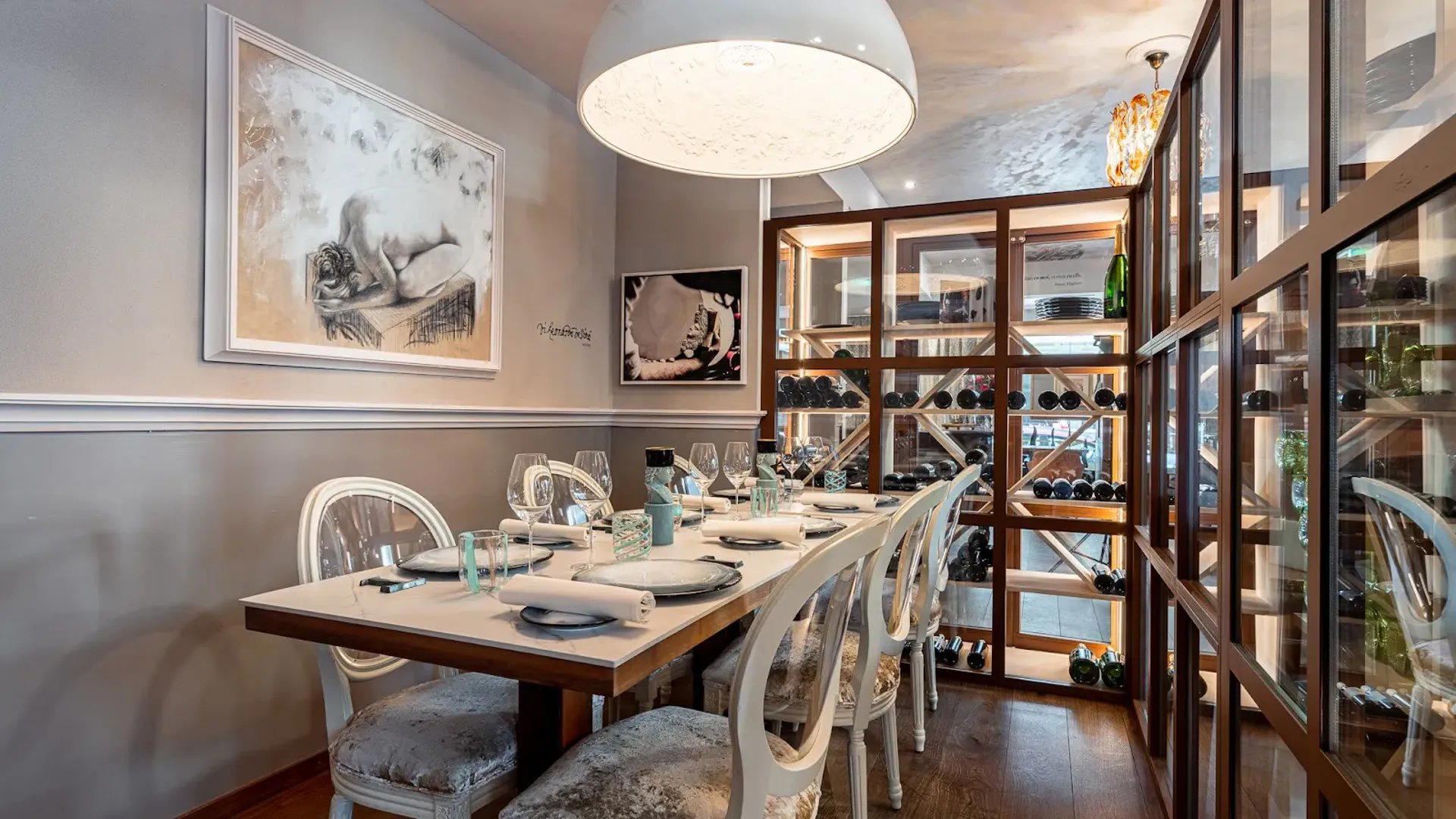
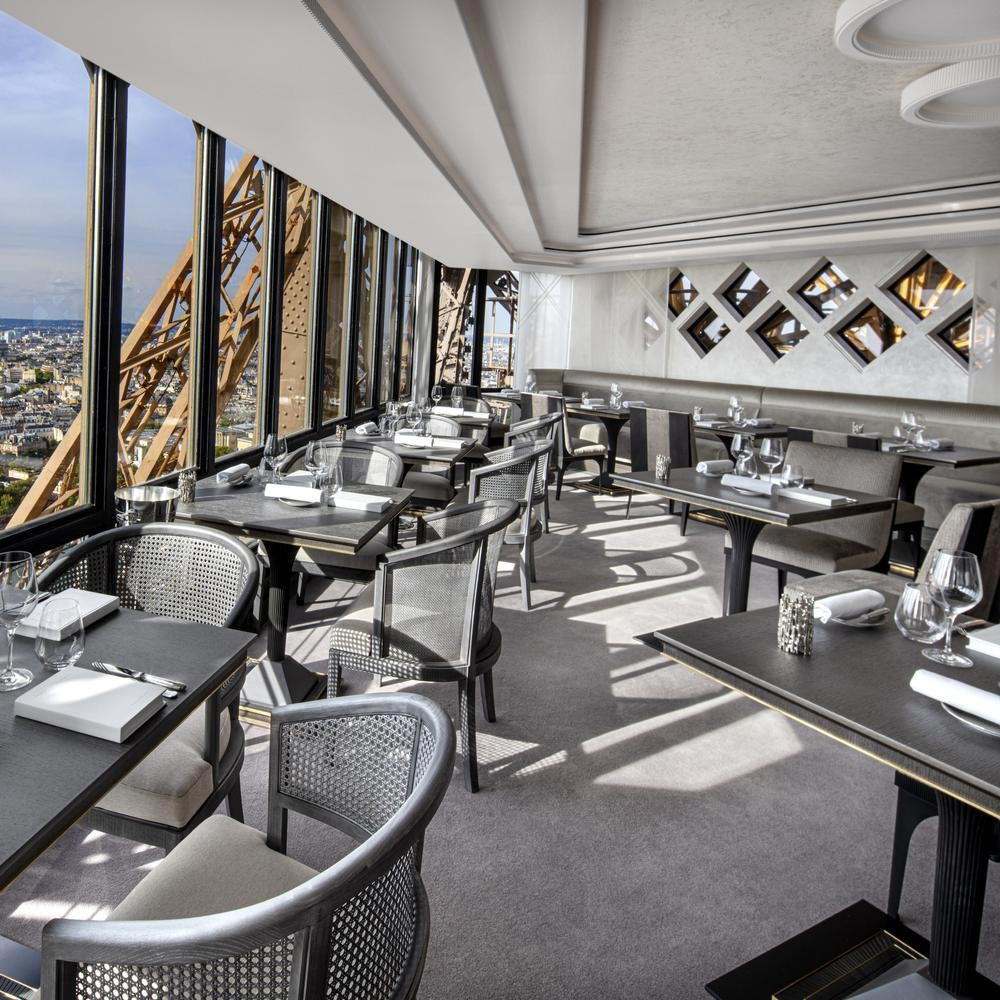
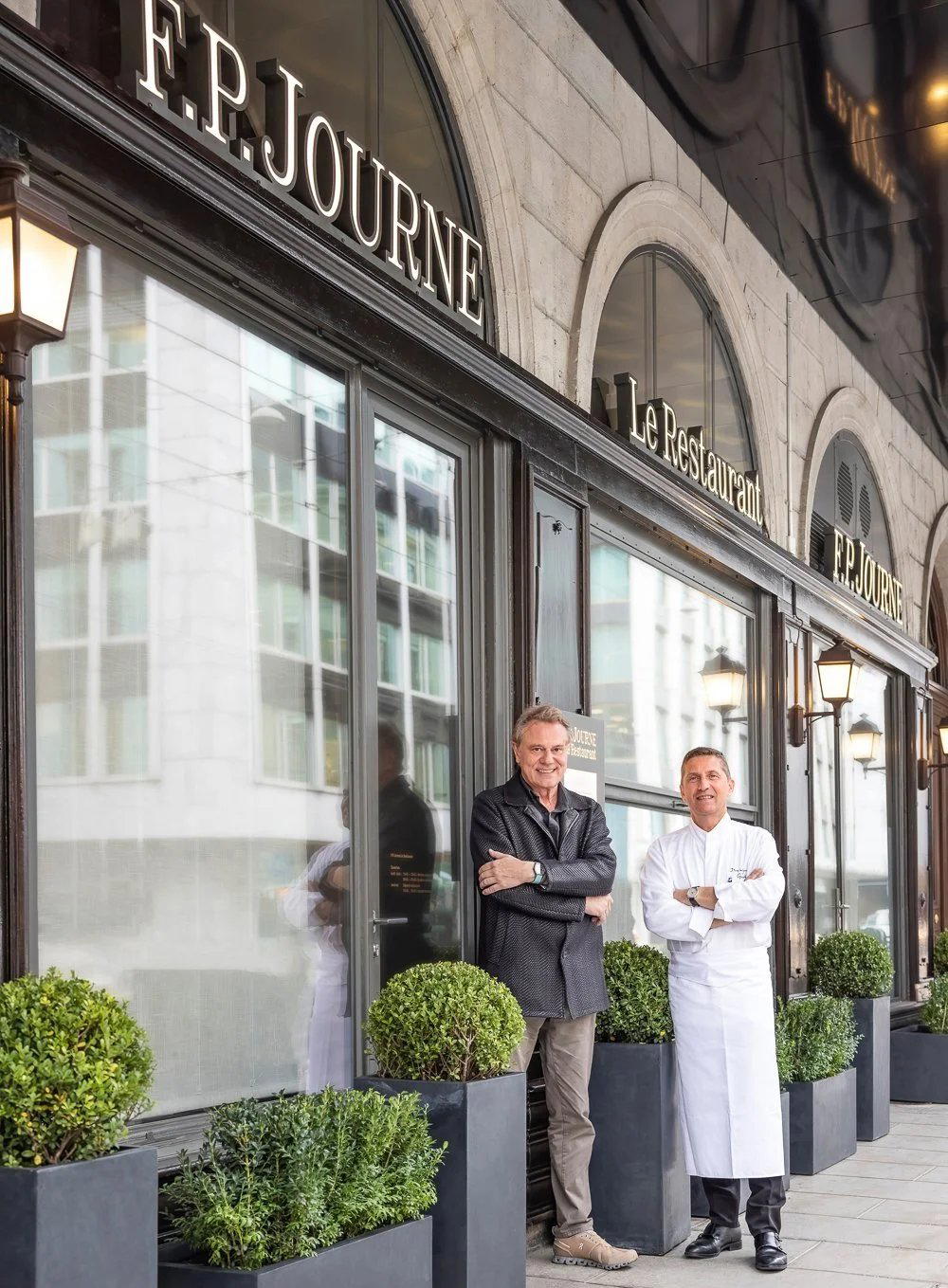
Bars in Geneva
All bars in Geneva →

Details
- Classic
- Elegant
- Intimate
- Date Night
- Special Occasion
- Terrace
- Extensive Wine List
- A La Carte
- Vegetarian Friendly
- Vegan Options
- Gluten Free Options
Current opening hours
- Monday
- 11:30 AM–2:30 PM, 6:30–10:30 PM
- Tuesday
- 11:30 AM–2:30 PM, 6:30–10:30 PM
- Wednesday
- 11:30 AM–2:30 PM, 6:30–10:30 PM
- Thursday
- 11:30 AM–2:30 PM, 6:30–10:30 PM
- Friday
- 11:30 AM–2:30 PM, 6:30–10:30 PM
- Saturday
- 6:30–10:30 PM
- Sunday
- Closed
Hours can change for holidays and private events. Hours as of .
Magnificent setting with warm, friendly service and a great atmosphere praised by guests.