Terroir Tribeca and Park Hotel, Vossevangen

A Champions League Winner recognised by the World of Fine Wine London Awards, Terroir Tribeca occupies a dual identity that few wine-focused venues in New York attempt: a downtown bar programme anchored in serious producer selections, paired with a Scandinavian hotel reference point in Vossevangen. At 24 Harrison Street in Tribeca, it sits at the intersection of neighbourhood wine culture and destination-level recognition.
 Discover on Pearl
Pearl is the En Primeur Club membership app — saves, bookings, and concierge access live there. Same editors, same standards.
- Address
- 24 Harrison St, New York, NY 10013
- Phone
- (212) 625-9463
- Website
- wineisterroir.com
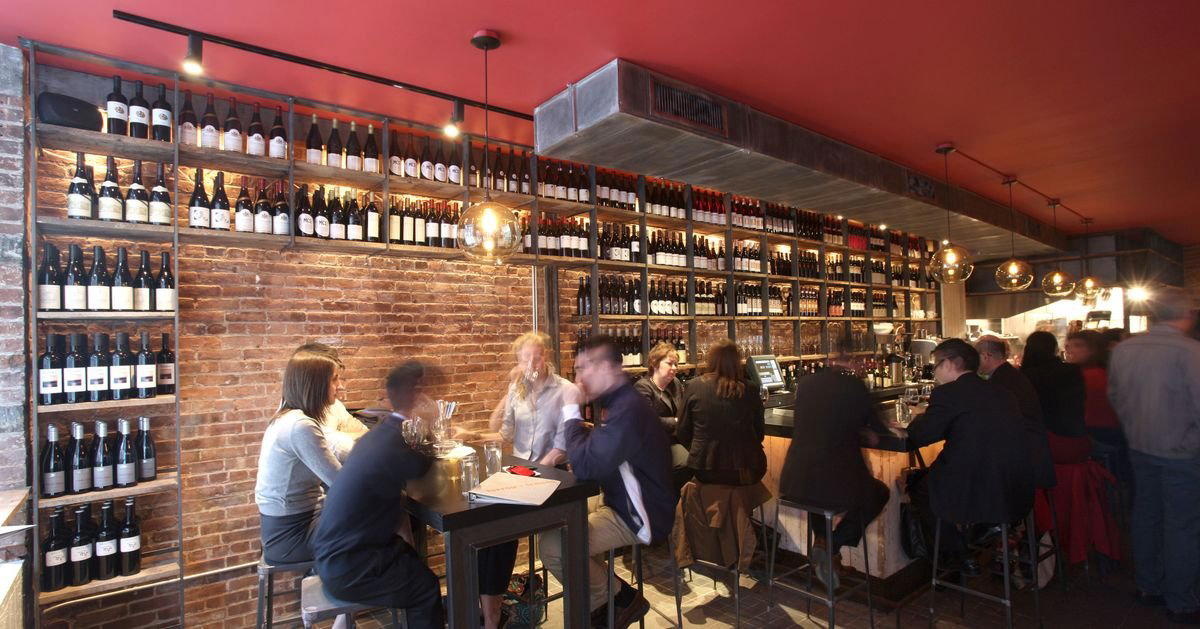
Where Tribeca's Wine Culture Found a Serious Address
Harrison Street in Tribeca is the kind of block that rewards knowing where to look. The cast-iron facades and cobblestones read as preserved New York rather than curated backdrop, and the dining and drinking establishments along this stretch tend to reflect that same unshowy ambition. Wine bars in this part of lower Manhattan have historically split between casual bottle-shop hybrids aimed at the after-work crowd and more formal rooms that price themselves against the Le Bernardin tier of the city. Terroir Tribeca has occupied a more contested middle ground: serious enough in its selections to earn international recognition, informal enough in format to function as a neighbourhood anchor.
The World of Fine Wine London Awards designated Terroir Tribeca a Champions League Winner, a category reserved for venues that demonstrate sustained programme depth rather than single-vintage flash. That credential places it in a different competitive set from the cocktail-led rooms that dominate much of Tribeca's after-dark identity, and it signals something about the ambition behind the selection philosophy even when the room itself keeps the theatre to a minimum.
The Dual Identity: Tribeca Bar, Vossevangen Reference
The full name, Terroir Tribeca and Park Hotel, Vossevangen, is not an accident of branding. Vossevangen is a small town in Norway's Hordaland region, and the Park Hotel there has a documented history of wine programming that sits well outside the mainstream of Scandinavian hospitality. The pairing of a downtown New York wine bar with a Norwegian hotel reference points toward something that became more common in the mid-2010s: a model in which serious wine venues across different geographies share not just a name or ownership structure, but a curatorial philosophy. This is a venue that thinks about terroir, in the literal, agricultural sense, across time zones.
That kind of transatlantic programme coherence is rarer than it sounds. The wine venues in New York that have built lasting reputations, think of the somm-driven rooms that orbit the Per Se and Masa tier, tend to anchor their identity in a single city's dining culture. A venue that deliberately positions itself as part of a cross-border conversation about wine and place is making a different kind of statement.
Evolution: From Neighbourhood Spot to Award-Recognised Programme
The trajectory of wine bars in New York over the past fifteen years tracks a recognisable arc. The early 2000s produced a wave of approachable, low-intervention bottle shops with seats. By the early 2010s, a more serious tier had emerged: venues where the list reflected genuine producer relationships, where by-the-glass selections rotated with intention rather than inventory pressure, and where the room was designed to support conversation about what was in the glass rather than around it. Terroir Tribeca belongs to the generation of venues that helped define that second wave downtown.
The Champions League recognition from the World of Fine Wine London Awards represents an external validation of a programme that had been building credibility through selection depth rather than press-cycle noise. Awards in this category are not given to venues that had a good year; they reflect sustained quality across multiple assessment cycles. For a wine bar operating in a city where the competition for serious drinkers includes the cellars beneath Saga and the wine programmes at rooms like César, that kind of recognition carries weight.
Evolution framing matters here because Terroir Tribeca's current position is the product of accumulated decisions rather than a single reinvention. The venue has not pivoted in the dramatic sense that some New York dining rooms have, the kind of full-concept overhaul that Lazy Bear in San Francisco or Alinea in Chicago have executed. Instead, the evolution here is quieter: deeper producer relationships, a more confident editorial voice in the list, and the kind of international recognition that changes how a room is perceived by serious wine travellers arriving from outside the city.
The Broader Wine Bar Moment in New York
New York's wine bar scene has fragmented usefully in recent years. The by-the-glass revolution that made natural wine accessible to a broader audience created one tier; the technically demanding, cellar-depth rooms aimed at collectors and sommeliers created another; and the neighbourhood anchor model, where the list is serious but the format remains accessible, occupies the space between. Terroir Tribeca operates in that third register, which is arguably the hardest to sustain. It requires maintaining programme rigour without pricing out the regular who arrives on a Tuesday.
The comparable challenge exists across the country. Emeril's in New Orleans built its wine programme around similar tensions between accessibility and depth. Providence in Los Angeles has navigated the same question from the fine dining side. In New York specifically, the downtown wine bar format has a shorter institutional history than the uptown dining rooms that anchor the city's international reputation, which makes the Champions League recognition for a Tribeca address something of a marker for how far the downtown scene has matured.
For travellers building a wine-focused New York itinerary, the broader ecosystem is worth mapping. Those arriving from or departing to European wine-focused destinations will find useful comparative context in venues like Alain Ducasse's Louis XV in Monte Carlo and 8½ Otto e Mezzo Bombana in Hong Kong, both of which represent the fine dining end of the international wine programme conversation.
The agricultural estate model, where wine selection is inseparable from land and season, has found its clearest American expression in places like Single Thread Farm in Healdsburg and, at the tasting menu level, The French Laundry in Napa. Terroir Tribeca draws on a related philosophy but applies it to an urban bar format rather than a destination dining room, which is a meaningful distinction in how the venue functions day to day.
Approaching the Venue
24 Harrison Street sits in the northern stretch of Tribeca, close enough to the Hudson to catch the light differently in the early evening and far enough from the Canal Street corridor to feel residential rather than transient. The block has a settled quality that suits a wine bar format: this is not a venue you arrive at in haste. The neighbourhood has shifted considerably since the early years of Tribeca's transformation from warehouse district to address of choice for a certain kind of New Yorker, and the drinking and dining rooms that have lasted here tend to reflect that maturation.
Know Before You Go
- Address: 24 Harrison St, New York, NY 10013
- Neighbourhood: Tribeca, lower Manhattan
- Award: World of Fine Wine London Awards, Champions League Winner
- Programme type: Wine bar with dual New York / Vossevangen identity
Comparable Options
Comparable venues nearby, for context on price, style, and recognition.
| Venue | Cuisine | Price | Notes |
|---|---|---|---|
| Terroir Tribeca and Park Hotel, VossevangenThis venue — the venue you are viewing | Wine Bar with Small Plates | $$$ | |
| George McNally restaurant | american | $$$ | Tribeca |
| The Harrison | Modern American with Sushi | $$$ | Tribeca-Civic Center |
| The Corner Store | Playful Nostalgic American | $$$ | SoHo-Little Italy-Hudson Square |
| Urban Cove Society and Kitchen | Modern American with Global Fusion | $$$ | Financial District-Battery Park City |
| Beast | Modern American Rooftop Lounge | $$$ | Prospect Heights |
Continue exploring
More in New York City
Restaurants in New York City
Browse all →
Bars in New York City
Browse all →
Hotels in New York City
Browse all →




At a Glance
- Cozy
- Trendy
- Intimate
- Lively
- Date Night
- Casual Hangout
- After Work
- Wine Cellar
- Open Kitchen
- Hotel Restaurant
- Extensive Wine List
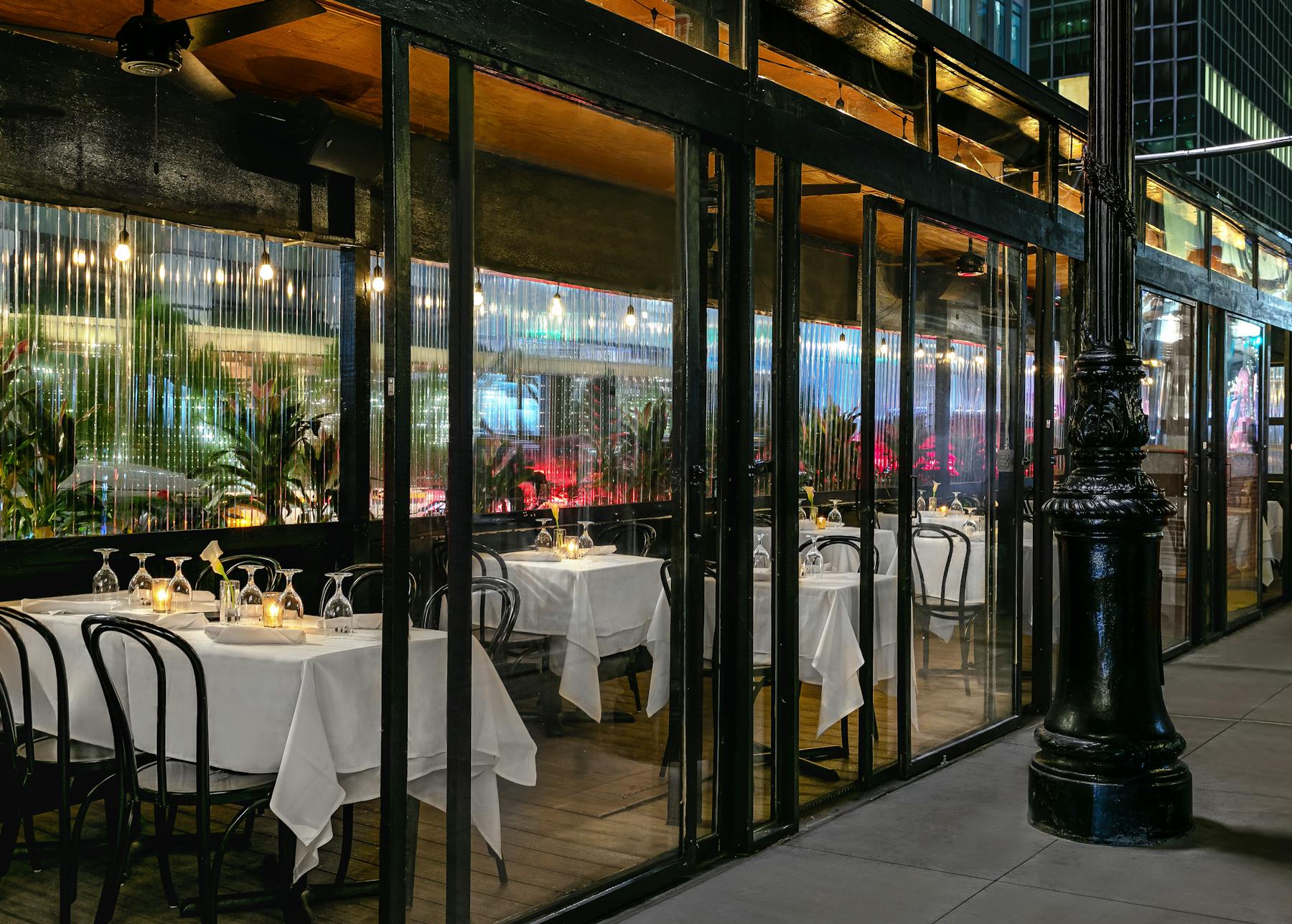
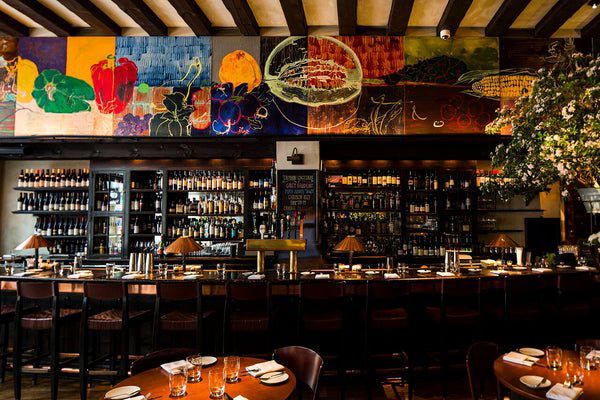
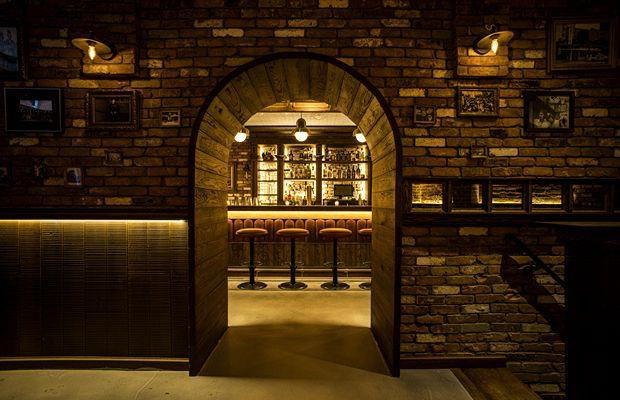
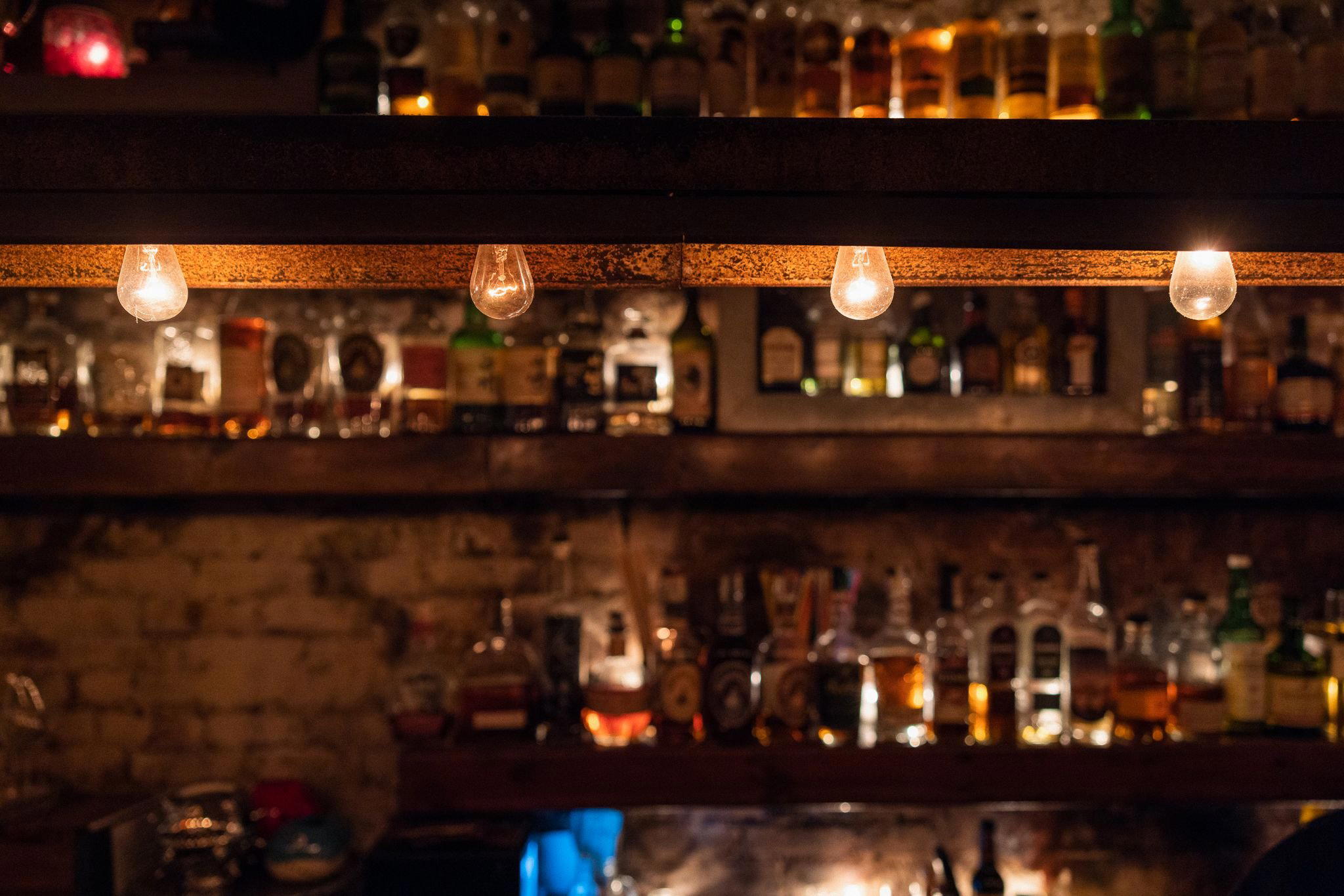
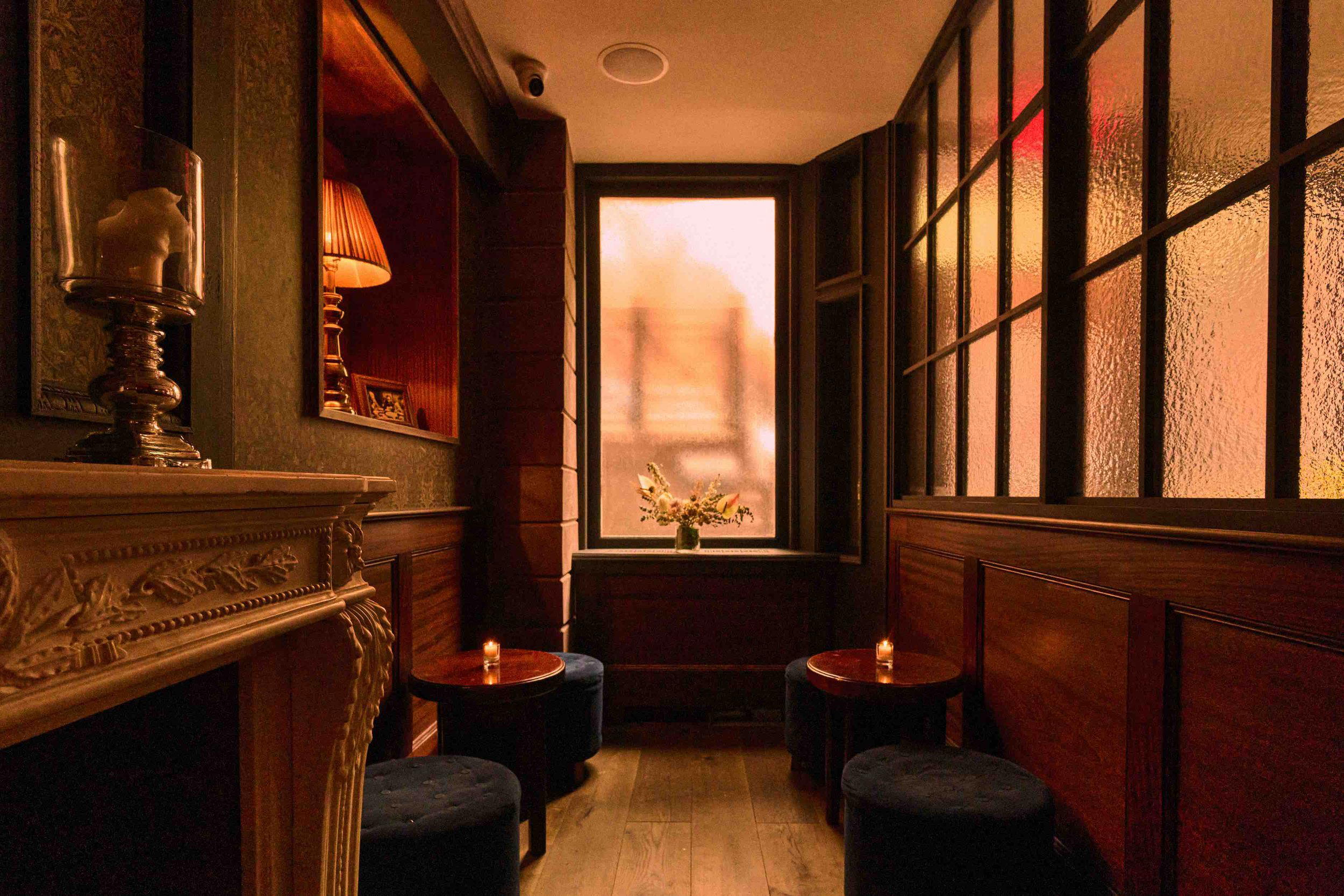
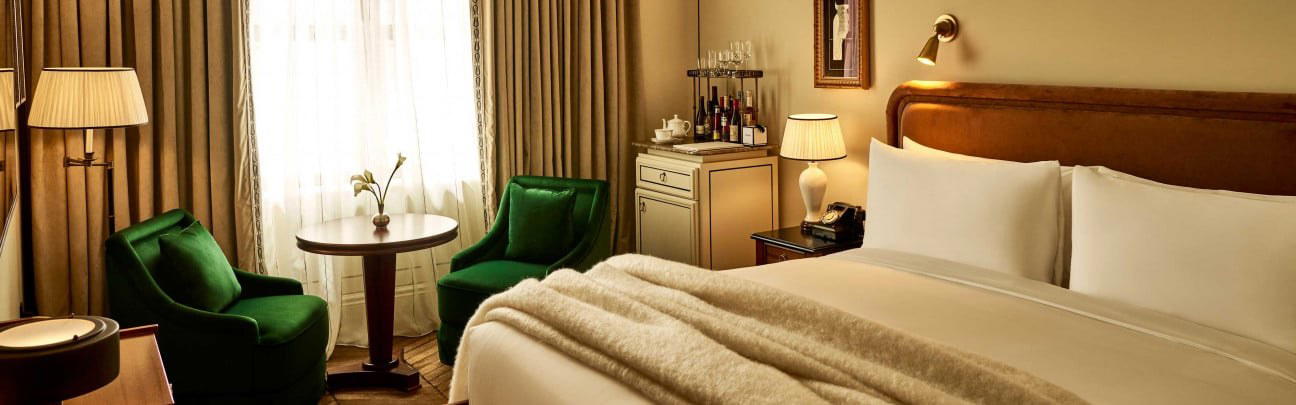
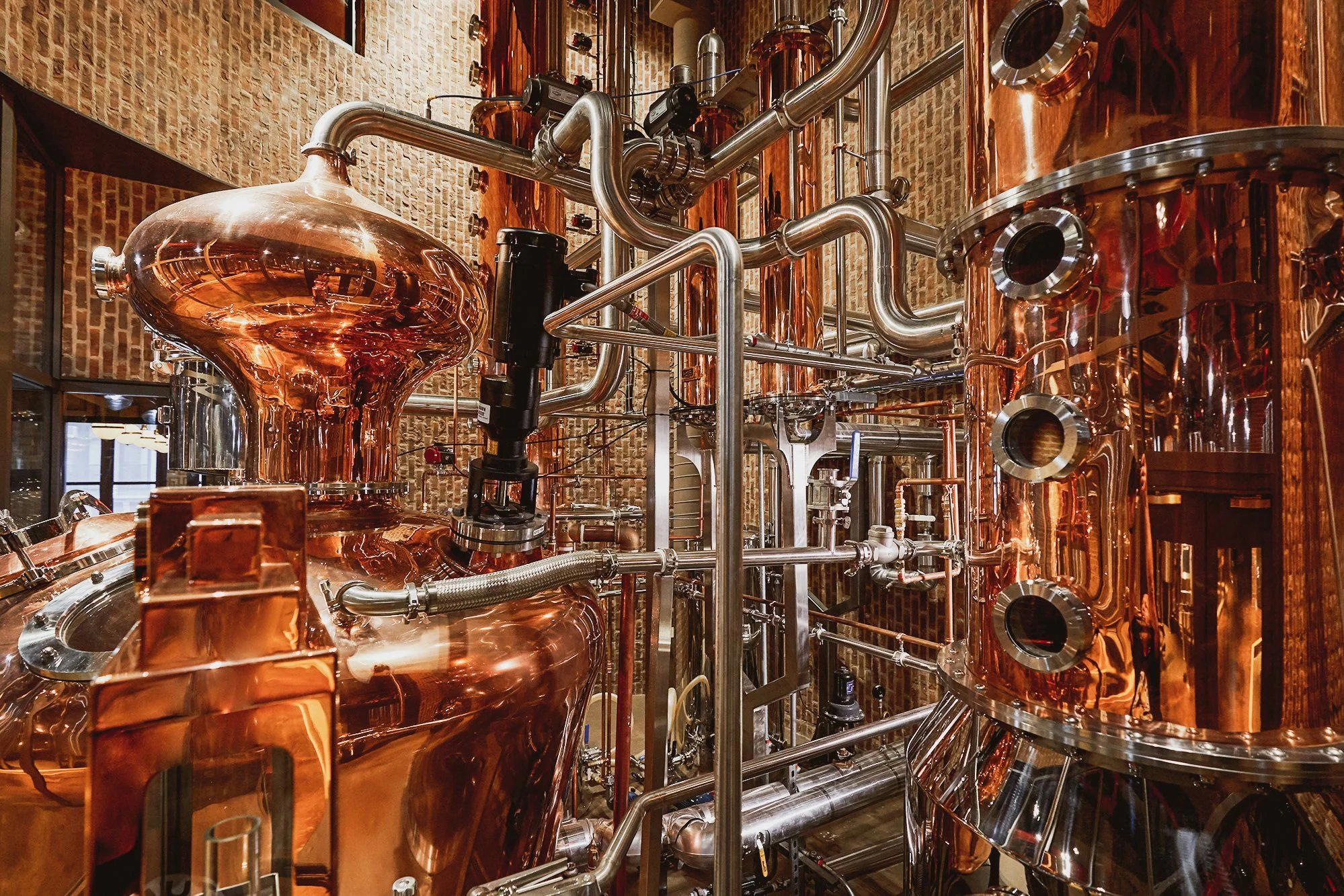
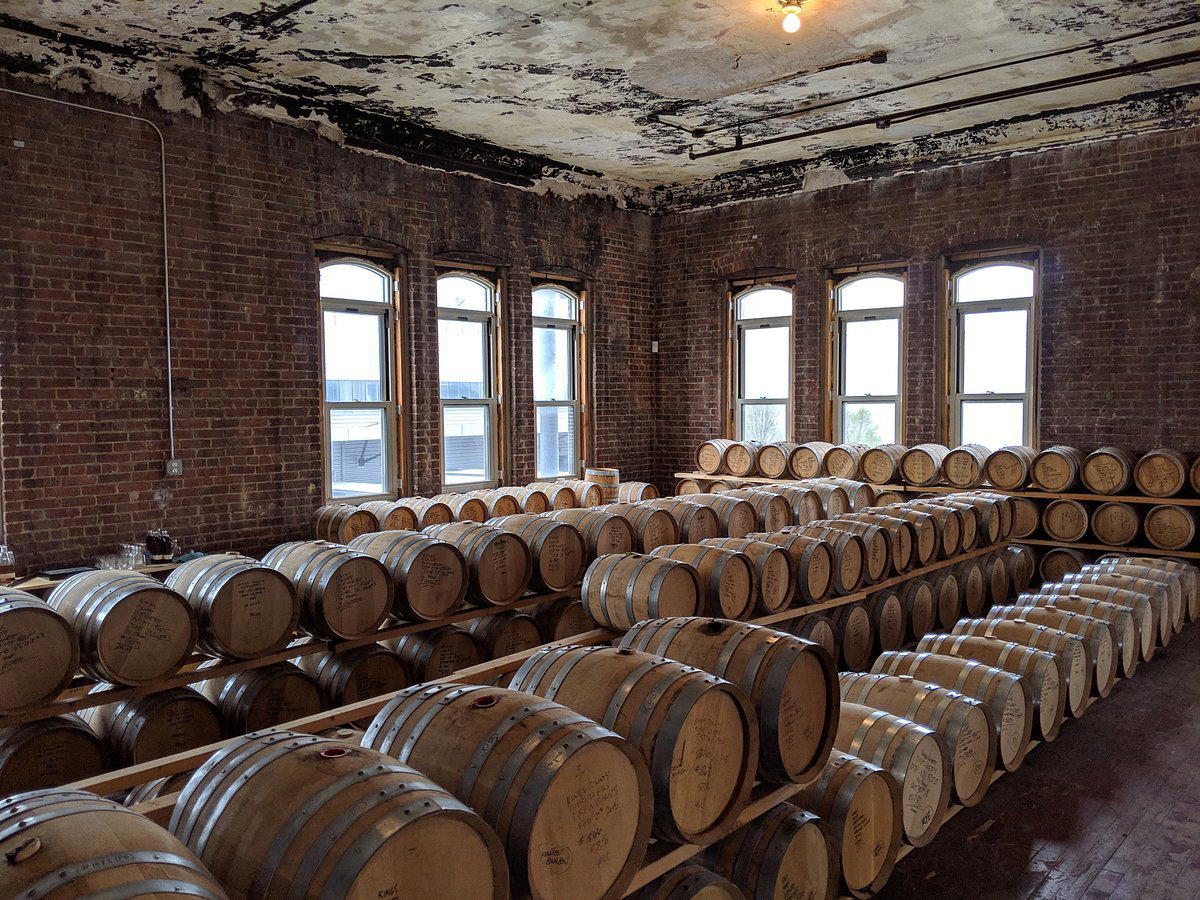
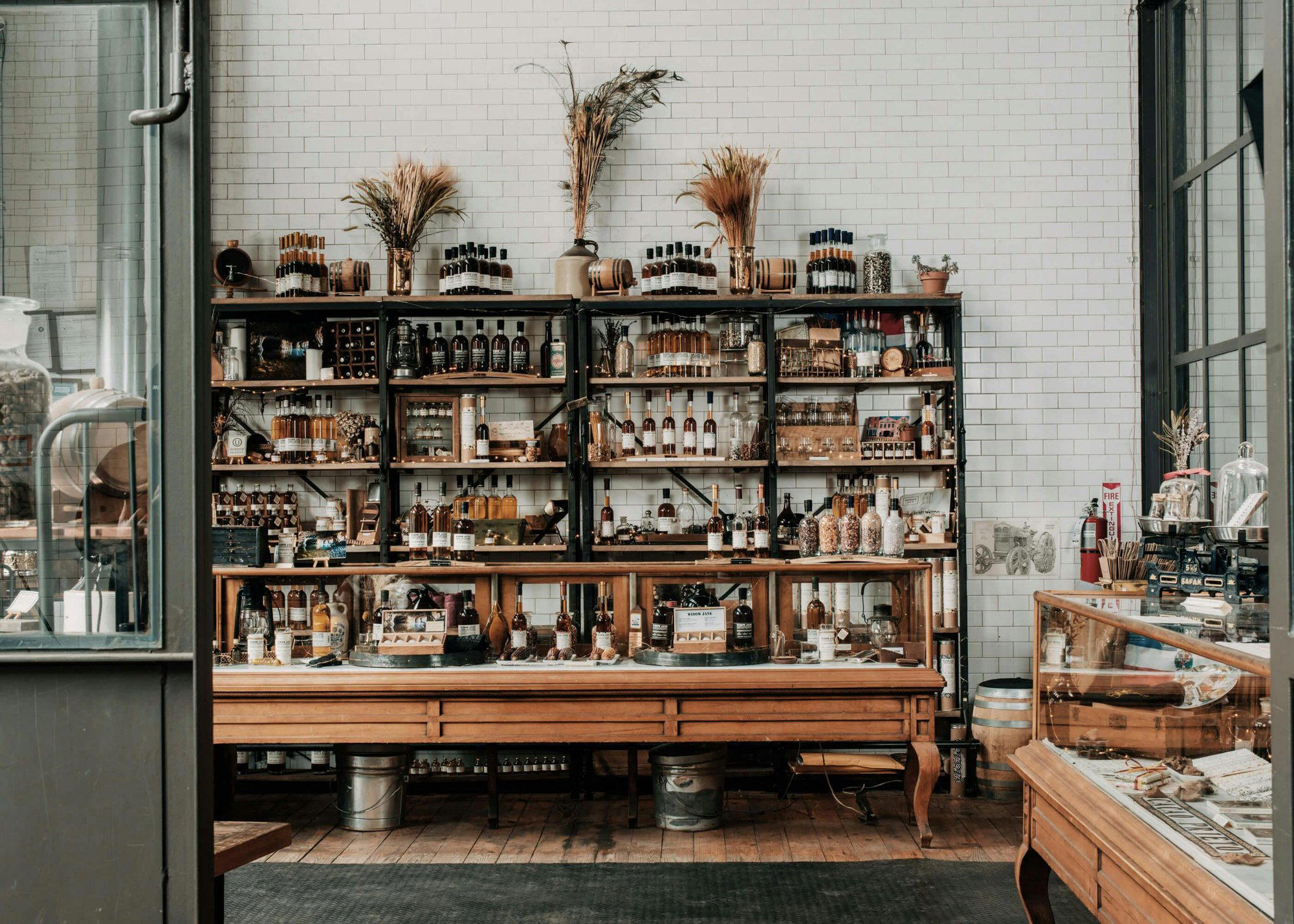
Cozy with exposed brick walls, wood beams, low lighting, and a lively yet relaxed atmosphere.