La força vella sits on Carrer de la Força in Girona's medieval quarter, one of the oldest streets in a city that takes its food seriously. It occupies a dining scene defined by proximity to the Catalan hinterland and the produce rhythms of the Empordà, placing it in a neighbourhood where ingredient origin and architectural setting carry equal weight. For visitors tracing Girona's restaurant culture beyond the Michelin circuit, this address rewards attention.
- Address
- Carrer de la Força, 4, 17004 Girona, Spain
- Phone
- +34 972 22 72 02
- Directions
- Get directions
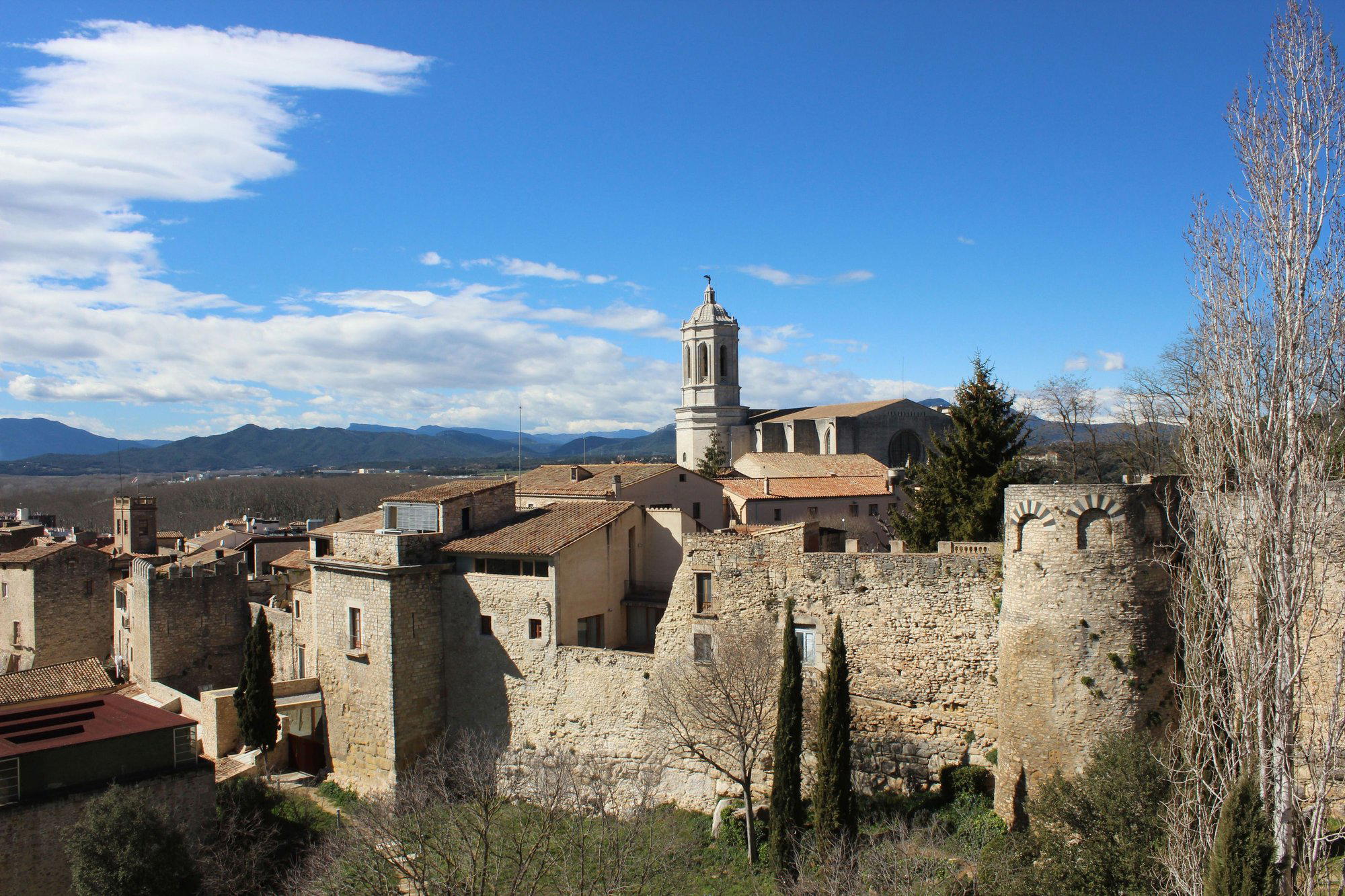
A Street That Has Fed People for Two Thousand Years
Carrer de la Força follows the line of the Roman Via Augusta through Girona's old city, and the buildings along it have served as market, monastery, and quarter for successive populations since the first century. When a restaurant occupies a ground floor here, the setting does a significant amount of the work before any food arrives. The stone walls absorb sound. Natural light enters at a low angle. The proportions of the room belong to a pre-industrial idea of what an interior could be. This is the physical context for La força vella.
Girona's restaurant culture has, over the past two decades, sorted itself into recognisable tiers. At the apex sits El Celler de Can Roca, which operates in the same creative register as Mugaritz in Errenteria or DiverXO in Madrid and draws a global booking queue. Below that, the city sustains a mid-tier of serious modern cooking, represented by addresses like Massana and Divinum, where technique is applied with discipline but the format remains accessible. La força vella sits in the older city's fabric, in a neighbourhood where the audience is drawn as much by location and atmosphere as by formal culinary reputation.Cipresaia and BionBo than to the tasting-menu circuit.
Empordà Produce and the Logic of the Catalan Kitchen
The Empordà, the agricultural and coastal plain that stretches north and east of Girona toward the French border, is among the more productive food regions in Catalonia. It yields anchovies from L'Escala, snails and game from the interior, mushrooms from the Pyrenean foothills, and a market-garden tradition of unusual depth. Any kitchen working this address that aligns itself with Empordà sourcing is drawing on a supply chain that has no need to reach beyond the region for quality or variety.
Catalan cooking at its most traditional operates on a small number of structural principles: the sofregit base of slowly cooked onion and tomato, the picada of fried bread and nuts that thickens and enriches a sauce at the end of cooking, the combination of meat and seafood that the Catalans call mar i muntanya. These are not decorative regional gestures. They are load-bearing techniques that shape the flavour logic of the whole cuisine, and a kitchen that works within them honestly requires good sourcing more than it requires creative intervention. The leading versions of these dishes succeed or fail on the quality of the raw material, which makes provenance the editorial subject, not the recipe.
This is the tradition into which an address like La força vella fits naturally. Spanish fine dining at its most ambitious, whether at Quique Dacosta in Dénia, Aponiente in El Puerto de Santa María, or Ricard Camarena in València, still grounds its contemporary technique in regional ingredient identity. The same logic applies at the neighbourhood level. A kitchen in the medieval quarter of Girona, cooking from the Empordà, is participating in an ingredient story that connects it upward to the region's most celebrated tables and laterally to the daily market culture that supplies all of them.
Positioning Within Girona's Dining Map
Visitors approaching Girona's food scene for the first time often organise their attention around the Michelin map, which means El Celler de Can Roca dominates planning at the expense of the broader picture. The city's full restaurant offer is considerably richer than that single reference point suggests. The Barri Vell, the old Jewish quarter and Roman core that includes Carrer de la Força, concentrates a number of restaurants that trade on setting and local produce rather than formal tasting-menu ambition. This is a different kind of dining value from what you find at, say, Martin Berasategui in Lasarte-Oria or Azurmendi in Larrabetzu, but it is not a lesser one. It is oriented toward place-making rather than performance.
The comparison matters because it changes how you read a meal here. In a restaurant built around creative tasting menus, the food carries the burden of justifying the occasion. In a restaurant built around an ancient street and a regional kitchen, the occasion justifies itself, and the food's job is to be honest and well-sourced rather than inventive. The leading neighbourhood tables in cities like Girona, Cáceres (where Atrio operates in a similarly historic setting), or in larger urban contexts like Cocina Hermanos Torres in Barcelona, understand this distinction clearly. The restaurant's address on what is Girona's most historically weighted street places it in that context.
Planning a Visit
Carrer de la Força runs through the heart of the Barri Vell and is walkable from Girona's train station in under fifteen minutes, making it direct to reach whether you are arriving from Barcelona (approximately forty minutes by high-speed rail) or as part of a longer journey toward the Costa Brava. The old quarter is compact enough that a meal here pairs naturally with time at the cathedral or the Arab baths nearby. As with most restaurants in this part of Girona's historic core, booking ahead rather than walking in is advisable during summer months and during the Temporada Alta festival season in autumn, when cultural programming draws additional visitors to the city.
At-a-Glance Comparison
Comparable venues nearby, for context on price, style, and recognition.
| Venue | Cuisine | Price | Awards | Notes |
|---|---|---|---|---|
| La força vellaThis venue — the venue you are viewing | Spanish Tapas | $ | Not listed | Not listed |
| Rocambolesc | Creative Ice Cream & Sweets | $$ | Not listed | Old Town |
| SiNoFos | Modern Mediterranean Fusion | $$$ | Michelin Plate | Eixample |
| BionBo | Modern Mediterranean Prebiotic Tasting Menu | $$$ | Not listed | Old Town Girona |
| Normal | Modern Catalan | $$ | Michelin Plate | Barri Vell |
| Nexe | Modern Catalan with Asian Fusion | $$$ | Michelin Plate | Barri Vell |
Continue exploring
More in Girona
Restaurants in Girona
Browse all →
Bars in Girona
Browse all →
Hotels in Girona
Browse all →

At a Glance
- Touristy
- Casual Hangout
- Historic Building
- Street Scene
Tourist-oriented spot with poor service and mediocre food.