
Teramae puts Osaka’s okonomiyaki culture in a Higashiosaka setting, away from the tourist-heavy center and close to the everyday rhythms of Nagase. Its 2025 Tabelog 100 Okonomiyaki selection gives the place a concrete signal of standing, while the format stays rooted in teppan cooking, stir-fried noodles, and casual Kansai comfort rather than ceremony.
Pearl is the En Primeur Club membership app — saves, bookings, and concierge access live there. Same editors, same standards.
- Address
- 4 Chome-12-24 Kowakae, Higashiosaka, Osaka 577-0818, Japan
- Phone
- +81 6-6725-3271
- Website
- order.ubereats.com
 Saves & bookings on Pearl
Approaching the Nagase side of Higashiosaka, the city changes register. Central Osaka’s food districts sell speed and spectacle; this side of town works on habit, student traffic, family tables, and the smell of batter meeting iron. Okonomiyaki belongs naturally in that register. It is not a cuisine of hushed counters or choreographed service. It is Kansai food built around heat, cabbage, flour, sauce, and the social gravity of a shared griddle.
That context matters because Osaka’s serious eating culture is often flattened into two clichés: luxury sushi for visitors with expense accounts, and neon snack food around Dotonbori. Okonomiyaki sits between those poles. It is local, inexpensive, and technically unforgiving in ways that do not always read as luxury. Teramae’s selection for Tabelog 100 Okonomiyaki 2025 places it in a judged category where execution and local reputation carry more weight than design polish. The point is not rarity. The point is whether a familiar Osaka form can hold attention without dressing itself up as something else.
Higashiosaka okonomiyaki, judged by the griddle rather than the room
Okonomiyaki in Osaka is a civic language as much as a dish category. Hiroshima has its layered architecture; Tokyo often treats the style as a retro social meal; Osaka tends to make it feel immediate, practical, and adaptable. The cooking sits close to teppanyaki and yakisoba, which explains why menus in this genre often move easily from savory pancakes to stir-fried noodles and iron-plate side dishes. Teramae operates inside that wider grammar: okonomiyaki, teppanyaki, and stir-fried noodles are the relevant lanes, not tasting-menu invention.
The Tabelog 100 Okonomiyaki 2025 recognition is useful because the category is crowded with places that can look similar from the outside. A 3.53 Tabelog score, in this context, signals a restaurant with enough consistency and local pull to register in a competitive Kansai comfort-food field. It also keeps expectations properly calibrated. This is not the same decision as booking a counter in Kitashinchi or a formal kappo room near Namba. It belongs to the part of Osaka dining where price restraint, portion logic, and repeat custom shape the experience.
Among the comparison set in Osaka, the price band sits closer to everyday noodle and casual specialist addresses such as Menya Seiryu, Chuka Soba Fukuhara, Sanukiya Masajiro, and Gokuju Bimen umami than to a higher-spend casual dinner like Toriyaki Shogun Eiwa. That matters for visitors building a week of meals. Osaka rewards alternating formats: one carefully chosen grill-table meal can say as much about the city as another round of ramen, udon, or kushikatsu.
Why the format matters in a city that eats socially
The room’s scale changes the experience. With 66 seats across counter, table, and sunken kotatsu-style seating, this is not the tiny specialist counter model that dominates much of Japan’s online restaurant mythology. It is built for groups as well as solo and pair dining, with private-room capacity and children welcome. That makes it especially aligned with okonomiyaki’s social function: the meal can be quick, but the format also supports a longer table, shared plates, and an unforced second drink.
Osaka’s food identity is often discussed through kuidaore, the idea of eating until one’s means are spent, but the sharper reading is democratic abundance. The city excels at forms that scale down without losing character. Takoyaki, udon, kushikatsu, and okonomiyaki all have premium versions, yet none requires a luxury frame to make sense. Teramae fits that logic. Its recognition gives travelers a filter, while the price and format keep it grounded in the city’s practical appetite.
For a broader Osaka itinerary, the useful move is to avoid treating every meal as a trophy. Pairing an okonomiyaki stop in Higashiosaka with central addresses from Our full Osaka restaurants guide gives a better read on the city than staying inside one dining district. The same principle applies beyond restaurants: Our full Osaka hotels guide, Our full Osaka bars guide, Our full Osaka wineries guide, and Our full Osaka experiences guide help separate central convenience from neighborhood texture.
Where it sits in a wider Kansai eating day
A strong Osaka day does not need to run from famous name to famous name. It can move from coffee to bakery to street-adjacent comfort food, then into a more structured dinner. For nearby editorial planning, EP Club’s Osaka map includes casual and specialist options such as.cafe, 52CHO-ME BAKERY, 551 Horai (551蓬莱), 99 Pizza Napoletana Gourmet, and a canto (Italian). The contrast is the lesson: Osaka dining is not one hierarchy, but a set of formats with different rules.
That comparison extends across Japan and beyond. A sukiyaki address such as -Grilled beef Sukiyaki- KAMAKURA TANUKIAN 鎌倉 たぬき庵 in Kamakura frames beef through a table ritual;. 鮪と炭火焼き うお炭 秋葉原店 in Tokyo points toward tuna and charcoal;.know in Kumamoto and (Shoku) Vietnam in Kawasaki show how regional Japanese dining now absorbs broader influences. [Curry Senmon Ten] Maruyama Kyoju. in Sapporo, [ki:] in Kyoto, Jōdo Saké Bar in Los Angeles, and Onigiri Time in Pasadena each sit in different Japanese-food conversations. Teramae’s role is narrower and clearer: it is an Osaka okonomiyaki reference point where the value lies in category fidelity, not reinvention.
Booking and Cost Snapshot
Comparable venues to anchor price and recognition.
| Venue | Cuisine | Price | Notes |
|---|---|---|---|
| TeramaeThis venue — the venue you are viewing | Not listed | $ | Not listed |
| Menya Fukuhara | Ikuno, Ramen | $ | Not listed |
| Men no Youji | Chūō, Japanese Ramen | $ | Not listed |
| Sakanaya Hidezou Tachinomi ten | Not listed | $ | Chūō, Standing seafood & sake bar (tachinomi) |
| Osama no Spoon | Kita, Osaka curry & soup curry shop | $ | Not listed |
| NAKAGAWA Wazu | Not listed | $ | Higashiyodogawa, Niboshi-focused Ramen Counter |
Recognition history
Dated appearances from independent guides and award organizations, with the underlying list record or original source where available.
Tabelog 100 #38 · No. 38
Tabelog · Tabelog 100 - Okonomiyaki - 2025
Continue exploring
More in Osaka
Restaurants in Osaka
Browse all →




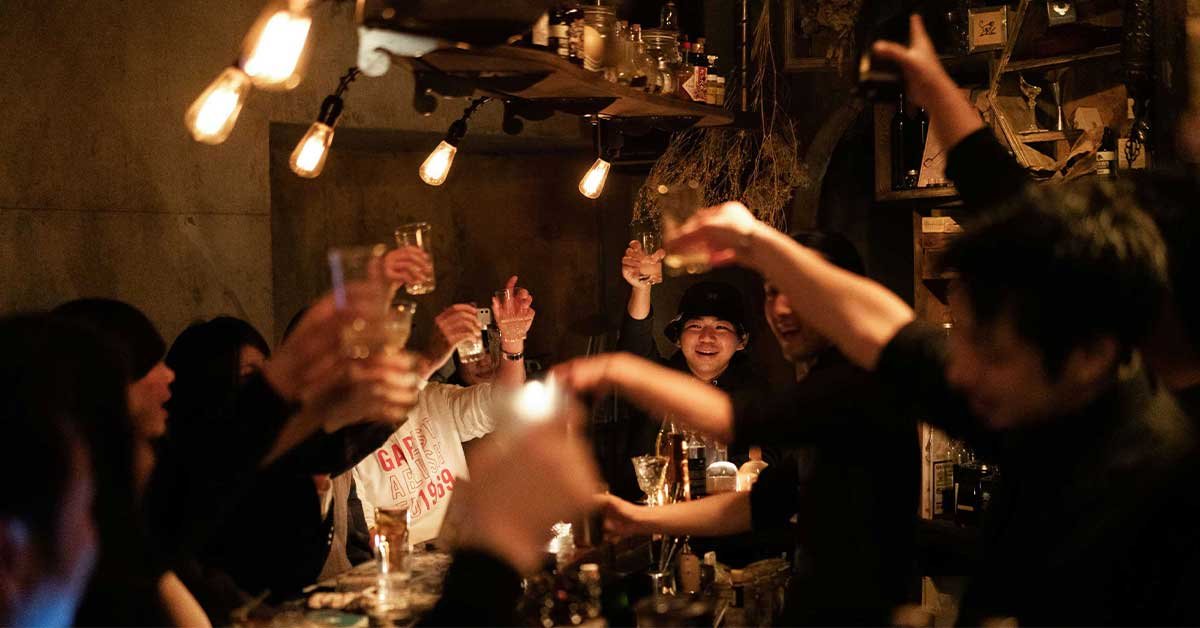
Bars in Osaka
Browse all →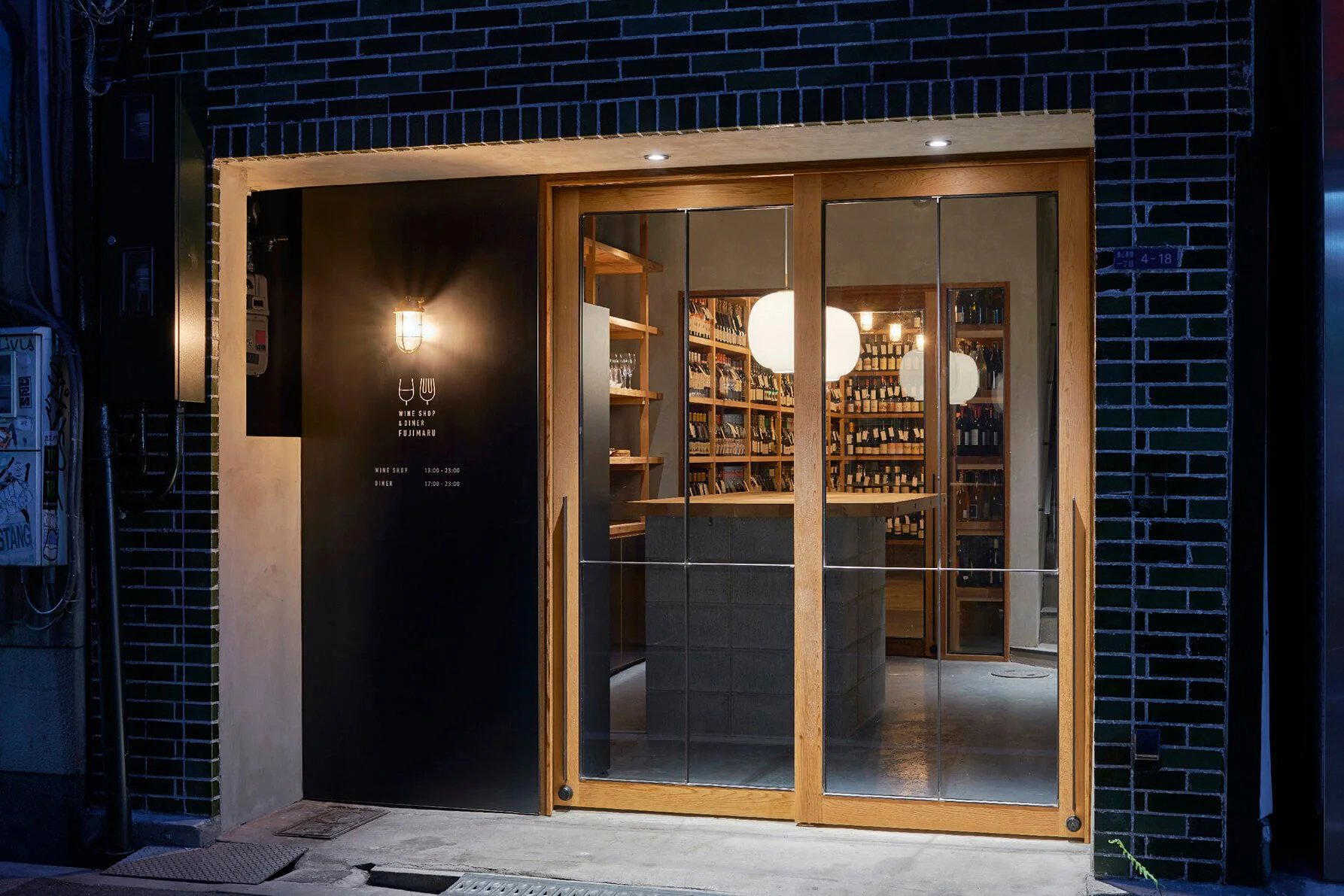
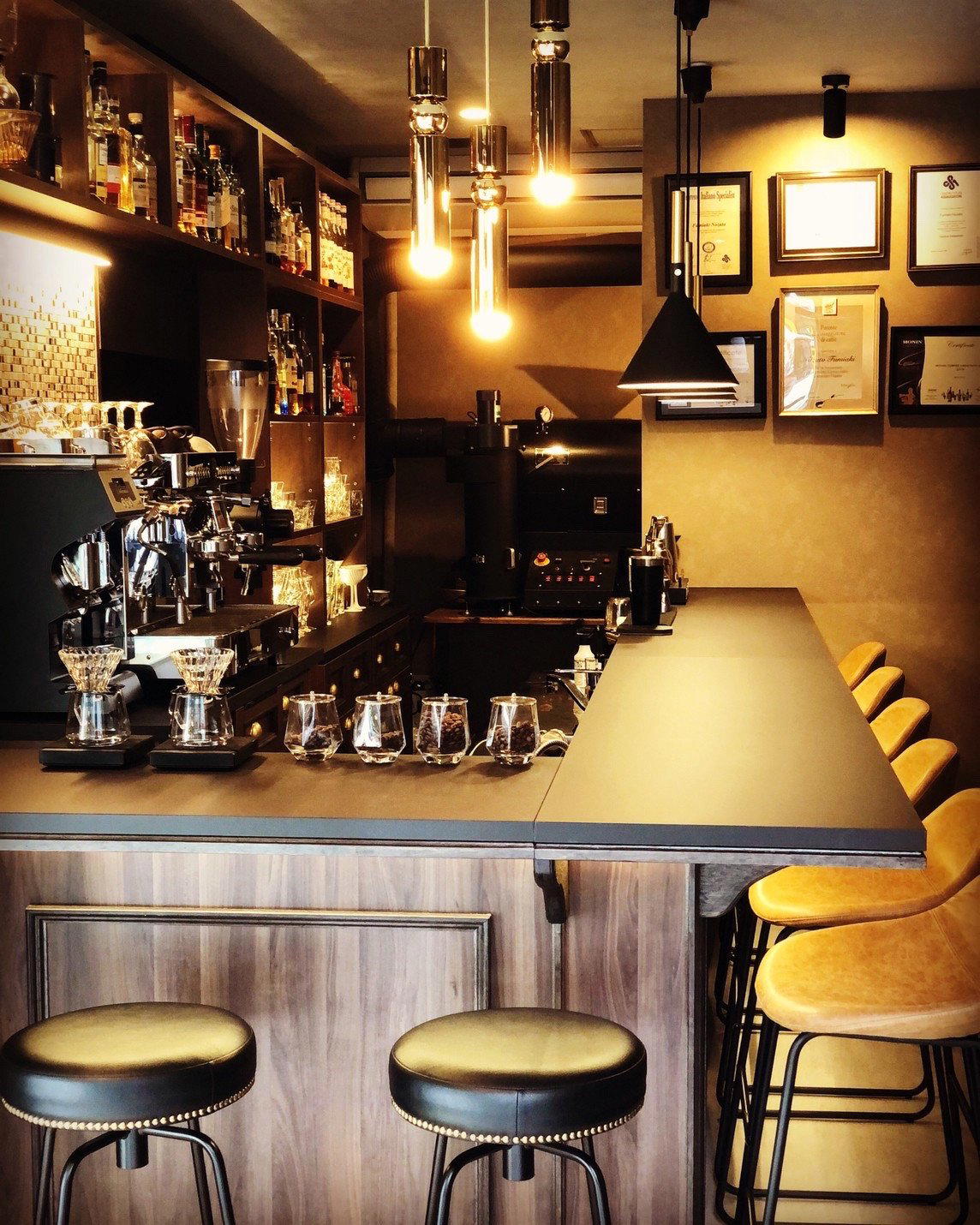
Hotels in Osaka
Browse all →



Wineries in Osaka
Browse all →
At a Glance
- Cozy
- Classic
- Lively
- Casual Hangout
- Family
- Group Dining
- Solo
- Open Kitchen
- Standalone
- Beer Program
- Street Scene
Current opening hours
- Monday
- 11 AM–2:30 PM, 5–11 PM
- Tuesday
- 11 AM–2:30 PM, 5–11 PM
- Wednesday
- 11 AM–2:30 PM, 5–11 PM
- Thursday
- 11 AM–2:30 PM, 5–11 PM
- Friday
- 11 AM–2:30 PM, 5–11 PM
- Saturday
- 11 AM–2:30 PM, 5–11 PM
- Sunday
- 11 AM–2:30 PM, 5–11 PM
Hours can change for holidays and private events. Last verified .
Casual, bustling, and down-to-earth, with a counter and iron-plate seating that give it a classic neighborhood teppanyaki feel.