
Tabelog 100 #97
Our verdict
Hotel teppanyaki in Hakata trades on control rather than theatre: counter cooking, Kyushu ingredients, steakhouse pacing, and enough service infrastructure for families, business dinners, and private-room meals. Teppanyaki Sazanka sits in Fukuoka’s premium grill tier, with Tabelog 100 Steak / Teppanyaki WEST selections in 2024 and 2025 giving it a clear external marker beyond hotel convenience.

Pearl is the En Primeur Club membership app — saves, bookings, and concierge access live there. Same editors, same standards.
The menu
What to order
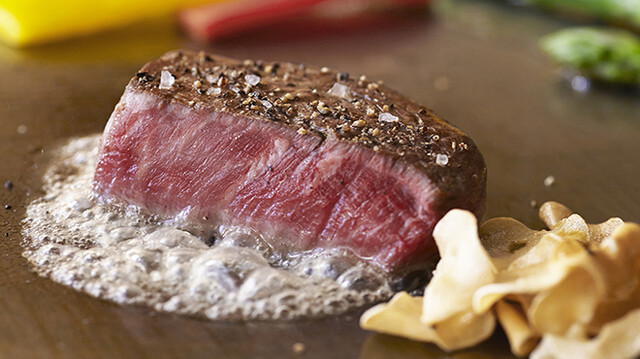
- Black wagyu A5 fillet teppanyaki
- Garlic rice with miso soup and pickles
- Teppan seafood assortment with lobster and abalone
- Ladies’ teppanyaki lunch with wagyu sirloin
- Awa beef A5 course
Premium teppanyaki announces itself before the first plate: polished metal, a hot plate held at performance temperature, the hush of a dining room built around timing rather than turnover. In Fukuoka, that format has a particular logic. The city is strong on fish, noodles, offal, curry, yakitori, and late-night drinking, but steak and counter-grill cooking occupy a narrower lane, one where the guest pays for procurement, pacing, and the discipline of cooking in plain sight.
Teppanyaki Sazanka belongs to that lane. Its Tabelog Hyakumeiten recognition in 2025 matters because the category is not a general popularity contest; it places the restaurant inside western Japan’s competitive grill-and-steak field. For a traveler choosing between Fukuoka’s casual strengths and a controlled dining room, that award signal helps explain the proposition: this is not the city’s most spontaneous way to eat, but it is one of its more structured premium formats.
Fukuoka's premium grill tier is about control, not excess
Teppanyaki can be misunderstood outside Japan as spectacle. In stronger Japanese rooms, the point is closer to restraint: heat management, ingredient sequencing, and the quiet confidence of cooking within arm’s reach of the guest. The value is not simply the steak. It is the fact that the meal is cooked to order in a setting where service, drinks, and pacing can feel built into the format rather than added around it.
That distinction matters in Fukuoka, where many compelling meals sit at a lower spend: local fried-fish counters, tonkatsu specialists, curry rooms, and other casual restaurants all show how wide the city’s dining range has become. Teppanyaki asks a different question: when the bill moves into a premium grill bracket, does the room deliver enough precision and comfort to justify choosing structure over discovery?
Here, the stronger argument is format. A composed dining room, the visibility of the hot plate, and a more planned style of service put it in a practical category that many smaller counter restaurants cannot match. That makes the restaurant useful for mixed groups: visiting parents, business hosts, travelers with children, or diners who want a premium Japanese meal without the stricter etiquette of a small counter setting.
The spend buys infrastructure as much as ingredients
Value at this level should not be judged against a bowl of ramen or a seafood izakaya. It should be judged against other formal meals in Fukuoka. Restaurant Hiramatsu Hakata occupies another premium lane, while Dai 8 Yachiyo Maru reflects a different local register. Tsukiyoshi, Tsugumi, and Narayamachi Ao point to other Fukuoka dining contexts entirely. Against that field, teppanyaki offers a visible transaction: the guest sees the cooking, the room absorbs the logistics, and the format keeps the meal legible even for travelers who do not speak Japanese.
The meal structure strengthens that equation. Teppanyaki often sits awkwardly between steakhouse and Japanese dining room; a thoughtful service model can help bridge the courses, rice, and sauces without forcing the meal into a single dining logic. For international diners and families planning ahead, the value is not only what appears on the plate but also the predictability of the format.
The polished setting changes expectations. Independent counters can feel sharper, more idiosyncratic, and more dependent on a single chef’s presence. More formal restaurants tend to trade some edge for consistency, access, and service depth. Teppanyaki Sazanka is better read through that lens: a controlled Fukuoka room for diners who want the craft of the hot plate with fewer variables around seating, language, payment, children, and group planning.
Where it fits into a Fukuoka itinerary
Fukuoka rewards eating across registers, and a teppanyaki dinner should not be the only expression of the city on a short trip. Use it as the polished counterpoint to more local, quick-moving meals. Other Japanese dining rooms bring different kinds of focus, while broader planning is easier through Our full Fukuoka restaurants guide. For the rest of the trip architecture, Our full Fukuoka hotels guide, Our full Fukuoka bars guide, Our full Fukuoka wineries guide, and Our full Fukuoka experiences guide map the city beyond the dining room.
Its appeal is clearest for travelers who want a premium meal with fewer friction points. In Fukuoka, that can make it easy to position before or after a hotel check-in, evening meeting, or family plan. The restaurant is best treated as a planned meal rather than a late improvisation.
Readers comparing Japanese grill formats elsewhere can place it beside other steak-led, charcoal, or casual Japanese-adjacent dining in major cities without confusing the category. Teppanyaki Sazanka’s lane is narrower and more formal than many everyday restaurants, but that is part of the point: Japanese dining travels well when the format is clear.
The verdict is pragmatic. Choose this room when the occasion calls for premium teppanyaki, a higher level of support, and a meal that can handle both celebration and logistics. Skip it if the priority is Fukuoka at its rougher, faster, street-level frequency. The restaurant’s value lies in certainty: awarded category recognition, visible cooking, group-friendly polish, and a composed setting in a city better known for more casual pleasures.
Frequently asked questions
What should I budget for a meal at Teppanyaki Sazanka?
Pricing at Teppanyaki Sazanka is listed as Dinner: JPY 20,000 - JPY 29,999; Lunch: JPY 10,000 - JPY 14,999.
What's Teppanyaki Sazanka's location?
Fukuoka.
Is Teppanyaki Sazanka open every day?
Current opening days and hours should be confirmed directly with Teppanyaki Sazanka before visiting.
What's Teppanyaki Sazanka best at?
Teppanyaki Sazanka is strongest as a formal teppanyaki and steak room with Tabelog Hyakumeiten recognition in 2025. The draw is the combination of visible hot-plate cooking, a polished setting, and a premium format in Fukuoka that suits business dinners and family gatherings alike.
Reputation First
Nearby venues at a similar price tier for orientation.
| Venue | Cuisine | Price | Awards | Notes |
|---|---|---|---|---|
| Teppanyaki SazankaThis venue (the venue you are viewing) | Teppanyaki & Wagyu at Hotel Okura Fukuoka | $100–150 | Tabelog 100 #97 | Not listed |
| Nakahan | Cha-Kaiseki Omakase | $200–300 | Not listed | Chūō |
| 嗣味 | Modern Japanese Omakase | $200–300 | Not listed | Chūō |
| Narayamachi Ao | Modern Japanese Omakase with French Infusion | $300–500 | Tabelog Silver #7 | Hakata |
| Shin-shin Nishinakasu shop | Traditional Japanese Izakaya | $100–150 | Tabelog 100 #6 | Chūō |
| Kamo to Negi Yodomizu Nigyo | Duck shabu-shabu (Japanese hotpot) | $30–50 | Tabelog 100 #83 | Chūō |
Recognition history
Dated appearances from independent guides and award organizations, with the underlying list record or original source where available.
Tabelog 100 #97 · No. 97
Tabelog · Tabelog 100 - Steak / Teppanyaki - WEST - 2025
Continue exploring
More in Fukuoka
Restaurants in Fukuoka
All restaurants in Fukuoka →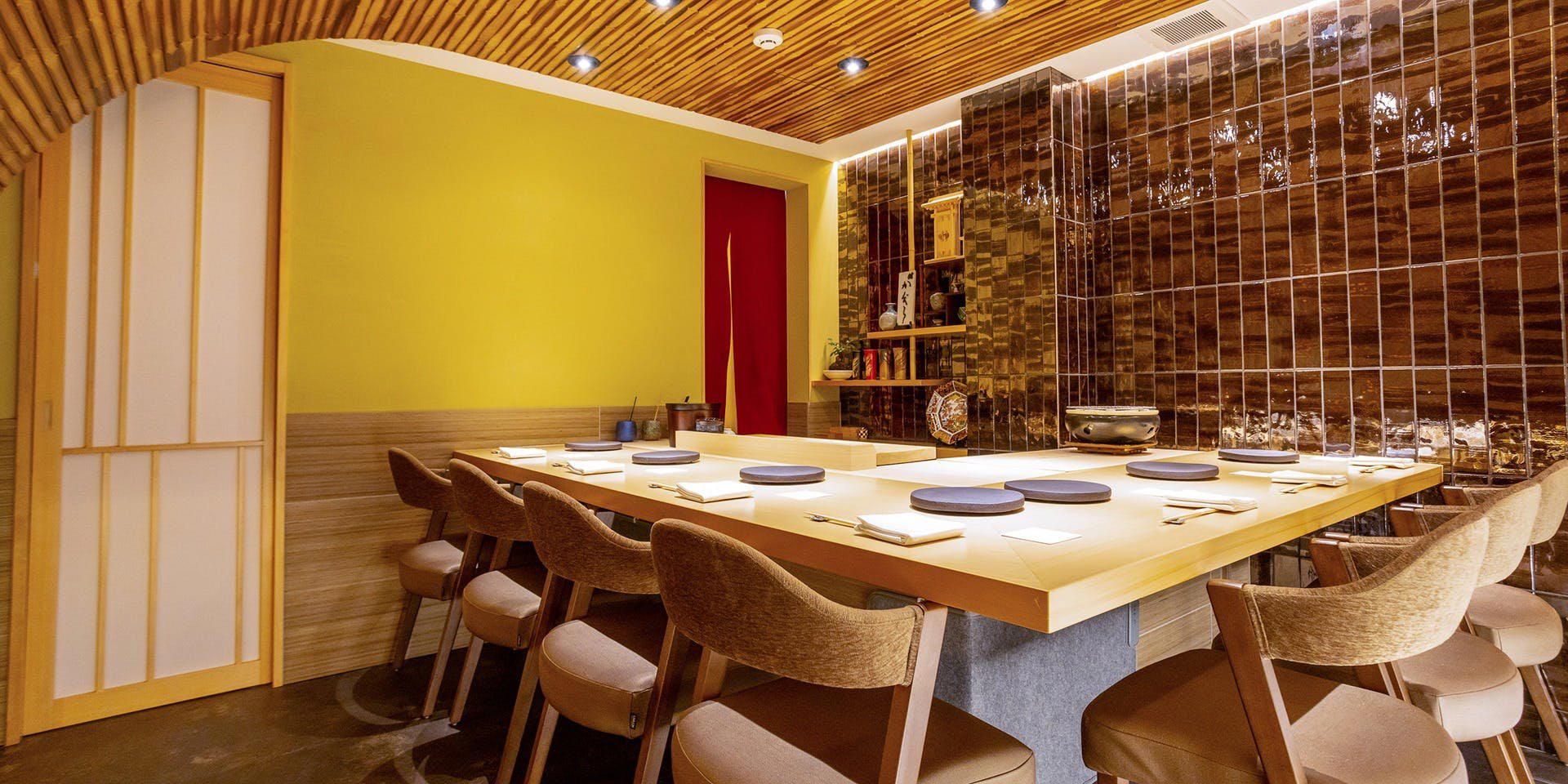
Teppanyaki Sazanka
The wine
- Wine program
- Curated wine list
- Extensive wine list
- Sommelier-led
Details
- Elegant
- Sophisticated
- Romantic
- Intimate
- Business Dinner
- Celebration
- Special Occasion
- Date Night
- Group Dining
- Family
- Chefs Counter
- Open Kitchen
- Private Dining
- Hotel Restaurant
- Extensive Wine List
- Sommelier Led
- Local Sourcing
- Tasting Menu
- A La Carte
- Counter Dining
- Set Menu
- Wine
- Beer
- Sake
- Pescatarian Friendly
- Allergy Accommodating
Current opening hours
- Monday
- 11:30 AM–2:30 PM, 5–9 PM
- Tuesday
- 11:30 AM–2:30 PM, 5:30–9 PM
- Wednesday
- 11:30 AM–2:30 PM, 5:30–9 PM
- Thursday
- 11:30 AM–2:30 PM, 5:30–9 PM
- Friday
- 11:30 AM–2:30 PM, 5:30–9 PM
- Saturday
- 11:30 AM–2:30 PM, 5–9 PM
- Sunday
- 11:30 AM–2:30 PM, 5–9 PM
Hours can change for holidays and private events. Last verified .
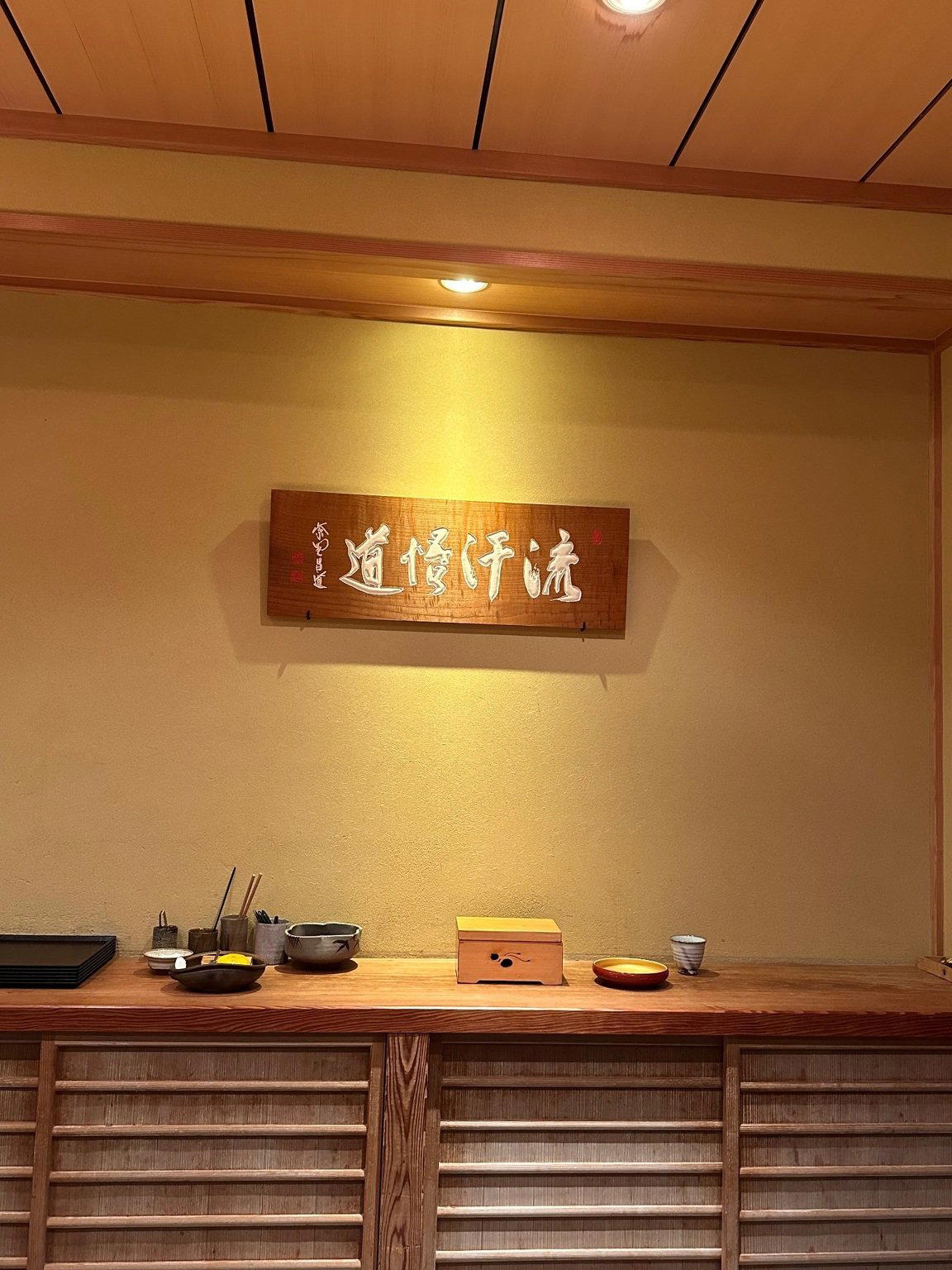
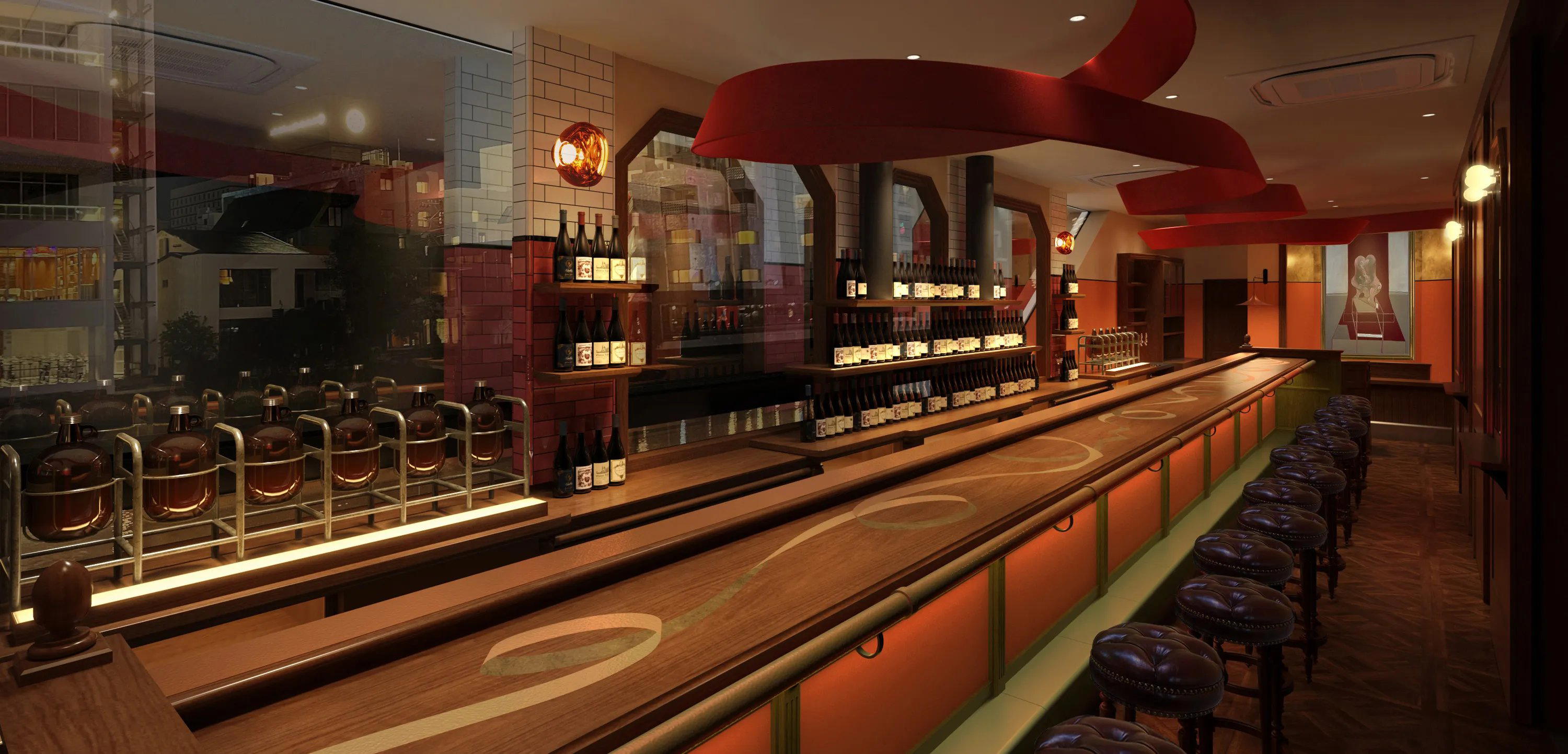
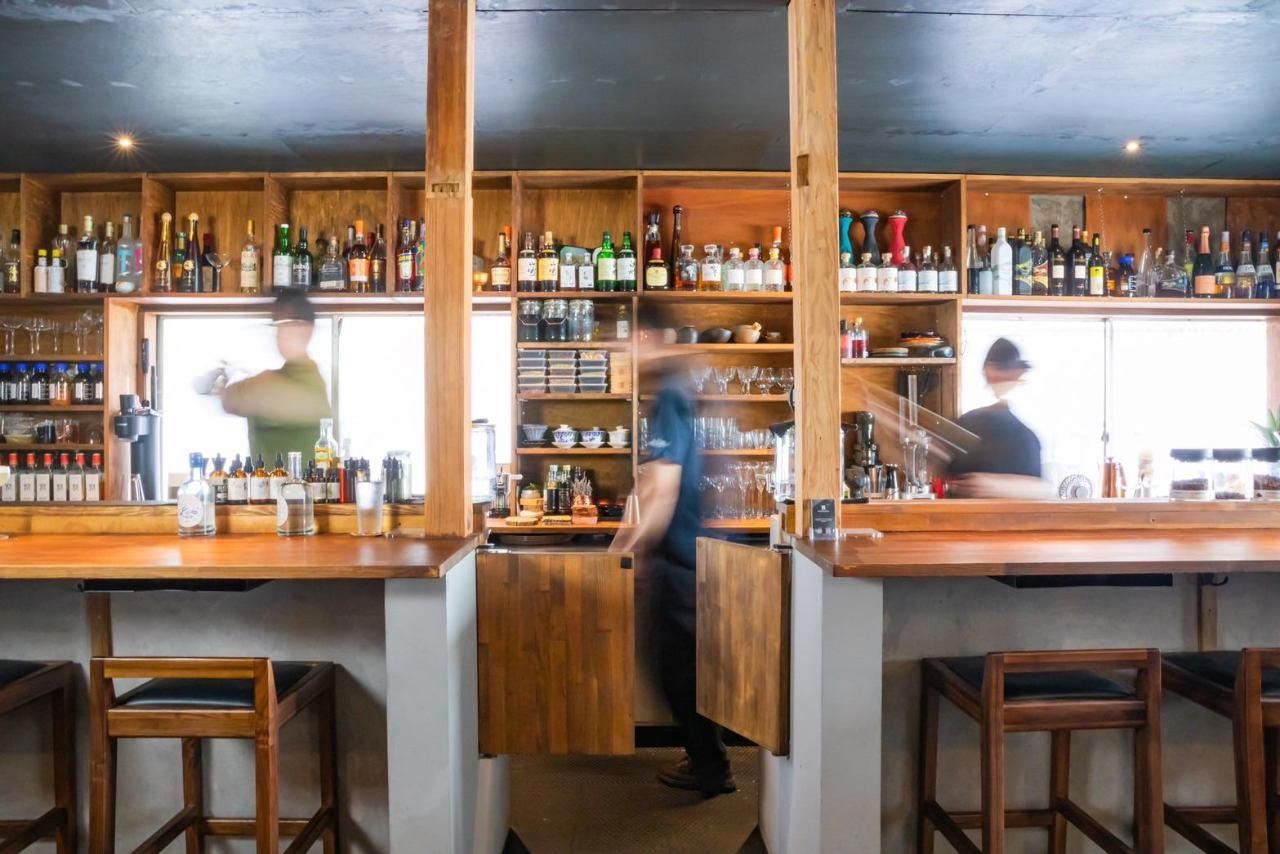
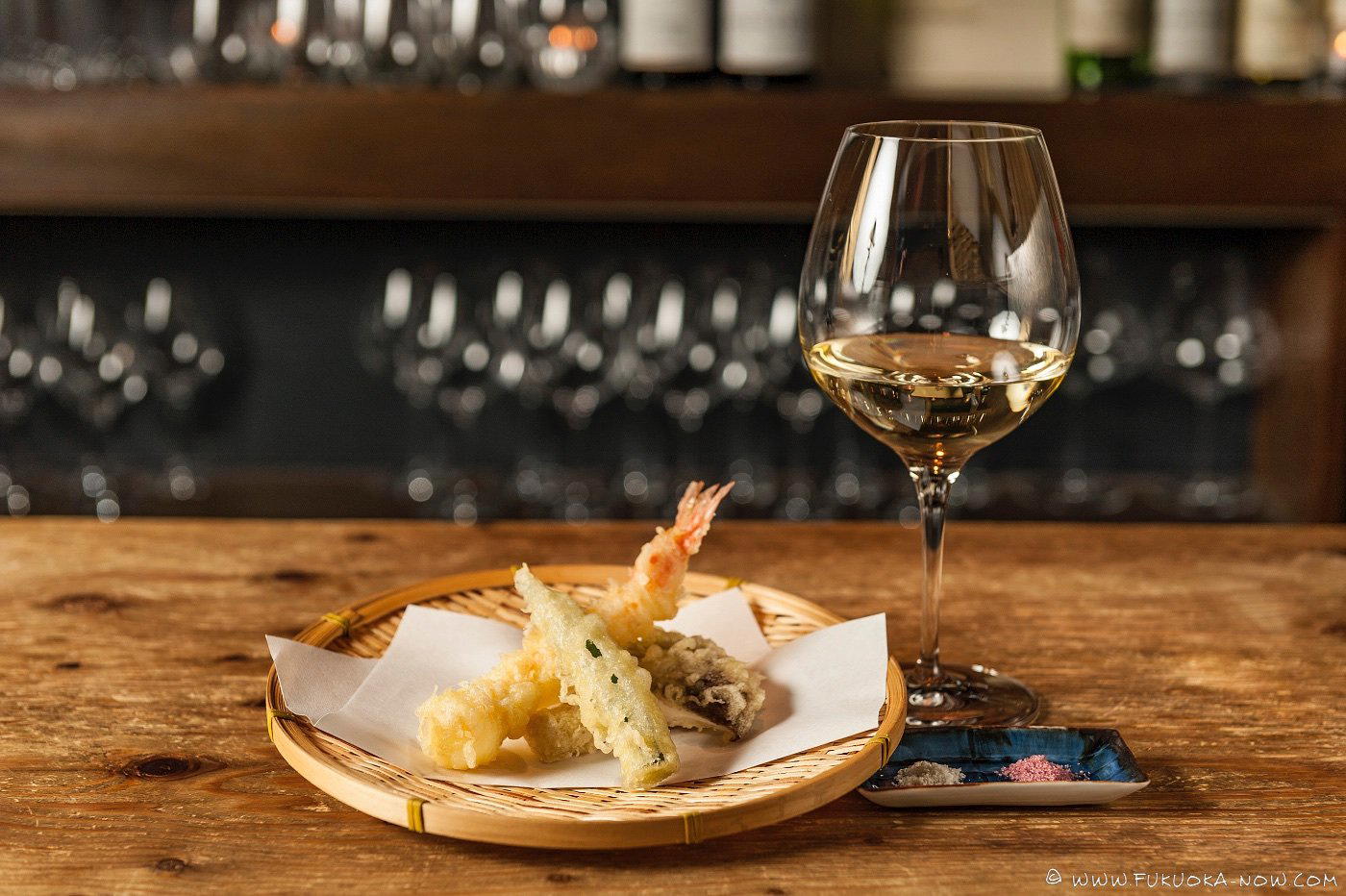
Refined hotel teppanyaki dining room with counter seating around the grill, calm and polished service, and a quiet, intimate feel that becomes lively around the teppan shows but remains elegant enough for business dinners and celebrations.