Tempo Geisha
Our verdict
Tempo Geisha sits at 101 E Imperial Hwy in Brea, California, occupying a spot in Orange County's increasingly varied dining corridor. The name signals a Japanese-inflected identity, placing it within a regional scene where Asian cuisine formats range from fast-casual ramen to multi-course omakase. Brea's dining mix makes it a practical base for exploring the broader LA County and Orange County restaurant circuit.

Pearl is the En Primeur Club membership app, where members save venues, book tables and use the concierge.
The menu
What to order
- Wonton Taco
- Seafood Tower
- Tuna Tostada
- Geisha Roll
The Ritual Before the Meal
In Southern California's sprawling suburban dining corridors, atmosphere is rarely an accident. Brea sits at the northern edge of Orange County, anchored by a walkable downtown and a commercial strip along Imperial Highway that draws residents from Fullerton, Placentia, and La Habra as much as from Brea itself. Tempo Geisha, at 101 E Imperial Hwy, occupies that corridor, a stretch where dining formats jostle against one another, from casual American comfort food to Latin kitchens and Italian trattorias. The name alone sets a tone: geisha as cultural reference carries specific weight, pointing toward Japanese hospitality codes built around attentiveness, pacing, and the quiet choreography of service.
That framing matters because the dining ritual in Japanese-influenced restaurants operates differently from Western service models. The meal is structured rather than improvised. The pace is set by the kitchen, not negotiated at the table. Whether that structure shows up as omakase sequencing, izakaya-style small plates arriving on the kitchen's terms, or a more Americanized interpretation of Japanese hospitality, the underlying logic is the same: the guest surrenders some control, and the kitchen takes responsibility for the arc of the evening. That exchange, when it works, is one of the more satisfying formats in contemporary dining.
Where Brea Sits in the Regional Picture
Orange County's restaurant scene has matured considerably over the past decade. The county is no longer simply a suburb of Los Angeles dining culture; it has its own credentialed operators, its own neighbourhood-level dining identities, and an increasingly sophisticated guest base. Brea, specifically, has benefited from the Brea Downtown development, which concentrates foot traffic and creates conditions for restaurants that require repeat visits to build following.
Within that context, a Japanese-concept restaurant operates in a competitive tier. The broader Southern California market includes some of the most technically demanding Japanese restaurants in the United States. Providence in Los Angeles has carried two Michelin stars through a seafood-forward approach with strong Japanese technique influence. Further afield, the calibration of ambition scales sharply upward: Atomix in New York City operates a Korean fine dining format that has reshaped how American diners think about East Asian tasting menus, while 8 1/2 Otto e Mezzo Bombana in Hong Kong demonstrates how Asian cities have integrated European fine dining codes with regional hospitality logic. Brea is not competing in that tier, but the reference points matter because they establish what Japanese-inflected hospitality at its most considered looks like, and what a restaurant in this category is implicitly promising when it invokes those codes.
Locally, Tempo Geisha shares the Brea dining corridor with restaurants that occupy distinct positions: Cedar Creek Inn anchors the casual American comfort end, Cha Cha's Latin Kitchen brings a lively Latin format, and Brunos Italian Kitchen holds the Italian trattoria position. A Japanese concept in this mix represents a distinct culinary grammar, one built around precision, restraint, and a different relationship between kitchen and guest.
The Logic of the Japanese Dining Ritual
The customs that define Japanese restaurant culture are worth understanding before you sit down. In formats that lean toward the traditional, there is an expected arc: arrival, a moment of settling, the presentation of tea or a pre-meal drink, and then a progression of dishes that moves from lighter to more substantial. Even in more casual Japanese formats, the pacing tends to be more deliberate than in Western casual dining. Dishes arrive when the kitchen decides they are ready, not necessarily when the server checks in.
This is a hospitality philosophy with deep roots. The concept of omotenashi, Japanese hospitality as anticipatory, self-effacing service, shapes everything from the temperature of the towel offered at the beginning of a meal to the angle at which a dish is placed on the table. At the most considered end of the format, as seen at multi-course counters in Tokyo's Ginza district or in the kaiseki tradition that has influenced restaurants from The French Laundry in Napa to Single Thread Farm in Healdsburg, the meal is a form of theatre in which the guest is both audience and participant.
Americanized interpretations of this tradition vary widely in fidelity. Some translate the aesthetic vocabulary without the underlying logic. Others find a middle register that works for a suburban dining audience while preserving enough of the ritual's DNA to feel intentional. The name Tempo Geisha signals an intention to engage with that tradition; how fully it delivers on that signal is the question worth investigating in person.
Brea as a Dining Destination
For visitors coming from Los Angeles or arriving via the 57 freeway corridor, Brea functions as a practical and increasingly interesting stop. The city's dining scene is compact enough to walk between restaurants and varied enough to reward a deliberate evening. Bruxie has built a following for its waffle-sandwich format, while California Fish Grill anchors the casual seafood end of the market. For those planning a wider Orange County or Los Angeles itinerary, our full Brea restaurants guide maps the city's dining options across categories and price points.
Beyond California, the EP Club covers the full spectrum of American fine dining ambition: Alinea in Chicago, Lazy Bear in San Francisco, Blue Hill at Stone Barns in Tarrytown, Le Bernardin in New York City, Emeril's in New Orleans, Addison in San Diego, and The Inn at Little Washington, all of which provide useful reference points for understanding where any given dining experience sits in the national picture.
Planning Your Visit
Tempo Geisha is located at 101 E Imperial Hwy, Brea, CA 92821, in the Imperial Highway corridor that connects easily to the 57 and 90 freeways. Given the dining ritual structure that Japanese-concept restaurants tend to employ, arriving without a reservation on a weekend evening carries risk; calling ahead is the more reliable approach.
Frequently asked questions
Is Tempo Geisha good for families?
Tempo Geisha sits at 101 E Imperial Hwy in Brea, a suburban corridor that draws a broad local dining crowd. Japanese dining formats that lean traditional can require some patience from younger guests, so the experience suits families comfortable with a slower, course-oriented pace.
What's the overall feel of Tempo Geisha?
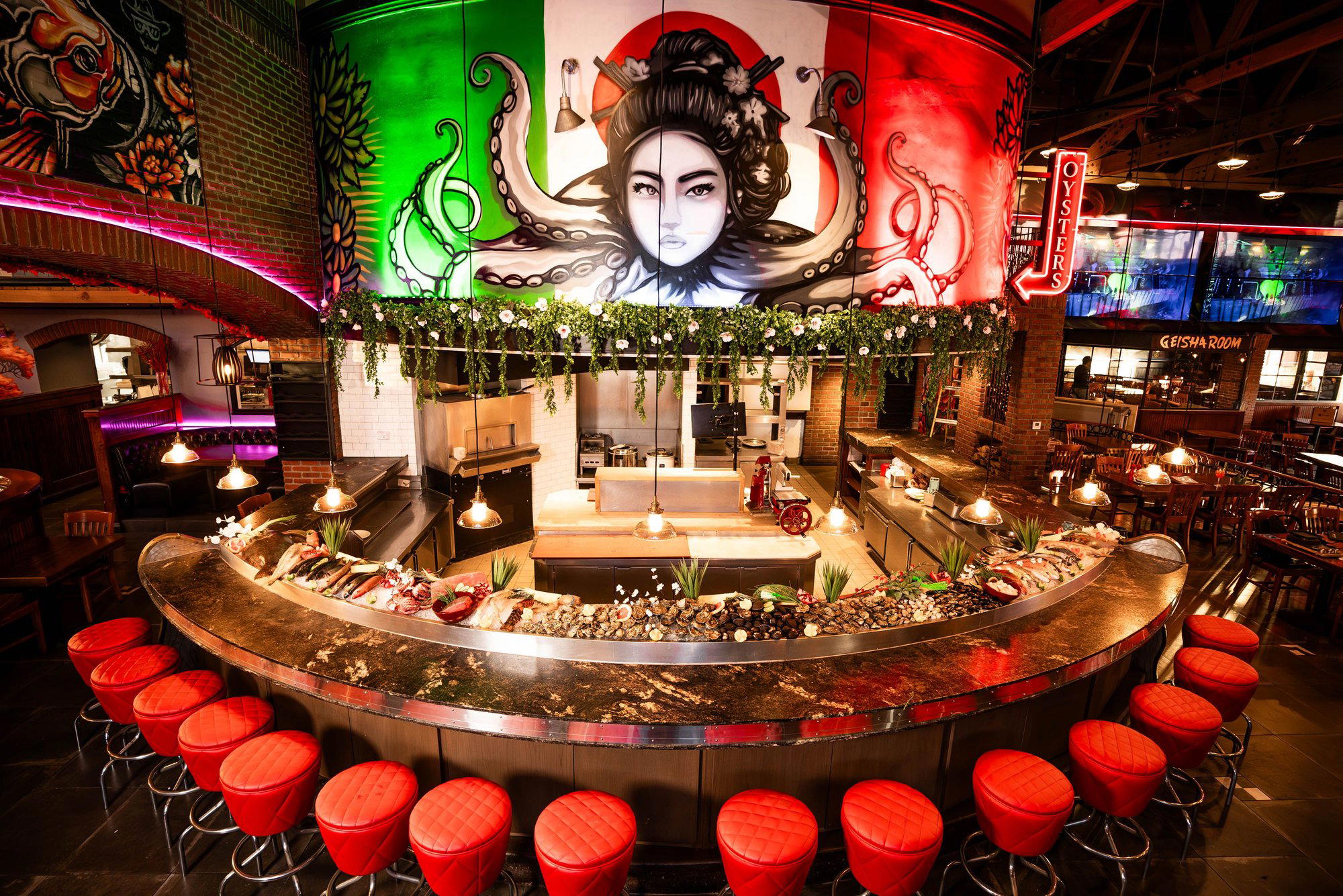
Tempo Geisha occupies a stretch of Imperial Highway in Brea, at the northern edge of Orange County where the suburban scale tends to favor composed, interior-focused dining rooms over street-side energy. The name signals a Japanese sensibility, and that typically means a quieter, more deliberate atmosphere than you'd find at a casual fusion spot. Expect the room to do the work of slowing the meal down.
What kind of Japanese dining experience does Tempo Geisha offer in Brea compared to Los Angeles options?
Brea sits roughly 30 miles southeast of downtown Los Angeles via the 57 freeway, which puts Tempo Geisha at 101 E Imperial Hwy within reach of diners who find the LA Japanese dining scene logistically demanding. Orange County's Japanese restaurant tier has grown independently over the past decade, and venues in Brea serve a north-county audience that would otherwise travel to Gardena or Little Tokyo for comparable concepts.
What's the best thing to order at Tempo Geisha?
For any Japanese restaurant operating under a traditional sensibility, the chef's selection or omakase-adjacent options typically reflect the kitchen's strengths more accurately than à la carte choices. Ask your server at 101 E Imperial Hwy, Brea what the kitchen is featuring that day.
How do I find Tempo Geisha?
Tempo Geisha is located at 101 E Imperial Hwy, Brea, CA 92821, Brea.
Should I book Tempo Geisha in advance?
Brea's dining corridor along Imperial Highway draws consistent local traffic, and Japanese restaurants with a focused format often fill their most desirable seatings midweek as well as on weekends.
What makes Tempo Geisha worth seeking out?
Orange County's Japanese dining options are concentrated heavily around Irvine and the coastal cities, which makes a venue with genuine Japanese positioning in Brea, on the 57 freeway corridor at 101 E Imperial Hwy, a practical find for residents of the San Gabriel Valley and north OC who want to avoid the southbound drive. The name and location together suggest a deliberate concept rather than a generic pan-Asian entry. Confirmed credentials are not on file, so a visit is the only way to assess the kitchen's current standard.
Cuisine Lens
Comparable venues nearby, for context on price, style, and recognition.
| Venue | Cuisine | Price | Notes |
|---|---|---|---|
| Tempo GeishaThis venue (the venue you are viewing) | Mexican-Japanese Fusion | $50–100 | Not listed |
| Brunos Italian Kitchen | Traditional Italian Trattoria | $20–30 | downtown Brea |
| Griffin's | Modern Fusion | $30–50 | downtown Brea |
| Bruxie | Gourmet Waffle Sandwiches | $10–20 | Downtown Brea |
| Fable at Toast | Modern American Gastropub | $20–30 | Brea |
| Cedar Creek Inn | Steakhouse & Seafood | $30–50 | Pointe |
Continue exploring
More in Brea
Restaurants in Brea
All restaurants in Brea →
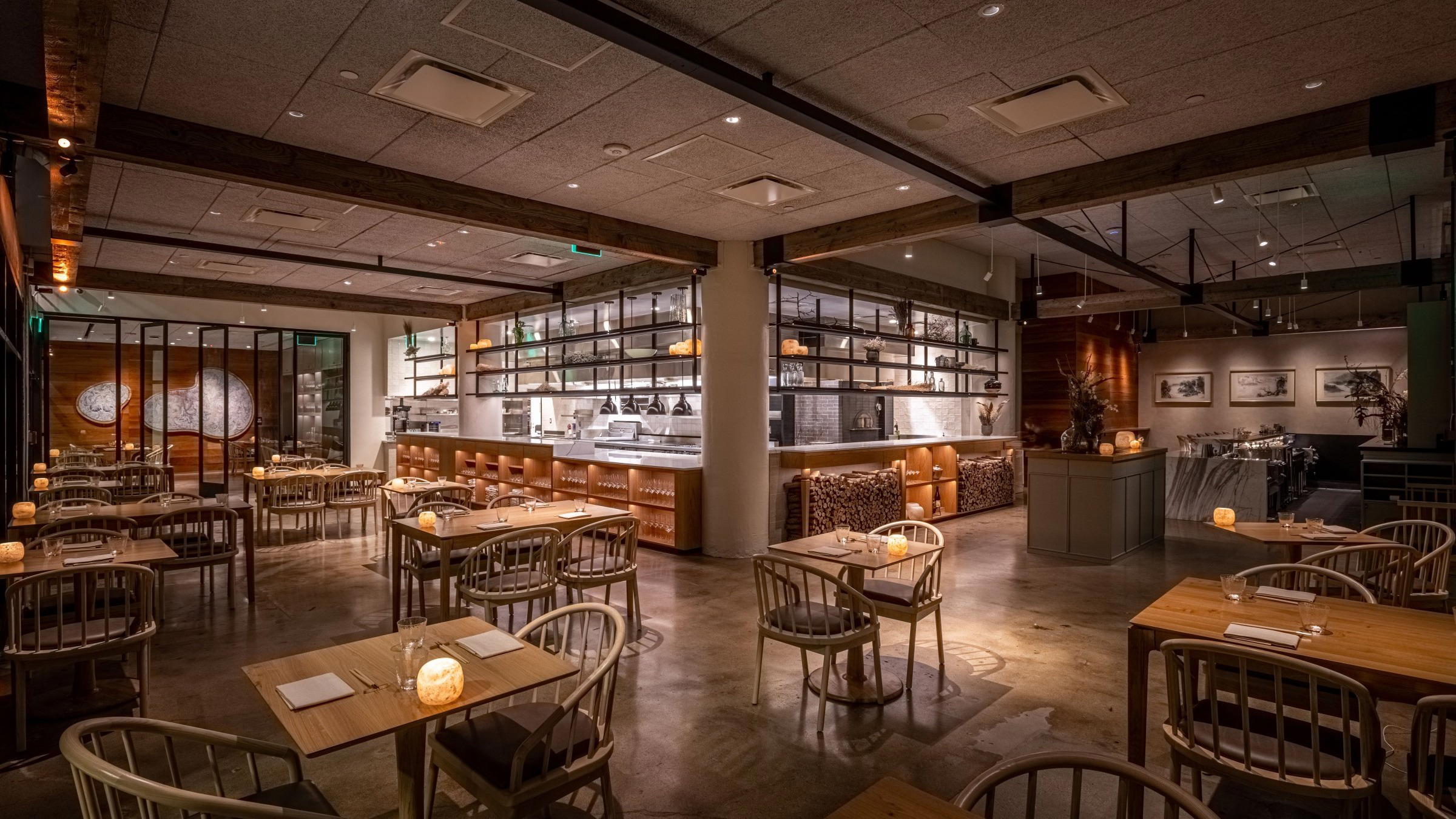
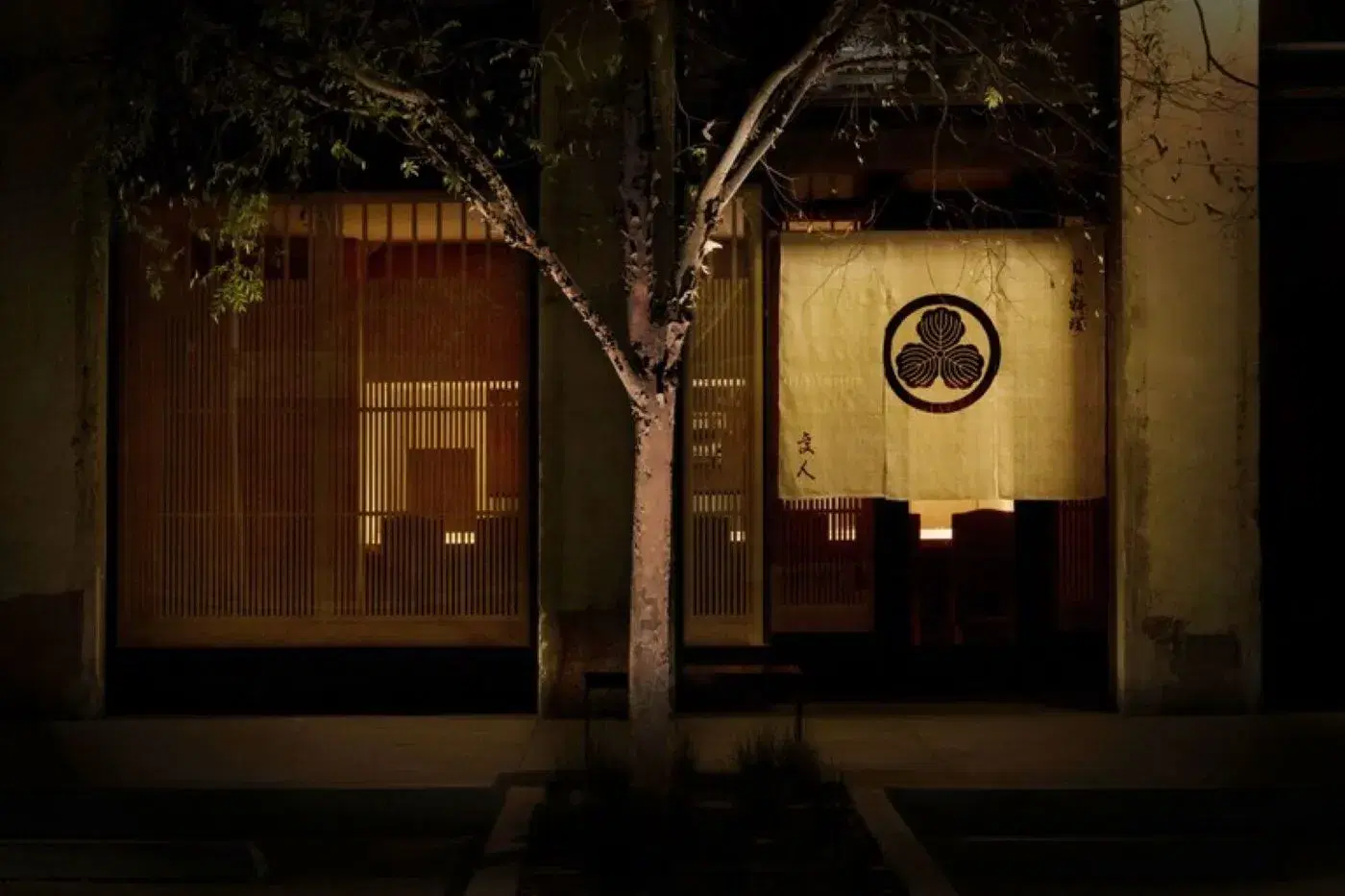
Bars in Brea
Browse all →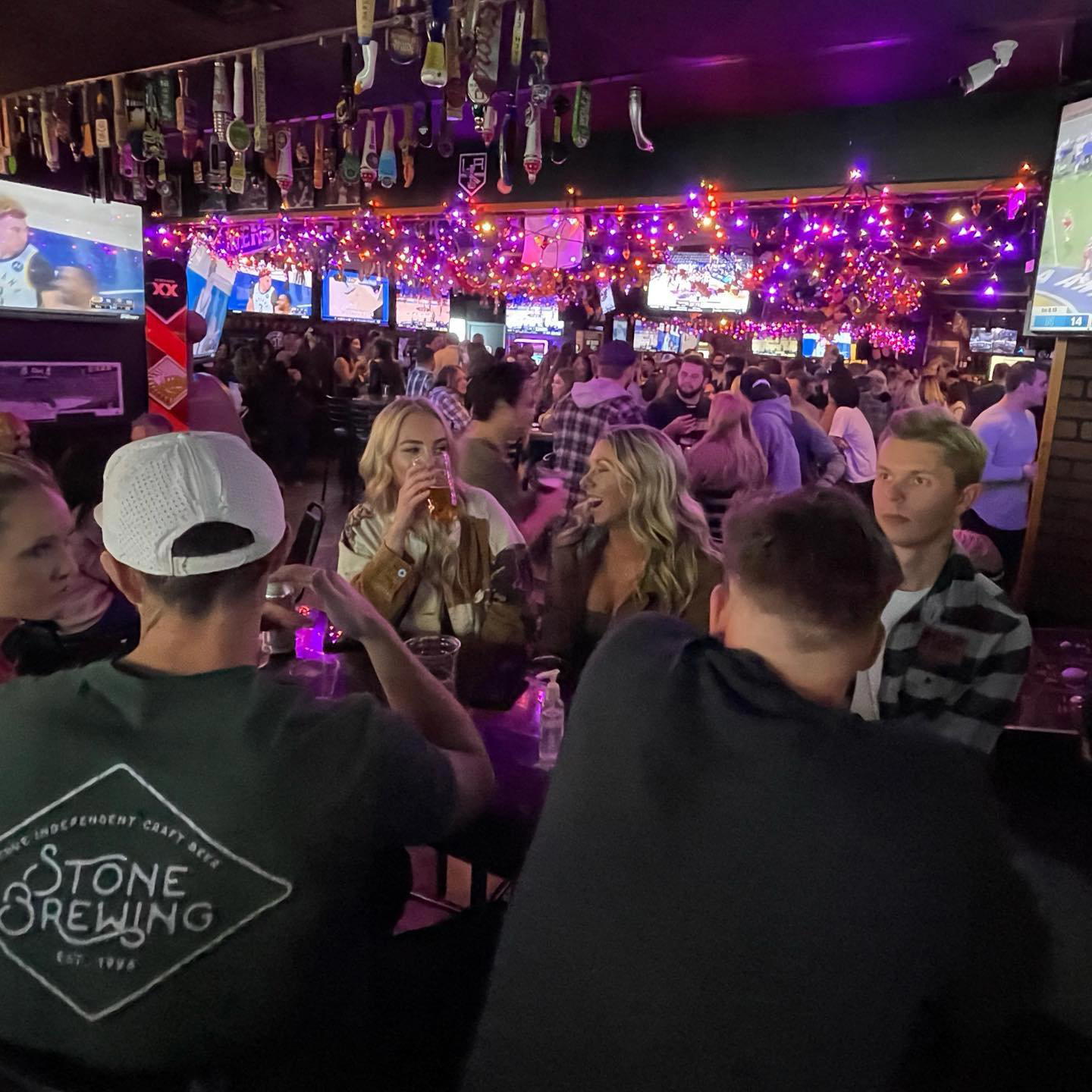
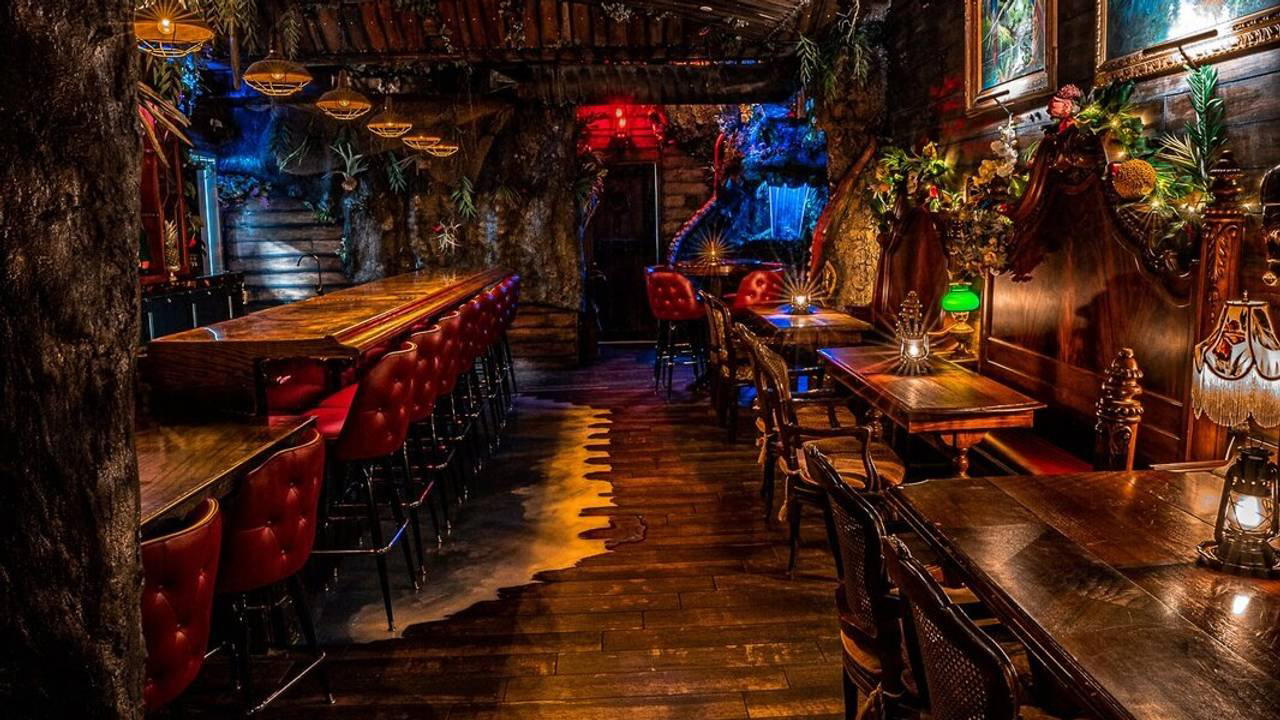
Hotels in Brea
Browse all →
Wineries in Brea
Browse all →
Details
- Lively
- Trendy
- Energetic
- Date Night
- Group Dining
- Celebration
- Casual Hangout
- Open Kitchen
- Craft Cocktails
- Sake Program
- A La Carte
- Small Plates
- Craft Cocktails
- Margaritas
- Sake
- Pescatarian Friendly
Current opening hours
- Monday
- Closed
- Tuesday
- 3–10 PM
- Wednesday
- 3–10 PM
- Thursday
- 3–11 PM
- Friday
- 11 AM–11 PM
- Saturday
- 11 AM–11 PM
- Sunday
- 11 AM–10 PM
Hours can change for holidays and private events. Hours as of .
Stylish, high-energy atmosphere with moderate noise, lively and party-like vibe.