Taverna 1860
Taverna 1860 sits in Donja Zelina, a rural township in the Zelina wine country northeast of Zagreb, where Croatian continental cooking has deep roots in the agricultural rhythms of the Zagorje-Prigorje region. The name anchors the restaurant to the nineteenth-century tavern tradition that shaped inland Croatian hospitality long before the Adriatic coast dominated the country's culinary reputation. For visitors tracing Croatia beyond the tourist corridor, this is a reference point for the region's older dining culture.
Pearl is the En Primeur Club membership app — saves, bookings, and concierge access live there. Same editors, same standards.
- Address
- Donjozelinska ul. 83, 10382, Donja Zelina, Croatia
- Phone
- +38516314005
- Website
- taverna1860.com
- Directions
- Get directions
 Saves & bookings on Pearl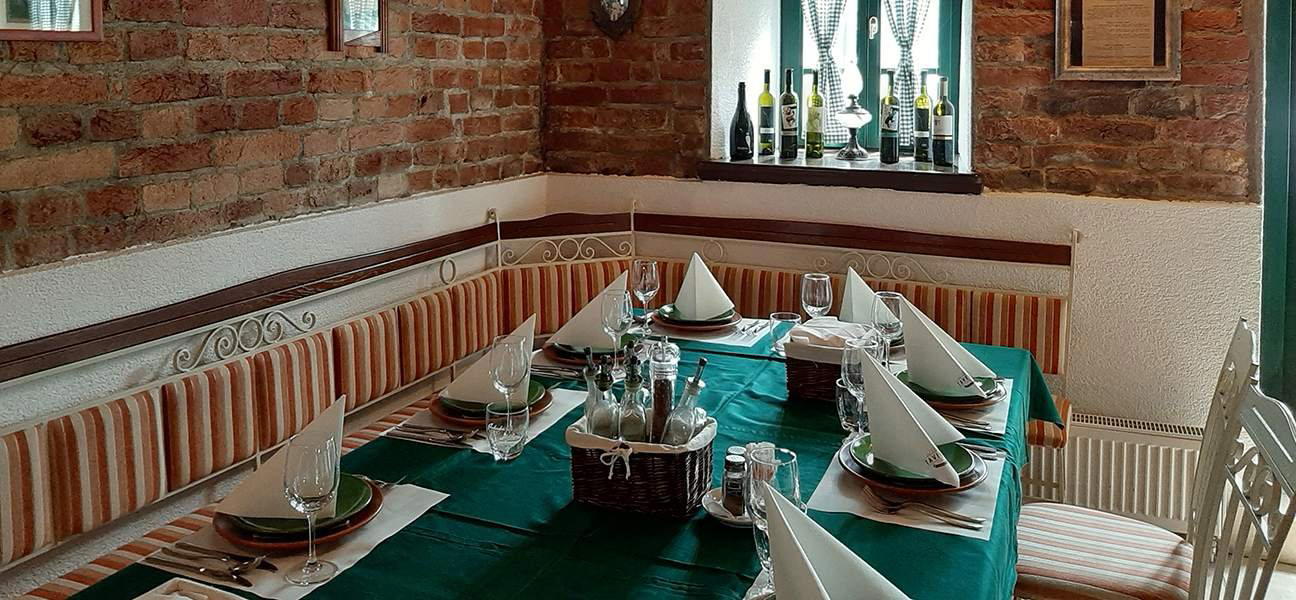
Continental Croatia and the Tavern Tradition
Croatia's dining conversation defaults, almost reflexively, to the coast. Pelegrini in Sibenik, Restaurant 360 in Dubrovnik, and Agli Amici Rovinj in Rovinj anchor the country's award-facing scene to the Adriatic, where Mediterranean produce, seafood, and wine have historically received international attention. But inland Croatia operates on a different register entirely, one shaped by Central European agricultural cycles, by the wine-producing hills of the Prigorje, and by a tavern culture that predates modern restaurant categories by several centuries. Taverna 1860, at Donjozelinska ul. 83 in Donja Zelina, takes its name from that longer history. The date in the name is not decorative: it places the establishment in the tradition of nineteenth-century continental hospitality, when the township of Sveti Ivan Zelina served as a regional market centre for the farmland stretching northeast of Zagreb.
The Zelina Wine Country Setting
Sveti Ivan Zelina sits roughly 30 kilometres northeast of Zagreb, in the Prigorje sub-region of continental Croatia. The area is better known to Croatian wine drinkers than to international visitors: the rolling hills around Zelina produce Graševina, Pinot Gris, and Chardonnay from small family estates, and the local food culture has evolved in close relationship with those wines rather than with the export-facing coastal varieties. The drive from Zagreb through Sesvete and into the Zelina municipality passes through a range of vineyards, orchards, and village churches that signals, with some clarity, how different this part of the country is from the Adriatic tourist infrastructure. Visitors arriving by car from the capital should allow 40 to 50 minutes depending on traffic through Zagreb's eastern suburbs.
This proximity to Zagreb without absorption into it is a defining characteristic of the Zelina dining scene. The town is close enough to draw weekend visitors from the capital, close enough that Zagreb-based producers supply local restaurants, but far enough that the pace and format of hospitality remains oriented around the region's own rhythms. Comparable inland venues such as Korak in Jastrebarsko and Cantilly Garden Restaurant in Samobor share this positioning: rooted in continental Croatian tradition, drawing from Zagreb without being defined by it.
What the Taverna Format Means in This Context
The word konoba carries cultural weight in Croatian dining shorthand, but the taverna format, particularly in the continental interior, represents a distinct tradition. Where the konoba emerged from the Dalmatian coast and the Istrian peninsula as a simple wine-and-food house tied to fishing and winemaking communities, the inland tavern developed as a waypoint along trade routes: a place for travellers, market traders, and local landowners to eat substantial meat-based meals accompanied by the regional wine production. The 1860 date in the restaurant's name situates it in the period when the Austro-Hungarian Empire's road infrastructure was expanding through the Croatian interior, bringing new commercial traffic through towns like Zelina.
That historical positioning shapes expectations about what a venue like this should serve. Continental Croatian cooking in this tradition centres on slow-cooked meats, freshwater fish from the Sava and its tributaries, game from the Zagorje forests, and seasonal vegetables from the Pannonian agricultural belt. The flavour references are closer to Hungarian and Austrian influences than to the olive oil and herb framework of the Dalmatian coast. This is not a minor distinction: it represents a genuinely separate culinary lineage, one that receives less coverage in international food media than the coastal tradition but holds equivalent historical depth.
Placing Taverna 1860 in the Broader Croatian Dining Picture
Croatia's formally recognised restaurant scene, measured by Michelin presence and international press coverage, clusters heavily around the Adriatic. Nebo by Deni Srdoč in Rijeka, LD Restaurant in Korčula, Alfred Keller in Mali Losinj, and Boskinac in Novalja represent the credentialed tier of Croatian dining, all of them coastal or island-based. The inland scene operates largely outside that framework, not because the cooking is less considered, but because the international press infrastructure for Croatian food criticism has followed tourism flows to the coast.
Within the Zagreb orbit, the reference points are venues like Dubravkin Put in Zagreb, which sits at the more formal end of the continental Croatian tradition, and the broader category of locally oriented restaurants in the Zagorje and Prigorje countryside. Klet Europa, also in Sveti Ivan Zelina, represents a direct local peer, and together these two venues suggest that Zelina is developing a small but coherent dining identity within the Zagreb day-trip radius.
The international framing for inland Croatian cooking rarely goes beyond Zagreb itself. Venues like Krug in Split or Burin in Crikvenica occupy the coastal-to-mid-country transition zone; the Zelina area sits further inland and further from that conversation. That distance from the credentialing infrastructure is itself a data point: it means that venues in this category are evaluated primarily by local and regional reputation rather than by international awards, which shifts the relevant trust signals toward longevity, local standing, and the specific regional culinary tradition they represent.
Planning a Visit
Donja Zelina is a small township, and Taverna 1860's address on Donjozelinska ul. places it in a rural setting that rewards arriving by car. Public transport connections from Zagreb exist but are infrequent and oriented around the commuter schedule of local residents rather than the visiting hour preferences of diners from the capital. The sensible approach is to combine a visit with the broader Zelina wine country, treating the area as a half-day or full-day excursion from Zagreb rather than a standalone destination. Taverna 1860 is recommended for reservations, and its hours are Monday to Saturday from 10 AM to 10 PM and Sunday from 11 AM to 6 PM.
For travellers building a broader Croatian itinerary that extends beyond the coastal circuit, the Zelina area offers a coherent alternative reference point. The continental interior from Zagreb through to the Zagorje and Prigorje contains a distinct layer of Croatian food culture that the coastal itinerary, however well curated, does not replicate. Venues like BioMania Bistro Bol in Bol and Bodulo in Pag anchor the island end of that spectrum; the restaurant anchors the inland end, and the contrast between the two is, in itself, an argument for building an itinerary that includes both.
Cost and Credentials
Comparable venues nearby, for context on price, style, and recognition.
| Venue | Cuisine | Price | Notes |
|---|---|---|---|
| Taverna 1860This venue — the venue you are viewing | Donja Zelina, Croatian Taverna | $$ | Not listed |
| Klet Europa | Not listed | $$ | Sveti Ivan Zelina, Traditional Croatian Rustic |
| Restoran Potkova | Zaprešić, Traditional Croatian Grill | $$ | Not listed |
| Zeleni papar | Samobor, Traditional Croatian | $$ | Not listed |
| The Family | Not listed | $$$ | Central Varazdin, Croatian Traditional with European Influences |
| Belveder | Not listed | $$ | Supetarska Draga, Traditional Dalmatian Seafood and Meat |
Continue exploring
More in Sveti Ivan Zelina
Restaurants in Sveti Ivan Zelina
Browse all →
Bars in Sveti Ivan Zelina
Browse all →

Hotels in Sveti Ivan Zelina
Browse all →

At a Glance
- Rustic
- Cozy
- Casual Hangout
- Group Dining
- Standalone
- Extensive Wine List
Current opening hours
- Monday
- 10 AM–10 PM
- Tuesday
- 10 AM–10 PM
- Wednesday
- 10 AM–10 PM
- Thursday
- 10 AM–10 PM
- Friday
- 10 AM–10 PM
- Saturday
- 10 AM–10 PM
- Sunday
- 11 AM–6 PM
Hours can change for holidays and private events. Last verified .