Our verdict
Tavern Yerevan sits on Paronyan Street in central Yerevan, inside a city where Armenian hospitality tradition is reasserting itself against a backdrop of rapid modernisation. For visitors weighing traditional Armenian cooking against Yerevan's growing roster of contemporary restaurants, this address operates in the heritage-focused tier of the city's dining scene, where the emphasis falls on communal formats and regional ingredient traditions rather than tasting-menu theatrics.

Pearl is the En Primeur Club membership app — saves, bookings, and concierge access live there. Same editors, same standards.
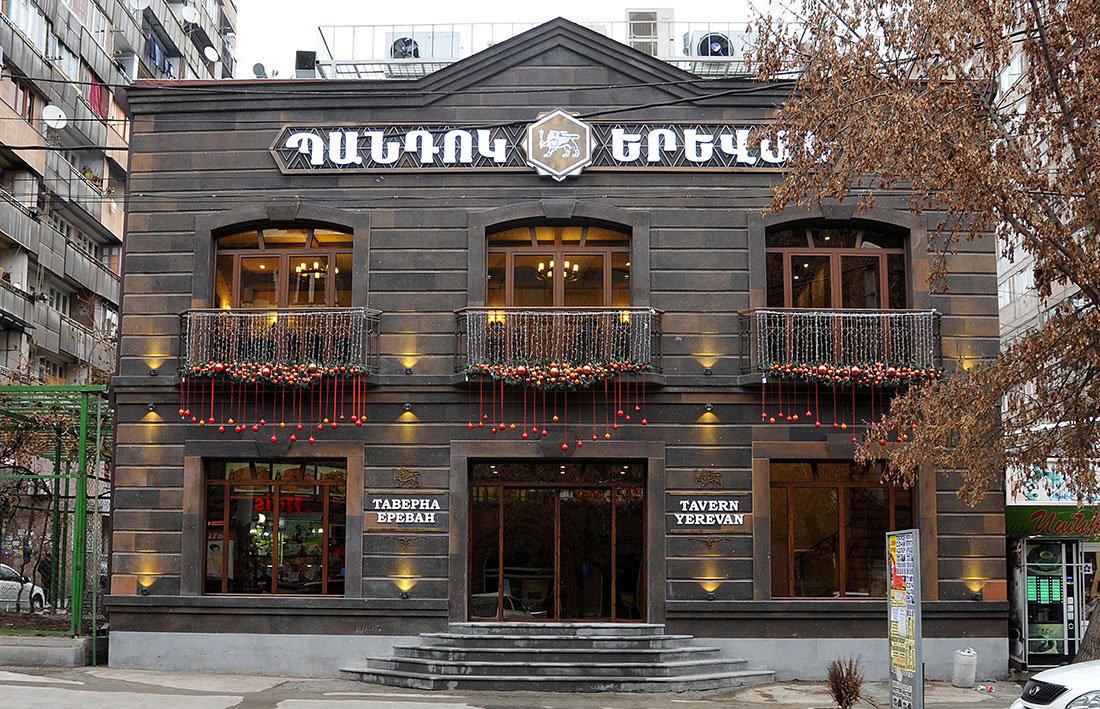
Paronyan Street and the Weight of Place
Yerevan has been rewriting its restaurant scene at speed over the past decade, and the pressure that puts on traditional Armenian tavern culture is not incidental. As the city absorbs international investment and a younger, design-literate dining public, the venues that hold to a recognisably Armenian format — long tables, shared plates, the expectation that a meal will last several hours — occupy an increasingly specific position. They are not relics, but they are making a choice, and that choice is legible in everything from room temperature to bread service.
Tavern Yerevan sits at 7 Paronyan Street, in a part of central Yerevan where Soviet-era apartment blocks and 19th-century merchant architecture exist at close quarters. The street itself is a few minutes' walk from the Republic Square axis that anchors most visitor itineraries, which means the tavern draws from both the tourist circuit and the residential neighbourhoods immediately behind it. That dual constituency shapes what a traditional Yerevan tavern needs to do: it has to read as authentic to locals who know what Armenian hospitality looks like from the inside, and legible enough to visitors navigating the city's food scene for the first time.
The Tavern Format in Armenian Dining Culture
Armenian tavern dining is a distinct category, and it is worth placing it carefully. It is not the same as the casual-national-cuisine format you find in, say, Georgian or Turkish restaurant culture, though those traditions share some structural DNA. The Armenian version is rooted in a hospitality ethic that treats generosity as a form of civic seriousness. Tables arrive laden before you have ordered anything specific. Bread, typically lavash, the paper-thin flatbread that earned UNESCO intangible heritage recognition in 2014, appears as infrastructure rather than appetiser. The meal is framed as an occasion, not a transaction.
Within Yerevan's current restaurant taxonomy, this format occupies its own tier. At the contemporary end of the city's dining scene, places like Dolmama and At Gayane's have developed a more self-conscious approach to Armenian cooking, placing heritage ingredients in a framework that appeals to international food press. Dolmama's second address has pushed that model further. Tavern-format restaurants sit at a different point on that spectrum: less interested in reframing the tradition for a global audience, more committed to the social architecture that gives Armenian dining its particular texture. Venues like Buzand Cafe Restaurant and Bar B. Q. represent adjacent positions in that mid-range, hospitality-forward tier.
What the Location Tells You About the Experience
The Paronyan Street address is not incidental to what Tavern Yerevan offers. This is not a Republic Square-facing venue designed for maximum tourist throughput, nor is it tucked into one of the quieter residential pockets north of Mashtots Avenue where newer, more experimental operations have been opening. It is in the middle distance, central enough to be convenient for visitors staying near the main hotels and cultural institutions, residential enough to draw a local dinner crowd that is not there for the novelty of eating Armenian food for the first time.
That positioning matters because it calibrates expectations. A tavern at this address is not trying to compete with the tasting-menu restaurants that have been attracting international attention across the Caucasus, from Yerevan itself to the experimental kitchens that have emerged in Georgia. It is doing something structurally different: making the case that the long, convivial, shared-plate meal remains the most honest way to engage with Armenian food culture, and that central Yerevan is still a place where that argument can be made without apology.
For visitors coming to Yerevan from cities where this kind of eating is harder to find, the comparison with globally recognised fine dining, operations like Le Bernardin in New York City, Alinea in Chicago, or Alain Ducasse's Louis XV in Monte Carlo, is not really the relevant frame. The relevant frame is the tradition of communal eating that connects Armenian hospitality to its Caucasian and Middle Eastern neighbours, and the question of whether a given tavern holds that tradition with enough rigour to justify the time. Yerevan's tavern culture answers a different set of questions than Amber in Hong Kong or Atomix in New York City, and that difference is the point.
Armenian Cooking and Its Regional Reach
Armenian cuisine draws from a geography that spans mountain grazing land, Ararat valley agriculture, and the trade routes that connected the region to Persia, the Ottoman Empire, and the Russian Caucasus. The result is a cooking tradition that is simultaneously local and cosmopolitan: lamb and beef prepared over wood or charcoal, grain-based dishes that predate the modern nation-state, fermented dairy products, and herb combinations that share ingredients with Georgian, Lebanese, and Iranian cooking while tasting distinctly of their own place.
For travellers who have encountered Armenian food at its diaspora outposts in Los Angeles, Paris, or Beirut, eating it in Yerevan involves a calibration. The diaspora versions carry the weight of displacement, they are often more careful, more reverential, occasionally more polished. The Yerevan version, particularly in the tavern format, tends to be less concerned with curation and more interested in volume, variety, and the social energy that comes from a table that has been eating together for three hours. Neither version is more authentic; they are responses to different circumstances.
For those planning to extend a food-focused trip beyond the capital, Losh in Dilijan and Poloz Mukuch in Gyumri represent how Armenian tavern cooking reads outside Yerevan, in contexts where the local ingredient supply and the pace of life inflect the food differently. The city versions and the provincial versions form a conversation worth having across more than one meal. Our full Yerevan restaurants guide maps the broader scene if you are building a multi-day itinerary.
Planning Your Visit
Tavern Yerevan's Paronyan Street address places it within walking distance of central Yerevan's main landmarks and hotel corridor, making it a practical choice for evening dining after a day spent at the Cascade, the History Museum, or the Armenian Genocide Memorial. Booking details and current hours are best confirmed directly on arrival or through your hotel concierge, as contact information was not available at time of writing. For a format like this, arriving with a group of four or more will give you the full experience of the shared-plate structure; solo diners and pairs will find the menu works, but the logic of the meal is built around the table as a collective unit.
Frequently asked questions
Where is Tavern Yerevan in Yerevan?
Tavern Yerevan is located at 7 Paronyan St, Yerevan 0015, Armenia, Yerevan.
Is Tavern Yerevan a good option for a group dinner in central Yerevan?
The tavern format at 7 Paronyan St is structurally suited to group eating: Armenian tavern culture is built around shared plates and communal ordering rather than individual tasting menus. The Paronyan Street location sits within walking distance of Yerevan's central hotel corridor, which reduces the logistics of gathering a group from different parts of the city. check the venue's official channels to confirm capacity and any reservation requirements for larger parties.
What's the signature dish at Tavern Yerevan?
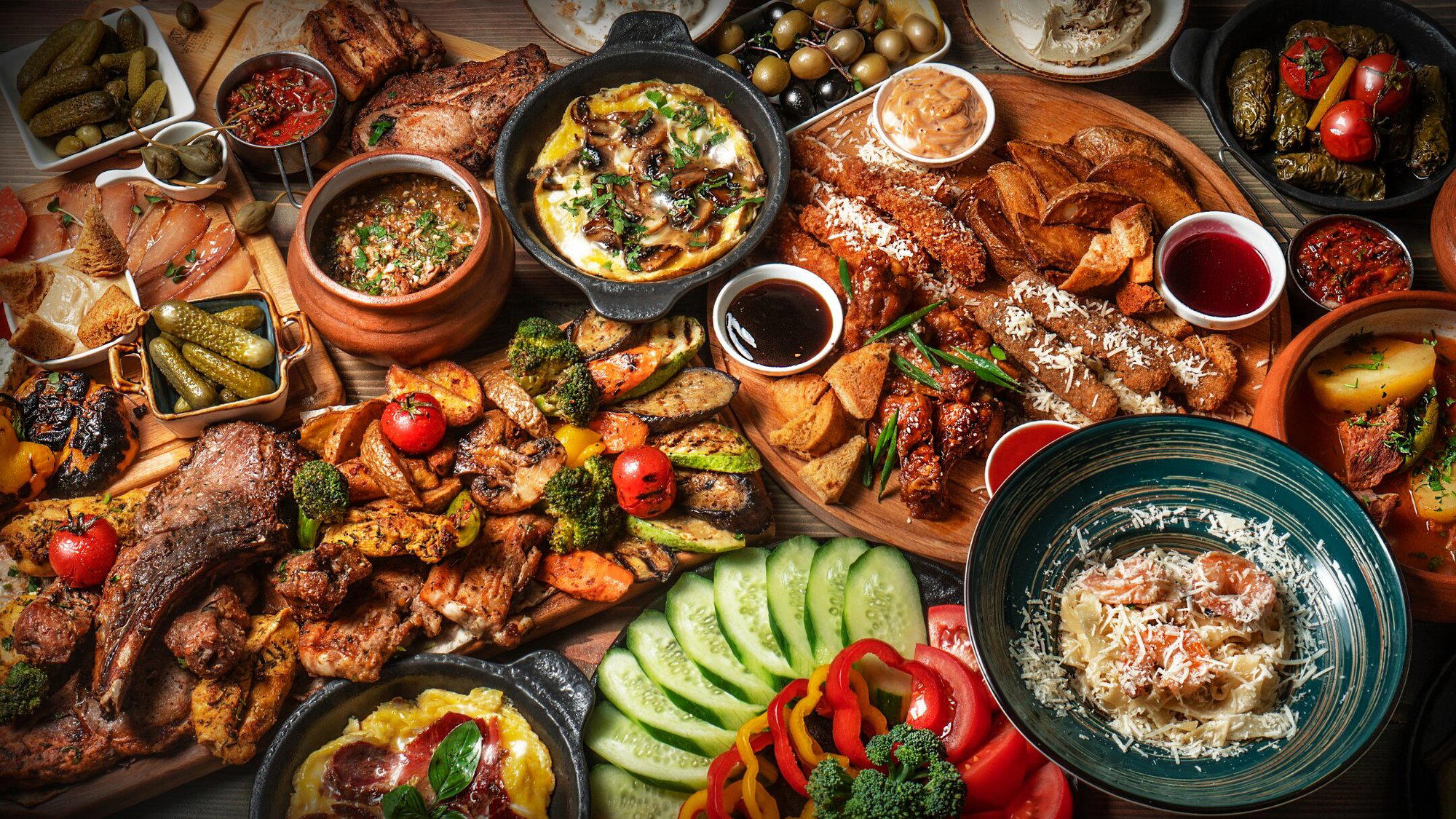
What the Paronyan Street address and tavern format suggest is a menu anchored in traditional Armenian cooking: grilled meats, clay-pot dishes, and the kind of herb-forward mezze that defines Caucasus tavern culture. Confirm the current menu directly when you visit or call ahead.
What's the best way to book Tavern Yerevan?
The most reliable approach is to check the venue's official channels in person or through a hotel concierge in central Yerevan, where Paronyan Street is within easy walking range of the main hotel corridor.
What's the standout thing about Tavern Yerevan?
The address on Paronyan Street is itself a signal. This is not a Republic Square-facing venue calibrated for passing tourist trade, which means the format skews toward the kind of tavern dining that Yerevan locals actually use: longer tables, shared dishes, and cooking that does not simplify itself for an international audience. That positioning is increasingly rare as Yerevan's dining scene modernises.
What if I have allergies at Tavern Yerevan?
Armenian tavern cooking relies heavily on wheat-based breads, dairy products including tahn and aged cheeses, and tree nuts, so guests with relevant allergies should raise this directly with staff before ordering. Given the absence of an online booking system on record, doing so in person at arrival is the most practical route.
Is Tavern Yerevan worth the price?
No pricing data is currently documented for Tavern Yerevan, which makes a direct cost-per-cover comparison impossible. Traditional Armenian tavern dining in Yerevan generally sits well below the price points of the city's contemporary tasting-menu restaurants, and the Paronyan Street location outside the main tourist zone typically reinforces rather than inflates that positioning.
The Quick Read
Comparable venues nearby, for context on price, style, and recognition.
| Venue | Cuisine | Price | Notes |
|---|---|---|---|
| Tavern YerevanThis venue (the venue you are viewing) | Traditional Armenian | $20–30 | Not listed |
| Lahmajun Gaidz | Authentic Armenian Lahmajun | $10–20 | Kentron, Authentic Armenian Lahmajun |
| Dolmama | Modern Armenian | $30–50 | city center, Modern Armenian |
| Gabriel’s Brasserie | French Patisserie | Not listed | Kentron, French Patisserie |
| The Club | New Armenian Cuisine | $20–30 | Tumanyan, New Armenian Cuisine |
| Vostan By Tsirani | Traditional Armenian | $20–30 | Abovyan Street, Traditional Armenian |
Continue exploring
More in Yerevan
Restaurants in Yerevan
All restaurants in Yerevan →
Bars in Yerevan
All bars in Yerevan →
Hotels in Yerevan
All hotels in Yerevan →
Wineries in Yerevan
Browse all →
Details
- Cozy
- Classic
- Rustic
- Family
- Celebration
- Group Dining
- Casual Hangout
- Live Music
- A La Carte
- Vegetarian Friendly
- Vegan Options
Current opening hours
- Monday
- 9:30 AM–12 AM
- Tuesday
- 9:30 AM–12 AM
- Wednesday
- 9:30 AM–12 AM
- Thursday
- 9:30 AM–12 AM
- Friday
- 9:30 AM–12 AM
- Saturday
- 9:30 AM–12 AM
- Sunday
- 9:30 AM–12 AM
Hours can change for holidays and private events. Last verified .
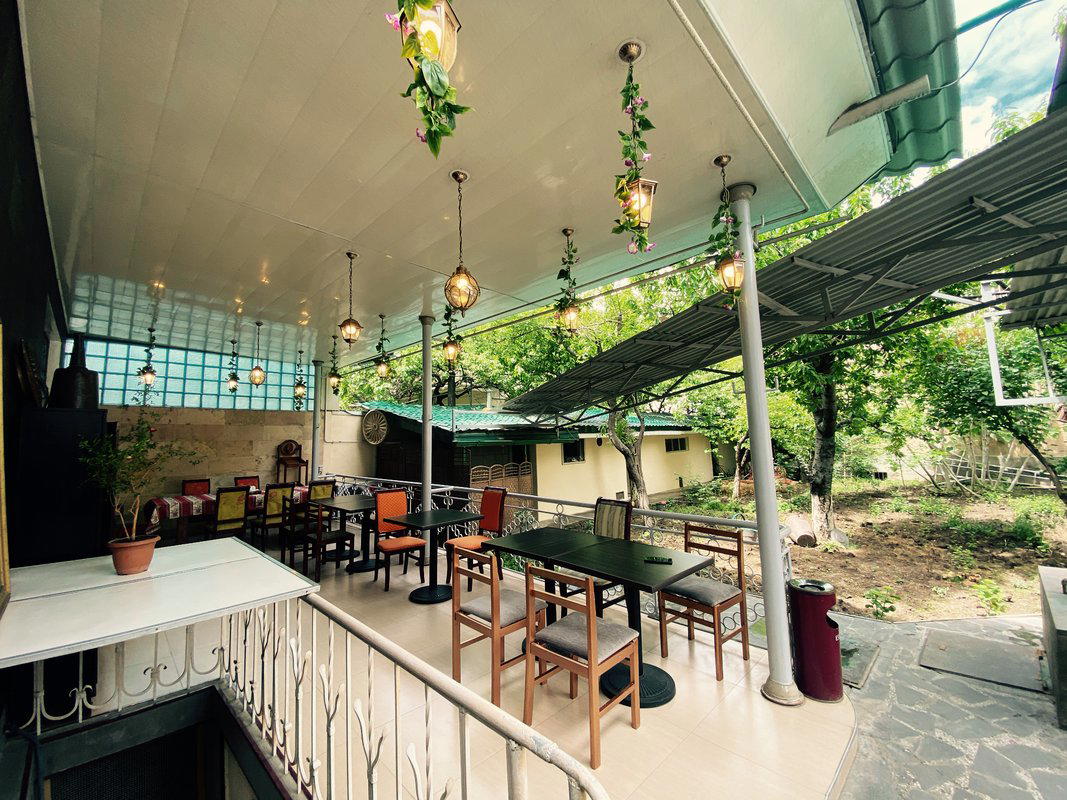
Cozy and welcoming with traditional Armenian decor featuring natural materials, wooden elements, and national ornaments, evoking warmth and cultural heritage.