Taquería Chefinita
Our verdict
In Oaxaca's taquería culture, where masa-based street eating is as serious a tradition as any formal dining room, Taquería Chefinita occupies a place worth understanding on its own terms. The name signals a particular register: small-kitchen cooking with some formal attention behind it. For visitors working through the city's food scene, it sits in the mid-register between market stalls and destination restaurants.

Pearl is the En Primeur Club membership app — saves, bookings, and concierge access live there. Same editors, same standards.
- Address
- Oaxaca de Juárez, Oaxaca
- Directions
- Get directions
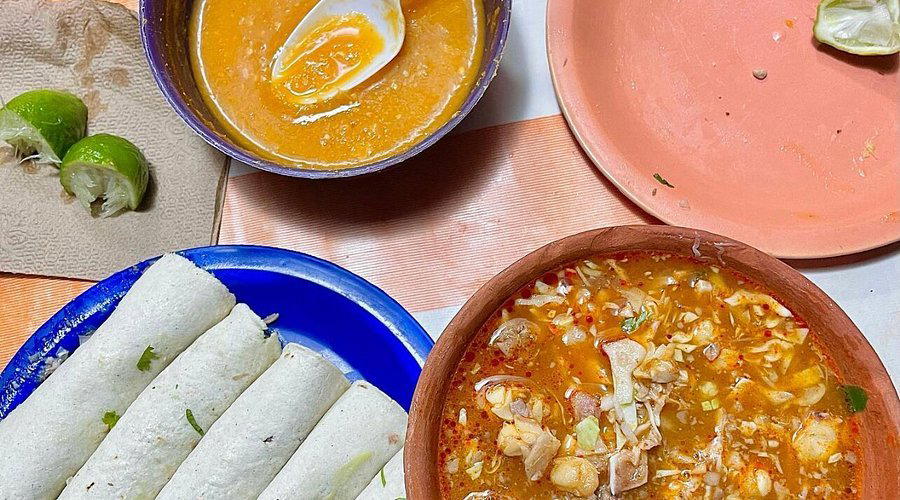
The menu
What to order
- Pozole rojo
- Pork tacos
- Tostadas
Where Oaxaca's Street Eating Gets Serious
Oaxaca de Juárez has a layered food culture that most cities can only approximate. At one end sit the market comedores of Mercado 20 de Noviembre, where tlayudas and tasajo have been prepared the same way for generations. At the other end, ambitious tasting-menu restaurants like Pitiona and Los Pacos Alta Cocina Oaxaqueña reinterpret that same raw material through a fine-dining lens. Between those poles, taquerías occupy a middle ground that is easy to overlook but often where the most direct expression of a region's flavors lives. Taquería Chefinita sits in that middle register, where the name itself — a diminutive nod to kitchen authority — suggests cooking with a considered hand rather than pure volume output.
The taquería format in southern Mexico operates by a distinct logic. It is not the taquero-at-a-cart model of Mexico City street corners, nor is it the sit-down mole restaurant with a laminated menu and regional wine list. A Oaxacan taquería tends to work within a narrower, more focused repertoire: a few tortilla-based preparations, perhaps quesillo, local chiles, and the fat-forward proteins that define the regional table. The dining ritual here is one of accumulation rather than progression, you arrive, you identify the two or three things worth ordering, and you eat them in close succession, often standing or on a basic stool, without the pacing apparatus of a formal meal. That directness is the point.
The Ritual of the Oaxacan Taquería Meal
Understanding how to eat at a place like Taquería Chefinita requires some recalibration if you have arrived from a reservation-led, multi-course context. This category of restaurant in Oaxaca operates on proximity and timing rather than advance planning. The busiest windows tend to cluster around midday, when local workers prioritize these spots over heavier comida corrida options, and again in the early evening before the centro's restaurant scene picks up. Arriving during those windows means the tortillas are freshest and the fillings are at peak rotation.
The tactile dimension of the meal matters here in ways that formality erases. A corn tortilla from Oaxaca, pressed from local masa, has a moisture and pliability distinct from its northern counterparts. The fat content of the fillings, whether braised pork, cecina, or chorizo negro, is calibrated to soak into that tortilla without disintegrating it. The ritual is fast, deliberate, and unsentimental about presentation. This is the same tradition that undergirds the more composed cooking at places like Levadura de Olla Restaurante in Oaxaca, which draws its vocabulary from exactly this kind of foundational street eating before applying technique and refinement.
For visitors who have spent time with tasting menus at Pujol in Mexico City or Le Chique in Puerto Morelos, the taquería ritual offers something those formats deliberately avoid: immediacy. There is no pacing architecture, no amuse-bouche sequencing, no sommelier cadence. The meal begins the moment the first taco arrives and ends when you decide it does. That informality is not a lesser version of the dining experience, it is a different kind of discipline entirely, one that Mexican food culture has refined over centuries.
Oaxaca as a Food City: Where Taquería Chefinita Fits
Oaxaca de Juárez consistently ranks among Mexico's most food-serious cities, a position earned through the depth of its indigenous culinary traditions, its mole canon, its mezcal production, and the density of serious cooking across all price tiers. The city's dining ecosystem rewards explorers who move vertically through price points rather than staying within one register. A morning at Memelas Doña Vale, a midday stop at a taquería, and an evening at a destination restaurant represents how food-literate visitors actually eat here, not a concession but a deliberate strategy.
That cross-register approach puts Taquería Chefinita in useful company. It occupies the lunch and casual-eating slot that visitors often default to international chains or hotel dining out of uncertainty. The Oaxacan taquería at this level of attention, the name's diminutive chef reference implies some culinary self-awareness, is precisely the kind of place that fills that slot with local specificity. Elsewhere in Mexico, comparable mid-register spots with regional specificity include Huniik in Merida and KOLI Cocina de Origen in Monterrey, both of which occupy the space between pure street eating and formal dining with clear culinary identity. Taquería Chefinita performs a version of that function for Oaxaca.
For those tracking the broader arc of Mexican gastronomy, the taquería format is worth taking seriously as a genre. The serious cooking at Animalón in Valle de Guadalupe, Arca in Tulum, Alcalde in Guadalajara, and Olivea Farm to Table in Ensenada all build, in part, on the same masa-and-protein vernacular that the taquería category embodies in its most direct form. Understanding the format at ground level, which is what a place like Taquería Chefinita offers, gives context to everything above it on the formality scale. Even destinations like HA' in Playa del Carmen, Lunario in El Porvenir, and Pangea in San Pedro Garza Garcia operate in dialogue with foundational Mexican cooking traditions that the taquería format keeps visible and accessible.
Planning Your Visit
Taquería Chefinita is located in Oaxaca de Juárez. Given the nature of this format, reservations are not standard practice for taquerías in this category; the model operates on walk-in traffic with high turnover. Arriving close to the midday service window gives you the strongest selection and the freshest tortillas. Oaxaca's centro is compact and walkable, which makes incorporating a taquería stop between a market visit and an afternoon mezcal tasting a manageable itinerary. For a broader orientation to the city's eating options across all formats and price points, the EP Club Oaxaca de Juárez restaurants guide covers the full range, from market comedores through destination dining rooms. For diners who tend toward the high-formality end of the Mexico City spectrum, where a place like Atomix in New York City sets a certain expectation for precision and service architecture, or where Le Bernardin in New York City represents a different kind of ritual discipline, the taquería format is worth approaching on its own terms, without mapping those expectations onto it. The absence of a reservations system, a wine list, or a pacing structure is not a gap; it is the format.
Frequently asked questions
What part of town is Taquería Chefinita in?
Taquería Chefinita is located at Oaxaca de Juárez, Oaxaca, Oaxaca De Juarez.
How does Taquería Chefinita fit into Oaxaca de Juárez's broader food culture?
Oaxaca de Juárez is consistently grouped with Mexico City and Guadalajara as one of Mexico's most food-serious cities, a status built on indigenous culinary depth rather than fine-dining density. Taquería Chefinita operates within the city's street-eating tier, which sits alongside the market comedores of Mercado 20 de Noviembre as the foundation of daily Oaxacan eating. Understanding the taquería format here means understanding it as part of a city-wide food ecosystem, not as a standalone stop.
What's the best thing to order at Taquería Chefinita?
The taquería format in Oaxaca de Juárez is shaped by regional ingredients: chiles negros, tasajo, tlayuda-adjacent proteins, and mole-based preparations that distinguish Oaxacan street eating from what you find further north. At a place like Taquería Chefinita, the move is to follow whatever is being assembled at the moment rather than arriving with a fixed order in mind. The counter typically drives the decision.
Do I need a reservation for Taquería Chefinita?
Taquerías in Oaxaca de Juárez do not operate on a reservation model. Taquería Chefinita follows this format, meaning you arrive, assess the queue, and wait your turn. Peak meal periods in the city run earlier than many visitors expect, with lunch crowds often forming before 2pm.
What's the defining dish or idea at Taquería Chefinita?
The defining idea is the taquería as a format anchored to Oaxacan ingredients rather than generic taco-stand conventions. Oaxaca de Juárez sits at the intersection of indigenous culinary tradition and regional technique, and its taquerías reflect that: the proteins, salsas, and tortilla preparation carry regional specificity that separates them from central Mexican or northern counterparts.
Can Taquería Chefinita adjust for dietary needs?
Street-format taquerías in Oaxaca de Juárez are built around protein-led menus with limited substitution flexibility. Vegetable-based options exist in Oaxacan street eating, particularly preparations using quesillo, black beans, and squash, but the kitchen at a taquería operates at pace. Complex dietary accommodations are better raised directly at the counter.
Is Taquería Chefinita good value for money?
Taquerías in Oaxaca de Juárez sit at the accessible end of the city's food spectrum. The same city that hosts destination-level mezcalerías and chef-driven comedores also sustains a street eating culture where a full meal costs a fraction of a sit-down restaurant. Taquería Chefinita operates within that tradition, making the price-to-quality ratio a function of the format itself rather than a marketing position.
Cuisine Context
| Venue | Cuisine | Price | Awards |
|---|---|---|---|
| Taquería ChefinitaThis venue — the venue you are viewing | Oaxacan Taqueria | $10–20 | Not listed |
| Pitiona | Modern Oaxacan Cocina de Autor | $30–50 | La Liste Top Restaurants |
| Los Pacos -Alta Cocina Oaxaqueña- | Alta Cocina Oaxaqueña | Not listed | Not listed |
| Memelas Doña Vale | Oaxacan Memelas / Street Food | Not listed | Not listed |
Continue exploring
More in Oaxaca De Juarez
Restaurants in Oaxaca De Juarez
Browse all →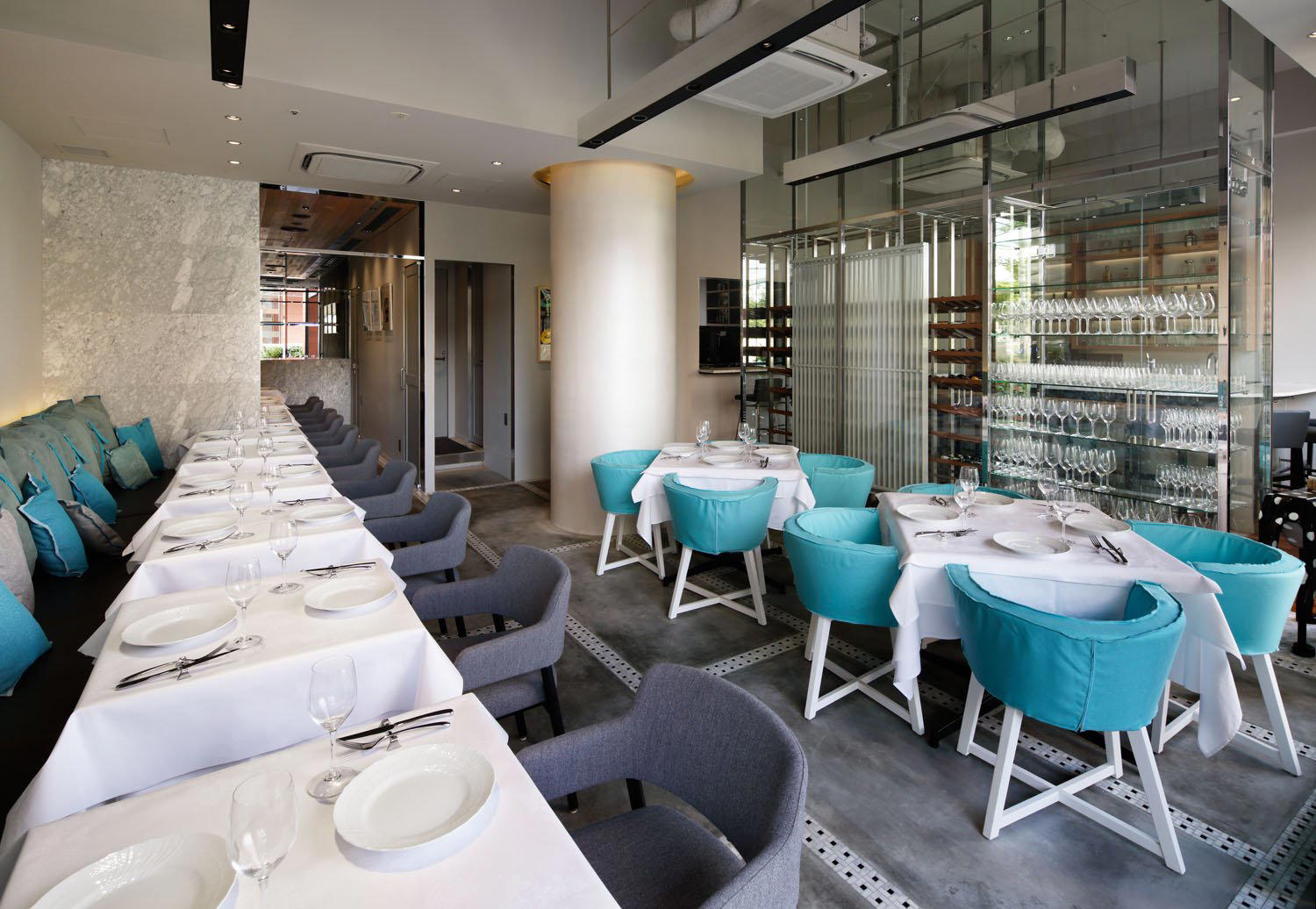
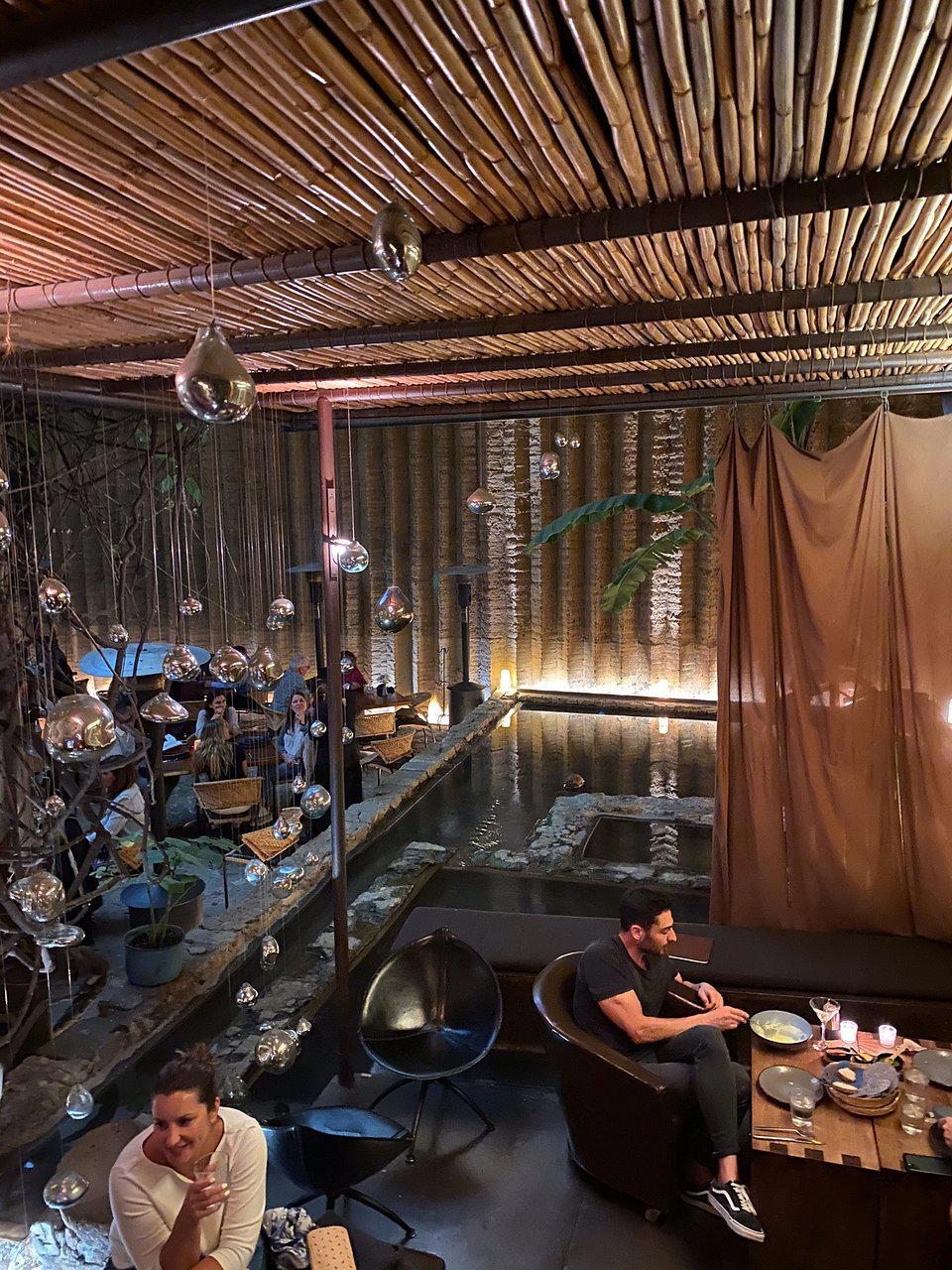
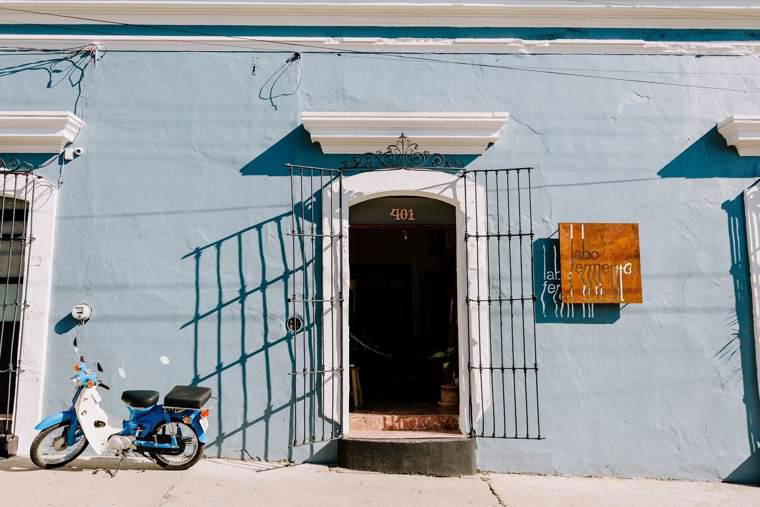
Bars in Oaxaca De Juarez
Browse all →
Hotels in Oaxaca De Juarez
Browse all →
Details
- Lively
- Rustic
- Casual Hangout
- Late Night
- Open Kitchen
- Street Scene
- A La Carte
Bustling street cart atmosphere with crowds, energetic service, and heavy traditional Oaxacan flavors.