Takahashi Market
Our verdict
Takahashi Market occupies a particular corner of San Mateo's dining identity, where Japanese market tradition and California sourcing ethics converge. Positioned alongside destination counters like Wakuriya, it draws a different kind of attention: less ceremony, more provenance. For those tracking where the Bay Area's sustainability-led dining conversation is heading, it belongs in that picture.

Pearl is the En Primeur Club membership app — saves, bookings, and concierge access live there. Same editors, same standards.
- Address
- 221 S Claremont St, San Mateo, CA
- Phone
- (650) 343-0394
- Hours
- Mon–Tue ClosedWed–Sun 11 AM–4 PM
- Website
- takahashimarket.com
- Directions
- Get directions
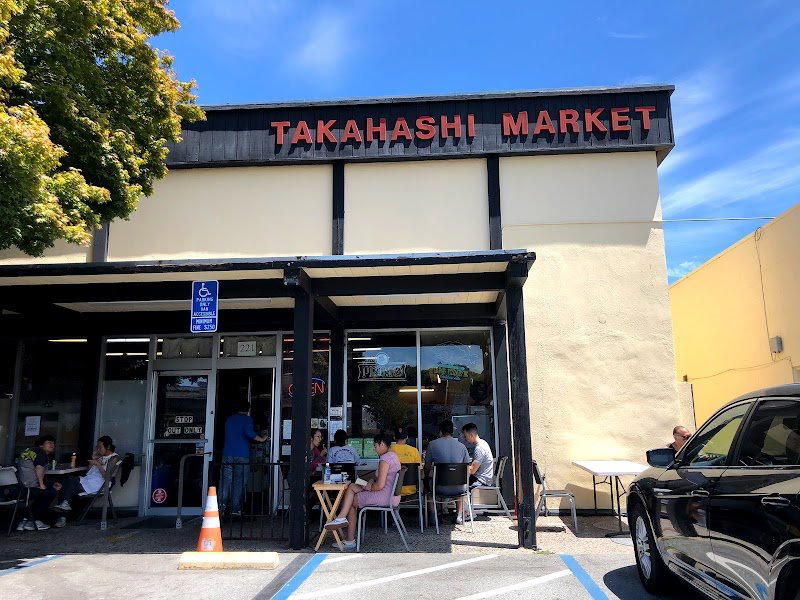
Where San Mateo's Market Tradition Meets Ethical Sourcing
San Mateo sits in an interesting position on the Peninsula dining map. Close enough to San Francisco to feel its gravitational pull, but with enough independent identity to develop its own dining character. That character has increasingly been shaped by a tension between high-ceremony Japanese counter dining, represented at its clearest by Wakuriya, and a quieter, sourcing-led strand of restaurants and market operations where the supply chain is the editorial statement. Takahashi Market belongs to that second current.
Market-format dining has a longer history in Japanese-American communities on the West Coast than most casual observers recognize. What began as practical provisioning, connecting immigrant households to familiar ingredients, has evolved in certain operations into something more deliberate: a way of asserting where food comes from and why that matters. In the Bay Area's current dining climate, that position carries genuine weight. When places like Single Thread Farm in Healdsburg and Blue Hill at Stone Barns in Tarrytown have made farm-to-table ethics the centerpiece of fine dining at the highest price tier, the same conversation filters down into market-scale operations where the economics are less theatrical but the commitment can be just as considered.
The Sustainability Argument at Market Scale
The sustainability story in dining tends to get told through the lens of tasting-menu restaurants with named farm partners and printed provenance lists on the menu. That framing has value, but it also concentrates attention on formats that serve a narrow audience. What market-format venues like Takahashi represent, at least in principle, is a broader distribution of ethical sourcing practice: produce and prepared goods that reflect responsible supply relationships, available at a scale and price point that reaches a wider community.
California's Japanese-American market tradition has historically depended on a dense network of regional growers, particularly for produce varieties that don't move through mainstream wholesale channels. Shiso, yuzu, specialty daikon, specific cuts of fish that require relationships rather than catalog ordering: these are ingredients that demand a different kind of sourcing infrastructure. Maintaining that infrastructure is itself a form of agricultural conservation, keeping demand alive for small-scale specialty producers who might otherwise lose their market entirely.
This is a dynamic visible across the Peninsula's Japanese dining ecosystem. Wakuriya's counter format depends on similar sourcing relationships for its seasonal omakase progression. The difference is format and formality. A counter charges for the curation; a market charges for the product. Both, when operating conscientiously, support the same underlying network of producers.
San Mateo's Dining Tier and Where Takahashi Sits
San Mateo's restaurant scene spans a wider price range than its relatively compact geography might suggest. At the high end, All Spice operates at the $$$$ tier with an internationally inflected tasting format. Wakuriya anchors the Japanese fine dining end. More casual options like Avenida and Bahche fill the mid-register, alongside approachable spots like B Street & Vine for drinks and grazing. Takahashi Market operates outside the restaurant tier entirely, which is precisely the point. It is not competing with counters on ceremony or with bistros on atmosphere. It competes on product quality and sourcing integrity.
That positioning has specific implications for how you engage with it. You don't book a table. You plan a visit around what is in season, what has arrived, and what the market's supply relationships have yielded in a given week. This is a fundamentally different relationship with a food venue than most dining guides address, and it is one that rewards repeat visitors who learn the rhythm of the operation rather than treating it as a single-visit destination.
For context on how this kind of sourcing-led format operates at larger scale, Lazy Bear in San Francisco has built a community-supported model around seasonal menu shifts. At the national level, operations from Le Bernardin in New York City to Providence in Los Angeles have made sourcing transparency a front-of-house proposition. The market format simply removes the table-service layer and lets the product carry the argument directly. See our full San Mateo restaurants guide for broader context on where Takahashi fits in the city's dining geography.
What the Bay Area's Ethical Sourcing Conversation Looks Like in Practice
The Peninsula's proximity to both the Central Valley's agricultural output and the Bay's fishing grounds gives market operations here a sourcing advantage that inland cities can't replicate. The question for any individual market is whether they use that proximity deliberately. Japanese-American market operations in the Bay Area have historically maintained close relationships with specific fishing boats, particular farms in Watsonville and the Salinas Valley, and regional producers of specialty Japanese pantry goods. When those relationships are maintained across decades, they represent a form of institutional knowledge about where food comes from that most restaurant supply chains have traded away for convenience and volume.
Waste reduction is the other side of the sustainability equation that market formats address differently than restaurants. A kitchen throwing away trim from a 40-cover service produces a different kind of waste profile than a market selling whole fish, whole vegetables, and prepared goods calibrated to daily demand rather than service-count projections. The latter model, when managed carefully, produces significantly less food waste per unit of revenue, which is a measurable environmental argument, not just a philosophical one.
Comparable commitments at fine-dining scale can be seen at venues like Addison in San Diego and The Inn at Little Washington, which have made kitchen waste reduction a documented part of their operational identity. At market scale, the mechanism is different but the outcome can be equally rigorous. The difference is that markets rarely publicize it with the same marketing infrastructure that fine-dining venues bring to the conversation.
Planning a Visit
Because Takahashi Market operates outside the standard reservation format, planning involves different logistics than booking a tasting counter. Timing matters more than advance reservations: arriving later in the day risks depleted inventory on high-demand items, while early visits give access to the full range. For visitors combining a Peninsula day with other stops, the San Mateo Caltrain station provides convenient access from San Francisco without the parking considerations that accompany a car-dependent visit. Nearby dining options in the same visit, including Avenida and Bahche, can bookend the market stop for a fuller afternoon in the city.
For those who track the Bay Area's food sustainability conversation across formats and price tiers, from the tasting-menu commitments of places like Alinea in Chicago and Atomix in New York City at one end, to 8 1/2 Otto e Mezzo Bombana in Hong Kong and Emeril's in New Orleans at another, Takahashi Market represents a format where those principles land closest to daily life. That is not a small thing in a city where the sourcing conversation has too often remained the exclusive property of expensive tasting rooms.
Frequently asked questions
How does Takahashi Market fit into the broader San Mateo food scene compared to the area's restaurants?
San Mateo's dining tier includes full-service restaurants like All Spice operating at the higher end of Peninsula pricing, but Takahashi Market occupies a different format category altogether. As a market rather than a restaurant, it serves a sourcing and retail function that complements rather than competes with the area's seated dining options. For visitors to San Mateo interested in the Bay Area's ethical sourcing conversation, the market offers a ground-level view of how Peninsula producers reach consumers directly.
What dish is Takahashi Market famous for?
Takahashi Market's reputation in San Mateo is built around its sourcing practice rather than a single signature dish. The market's draw comes from the quality and provenance of what it stocks, which reflects the Peninsula's access to Central Valley agricultural supply and Bay-area fishing grounds. Specific prepared items are best confirmed by visiting the market directly.
How hard is it to get a table at Takahashi Market?
Takahashi Market operates outside the reservation format typical of San Mateo's tasting counters and full-service restaurants. Planning a visit is more a matter of timing and market hours than securing a booking. Arriving earlier in the day generally gives you better access to the full range of available product.
What's the signature at Takahashi Market?
The signature is the sourcing model itself. In a Peninsula dining scene where ethical provenance is usually confined to high-end tasting menus, Takahashi Market applies that same sourcing logic at market scale in San Mateo. That positioning is what separates it from standard grocery or specialty retail.
What if I have allergies at Takahashi Market?
Because Takahashi Market functions as a market rather than a full-service restaurant, allergen information will vary by product and any prepared offerings available on the day. Speaking directly with staff on-site in San Mateo is the most reliable approach, as product selection can shift based on sourcing availability.
Is eating at Takahashi Market worth the cost?
Specific pricing at Takahashi Market in San Mateo is not publicly listed, so a direct comparison against Peninsula competitors is difficult to make with precision. What the market offers is access to ethically sourced product at a scale and format that differs from the tasting-counter model common at San Mateo's higher price points. Whether the value proposition holds depends on how much weight you place on sourcing transparency versus prepared-food experience.
The Quick Read
Comparable venues nearby, for context on price, style, and recognition.
| Venue | Cuisine | Price | Notes |
|---|---|---|---|
| Takahashi MarketThis venue — the venue you are viewing | Hawaiian Market Plate Lunches | $10–20 | Not listed |
| Santa Ramen | Authentic Japanese Ramen | $10–20 | San Mateo, Authentic Japanese Ramen |
| La Lanterna | Traditional Italian with Modern Twist | $30–50 | Not listed |
| Sapporo Rock & Roll Sushi | Rock & Roll Sushi | $20–30 | South San Mateo, Rock & Roll Sushi |
| Vespucci Ristorante Italiano | Italian | Not listed | Downtown San Mateo, Authentic Italian Trattoria |
| Central Park Bistro | Contemporary American Bistro | $30–50 | downtown, Contemporary American Bistro |
Continue exploring
More in San Mateo
Restaurants in San Mateo
Browse all →
Bars in San Mateo
Browse all →
Hotels in San Mateo
Browse all →

Details
- Cozy
- Classic
- Casual Hangout
- Family
- Historic Building
- Local Sourcing
- A La Carte
Current opening hours
- Monday
- Closed
- Tuesday
- Closed
- Wednesday
- 11 AM–4 PM
- Thursday
- 11 AM–4 PM
- Friday
- 11 AM–4 PM
- Saturday
- 11 AM–4 PM
- Sunday
- 11 AM–4 PM
Hours can change for holidays and private events. Last verified .
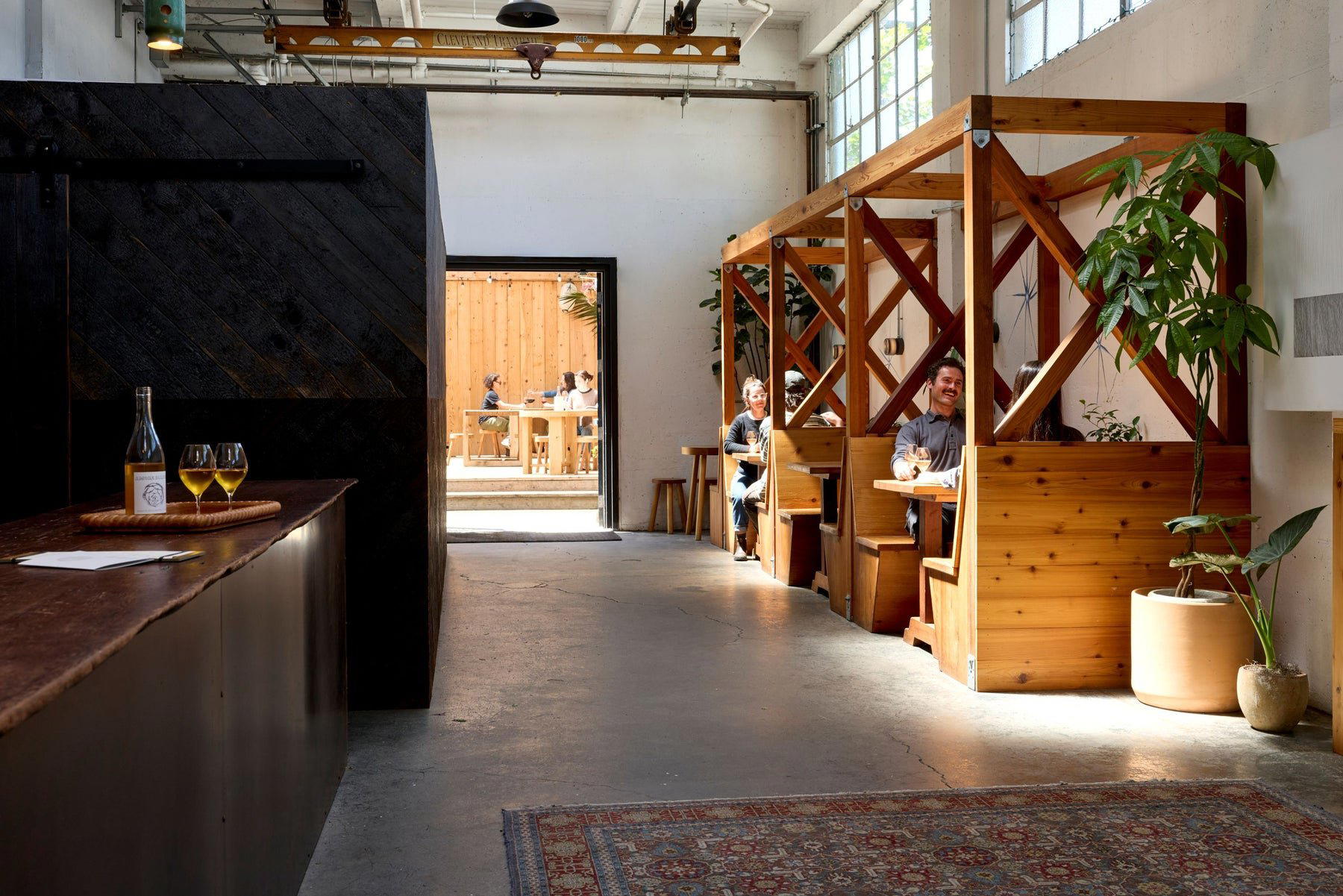
Casual, friendly mom-and-pop market atmosphere with a small outdoor dining area.