
Tabelog 100 #76
Our verdict
Tagosaku gives Masuda’s izakaya culture a coastal, ingredient-led reading: Sea of Japan fish, rustic cooking, sake and shochu rather than metropolitan performance. Its repeated Tabelog 100 Izakaya WEST selections place it in a serious regional bracket, but the appeal is grounded in country-house rooms, private tatami seating and a format built for groups as much as counter regulars.

Pearl is the En Primeur Club membership app — saves, bookings, and concierge access live there. Same editors, same standards.
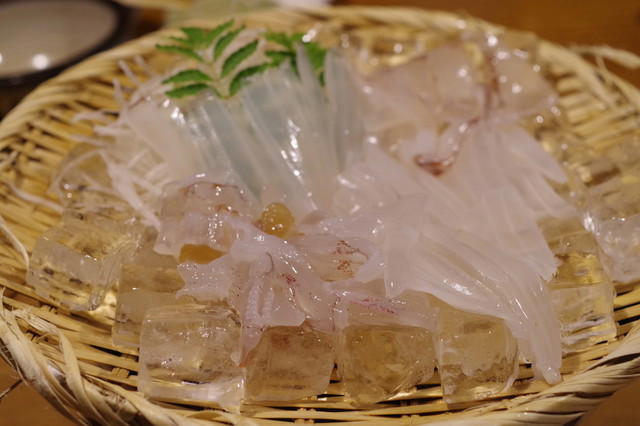
The menu
What to order
- Assorted sashimi of local fish and squid
- Grilled ayu from the Takatsu River
- Crab dishes from the Sea of Japan
The first impression is local rather than urban: Tagosaku is best approached as a Masuda izakaya, not as a neon-dense city drinking stop. That matters because the city’s dining rhythm can feel slower and more regional than the pace associated with major station-side entertainment districts. The room should be read as a place for conversation and an unhurried meal, with the tavern format giving guests flexibility rather than forcing a formal sequence.
Tagosaku belongs to the izakaya category, and that category is the safest way to understand it. The appeal is not a narrow fine-dining script, but the freedom of a Japanese-style tavern: a meal can be light or substantial, casual or more deliberate, depending on the table. In larger cities, those roles are often split across different formats. In Masuda, they can sit under one roof.
Hyakumeiten recognition gives the izakaya format its centre
Tagosaku’s recognition in the Tabelog Hyakumeiten 2025 selection is useful because the format tends to reward specialist strength within everyday Japanese categories. This is not a luxury tasting-menu signal. It is a sign that an izakaya has enough consistency, local following and category authority to be noticed within the broader Japanese dining landscape.
The listed category also explains why the venue should be read through comfort and range rather than spectacle. An izakaya can handle different appetites and different tempos: a shorter stop, a longer dinner, or a small group meal. The point is not novelty. It is the ability of a familiar Japanese format to carry a full evening without becoming formal.
Among the comparison venues supplied for the wider region, Okoja sits in the same broader Masuda dining conversation, which makes the distinction clear: local dining is not a single price or style category. Tagosaku occupies the more substantial izakaya lane, where the tavern format and a longer meal structure matter more than speed. For broader city context, Our full Masuda restaurants guide is the natural next read.
A local izakaya room, not a counter-only performance
Japan’s premium casual dining is often discussed through counters: sushi, kappo, yakitori, tempura. Masuda’s version can feel more communal. Tagosaku is better understood as a local izakaya suited to conversation, rather than as a chef-facing performance where every moment is staged around the counter.
That difference changes the meal. The emphasis falls on ease, flexibility and the feeling of being hosted, not on ceremony. In editorial terms, the venue’s value is that it keeps the izakaya idea broad: a table can use it for a simple evening, a more substantial dinner, or a relaxed stop while reading Masuda through its dining rooms.
This is also where Masuda’s scale becomes an advantage. In a major food city, a strong izakaya can feel like one option among hundreds. Here, the same format carries civic weight: it becomes a place for different kinds of local and visitor meals, from casual evenings to more substantial dinners. For visitors building a fuller itinerary around the city, Our full Masuda hotels guide, Our full Masuda bars guide, Our full Masuda wineries guide and Our full Masuda experiences guide help place dinner in a wider plan.
How to read it against Japan's casual dining spectrum
The useful comparison is not with luxury restaurants, but with the wide middle of Japanese dining where price, comfort and local relevance do the serious work. Some venues narrow the meal around a single speciality; others are built around a metropolitan drinking-district mood. Tagosaku’s lane is broader and more local: an izakaya in Masuda with enough category strength to earn Tabelog Hyakumeiten recognition in 2025.
That breadth is what separates it from more single-purpose stops elsewhere in Japan. Those restaurants clarify how specialized the country’s casual formats can be; Masuda’s izakaya tradition instead absorbs several needs into one meal. Tagosaku should therefore be read less as a destination for one signature idea and more as a trusted local tavern format.
For international readers, the closest mental bridge may be Japanese casual dining abroad, though the source logic differs. Outside Japan, the format is often translated for a new audience. In Masuda, the reference point is proximity: a local city, a familiar tavern category, and a dining structure that lets the place speak without formality.
Frequently asked questions
Is Tagosaku suitable for children?
Tagosaku is an izakaya in Masuda. For family suitability and the latest seating details, check the venue's official channels before visiting.
What is the atmosphere like at Tagosaku?
Tagosaku reads as a local izakaya rather than a formal dining room. Its Tabelog Hyakumeiten 2025 recognition gives it a clear trust signal, while the mood remains grounded in the casual flexibility of the izakaya category.
What's the price range at Tagosaku?
Pricing at Tagosaku is listed as Dinner: JPY 4,000 - JPY 4,999; Lunch: JPY 1,000 - JPY 1,999.
What part of town is Tagosaku in?
Masuda.
Fast Comparison
Comparable venues by cuisine and price in the same metro.
| Venue | Cuisine | Price | Awards | Notes |
|---|---|---|---|---|
| TagosakuThis venue (the venue you are viewing) | Traditional Japanese Izakaya & Seafood | $10–20 | Tabelog 100 #76 | Not listed |
| やまざと | Traditional Japanese Soba | Not listed | Not listed | 西祖谷山村 |
| Soup Curry & Dining Suage+ (suage+ 本店) | Sapporo soup curry specialty shop | $10–20 | Tabelog 100 #83 | Susukino, Chuo Ward |
| 寿司常 | Traditional Osaka Sushi | $30–50 | Michelin Bib Gourmand | Tsukamoto |
| 麺処くるり 市ヶ谷本店 | Miso Ramen Specialist | $10–20 | Not listed | Ichigaya |
| 立喰い鮨優勝 | Standing Sushi | $20–30 | Not listed | Kanazawa Port |
Recognition history
Dated appearances from independent guides and award organizations, with the underlying list record or original source where available.
Tabelog 100 #76 · No. 76
Tabelog · Tabelog 100 - Izakaya - WEST - 2025
Continue exploring
More in Masuda
Restaurants in Masuda
All restaurants in Masuda →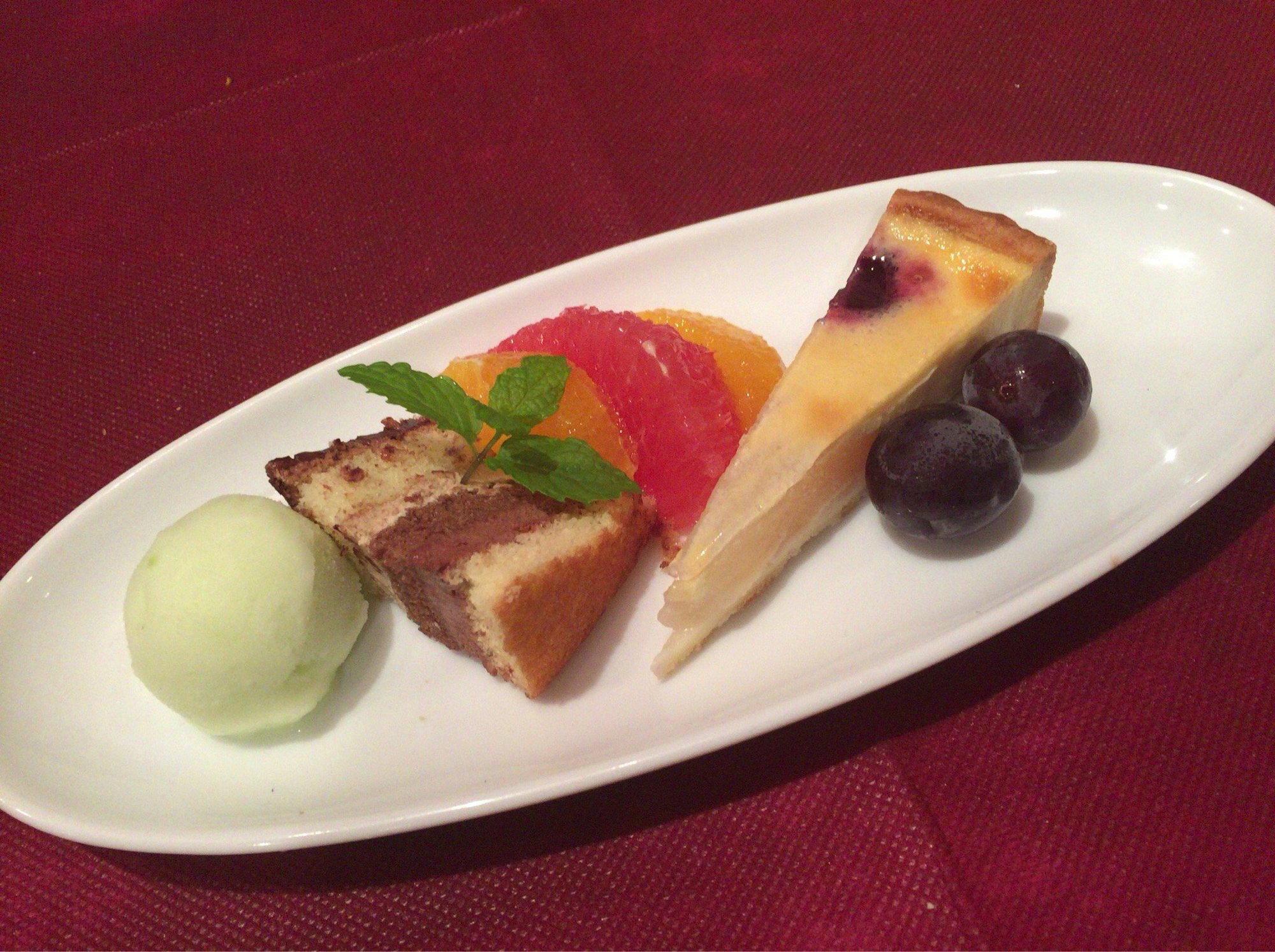
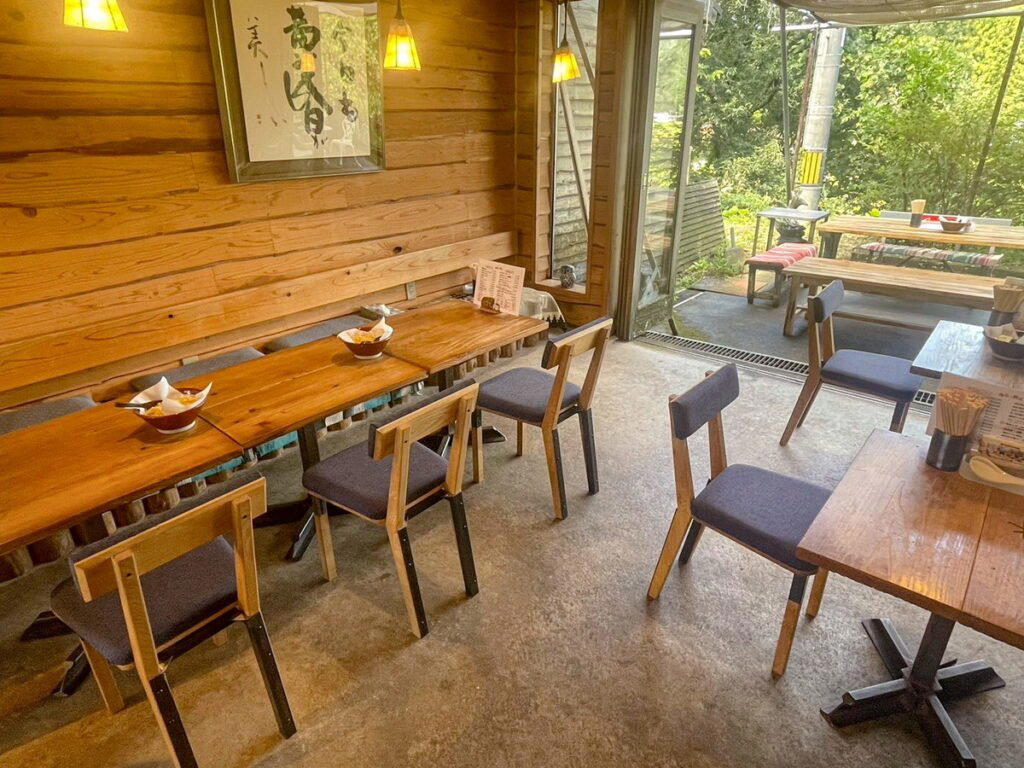
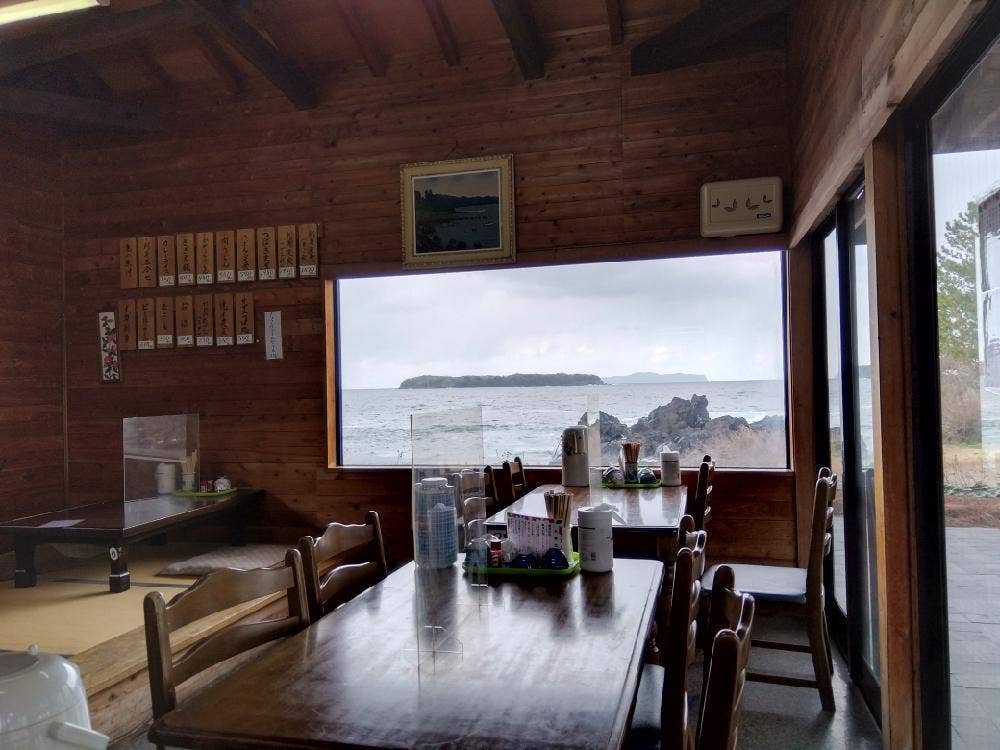
Details
- Lively
- Cozy
- Classic
- Group Dining
- Family
- Casual Hangout
- After Work
- Solo
- Chefs Counter
- Private Dining
- Standalone
- Sake Program
- Beer Program
- Local Sourcing
- Sustainable Seafood
- A La Carte
- Small Plates
- Counter Dining
- Sake
- Beer
- Pescatarian Friendly
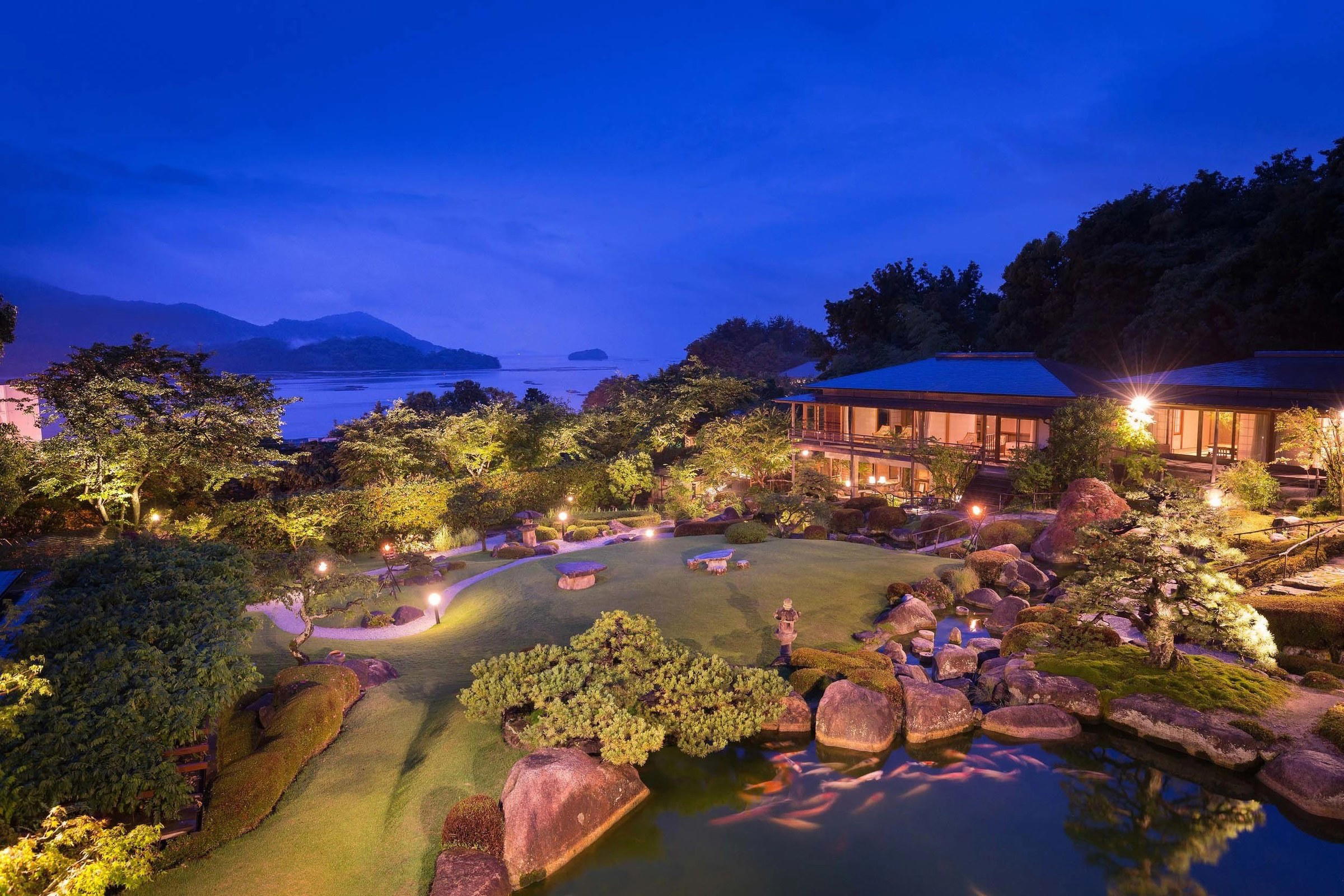
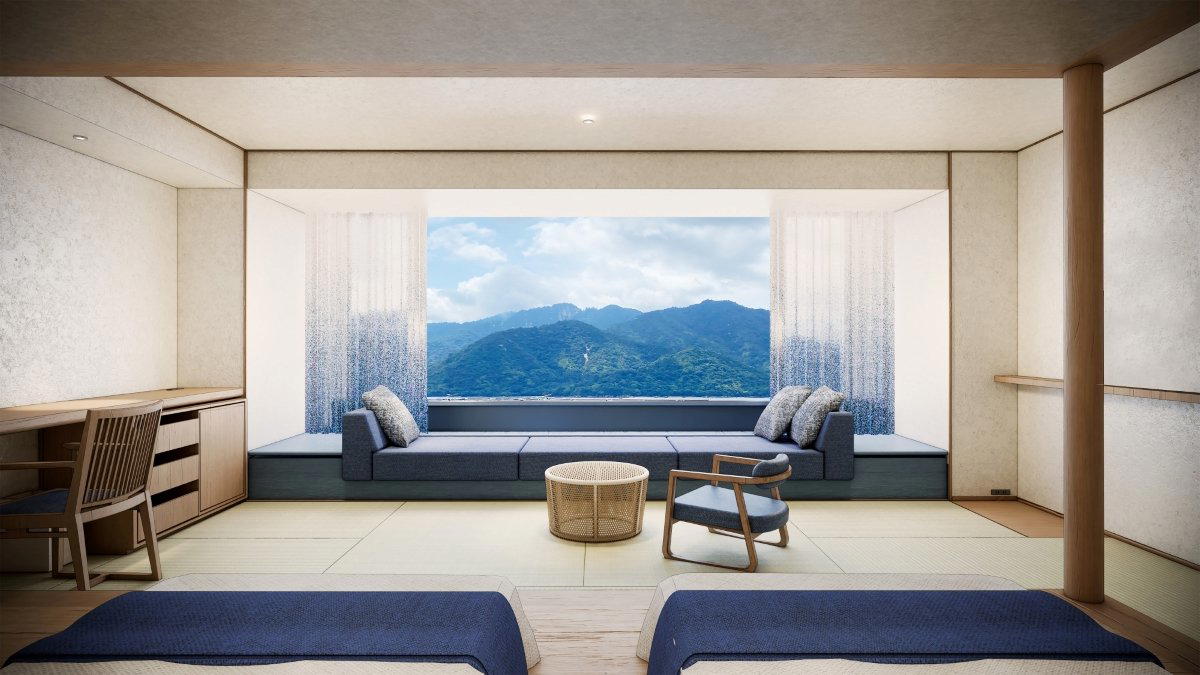
Traditional izakaya atmosphere with tatami rooms and counter seats, warm and casual, often busy and energetic in the evenings but still comfortable for conversation.