Our verdict
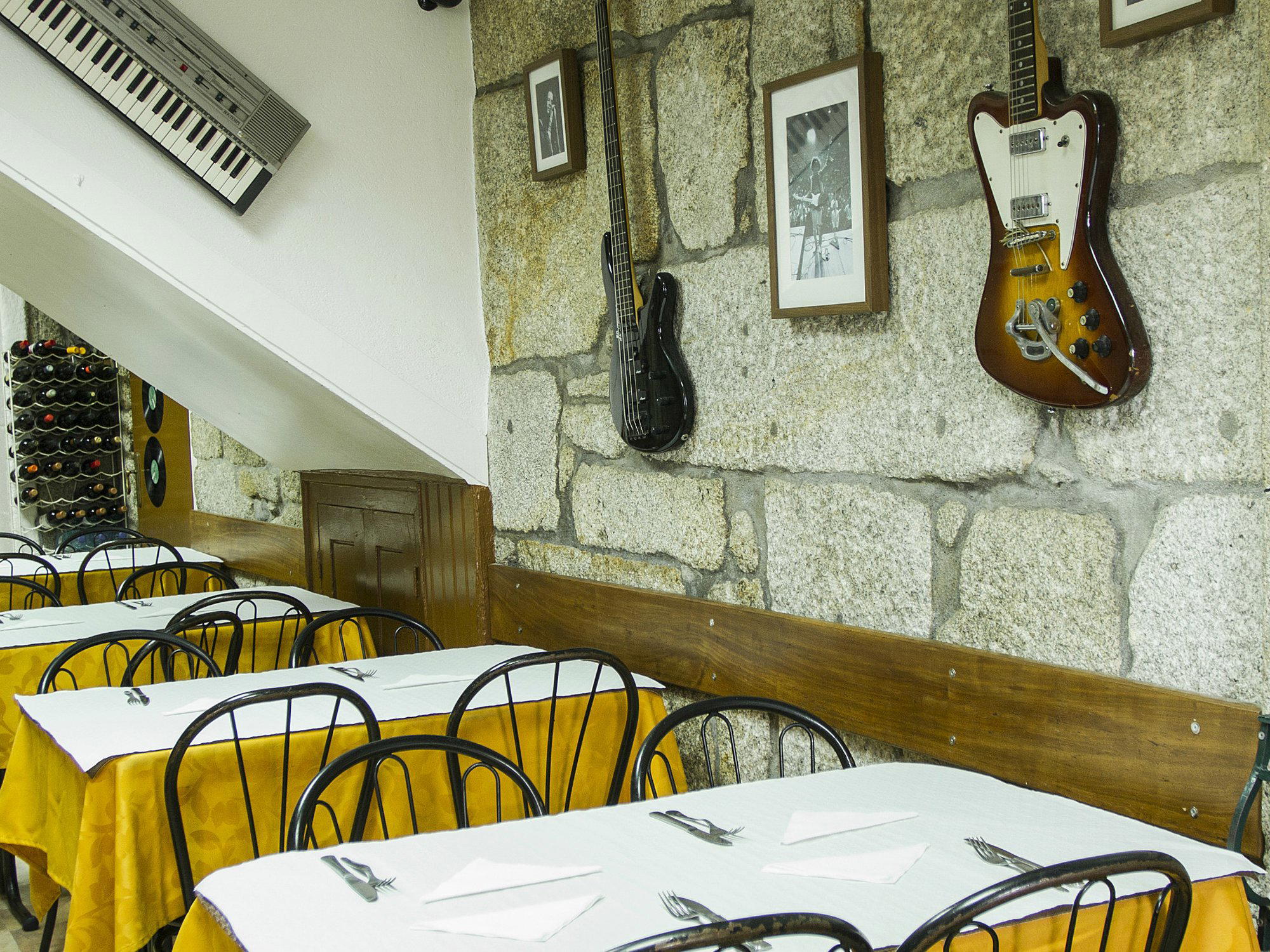
On Rua das Virtudes in Porto's Bonfim-adjacent hillside streets, Taberna Santo António operates within a Portuguese taberna tradition that prizes locality over spectacle. The cooking draws on northern Portuguese ingredients and a restrained, technique-led approach that positions it closer to the city's serious neighbourhood dining tier than its flashier tasting-menu circuit. A reference point for those who want Porto's culinary identity without the performance.

Pearl is the En Primeur Club membership app — saves, bookings, and concierge access live there. Same editors, same standards.
- Address
- R. das Virtudes 32, 4050-630 Porto, Portugal
- Phone
- +351222055306
- Hours
- Mon ClosedTue–Sat 12–3 PM, 7–10 PMSun 12–3:30 PM
- Website
- instagram.com
- Directions
- Get directions
The menu
What to order
- Bacalhau a braga
- Pataniscas con arroz de feijao
- Bochecha de porco iberico
A Street Where Porto Still Eats Like Porto
Rua das Virtudes sits in the older residential fabric of Porto, away from the riverfront's tourist density and the polished dining rooms of Foz. The taberna format that persists here is a specific thing: small rooms, direct cooking, wine lists built around the Douro and Minho rather than international prestige bottles. Taberna Santo António at number 32 belongs to that tradition, and that placement matters more than any single dish on the menu. In a city increasingly divided between tasting-menu ambition, represented at the higher end by places like Euskalduna Studio and Antiqvvm, and the unreconstructed tascas that rarely make international coverage, the middle tier of serious neighbourhood tabernas is where Porto's culinary character is most honestly expressed.
The Taberna Tradition and What It Actually Means
Portugal's taberna form predates the modern restaurant concept by a considerable margin. Historically, these were places that offered wine, simple food, and the company of a neighbourhood, functioning as something between a bar, a canteen, and a meeting room. The contemporary taberna revival across Lisbon and Porto has updated the format without discarding its logic: small menus, seasonal rhythm, cooking that reflects what the region grows and raises rather than what a global supply chain can deliver. The distinction from, say, a contemporary Portuguese tasting-menu room is not merely one of price or formality. It is philosophical. A taberna is not trying to argue a position about Portuguese cuisine; it is trying to feed people well with what is available and local.
That tension between tradition and technique is where the most interesting taberna kitchens operate. Northern Portugal's larder is deep: barnacle-textured percebes from the Atlantic coast, bacalhau in its dozens of preparations, caldo verde's rough kale grown in Minho hillside plots, tripas in the Portuense style that gave the city's inhabitants the name tripeiros. A kitchen that takes those ingredients seriously and applies even modest technical discipline can produce cooking that rivals far more expensive rooms in terms of satisfaction, if not spectacle (full Porto restaurants guide).
Local Ingredients, Applied with Intention
The editorial angle that rewards attention at a place like Taberna Santo António is not the provenance statement — every restaurant in Portugal now claims to source locally — but rather what technique is brought to bear on those materials. In Portugal's fine-dining tier, the imported-method question has been central for a decade. Belcanto in Lisbon applies modernist technique to Portuguese products with two Michelin stars behind the argument. Casa de Chá da Boa Nova in Leça da Palmeira, just north of Porto, uses classical French structure with Galician-Portuguese seafood. The Yeatman in Vila Nova de Gaia brings wine-pairing architecture to regional dishes from across the country. Each of those is making a case that Portuguese ingredients are worthy of rigorous method.
The neighbourhood taberna makes a quieter version of the same argument. The technique here is less spectacular: proper stock-making, accurate timing on fish, the discipline not to overcomplicate dishes that depend on ingredient quality for their effect. When bacalhau is treated correctly, it does not need augmentation. When caldo verde is made with the right kale and the right sausage, the recipe is essentially complete. The skill is in sourcing and restraint rather than transformation. That discipline is, in its own register, as demanding as the tasting-menu kitchen's requirement for invention.
Where Taberna Santo António Sits in Porto's Dining Structure
Porto's restaurant scene has stratified in the years since the city became a significant European travel destination. At the leading edge, restaurants like Blind, Le Monument, and Vila Foz compete for attention from an internationally mobile dining audience. Below that, a set of neighbourhood-anchored places operates on shorter menus, lower prices, and a model premised on repeat local custom rather than destination dining. Taberna Santo António, on Rua das Virtudes, is among the latter cohort. Its value to a visitor is different from its value to a local, and that distinction is worth making clearly: locals return because it is consistent and reasonably priced for its quality tier; visitors should come because it represents something about Porto's food culture that the tasting-menu rooms, for all their skill, do not show.
Across Portugal, the comparison set for this kind of cooking is instructive. A Cozinha in Guimarães applies a similar northern-Portuguese-ingredients logic with more formal ambition. In the Algarve, places like Al Sud in Lagos and Bon Bon in Lagoa show how southern Portuguese products are treated with comparable care. A Ver Tavira in the eastern Algarve works in a related tradition of direct, locality-anchored cooking. The taberna form is Portugal-wide, even if its northern expression has a specific character shaped by the Douro wines, the Atlantic fish supply, and the tripe-and-offal tradition that Porto does not apologise for.
Internationally, the appetite for this kind of cooking is well-documented. The shift from theatrical tasting menus toward direct, ingredient-led service has been visible in New York, where Le Bernardin has spent decades arguing for ingredient clarity over elaboration, and where Atomix shows how Korean technique applied to local product creates a distinctive identity. The principles translate across cuisines: know your ingredient, apply appropriate technique, do not obscure what makes the material good.
Planning a Visit
Rua das Virtudes 32 is in a walkable part of central Porto, accessible from both the Ribeira district and the Cedofeita corridor on foot in under fifteen minutes. The taberna format typically means limited covers and no formal booking infrastructure at this tier, so arriving early in service, particularly for dinner, reduces the chance of a long wait. Lunch is generally more relaxed. Reservations policy and hours are best confirmed directly, as smaller neighbourhood operations in Porto adjust their schedules seasonally and do not always maintain updated online listings. The wider Portuguese fine-dining context, including starred addresses at Vila Joya in Albufeira, Ocean in Porches, and Il Gallo d'Oro in Funchal, shows how deep Portugal's serious dining scene now runs. Taberna Santo António represents a different register within that scene, one that is no less considered for being less formal.
Frequently asked questions
What part of town is Taberna Santo António in?
Taberna Santo António is located at R. das Virtudes 32, 4050-630 Porto, Portugal.
Is Taberna Santo António a good option for a long lunch in Porto away from the tourist centre?
Rua das Virtudes 32 sits in the older residential quarter above the Ribeira, which means the room and the rhythm are oriented toward Porto's own lunch culture rather than a visitor-facing schedule. The taberna tradition in Portugal historically centred on unhurried midday meals anchored by local wine and seasonal food, and this part of the city preserves that pattern more than the riverfront does. For visitors specifically looking to eat in Porto rather than eat for Porto's tourism industry, the address is a considered choice.
What should I eat at Taberna Santo António?
The taberna format at Rua das Virtudes 32 points toward the kind of cooking that defined Porto before the city became a European travel fixture — wine-driven, simple in construction, built around local ingredients handled without elaboration. Expect dishes in the tradition of Portuguese petiscos and daily specials rather than a fixed tasting menu. Confirm current offerings directly with the restaurant before visiting.
Can I walk in to Taberna Santo António?
Rua das Virtudes 32 sits in a walkable part of central Porto, reachable on foot from both the Ribeira district and the Cedofeita corridor. Tabernas operating at this scale in Porto's older residential quarters tend to have limited covers, which makes walk-in availability unpredictable at peak meal times. Arriving outside the main lunch and dinner windows improves your chances, though contacting the venue in advance is the more reliable approach.
What's Taberna Santo António best at?
The address on Rua das Virtudes places it in Porto's older residential fabric, away from the riverfront's tourist density — and that geography is the point. Taberna Santo António operates within a Portuguese dining tradition that prioritises wine, straightforward cooking, and a local clientele over the polished presentation found in Porto's higher-profile rooms. Its primary credential is fidelity to the taberna format in a neighbourhood that still uses it.
Can Taberna Santo António accommodate dietary restrictions?
Contact the restaurant directly before booking to discuss any dietary requirements.
How Taberna Santo António Porto compares with similar nearby venues.
| Venue | Cuisine | Price | Awards |
|---|---|---|---|
| Taberna Santo AntónioThis venue — the venue you are viewing | Traditional Portuguese Taberna | $20–30 | Not listed |
| Casa Triunfo | Portuguese Conservas & Specialty Foods | Not listed | Not listed |
| Gharb | Mediterranean with Arab Influences | $10–20 | Falstaff Restaurant - 90 Falstaff Points |
| Cozinha das Flores | Modern Northern Portuguese | $50–100 | Michelin Plate |
| Tokkotai | Modern Japanese Fusion | $50–100 | Michelin Plate |
Continue exploring
More in Porto
Restaurants in Porto
Browse all →
Bars in Porto
Browse all →
Hotels in Porto
Browse all →
Details
- Cozy
- Rustic
- Lively
- Classic
- Casual Hangout
- Historic Building
- Street Scene
- A La Carte
Current opening hours
- Monday
- Closed
- Tuesday
- 12–3 PM, 7–10 PM
- Wednesday
- 12–3 PM, 7–10 PM
- Thursday
- 12–3 PM, 7–10 PM
- Friday
- 12–3 PM, 7–10 PM
- Saturday
- 12–3 PM, 7–10 PM
- Sunday
- 12–3:30 PM
Hours can change for holidays and private events. Last verified .
Warm neighborhood atmosphere with tight dining room, bar seating, televisions on, and lively local energy.