Sushihana Japanese Restaurant
Our verdict
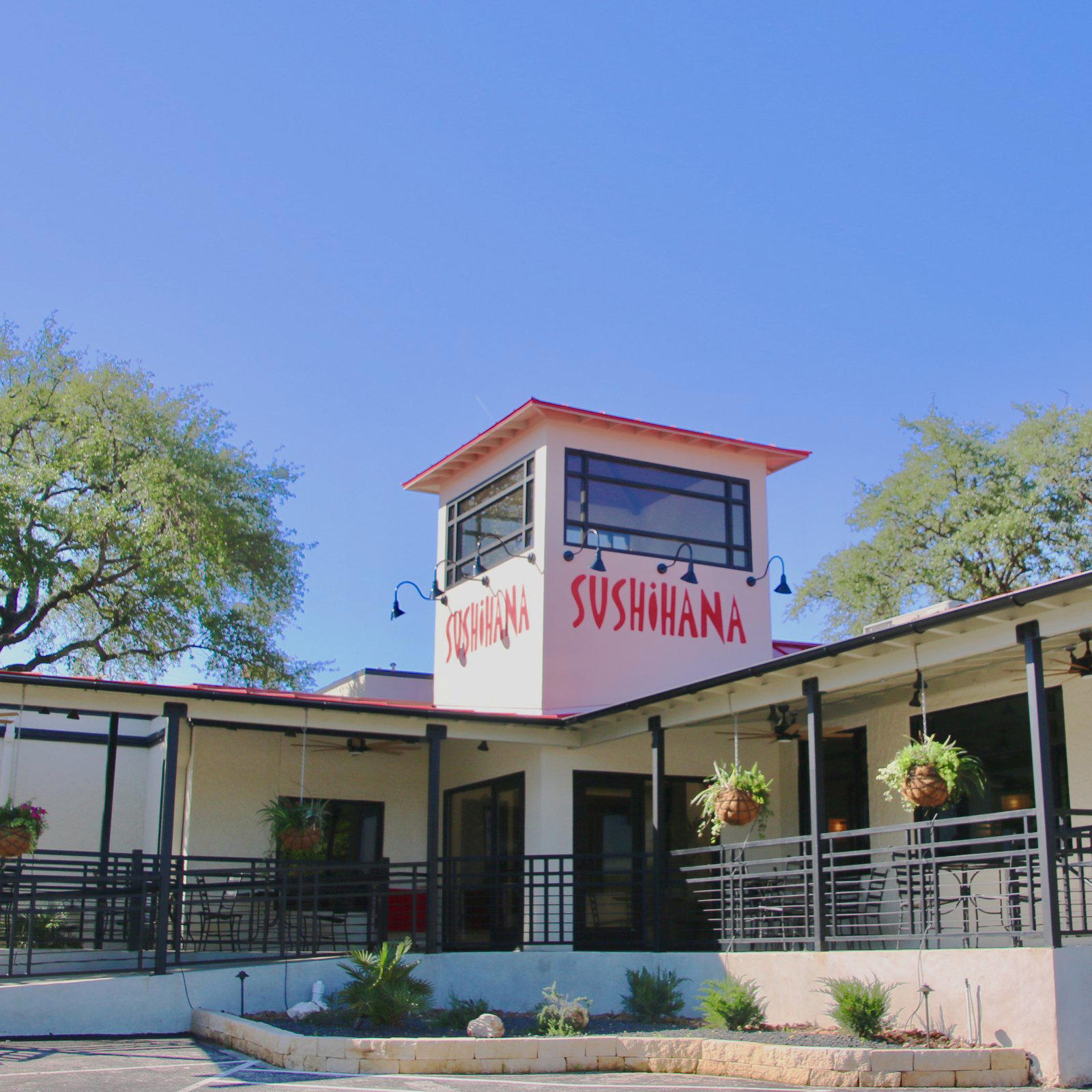
Sushihana Japanese Restaurant on NW Military Highway has built a steady following among Castle Hills diners seeking Japanese cooking at a remove from the downtown San Antonio circuit. The address puts it squarely in the suburban corridor that has quietly become one of the city's more consistent stretches for non-American cuisines, alongside Korean, Thai, and Neapolitan neighbours.

Pearl is the En Primeur Club membership app — saves, bookings, and concierge access live there. Same editors, same standards.
- Address
- 1810 NW Military Hwy, San Antonio, TX 78213
- Phone
- (210) 340-7808
- Hours
- Mon ClosedTue–Sat 11 AM–2 PM, 5–9 PMSun Closed
- Website
- sushihanasan.com
- Directions
- Get directions
- Booking
- Book on Resy
The menu
What to order
- Dictator roll
- Dragon roll
- Rock and Roll roll
Japanese Dining in the NW Military Corridor
San Antonio's Japanese restaurant scene does not cluster the way the city's Tex-Mex or steakhouse circuits do. Instead, it is dispersed across suburban corridors where rent structures allow smaller operators to run tighter, more ingredient-focused kitchens without the downtown premium eating into every decision. The NW Military Highway stretch through Castle Hills belongs to that pattern. Sushihana Japanese Restaurant, at 1810 NW Military Hwy, sits within a block cluster that also includes Ilsong Garden, Sawasdee Thai Cuisine, and further along, Dough Pizzeria Napoletana and Clementine. The corridor works as a dining destination precisely because these kitchens are not competing on spectacle — they compete on consistency and repeat custom.
Approaching Sushihana, the setting is suburban Texas: a strip-mall-adjacent address on a six-lane highway, the kind of context that filters out first-time visitors in search of atmosphere and leaves behind a dining room almost entirely composed of people who know exactly what they came for. That self-selecting clientele is itself a signal worth reading. In American Japanese dining, the most reliable quality indicator is often not a Michelin star or a 50 Best placement — credentials that tend to concentrate in New York, Los Angeles, and Chicago at venues like Atomix or Providence, but rather the composition of the room on a Tuesday night.
The Structure of a Japanese Meal Here
Japanese restaurant dining in America has developed along two broad tracks. One is the omakase format, where the kitchen controls the sequence entirely, a structure that has become central to how ambitious Japanese cooking is presented at places like Le Bernardin in New York City, which uses similar tasting-menu discipline for its seafood programs. The other is the à la carte format that allows diners to assemble their own meal across appetisers, rolls, nigiri, and cooked dishes. Suburban Japanese restaurants in the American South and Southwest have overwhelmingly favoured the second approach, which places considerable weight on the diner's own knowledge of how to sequence a meal.
In this format, the ritual of the meal is not scripted by the kitchen, it is constructed by the table. That shift in agency changes the dining experience fundamentally. A well-ordered Japanese à la carte meal should move from lighter, cleaner preparations toward richer or heavier ones: clear soups and sashimi before cooked dishes and rolls, with pickled or dressed items used as palate transitions. Diners who understand that architecture tend to have a measurably different experience at places like Sushihana than those who build a meal around whatever sounds appealing in isolation on the menu. The onus is on the guest in a way that structured tasting-menu formats, like those at Alinea in Chicago, Lazy Bear in San Francisco, or Single Thread Farm in Healdsburg, deliberately remove.
Sushihana in the Context of Castle Hills Dining
Castle Hills operates as an incorporated city within Bexar County, effectively surrounded by San Antonio, and its dining character reflects that position: close enough to the San Antonio restaurant market to draw from it, distinct enough to have developed its own regulars base that does not need the downtown circuit at all. The Japanese category in this corridor does not have the depth of, say, the Korean dining options anchored by Ilsong Garden, but Sushihana has held a consistent presence in a category where turnover is high. Longevity in suburban American Japanese dining is its own form of credentialing, it implies a regular clientele stable enough to sustain the kitchen through the normal pressures of ingredient costs and staffing.
For reference, the tier of American Japanese dining that attracts formal recognition extends from the metropolitan hubs out to a handful of destination properties: venues like The French Laundry in Napa operate in an entirely different economic and editorial register, while Addison in San Diego and The Inn at Little Washington show how Michelin-calibre ambition gets expressed outside the primary markets. Sushihana does not operate in that register and should not be evaluated against it. See our full Castle Hills restaurants guide for how it maps within the wider local picture.
What the Dining Experience Involves
The customs of eating at a suburban Japanese restaurant in Texas carry a few consistent expectations worth naming for anyone unfamiliar with the format. Service tends toward efficiency rather than elaboration, the restaurant is not positioned as a destination for extended multi-hour meals in the manner of Blue Hill at Stone Barns in Tarrytown or Bacchanalia in Atlanta. Pacing is driven by how quickly the table orders and how many cooked dishes are included. Sushi and sashimi come to the table as they are prepared; cooked dishes may arrive in a less predictable sequence depending on kitchen flow. Edamame and miso soup are almost universal openers in the format, functioning as the Japanese equivalent of the bread service that opens a European-style dining room.
The etiquette around soy sauce and wasabi at a suburban Japanese restaurant differs meaningfully from omakase protocol, where adding condiments to nigiri is considered an override of the chef's preparation. In the à la carte format, mixing wasabi into soy sauce is entirely standard and broadly expected. Ginger is a palate cleanser between fish, not a condiment to eat alongside it, a distinction that separates experienced diners from occasional visitors in any Japanese setting, from the most casual to the calibre of 8½ Otto e Mezzo Bombana in Hong Kong.
Planning a Visit
Sushihana is located at 1810 NW Military Hwy, San Antonio, TX 78213. The NW Military Highway corridor is accessible by car and sits outside the downtown San Antonio core, making it a practical choice for diners based in the northwest side of the city. For context on the broader Castle Hills dining picture and which nights particular venues tend to be busiest, the Castle Hills restaurant guide covers the corridor in full. Comparison kitchens worth considering on the same stretch include Sawasdee Thai Cuisine for Southeast Asian cooking and Emeril's in New Orleans for those planning a broader regional itinerary.
Frequently asked questions
How do I find Sushihana Japanese Restaurant?
Sushihana Japanese Restaurant is located at 1810 NW Military Hwy, San Antonio, TX 78213, Castle Hills.
How does Sushihana Japanese Restaurant compare to Japanese dining options elsewhere in San Antonio?
San Antonio's Japanese restaurant scene is dispersed rather than concentrated, with no single district anchoring the category the way the city's Tex-Mex corridors do. Sushihana's Castle Hills address on NW Military Highway positions it as a neighbourhood option rather than a destination counter, serving a suburban audience that sits geographically removed from the downtown and Pearl District dining clusters. That separation is a practical advantage for residents of Castle Hills and the northwest San Antonio area who want Japanese food without the drive.
What do regulars order at Sushihana Japanese Restaurant?
At suburban Japanese restaurants operating in the Texas market, regulars typically anchor their orders around nigiri, maki rolls, and cooked Japanese staples. The safest approach for a first visit is to ask the kitchen what they are running fresh that week.
How hard is it to get a table at Sushihana Japanese Restaurant?
Castle Hills restaurants in this format generally operate without the extended booking windows required by San Antonio's downtown or omakase-focused venues. Walk-in availability tends to be more accessible at suburban corridor addresses like 1810 NW Military Hwy, though weekend evenings warrant a call ahead.
What has Sushihana Japanese Restaurant built its reputation on?
Sushihana's position on NW Military Highway places it in a corridor where sustained local repeat custom is the primary measure of durability. In Castle Hills, an incorporated city embedded within Bexar County, restaurants that hold their audience over years do so through consistency rather than awards or press cycles. EP Club's data does not record formal award recognition for Sushihana, so its standing is neighbourhood-rooted.
Can Sushihana Japanese Restaurant adjust for dietary needs?
Japanese menus in the suburban Texas format typically include vegetable-forward preparations, tofu-based dishes, and cooked options that give non-seafood diners workable choices. Guests with strict requirements should check the venue's official channels before visiting.
Is a meal at Sushihana Japanese Restaurant worth the investment?
At NW Military Highway corridor pricing, the benchmark is reliable execution at accessible cost, not the per-head figures attached to San Antonio's formal Japanese counters. The restaurant's continued presence in Castle Hills suggests it meets that standard for its local audience.
Cuisine and Awards Snapshot
Comparable venues nearby, for context on price, style, and recognition.
| Venue | Cuisine | Price | Awards | Notes |
|---|---|---|---|---|
| Sushihana Japanese RestaurantThis venue — the venue you are viewing | Contemporary Japanese Sushi & Asian Fusion | $30–50 | Not listed | Not listed |
| Clementine | Global Seasonal Bistro | $50–100 | Not listed | Castle Hills |
| Dough Pizzeria Napoletana | Authentic Neapolitan Pizza | $20–30 | Diners, Drive-Ins and Dives Featured Restaurant | Castle Hills |
| Ilsong Garden | Korean BBQ | $20–30 | Not listed | Castle Hills |
| Sawasdee Thai Cuisine | Authentic Thai Cuisine | $20–30 | Not listed | Castle Hills |
| Shiro Japanese Bistro | Authentic Japanese Sushi Bistro | $30–50 | James Beard Award Semi Finalist | River North District |
Continue exploring
More in Castle Hills
Restaurants in Castle Hills
Browse all →
Bars in Castle Hills
Browse all →

Hotels in Castle Hills
Browse all →

Sushihana Japanese Restaurant
The wine
- Wine program
- Curated wine list
- Sake program
Details
- Cozy
- Elegant
- Modern
- Date Night
- Family
- Casual Hangout
- Sake Program
- A La Carte
- Sake
- Wine
- Vegetarian Friendly
- Gluten Free Options
Current opening hours
- Monday
- Closed
- Tuesday
- 11 AM–2 PM, 5–9 PM
- Wednesday
- 11 AM–2 PM, 5–9 PM
- Thursday
- 11 AM–2 PM, 5–9 PM
- Friday
- 11 AM–2 PM, 5–9 PM
- Saturday
- 11 AM–2 PM, 5–9 PM
- Sunday
- Closed
Hours can change for holidays and private events. Last verified .
Sleek yet traditional Japanese vibe with excellent ambiance, low-level noise suitable for conversation, and upbeat atmosphere.