Ilsong Garden
Our verdict
Ilsong Garden on Blanco Road sits within a stretch of Castle Hills dining that rewards those willing to look past the obvious. The Korean table tradition it represents draws on produce-forward cooking and a depth of fermented pantry ingredients that distinguishes it from the surrounding mix of cuisines. For San Antonio diners with range, it earns a place alongside neighbors like Clementine and Sushihana Japanese Restaurant as a reason to make the drive north.

Pearl is the En Primeur Club membership app — saves, bookings, and concierge access live there. Same editors, same standards.
- Address
- 6905 Blanco Rd, San Antonio, TX 78216
- Phone
- (210) 366-4508
- Hours
- Mon 11 AM–1:30 AMTue ClosedWed–Fri 11 AM–1:30 AMSat–Sun 12 PM–1:30 AM
- Website
- ilsonggardensa.com
- Directions
- Get directions
- Booking
- Book on the venue's website
Blanco Road and the Kitchen Behind It
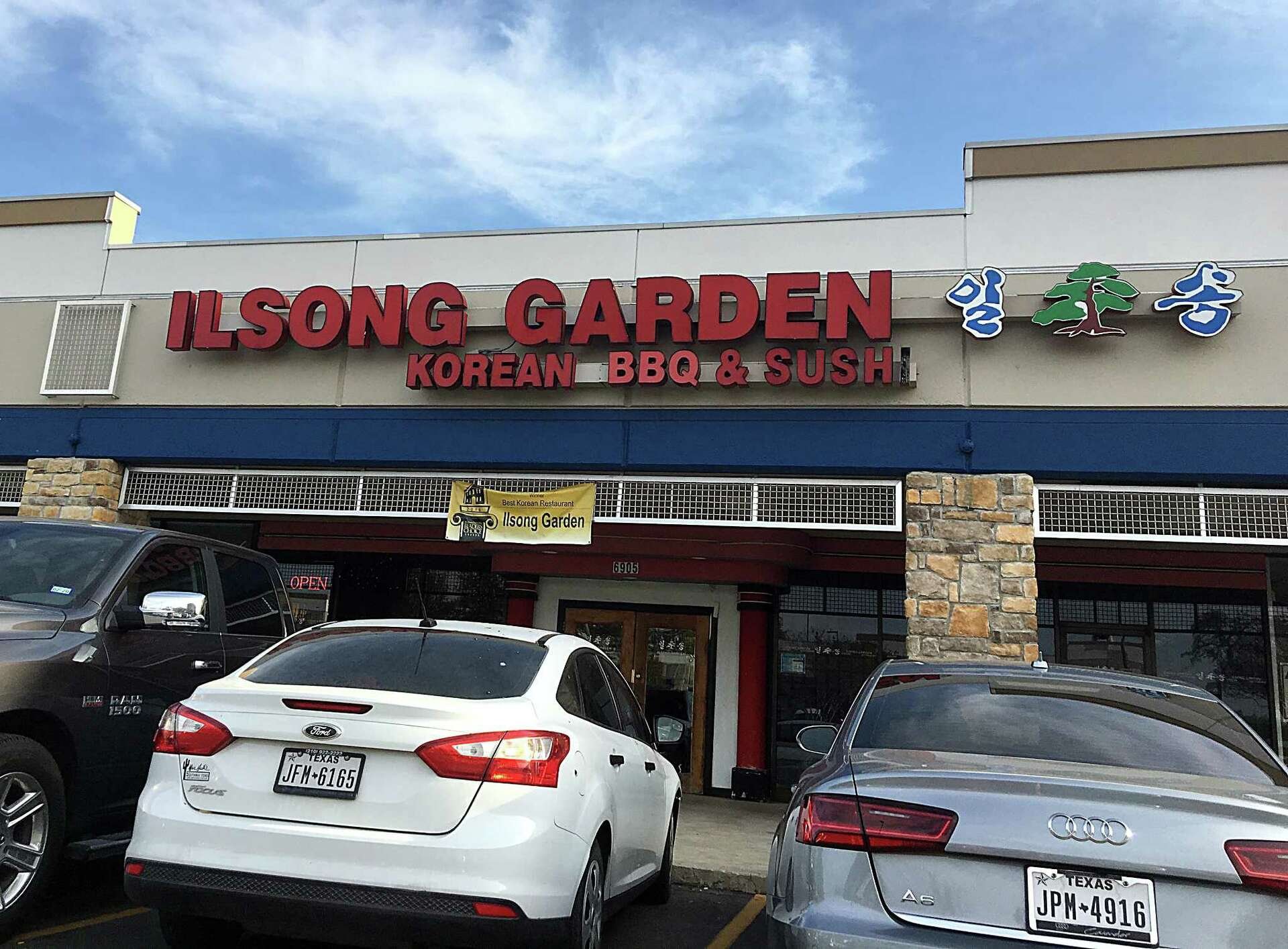
The stretch of Blanco Road running through Castle Hills is not the kind of address that announces itself. Strip-mall frontage, shared parking lots, and the functional signage of businesses built for the surrounding residential neighborhoods rather than for destination traffic — this is the physical context you encounter approaching Ilsong Garden at 6905 Blanco Rd. That context matters, because it describes the character of a significant portion of serious Korean dining in American cities: rooms that say nothing from the outside, kitchens that say a great deal once you sit down.
Korean cuisine, particularly in communities outside the coastal Korean-American concentrations of Los Angeles and New York, tends to operate in exactly this register. The cooking culture carries ingredients and processes that took years or decades to develop — fermented and aged preparations, brined and dried vegetables, slow-built stocks, and those preparations do not require architectural drama to justify themselves. What Ilsong Garden represents, in the broader dining pattern of Castle Hills and north San Antonio, is a category of restaurant where the sourcing logic and the pantry tradition are the product, not the room.
The Ingredient Argument in Korean Cooking
To understand what a Korean restaurant like Ilsong Garden is actually selling, it helps to think about fermentation as the dominant ingredient category, not a footnote. Kimchi, doenjang, ganjang, gochujang: these are not condiments in the Western sense but functional cooking bases, each one representing months of controlled transformation. A well-run Korean kitchen maintains these as running stock, restoring and aging batches in ways that accumulate flavor over time. The sourcing question in Korean dining, then, is not simply where the proteins came from, it is whether the fermented foundations of the menu were made in-house, sourced from a producer whose process is known, or replaced with mass-produced shortcuts.
That distinction shapes what you taste at every table. House-fermented doenjang carries a depth and bitterness that commercial versions smooth out. Kimchi aged beyond the fresh-cut stage develops a sourness and complexity that alters every dish it enters. This is the ingredient argument at the center of Korean cooking, and it is the axis on which the category's better restaurants differ most sharply from its weaker ones. Across American cities, Korean dining has moved toward this recognition in the past decade, a shift visible at the highest level in restaurants like Atomix in New York City, which has formalized Korean fermentation logic into a tasting menu format that draws direct comparisons to the sourcing-led frameworks of places like Blue Hill at Stone Barns in Tarrytown or Single Thread Farm in Healdsburg.
Ilsong Garden operates in a different tier and a different register than those tasting-room formats, but the underlying ingredient logic is the same tradition. What Korean cooking does with a deep fermented pantry is structurally analogous to what farm-to-table American restaurants do with direct producer relationships: it is a commitment to starting points that determines the quality of endpoints.
Castle Hills as a Dining Context
Castle Hills sits just north of San Antonio proper, and its dining scene reflects the character of a mid-density suburban enclave with a mix of long-established independents and newer entries. The corridor along Blanco Road concentrates a meaningful share of that scene. Clementine represents the American fine-dining end of the spectrum. Dough Pizzeria Napoletana addresses the wood-fired Neapolitan category with documented seriousness. Sawasdee Thai Cuisine and Sushihana Japanese Restaurant fill out the Asian dining range. Ilsong Garden adds Korean to that inventory, and in doing so covers a tradition that the broader Castle Hills area would otherwise lack.
For anyone using Castle Hills as a dining base rather than a one-off destination, the variety is more useful than it might first appear. The full picture is in our full Castle Hills restaurants guide, which maps the neighborhood's options against each other with more granularity.
The national framing is worth keeping in mind. San Antonio's Korean dining scene operates without the density that allows a city like Los Angeles, where Providence and the Korean-American community around Koreatown have developed in parallel, to sustain dozens of specialized formats. In cities where Korean dining is spread thin, individual restaurants carry more of the representational weight. What a single address like Ilsong Garden offers becomes, by default, the accessible reference point for a cuisine that elsewhere fragments across banchan specialists, KBBQ halls, jjigae houses, and modern omakase formats. That compression can work in a restaurant's favor: a broader menu, served with attention to the pantry foundations, reaches more of the tradition in a single sitting.
The Broader Sourcing Conversation
Ingredient sourcing has become the central credentialing argument across American fine dining in the past fifteen years. Restaurants from Le Bernardin in New York City to The French Laundry in Napa, from Addison in San Diego to Bacchanalia in Atlanta, have built their reputations partly on supply-chain transparency: named farms, documented relationships, seasonal specificity. That conversation, mostly conducted in the idiom of European-influenced American cuisine, has been slower to incorporate what Korean kitchens have practiced for generations through their fermentation traditions.
The shift is happening. Emeril's in New Orleans, Lazy Bear in San Francisco, and Alinea in Chicago have all, in different ways, formalized the idea that process-intensive preparation is itself a form of sourcing depth. Korean cooking makes this argument without needing to frame it as a philosophy: the banchan spread on arrival is a live index of what the kitchen has been making and aging in the weeks before your visit. Whether those preparations at Ilsong Garden reflect the depth that distinguishes a serious Korean kitchen from a functional one is the question worth bringing to the table.
Planning a Visit
Ilsong Garden is located at 6905 Blanco Rd in San Antonio, TX 78216, accessible by car from central San Antonio in under twenty minutes depending on traffic. As with many independently operated Korean restaurants in suburban American settings, the experience tends to reward going with a group: banchan portions and the logic of shared ordering across multiple protein and stew options assume a table rather than a solo diner. For dietary considerations or menu questions, direct contact with the restaurant is the appropriate channel.
Frequently asked questions
What part of town is Ilsong Garden in?
Ilsong Garden is located at 6905 Blanco Rd, San Antonio, TX 78216, Castle Hills.
Is Ilsong Garden a good option for Korean food in the San Antonio area compared to restaurants closer to downtown?
Ilsong Garden sits in Castle Hills, north of the urban core, which puts it outside the downtown San Antonio dining corridor but within roughly a twenty-minute drive from central San Antonio depending on traffic. For diners in the north side or near the Blanco Road corridor, the proximity makes it the more practical option over downtown alternatives. The restaurant at 6905 Blanco Rd, San Antonio, TX 78216 occupies a part of the city where Korean kitchens are not densely clustered, giving it a degree of local significance in that specific geography.
What should I order at Ilsong Garden?
Ilsong Garden's menu is grounded in traditional Korean cooking where fermented preparations — kimchi, doenjang, ganjang — function as primary flavour components rather than condiments. Given the Castle Hills address and the kitchen's apparent focus on the full Korean pantry, dishes built around those fermented bases are the most reliable entry point into what the restaurant does. Specific menu items and current availability are best confirmed directly with the restaurant at 6905 Blanco Rd.
Should I book Ilsong Garden in advance?
Korean restaurants with a consistent neighbourhood following in mid-density suburban areas like Castle Hills often fill tables during weekend dinner service without much warning. Calling ahead is the practical approach here, particularly for groups larger than two or three. The restaurant is located at 6905 Blanco Rd, San Antonio, TX 78216.
What is Ilsong Garden known for?
Ilsong Garden is a Korean restaurant on Blanco Road in Castle Hills, a strip of north San Antonio that has sustained a small but consistent cluster of long-established dining spots. In that context, it represents the kind of neighbourhood fixture that builds its reputation through repeat locals rather than national press coverage. The kitchen's foundation in Korean cooking places fermentation at the centre of the menu.
Can Ilsong Garden adjust for dietary needs?
Traditional Korean cooking uses fermented soy, fish sauce, and shellfish pastes across a wide range of dishes, which creates real constraints for vegetarian, vegan, or shellfish-allergic diners. Whether the kitchen at 6905 Blanco Rd can substitute or adapt specific preparations is worth raising directly with staff before ordering. Communicating restrictions at the point of reservation or arrival gives the best chance of a workable result.
Comparison Snapshot
Comparable venues nearby, for context on price, style, and recognition.
| Venue | Cuisine | Price | Awards | Notes |
|---|---|---|---|---|
| Ilsong GardenThis venue — the venue you are viewing | Korean BBQ | $20–30 | Not listed | Not listed |
| Sushihana Japanese Restaurant | Contemporary Japanese Sushi & Asian Fusion | $30–50 | Not listed | Castle Hills |
| Sawasdee Thai Cuisine | Authentic Thai Cuisine | $20–30 | Not listed | Castle Hills |
| Dough Pizzeria Napoletana | Authentic Neapolitan Pizza | $20–30 | Diners, Drive-Ins and Dives Featured Restaurant | Castle Hills |
| Clementine | Global Seasonal Bistro | $50–100 | Not listed | Castle Hills |
| Pasha Mediterranean Grill | Mediterranean & Greek Grill | $20–30 | Not listed | Northwest |
Continue exploring
More in Castle Hills
Restaurants in Castle Hills
Browse all →
Bars in Castle Hills
Browse all →
Hotels in Castle Hills
Browse all →

Details
- Casual Hangout
- Late Night
- A La Carte
Current opening hours
- Monday
- 11 AM–1:30 AM
- Tuesday
- Closed
- Wednesday
- 11 AM–1:30 AM
- Thursday
- 11 AM–1:30 AM
- Friday
- 11 AM–1:30 AM
- Saturday
- 12 PM–1:30 AM
- Sunday
- 12 PM–1:30 AM
Hours can change for holidays and private events. Last verified .
Casual atmosphere with tasty food and excellent service, open late into the night.