Sushico
Sushico brings Japanese-influenced dining to Скопје's Аминта Трети corridor, a stretch that has quietly accumulated some of the city's more considered restaurant openings. Against a Macedonian dining scene that skews heavily toward grilled meats and Balkan staples, a sushi-focused address represents a distinct departure — one worth understanding before you book.
 Discover on Pearl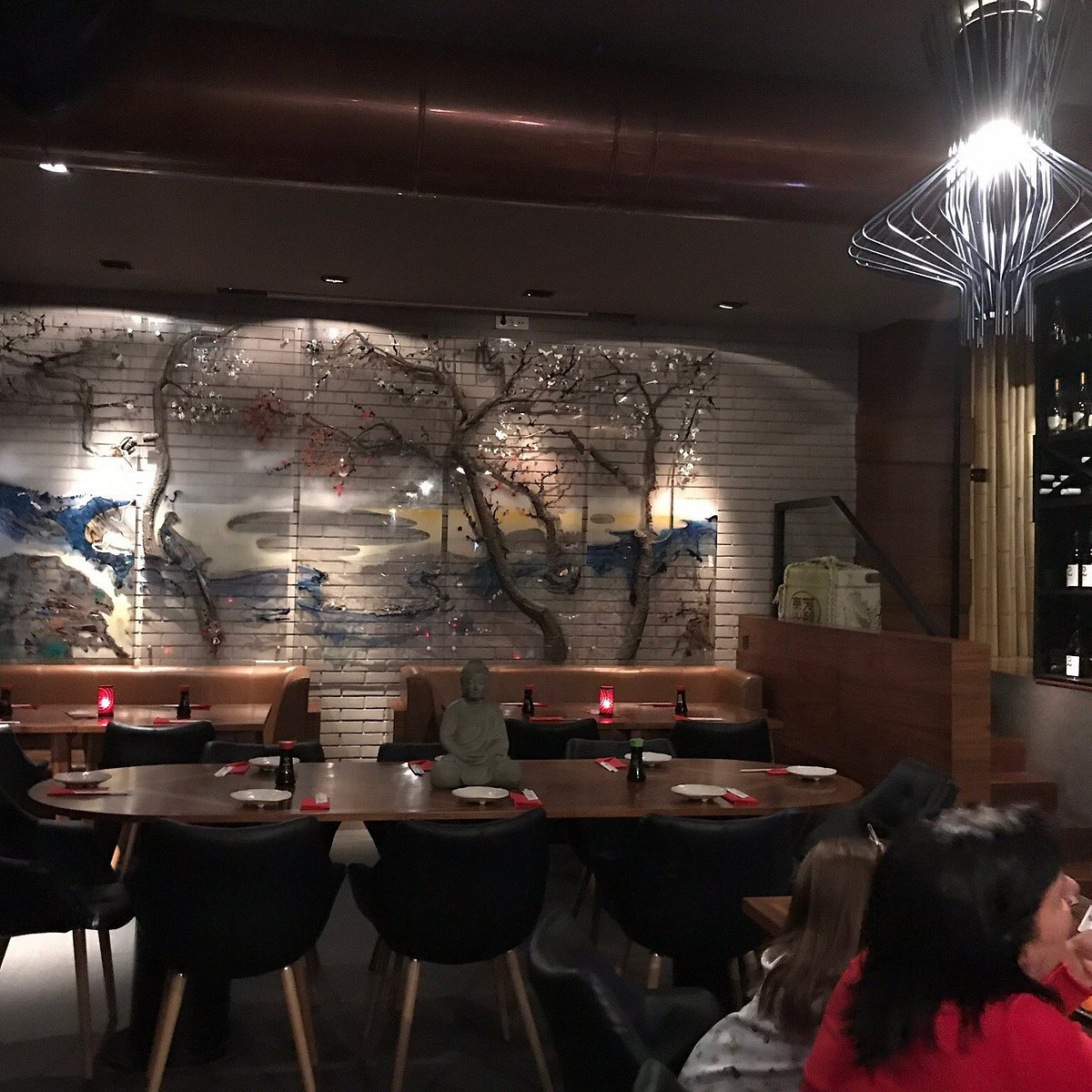
A Japanese Premise in a Balkan City
Скопје's dining scene has been reorganising itself steadily over the past decade. The old city-centre reliance on traditional Macedonian fare — tavče gravče, grilled kebapčinja, meze spreads built around ajvar and white cheese — remains the dominant register, but a younger tier of restaurants has been staking out different ground. Sushico, on Аминта Трети 29, sits within that shift: a sushi-oriented address in a city where Japanese cuisine still occupies a relatively small share of the restaurant market. That positioning alone gives it a different gravitational pull than the city's more conventional options.
The address places Sushico in a part of central Скопје that has attracted a mix of mid-range and slightly more considered dining over recent years. Аминта Трети is a navigable stretch , central enough to reach on foot from the main pedestrian zones, without the tourist-facing pressure of the old bazaar area. For context, venues like Distrikt, Medo, and Old House Restaurant (Ресторан Стара куќа) have each carved out distinct identities in the city's broader restaurant conversation, while La Terrazza represents the Italian-inflected end of the same general appetite for alternatives to purely traditional Macedonian cooking. Sushico occupies a different niche from all of them, one defined by cuisine type rather than format or price positioning.
The shortlist, unlocked.
Hard-to-book tables, cellar releases, and concierge-planned trips.
Get Exclusive Access →What Japanese Dining Looks Like at This Latitude
Japanese cuisine in the Western Balkans follows a predictable evolution: cities develop sushi restaurants well before omakase counters or ramen specialists arrive, and the sushi format itself tends to be adapted toward local preferences , rolls over nigiri, accessible flavour profiles, shared formats rather than solo tasting progressions. Скопје is not Tokyo, and it is not Hong Kong, where Amber or 8½ Otto e Mezzo Bombana represent the density of international fine dining in a major financial hub. Nor is it a city like New York, where the precision-led technical programs at places like Atomix or the classical seafood authority of Le Bernardin have set a benchmark that filters down through the market. In Скопје, a sushi address is evaluated on different terms: accessibility, consistency, and whether it delivers something meaningfully different from the surrounding options.
That evaluation matters for how you frame your expectations. The pleasure of eating Japanese food in a Balkan context is partly the contrast itself , the clean lines of a sushi plate against an evening that might begin with a rakija and end with Turkish coffee. Cities that lack a deep Japanese culinary infrastructure often produce restaurants that compensate with energy and directness. The sourcing chains are longer, the ingredient pools narrower, but the dining experience can still be coherent if the kitchen is disciplined about what it offers.
The Street, the Setting, and What It Signals
Arriving at Аминта Трети, the immediate context is urban and low-key , this is not the theatrical riverside promenade stretch of Скопје 2014-era architecture, with its neoclassical facades and illuminated bridges. The address feels more functional, more local. That has implications for the atmosphere inside: restaurants in this part of central Скопје tend to draw a mix of neighbourhood regulars and city-wide diners who have sought the place out specifically, rather than tourists passing through. For a Japanese restaurant in particular, that audience mix tends to produce a more relaxed, knowledgeable room than venues positioned primarily for visitors.
In terms of what surrounds it, Скопје's central dining geography concentrates options within a walkable radius. If Sushico doesn't satisfy a particular craving on a given visit, Casablanca Restaurant in Skopje offers a different register entirely. And for those exploring North Macedonia more broadly, the dining conversation extends beyond the capital: Prova Pizza in Ohrid and Bon Tacos in Bitola show how secondary cities in the country are developing their own restaurant identities. Our full Скопје restaurants guide maps the wider field if you are planning a longer stay.
Planning Your Visit
The practical information available for Sushico is limited: no confirmed hours, booking policy, or price range appears in the venue record at the time of writing, which means the most reliable approach is to visit the address directly or contact the venue ahead of time to confirm current operating details. For a restaurant of this type in Скопје, walk-in availability is plausible outside peak weekend evening hours, but Japanese restaurants in smaller markets can run lean on staffing and occasionally close without much notice , confirming in advance is worth the effort. The address at Аминта Трети 29 in the 1000 postal district is direct to locate within the central city grid.
Sushico does not appear in current international award documentation , no Michelin recognition, no 50 Best listing, no regional award citations are on record. That puts it in a different frame of reference from the kind of venues where reputation is pre-certified: the three-star authority of Alain Ducasse at Louis XV in Monte Carlo, the avant-garde precision of Alinea in Chicago, the technical ambition of Alléno Paris au Pavillon Ledoyen, or the marine-driven creativity of Aponiente in El Puerto de Santa María. Sushico operates in a different tier entirely, in a market where the reference points are local and regional rather than international. The relevant question for a diner in Скопје is not whether it competes with globally-recognised fine dining, but whether it delivers consistent, considered Japanese cooking in a city where that option is genuinely scarce. Equally ambitious American restaurant destinations like Lazy Bear in San Francisco or Emeril's in New Orleans operate in markets dense with competition and long dining traditions , Sushico's context is defined by relative scarcity, which shapes what it means to do this kind of cooking here at all.
Frequently Asked Questions
- Does Sushico work for a family meal?
- In Скопје's dining market, sushi restaurants tend to accommodate mixed groups and families more readily than in cities where the format skews toward specialist or counter-only formats. Without confirmed seating details on record, it is worth contacting the venue directly to check capacity and group arrangements. The central city location on Аминта Трети makes it accessible for an early evening dinner rather than a late-night sitting.
- What should I expect atmosphere-wise at Sushico?
- The address sits in a functional, local part of central Скопје rather than a tourist-facing zone, which typically produces a more relaxed room. Japanese restaurants in the Western Balkans at this market stage tend toward casual dining formats with an emphasis on accessibility over ceremony. No confirmed style data is on record for this venue, so managing expectations conservatively is sensible , this is likely a direct neighbourhood dining experience rather than a high-production environment.
- What should I order at Sushico?
- No signature dish data or menu details are confirmed in the venue record at the time of writing. For Japanese restaurants operating in markets without deep local sourcing infrastructure, roll-based formats and cooked options alongside sashimi tend to be the most reliably executed. Asking the kitchen directly about what is freshest on a given visit is usually the most useful approach in this context.
- Is Sushico reservation-only?
- No confirmed booking policy is on record for Sushico. In Скопје's mid-range dining tier, walk-in dining is common, particularly outside Friday and Saturday evenings. Contacting the venue ahead of a visit is recommended given limited public information about current hours and format.
- How does Sushico fit into Скопје's broader Japanese and Asian dining options?
- Japanese cuisine remains a small segment of Скопје's restaurant market, which is still dominated by Balkan and Mediterranean cooking traditions. Sushico on Аминта Трети 29 represents one of the city's dedicated sushi addresses, positioning it in a niche that has limited direct competition locally. For diners accustomed to cities with dense Asian dining scenes, the frame of reference here is regional scarcity rather than competitive depth , which makes the venue's existence more notable than any individual credential on record.
The Quick Read
A fast peer set for context, pulled from similar venues in our database.
| Venue | Notes | Price |
|---|---|---|
| Sushico | This venue | |
| Distrikt | ||
| Medo | ||
| Old House Restaurant (Ресторан Стара куќа) | ||
| La Terrazza |
Need a table?
Our members enjoy priority alerts and concierge-led booking support for the world's most difficult tables.
Get Exclusive AccessThe shortlist, unlocked.
Hard-to-book tables, cellar releases, and concierge-planned trips.
Get Exclusive Access →