Casablanca Restaurant
Casablanca Restaurant sits within Skopje's mid-tier dining scene, where Macedonian culinary traditions and regional sourcing patterns intersect. The room draws a local crowd that values familiar cooking over trend-chasing. For travellers working through the city's restaurant options, it represents a grounded entry point into the produce-led cooking that defines this part of the southern Balkans.
Pearl is the En Primeur Club membership app — saves, bookings, and concierge access live there. Same editors, same standards.
- Address
- Skopje 1000, North Macedonia
- Phone
- +38970398634
- Directions
- Get directions
 Saves & bookings on Pearl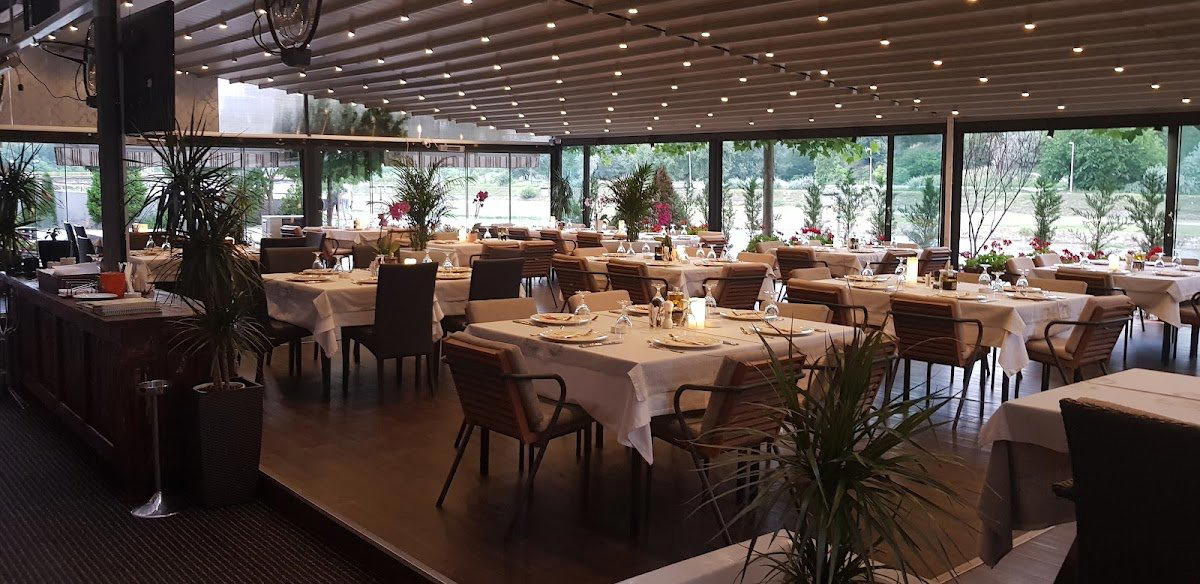
Where Skopje's Dining Character Shows Itself
Skopje is not a city that announces its food culture loudly. The Macedonian capital has spent the past two decades rebuilding its public identity around architecture and monuments, but the more instructive story happens in its restaurants, where a cooking tradition rooted in Balkan livestock rearing, lake fisheries, and mountain herb foraging continues with relatively little outside interference. That regional self-sufficiency is not a marketing position here, it reflects the actual supply chains that kitchens across the city depend on. Casablanca Restaurant is a casual Traditional Macedonian & Mediterranean restaurant in Skopje, North Macedonia.
The sourcing logic that shapes Skopje's better restaurants is worth understanding before you book a table anywhere. North Macedonia sits at a geographic junction where Adriatic coastal influence, Ottoman pantry traditions, and Central European preservation techniques all converge. The result is a table that prizes dried peppers, slow-braised meats, freshwater species from Lake Ohrid, and aged dairy in ways that have more in common with Sarajevo or Thessaloniki than with the Western European dining norms that guide most international restaurant coverage. When you eat in this city with that context, what might read as simplicity on a menu reveals itself as fidelity to a specific ingredient tradition.
The Room and What It Tells You
Restaurants in Skopje's central districts tend to read as hybrid spaces: part café culture, part dining room, shaped by the social habit of long, unhurried meals that define Balkan hospitality. The physical approach to many of these spaces is direct, street-level entries, interiors that prioritise comfort over design statements, lighting calibrated for conversation rather than food photography. Casablanca fits the profile of a Skopje establishment oriented toward local regulars rather than passing hotel guests, which in practice means the atmosphere reflects a community of diners who know what they want and return for it. That consistency is a more reliable quality signal in this market than any single season's menu.
For comparison, the higher register of regional sourcing-led cooking in Europe, places like Atelier Moessmer Norbert Niederkofler in Brunico or Reale in Castel di Sangro, frames ingredient provenance as the explicit editorial position of the kitchen. In Skopje, that same sourcing logic operates more quietly, without the tasting-menu apparatus or the awarded credentials of, say, Piazza Duomo in Alba or Uliassi in Senigallia. The ingredient relationship is still present, it just doesn't require a press release.
Sourcing Traditions in the Southern Balkans
The supply geography around Skopje is unusually compact for a capital city. Sheep and goat dairy from the western highlands, paprika grown in the Strumica valley, river trout and carp from the Vardar basin, wild mushrooms from the Shar Mountain foothills, these are not aspirational provenance claims but the practical answer to what was available before refrigerated logistics changed how kitchens procure. Restaurants that have retained direct relationships with those supply sources tend to cook with a confidence in the base product that more interventionist kitchens can't easily replicate. This is the axis on which Skopje's more grounded dining establishments differentiate from the city's newer venues chasing international format trends.
That context matters because it repositions what you should look for on the plate. In cities like New York, where restaurants such as Atomix or Le Bernardin have built their reputations on sourcing specificity expressed through precise technique, provenance is worn visibly. In Skopje, the same provenance is woven into the everyday logic of the kitchen. Establishments like Matto Napoletano represent the city's turn toward imported culinary formats, while more traditional kitchens continue cooking from the regional pantry with less fanfare and, often, more accuracy.
How Casablanca Sits in Its comparable set
Skopje's restaurant market has a clear tiered structure. At the upper end, a small number of establishments have invested in format ambition, longer menus, considered wine lists, design-conscious rooms. Below that sits a larger cohort of mid-market restaurants where price points are accessible, portions are generous by Western European standards, and the cooking draws on the same Macedonian pantry without the same presentation vocabulary. Casablanca operates in the city rather than positioning itself against international fine-dining benchmarks, which means it should be evaluated on different terms than, say, Jordnær in Gentofte or Waterside Inn in Bray. The comparison set is local, and within that set, the relevant questions are consistency, sourcing honesty, and whether the kitchen produces food that reflects the actual character of Macedonian cooking rather than a diluted version of it.
For a broader sense of how the city's options map against each other, our full Skopje restaurants guide sets out the range. Internationally, the sourcing-led model that shapes Balkan cooking at its most coherent finds parallels in places as different as Dal Pescatore in Runate, Quattro Passi in Marina del Cantone, and Arzak in San Sebastián, each building its identity from a defined regional pantry rather than from imported ingredients or format trends. The scale and ambition differ enormously, but the underlying logic connects.
Planning Your Visit
Skopje's dining culture skews toward later meal times than Northern European visitors expect, with dinner services typically animated from 8pm onwards and tables often occupied well into the evening. The city's central restaurant zone is compact and walkable, which makes informal evening exploration practical. Casablanca is recommended for reservations, and it is open Monday through Saturday from 8 AM to 12 AM; Sunday it is closed. Visiting earlier in a service tends to give more flexibility for walk-in seating at establishments in this category, though demand patterns can shift on weekends and around local public events. Prices across Skopje's non-luxury dining tier remain lower than comparable meals in most EU capitals, which means mid-market here represents genuine value by Western European standards.
The absence of ceremony focuses attention on what the cooking actually tastes like, and in the southern Balkans, that tends to reward attention.
At-a-Glance Comparison
Comparable venues nearby, for context on price, style, and recognition.
| Venue | Cuisine | Price | Notes |
|---|---|---|---|
| Casablanca RestaurantThis venue — the venue you are viewing | Traditional Macedonian & Mediterranean | $$ | Not listed |
| Distrikt | Macedonian, Mediterranean & Eastern European Fusion | $$ | Center |
| Old House Restaurant (Ресторан Стара куќа) | Traditional Macedonian | $$ | Pajko Maalo |
| Sushico | Japanese Sushi and Asian | $$ | City Center |
| Medo | Turkish Lahmacun & Pide | $$ | Old Bazaar |
| Matto Napoletano | Contemporary Neapolitan Pizza | $$ | Debarca |
Continue exploring
More in Skopje
Restaurants in Skopje
Browse all →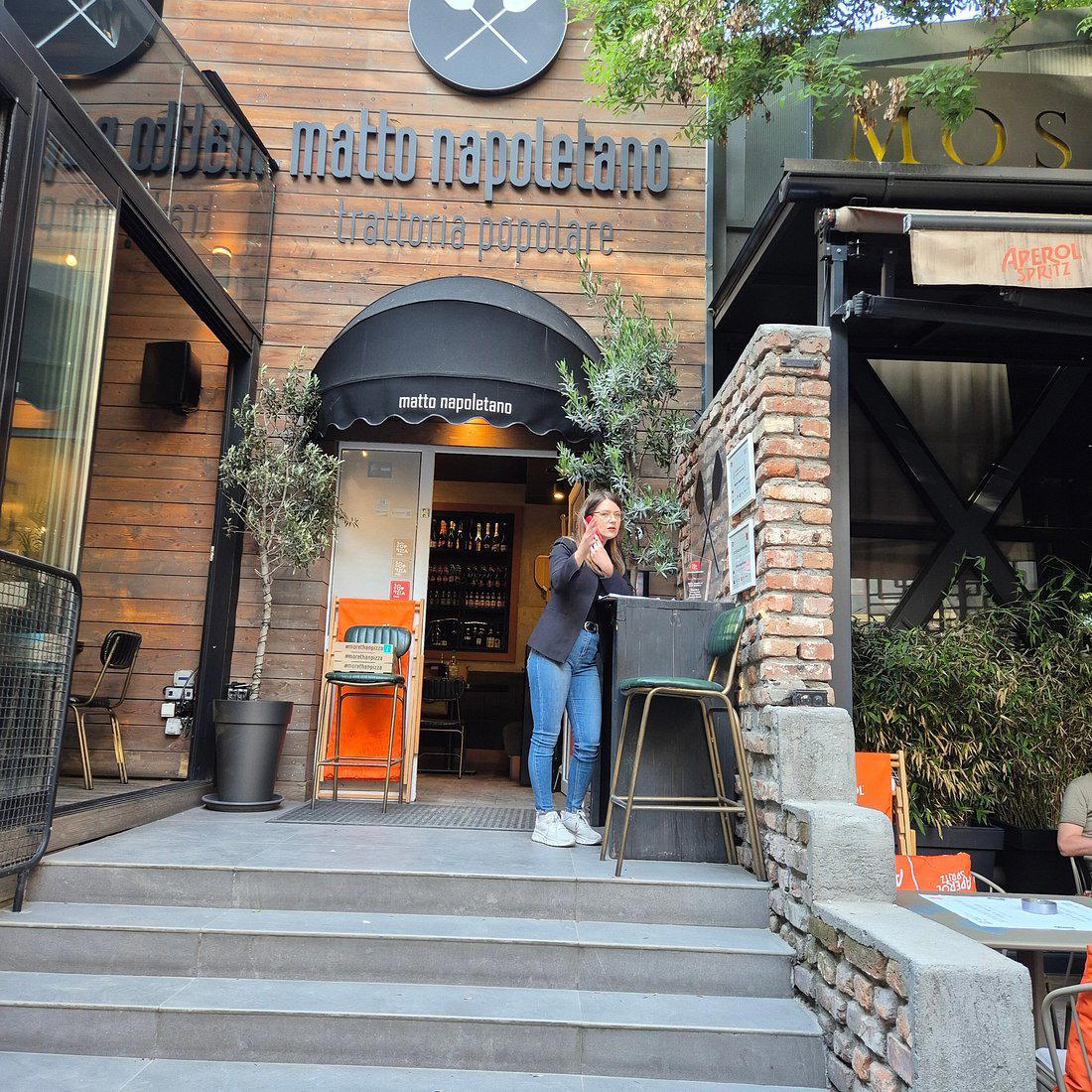
At a Glance
- Cozy
- Classic
- Rustic
- Casual Hangout
- Family
- Group Dining
- Standalone
- Local Sourcing
Current opening hours
- Monday
- 8 AM–12 AM
- Tuesday
- 8 AM–12 AM
- Wednesday
- 8 AM–12 AM
- Thursday
- 8 AM–12 AM
- Friday
- 8 AM–12 AM
- Saturday
- 8 AM–12 AM
- Sunday
- Closed
Hours can change for holidays and private events. Last verified .
Cozy and warm with a classic, home-cooking aesthetic that reflects the restaurant's focus on traditional Macedonian hospitality.