
Hirosaki’s sushi culture is shaped by access to northern waters and a dining scene that rewards restraint over spectacle. Sushi Uehara belongs in that conversation through a fish-led counter format, 17-seat scale, private rooms for small groups, and selection for Tabelog Sushi EAST 100 in 2025 and 2022.
Pearl is the En Primeur Club membership app — saves, bookings, and concierge access live there. Same editors, same standards.
- Address
- 青森県弘前市土手町31 土手町コミュニティーパーク ごちそうプラザ
- Phone
- +81172888378
- Website
- sushitamura.jp
- Directions
- Get directions
 Saves & bookings on Pearl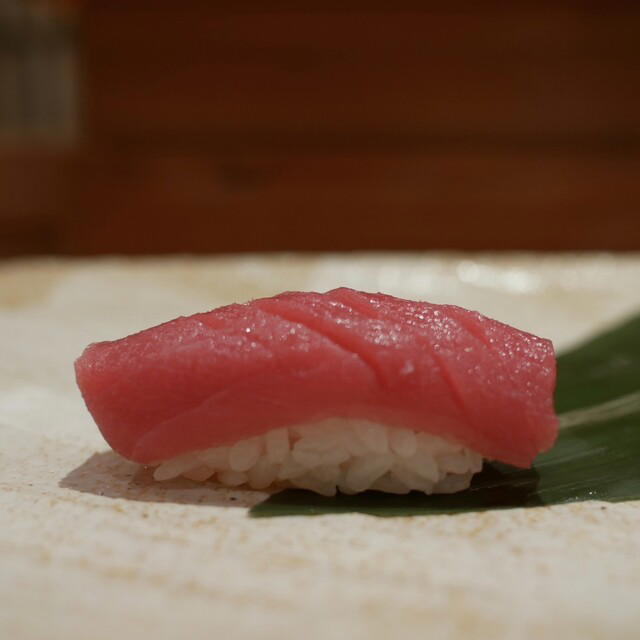
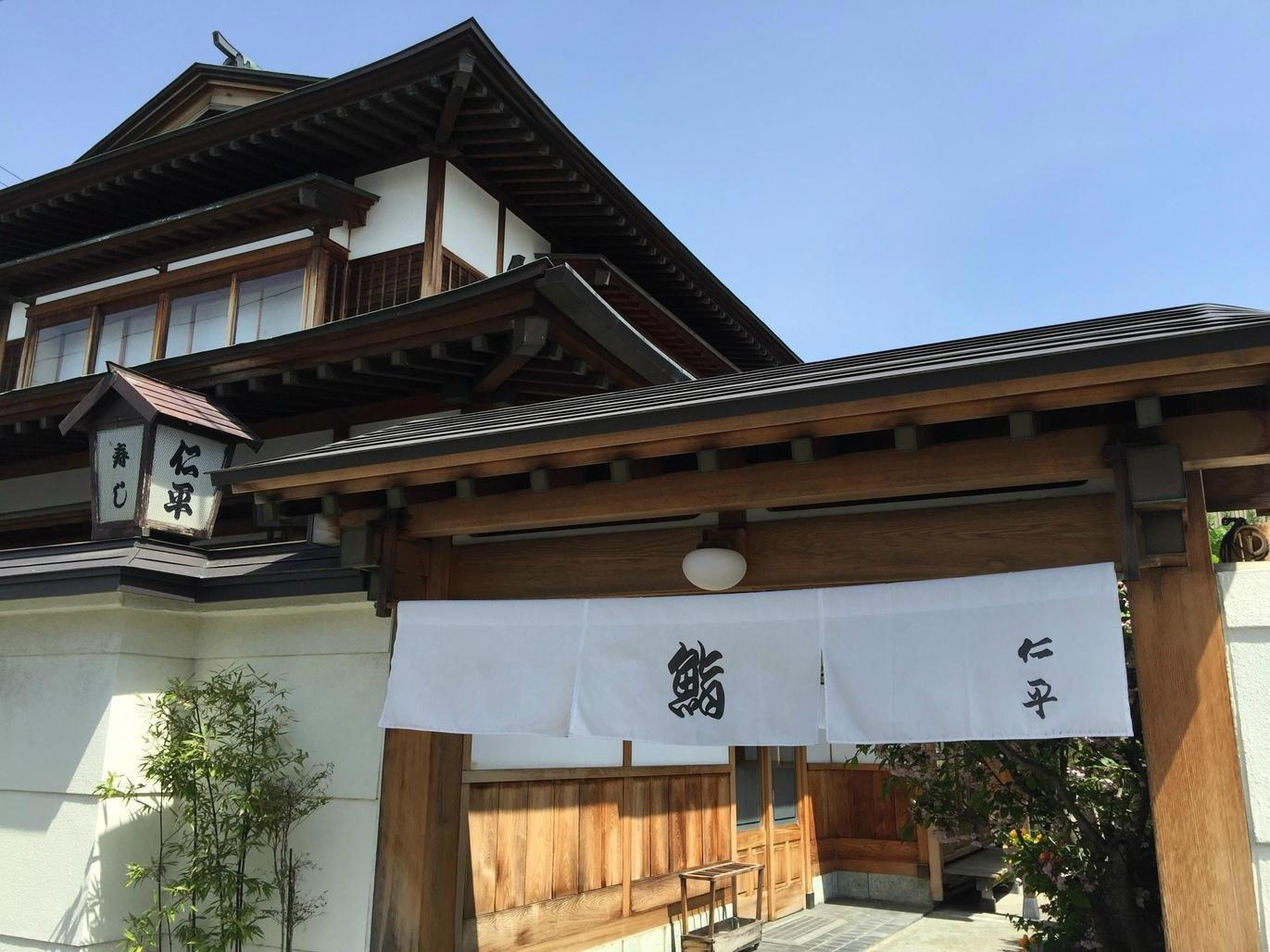
Dotemachi gives Hirosaki sushi a different opening note from Ginza or Akasaka. The approach is urban but compact: a central shopping district, a community-park setting, and a room built around counter seating rather than theatrical luxury. In Aomori, sushi does not need to perform cosmopolitan polish to make its case. The argument begins with fish, cold-water provenance, and the discipline of a small room where the margin for distraction is narrow.
Sushi Uehara sits inside that regional logic. The public signals are unusually clear for a city of this scale: 17 seats, counter seating, private rooms for two or four, a non-smoking room, and selection for Tabelog Sushi EAST 100 in both 2025 and 2022. Those details matter because regional sushi in Japan is often judged twice: first against local expectations of freshness and value, then against the national hierarchy of craft. A Hirosaki counter making the EAST 100 list is not simply a local address; it enters a wider conversation that includes sushi rooms across eastern Japan.
Hirosaki sushi is judged by access to northern fish, not by Tokyo theatre
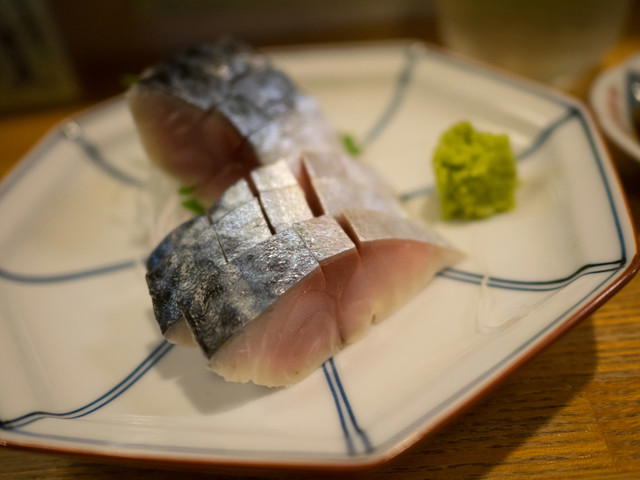
Aomori’s food identity is inseparable from the sea. The prefecture faces rich northern waters, and its strongest kitchens tend to be convincing when they do less to the product rather than more. That does not mean rusticity. It means a different kind of pressure: seasoning, temperature, rice balance, and pacing must support fish that already carries regional authority. The phrase “particular about fish” attached to the restaurant is modest, but in this part of Japan it is the decisive claim.
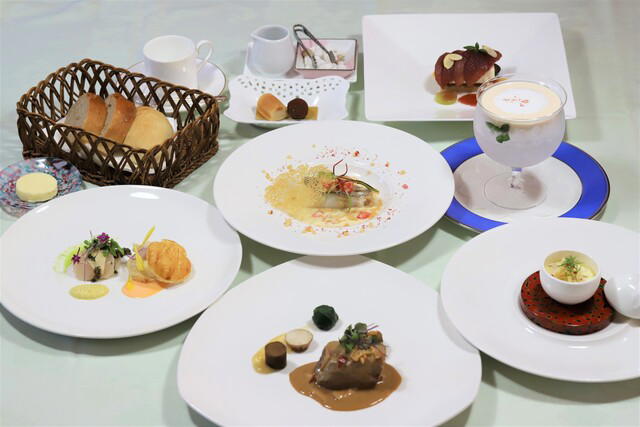
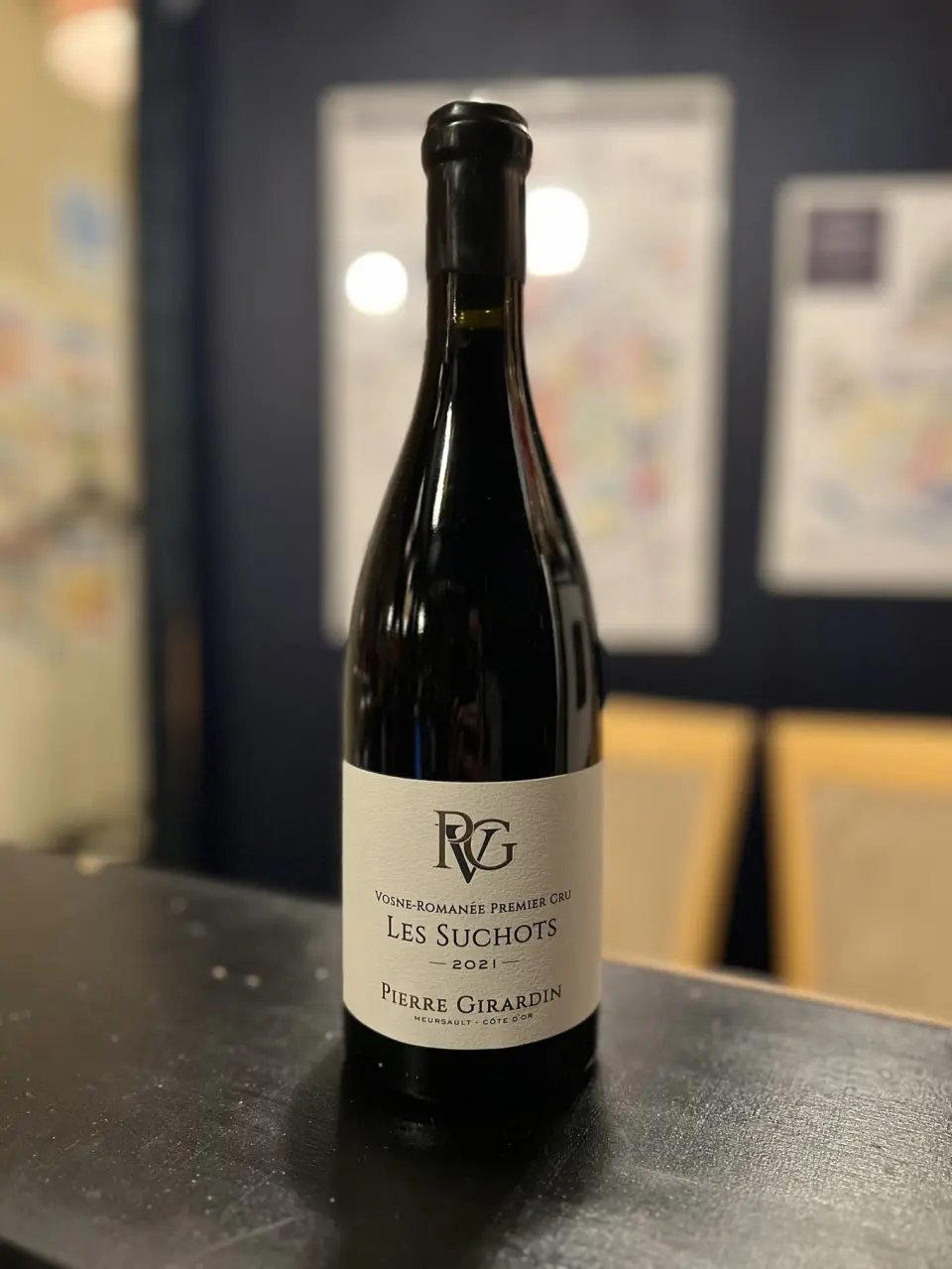
That sourcing angle also explains why the drink list reads as more than a formality. Sake, shochu, and wine create three routes through a sushi meal: regional rice-based pairing, distilled spirits for a drier register, and wine for guests who want acidity rather than umami reinforcement. Hirosaki is not a sushi monoculture, and the stronger dining itinerary here moves between genres. Hasuya, Il Filo, Restaurant Yamazaki, é½, and オステリア・エノテカ・ダ・サスィーノ sketch a city where Japanese, Italian, and locally grounded cooking compete for the same serious dinner slot.
The useful comparison is not between Hirosaki and Tokyo on scale. It is between forms of confidence. Restaurant Yamazaki occupies a nearby price band for dinner and a slightly higher lunch bracket, which makes it a sensible reference point for diners weighing a broader Hirosaki meal against sushi specifically. Yo, outside the metro and listed in a far higher Japanese-cuisine bracket, illustrates another tier entirely. Sushi Uehara’s place is tighter: a small sushi address with national list recognition, regional fish emphasis, and a format that suits guests who want concentration rather than ceremony.
The room favors small-party concentration over celebratory sprawl
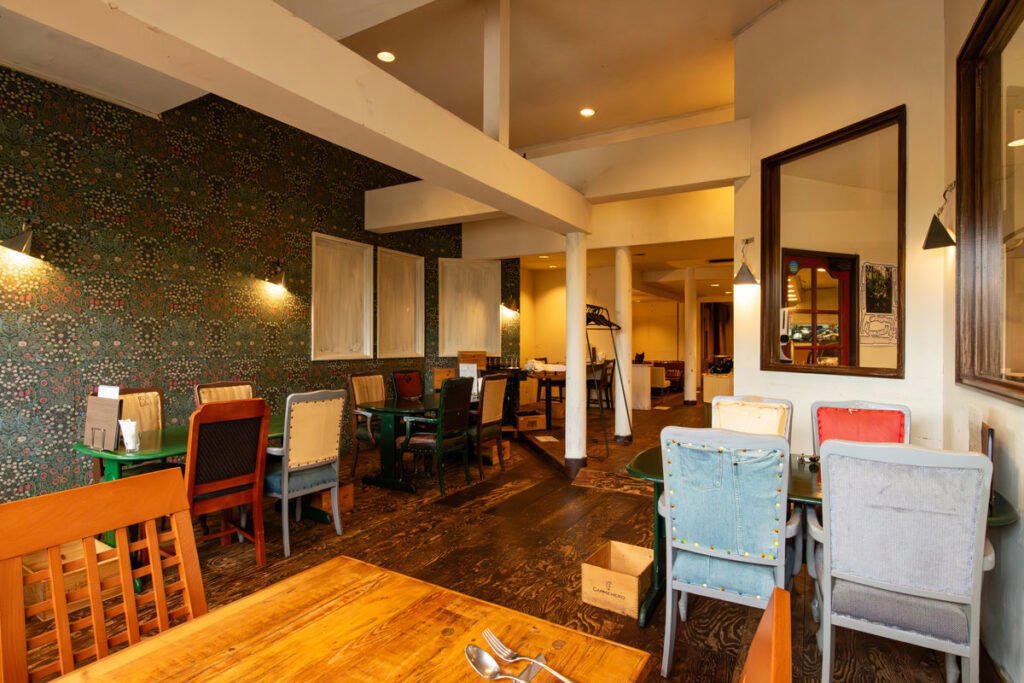
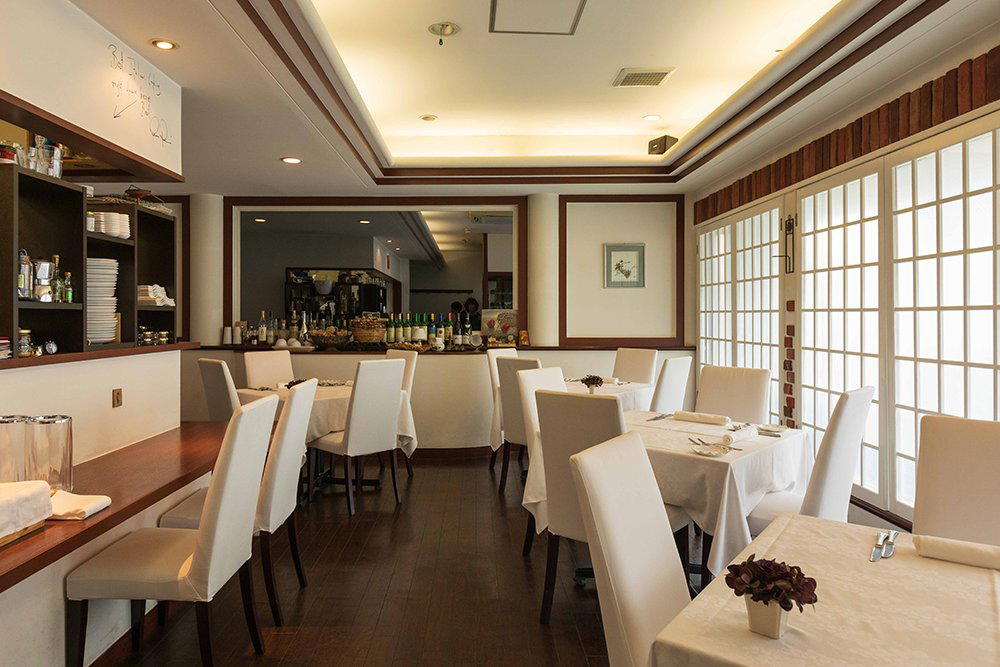
Seventeen seats is a meaningful number in sushi. It keeps the experience closer to a counter-led rhythm than a restaurant-floor rhythm, yet it is not so tiny that the room becomes a private club in practice. Private rooms for two or four add flexibility without changing the character of the meal. This is the sort of setup that works for business, close friends, and travelers who prefer a controlled dining room to a louder evening built around volume.
The age policy also tells readers how to use the room. No entry for guests under 13 places it outside the casual family-meal category, even if the atmosphere is not necessarily formal in the suit-and-tie sense. That distinction is worth making in Hirosaki, where price and reputation can sometimes suggest ceremony while the actual hospitality remains regional and direct. Here, the better assumption is adult, quiet, and food-focused.
Take-out is listed, but the editorial reason to care about this address is the counter experience. Sushi has always been unusually sensitive to time and handling, and the better regional counters are partly about immediacy: rice, fish, and seasoning meeting at the right point rather than being transported into convenience. For travelers building a Hirosaki food day, the counter belongs in the main meal slot, not as an afterthought between sightseeing stops.
How it fits into a sharper Hirosaki itinerary
Hirosaki rewards slower planning than larger Japanese cities. The dining field is smaller, which makes each serious reservation carry more weight. A sushi meal here can anchor a trip built around castle-town pacing, apple-country produce, and northern seafood rather than the sprint dining patterns of Tokyo or Osaka. The practical choice is not simply where to eat; it is whether the night should be defined by sushi, regional Japanese cooking, or the city’s Italian-leaning kitchens.
For a wider read on the city, start with Our full Hirosaki restaurants guide, then place dinner against the rest of the trip through Our full Hirosaki hotels guide, Our full Hirosaki bars guide, Our full Hirosaki wineries guide, and Our full Hirosaki experiences guide. Readers comparing Japanese dining more broadly can also look outward to -Grilled beef Sukiyaki- KAMAKURA TANUKIAN 鎌倉 たぬき庵 in Kamakura. 鮪と炭火焼き うお炭 秋葉原店 in Tokyo.cafe in Osaka.know in Kumamoto, (Shoku) Vietnam in Kawasaki, [Curry Senmon Ten] Maruyama Kyoju. in Sapporo, Jōdo Saké Bar in Los Angeles, and Onigiri Time in Pasadena.
The verdict is simple: this is a strong Hirosaki choice when the meal should express northern Japanese seafood through a controlled sushi format rather than a broad tasting-menu performance. The Tabelog Sushi EAST 100 selections give it external credibility; the small seat count and fish-led positioning explain why that credibility makes sense.
Fast Comparison
Comparable venues by cuisine and price in the same metro.
| Venue | Cuisine | Price | Notes |
|---|---|---|---|
| Sushi Uehara | Traditional Seasonal Sushi Omakase | $$$ | Dotemachi |
| Hasuya | Traditional Japanese Izakaya & Sake Bar | $$$ | Chuo Hirosaki |
| Restaurant Yamazaki | Seasonal French fine dining with Aomori apples | $$$ | Oyakata-machi |
| オステリア・エノテカ・ダ・サスィーノ | Farm-to-Table Italian | $$$ | Chuo Hirosaki |
| é½ | Omakase Sushi | $$$ | Hirosaki |
| Il Filo | Modern Italian with Game Cuisine | $$$ | Chuo Hirosaki |
Recognition history
Dated appearances from independent guides and award organizations, with the underlying list record or original source where available.
Tabelog 100 #66 · No. 66
Tabelog · Tabelog 100 - Sushi - EAST - 2025
At a Glance
- Quiet
- Cozy
- Elegant
- Date Night
- Special Occasion
- Solo
- Chefs Counter
- Standalone
- Private Dining
- Sake Program
- Local Sourcing
- Sustainable Seafood
Small 17-seat space with a clean, non-smoking interior and simple, elegant decor, creating a quiet, relaxing atmosphere suited to focused sushi dining rather than social noise.