
Tabelog 100 #50
Our verdict
Sushi Arata puts Akita’s seafood culture into a compact sushi-and-crab format, with recognition from Tabelog’s Sushi EAST 100 in 2021, 2022, and 2025. The appeal is less about Tokyo-style theater than regional sourcing, sake compatibility, and a room built for focused counter dining rather than spectacle.

Pearl is the En Primeur Club membership app, where members save venues, book tables and use the concierge.
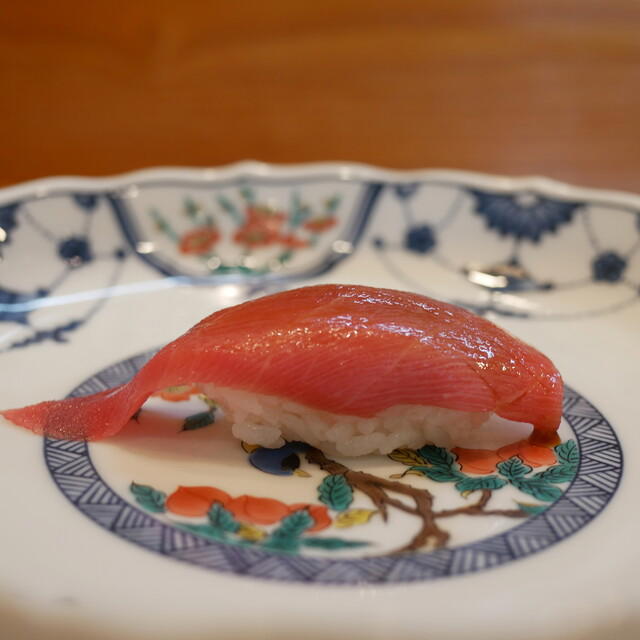
Approach sushi in Akita with the volume turned down. The city’s dining rhythm is shaped by snow-country restraint, local drinking culture, and the Sea of Japan, not big-city status choreography. In that setting, Sushi Arata belongs to a narrower category: a serious regional-capital sushi room where sushi, crab, and a focused meal matter more than imported luxury signals.
Akita is not a city where sushi competes with hundreds of prestige counters, so the stakes change. A restaurant recognized in Tabelog’s Sushi Hyakumeiten 2025 is not another stop on a long urban sushi crawl; it becomes a marker of how regional sushi outside Tokyo is judged. The question is not whether it imitates the capital, but how confidently it expresses a colder northern pantry.
Akita sushi is strongest when the fish, crab, and sake stay regional in spirit
The Japanese sushi conversation often collapses into Tokyo pricing, Edomae technique, and reservation scarcity. Akita asks for another reading. The prefecture faces the Sea of Japan, drinks seriously, and has a dining culture where seafood and nihonshu meet naturally, not as a pairing-menu conceit. Sushi Arata’s listed categories of sushi and crab place the meal close to regional strengths: cold-water seafood, shellfish, and a sake table local diners do not need explained.
That ingredient-first lens explains why the drink context matters. Sake is not just an accessory to northern seafood; it is part of how many diners read the meal. Akita’s brewing identity gives sushi restaurants a sharper local context than many visitors expect, especially when the meal is built around fish rather than luxury garnishes. For travelers judging sushi by Tokyo benchmarks alone, the adjustment is this: the pleasure is regional fit, not metropolitan mimicry.
Within Akita’s stronger dining rooms, price and format separate sushi from meat, izakaya, and other premium choices. FRUTTO and Hinai Jidori Kushi Sot l'y laisse sit in a neighboring premium bracket, while Shuhai and Sake Tomi speak more directly to the drinking-room tradition. Akita Gyugentei Sannou bekkan shows another local instinct: beef and set-piece dining. Sushi Arata occupies a different lane: seafood concentration and recognition on a specialist dining list rather than broader local popularity.
That distinction helps when planning Akita. A traveler can read the city through multiple tables: other Akita dining rooms, beef at local specialists including Akita Gyugentei Sannou bekkan, Hinai-jidori culture, and local drinking intelligence. Against that spread, a sushi restaurant adds the seafood chapter rather than simply another expensive dinner.
The focused format points to a serious but local room
The room’s appeal is best understood as focused and local rather than theatrical. Sushi Arata is useful for diners who want the sushi sequence to stay central, with fewer distractions and a close reading of pacing. It suggests a more composed Japanese register without making the restaurant feel like a generic event space.
The setting matters in a city where izakaya traditions remain central. It changes the meal’s tone, especially for visitors using sushi as the more composed dinner of a trip. The editorial case rests on the meal’s focus: sushi and crab benefit from timing, temperature, and progression in ways casual eating rarely preserves.
Recognition by Tabelog’s Sushi Hyakumeiten gives the venue a specific credibility. It is not Michelin shorthand and should not be read as one. It is more useful as a regional signal: among sushi restaurants, Sushi Arata has been selected for the 2025 list. For Akita, that notice matters because it places Sushi Arata within a specialist sushi conversation beyond the city itself.
The 3.80 Tabelog score sits in a context where Japanese review platforms are often conservative, especially outside giant metropolitan markets. Read the number with the Sushi Hyakumeiten 2025 selection, not alone. For visitors choosing between a sake-heavy local evening and a sushi-led dinner, those signals make a clear case for Sushi Arata when seafood is the priority.
How to place it inside an Akita trip
Sushi Arata fits travelers who want Akita to taste like Akita, not those trying to reproduce a Tokyo luxury itinerary in miniature. The logic is regional: fish focus, crab as a meaningful category, sake compatibility, and a room suited to a serious sushi-led meal. It is especially useful on a trip that also includes the prefecture’s poultry, beef, brewing, and winter-food traditions.
The planning intelligence is simple: treat it as a deliberate meal, not an afterthought. Dinner is listed in the JPY 15,000–19,999 range, which places it firmly in premium territory for Akita. Those details do not diminish the appeal; they define the table.
For broader city planning, use Our full Akita restaurants guide alongside Our full Akita hotels guide, Our full Akita bars guide, Our full Akita wineries guide, and Our full Akita experiences guide. Readers building a wider Japan food route can compare how regional specialism appears across other dining in Akita and beyond, while keeping Sushi Arata in view as the seafood-focused chapter of the trip.
Frequently asked questions
Is Sushi Arata a family-friendly restaurant?
The format is better framed as a serious sushi-led meal than a casual family stop. The JPY 15,000–19,999 price range and Tabelog Sushi Hyakumeiten 2025 selection place it in premium dinner territory in Akita.
How would you describe the vibe at Sushi Arata?
It feels restrained and local, with the emphasis on sushi, crab, and a focused meal rather than showy luxury signals. The Sushi Hyakumeiten 2025 recognition points to a place that takes the meal itself seriously.
What's the price range at Sushi Arata?
Pricing at Sushi Arata is listed as JPY 15,000 - JPY 19,999.
Where is Sushi Arata located?
Akita.
Do they take walk-ins at Sushi Arata?
Because Sushi Arata sits in a premium dinner range and has Tabelog Sushi Hyakumeiten 2025 recognition, planning ahead is the safer approach. Relying on a walk-in seat would be a gamble.
Comparable Spots, Quickly
Comparable venues by cuisine and price in the same metro.
| Venue | Cuisine | Price | Awards | Notes |
|---|---|---|---|---|
| Sushi ArataThis venue (the venue you are viewing) | Sushi | Not listed | Tabelog 100 #50 | Not listed |
| N | Northern Japanese | Not listed | Not listed | Akita |
| Washoku Sugawara | Seasonal Japanese Kaiseki | Not listed | Tabelog 100 #82 | Akita |
| Tempura Shoshin An | Tempura and Inaniwa Udon | $50–100 | Tabelog Bronze #408 | Inaniwa Town |
| Takaraya | Local sake-focused Japanese izakaya | Not listed | Tabelog 100 #28 | Akita |
| Akita Gyugentei Ekimae honten | Akita wagyu yakiniku & grilled meat | $50–100 | Tabelog 100 #64 | Akita |
Recognition history
Dated appearances from independent guides and award organizations, with the underlying list record or original source where available.
Tabelog 100 #50 · No. 50
Tabelog · Tabelog 100 - Sushi - EAST - 2025
Continue exploring
More in Akita
Restaurants in Akita
All restaurants in Akita →
Hotels in Akita
Browse all →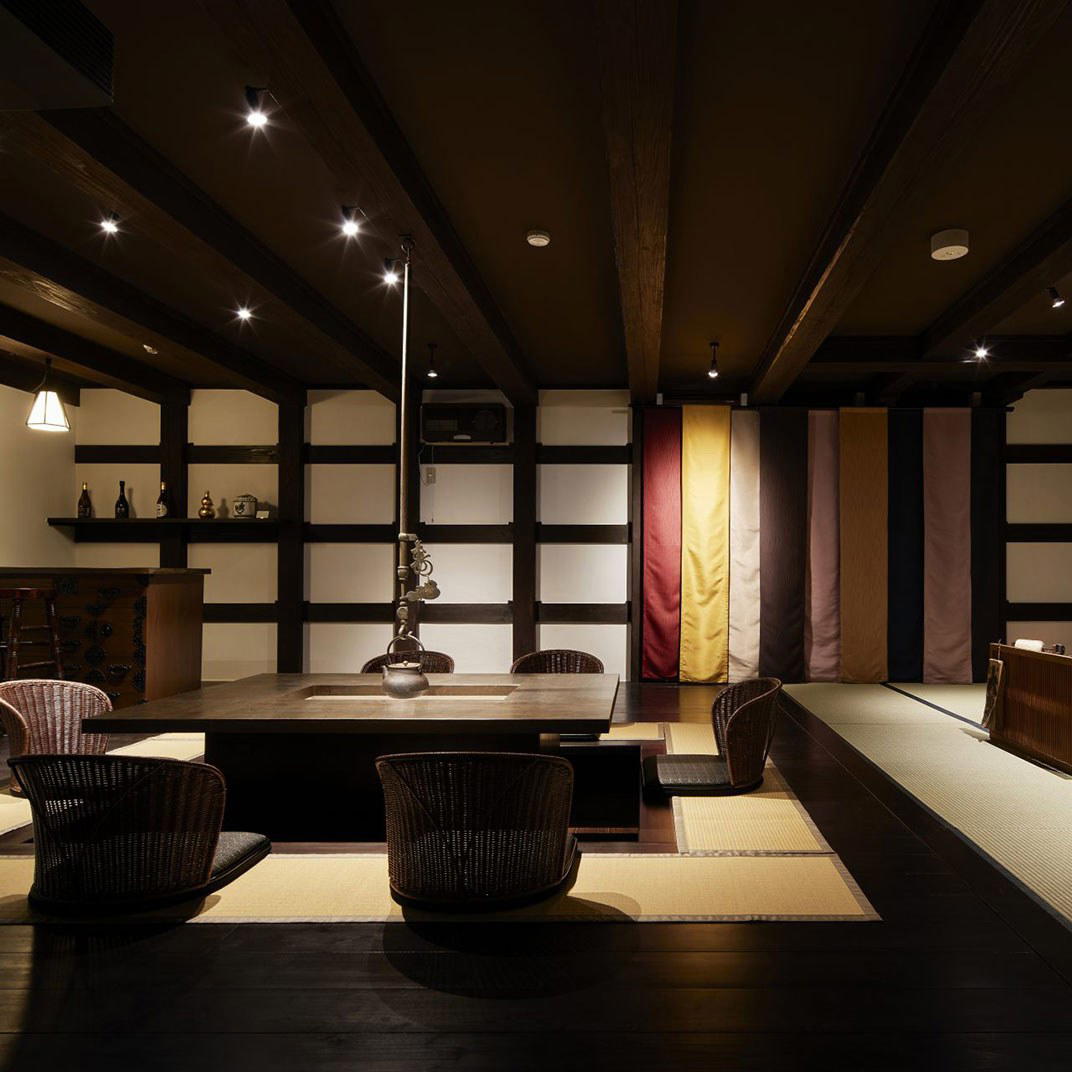
Details
- Classic
- Elegant
- Quiet
- Solo
- Special Occasion
- Business Dinner
- Standalone
- Sake Program
- Sustainable Seafood
- Local Sourcing
- Street Scene
- A La Carte
- Sake
- Pescatarian Friendly
A quiet, refined neighborhood sushi spot with counter seating and a separate tatami room, giving it a classic and intimate feel.