
Tabelog 100 #82
Our verdict
Washoku Sugawara gives Akita’s regional cooking a serious dining-room frame: fish, local vegetables, and Akita sake sit at the centre rather than imported luxury signals. Its selection for Tabelog’s Japanese Cuisine EAST 100 in 2021, 2023, and 2025 places it among the region’s stronger washoku addresses, with private rooms and counter seating making it useful for both focused dining and family occasions.

Pearl is the En Primeur Club membership app, where members save venues, book tables and use the concierge.
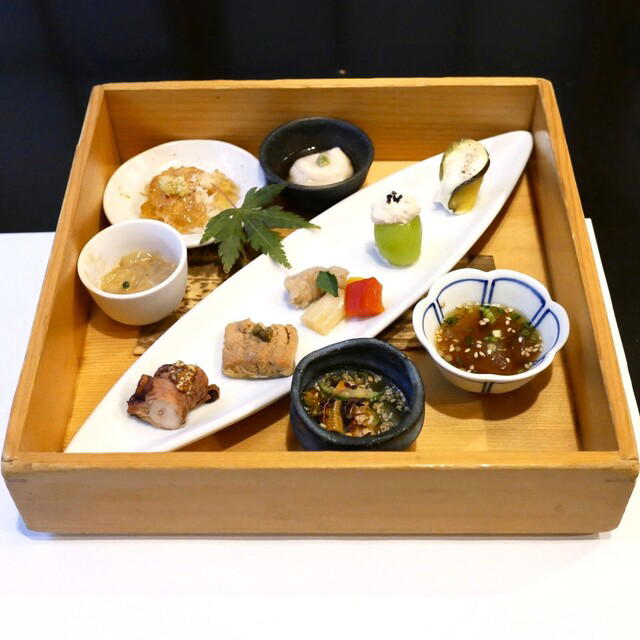
Akita has the scale of a prefectural capital rather than a neon dining quarter: measured streets, locally minded restaurants, and the sense that dinner here is still tied closely to the surrounding region. In that setting, Washoku Sugawara belongs to the serious regional-washoku tier, where Japanese cuisine and regional cooking carry more weight than theatrical plating or imported status cues.
Akita’s dining identity is often reduced from outside to a few familiar local associations, but the more interesting local table is broader. The area has a dining culture shaped by regional products and by a slower northern rhythm. A restaurant working in Japanese cuisine and regional cuisine here is judged less by novelty than by how clearly it lets those materials speak. Washoku Sugawara’s public signals are direct: a Tabelog score of 3.85, a dinner budget listed at JPY 15,000 - JPY 19,999, and 2025 recognition from Tabelog Hyakumeiten.
Akita ingredients, not Tokyo imitation, set the terms
The stronger case for eating washoku in Akita is not that it copies the capital’s hierarchy at a distance. It is that the region has its own pantry and pace. Local ingredients and Japanese technique create a register that can feel quieter than major-city dining culture, but not less disciplined. At this level, the difference is editorially important: value is measured through sourcing, balance, and sequence, not through spectacle.
Washoku Sugawara sits in that ingredient-led category. The restaurant’s listed categories are Japanese Cuisine and Regional Cuisine, which matters in Akita because serious dining here often doubles as a way to understand local materials rather than simply chase a national luxury template. The format makes the restaurant more focused than a broad casual stop, while the Tabelog recognition keeps it in a more selective bracket than a general dining room.
The regional angle is not decorative. In Akita, a meal built around Japanese cuisine can function as a direct way into the place, with local context shaping the table rather than appearing as an afterthought. For travellers, this is the better lens: do not come looking only for a single famous dish. Come for the way a northern prefecture’s products are arranged into a formal Japanese meal, with regional character as the thread that connects the experience.
Where it fits in Akita's serious dining circuit
Akita’s restaurant scene is compact, so category distinctions matter. Other Akita dining rooms speak to different sides of the prefecture’s appetite: casual formats, contemporary cooking, and other local interpretations of Japanese dining. Against that spread, Washoku Sugawara is the address for a more composed reading of the prefecture’s ingredients.
The comparison is useful because Akita does not require the same strategy as Tokyo or Kyoto. In larger dining cities, a visitor may choose between dozens of narrowly defined counters and tasting-menu rooms. In Akita, the stronger plan is to map meals by regional character, Japanese cuisine, and the kind of setting a traveller wants. For broader planning, Our full Akita restaurants guide gives the restaurant context, while Our full Akita hotels guide, Our full Akita bars guide, Our full Akita wineries guide, and Our full Akita experiences guide help connect dinner to the rest of the trip.
Outside Akita, Japan’s regional dining spectrum includes everything from formal local restaurants to casual urban specialists and drinks-led dining rooms. Internationally, Japanese dining culture appears in still other forms. Those comparisons underline the point: Akita is not a lesser version of a larger city, but a place where regional products give Japanese dining its logic.
The reader decision: choose it for regional washoku with sake
The strongest reason to choose Washoku Sugawara is focus. Its Tabelog score of 3.85 and 2025 Tabelog Hyakumeiten recognition give it an external credibility signal, but the deeper value is the alignment between place and plate. A meal here makes sense for travellers who want Akita’s regional character handled in a formal Japanese register, rather than folded into a broad tourist menu.
It is also a practical fit for travellers planning a deliberate dinner in Akita. The listed dinner budget is JPY 15,000 - JPY 19,999, placing it above a casual fallback and into the category of a meal to schedule with intent. The smarter booking decision is to treat it as a planned dinner rather than an improvised stop: the price tier, recognition, and regional specificity all point to a meal that deserves a fixed place in an Akita itinerary.
Frequently asked questions
What's the pricing like at Washoku Sugawara?
Pricing at Washoku Sugawara is listed as JPY 15,000 - JPY 19,999 View spending breakdown.
What's Washoku Sugawara's location?
Akita.
Do they take walk-ins at Washoku Sugawara?
Reservations may be advisable for Washoku Sugawara, especially given its JPY 15,000 - JPY 19,999 dinner budget and 2025 Tabelog Hyakumeiten recognition. Booking ahead is the safer approach.
What is Washoku Sugawara known for?
Washoku Sugawara is known as a Japanese Cuisine and Regional Cuisine restaurant in Akita, with a Tabelog score of 3.85 and Tabelog Hyakumeiten recognition in 2025.
Comparison Snapshot
Comparable venues by cuisine and price in the same metro.
| Venue | Cuisine | Price | Awards | Notes |
|---|---|---|---|---|
| Washoku SugawaraThis venue (the venue you are viewing) | Seasonal Japanese Kaiseki | Not listed | Tabelog 100 #82 | Not listed |
| Torikou | Yakitori Izakaya | $50–100 | Tabelog 100 #49 | Akita |
| すし匠 | Akita Edomae Omakase | $500+ | Tabelog Bronze #433 | Akita |
| Sumibi Yakiniku Nama Horumon Dokoro Shouchan | Yakiniku & Horumon (Japanese BBQ) | $20–30 | Tabelog 100 #11 | Akita |
| Tempura Shoshin An | Tempura and Inaniwa Udon | $50–100 | Tabelog Bronze #408 | Inaniwa Town |
| Tonkatsu Ishikawa | Japanese Tonkatsu | Not listed | Tabelog 100 #76 | Akita |
Recognition history
Dated appearances from independent guides and award organizations, with the underlying list record or original source where available.
Tabelog 100 #82 · No. 82
Tabelog · Tabelog 100 - Japanese cuisine - EAST - 2025
Continue exploring
More in Akita
Restaurants in Akita
All restaurants in Akita →
Hotels in Akita
Browse all →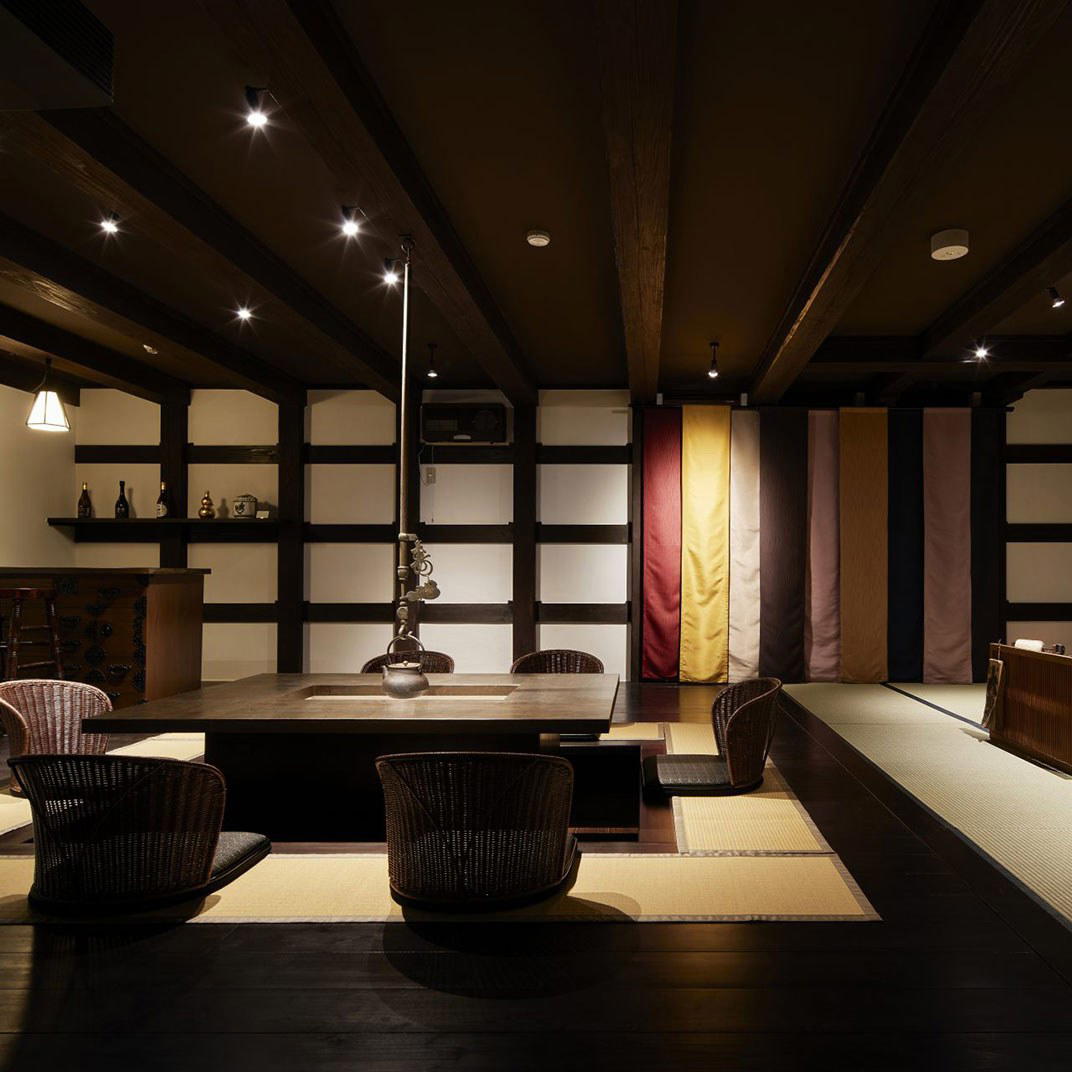
Details
- Cozy
- Classic
- Intimate
- Date Night
- Business Dinner
- Special Occasion
- Solo
- Standalone
- Sake Program
- Local Sourcing
- Tasting Menu
- Set Menu
- Sake
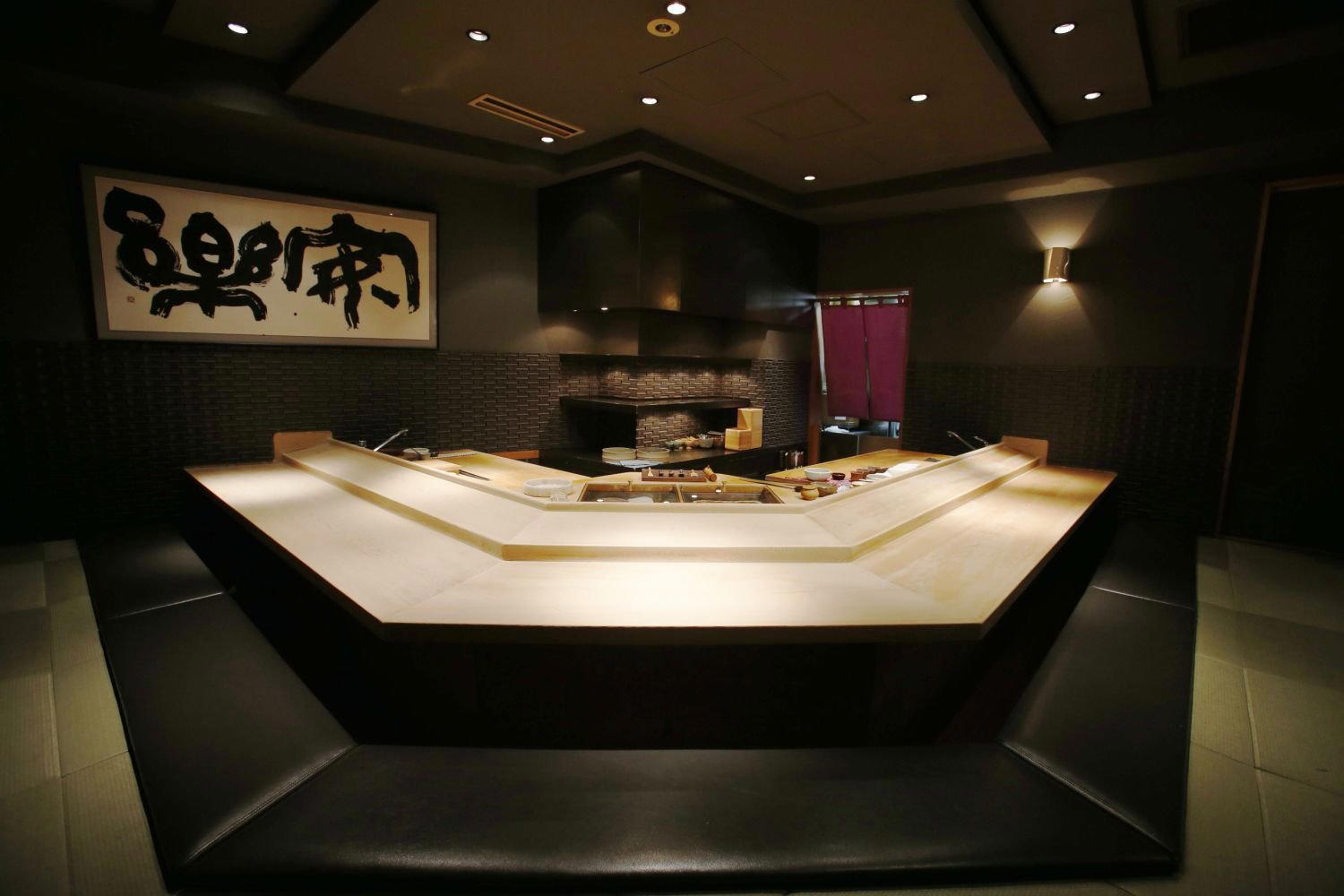
Warm, modest, and cozy, with the feel of a neighborhood low-profile address offering quiet, unhurried meals rather than a loud izakaya-style atmosphere.