
Tabelog 100 #63
Our verdict
Sake Tomi puts Akita’s cold-country izakaya culture into a compact, sake-led format: regional cooking, oden, and a drinks list that treats nihonshu as the main event rather than an afterthought. Its repeated Tabelog 100 Izakaya selections place it in a serious regional tier, but the draw is less trophy dining than a focused reading of local appetite.

Pearl is the En Primeur Club membership app, where members save venues, book tables and use the concierge.
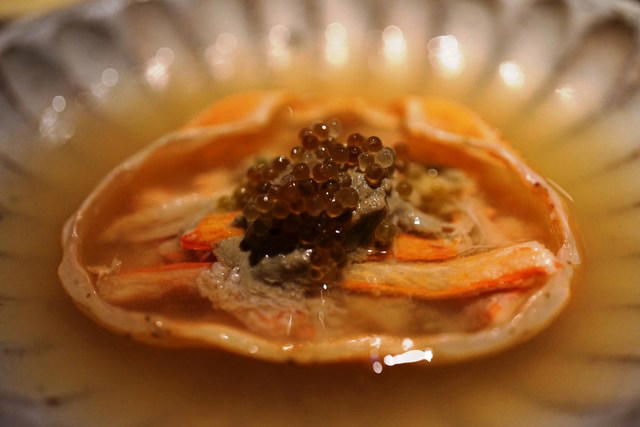
Akita’s izakaya culture is built for winter light, late trains, and the kind of cooking that makes sense after a day in a rice-and-snow prefecture. The room at Sake Tomi is best read through its tavern format rather than theatrical presentation: bottles, steam, conversation, and the rhythm of a kitchen built around regional dishes rather than a long-form tasting-menu script.
That matters in Akita because the prefecture’s food identity is not a single luxury ingredient story. It is rice, sake, preserved and simmered dishes, mountain vegetables, chicken traditions, and a northern sense of warmth that often shows up in broth before it shows up in design. Sake Tomi sits inside that tradition with an izakaya format, regional cuisine, and oden listed as core categories, then sharpens the proposition through a drink-friendly style of eating.
Akita's izakaya language, with oden at the center
In many Japanese cities, izakaya dining has split into two directions: casual drinking rooms with broad menus, and smaller rooms where food and drink set the pace together. Akita gives that category particular weight because local dining often makes room for rice, brewing culture, and dishes built for cold weather. In that setting, izakaya cooking feels less like a fallback and more like one of the city’s clearest dinner formats.
Sake Tomi’s listed categories make the point clearly: izakaya, regional cuisine, and oden. Oden is not garnish in this kind of room; it is the bridge between local appetite and tavern service, a format of simmered comfort that rewards temperature, broth, and restraint over visual drama. The appeal is less about spectacle than about how well the table can move between drink, broth, and small dishes.
The ingredient-sourcing angle here is less about naming farms than understanding why Akita cooking tastes the way it does. Northern Japan has long treated preservation, fermentation, simmering, and rice-based brewing as connected habits. An izakaya that foregrounds regional cuisine and oden in Akita is therefore working with the prefecture’s practical food memory: dishes that can carry salt, broth, and quiet sweetness, then sit naturally within a tavern meal.
The Tabelog 100 Izakaya EAST recognition in 2025 puts the room in a more serious bracket than the average neighborhood drinking spot. That recognition is useful not because it turns the experience into formal fine dining, but because it marks consistency in a category where atmosphere alone can obscure weak cooking. For a broader read on the city’s dining range, Our full Akita restaurants guide places it alongside other Akita dining rooms.
A focused izakaya format in a city where dinner often means specialization
Akita is not a city that needs every meal to announce itself loudly. Its stronger dining rooms tend to be specific: beef, Hinai-jidori chicken, regional cooking, bars, or counter-led drinking. In that context, Sake Tomi reads as an izakaya with regional cuisine and oden at its center rather than a general-purpose catchall. The format supports that interpretation: a room like this makes sense for an evening that is focused rather than merely a casual crawl.
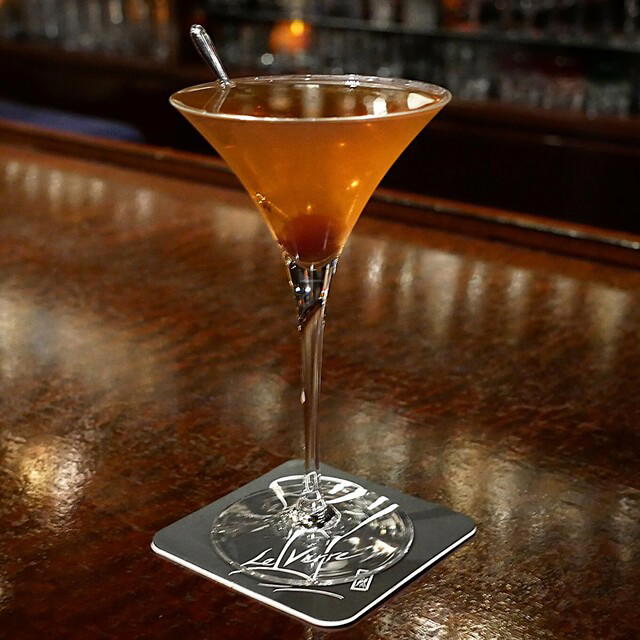
Relative to local comparison venues, the positioning is clear. Hinai Jidori Kushi Sot l’y laisse, Sumibi Yakiniku Nama Horumon Dokoro Shouchan, BAR Le Vert, The Bar 1980, and N each point diners toward different ways of using a night in Akita. Sake Tomi’s value is the overlap: enough food structure to make dinner coherent, enough tavern energy to keep the night from becoming merely functional.
That overlap is also why it pairs well with Akita’s wider itinerary. A traveler using the city as a base for hot springs, winter festivals, or sake exploration will find the format more revealing than a generic dinner recommendation. It explains how local drinking culture and local cooking sit together. For adjacent planning, Our full Akita hotels guide, Our full Akita bars guide, Our full Akita wineries guide, and Our full Akita experiences guide cover the rest of the city’s hospitality map.
How to read the table before ordering
The smart approach is to treat the meal as regional izakaya cooking, not as a checklist of famous Akita foods. Oden gives the kitchen a center of gravity, while the broader izakaya format leaves room for local dishes that suit drinking rather than ceremony. The room should be understood as an izakaya for diners who want Akita’s regional cooking and tavern culture in the same frame.
For diners comparing formats inside Akita, other local dining rooms may speak more directly to beef-focused meals, poultry, bars, or broader drinking culture. Beyond Akita, Japanese regional dining takes many shapes, but Sake Tomi’s editorial role is specifically local: it explains Akita through a regional izakaya lens rather than by imitating a destination restaurant elsewhere.
The editorial case for Sake Tomi is direct: it belongs on an Akita dining plan when the aim is to understand the city through broth, regional dishes, and izakaya cooking rather than through a formal restaurant performance. The 2025 recognition supplies confidence; the format supplies the reason to go.
Frequently asked questions
Is Sake Tomi child-friendly?
Sake Tomi is an izakaya, so it reads more as a dining room for regional cooking and drinks than as a specifically family-oriented venue.
What's the overall feel of Sake Tomi?
Sake Tomi is best understood as an Akita izakaya focused on regional cuisine and oden, with a composed tavern rhythm rather than a generic after-work stop.
Is Sake Tomi more mid-range or high-end?
Pricing at Sake Tomi is listed as JPY 6,000 - JPY 7,999.
What are Sake Tomi's hours?
Current hours should be checked directly with Sake Tomi before visiting.
How do I find Sake Tomi?
Akita.
What's the defining dish or idea at Sake Tomi?
The clearest idea is izakaya dining built around oden and regional cuisine. That frame is reinforced by its Tabelog 100 Izakaya EAST 2025 selection and its price range of JPY 6,000 to JPY 7,999.
Side-by-Side Snapshot
Comparable venues by cuisine and price in the same metro.
| Venue | Cuisine | Price | Awards | Notes |
|---|---|---|---|---|
| Sake TomiThis venue (the venue you are viewing) | Japanese Izakaya | $30–50 | Tabelog 100 #63 | Not listed |
| é ç | Japanese | Not listed | Not listed | Akita |
| Torikou | Yakitori Izakaya | $50–100 | Tabelog 100 #49 | Akita |
| Eiraku Shokudo | Japanese Izakaya | $20–30 | Tabelog 100 #93 | Akita |
| Sushi Kojima | Traditional Omakase Sushi | $50–100 | Tabelog 100 #7 | Akita |
| Sushi Cho | Japanese Sushi Omakase | $100–150 | Tabelog 100 #52 | Akita |
Recognition history
Dated appearances from independent guides and award organizations, with the underlying list record or original source where available.
Tabelog 100 #63 · No. 63
Tabelog · Tabelog 100 - Izakaya - EAST - 2025
Continue exploring
More in Akita
Restaurants in Akita
All restaurants in Akita →
Hotels in Akita
Browse all →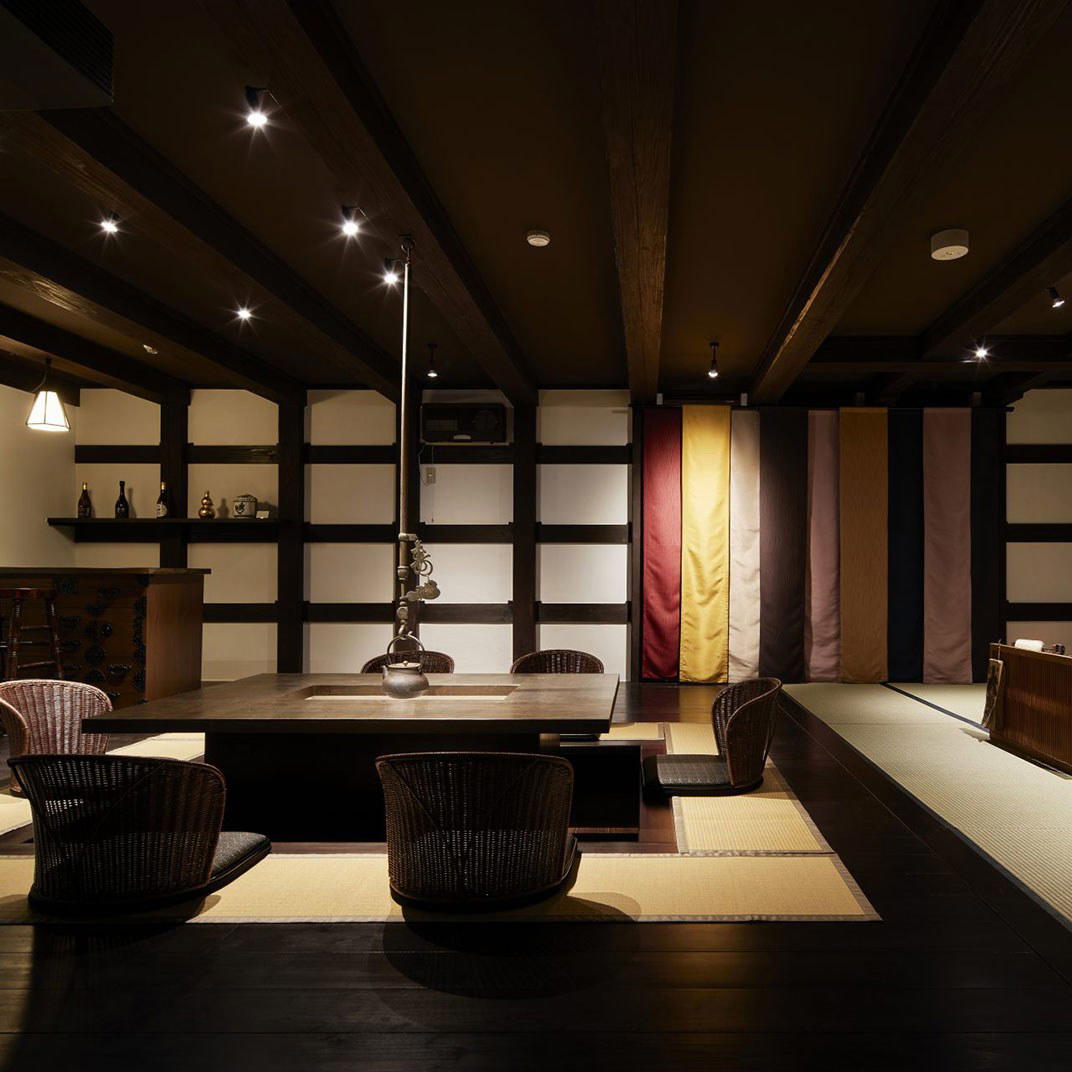
Details
- Cozy
- Classic
- Intimate
- Quiet
- Casual Hangout
- After Work
- Group Dining
- Late Night
- Standalone
- Design Destination
- Sake Program
- Extensive Wine List
- Beer Program
- Local Sourcing
- Street Scene
- A La Carte
- Counter Dining
- Sake
- Wine
- Shochu
- Cocktails
Current opening hours
- Monday
- 5 PM–12 AM
- Tuesday
- 5 PM–12 AM
- Wednesday
- 5 PM–12 AM
- Thursday
- 5 PM–12 AM
- Friday
- 5 PM–12 AM
- Saturday
- 5 PM–12 AM
- Sunday
- 5 PM–12 AM
Hours can change for holidays and private events. Hours as of .
Warm, calm, and inviting, with a wooden counter and a roomy, unhurried izakaya atmosphere.