
Tabelog 100 #52
Our verdict
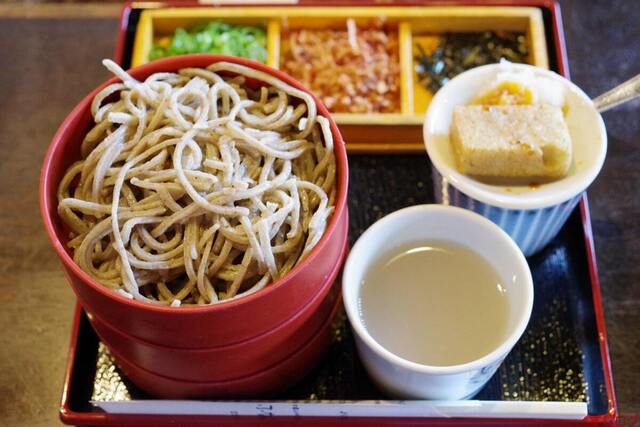
Suna Ya gives Izumo soba a clear ingredient-led frame: domestic stone-ground buckwheat, juwari noodles, and dashi built from dried fish and soy-derived elements. Its selection for Tabelog 100 Soba WEST 2025 places it within the serious regional soba conversation, while the casual price tier keeps the meal closer to pilgrimage-town lunch than destination tasting counter.

Pearl is the En Primeur Club membership app — saves, bookings, and concierge access live there. Same editors, same standards.
- Address
- Japan, 〒699-0711 Shimane, Izumo, Taishacho Kizukiminami, 772 2F
- Phone
- +81 853-27-9006
- Hours
- Mon 11 AM–3 PMTue ClosedWed–Fri 11 AM–3 PMSat–Sun 10:30 AM–3:30 PM
- Website
- sunaya-izumosoba.com
- Directions
- Get directions
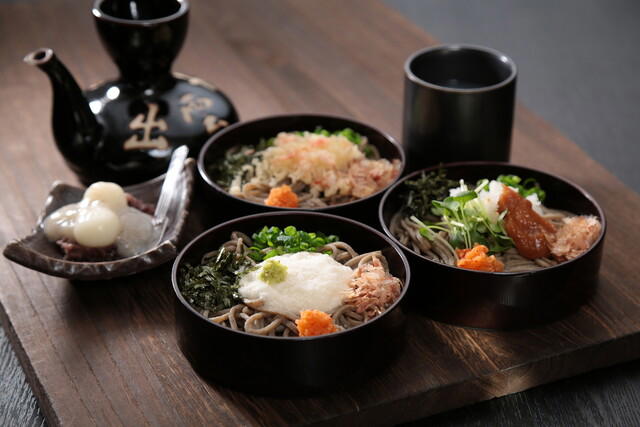
The menu
What to order
- Warigo soba
- Kamaage soba
- Cold bukkake soba
- Soba zenzai
Approaching Izumo, soba is not a side note to the itinerary; it is part of the local grammar. The city’s better bowls tend to read less like simple noodle-shop convenience than a regional argument about buckwheat, texture, and broth. Suna Ya sits inside that argument with unusual clarity: a soba specialist in Izumo, recognized in the 2025 Tabelog Hyakumeiten listing for soba and operating in an accessible lunch price range.
That context matters in Izumo because the local soba tradition has long favored character over polish. Izumo soba is commonly associated with darker, more aromatic noodles than many pale, refined soba styles elsewhere in Japan, partly because the buckwheat is often milled with more of the husk. At a focused soba room, the useful question is not how elaborate the setting becomes, but how directly the bowl communicates grain, texture, and the local appetite for buckwheat.
Recognized soba in Izumo gives the meal its authority
The serious soba conversation in western Japan often splits between technical purity and local comfort. Suna Ya is interesting because it does not treat those as opposing ideas. Its selection for Tabelog Hyakumeiten Soba 2025 signals a place in the regional soba tier, while the listed price range, JPY 1,000 - JPY 1,999, keeps the restaurant rooted in the everyday economics of lunch rather than the ritualized formality associated with elite counters in larger cities.
Within Izumo, that puts it in conversation with Kenjo Soba Haneya Honten, another soba reference point in an accessible band, and with Hanafusa, which gives travelers another way to read the city’s dining range. Those comparisons matter because Izumo dining is not a single-note market. It has old soba institutions, local cooking, casual cafés, and visitor-friendly stops, all operating within a compact city circuit. For a wider map of the city’s dining options, Our full Izumo restaurants guide gives the broader context.
The ingredient angle is still the useful lens, even when the most reliable public data is intentionally spare. Soba is a category that exposes shortcuts quickly: flour quality, noodle handling, cooking, and broth balance all show in the bowl. Suna Ya’s recognition, score of 3.58, and low lunch budget place it in the kind of local tier where travelers should pay attention to fundamentals rather than expecting elaborate luxury signals.
An Izumo meal, not a long-form restaurant performance
Izumo changes the rhythm of eating. Many visitors arrive with a fixed schedule, then look for a lunch that can carry local meaning without requiring a long reservation-driven plan. Soba suits that pattern. It is fast enough for travelers, specific enough to the region, and resistant to the kind of over-designed dining that often follows famous visitor routes.
Suna Ya’s format fits that city logic. The public record positions it simply as a soba restaurant in Izumo, with a listed lunch budget of JPY 1,000 - JPY 1,999 and no dinner budget supplied. That is useful information for planning: treat it as a daytime soba stop in Izumo rather than as a formal evening destination, and build the rest of the day around the city’s other dining and sightseeing choices.
The setting also helps explain why the restaurant works for different audiences without needing to be inflated into something it is not. The editorial appeal is closer to a focused casual meal than a hushed destination room. For travelers building a full Izumo stay, the dining decision often sits alongside lodging and evening plans; Our full Izumo hotels guide, Our full Izumo bars guide, Our full Izumo wineries guide, and Our full Izumo experiences guide are useful companions for that wider itinerary.
How to place it within a Japan food itinerary
For travelers moving across Japan, Suna Ya is a reminder that regional noodles can carry as much place-specific information as a formal tasting menu. A meal here belongs in the same mental category as seeking out other highly local specialties elsewhere: the point is not luxury theater, but reading a place through what it chooses to repeat well. In Izumo, that means allowing soba to stand as a compact expression of local taste rather than treating it as merely a quick stop between larger plans.
The comparison also protects against a common travel error: treating every recognized restaurant as if it should deliver the same kind of occasion. Some places are built for ceremony; others are casual, genre-specific, or defined by the rhythm of lunch. Izumo soba asks for a different calibration: arrive for buckwheat, broth, regional continuity, and the compressed pleasure of a meal that knows exactly what it is supposed to do.
The editorial case for Suna Ya is therefore not that it turns soba into spectacle. It does the opposite. It takes an Izumo staple and anchors it in a recognized, accessible soba format. For a traveler who wants Izumo to taste like Izumo, that is the point.
Frequently asked questions
Would Suna Ya be comfortable with kids?
Suna Ya is listed in an accessible lunch price range of JPY 1,000 - JPY 1,999, which can make it practical for many travelers planning a casual meal in Izumo. Check the venue's official channels for the latest details.
What kind of setting is Suna Ya?
It is a soba restaurant in Izumo, best understood as a focused, accessible stop rather than a formal multi-course venue. Public pricing is listed at JPY 1,000 - JPY 1,999.
How much does it cost to eat at Suna Ya?
Pricing at Suna Ya is listed as JPY 1,000 - JPY 1,999.
What are the operating hours at Suna Ya?
Check the venue's official channels before visiting.
Where is Suna Ya located?
Izumo.
What is Suna Ya known for?
Suna Ya is known as a soba restaurant in Izumo and was selected for the 2025 Tabelog Hyakumeiten soba listing. Its listed score is 3.58, with pricing at JPY 1,000 - JPY 1,999.
In Context: Similar Options
Comparable venues by cuisine and price in the same metro.
| Venue | Cuisine | Price | Awards | Notes |
|---|---|---|---|---|
| Suna YaThis venue — the venue you are viewing | Traditional Japanese Soba | $10–20 | Tabelog 100 #52 | Not listed |
| Kenjo Soba Haneya Honten | Traditional Izumo soba | $10–20 | Tabelog 100 #71 | Izumo |
| Hanafusa | Traditional Japanese Seafood & Kaisendon | $20–30 | Tabelog 100 #31 | Hinomisaki |
| 旭がのぼるまで | Miso Ramen | Not listed | Not listed | Susukino |
| Chuka Soba Dokoro Konpiraso | Traditional Japanese ramen (chuka soba) | $1–10 | Tabelog 100 #12 | Sanze |
| Nagata in Kanoka (長田 in 香の香) | Sanuki Kamaage Udon | Not listed | Not listed | 金蔵寺町 |
Recognition history
Dated appearances from independent guides and award organizations, with the underlying list record or original source where available.
Tabelog 100 #52 · No. 52
Tabelog · Tabelog 100 - Soba - WEST - 2025
Continue exploring
More in Izumo
Restaurants in Izumo
Browse all →

Details
- Classic
- Cozy
- Quiet
- Solo
- Family
- Group Dining
- Casual Hangout
- Standalone
- Sake Program
- Beer Program
- Local Sourcing
- Street Scene
- A La Carte
- Set Menu
- Sake
- Beer
- Vegetarian Friendly
Current opening hours
- Monday
- 11 AM–3 PM
- Tuesday
- Closed
- Wednesday
- 11 AM–3 PM
- Thursday
- 11 AM–3 PM
- Friday
- 11 AM–3 PM
- Saturday
- 10:30 AM–3:30 PM
- Sunday
- 10:30 AM–3:30 PM
Hours can change for holidays and private events. Last verified .
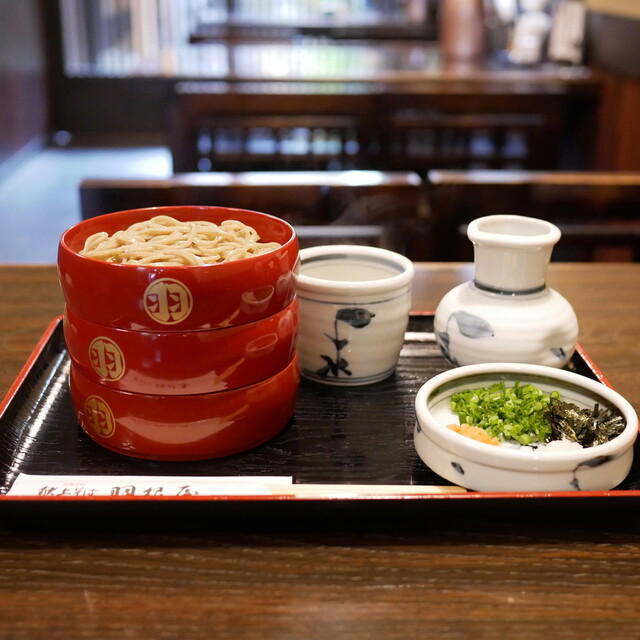
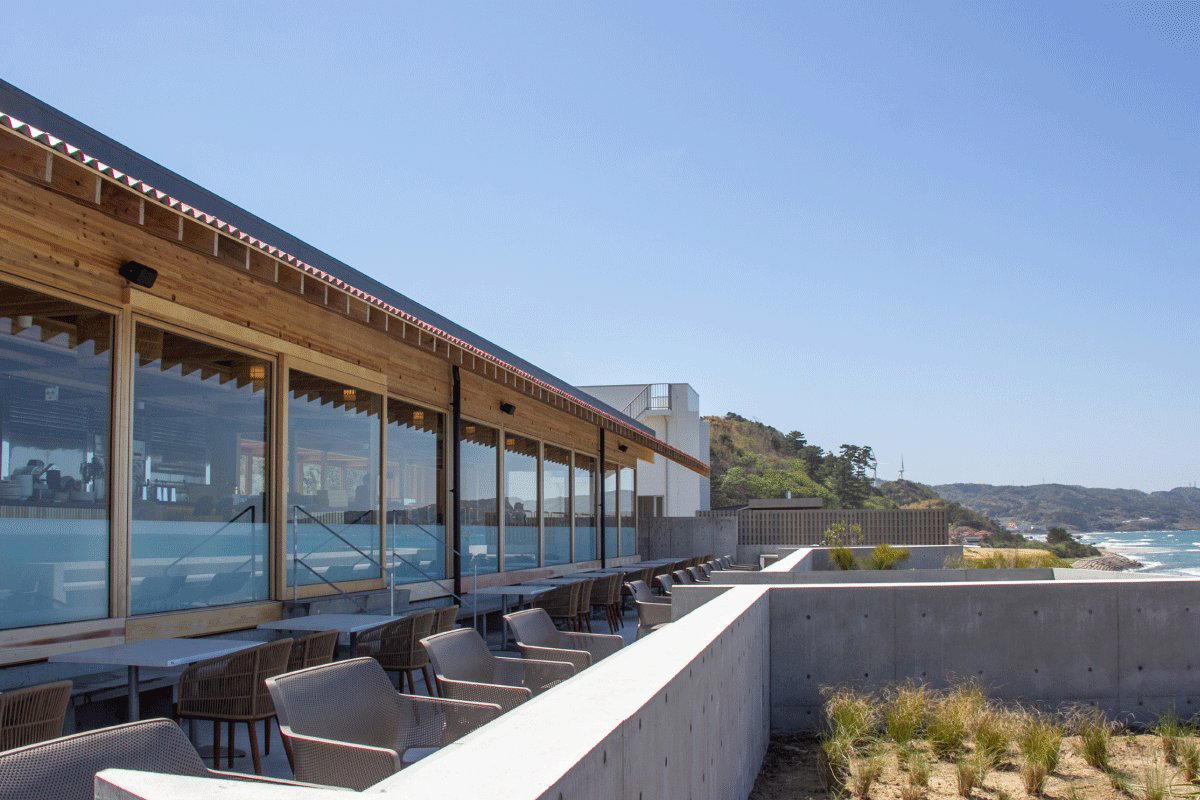
A calm, traditional soba shop atmosphere with a quiet, relaxed feel and views over Kamimon Street from the second floor.