
Tabelog 100 #31
Our verdict
Hanafusa is a seafood cafeteria and kaisen-don address in Izumo’s Hinomisaki area, where the point is not ceremony but proximity to the Sea of Japan. Its Tabelog 100 Diner selection in 2024 and 2026 gives a useful signal: this is a regional, ingredient-led counterpoint to Izumo’s better-known soba culture.

Pearl is the En Primeur Club membership app — saves, bookings, and concierge access live there. Same editors, same standards.
- Address
- 1481-1 Taishacho Hinomisaki, Izumo, Shimane 699-0763, Japan
- Phone
- +81 853-54-5126
- Hours
- Mon–Tue 10 AM–4 PMWed ClosedThu–Sun 10 AM–4 PM
- Website
- izumo-kankou.gr.jp
- Directions
- Get directions
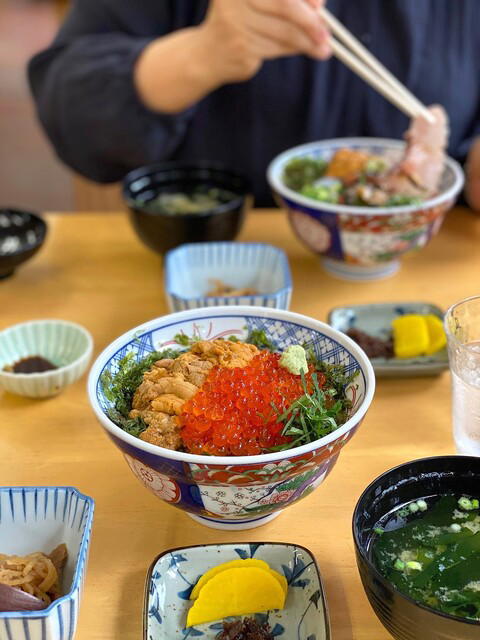
The menu
What to order
- Kaisen-don (seafood bowl)
- Sea bream sashimi rice bowl
The approach to Izumo changes the appetite before the meal begins: regional food traditions sit alongside the temple-town rhythm associated with the city. In Izumo, seafood is not dressed up as luxury theater. It is treated as daily food, and that is the frame in which Hanafusa makes sense.
Izumo’s dining identity is often reduced to soba, especially for travelers moving between shrine culture and the station. That misses part of the picture. The city also supports a less formal eating tradition: cafeteria seafood, rice bowls, and local lunch rooms where freshness matters more than performance. Hanafusa belongs to that tradition, listed as cafeteria, seafood, and kaisen-don, and recognized in the Tabelog Hyakumeiten source for 2026. The recognition matters because the category rewards everyday Japanese dining rather than luxury tasting-menu architecture.
Coastal seafood in a city better known for soba
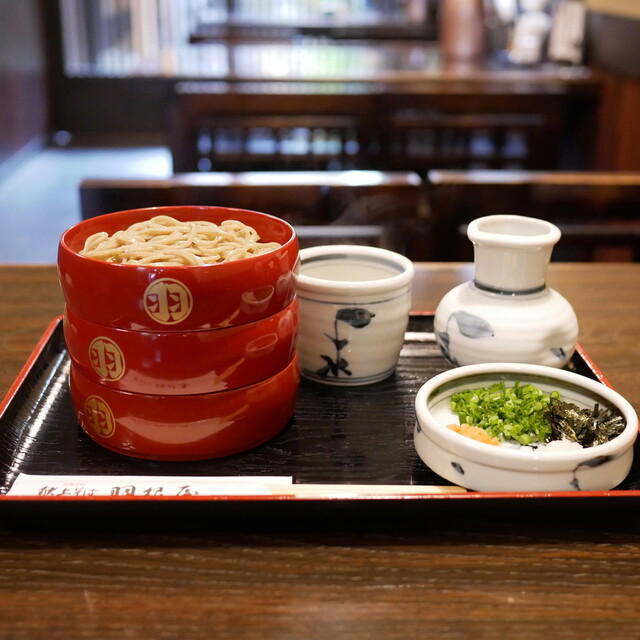
The useful comparison in Izumo is not between fine-dining rooms. It is between regional staples. Kenjo Soba Haneya Honten sits closer to the city’s inland food memory, with soba carrying the weight of pilgrimage dining and local craft. Suna Ya also falls into Izumo’s accessible local-dining tier. Hanafusa shifts the decision toward seafood: rice bowls built around marine ingredients rather than buckwheat noodles, and a cafeteria format that values turnover, clarity, and appetite over extended service.
That distinction is important for travelers trying to understand Izumo in one or two meals. Soba explains one side of the city’s food identity; kaisen-don explains another. The public category listing points to a format based on identifiable seafood rather than chef-led abstraction. The appeal is direct: rice, seafood, and the confidence to let the ingredients do most of the work.
Japan’s better seafood counters often sit in a different cultural register from sushi omakase. There is less emphasis on aged fish, sequence, and counter choreography; more emphasis on what can be served plainly and quickly without losing its reason for being. In Shimane, that distinction can matter for travelers reading the region through everyday meals. Hanafusa’s recognition within this everyday-dining context places it inside that modest but serious lane.
The value is in sourcing, not ceremony
The central editorial question is whether the meal has enough local character to justify the detour from Izumo’s better-known routes. For seafood-focused travelers, the answer is yes, provided expectations are set correctly. This is not a room built around rare tableware, sommelier pairings, or a chef’s biography. Its credibility comes from category fit: a cafeteria serving seafood bowls in a place where the format is direct rather than decorative.
The public recognition helps separate it from casual dining that relies only on convenience. Tabelog’s Hyakumeiten signal is not the same signal as Michelin, and it should not be read that way. It is more useful here: a filter for everyday Japanese restaurants that have drawn sustained attention within a broad, price-conscious category. For a traveler, that makes Hanafusa a practical counterweight to destination dining. The meal can carry regional meaning without requiring the time, cost, or formality of a reservation-only room.
Compared with out-of-metro peers such as China Sanchi Soba Kobo Funatsu and Teuchi Kamiyo Soba, the Izumo decision also becomes a question of what kind of regional food memory matters on the day. Soba houses tend to express craft through flour, water, and texture. A seafood cafeteria expresses craft through procurement, portioning, and restraint. Both can be serious; neither needs luxury language to justify itself.
There is also a useful lesson in what not to overread. No chef name, tasting structure, or elaborate service format is central to the case here. The stronger reading is simpler: an Izumo restaurant with Tabelog Hyakumeiten 2026 recognition, a seafood-bowl focus, and a city setting that aligns naturally with the food. In Japanese regional travel, that alignment often tells more than a long menu introduction.
How to place it in an Izumo food day
Hanafusa works better as a seafood anchor than as a standalone reason to reorganize an entire Shimane itinerary. Pair it with an Izumo day rather than forcing it into a narrow eating crawl. The smarter day puts city sightseeing and a seafood meal into one route, then leaves another meal for soba or a different local format. For broader planning, Our full Izumo restaurants guide gives the dining context, while Our full Izumo hotels guide, Our full Izumo bars guide, Our full Izumo wineries guide, and Our full Izumo experiences guide help set the rest of the trip around the city rather than a single meal.
Readers comparing Japanese regional dining beyond Shimane can usefully contrast the format with other casual and regional dining rooms in Japan, from urban seafood counters to small specialty shops and everyday neighborhood restaurants. For North American readers calibrating Japanese casual formats abroad, unnamed overseas examples show how different the same broad vocabulary becomes once removed from its regional source.
The verdict is deliberately narrow: choose Hanafusa when the Izumo meal should lean toward seafood rather than the shrine approach. The reward is not spectacle. It is a clear expression of place, backed by diner-category recognition and a menu vocabulary that points straight to seafood, cafeteria cooking, and kaisen-don.
Frequently asked questions
Can I bring kids to Hanafusa?
Yes, Hanafusa’s casual format in Izumo makes it workable for families, especially if the group is comfortable with a straightforward seafood-bowl meal. The house style is casual rather than formal, and the listed budget of Dinner: JPY 2,000 - JPY 2,999; Lunch: JPY 2,000 - JPY 2,999 keeps it within an ordinary day-trip range.
What should I expect atmosphere-wise at Hanafusa?
Expect a no-frills cafeteria and seafood-bowl setup in Izumo. The Tabelog Hyakumeiten 2026 recognition points to local standing, but the mood is shaped more by everyday dining than ceremony.
How much does it cost to eat at Hanafusa?
Pricing at Hanafusa is listed as JPY 2,000 - JPY 2,999 JPY 2,000 - JPY 2,999 View spending breakdown.
What are the opening hours for Hanafusa?
Specific opening hours for Hanafusa are not provided here; check directly before visiting Izumo.
A Quick Peer Check
Comparable venues by cuisine and price in the same metro.
| Venue | Cuisine | Price | Awards | Notes |
|---|---|---|---|---|
| HanafusaThis venue — the venue you are viewing | Traditional Japanese Seafood & Kaisendon | $20–30 | Tabelog 100 #31 | Not listed |
| Suna Ya | Traditional Japanese Soba | $10–20 | Tabelog 100 #52 | Taishacho Kizuki Minami |
| Kenjo Soba Haneya Honten | Traditional Izumo soba | $10–20 | Tabelog 100 #71 | Izumo |
| EZO Seafood | Hokkaido Seafood Oyster Bar | Not listed | Not listed | Niseko Hirafu |
| 相撲料理神雷 | Sumo Chanko Nabe | Not listed | Not listed | 三井寺 |
| Sajiro Caffe | Nepalese-Indian Curry Cafe | $10–20 | Not listed | Kyu Karuizawa |
Recognition history
Dated appearances from independent guides and award organizations, with the underlying list record or original source where available.
Tabelog 100 #31 · No. 31
Tabelog · Tabelog 100 - Diner - 2026
Continue exploring
More in Izumo
Restaurants in Izumo
Browse all →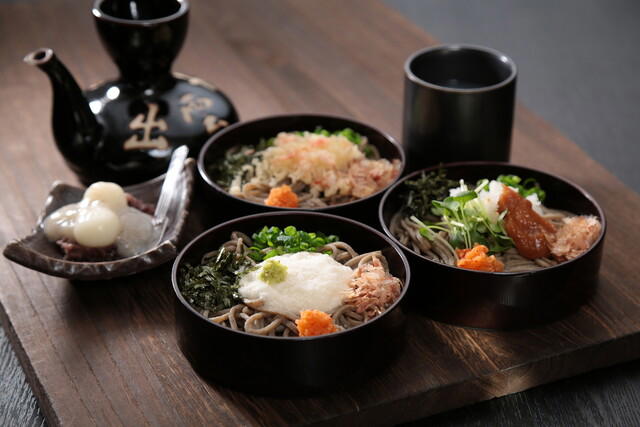

Details
- Classic
- Cozy
- Scenic
- Solo
- Family
- Group Dining
- Casual Hangout
- Waterfront
- Standalone
- Sustainable Seafood
- Local Sourcing
- Waterfront
- A La Carte
- Pescatarian Friendly
Current opening hours
- Monday
- 10 AM–4 PM
- Tuesday
- 10 AM–4 PM
- Wednesday
- Closed
- Thursday
- 10 AM–4 PM
- Friday
- 10 AM–4 PM
- Saturday
- 10 AM–4 PM
- Sunday
- 10 AM–4 PM
Hours can change for holidays and private events. Last verified .
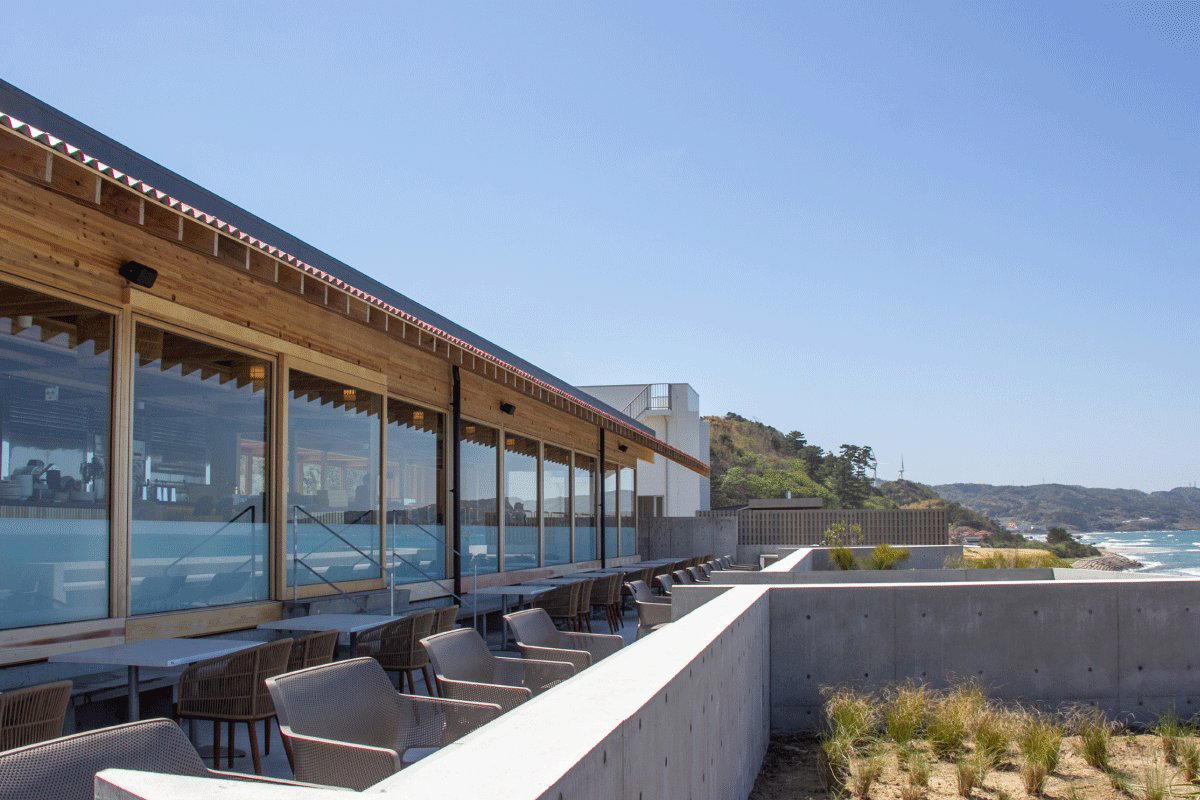
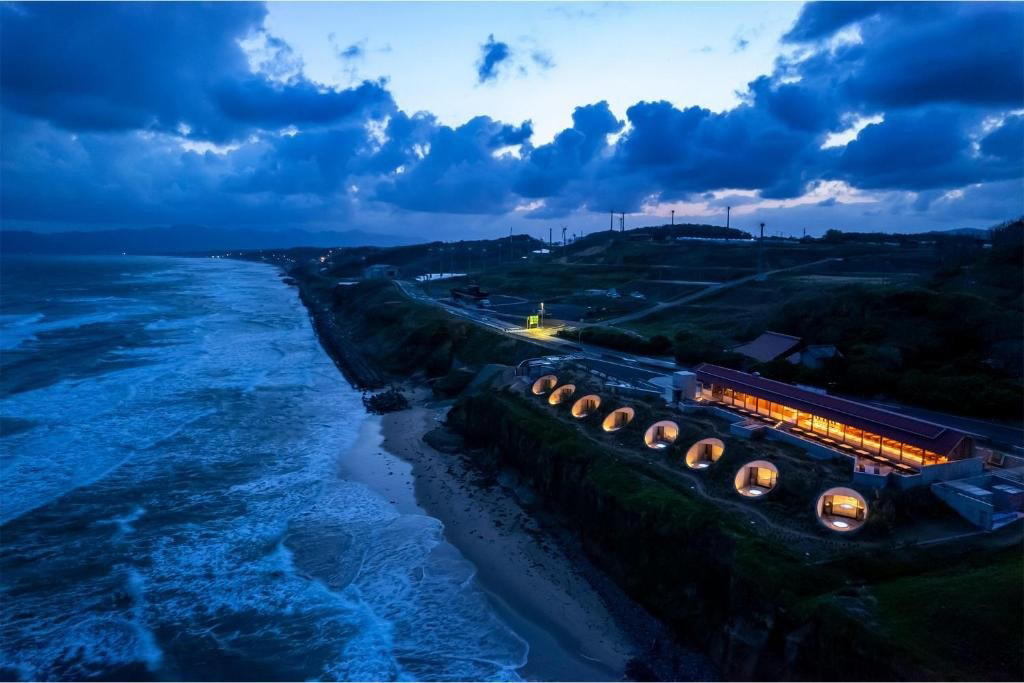
A simple, classic seaside diner atmosphere with counter-style or basic table seating, bright natural light from its coastal setting, and a relaxed, bustling feel as travelers stop in for hearty seafood bowls after visiting the lighthouse.