
Tabelog 100 #35
Our verdict
Sumibi Yakiniku Horumon Urara brings charcoal-grilled beef and horumon into Yokohama’s Tama Plaza orbit, with Tabelog 100 Yakiniku EAST recognition from 2022 through 2025. The appeal is cultural as much as culinary: yakiniku here is a participatory format, closer to a shared table ritual than a chef-led tasting menu, with offal treated as a central category rather than a side note.

Pearl is the En Primeur Club membership app, where members save venues, book tables and use the concierge.
The menu
What to order
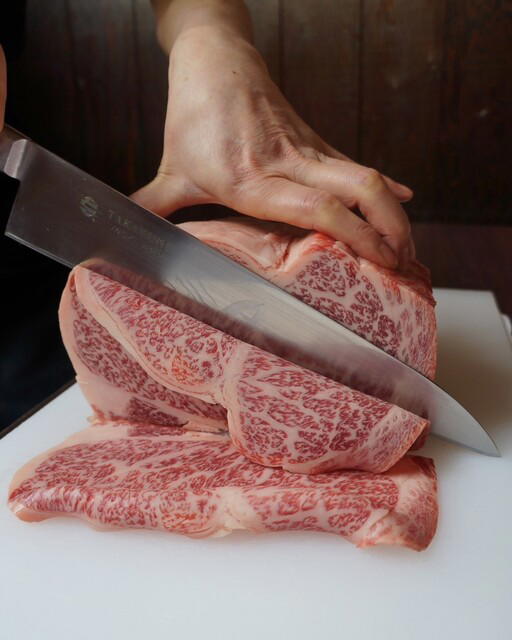
- Fresh horumon (offal) platter
- Flavorful red meat from Ota Farm
- Rare black tongue
- Wagyu harami
- Signature meat curry
Charcoal smoke changes the tempo of a dining room. In Yokohama, yakiniku is not a passive restaurant format: the grill sits between diners, the table becomes the working surface, and the meal depends on timing, heat, and appetite rather than a procession of plated courses. Sumibi Yakiniku Horumon Urara belongs to that hands-on tradition, where grilled meat and horumon carry equal weight and the pleasure is partly in the act of cooking.
That matters in Yokohama, a city whose restaurant culture is often read through Chinatown, waterfront hotels, and central nightlife. Yokohama also tells a quieter local story. It is residential, rail-connected, and dinner-driven, with restaurants that need to satisfy repeat local demand rather than tourism traffic. For a broader view of how this dining circuit fits into the city, see our full Yokohama restaurants guide, then compare it with Yokohama’s wider hospitality map through our full Yokohama hotels guide, our full Yokohama bars guide, our full Yokohama wineries guide, and Our full Yokohama experiences guide.
Charcoal, offal, and the democratic grammar of yakiniku
Yakiniku’s modern Japanese form is built around choice. Unlike kaiseki or omakase, where authority rests largely with the kitchen, grilled-meat dining distributes control across the table: diners manage doneness, pace, and sequence. Horumon adds another layer. The category asks for a different kind of attention than lean cuts, because texture is part of the point. Chew, fat, char, and seasoning become the vocabulary of the meal.
Urara’s recognition by Tabelog Hyakumeiten in 2025 places it inside a competitive field rather than a purely neighborhood frame. The restaurant is also classified around yakiniku and tripe, which signals a meat program where offal is not decorative. That is the distinction serious diners should read first: this is not only a beef restaurant with a grill, but part of a horumon lineage where lesser-prized cuts in Western dining can become the meal’s anchor.
Yokohama has enough range to make that position useful. Other Yokohama dining rooms point toward different everyday registers, while local specialists show how comfort formats and more formal meals can share the same city. Yakiniku adds another grammar: communal, smoke-driven, protein-forward, and less formal than the tasting-menu vocabulary that dominates international dining lists.
Where Yokohama shifts the dining conversation
The location is part of the argument. Yokohama is not only the waterfront visitors photograph first, and that broader city context helps explain the restaurant’s appeal. Rail-connected parts of Kanagawa often support serious specialist restaurants because they draw regulars who value consistency over spectacle. In that setting, a yakiniku room can operate with a different social rhythm from a small counter restaurant: families, work dinners, and groups fit the format without turning it into banquet dining.
Price positioning also tells a story about the category. Sumibi Yakiniku Horumon Urara is listed at JPY 5,000 - JPY 5,999 for dinner, a band that makes sense for a grill format where the final bill can reflect cut selection and appetite rather than a fixed menu. Within the comparison set supplied for Yokohama, Koguma sits in a different bracket, Teuchi Soba Fuurai Kyo occupies a soba-led context, and Mira! Tama Plaza works from a different culinary premise. The useful comparison is not simply cost. It is format: soba asks for restraint, other casual dining for comfort, and yakiniku for shared control over the grill.
That format also travels well across Japan’s dining map. Beef-focused cooking, charcoal cooking, casual counters, curry rooms, and cafe-led formats can all express different parts of the country’s appetite for specialization. Yokohama’s role in that wider field is strongest when it is read through both its famous dining districts and its everyday local tables. For readers following Japanese food culture abroad, the same point applies more broadly: specific formats change when they move, but the best versions keep their core ritual intact.
The reader decision: come for horumon, not ceremony
The right expectation is informal expertise. This is not the restaurant for diners who want the kitchen to choreograph every bite from behind a counter. It is better suited to people who enjoy the social mechanics of yakiniku: ordering across categories, sharing the grill, adjusting pace, and giving offal the same seriousness often reserved for premium beef cuts. The Tabelog Hyakumeiten 2025 recognition gives the restaurant a clear trust signal, but the deeper reason to pay attention is the way it represents a Japanese dining form that remains communal at its core.
For travelers building a Yokohama itinerary, the choice is not between famous-city dining and local compromise. The more interesting read is that strong food cities reveal themselves at neighborhood tables as much as in central districts. Urara’s place in Yokohama makes that point cleanly: the city’s dining culture is not only where visitors gather, but where local demand is concentrated enough to sustain a serious charcoal-grill room.
Frequently asked questions
How much does it cost to eat at Sumibi Yakiniku Horumon Urara?
Pricing at Sumibi Yakiniku Horumon Urara is listed as JPY 5,000 - JPY 5,999.
What part of town is Sumibi Yakiniku Horumon Urara in?
Yokohama.
How far ahead should I plan for Sumibi Yakiniku Horumon Urara?
Plan ahead if you want a specific day or peak dining hour, because its Tabelog Hyakumeiten 2025 recognition suggests steady local demand in Yokohama.
What's the defining dish or idea at Sumibi Yakiniku Horumon Urara?
The restaurant is built around yakiniku and tripe. Expect a charcoal-grill format rather than a chef-led tasting menu, which fits its neighbourhood-style setting in Yokohama.
What if I have allergies at Sumibi Yakiniku Horumon Urara?
Allergy planning should be handled directly with the restaurant before booking, especially given a menu centred on yakiniku and horumon. The listed phone number is +81-45-482-3051.
Price and Positioning
Comparable venues to calibrate price, style, and recognition.
| Venue | Cuisine | Price | Awards | Notes |
|---|---|---|---|---|
| Sumibi Yakiniku Horumon UraraThis venue (the venue you are viewing) | Charcoal-Grilled Yakiniku & Horumon | $30–50 | Tabelog 100 #35 | Not listed |
| Sumire (すみれ) | Premium Soba & Japanese | Not listed | Not listed | Minato Mirai, Premium Soba & Japanese |
| Hetchikan Fukutomichou honten | Ramen & Japanese Sake Bar | $20–30 | Tabelog 100 #91 | Naka, Ramen & Japanese Sake Bar |
| Ramen Sugimoto | Traditional Japanese Ramen | $10–20 | Tabelog 100 #64 | Aoba, Traditional Japanese Ramen |
| Alpenjiro Honten | Soup and steak curry house | $10–20 | Tabelog 100 #39 | Naka, Soup and steak curry house |
| Ramen Torikku | Chicken-focused ramen | $10–20 | Tabelog 100 #75 | Minami, Chicken-focused ramen |
Recognition history
Dated appearances from independent guides and award organizations, with the underlying list record or original source where available.
Tabelog 100 #35 · No. 35
Tabelog · Tabelog 100 - Yakiniku - EAST - 2025
Continue exploring
More in Yokohama
Restaurants in Yokohama
All restaurants in Yokohama →




Bars in Yokohama
Browse all →



Hotels in Yokohama
All hotels in Yokohama →




Wineries in Yokohama
Browse all →
Details
- Lively
- Cozy
- Energetic
- Group Dining
- Casual Hangout
- After Work
- Family
- Celebration
- Date Night
- Standalone
- Sake Program
- Beer Program
- Local Sourcing
- A La Carte
- Family Style
- Beer
- Sake
- Shochu
Bustling, cozy Japanese BBQ with the smoky aroma of charcoal grills, close-set tables, and a casual neighborhood feel that attracts many repeat guests.