Sultan's Market
Sultan's Market occupies a long-standing position on Chicago's North Clark Street corridor, where Middle Eastern and Mediterranean counter-service has built a loyal following across decades. The spot draws regulars back on the strength of its everyday accessibility and consistent output rather than chef-driven fanfare or tasting-menu ambition. For Chicago diners tracking value alongside quality, it belongs in a different conversation than the city's Michelin tier — and that's precisely the point.
Pearl is the En Primeur Club membership app — saves, bookings, and concierge access live there. Same editors, same standards.
- Address
- 2521 N Clark St, Chicago, IL 60614
- Phone
- +13126389151
- Website
- chicagofalafel.com
- Directions
- Get directions
 Saves & bookings on Pearl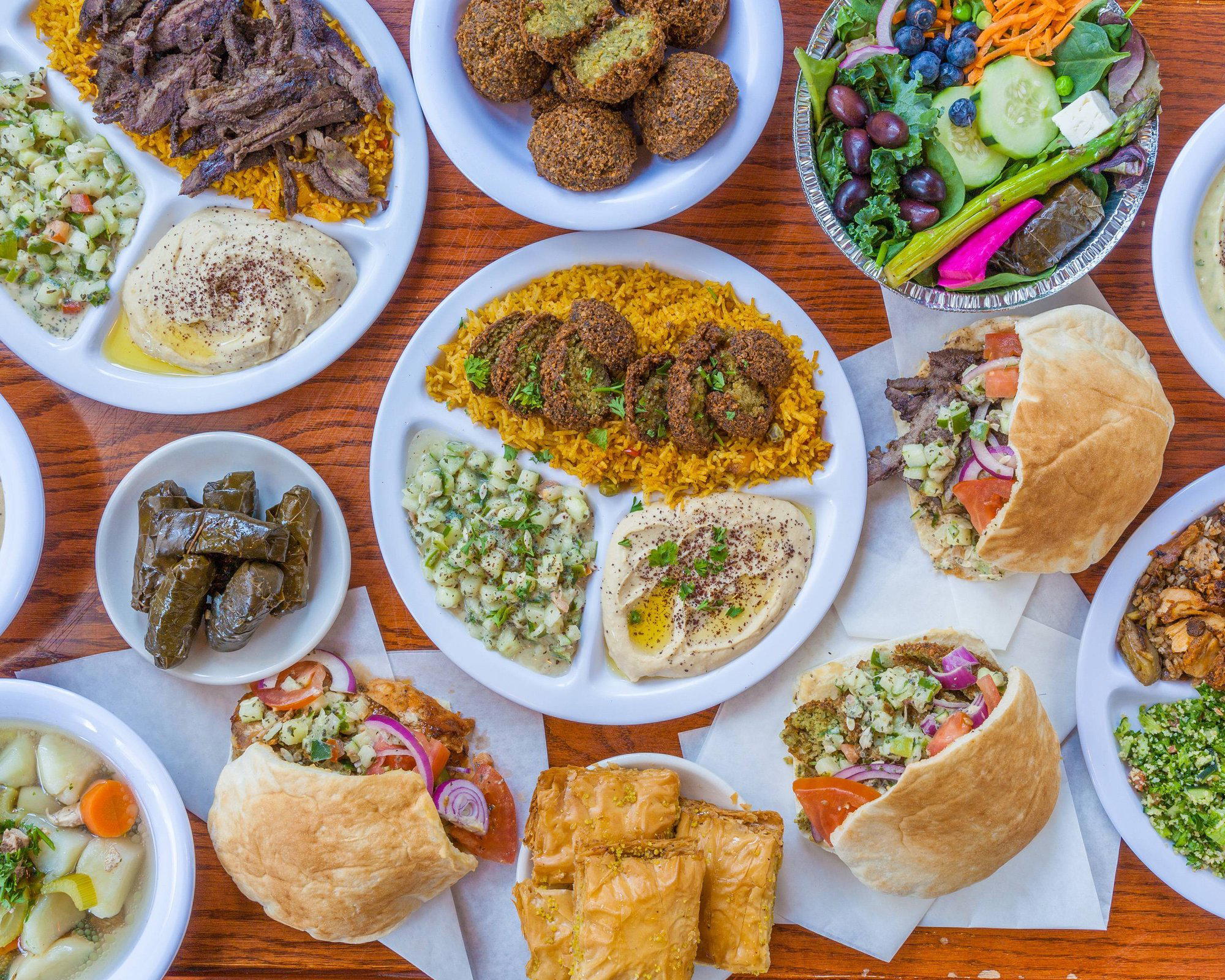
What the Regulars Know That First-Timers Don't
On North Clark Street in Lincoln Park, the gap between a venue that gets written about and a venue that gets returned to is wider than most editorial coverage admits. Sultan's Market, at 2521 N Clark St, falls into the second category. Its repeat clientele is not built on novelty or prestige signalling — the kinds of forces that drive first visits to places like Alinea or Kasama — but on the kind of reliability that registers only after several visits. The room does not announce itself. What it offers is consistency at a price point that the neighborhood has absorbed into its weekly rhythm.
Chicago's dining ecosystem is unusually stratified. At the leading, tasting-menu houses like Smyth, Oriole, and Next Restaurant command national attention and multi-month booking windows. Below that tier, a dense middle layer of neighborhood spots absorbs the daily demand from residents who are not planning a dining event so much as feeding themselves well without ceremony. Sultan's Market operates in that middle layer, and it does so with a counter-service format that strips away the friction of reservation management, tipping logic, and theatrical plating. What's left is the food itself, which is where the regulars focus.
The Counter-Service Tradition This Venue Belongs To
Middle Eastern counter-service in American cities has followed a specific trajectory over the past three decades. What began as a format associated almost exclusively with immigrant communities serving their own neighborhoods gradually expanded into mainstream dining, first through fast-casual chains that standardized falafel and shawarma into assembly-line formats, and later through a smaller cohort of independent spots that retained the informality while lifting ingredient quality and preparation care. Sultan's Market belongs to the independent cohort, a North Side Chicago fixture that has outlasted multiple waves of restaurant openings and closures in a corridor known for high turnover.
The longevity itself is an editorial data point. Lincoln Park is not a forgiving market. Rent pressure from the surrounding residential density and competition from a restaurant scene that rewards novelty make multi-year survival a credential in itself. Venues that last in this neighborhood do so because they have embedded themselves in the routines of local residents rather than depending on destination traffic. That's a different competitive strategy than the one pursued by, say, Lazy Bear in San Francisco or Blue Hill at Stone Barns, and it produces a different kind of venue loyalty.
What Keeps People Coming Back
The regulars at Sultan's Market are not chasing a meal they cannot replicate. They are chasing one they do not want to have to think about assembling themselves. Middle Eastern cuisine in this counter-service format, falafel, shawarma, hummus, and related preparations, lends itself to that dynamic. The dishes are familiar enough that repeat diners have a clear sense of their own preferences, which makes the ordering process faster and the satisfaction more immediate than at a venue where the menu rotates or requires interpretation.
This is a different relationship with food than the one cultivated by tasting-menu operations, where the chef's sequence is the entire point. At The French Laundry or Le Bernardin in New York City, the diner surrenders control of the experience to the kitchen. At Sultan's Market, the diner knows exactly what they want before they reach the counter. That confidence is part of what the regular clientele is buying, a transaction that respects their time and their existing knowledge of the menu.
For first-time visitors, the practical implication is direct: arrive with some orientation toward the cuisine, and pay attention to what the person in front of you orders. The regulars have already done the tasting work.
Where Sultan's Market Sits in Chicago's Broader Dining Map
Lincoln Park's dining scene skews toward the accessible end of Chicago's range, which runs from neighborhood spots like this one all the way to Michelin-starred counters. The North Clark corridor specifically has developed a character around everyday eating, the kind of block where a resident might stop multiple times in a week rather than once for a planned occasion. Sultan's Market fits that pattern and reinforces it.
For visitors using Chicago dining as a frame for understanding the city's food culture, Sultan's Market represents a strain of that culture that rarely gets coverage in the same sentence as Addison in San Diego or Atomix in New York City, but which is equally present in the daily lives of actual residents. The city's full restaurant ecosystem contains multitudes, and no honest account of Chicago dining stops at the tasting-menu tier. The same neighborhood that houses ambitious contemporary restaurants also sustains this kind of operation, and the coexistence is not a contradiction, it reflects a dining culture that is genuinely stratified rather than aspirationally unified around a single register.
Comparable independent operations at this price and format tier exist in most American cities with significant Middle Eastern communities. What distinguishes the Chicago examples, including Sultan's Market, is the specific pressure of the Lincoln Park market, which forces a level of execution discipline that looser real-estate environments do not require. The venues that survive here have earned their longevity through output quality, not through the accumulated cultural authority that protects established institutions in less competitive corridors, the way, for instance, Bacchanalia in Atlanta or The Inn at Little Washington benefit from decades of reputation capital in their respective markets.
Planning Your Visit
Sultan's Market is located at 2521 N Clark St, Chicago, IL 60614, in the Lincoln Park neighborhood. No booking data is available in the EP Club record, and the counter-service format typically operates on a walk-in basis. First-time visitors benefit from arriving with a sense of what they want rather than expecting an extended deliberation period at the counter. For broader Chicago itinerary planning, the EP Club Chicago guide maps the city's dining across price tiers and neighborhoods.
Quick reference: 2521 N Clark St, Chicago, IL 60614 | Lincoln Park | Counter-service format | Walk-in.
How Sultan's Market Chicago compares with similar nearby venues.
| Venue | Cuisine | Price |
|---|---|---|
| Wiener Circle | Hot Dogs | Not listed |
| North Pond | Contemporary | $$$$ |
| mfk. | Seafood, Spanish | $$$ |

At a Glance
- Cozy
- Casual
- Casual Hangout
- Standalone
Current opening hours
- Monday
- 10 AM–10 PM
- Tuesday
- 10 AM–10 PM
- Wednesday
- 10 AM–10 PM
- Thursday
- 10 AM–10 PM
- Friday
- 10 AM–10 PM
- Saturday
- 10 AM–10 PM
- Sunday
- 10 AM–9 PM
Hours can change for holidays and private events. Last verified .
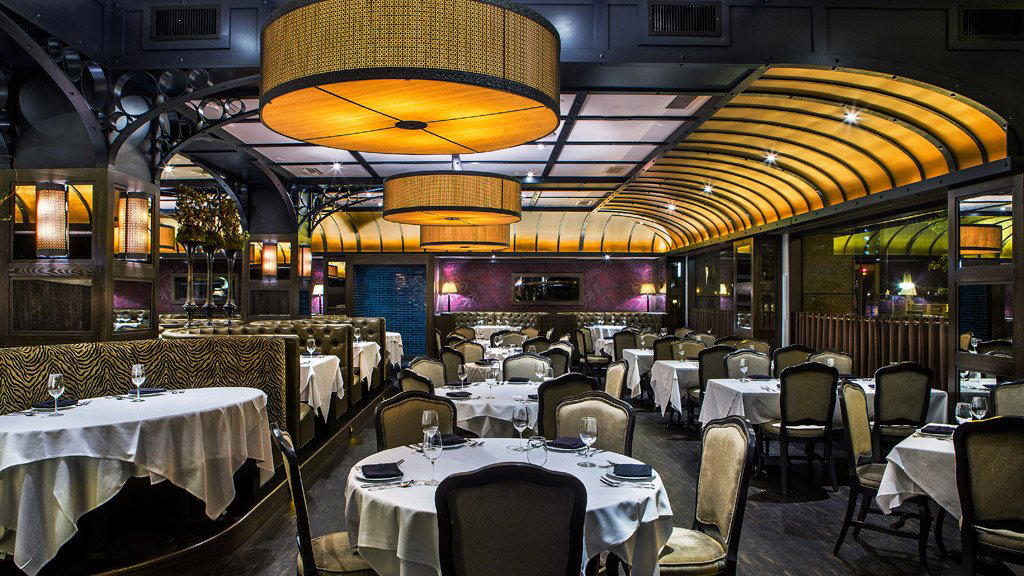
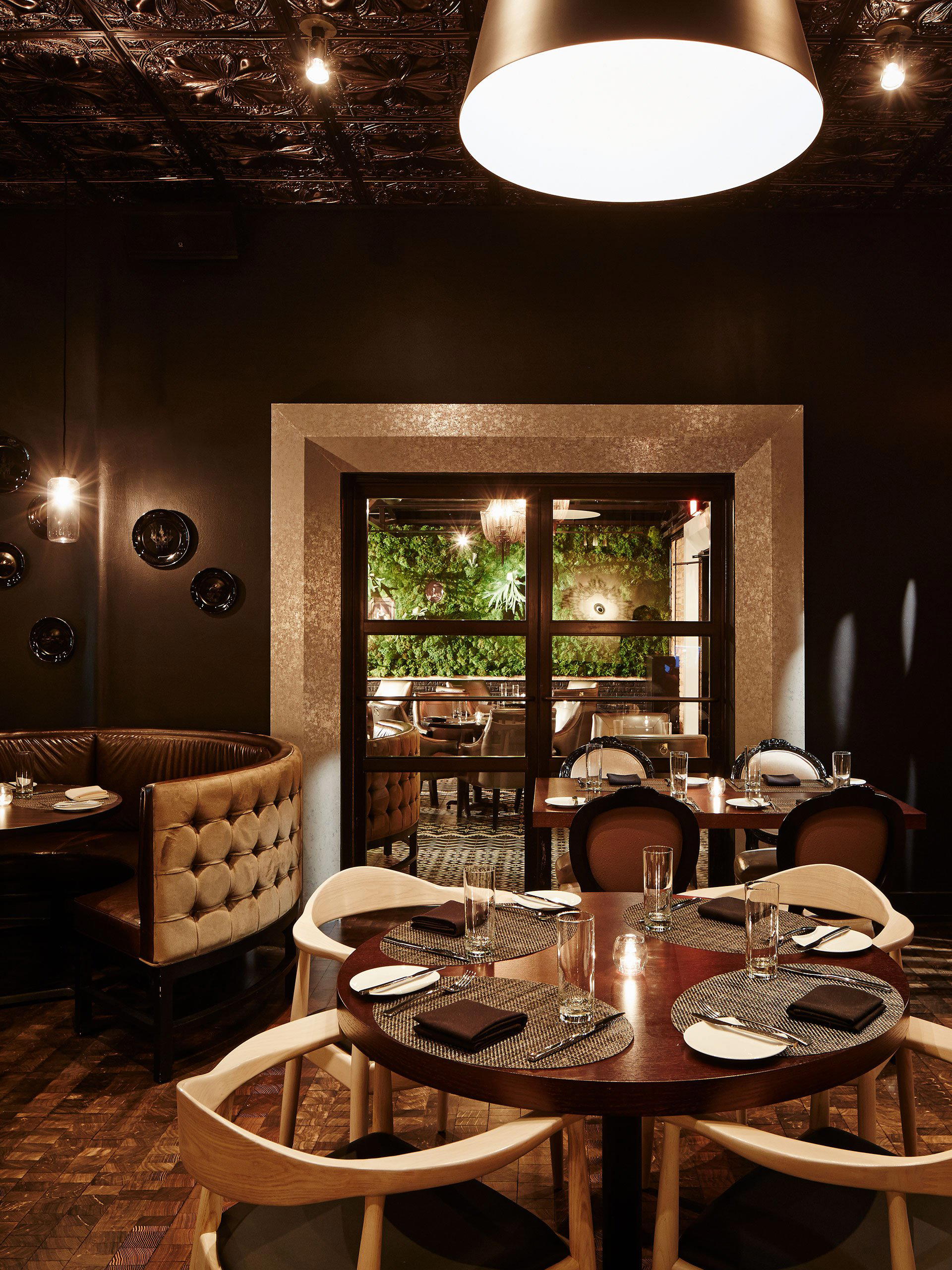
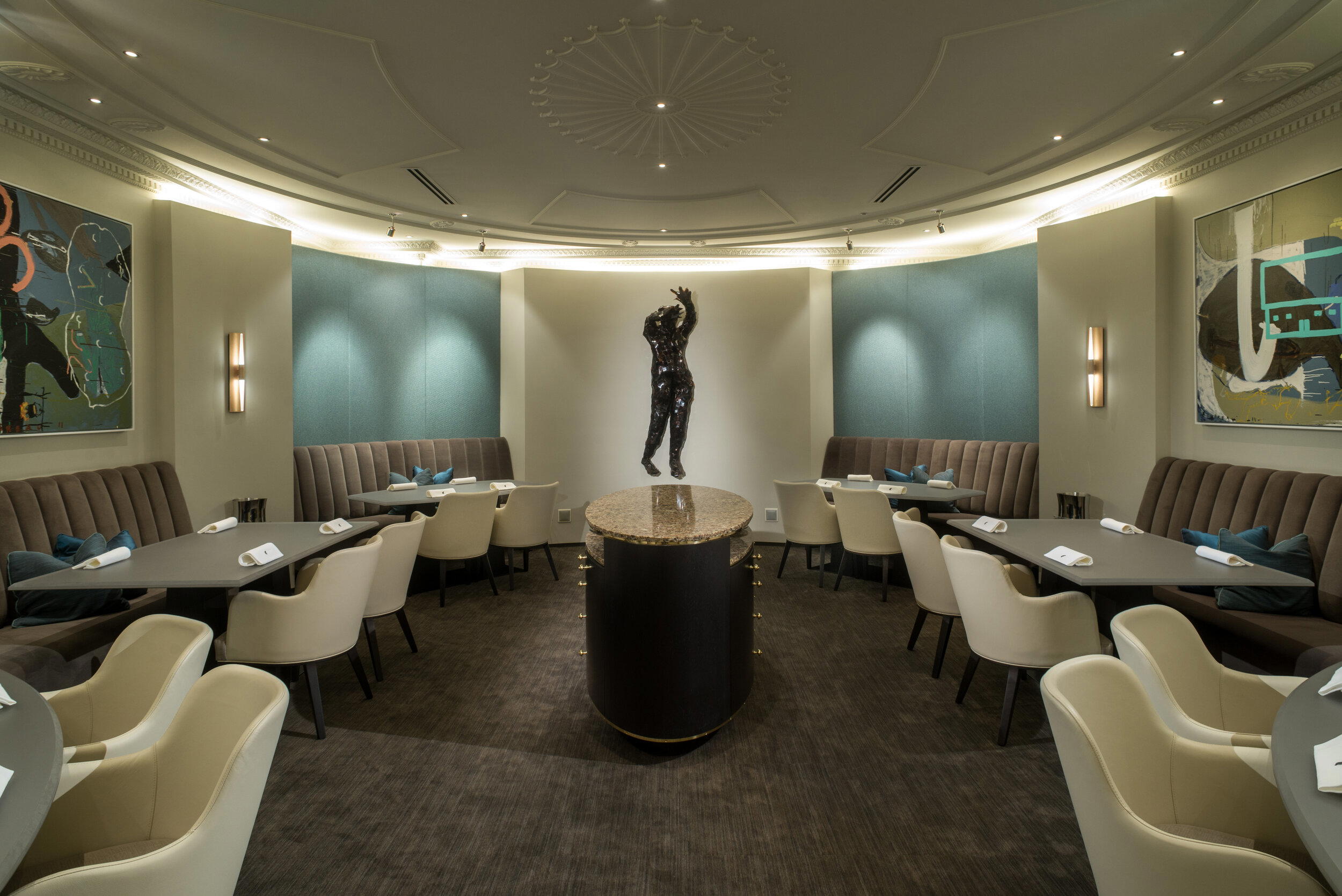
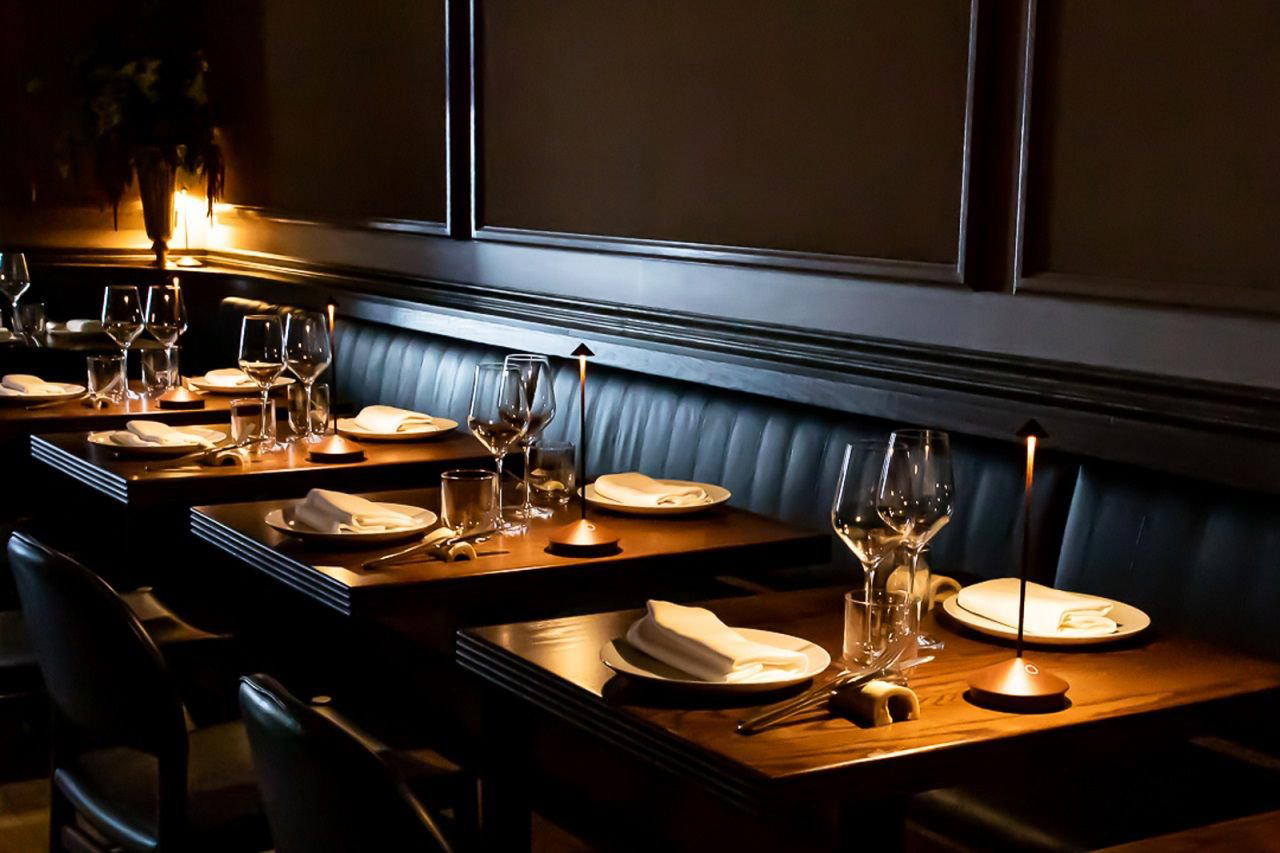
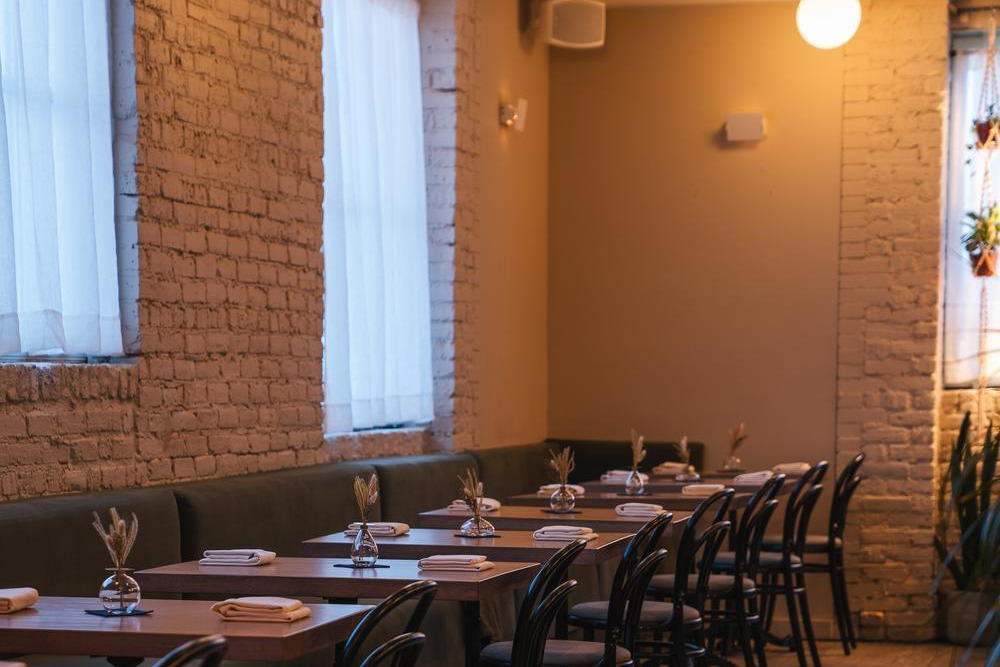
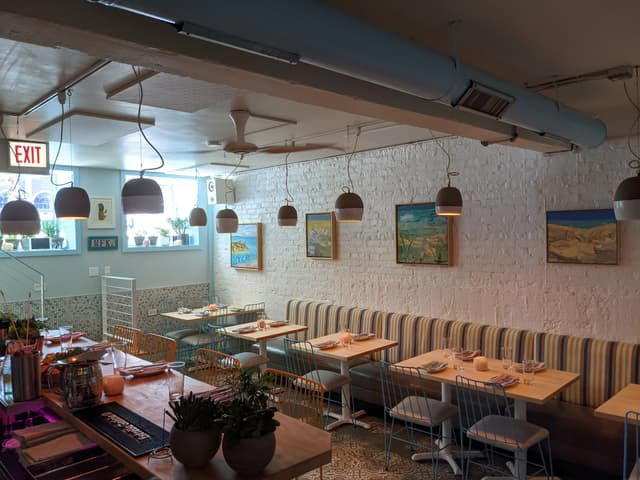
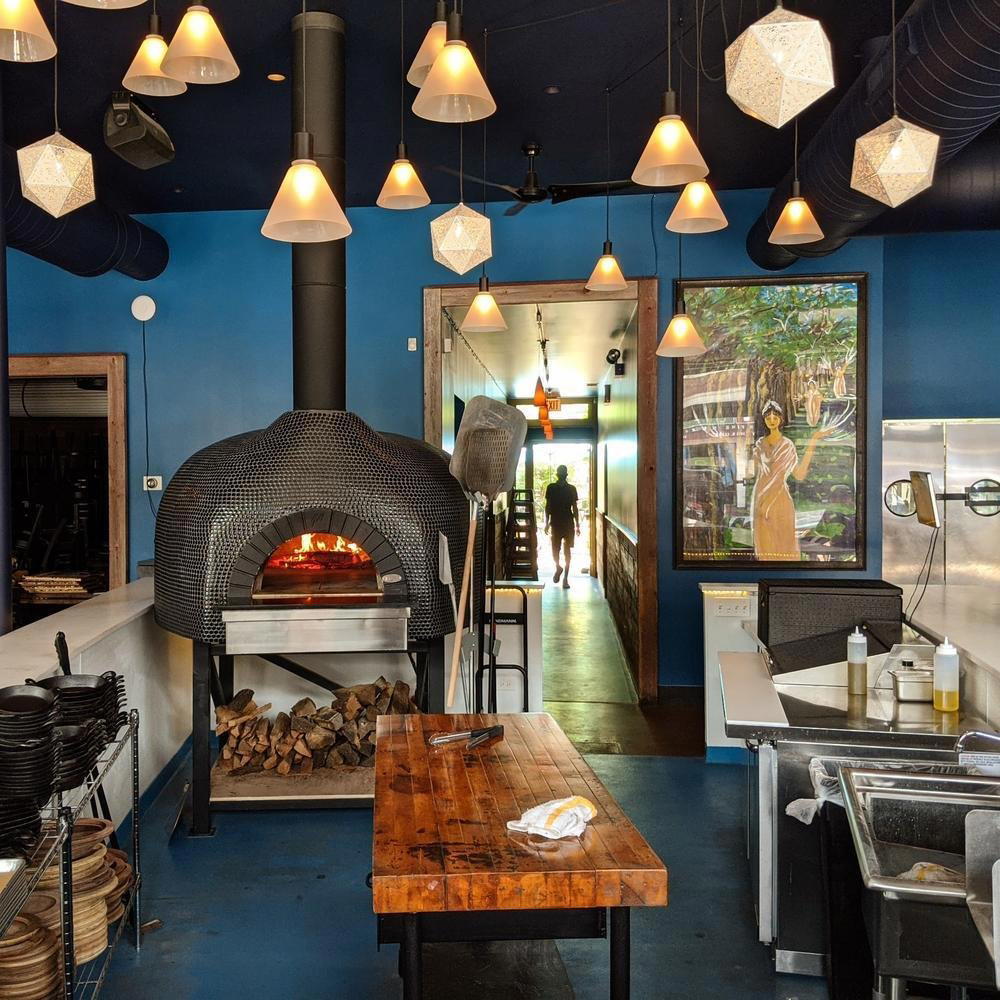
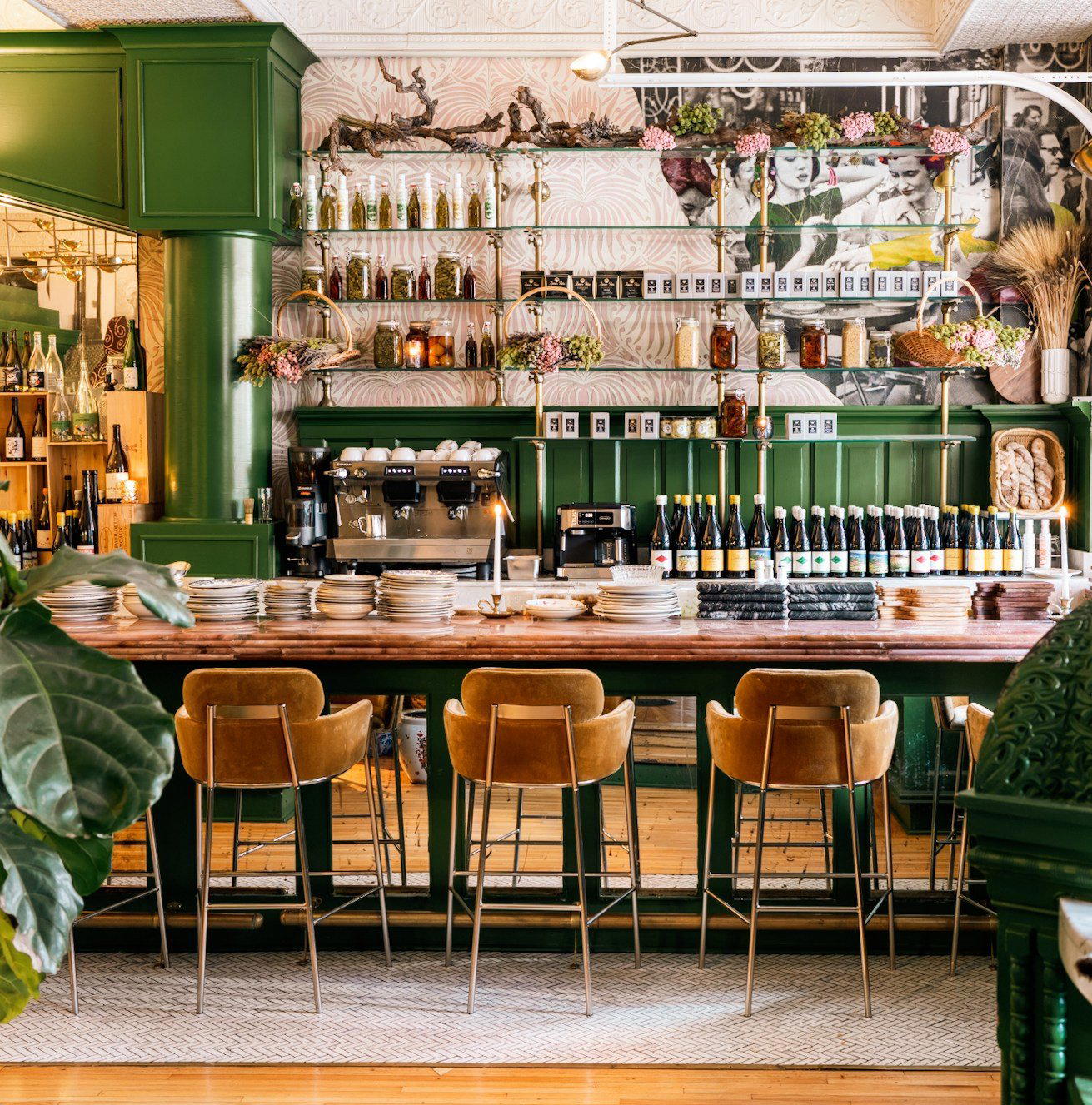
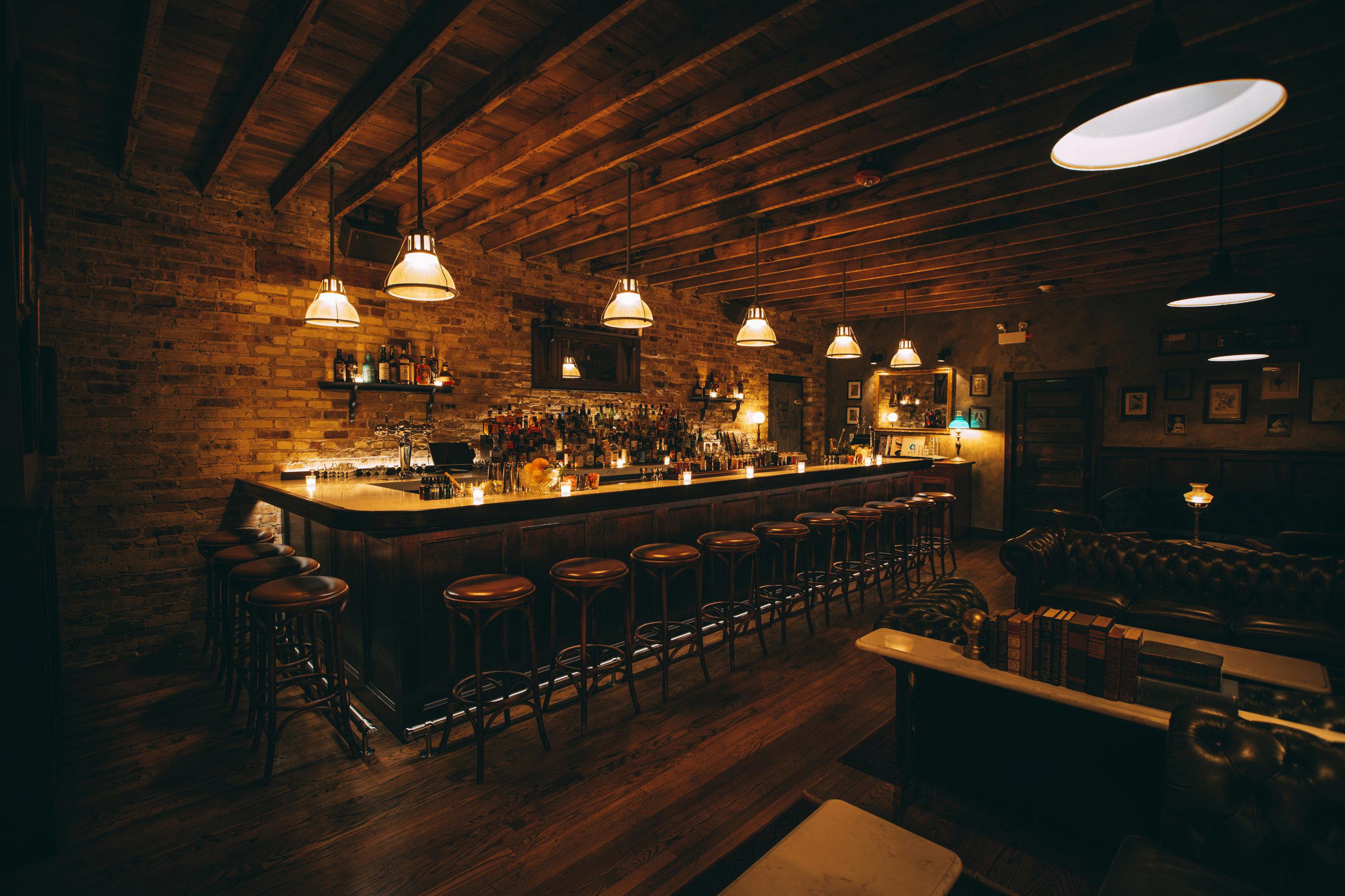
Cozy neighborhood spot with casual, welcoming atmosphere, aromatic with spices from fresh falafel and shawarma.
Know Before You Go
- Getting there
- 2521 N Clark St, Chicago, IL 60614