Carnitas Don Pedro
On West 18th Street in the heart of Pilsen, Carnitas Don Pedro occupies a different register than Chicago's tasting-menu circuit. Where spots like Kasama and Smyth trade in composed plating and reservation windows, this address draws a neighborhood crowd that measures loyalty in decades rather than seasons. It is a study in what keeps a room full without a publicist or a prix-fixe.
Pearl is the En Primeur Club membership app — saves, bookings, and concierge access live there. Same editors, same standards.
- Address
- 1113 W 18th St, Chicago, IL 60608
- Phone
- +13128294757
- Website
- order.toasttab.com
- Directions
- Get directions
 Saves & bookings on Pearl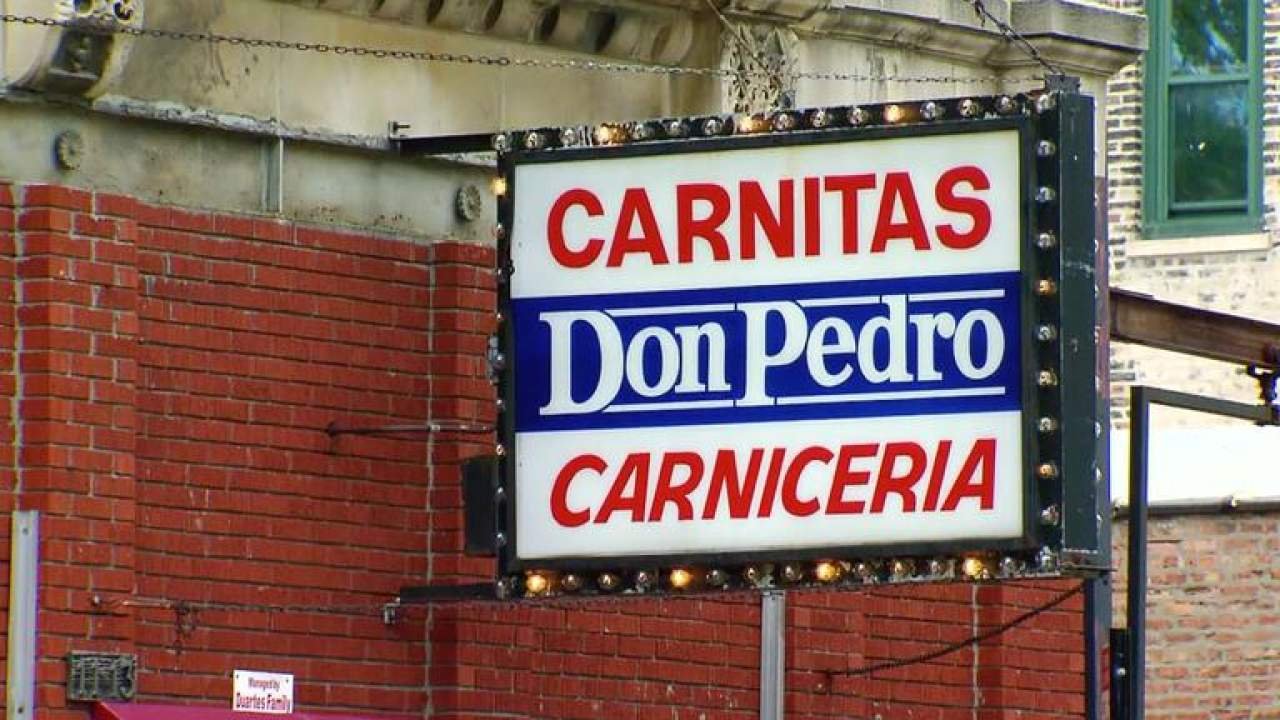
Walk west along 18th Street on a weekend morning and the signal arrives before the address does: the smell of rendered pork fat drifting from a kitchen that has been operating at this rhythm long enough that the surrounding block has shaped itself around the routine. Pilsen, Chicago's historically Mexican neighborhood on the near Southwest Side, runs on this kind of commercial anchor. A handful of establishments here have accumulated enough years and enough repeat custom that they function less like restaurants and more like civic institutions. Carnitas Don Pedro at 1113 W 18th St is one of them.
The Pilsen Context
Pilsen's dining character is worth understanding before drawing comparisons. The neighborhood sits outside the geography where Chicago's tasting-menu establishments cluster. Alinea, Smyth, and Oriole operate in Lincoln Park and the West Loop, neighborhoods where real estate and diner demographics have long supported multi-course formats priced at several hundred dollars per head. Pilsen runs on a different contract between kitchen and customer. The expectation here is not novelty or occasion dining but consistency and volume: the same preparation executed the same way, available at hours that serve families and workers rather than expense accounts.
That contrast is instructive. Chicago's food culture has room for both ends of this spectrum, and the city's deeper identity arguably sits closer to Pilsen than to the fine-dining corridors that tend to attract national critical attention. Kasama, which crosses the neighborhood-institution format with Michelin-level technique, is a relatively rare example of a venue that operates somewhere between these poles. Most addresses in Pilsen do not aim for that intersection, and Carnitas Don Pedro is not an exception to that observation.
What Carnitas Culture Means in This Room
Carnitas as a preparation has a specific logic that rewards understanding. The dish originates in Michoacán, where pork is braised or confit-cooked in its own fat, often in large copper cauldrons, until the meat reaches a state where exterior crispness and interior softness coexist. The preparation is inherently communal and volume-oriented: it is difficult to execute at small scale, and the economics favor operations that move significant quantities. This is not a dish that translates naturally to à la carte fine dining. It belongs to a tradition of market cooking and family celebration.
Establishments that do this well in the United States tend to operate in one of two formats: weekend-only windows where carnitas sells out by mid-morning, or high-throughput counters that maintain supply through the day by staging multiple cooking cycles. Both formats share a characteristic that distinguishes them from occasion dining: the clientele knows exactly what it is coming for, and the kitchen's job is to not disappoint rather than to surprise. The regulars at a carnitas counter are not exploring. They have already made their decision on a previous visit and returned because that decision was validated.
This dynamic, common to the strongest neighborhood taqueria and carnicería operations across Chicago, Los Angeles, and other cities with substantial Mexican-American communities, produces a kind of culinary confidence that is different from the confidence on display at, say, Next Restaurant or Le Bernardin in New York City. There, menus change and the kitchen's authority rests on its capacity to evolve. At a carnitas counter, authority rests on sameness. The room trusts the kitchen because the kitchen has not changed its answer.
The Regulars' Frame
The most useful lens for reading an address like Carnitas Don Pedro is not the critic's lens but the regular's. A customer who has been coming to this block for years carries a mental map of the place that no first-time visitor possesses: which hour produces the crispest exterior on the carnitas, whether the Sunday crowd arrives earlier than the Saturday crowd, which sides travel leading if you are taking an order home. This accumulated knowledge is the unwritten menu, and it is the actual product the kitchen is protecting.
Pilsen regulars tend to be loyal in ways that reflect the neighborhood's character. 18th Street functions as a commercial main street where the same families have been shopping, eating, and socializing across generations. The businesses that survive here do so not by attracting new audiences through press or social media but by maintaining the confidence of people who have other options and choose not to use them. That is a different kind of credential than a Michelin star, and it is not a lesser one.
For a visitor approaching this address for the first time, the practical implication is to arrive without a fixed expectation built from high-end dining references. The comparison set is not The French Laundry in Napa or Blue Hill at Stone Barns in Tarrytown. The relevant comparison is other carnitas counters across Chicago's Mexican neighborhoods and, further afield, the benchmark operations in cities like Los Angeles, where spots such as Providence sits in a completely different register, or Lazy Bear in San Francisco, which represents yet another axis of the American dining spectrum. Carnitas Don Pedro sits on the axis that measures depth of neighborhood rootedness, and by that measure it holds a defensible position.
Pilsen as a Dining Destination
For visitors making a broader circuit of Chicago's dining geography, Pilsen warrants a dedicated trip rather than an afterthought. The neighborhood's concentration of Mexican bakeries, taquerias, carnicerías, and sit-down restaurants gives it a coherence that few other Chicago neighborhoods match in this culinary register. 18th Street between Halsted and Western is the commercial core, walkable and dense enough to support an afternoon of eating across formats. Our full Chicago restaurants guide maps the broader city landscape, including the fine-dining tier occupied by venues like Atomix in New York City (referenced as a peer-set benchmark for contemporary tasting formats) and the more approachable middle tier.
Reaching Pilsen from the Loop is direct by CTA Pink Line to 18th Street station, which deposits riders a short walk from the main commercial stretch. Weekend mornings are the high-traffic window for carnitas operations throughout the neighborhood, a pattern that holds across similar establishments in Chicago's Southwest Side Mexican communities. Arriving before noon on a Saturday or Sunday aligns with the rhythm most regulars follow.
Know Before You Go
Address: 1113 W 18th St, Chicago, IL 60608
Neighborhood: Pilsen, Chicago Southwest Side
Getting There: CTA Pink Line to 18th Street station; street parking available on and around 18th St
Leading Timing: Weekend mornings align with peak carnitas service at neighborhood operations of this type; arrive early to ensure availability
Booking: Counter-service format; no advance reservation required or typically expected at addresses of this type
Context: Compare against other Pilsen carnitas counters rather than tasting-menu venues; the credential here is neighborhood tenure and repeat clientele
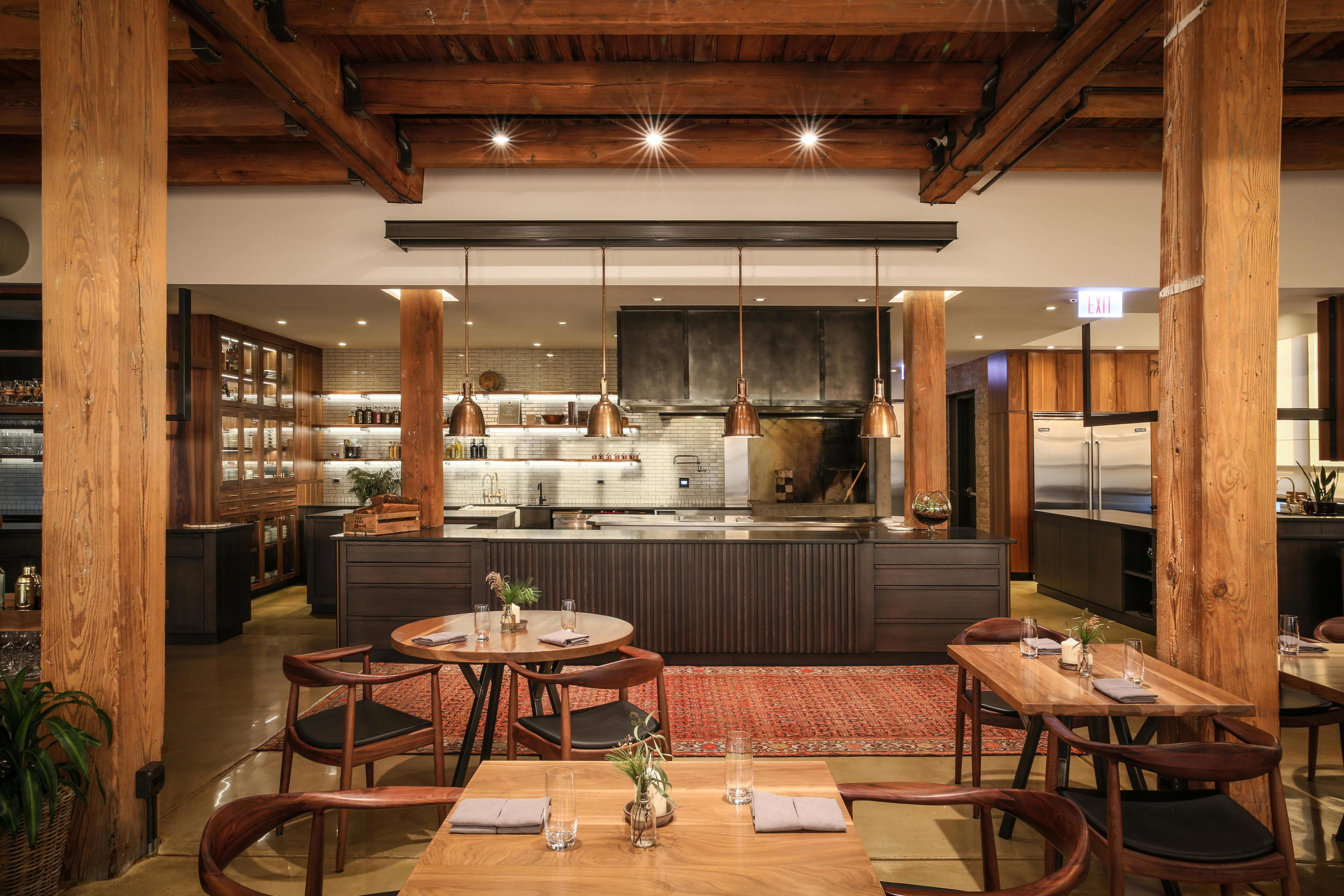
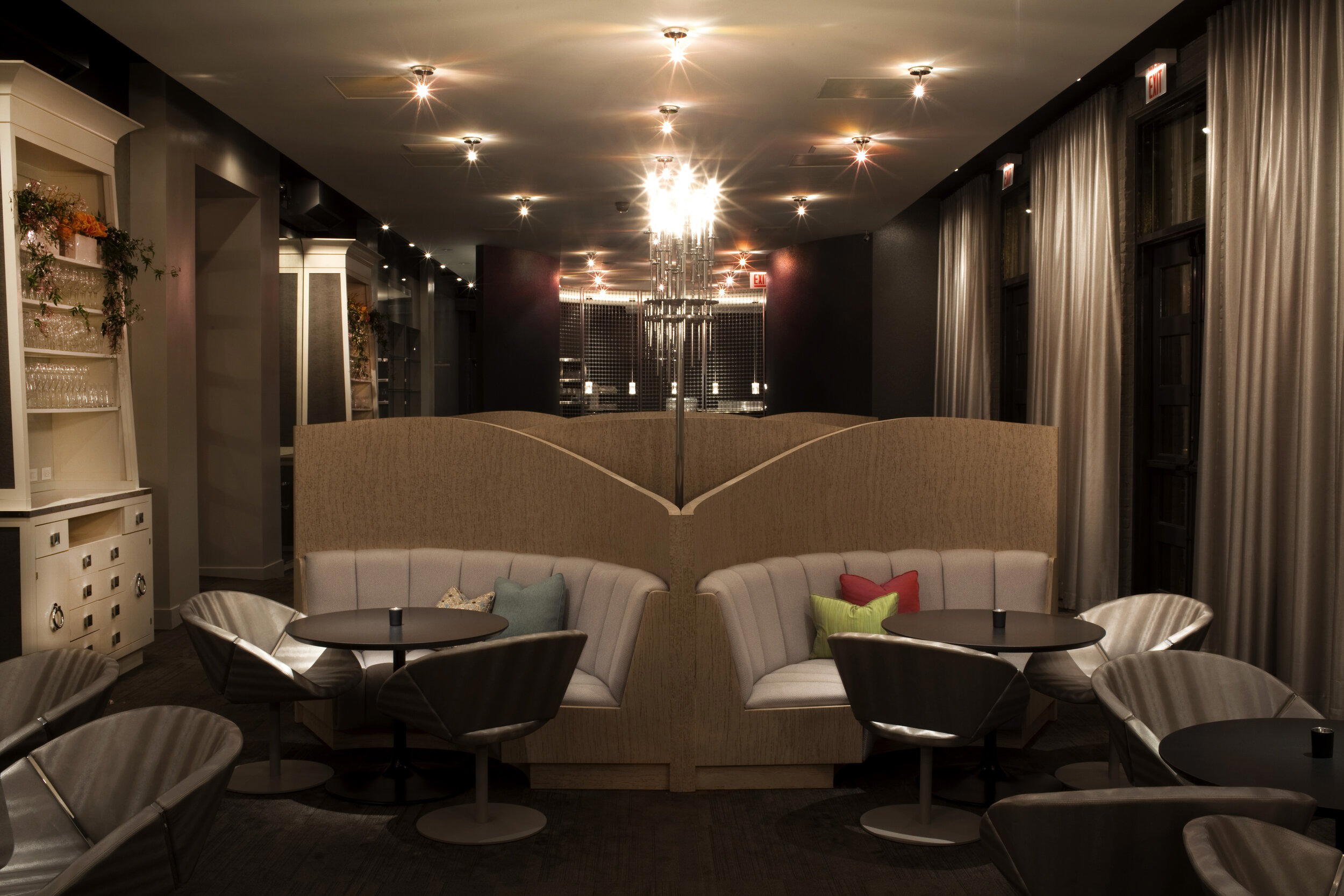
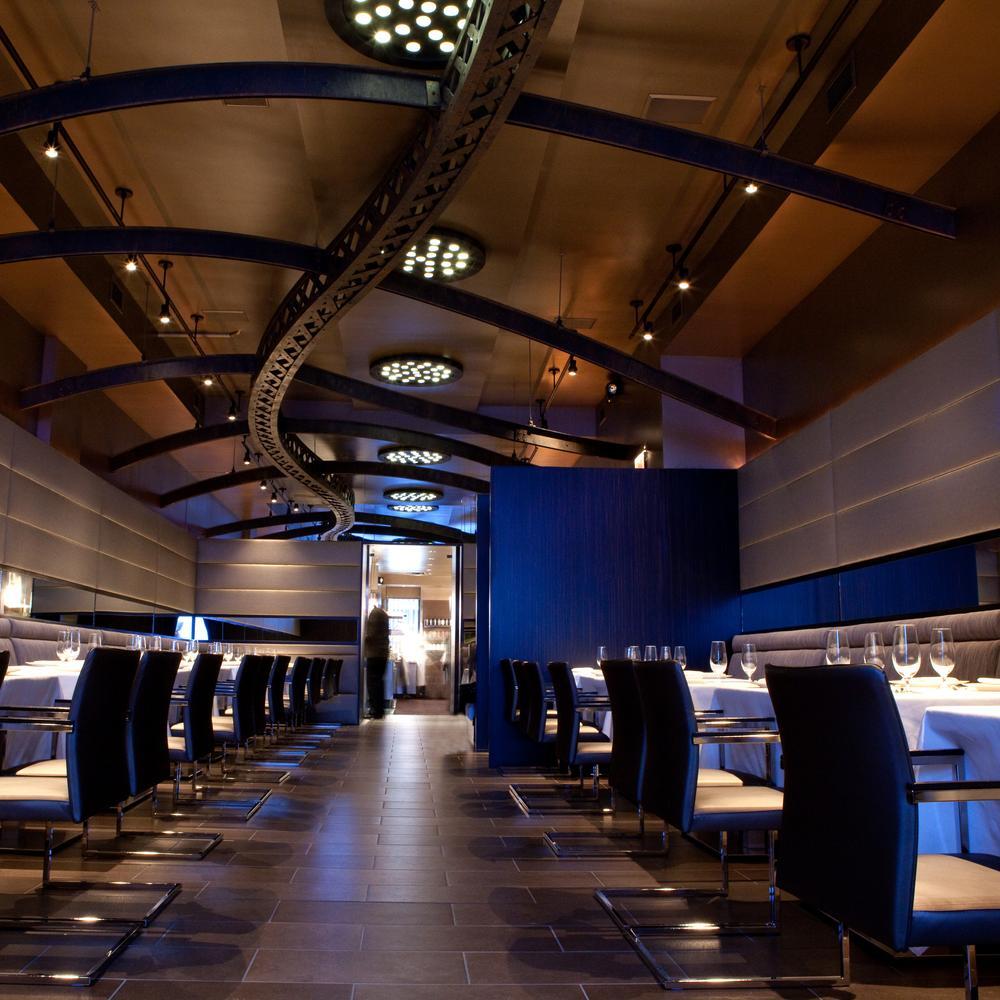
How Carnitas Don Pedro Chicago compares with similar nearby venues.
| Venue | Cuisine | Price |
|---|---|---|
| HaiSous | Vietnamese | $$ |





At a Glance
- Rustic
- Cozy
- Casual Hangout
- Standalone
Current opening hours
- Monday
- 6 AM–4 PM
- Tuesday
- 6 AM–4 PM
- Wednesday
- 6 AM–4 PM
- Thursday
- 6 AM–4 PM
- Friday
- 5 AM–4 PM
- Saturday
- 5 AM–3 PM
- Sunday
- 5 AM–3 PM
Hours can change for holidays and private events. Last verified .
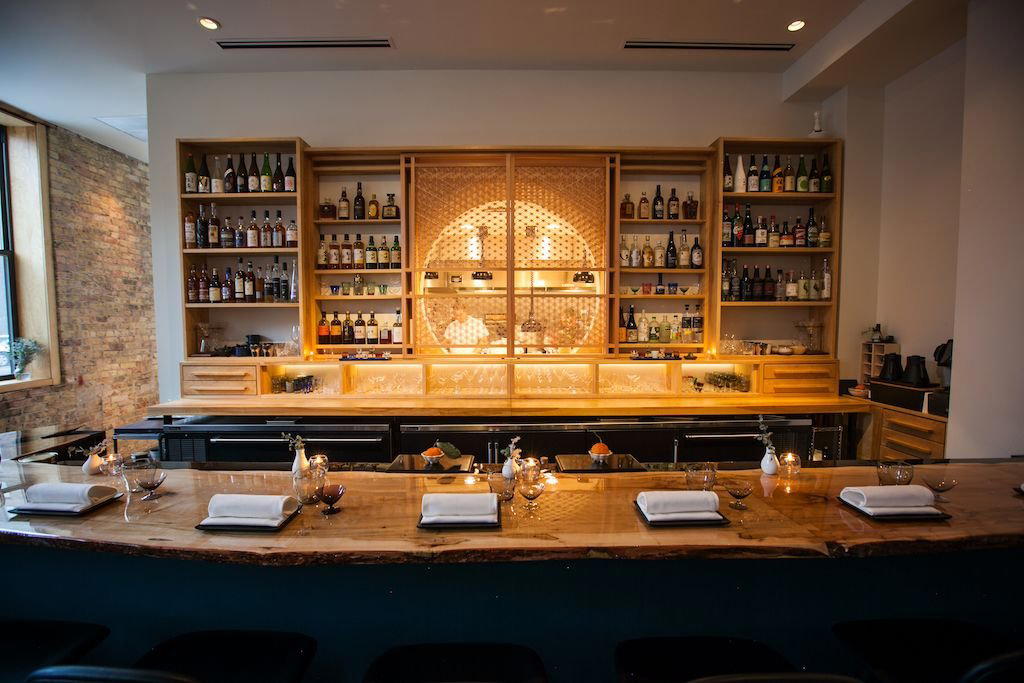
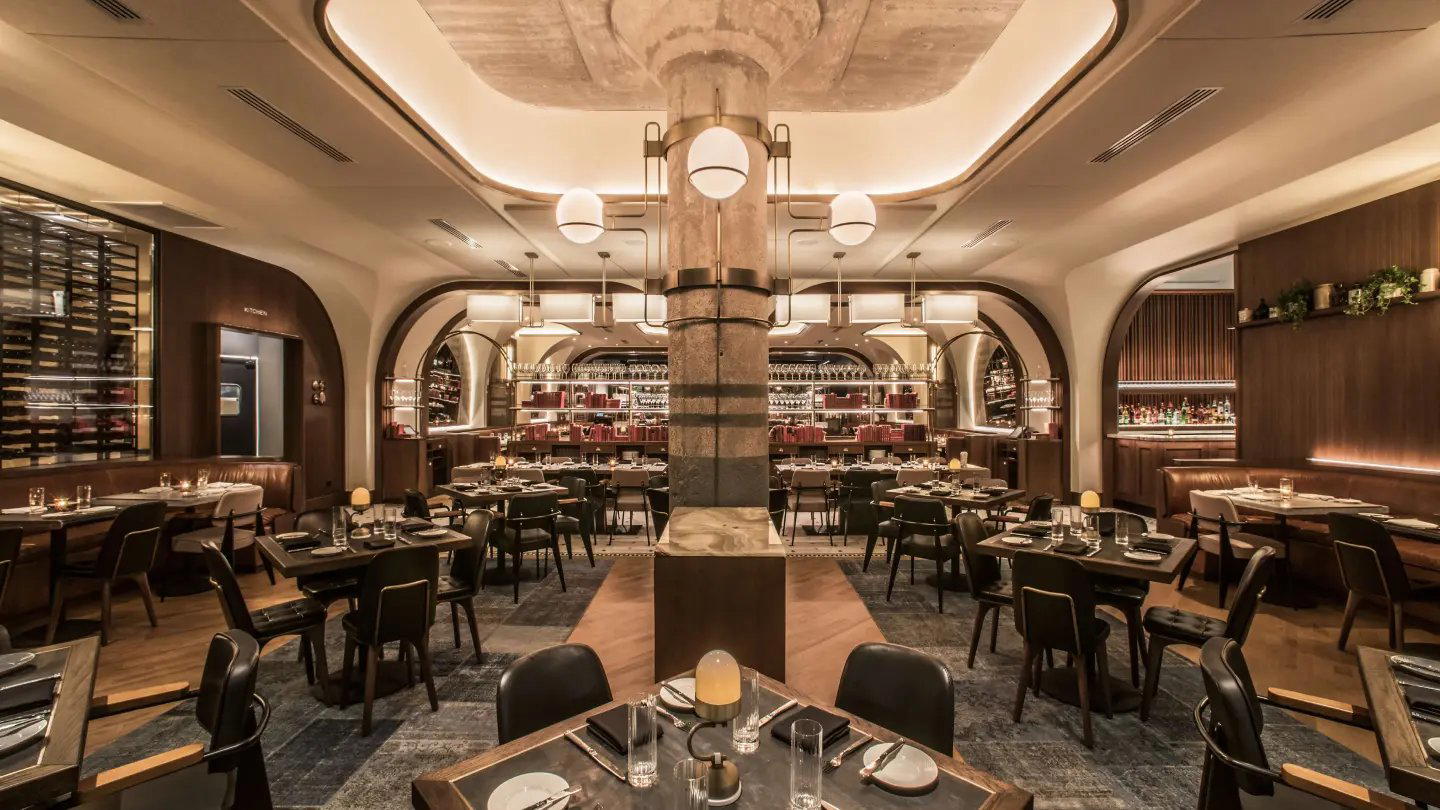
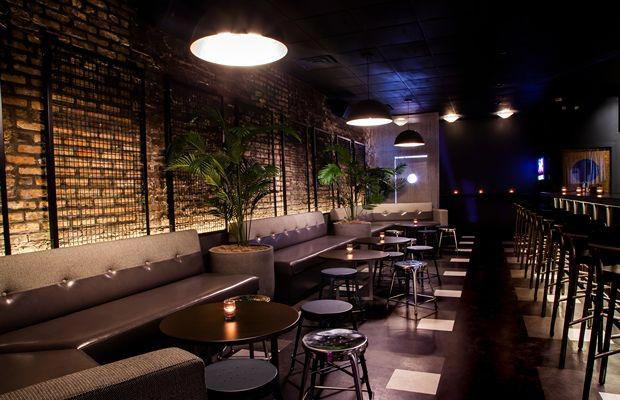
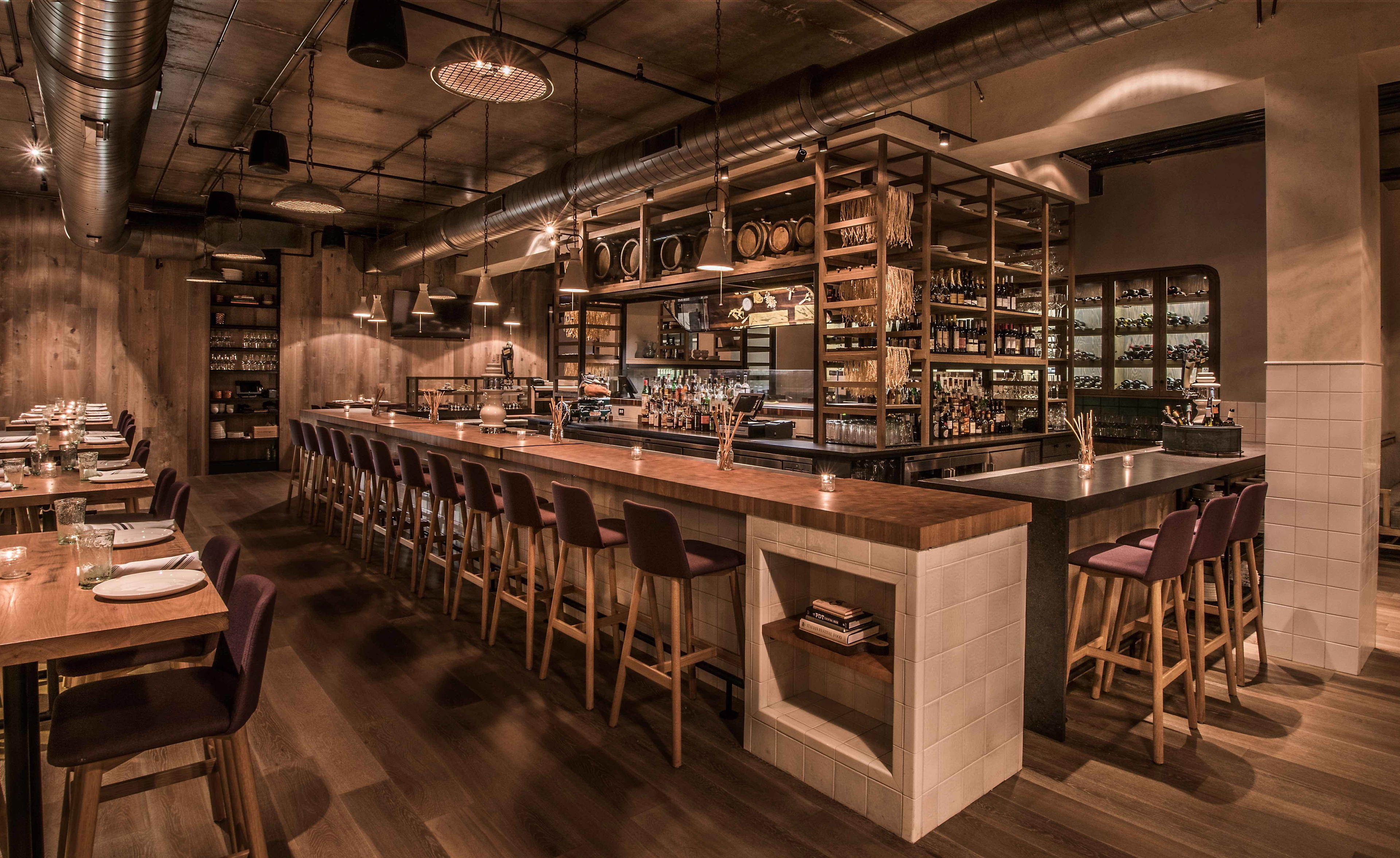
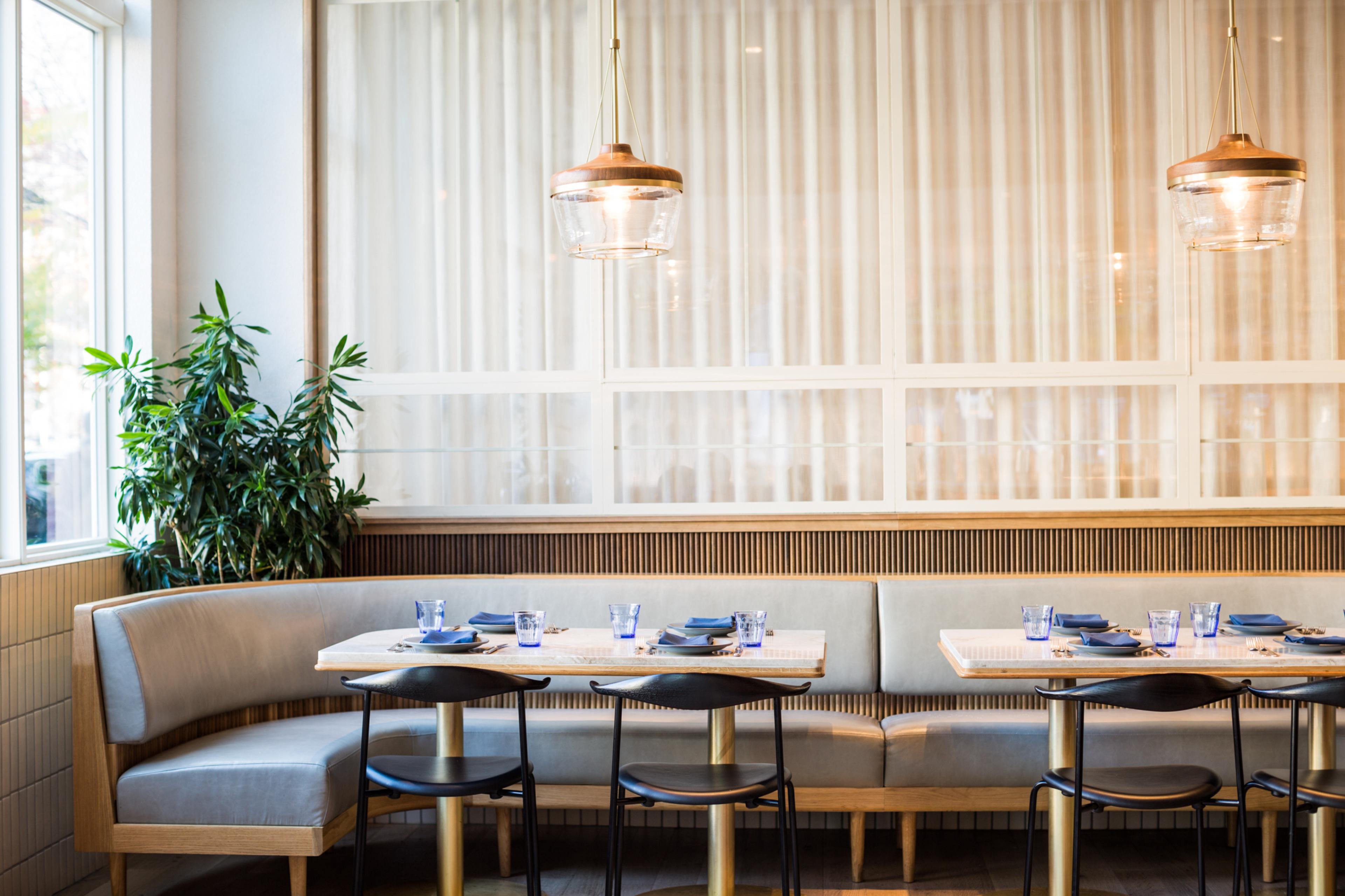
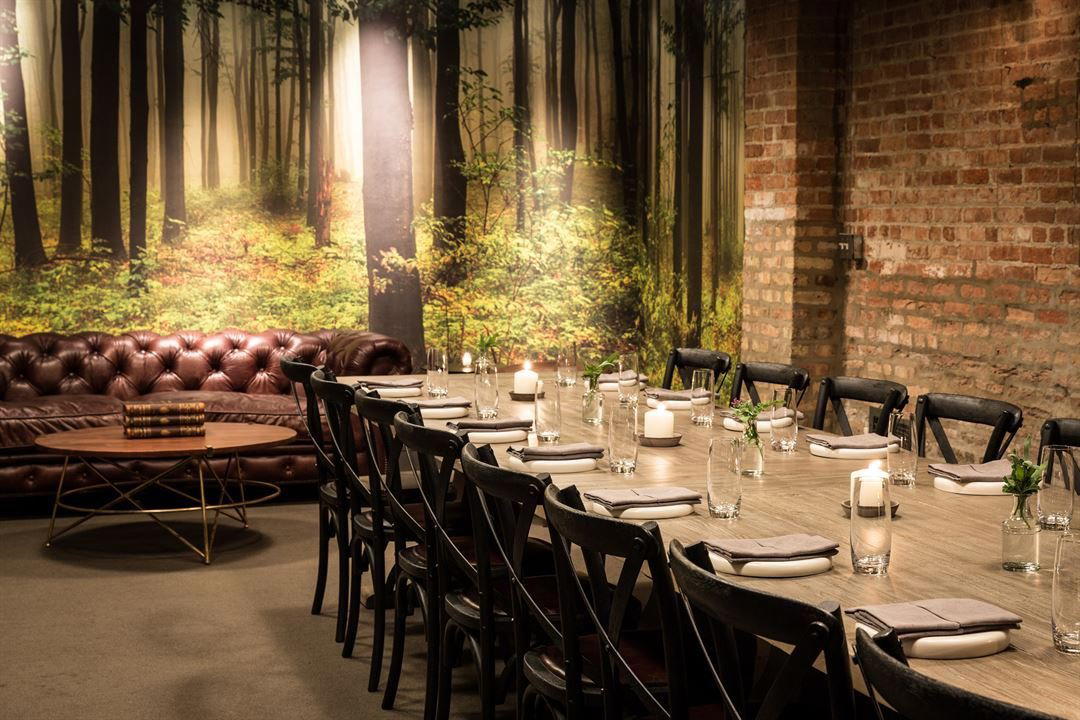
Casual neighborhood spot with simple seating, lively local crowds, and authentic Mexican market atmosphere featuring chicharron starters and fresh salsas.
Know Before You Go
- Getting there
- 1113 W 18th St, Chicago, IL 60608