Sully's Drive-In
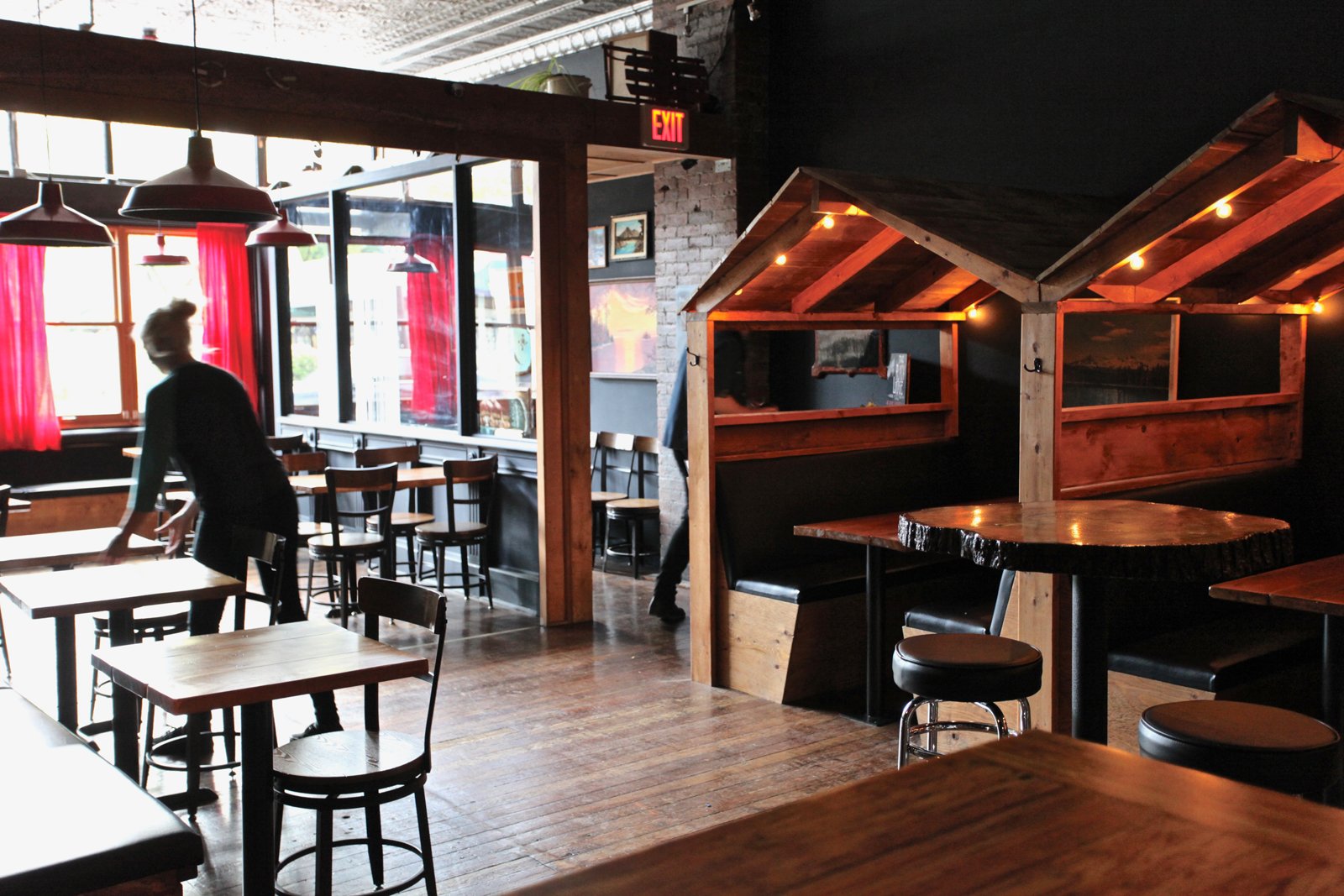
Sully's Drive-In sits on North Forks Avenue in Forks, Washington, a small Olympic Peninsula town where the surrounding old-growth forest and rain-soaked farmland define what ends up on the plate. As one of the few casual dining anchors in this remote corner of the Pacific Northwest, it occupies a particular place in Forks's limited but local-first food scene. The drive-in format signals unpretentious, community-rooted eating in a town that has never needed a reason to dress up dinner.
 Discover on Pearl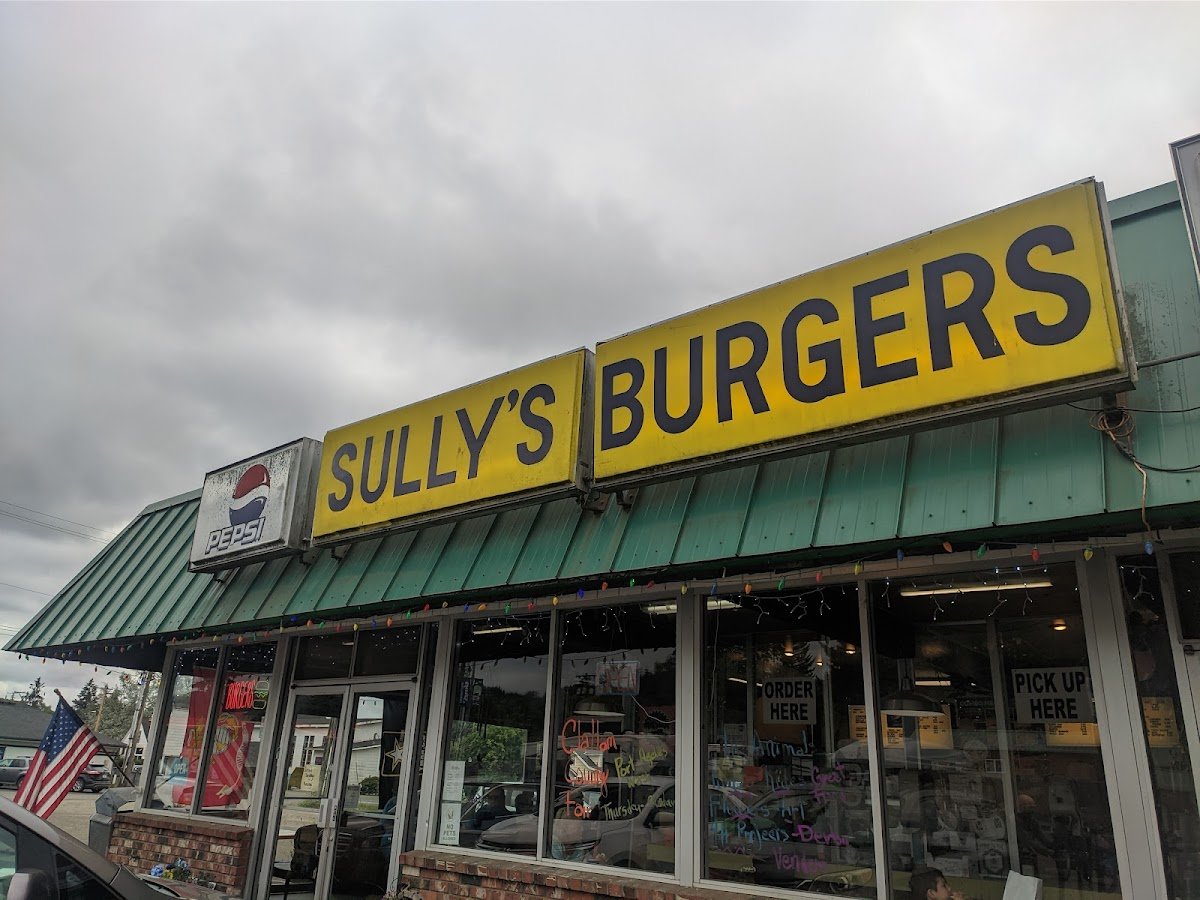
Eating at the Edge of the Olympic Peninsula
Forks sits roughly 60 miles from the nearest city of meaningful size, pressed between the Hoh Rain Forest and the Pacific coast on Washington's Olympic Peninsula. The town receives more than 120 inches of rainfall annually, a figure that shapes everything from the timber economy that built it to the agricultural conditions that supply its restaurants. In that context, Sully's Drive-In at 220 N Forks Ave is not simply a casual stop — it is one of the few year-round food anchors in a community where dining options are genuinely sparse and where the distance from major distribution hubs places a practical premium on whatever can be sourced close to home.
Drive-in and drive-through formats across the rural American West occupy a different social role than they do in suburban sprawl. They function as community infrastructure: a known quantity for locals who need a quick meal after a long shift, a first stop for travellers arriving from the coast trails, a place where the counter staff knows most of the regulars by name. Forks, with a population under 4,000, runs on exactly that logic. For a broader look at where Sully's sits within the full range of eating in town, see our full Forks restaurants guide.
What the Surrounding Land Provides
The Olympic Peninsula's ingredient story is specific and worth taking seriously. The region's combination of heavy rainfall, mild temperatures, and proximity to cold Pacific waters creates conditions that support distinct local produce: dairy from small-scale farms in the Dungeness and Sequim valleys to the north, elk and venison from surrounding forests, shellfish from Hood Canal, and salmon and steelhead from rivers that thread through the peninsula. Rural drive-ins in this part of Washington have historically pulled from these sources not out of any farm-to-table ideology but out of direct logistics — local suppliers are often the most accessible and the most consistent.
That pattern distinguishes the ingredient reality of a place like Forks from the sourcing story at, say, Blue Hill at Stone Barns in Tarrytown, where the farm relationship is curated and narrated as part of the dining proposition, or Single Thread Farm in Healdsburg, where the kitchen and the growing operation are integrated by design. At the other end of the formality scale, the sourcing is often just as local , driven by geography rather than philosophy. The Olympic Peninsula's food economy makes distance sourcing impractical for many operators, which tends to push menus toward whatever the regional supply chain can reliably deliver.
This matters for how a visitor should read a menu at a Forks establishment. Beef here is likely from the Pacific Northwest ranching corridor. Seafood, when available, can travel a short chain from the coast. The dairy in a milkshake or on a burger has a reasonable chance of being regionally produced. None of this is guaranteed without direct confirmation from the venue, but the structural conditions of the local food economy point in that direction.
The Drive-In Tradition and What It Tells You About a Town
Drive-in restaurants as a format peaked in the United States in the 1950s and 1960s, but they have shown remarkable staying power in rural communities across the Pacific Northwest and Intermountain West. Where chains have not penetrated deeply and where real estate economics don't support elaborate build-outs, the drive-in format remains practical: low overhead, fast service, a menu that meets the broadest possible local demand. Towns like Forks, where a significant portion of the economy runs on outdoor recreation, forestry, and agriculture, generate a customer base that wants food that is quick, filling, and familiar.
For comparison, the progressive American dining tier , places like Lazy Bear in San Francisco, Alinea in Chicago, or Brutø in Denver , operates on entirely different assumptions about diner time, spending capacity, and the role of a meal in a week. So does the fine-dining seafood tier represented by Le Bernardin in New York City or Providence in Los Angeles. Sully's is not competing in those brackets, nor should it be measured against them. Its peer set is the informal, community-anchored eatery that punches above its weight on consistency and local familiarity.
Restaurants in isolated Pacific Northwest towns tend to attract a specific cross-section: year-round residents, logging and outdoor industry workers, hikers and backpackers exiting the Olympic National Park trail system, and the Twilight-franchise tourism that has brought a recurring wave of visitors to Forks since the mid-2000s. A drive-in format handles all of those groups without friction.
Planning a Visit to Forks
Forks is accessible by US Route 101, which loops around the Olympic Peninsula. The drive from Seattle takes approximately three hours under normal conditions, passing through Port Angeles and skirting the northern edge of Olympic National Park. From Portland, the route is longer, running roughly four to five hours depending on the crossing point. Travellers entering from the coast trail system at Rialto Beach or Ruby Beach will pass through Forks naturally on the way back to the highway.
Because the town's dining options are limited in number, meal planning ahead of an Olympic Peninsula trip is worth the effort. Visitors arriving late in the day or during shoulder season (October through April, when tourism traffic drops) may find some options closed or operating reduced hours. Sully's drive-in format suggests a degree of operational flexibility suited to the town's varied traffic patterns, but confirming current hours before arrival is sensible given that no booking infrastructure is typically associated with this format.
Those who arrive in Forks looking for more considered Pacific Northwest cooking will need to travel: The French Laundry in Napa, Addison in San Diego, or Frasca Food and Wine in Boulder represent the kind of destination dining that requires a different kind of trip altogether. For the Olympic Peninsula itself, Sully's represents the accessible, everyday register that anchors local food life in a town that does not have the population density to support much else.
At-a-Glance Comparison
These are the closest comparables we have in our database for quick context.
| Venue | Cuisine | Price | Awards | Notes |
|---|---|---|---|---|
| Sully's Drive-In | This venue | |||
| Le Bernardin | French, Seafood | $$$$ | Michelin 3 Star | French, Seafood, $$$$ |
| Atomix | Modern Korean, Korean | $$$$ | Michelin 2 Star | Modern Korean, Korean, $$$$ |
| Lazy Bear | Progressive American, Contemporary | $$$$ | Michelin 2 Star | Progressive American, Contemporary, $$$$ |
| Alinea | Progressive American, Creative | $$$$ | Michelin 3 Star | Progressive American, Creative, $$$$ |
| Atelier Crenn | Modern French, Contemporary | $$$$ | Michelin 3 Star | Modern French, Contemporary, $$$$ |