
Sukiyaki Nabemono Nabeya puts Osaka’s hot-pot culture into a compact Nishinari room built for individual stoves, counter seats, and group tables. Its Tabelog 100 Hot Pot 2024 selection gives the address national dining relevance, while the format stays grounded in sukiyaki, mizutaki, nabe, sake, and shochu rather than luxury ceremony.
Pearl is the En Primeur Club membership app — saves, bookings, and concierge access live there. Same editors, same standards.
- Address
- 2 Chome-6-5 Tengachayakita, Nishinari Ward, Osaka, 557-0003, Japan
- Phone
- +81 6-6632-5716
- Website
- tabelog.com
 Saves & bookings on Pearl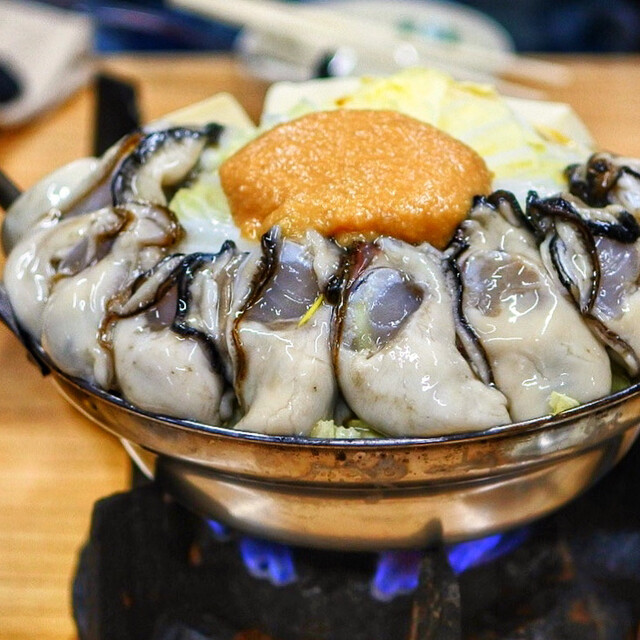
Approaching the low-rise streets around Imafune, the signal is not luxury theater but heat: small rooms, late-afternoon meals, and Osaka’s practical habit of eating well without making dinner a performance. Sukiyaki Nabemono Nabeya belongs to that register. The room is built around hot-pot mechanics, with fixed stoves for individual diners, a short counter, and tables for small groups. That matters more than decoration. In Osaka, where flour-based comfort, grilled beef, oden, and neighborhood nabe all compete for attention, the pleasure is structural: broth, heat, timing, and a drink beside the pot.
The restaurant’s selection for Tabelog 100 Hot Pot 2024 places it in a national conversation about sukiyaki, shabu-shabu, and nabe, but its appeal is not the rarified tasting-menu model that shapes much of Japan’s international fine-dining coverage. Osaka’s dining intelligence often sits in formats that value repeatable craft and low-friction eating. In the same city, Okonomiyaki Chitose works in a similarly accessible price band, Okonomiyaki Hayashi moves a notch higher, Oden Marukome shifts comfort-food grammar toward simmered dishes, and Itamae Yakiniku Itto Tengachaya honten occupies a higher-spend grilled-beef lane. Against that spread, this address reads as a hot-pot specialist, not a general Osaka crowd-pleaser.
Individual stoves turn nabe into a solo format
Japanese hot pot is often communal: a central vessel, shared pacing, and a table deciding what goes in next. The distinctive point here is the one-person setup. Fixed stoves at individual seats change the rhythm, letting diners control heat and timing without waiting for a group while keeping nabe’s visual language intact. It is a useful Osaka correction to the idea that sukiyaki and mizutaki require a formal group occasion.
The category range is narrow in the right way: sukiyaki, mizutaki, and nabe. Sukiyaki brings the sweet-soy idiom of beef and vegetables; mizutaki points to a cleaner chicken-broth tradition; nabe covers the broader Japanese hot-pot family. Without chef mythology or a signature-dish narrative, the format explains the restaurant’s place in the city. It is a specialist room for simmering and grilling heat, not a menu built to show range across unrelated genres.
Osaka has long rewarded food that is direct, affordable, and tactile. Okonomiyaki puts batter and cabbage on a hot plate; kushikatsu turns frying into a counter ritual; yakiniku gives the table control over the grill. Nabe belongs to the same civic appetite for participatory heat. Sukiyaki Nabemono Nabeya’s individual-stove model sharpens that pattern. The table is not a passive stage for plated courses. The diner stays close to the flame, which is why the format feels local rather than imported from luxury dining.
Sake and shochu make more sense than a cellar
The drinking-led question is not whether the room has a deep wine program, but why wine would be the wrong benchmark. Hot pot in Japan asks for drinks that can handle sweetness, steam, fat, and broth without dominating. Here the language is sake and shochu, a compact pairing logic for sukiyaki’s soy-sugar profile and mizutaki’s cleaner register. In a Western tasting-menu room, cellar depth and sommelier authorship carry status. In a neighborhood nabe specialist, restraint is more persuasive: drinks that support the pot rather than compete with it.
That distinction helps travelers arriving from restaurant cultures where wine lists prove seriousness. A short sake-and-shochu orientation can be more coherent than a larger imported-wine list when the cooking is built around simmered stock, dipping sauces, and changing heat. Sake meets umami without sharpening edges; shochu brings a drier counterweight when the pot turns richer. The drinks program is not the story alone, but it clarifies the editorial position: Japanese hot-pot dining on its own terms.
The room’s format also changes how drinking works. Counter seats and individual stoves encourage a measured pace rather than the long, bottle-led arc of a wine dinner. Group tables can make the meal social, but the food does not need celebratory spend to make sense. That is where the Tabelog recognition becomes interesting. The award does not turn the restaurant into a luxury destination; it validates a narrow, everyday genre that rarely gets the same international attention as sushi counters or kaiseki rooms.
Where it sits in an Osaka eating plan
For visitors mapping the city, this is a useful counterpoint to the obvious Dotonbori-centered circuit. Nishinari and the surrounding station areas carry a different Osaka texture: less polished, more utilitarian, and tied to everyday eating. A hot-pot meal here suits travelers who want the city’s comfort-food intelligence without making every reservation a production. It also works as a category stop between grilled beef, okonomiyaki, and oden, especially for diners interested in how Kansai meals handle heat at the table.
For broader planning, use Our full Osaka restaurants guide to place this address alongside other city choices, then build the rest of the trip through Our full Osaka hotels guide, Our full Osaka bars guide, Our full Osaka wineries guide, and Our full Osaka experiences guide. Nearby and citywide restaurant contrasts can run from.cafe, 52CHO-ME BAKERY, 551 Horai (551蓬莱), and 99 Pizza Napoletana Gourmet to a canto (Italian). For Japanese and wider reference points beyond Osaka, compare the category pull of -Grilled beef Sukiyaki- KAMAKURA TANUKIAN 鎌倉 たぬき庵 in Kamakura. 鮪と炭火焼き うお炭 秋葉原店 in Tokyo.know in Kumamoto, (Shoku) Vietnam in Kawasaki, [Curry Senmon Ten] Maruyama Kyoju. in Sapporo, [ki:] in Kyoto, Jōdo Saké Bar in Los Angeles, and Onigiri Time in Pasadena.
The editorial read is clear: choose this for Osaka hot-pot culture in a compact, stove-led room with recognized category credibility, not chef-driven spectacle or a wine-led evening. The strongest case is the alignment between format and food. Individual nabe, sake or shochu, and a room scaled for solo diners and small groups give the meal its discipline.
Category Peers
Comparable venues by category and price.
| Venue | Cuisine | Price | Notes |
|---|---|---|---|
| Sukiyaki Nabemono NabeyaThis venue — the venue you are viewing | Traditional Sukiyaki & Japanese Hot Pot | $ | Not listed |
| Kashiya | Japanese Tonkotsu Ramen | $ | Nishinari |
| Okonomiyaki Dan | Traditional Osaka okonomiyaki & teppanyaki | $ | Chūō |
| Udon Kyutaro | Standing Udon Bar | $ | Chūō |
| Kamaage Udon Isshin | Traditional Kamaage Udon Shop | $ | Sumiyoshi |
| Yatagarasu Udon | Osaka Udon Shop | $ | Chūō |
Recognition history
Dated appearances from independent guides and award organizations, with the underlying list record or original source where available.
Tabelog 100 #60 · No. 60
Tabelog · Tabelog 100 - Hot Pot - 2024
Continue exploring
More in Osaka
Restaurants in Osaka
Browse all →




Bars in Osaka
Browse all →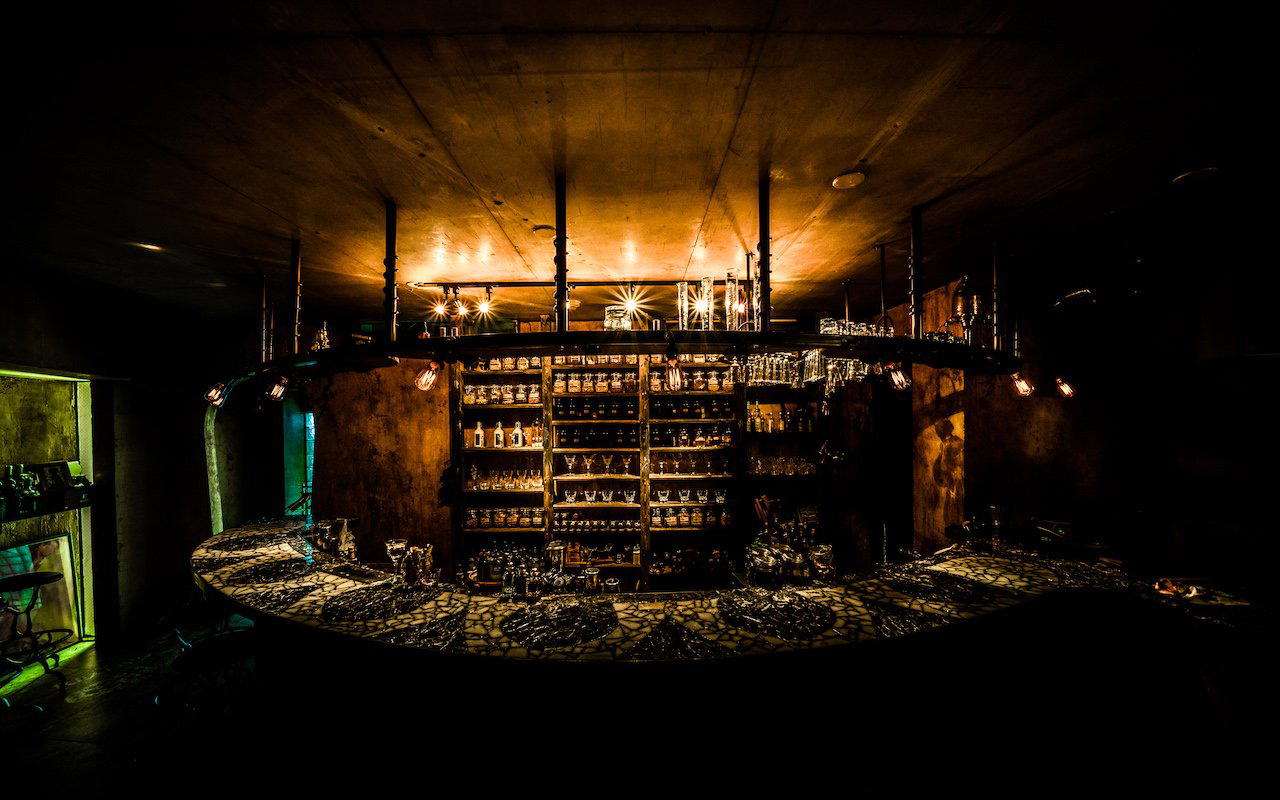
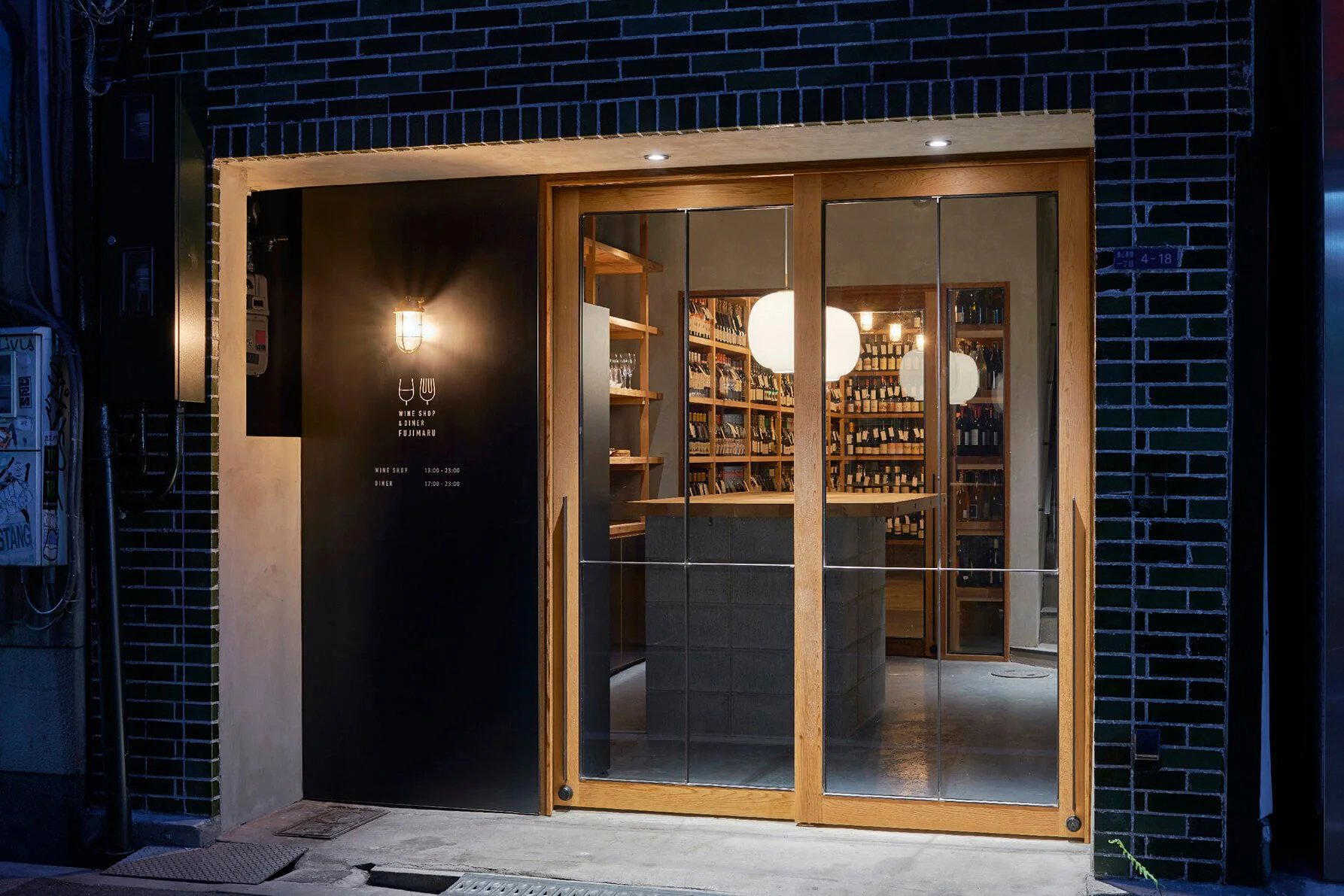


Hotels in Osaka
Browse all →



Wineries in Osaka
Browse all →
At a Glance
- Lively
- Cozy
- Classic
- Family
- Casual Hangout
- Group Dining
- Solo
- Standalone
- Sake Program
- Beer Program
Current opening hours
- Monday
- 2–9 PM
- Tuesday
- 2–9 PM
- Wednesday
- Closed
- Thursday
- 2–9 PM
- Friday
- 2–9 PM
- Saturday
- 2–9 PM
- Sunday
- Closed
Hours can change for holidays and private events. Last verified .
A bustling, old-school neighborhood hot pot house with fixed burners at every seat, simple interiors, and a cozy, hideout-like feel where guests linger over steaming cast-iron pots in a relaxed, non-smoking space.