Sukhothai
Our verdict
Sukhothai sits on Lark Street, Albany's most restaurant-dense corridor, bringing Thai cooking to a dining scene better known for Italian-American institutions and steakhouses. The address places it within walking distance of several of Albany's most-referenced restaurants, making it a natural stop on any serious tour of the street. For Thai food in a city where the cuisine occupies a small niche, it functions as a reference point.

Pearl is the En Primeur Club membership app — saves, bookings, and concierge access live there. Same editors, same standards.
- Address
- 254 Lark St, Albany, NY 12210
- Phone
- (518) 463-0223
- Hours
- Mon ClosedTue–Fri 11:30 AM–10 PMSat–Sun 12–10 PM
- Website
- sukhothaialbany.com
- Directions
- Get directions
- Booking
- Book on the venue's website
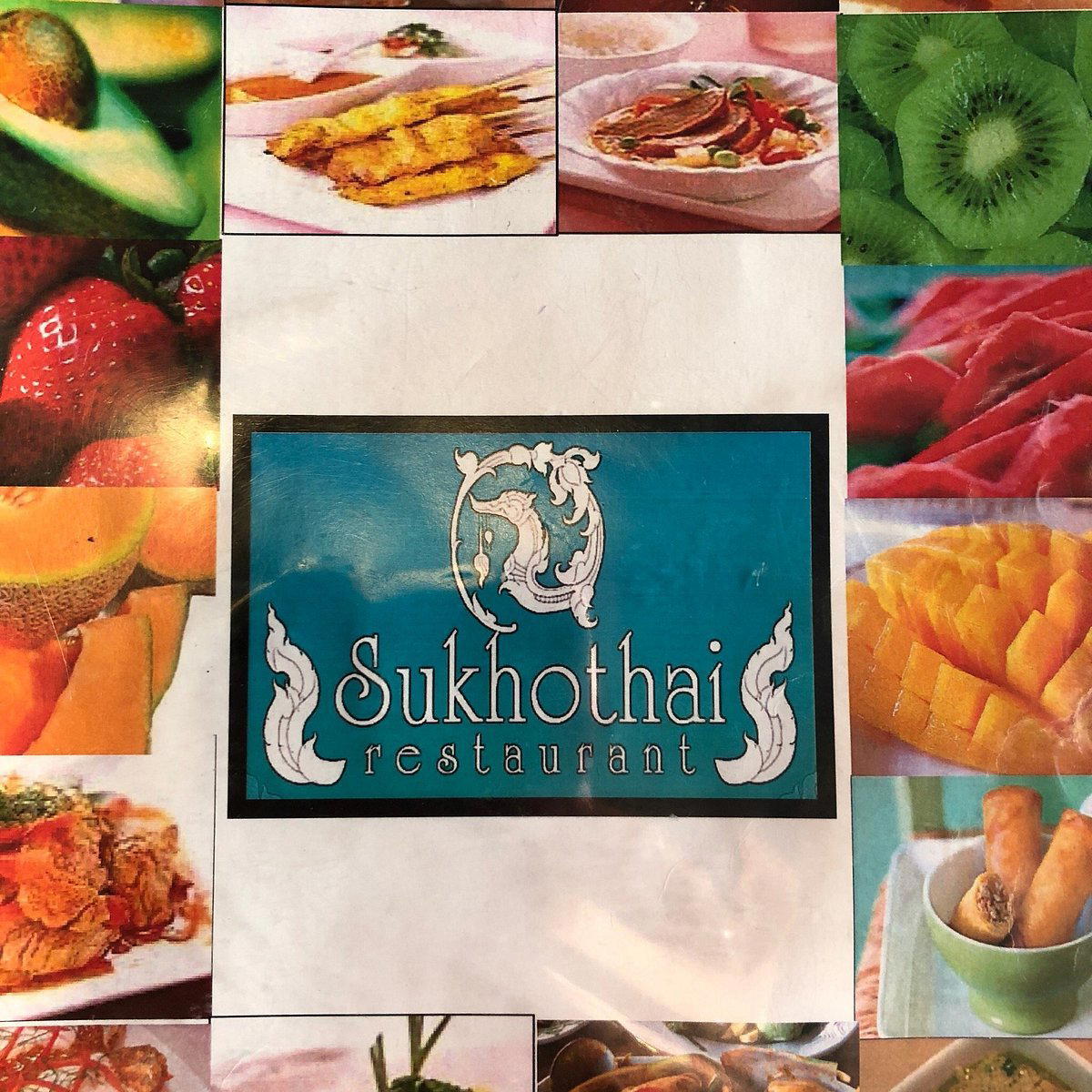
The menu
What to order
- Pad Thai
- Mango Curry
- Salmon Chu-Chee
Lark Street and the Case for Thai in Albany
Albany's dining identity has long been built around Italian-American traditions and the kind of red-meat steakhouses that suit a capital city with a taste for expense-account dinners. Lark Street cuts across that pattern. The corridor has historically attracted smaller, independently operated restaurants that don't fit the dominant formats, and Thai cooking has found a foothold there for exactly that reason. Sukhothai, at 254 Lark St, sits in that context: a Thai restaurant on a street that rewards walking slowly and eating widely.
Thai cuisine in mid-sized American cities tends to occupy a specific structural position. It fills the gap between fast-casual and full-service dining, often without the tasting-menu architecture or wine program that drives coverage in food media. That positioning isn't a weakness. It reflects how Thai food actually functions in Thailand, where the meal is rarely sequential in the Western sense and the table is loaded simultaneously rather than course by course. On Lark Street, where neighbors include the upscale Italian of Caffe Italia Ristorante and the contemporary ambition of Juanita & Maude a few blocks away, Sukhothai represents a different kind of register entirely.
Reading the Meal as a Sequence
The editorial angle that makes most sense for Thai dining is not the single dish but the progression — the way a well-ordered Thai meal builds from bright and acidic to rich and aromatic to something sweet and cooling at the end. This is not the European tasting-menu model, where each course arrives as a deliberate statement. It is a more fluid logic, where the diner's job is to manage the table rather than receive it.
A Thai meal at a restaurant like Sukhothai typically opens with something that sets the palate's baseline: a soup, a salad, or a light appetizer that carries fish sauce, lime, and fresh herb without much fat. Tom yum and its clear, sour broth accomplishes this. So does a larb, where toasted rice powder and dried chili give texture and heat before the heavier proteins appear. This early phase of a Thai meal is underappreciated in Western dining contexts, where soup is often treated as a minor preliminary rather than a structural argument.
The middle of the table — curries, stir-fries, rice, is where the sequencing becomes a personal negotiation. Green curry carries a coconut-fat richness that coats the palate; it works better following something acidic than it does as an opener. Pad thai, despite its reputation as an entry point for cautious eaters, is actually a mid-meal pivot: noodles absorb the flavors already on the table and provide a starchy anchor before the meal concludes. The Thai tradition of serving jasmine rice alongside, rather than before, everything else is what makes this simultaneity work. The rice moderates heat, absorbs sauce, and resets the palate between bites in a way that no sequential European service can replicate.
The close of a Thai meal is often fruit, or something lightly sweet: mango with sticky rice is the canonical example, and its logic is temperature and texture contrast as much as sweetness. This is a meal structure that rewards attention, and it is one that a serious Thai kitchen, whatever its scale, should be able to deliver across its menu.
Where Sukhothai Sits in Albany's Dining Scene
Albany's full-service restaurant scene clusters in a few recognizable formats. The city has established steakhouses in 677 Prime and Black & Blue Steak and Crab, an Italian-American tradition sustained by Café Capriccio and Caffe Italia, and a growing cohort of bowl-format casual restaurants represented by Bowl'd. Thai food occupies a smaller tier in this structure, without the institutional history of the Italian restaurants or the price-point visibility of the steakhouses.
That smallness is also an opening. Thai cooking has not been heavily formatted or codified in Albany the way it has been in cities like New York or San Francisco, where the cuisine has fragmented into regional sub-traditions and price tiers ranging from $15 noodle shops to omakase-adjacent tasting menus. In Albany, the Thai restaurant is still largely a neighborhood proposition, which means the room for differentiation lies in the kitchen's actual fidelity to the cuisine's flavors rather than in format or price signaling.
For comparison, consider what the tasting-menu format has done to Thai food in other cities. Restaurants operating at the level of Lazy Bear in San Francisco or Alinea in Chicago have shown how a sequential, curated format can reframe a cuisine's identity entirely. Closer to Albany's scale and character, Blue Hill at Stone Barns in Tarrytown demonstrates how regional sourcing and careful sequencing can carry a restaurant's argument without the architecture of a major city. None of that applies directly to a neighborhood Thai restaurant on Lark Street, but the underlying principle, that the meal's structure matters as much as any individual dish, does.
Nationally, Thai-adjacent Southeast Asian cooking has found its most ambitious expressions at places like Atomix in New York City (Korean, but occupying a similar fine-dining-meets-Asian-tradition space) and at restaurants operating in the tradition of Le Bernardin in New York City, where discipline in sourcing and technique drives the proposition. Providence in Los Angeles, The French Laundry in Napa, Single Thread Farm in Healdsburg, Addison in San Diego, The Inn at Little Washington, Emeril's in New Orleans, and 8 1/2 Otto e Mezzo Bombana in Hong Kong all operate in formats where the meal's sequencing and pacing are treated as fundamental to the guest experience. Sukhothai operates at a different scale, but the same logic of progression applies at any level of ambition.
For anyone building a Lark Street evening, Sukhothai functions as the kind of stop that anchors the middle of an itinerary rather than the beginning or end. See our full Albany restaurants guide for how it maps against the rest of the city's options.
Planning a Visit
Sukhothai is located at 254 Lark St in Albany, New York, the 12210 zip code places it squarely in the Lark Street corridor, walkable from most of the city's other independent restaurants. Lark Street parking is street-based and easier on weekday evenings than weekend nights, when the corridor draws more foot traffic.
Frequently asked questions
What's the overall feel of Sukhothai?
Sukhothai sits on Lark Street at 254 Lark St, Albany's primary corridor for independent, owner-operated restaurants. The address places it among Italian-American spots and local bar-kitchens, making it one of the few Thai options in a neighborhood built around more familiar American comfort formats. That context shapes the experience: this is a community-facing restaurant, not a destination tasting room.
Where do I go for Sukhothai?
Sukhothai is located at 254 Lark St, Albany, NY 12210, Albany.
Is Sukhothai a good choice for Thai food on Lark Street compared to Albany's other dining options?
Lark Street has relatively few dedicated Thai kitchens compared to Albany's steakhouse and Italian-American establishments — venues like 677 Prime and Black & Blue anchor the heavier end of the city's dining scene. Sukhothai at 254 Lark St offers an alternative register in a corridor that skews toward independent operators, which means lower ambient pressure and a format that accommodates groups eating across multiple dishes.
A Credentials Check
Comparable venues nearby, for context on price, style, and recognition.
| Venue | Cuisine | Price | Awards | Notes |
|---|---|---|---|---|
| SukhothaiThis venue — the venue you are viewing | Thai | $20–30 | Not listed | Not listed |
| Jack's Oyster House | Classic American Seafood & Steakhouse | $50–100 | Wine Spectator Award of Excellence | downtown |
| 677 Prime | Sophisticated Steakhouse | $30–50 | Not listed | Downtown Albany |
| Café Capriccio | Regional Italian Trattoria | $30–50 | Not listed | old Italian section |
| Yono's | Modern American Fine Dining with Indonesian Accents | $50–100 | Not listed | Downtown Albany |
| Black & Blue Steak and Crab | Steakhouse and Seafood | $50–100 | Wine Spectator Award of Excellence | Western Ave area |
Continue exploring
More in Albany
Restaurants in Albany
Browse all →
Bars in Albany
Browse all →
Hotels in Albany
Browse all →
Details
- Cozy
- Casual Hangout
- Group Dining
- A La Carte
Current opening hours
- Monday
- Closed
- Tuesday
- 11:30 AM–10 PM
- Wednesday
- 11:30 AM–10 PM
- Thursday
- 11:30 AM–10 PM
- Friday
- 11:30 AM–10 PM
- Saturday
- 12–10 PM
- Sunday
- 12–10 PM
Hours can change for holidays and private events. Last verified .
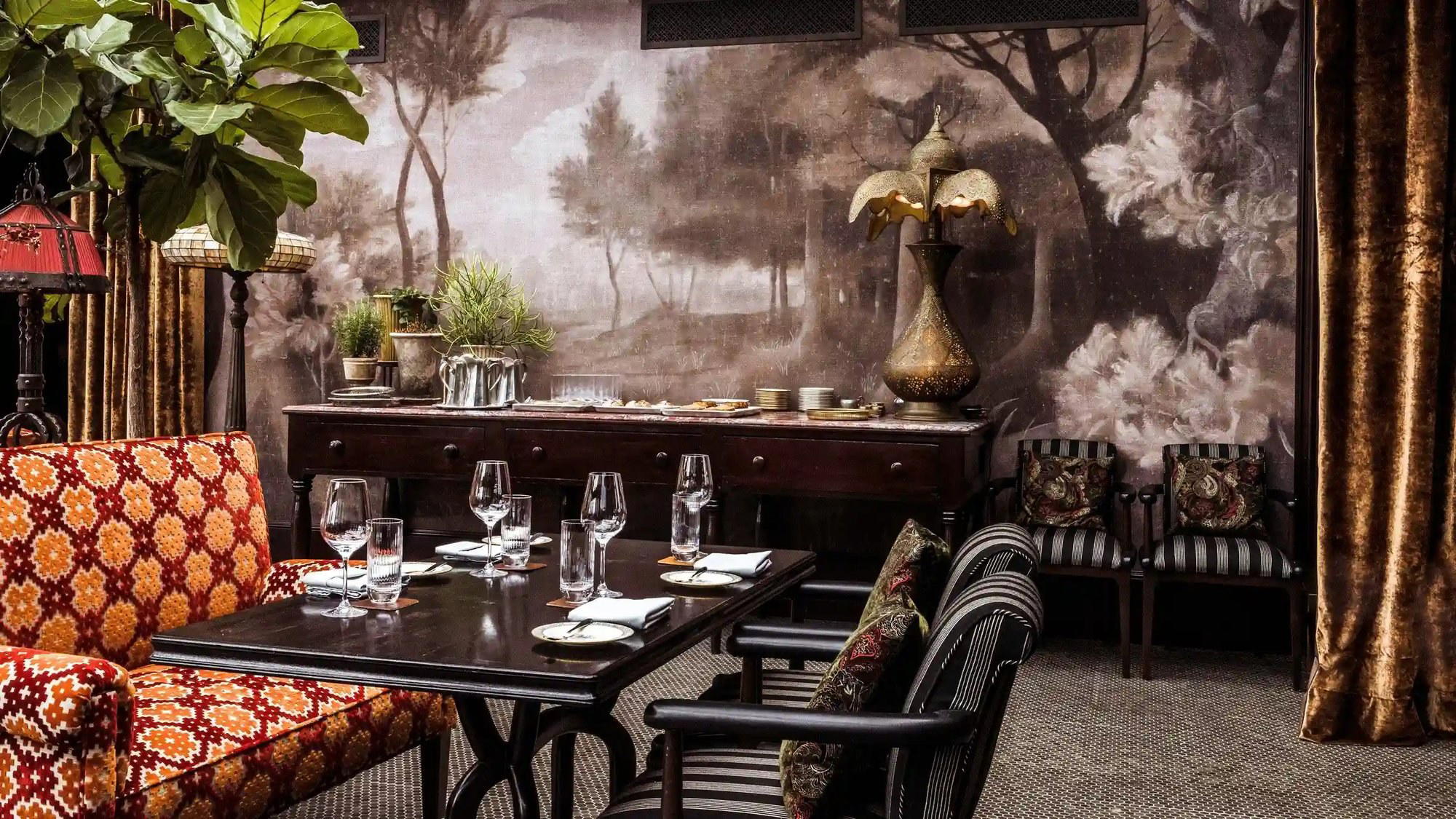
Cozy and casual neighborhood atmosphere in a small restaurant.