Rivertown Lodge

On Warren Street, Hudson's most architecturally considered corridor, Rivertown Lodge occupies a converted building that signals the town's broader shift from antique-dealer outpost to design-conscious weekend destination. The property sits in a tier of small-footprint, character-driven lodgings that have redefined what upstate New York hospitality looks like — less country inn, more considered retreat for travellers who read the design press.
Pearl is the En Primeur Club membership app — saves, bookings, and concierge access live there. Same editors, same standards.
- Address
- 731 Warren St, Hudson, NY 12534
- Phone
- +1 518 512 0954
- Website
- rivertownlodge.com
- Directions
- Get directions
 Saves & bookings on Pearl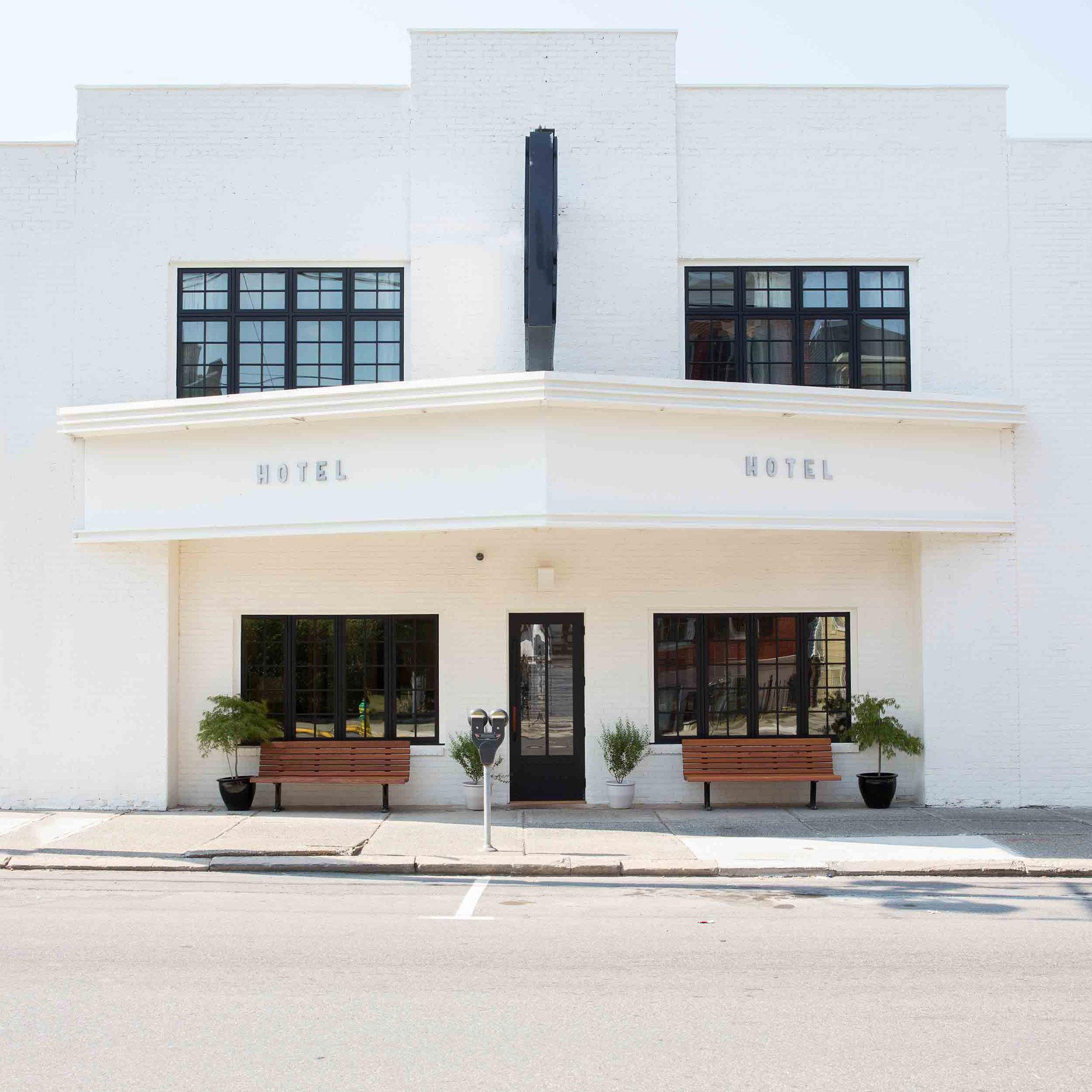
Warren Street and the Architecture of the New Upstate
Hudson, New York has spent the better part of two decades in a slow, deliberate reinvention. What began as an antiques corridor running along Warren Street has layered in design studios, farm-to-table kitchens, and a small cohort of lodging options that bear almost no resemblance to the Catskills motor lodges that once defined the region's accommodation offer. Rivertown Lodge, at 731 Warren St, sits inside that shift — physically and conceptually. The address alone places it at the heart of Hudson's commercial and cultural spine, walkable to the galleries, restaurants, and vintage dealers that draw the weekend crowd from New York City, roughly two hours south by Amtrak.
The American small-city hotel has undergone a significant re-categorisation over the past decade. Properties in the 20-to-50-key range, occupying adaptive-reuse structures in towns with genuine cultural identity, now form their own competitive tier — one that prices and positions against design hotels in major urban centres rather than against roadside motor inns. Rivertown Lodge belongs to that tier. It shares a competitive sensibility with properties like Troutbeck in Amenia, another Hudson Valley property that has repositioned a historic structure for a design-aware, city-adjacent audience.
The Physical Logic of the Building
Adaptive reuse is now the dominant design language for ambitious small-city hotels in the American Northeast. The appeal is partly aesthetic, original industrial or commercial bones carry a materiality that new construction struggles to replicate, and partly narrative. A building with history gives a property a grounding that a purpose-built box cannot manufacture. Rivertown Lodge's conversion follows this logic: the structure on Warren Street retains enough of its original character to read as genuinely rooted in Hudson's built environment, rather than dropped into it.
The design approach that defines this category of property, exposed structural elements, natural materials, a palette drawn from the surrounding landscape, is a deliberate counter-move against the polished anonymity of branded chain hotels. The materials, the views, the neighbourhood context, these do the work that a lobby marble selection does in a city property.
This is not a format that scales easily. The properties that execute it credibly tend to have limited keys, hands-on operational ownership, and a clear point of view about what the surrounding region offers. The ones that don't commit to that point of view tend to read as generic boutique, the aesthetic without the substance. Rivertown Lodge's positioning on Warren Street, rather than on a rural property outside of town, is an editorial choice: this is a Hudson hotel, not a countryside retreat that happens to be near Hudson.
Where Rivertown Lodge Sits in the Regional Context
The Hudson Valley accommodation market has stratified sharply. At one end, historic estates like Troutbeck offer literary provenance and substantial grounds. At the other, newer build-from-scratch properties attempt to manufacture the same sense of rootedness. In between sits a middle tier of thoughtfully converted structures in actual town centres, properties that let guests walk to dinner, browse galleries in the morning, and catch an early train back to the city without needing a car. Rivertown Lodge occupies this middle tier, and it is arguably the most useful position for a certain type of traveller: someone who wants the Hudson Valley's cultural offer without the isolation of a rural property.
For comparison, consider the model at work in other American regions. Blackberry Farm in Walland or Post Ranch Inn in Big Sur are destination properties, the surrounding landscape is the primary draw, and the hotel wraps around it. Rivertown Lodge operates differently: the town is the destination, and the hotel is a base with character. That distinction matters when choosing between them. If the reader wants immersion in wilderness or wine country, properties like Auberge du Soleil in Napa or Bernardus Lodge and Spa in Carmel Valley serve that need more completely. If the reader wants a walkable town with serious design credentials and reliable weekend programming, Hudson, and Rivertown Lodge's Warren Street address, is the more logical choice.
The Broader Design-Hotel Argument
The category of property that Rivertown Lodge represents has become a reference point in discussions about what American travel looks like outside of major metropolitan areas. As the weekend-escape market has matured, the tolerance for generic comfort has dropped among city-based travellers who are accustomed to a high baseline of design intelligence at home. This has created demand for properties that offer something closer to a well-curated apartment than a hotel room, considered furniture, quality linens, local art, and an absence of the branded uniformity that defines chain hospitality.
Properties operating in this register across the country, from 1 Hotel San Francisco to Chicago Athletic Association, each anchor their design identity to a specific place and period. The best of them avoid the trap of design as performance: the material choices serve the experience rather than the Instagram grid. Rivertown Lodge's position within Hudson's architecture and cultural ecosystem suggests a similar ambition, though the proof is in the staying rather than the reading.
Planning a Stay
Hudson is served by Amtrak's Empire Service from Penn Station, with journey times of approximately two hours, which makes Rivertown Lodge genuinely viable as a two-night weekend base without a car, provided the itinerary centres on Warren Street and the surrounding blocks. The town's restaurant scene has deepened considerably, and our full Hudson restaurants guide covers the current options across price points. The Lodge sits at 731 Warren Street, directly on the main commercial corridor, which means the walk from the Amtrak station (roughly ten minutes on foot) is direct. Weekend bookings, particularly in autumn when the Hudson Valley draws leaf-season traffic, should be secured well in advance; the small-key format of properties in this tier means availability compresses quickly.
For travellers weighing the Hudson Valley against other design-forward escape destinations, the comparison set worth considering includes Ambiente in Sedona for landscape-first design, Sage Lodge in Pray for wilderness positioning, and SingleThread Farm Inn in Healdsburg for the farm-to-table immersion that the Hudson Valley can approximate but rarely matches at that level of integration. Each of those properties defines its category differently. Rivertown Lodge's category is the design-anchored town-centre hotel, and within the Northeast corridor's weekend-escape circuit, that category has a clear and growing audience.
Comparison Snapshot
| Venue | Cuisine |
|---|---|
| Rivertown LodgeThis venue — the venue you are viewing | This venue |
| Aman New York | Michelin 3 Key, World's 50 Best |
| Amangiri | Michelin 3 Key, World's 50 Best |
| Hotel Bel-Air | Michelin 3 Key, World's 50 Best |
| The Beverly Hills Hotel | Michelin 3 Key, World's 50 Best |
| The Carlyle, A Rosewood Hotel | Michelin 2 Key, World's 50 Best |
Recognition history
Dated appearances from independent guides and award organizations, with the underlying list record or original source where available.
Michelin Selected
Michelin
Continue exploring
More in Hudson
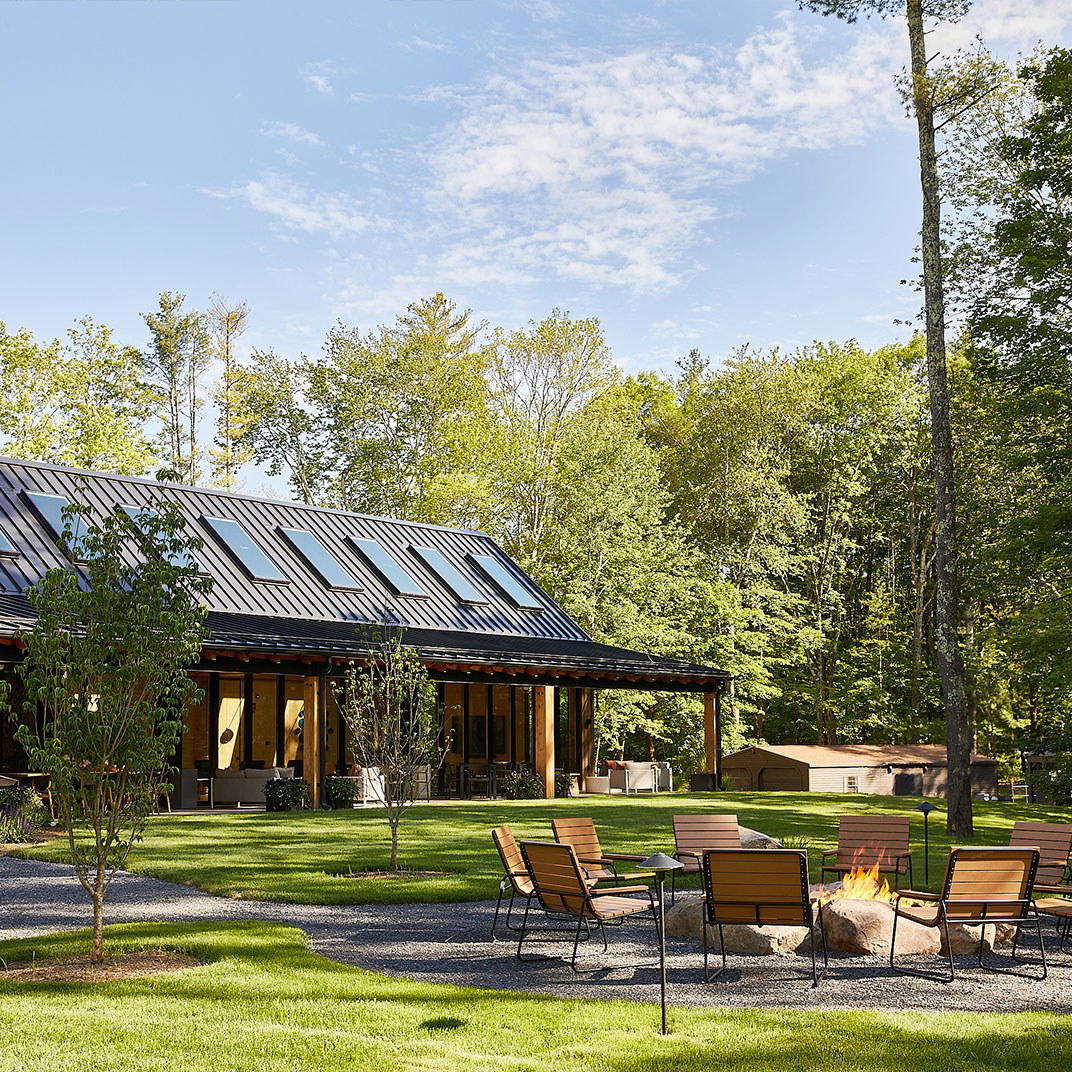
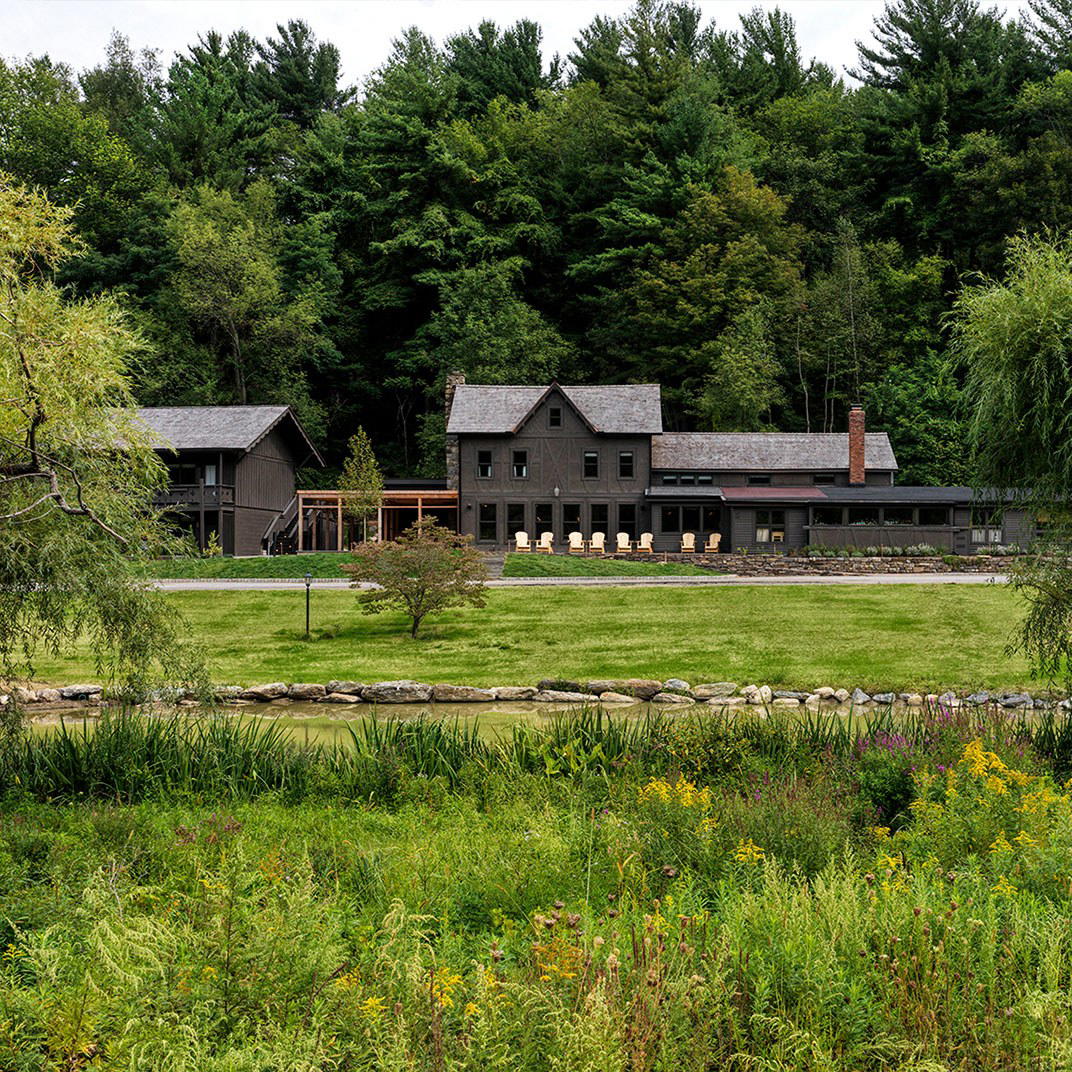
Hotels in Hudson
Browse all →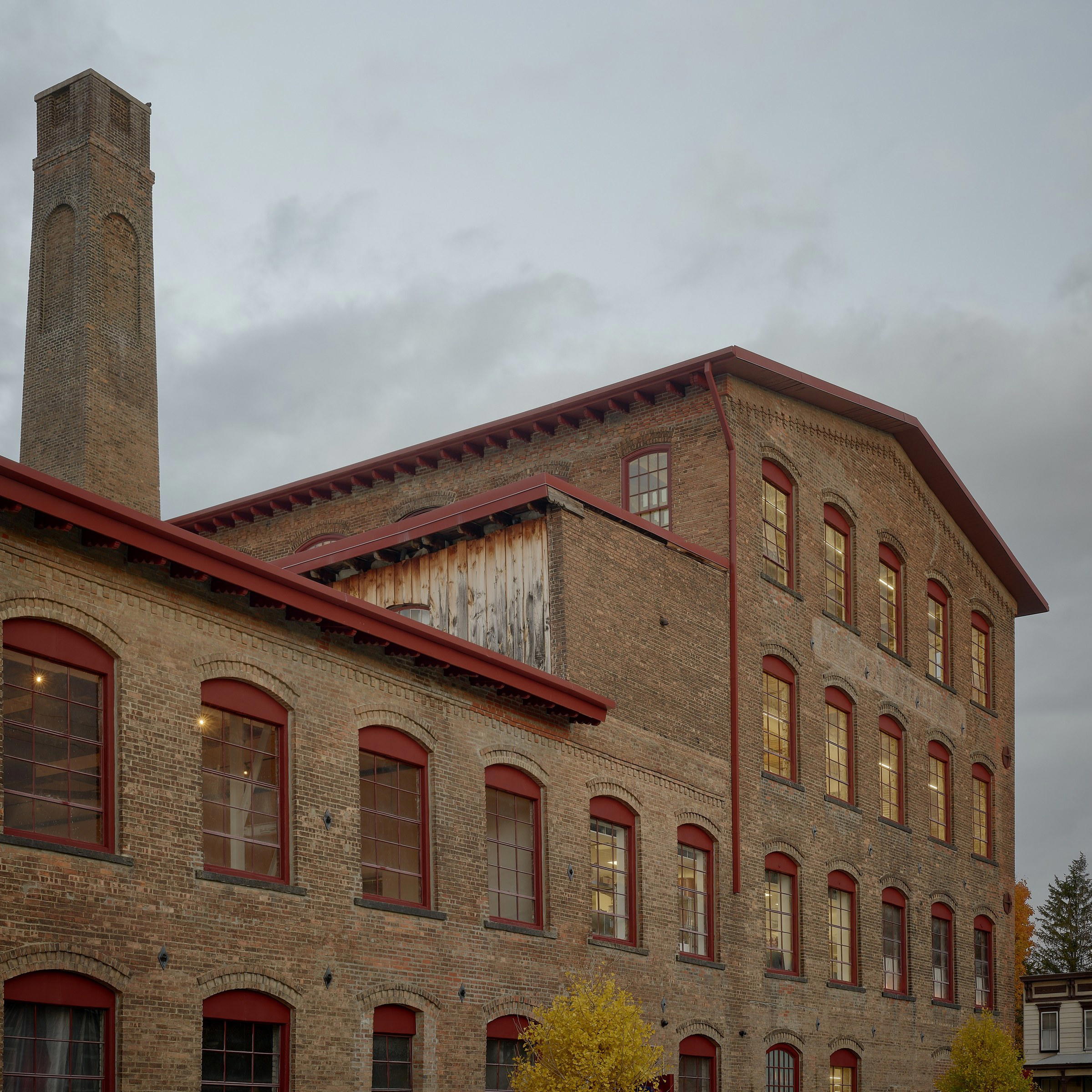
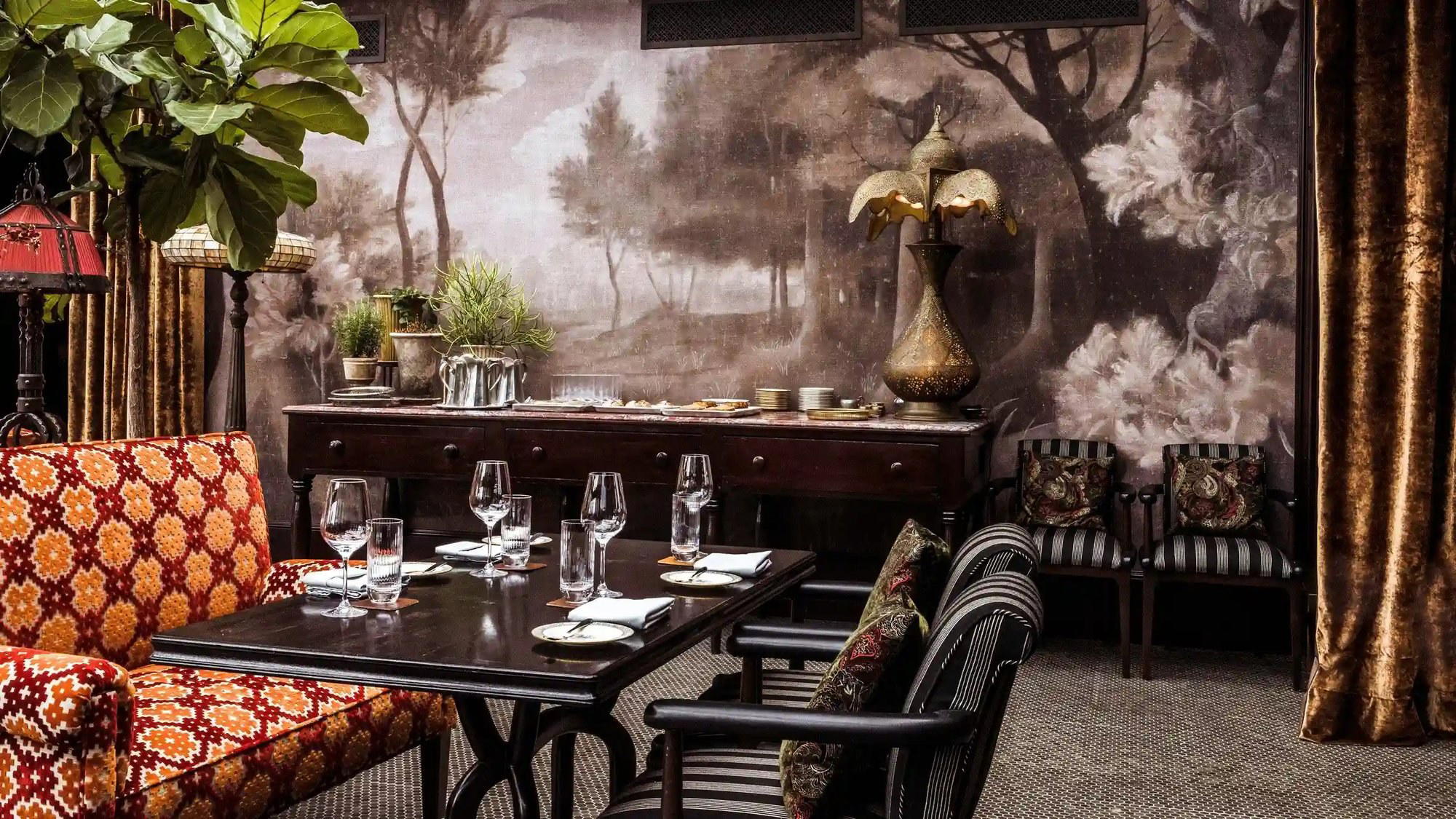
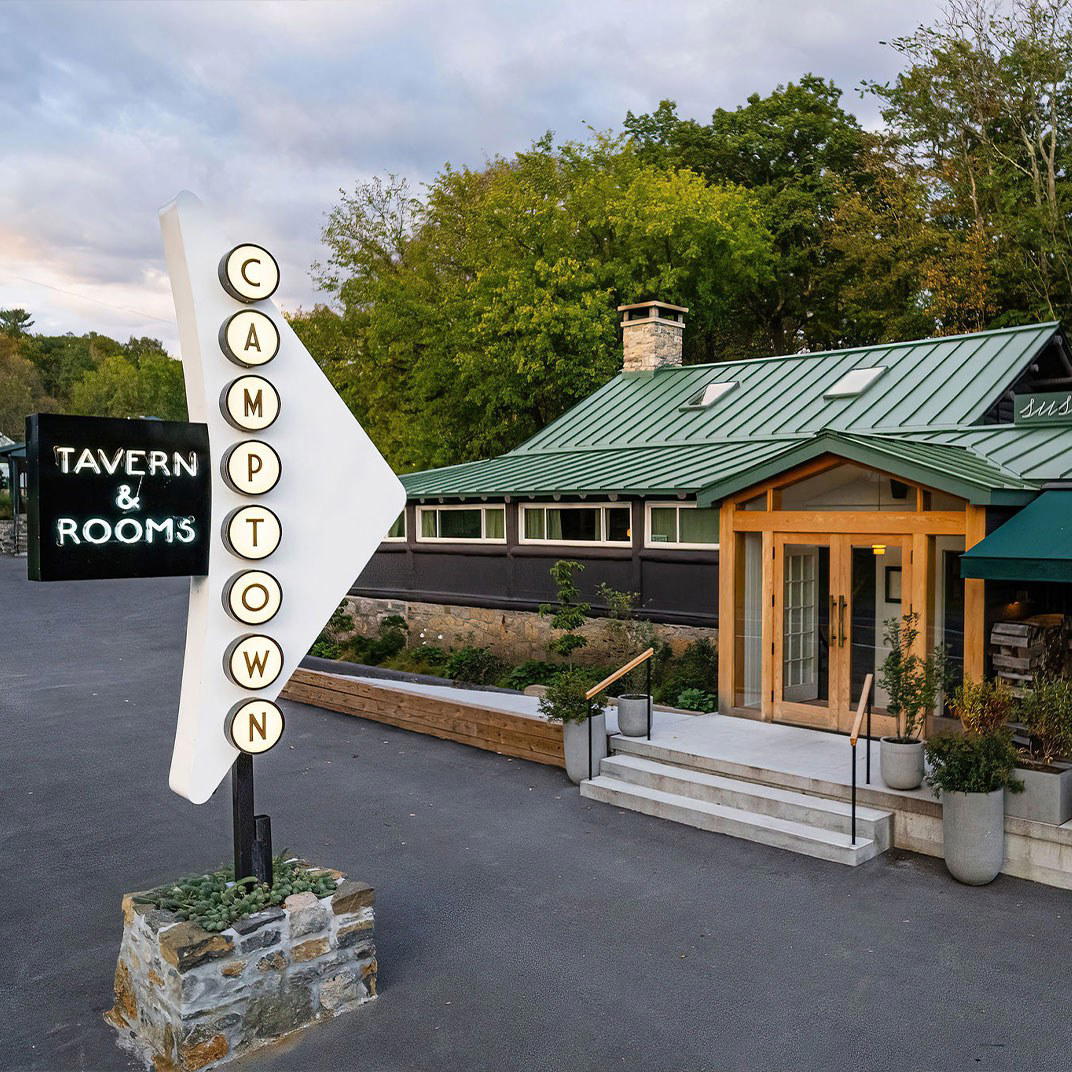
Bars in Hudson
Browse all →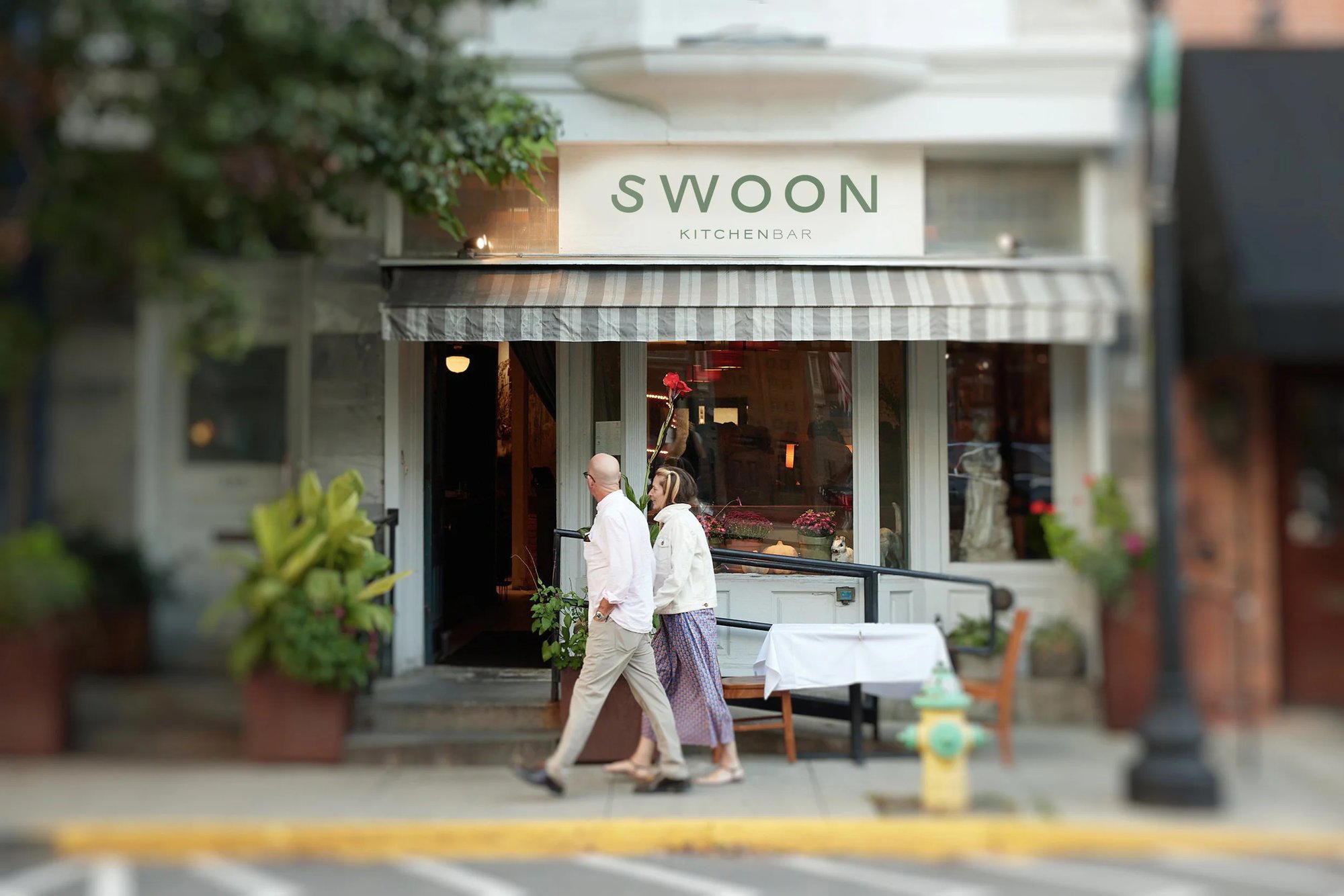
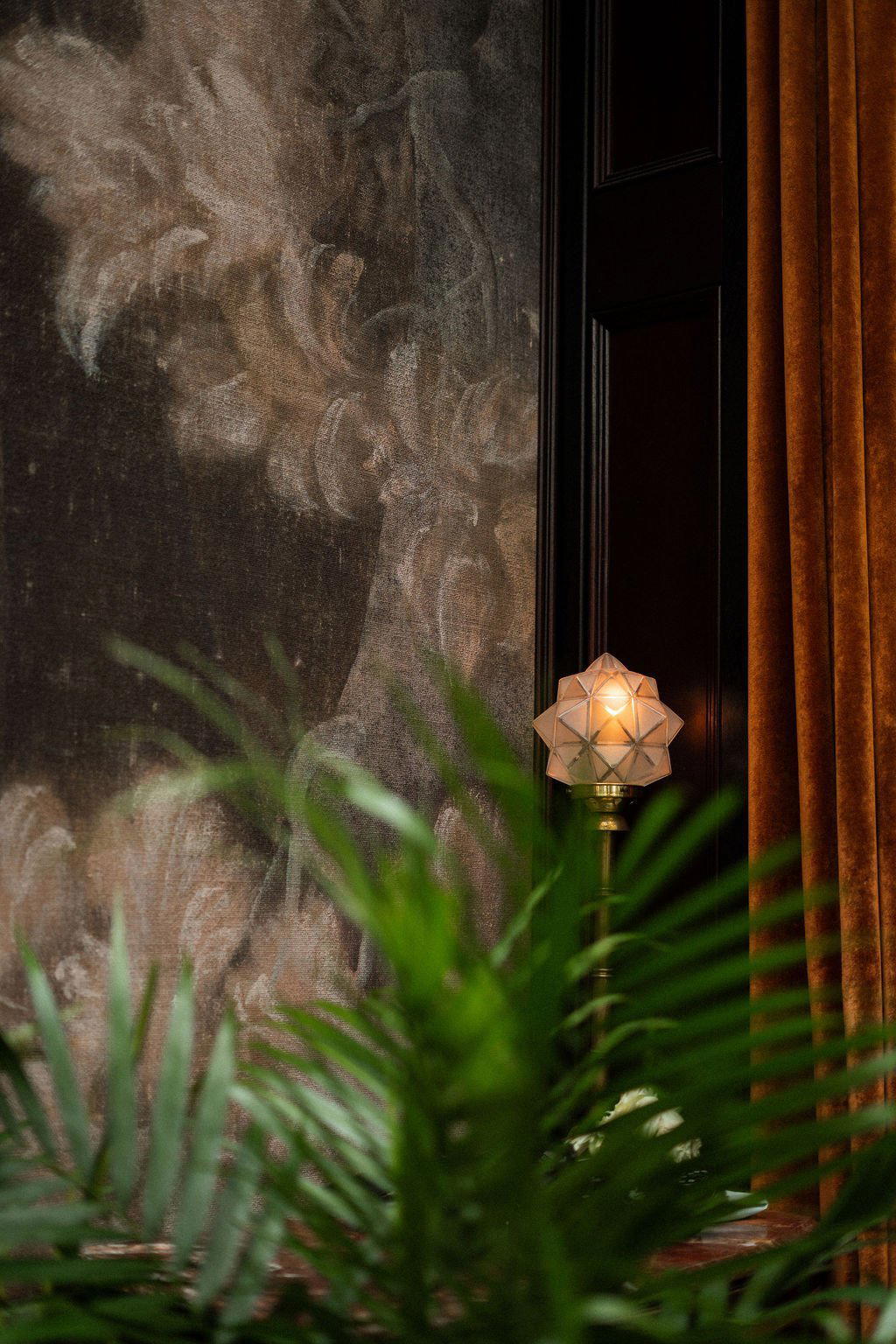

Restaurants in Hudson
Browse all →
At a Glance
- Cozy
- Modern
- Rustic
- Scenic
- Intimate
- Romantic Getaway
- Weekend Escape
- Historic Building
- Design Destination
- Wi Fi
- Street Scene
- Wi Fi
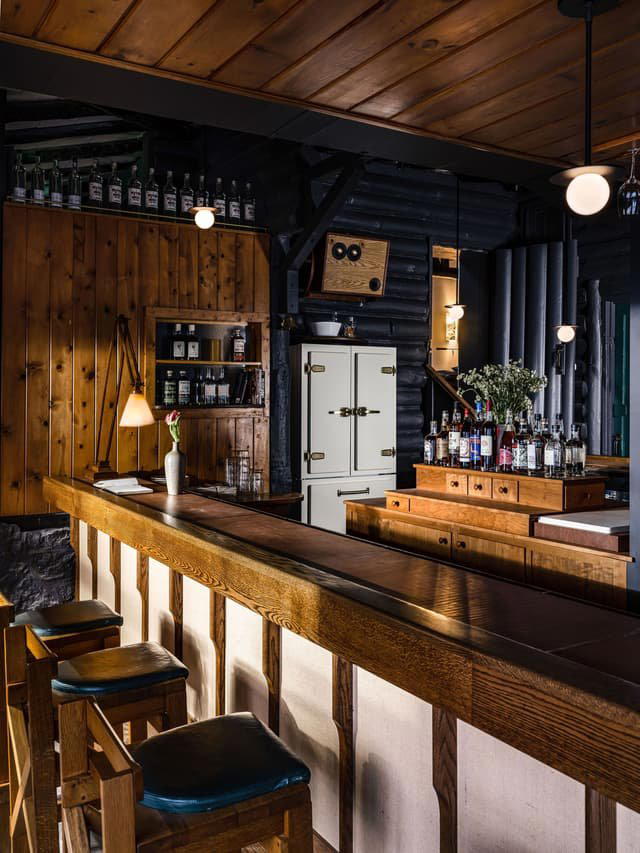
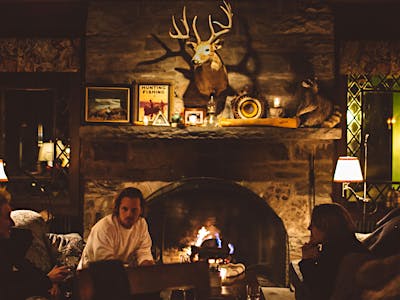
Warm and inviting with bleached oak floors, white walls, wood-burning stoves, cedar-paneled ceilings, and a mix of vintage and custom furniture creating a cozy, restrained atmosphere.
Know Before You Go
- Getting there
- 731 Warren St, Hudson, NY 12534