Sucre Dubai

Sucre Dubai occupies a considered position inside DIFC's Gate Village, where its Star Wine List recognition signals a wine program that runs deeper than the district average. Set against a neighbourhood defined by finance and fine dining, the restaurant draws on ingredient-focused cooking that earns its place in a competitive bracket. Book ahead; DIFC tables at this tier do not stay open long.
 Discover on Pearl
Pearl is the En Primeur Club membership app — saves, bookings, and concierge access live there. Same editors, same standards.
- Address
- Podium Level, Gate Village, Building 3 - 05 - Zaa'beel Second - DIFC - Dubai - United Arab Emirates
- Phone
- +971 4 340 0829
- Website
- sucredubai.com
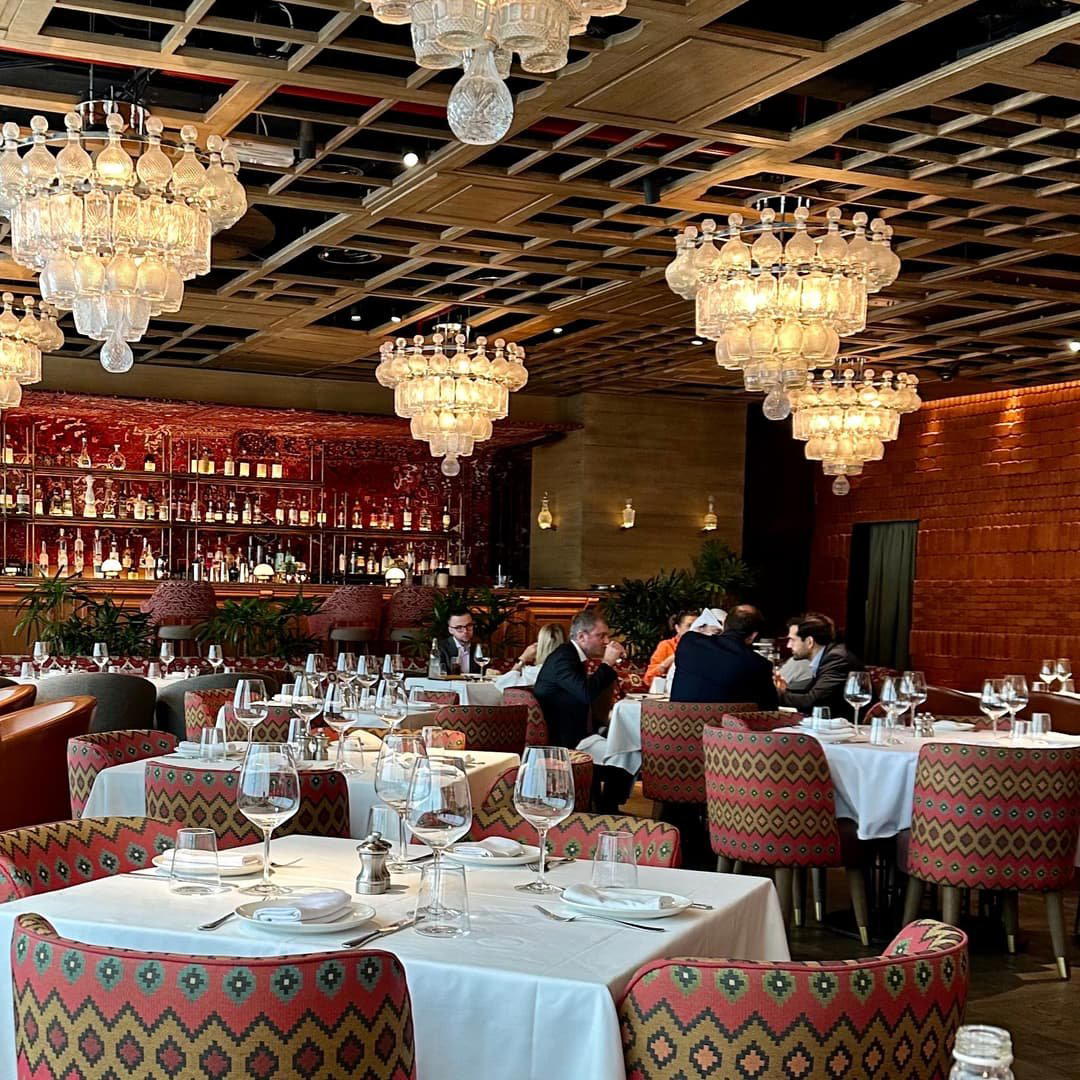
Gate Village and the DIFC Dining Tier
Dubai's International Financial Centre has, over the past decade, developed a dining character distinct from the rest of the city. Where Downtown Dubai trades on spectacle and Jumeirah on resort scale, DIFC's Gate Village buildings house a concentration of restaurants that price and position against each other rather than against the broader market. The clientele is international finance, regional business, and a resident professional class that travels frequently and measures restaurants against global peers. In that context, a restaurant cannot rely on novelty or view; it has to justify its place at the table through what arrives on it.
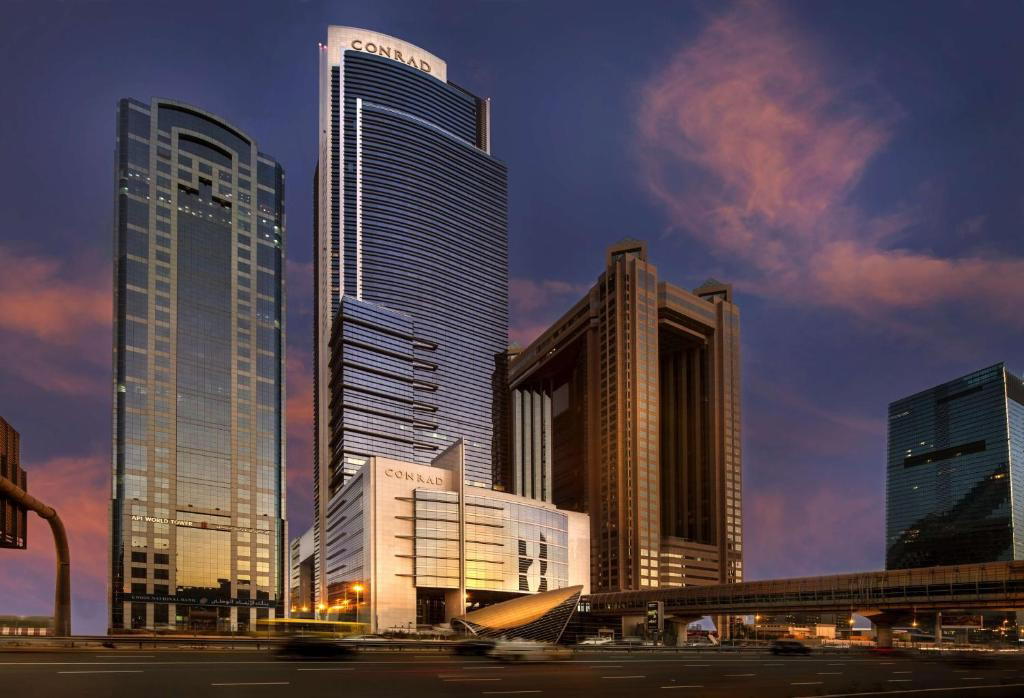
Sucre Dubai sits on the Podium Level of Gate Village Building 3, in DIFC, Dubai, and serves Latin American Grill cuisine at about $115 per person. The physical approach is characteristic of Gate Village: polished stone underfoot, the hum of a working financial district overhead, glass-fronted spaces that reveal dining rooms before you reach the door. It is a setting that asks restaurants to hold their own without borrowed drama from a desert horizon or a Burj Khalifa backdrop, and that discipline tends to sharpen what ends up on the plate.
What Star Wine List Recognition Signals About the Program
The single clearest piece of evidence about Sucre Dubai's positioning is its White Star designation from Star Wine List, published in May 2022. That designation is not awarded for list length alone. Star Wine List's methodology focuses on quality, range, and the presence of producers that reward attention from a reader who already knows wine. A White Star in a DIFC context places Sucre in a peer group that includes restaurants competing on the depth of their cellar rather than the familiarity of their labels.
Restaurants such as FZN by Björn Frantzén and Trèsind Studio have built reputations partly on the coherence between what they pour and what they plate. Sucre's wine recognition suggests a similar coherence is at work here, where the beverage program is treated as a genuine extension of the food rather than an afterthought assembled from distributor catalogues. For comparison, the approach echoes what wine-serious restaurants in other global financial districts have learned to do: treat the list as editorial, not inventory.
Ingredient Sourcing and What It Reveals
The editorial angle that matters most when reading a restaurant like Sucre Dubai is not where the chef trained but where the food comes from. Dubai's geography creates a particular set of sourcing decisions that reveal a restaurant's actual priorities. The city has no agricultural hinterland to draw on. Everything arrives by air or sea from growing regions in Europe, the broader Middle East, East Africa, or further afield. A restaurant that takes sourcing seriously in this context is making active choices about cost, logistics, and relationships with suppliers, choices that are invisible to the diner but entirely legible on the plate.
The name Sucre, French for sugar, signals a kitchen with European reference points. Whether that extends to sourcing from French producers, working with regional suppliers closer to the Gulf, or some combination, the directional language of the name frames an expectation of precision and attention to raw material. Restaurants operating at this tier in DIFC, compared against peers such as 11 Woodfire with its fire-based technique and Row on 45 with its creative tasting format, tend to differentiate on the provenance narrative as much as on technique. Provenance, communicated well, converts sourcing cost into perceived value.
Le Bernardin in New York to Alain Ducasse at Louis XV in Monte Carlo, share a tendency to let the ingredient lead and the technique follow. A kitchen that subscribes to that philosophy in Dubai is operating against headwinds: supply chains are longer, seasonality is compressed by refrigeration, and the temptation to substitute is ever-present. Doing it well here carries more logistical weight than doing it in a city with a functioning local food system.
Reading Sucre Against the Dubai Creative Dining Scene
DIFC does not have a monopoly on serious dining in Dubai, but it concentrates a particular type of restaurant: ones that compete on program integrity rather than entertainment format. Further afield, restaurants like moonrise and the Indian tasting menu at Trèsind Studio represent the city's appetite for highly structured, concept-driven formats. Sucre occupies a slightly different register, one where the French-language name and the wine program recognition suggest a room that values the dinner as a sustained experience rather than a series of theatrical moments.
Regionally, the comparison point worth noting is Erth in Abu Dhabi, which has built its identity around Gulf-sourced ingredients and local culinary heritage. Sucre reads differently: its orientation is European in reference, and the DIFC address places it squarely in the global-facing tier of Dubai's restaurant market, the same competitive space occupied internationally by Alinea in Chicago or Lazy Bear in San Francisco at their respective moments of defining a local fine-dining conversation.
Planning Your Visit
Gate Village is accessible via the DIFC Metro station on the Red Line, a practical entry point that avoids the parking constraints of the district during peak weekday evenings. The Podium Level location means the restaurant is reachable without navigating the upper tower lobbies. For DIFC restaurants at this tier, reservations made several days to a week in advance are generally sufficient on weeknights, though weekend bookings in the October to April high season warrant earlier planning.
Side-by-Side Snapshot
Comparable venues nearby, for context on price, style, and recognition.
| Venue | Cuisine | Price | Awards | Notes |
|---|---|---|---|---|
| Sucre DubaiThis venue — the venue you are viewing | Latin American Grill | $$$$ | 1 recognition | |
| Krasota | Contemporary French Fine Dining with Immersive Theatre | $$$$ | 1 recognition | Downtown Dubai |
| SUSHISAMBA Dubai | Peruvian-Japanese-Brazilian Fusion | $$$$ | 1 recognition | Palm Jumeirah |
| La Petite Maison | French Mediterranean / Niçoise Brasserie | $$$$ | , | DIFC |
| Zuma Dubai | Modern Japanese Izakaya | $$$$ | , | Za'abeel 2 |
| Armani/Ristorante | Contemporary Italian Fine Dining | $$$$ | , | Downtown Dubai |
Continue exploring
More in Dubai
Restaurants in Dubai
Browse all →
At a Glance
- Trendy
- Lively
- Sophisticated
- Elegant
- Date Night
- Group Dining
- Celebration
- Business Dinner
- Open Kitchen
- Terrace
- Craft Cocktails
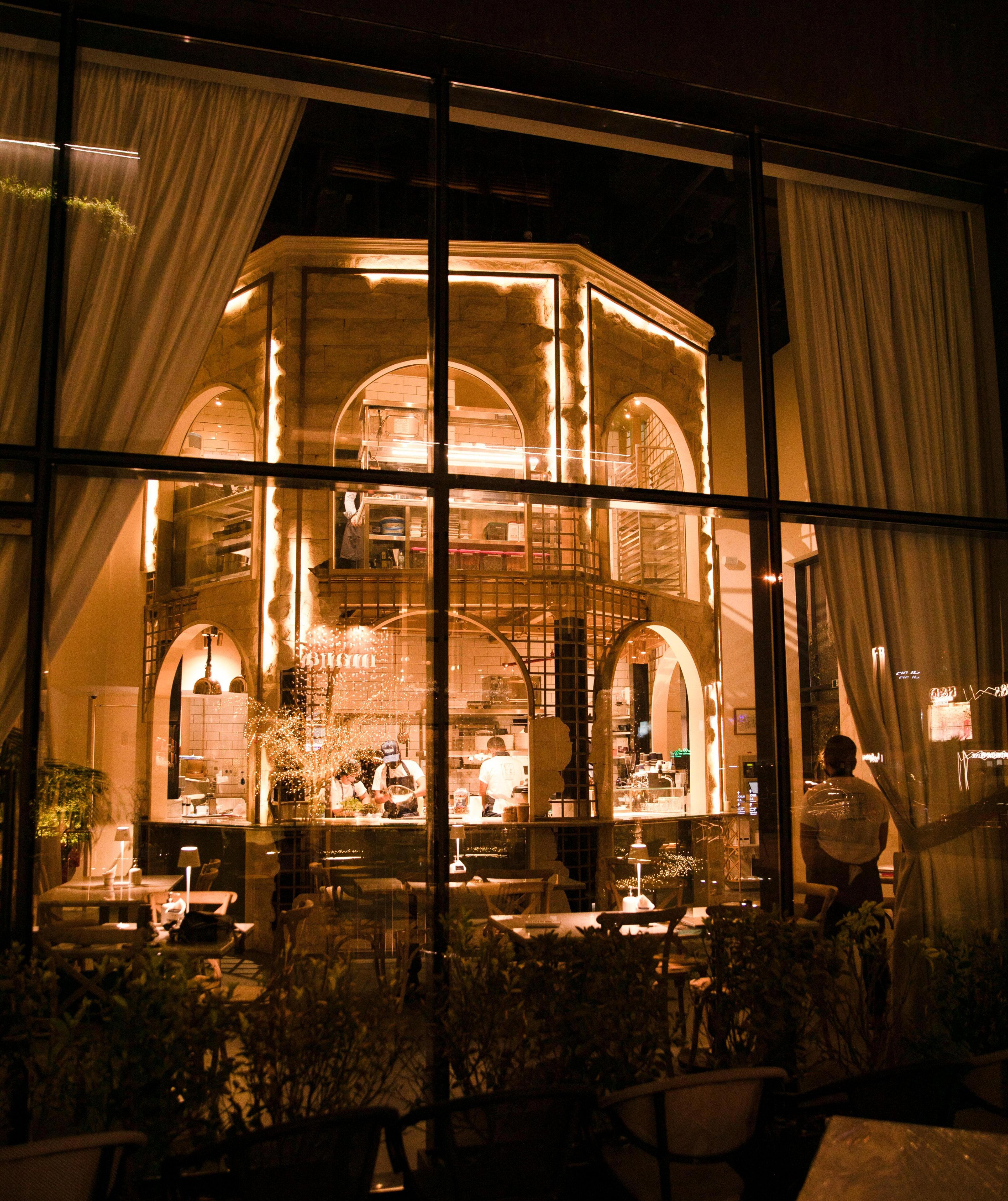
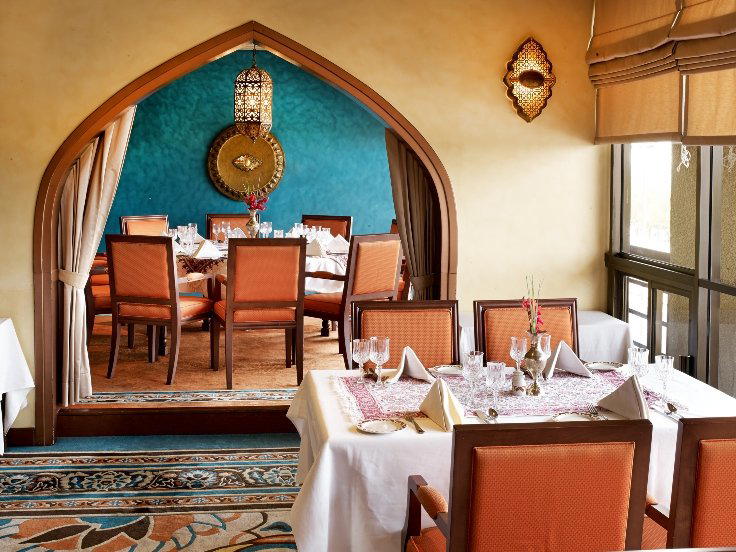
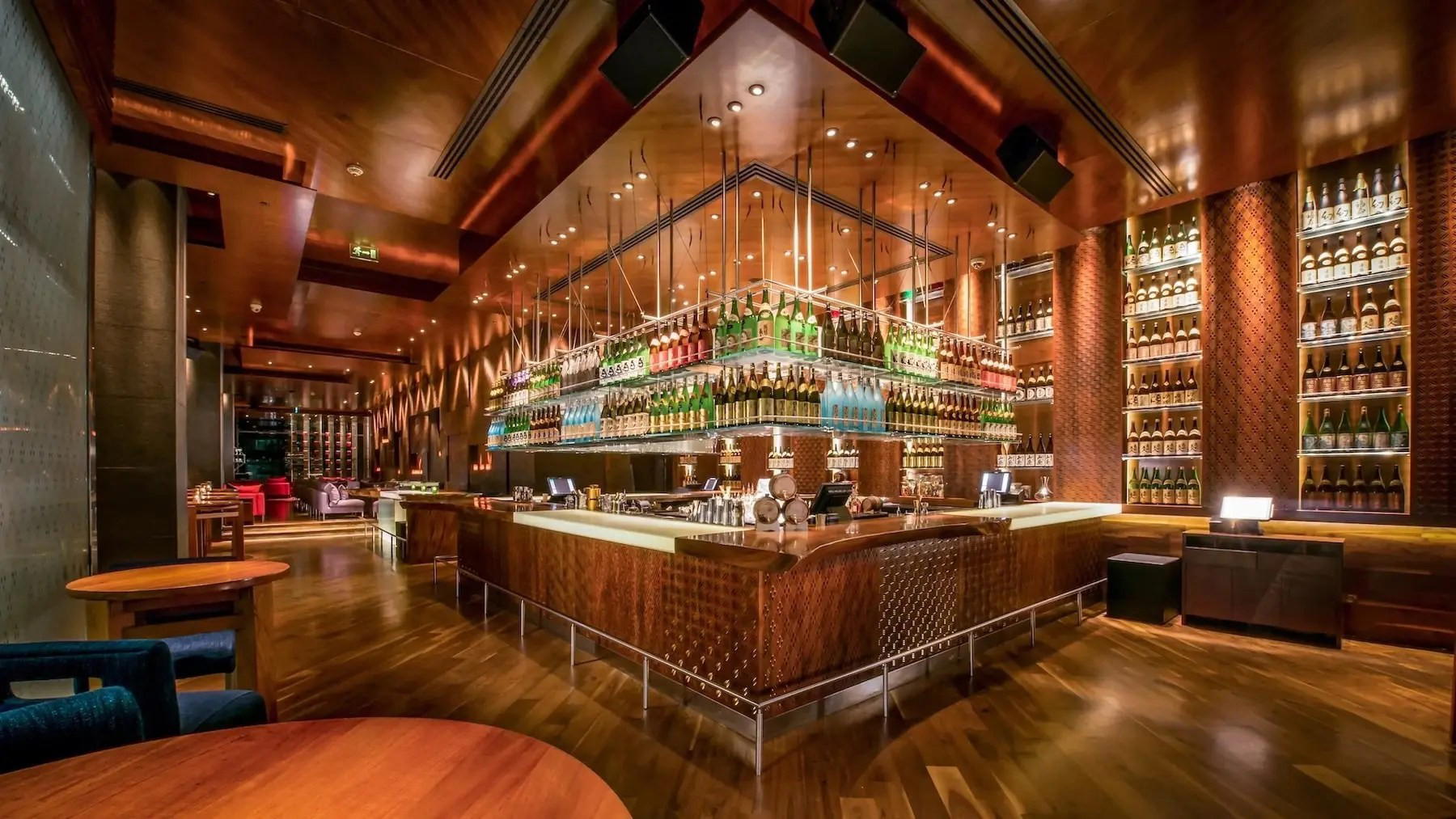
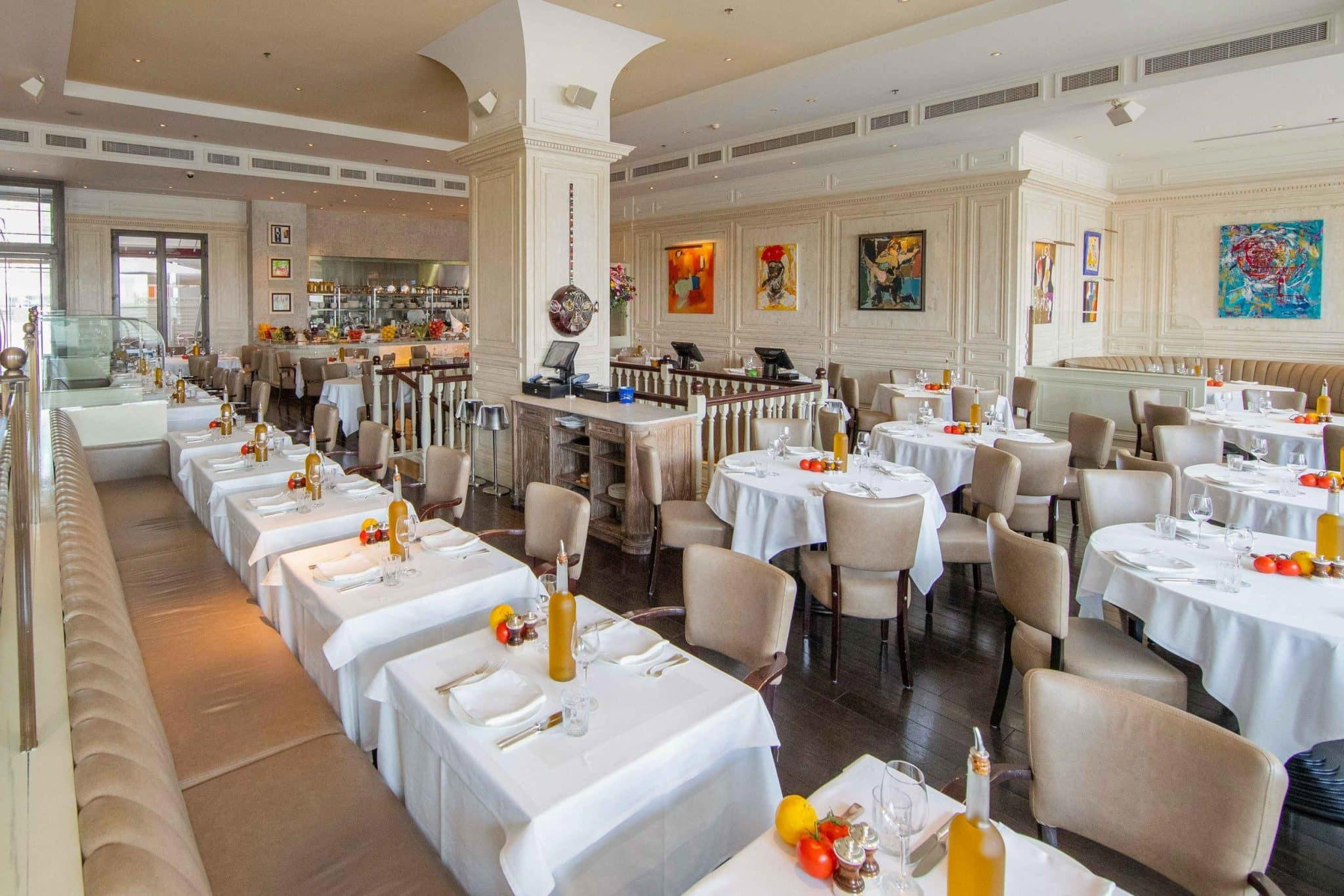
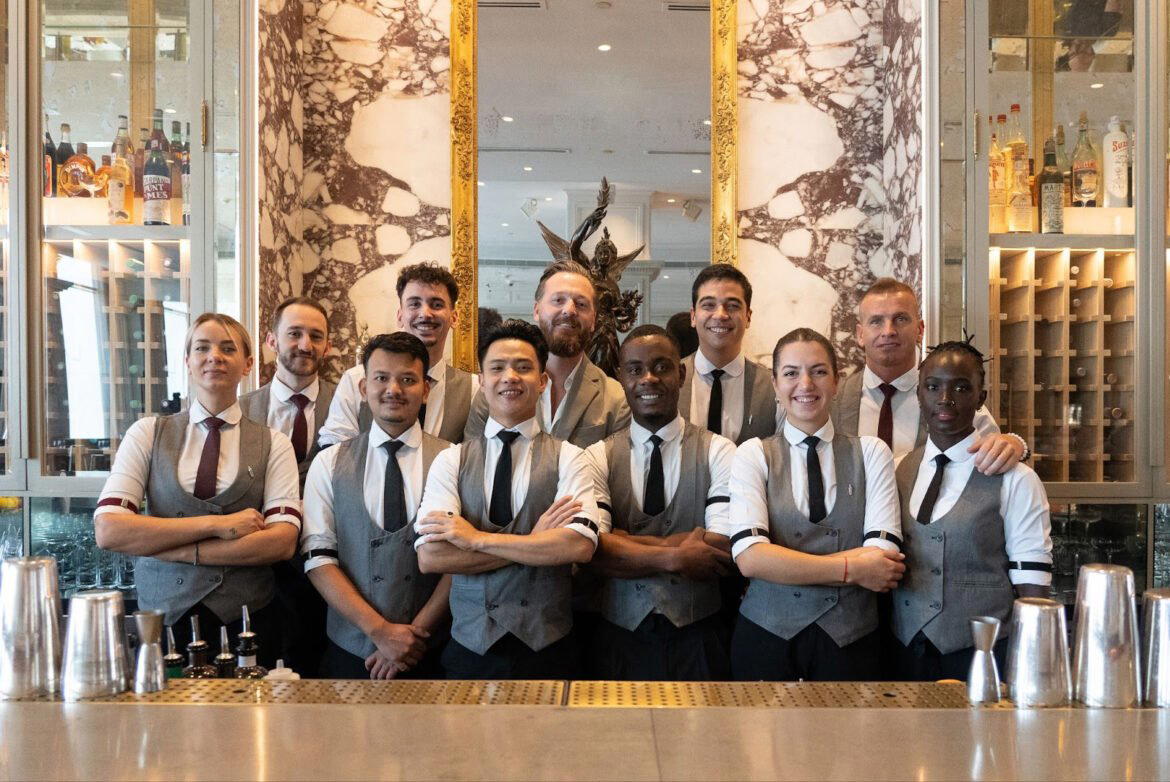
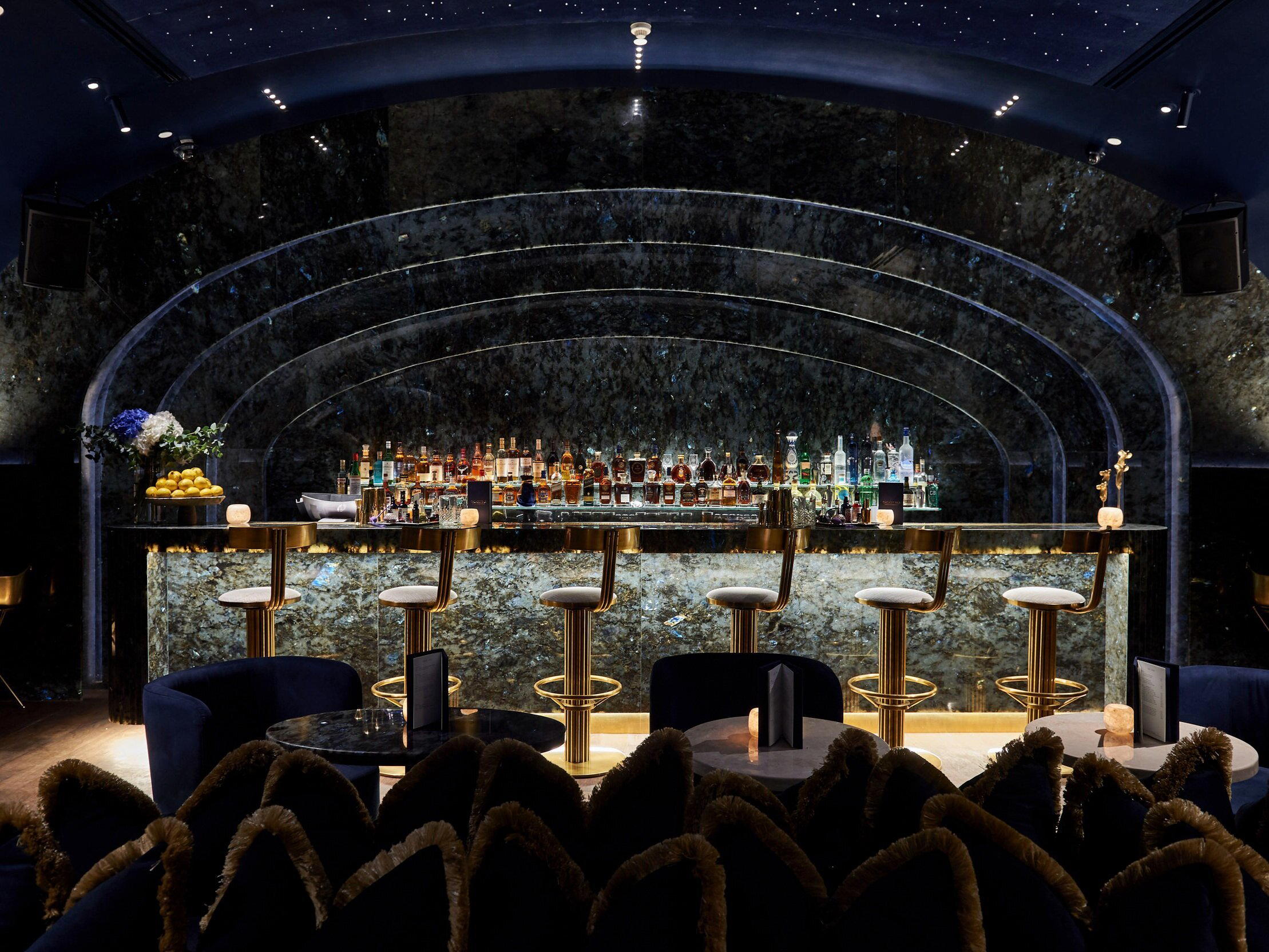
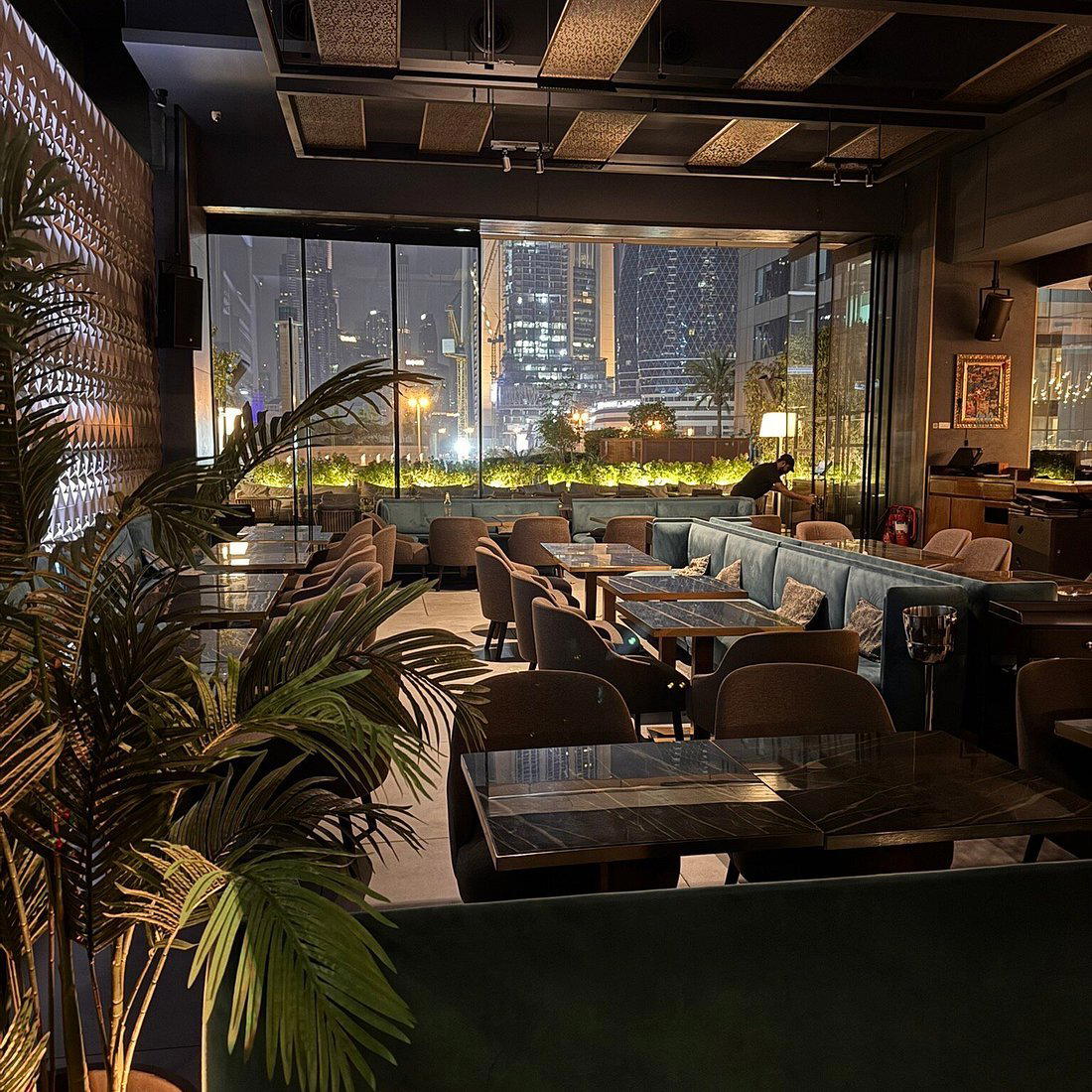
Stylish and vibrant with warm upscale vibe, exposed brick, woven carpets, cut glass chandeliers, and buzzy bar atmosphere enhanced by DJ music.