Su Restaurante
Our verdict
Su Restaurante occupies a quiet address on Guido Spano in Villa Morra, one of Asunción's most established dining neighbourhoods. The kitchen sits within a city where ingredient provenance increasingly defines how serious a restaurant is taken, and where the gap between casual and considered cooking is narrowing faster than most outsiders expect. A useful starting point for anyone building a picture of Paraguay's evolving restaurant scene.

Pearl is the En Primeur Club membership app, where members save venues, book tables and use the concierge.
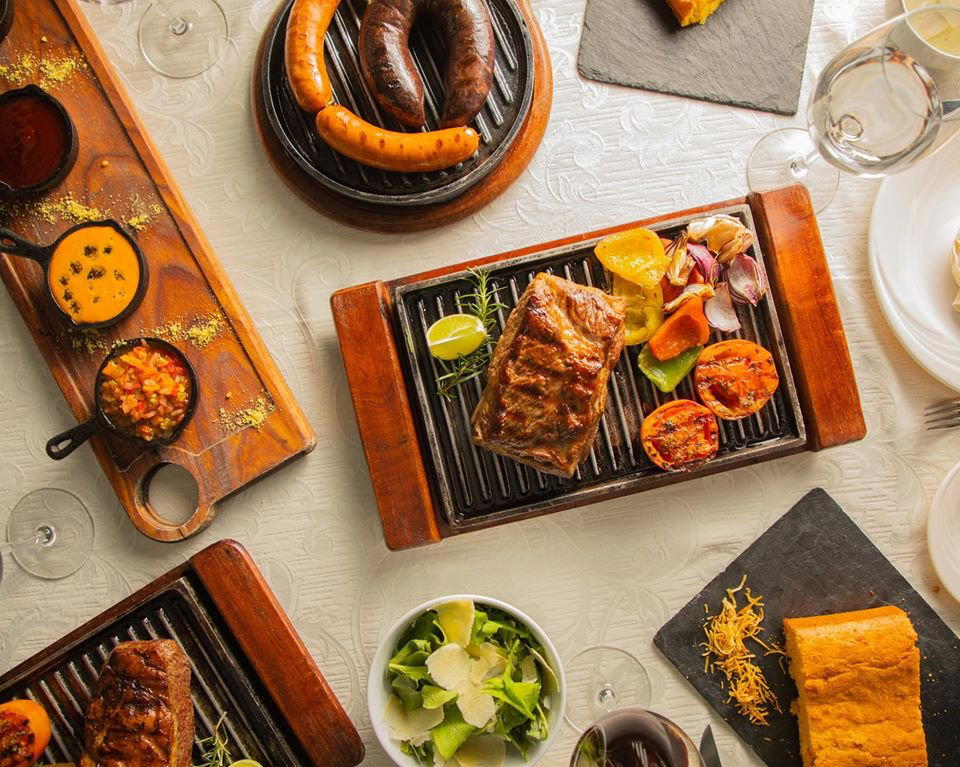
Where Villa Morra Places Its Restaurants
Villa Morra has spent the past decade consolidating its position as the address most associated with considered dining in greater Asunción. The neighbourhood draws a mix of long-established local families and a younger professional cohort, and the restaurants that have lasted here tend to share a common trait: they read their room. Flashy concept openings come and go, but the places that hold, the ones that fill midweek tables year after year, are those that connect their kitchens to a consistent, legible supply story. Su Restaurante, on Guido Spano in the Capitán Mota section of the neighbourhood, sits within that pattern. The address is residential in character, the kind of street where foot traffic is deliberate rather than accidental, which means the clientele arrives with intent.
For broader context on how Villa Morra's restaurant scene is structured, our full Villa Morra restaurants guide maps the neighbourhood's dining tiers and the blocks worth prioritising on a given evening.
The Sourcing Question in Paraguayan Cooking
Paraguay's agricultural output is substantial relative to its population, the country ranks among the world's leading exporters of beef and soy, and its eastern regions produce a range of subtropical fruits, root vegetables, and herbs that rarely appear in any form outside the country's borders. The gap between what the land produces and what historically reached the urban restaurant table has been the defining tension in Asunción's dining evolution. A generation ago, the assumption at mid-tier and above restaurants was that imported European ingredients signalled quality. That framing has shifted. The more serious kitchens in Villa Morra and Asunción proper now treat Paraguayan provenance as a credential rather than a compromise.
Su Restaurante's location on Guido Spano places it within reach of the suppliers that have made this shift possible, the small producers, the butchers working with specific breeds, the market networks that keep short supply chains viable in a city that has not yet fully industrialised its food distribution. This is the structural advantage that neighbourhood restaurants in Villa Morra hold over venues in more commercially dense parts of the city: proximity to the people who grow and raise things, and the relationships that make sourcing decisions personal rather than transactional.
Comparable questions about sourcing and culinary identity play out differently at the global level. Aponiente in El Puerto de Santa María built its reputation on marine ingredients the industry had overlooked. Lazy Bear in San Francisco operates within a Northern California produce network that its tasting format exists specifically to showcase. In each case, the sourcing framework precedes and shapes the cooking, a logic that holds whether the kitchen is working in a three-Michelin-star tier or a neighbourhood dining room in South America.
The Atmosphere of a Deliberate Neighbourhood Room
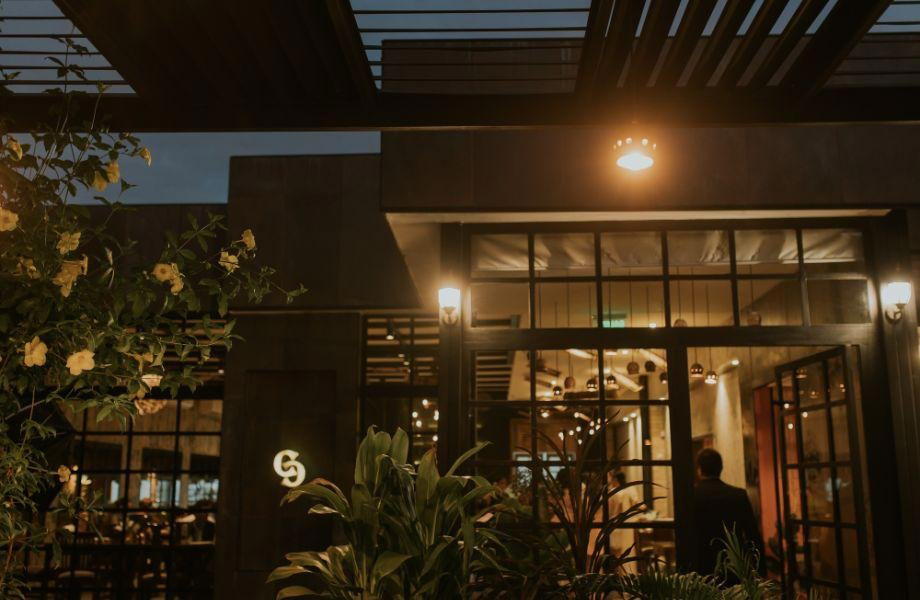
Approaching a restaurant on a residential street in Villa Morra has a particular quality that differs from the commercial strips further into Asunción. The scale is domestic, the signage understated, and the decision to walk through the door feels less like browsing and more like arriving. Inside, the rooms that work leading in this part of the city tend toward warmth over minimalism, materials that absorb sound rather than reflect it, lighting calibrated for conversation, a pace that does not rush covers.
The neighbourhood does not attract the same international visitor footfall as the historic centre, which means the room on most nights is primarily local, regulars who have established preferences, tables where the staff know the order before it is given. That dynamic changes the character of service in ways that are difficult to manufacture in higher-turnover venues.
For comparison across the Paraguayan and regional dining spectrum, Bolsi in Asunción represents a different register, older, more institutionally embedded. Pakuri in Asuncion sits in a more contemporary frame. Calle 75 in Lambaré shows how the food-and-drink format has taken hold across the greater Asunción area. Each occupies a distinct position in a scene that is more differentiated than its international profile suggests.
Paraguay in a Wider Dining Context
The country remains underrepresented in the international food press relative to its neighbours, which means visitors arriving from Buenos Aires or São Paulo often carry assumptions shaped by those cities' more documented restaurant cultures. The comparison is worth resisting. Paraguayan cooking has its own structural logic, built around manioc, maize, freshwater fish from the Paraguay and Paraná rivers, and cattle raised on open pasture, and the restaurants that engage with that logic seriously are doing something that cannot be replicated by importing the conventions of a different culinary tradition.
The international benchmark tier, from Le Bernardin in New York City to Alléno Paris au Pavillon Ledoyen to 8½ Otto e Mezzo Bombana in Hong Kong, operates within culinary traditions that have decades of critical infrastructure behind them. Paraguay does not have that infrastructure yet, which cuts both ways: there is less received wisdom to work against, and more room for a kitchen to define its own terms. Minoya Ramen in Encarnación is one example of how specific culinary traditions find unexpected footholds in Paraguayan cities. Pho Noodle Bar and Restaurante Honki point to a similar pattern of culinary diversity arriving through immigration and staying through quality.
Planning a Visit
Su Restaurante is at Guido Spano 1712, in the Capitán Mota section of Villa Morra. The neighbourhood is accessible by taxi and ride-share from central Asunción; the Capitán Mota area sits within the broader Villa Morra grid and is well-known to local drivers. Villa Morra restaurants at this address tier typically run a dinner service oriented toward the local social calendar, with weekends drawing the highest demand.
For visitors building a wider itinerary, the neighbourhood rewards an evening that combines dinner with a walk through the adjacent streets. The Capitán Mota area has enough residential character to feel distinct from the commercial thoroughfares, and the density of dining options within a short radius means a back-up option is rarely far away if first-choice availability is limited.
Frequently asked questions
Is Su Restaurante suitable for children?
Villa Morra's residential character generally means restaurants in the area are quieter than those on Asunción's commercial strips, which tends to make them workable for families. Su Restaurante sits on Guido Spano 1712 in the Capitán Mota section, a low-traffic street where the pace is unhurried.
What should I expect atmosphere-wise at Su Restaurante?
The Capitán Mota section of Villa Morra sets the tone before you walk through the door: a residential street rather than a commercial strip, which filters the crowd toward guests who sought the place out rather than walked past it. Inside, expect the measured atmosphere associated with neighbourhood rooms in this part of Asunción, where the dining culture leans toward longer, unhurried meals. Villa Morra has spent the past decade becoming the address most associated with considered dining in greater Asunción, and Su Restaurante sits within that context.
Is Su Restaurante a good option for a first restaurant visit to Villa Morra, Asunción?
For a visitor arriving from Buenos Aires or São Paulo and looking to understand Paraguay's restaurant scene on its own terms, Villa Morra is the logical starting point, and Su Restaurante's address on Guido Spano 1712 in the Capitán Mota section places it within the neighbourhood's most established dining corridor. Paraguay remains underrepresented in the international food press relative to its neighbours, which means rooms like this carry more of the local dining culture than the coverage suggests. Arriving by taxi or ride-share from central Asunción is straightforward, and the residential setting gives the visit a different register than a hotel-district restaurant.
What do regulars order at Su Restaurante?
Regulars at neighbourhood rooms in this part of Asunción tend to return for whatever the kitchen builds around those sourcing relationships. Visiting with an open approach to whatever is prominent that day is the move most aligned with how these rooms operate.
Where do I go for Su Restaurante?
Su Restaurante is located at Guido Spano 1712 (Capitán Mota), Villa Morra, Villa Morra.
Fast Comparison
Comparable venues nearby, for context on price, style, and recognition.
| Venue | Cuisine | Price | Notes |
|---|---|---|---|
| Su RestauranteThis venue (the venue you are viewing) | Authentic Korean | Not listed | Not listed |
| Cocina Clandestina | Modern Paraguayan | $20–30 | Villa Aurelia |
| Tierra Colorada Gastro | Modern Paraguayan Gastro | $20–30 | Salvador del Mundo |
| Restaurant Pacuri | Modern Paraguayan | $20–30 | Villa Morra |
| Restaurante Honki | Paraguayan | Not listed | 東方市 |
| Pakuri | Modern Paraguayan | $20–30 | Villa Morra |
Continue exploring
More in Villa Morra
Restaurants in Villa Morra
All restaurants in Villa Morra →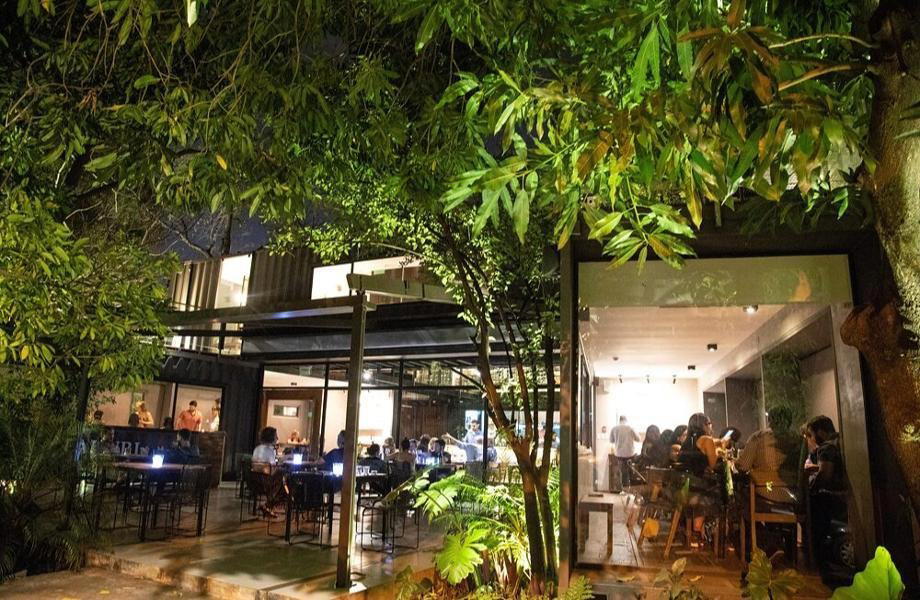
Hotels in Villa Morra
Browse all →
Details
- Modern
- Date Night
- Casual Hangout
- A La Carte
Welcoming atmosphere with good attention and modern, clean setting.