Our verdict
Bolsi is one of Asunción's most-discussed dining addresses, operating in a city where ingredient provenance and local culinary identity are increasingly central conversations. The restaurant draws on Paraguay's agricultural depth, from its grassland-raised beef to its subtropical produce, and positions itself within a small tier of Asunción venues where the sourcing story is as deliberate as the cooking.

Pearl is the En Primeur Club membership app, where members save venues, book tables and use the concierge.
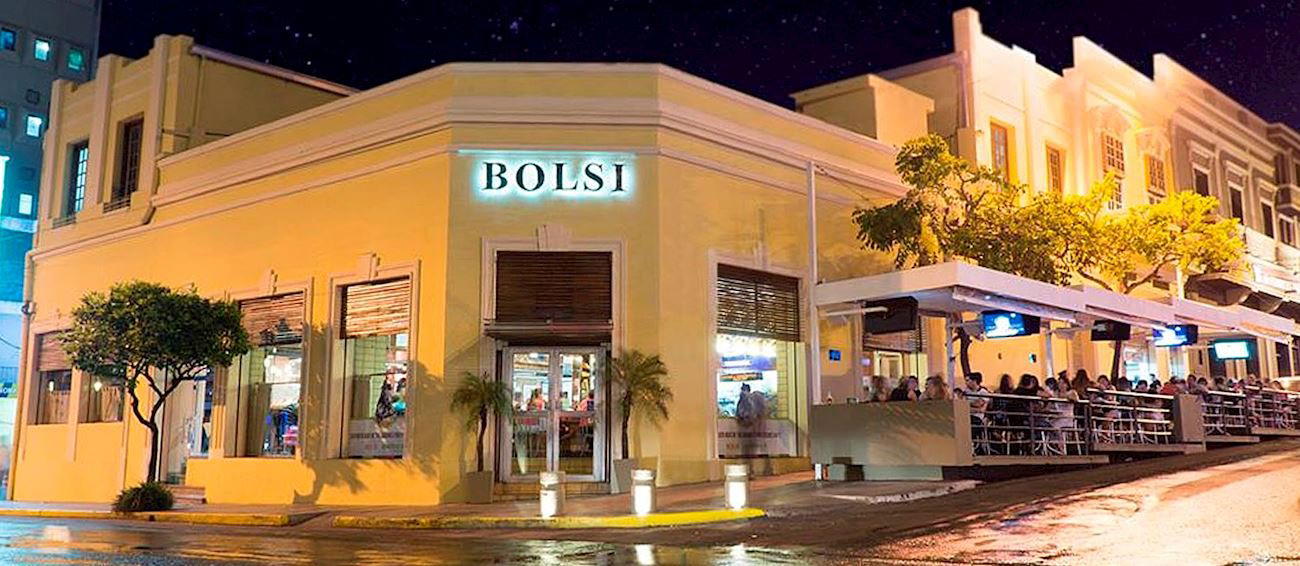
The menu
What to order
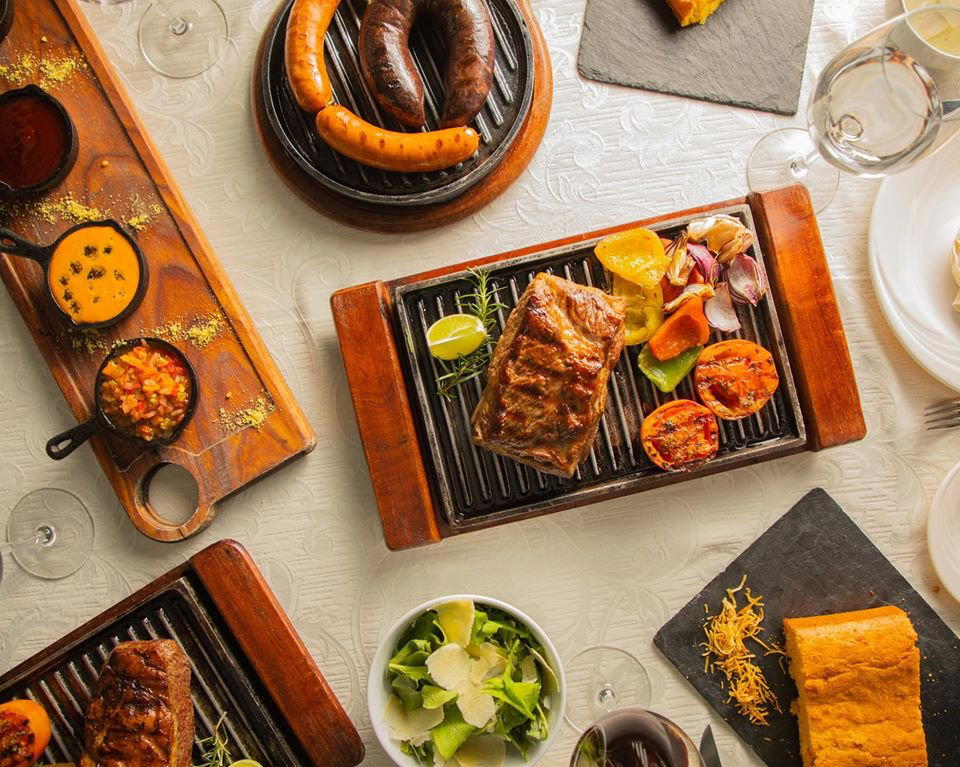
- Empanadas
- So'o asado
- Chipá
Where Asunción's Ingredient Conversation Gets Serious
Asunción's dining scene has been reshaping itself quietly over the past decade. The city that long deferred to Buenos Aires or São Paulo as regional reference points has developed a more confident local register, one built on Paraguay's extraordinary agricultural base: cattle raised on open pasture, freshwater fish from the Paraguay and Paraná rivers, and subtropical fruits and roots that rarely appear on menus outside the country. Bolsi sits inside this shift, occupying the kind of address that functions less as a restaurant in isolation and more as a marker of where the city's food culture has arrived.
Ingredient sourcing is the argument that serious Asunción kitchens are now making most visibly. Paraguay's interior produces some of South America's least-exported and least-discussed raw materials, from mandioca and mbejú-grade starch to guaviyú and maracuyá grown at small scale. The kitchens that choose to engage with these materials, rather than import substitutes, are making a positioning decision as much as a culinary one. Bolsi is understood locally as a kitchen in that category, though the specific sourcing relationships and menu structures are best confirmed directly with the venue before visiting.
The Physical Setting and Its Signals
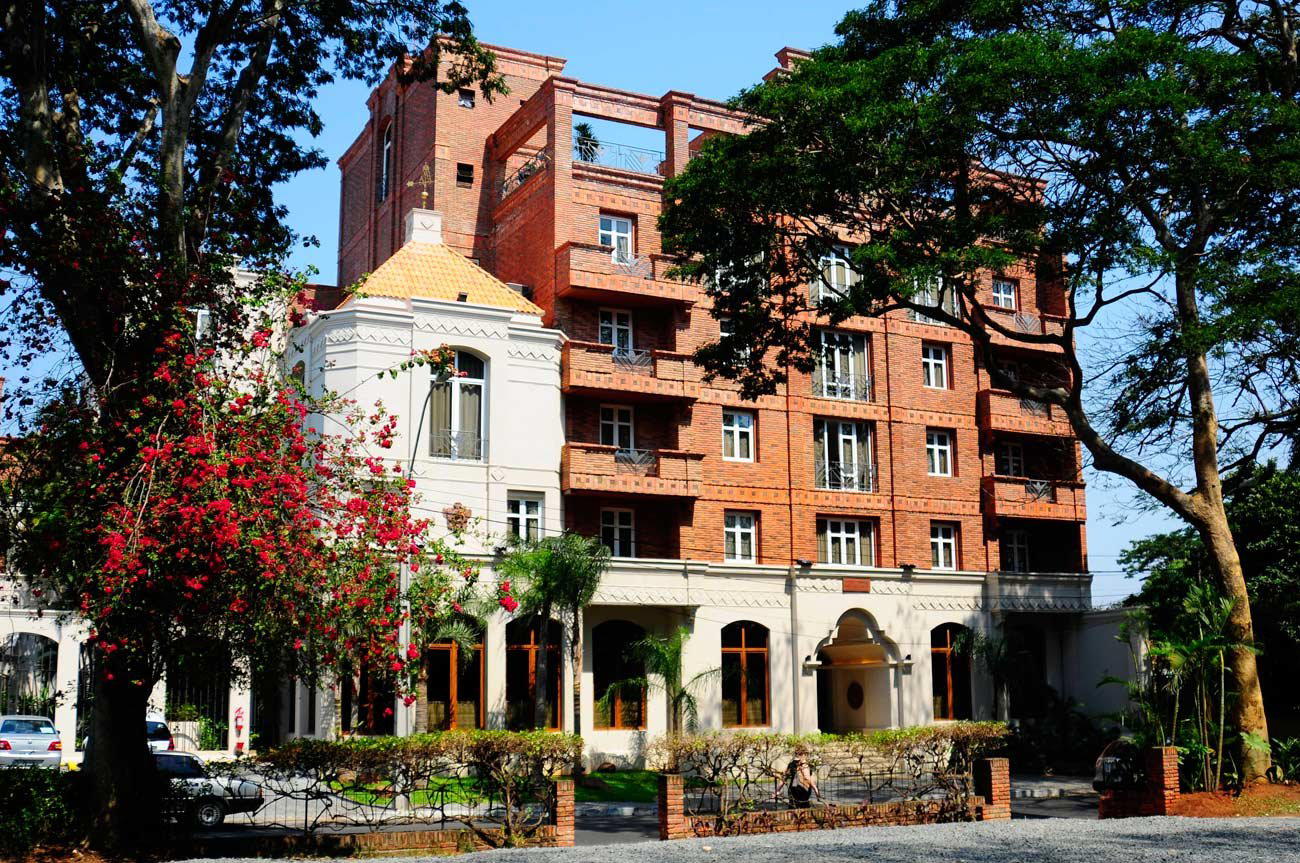
Asunción's dining addresses carry their context in their architecture. The city is not dense with purpose-built restaurant blocks in the way that Buenos Aires or Lima are; instead, its better kitchens tend to occupy adapted buildings, colonial-era structures, or mid-century residential conversions that signal intention through material choices rather than scale. The approach to a venue here often tells you what register to expect before you sit down: the proportion of natural light, the density of sound, the degree to which the street bleeds into the room. Bolsi's setting, consistent with its local reputation, reads as deliberate rather than incidental. For confirmed hours, address, and reservation logistics, contacting the venue directly or checking a current local listing is the practical first step.
Asunción's better dining rooms tend to seat modestly. The city's fine-casual tier, where Bolsi competes, operates at a scale where the kitchen can maintain sourcing discipline without the volume pressure that pushes larger operations toward commodity supply. This is a meaningful structural difference from the capital's brasserías and event-catering formats. It is also what allows the sourcing argument to hold across service rather than just in the kitchen's stated values.
Paraguay's Raw Materials and Why They Matter Here
The case for eating in Asunción rather than treating it as a transit stop rests substantially on what Paraguay grows and raises that does not travel. Beef from cattle on Paraguayan pasture has a distinct fat composition and mineral character shaped by the Chaco and eastern grasslands; it is not a lesser version of Argentine beef but a different product shaped by different land. Freshwater species from the river system, particularly surubí and dorado, carry the specific texture of fast-moving river environments and are difficult to source at comparable quality outside the region. Tropical and subtropical produce, including varieties of citrus, tubers, and legumes specific to the Guaraní agricultural tradition, appears in Asunción kitchens in ways that have no direct equivalent elsewhere in South America's restaurant tier.
Bolsi's menu, in the framework of this regional sourcing logic, is leading understood as a vehicle for these materials rather than as a global cuisine with Paraguayan elements added. The distinction matters for how you read the cooking. A kitchen that starts from the ingredient and builds outward produces a different result from one that starts from a technique or tradition and sources locally where convenient. Asunción's more considered kitchens have been moving toward the former approach, and that movement is what gives venues like Bolsi their context within our full Asunción restaurants guide.
Where Bolsi Sits in the Asunción Dining Field
Asunción's serious restaurant tier is not large. Restaurant Pacuri and Pakuri in Asuncion are part of the same conversation about where Asunción cooking is heading; Su Restaurante in Villa Morra approaches the city's ingredient depth from a different angle. Beyond the capital, Calle 75 'Food & Drink' in Lambare and Minoya Ramen in Encarnacion indicate that the appetite for considered cooking is not limited to Asunción itself.
Internationally, the comparison point for what Bolsi is attempting is less the headline addresses of Le Bernardin in New York City or Aponiente in El Puerto de Santa María and more the structural logic of kitchens like Lazy Bear in San Francisco or Emeril's in New Orleans: restaurants that operate within a specific regional identity and treat that identity as a resource rather than a limitation. The gap between Asunción and those cities is one of infrastructure and visibility, not of ambition or raw material quality.
Planning Your Visit
Asunción's dining culture operates on a schedule that differs from Buenos Aires or São Paulo in one practical respect: service times tend to be earlier, and the city's social rhythms mean that peak dinner hours are less compressed than in larger regional capitals. Visitors arriving from Buenos Aires or expecting a late-sitting culture may find the local pace useful to understand in advance. For Bolsi specifically, checking current booking availability, hours, and any reservation requirements directly with the restaurant is necessary, as the venue's operational details are not consolidated in public-facing databases at the time of writing. Walk-in availability varies by day and season; during high local demand periods, a reservation is the more reliable approach.
Asunción is accessible via Silvio Pettirossi International Airport, with regional connections from São Paulo, Buenos Aires, and Lima. The city centre and its better dining districts are within manageable distance of the airport for visitors staying centrally. For broader context on where to eat and drink across the capital, our full Asunción restaurants guide maps the scene across neighbourhoods and price tiers.
Frequently asked questions
Is Bolsi a family-friendly restaurant?
Asunción's mid-to-upper dining tier, which includes Bolsi, generally accommodates multi-generational groups without the rigid formality of a European tasting-menu counter. Dining culture in the city tends toward relaxed, extended meals, which suits families.
What's the vibe at Bolsi?
Bolsi sits within Asunción's serious restaurant tier, a scene that has been quietly consolidating its identity over the past decade as an alternative to the more internationally profiled dining cities of the region. The atmosphere reflects that context: purposeful without being stiff, attentive to local ingredients and craft rather than imported trends. Asunción restaurants of this calibre tend to attract a local professional crowd alongside visiting travellers who came specifically to eat.
What makes Bolsi worth visiting specifically in Asunción rather than dining in a larger South American city?
Asunción gives access to Paraguayan ingredients, beef, river fish, and native produce, that are consumed locally rather than exported, meaning they arrive at the table at a quality point unavailable elsewhere. Bolsi operates within the city's small but increasingly focused serious restaurant tier, where the competition is not volume but specificity of sourcing and cooking. For travellers passing through Paraguay, a meal here is the most direct way to engage with what the country actually produces and eats.
What should I eat at Bolsi?
The strongest case for eating at Bolsi rests on Paraguay's raw materials, beef raised on native grasses, river fish from the Paraguay and Paraná systems, and produce that does not survive the export chain intact. Dishes built around these ingredients represent what Asunción's better kitchens do that no comparable price point in Buenos Aires or São Paulo can replicate. Specific current menu items should be confirmed with the venue directly, as menus in this tier typically shift with season and supply.
Can I walk in to Bolsi?
Walk-in availability in Asunción's upper dining tier varies significantly by day and hour. Dining times in the city skew earlier than Buenos Aires norms, which can mean tables open later in the evening when local demand softens. Arriving without a reservation is a viable strategy on weekday evenings, though weekend service at a restaurant of Bolsi's standing warrants a booking in advance.
How It Stacks Up
| Venue | Cuisine | Price |
|---|---|---|
| BolsiThis venue (the venue you are viewing) | Traditional Paraguayan | $1–10 |
| Restaurant Pacuri | Modern Paraguayan | $20–30 |
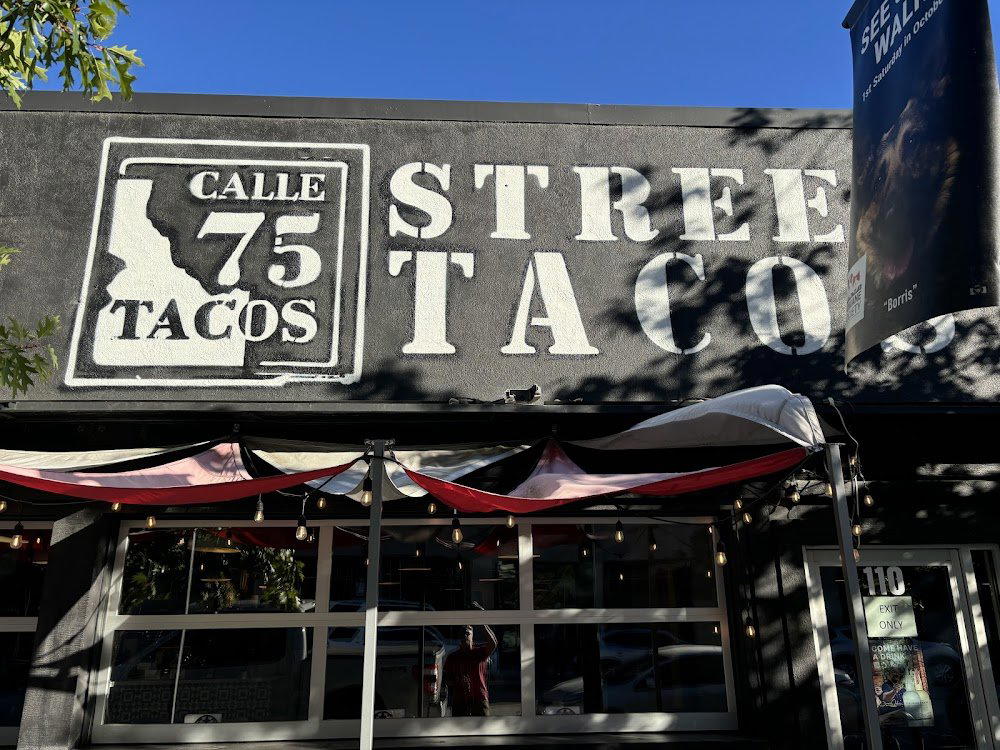
| Calle 75 'Food & Drink' | Food & Drink | Not listed |
| Minoya Ramen | Japanese Ramen | $1–10 |
| Pakuri | Modern Paraguayan | $20–30 |
| Pho Noodle Bar | Vietnamese Noodle Bar | $10–20 |
Continue exploring
More in Asunción
Restaurants in Asunción
All restaurants in Asunción →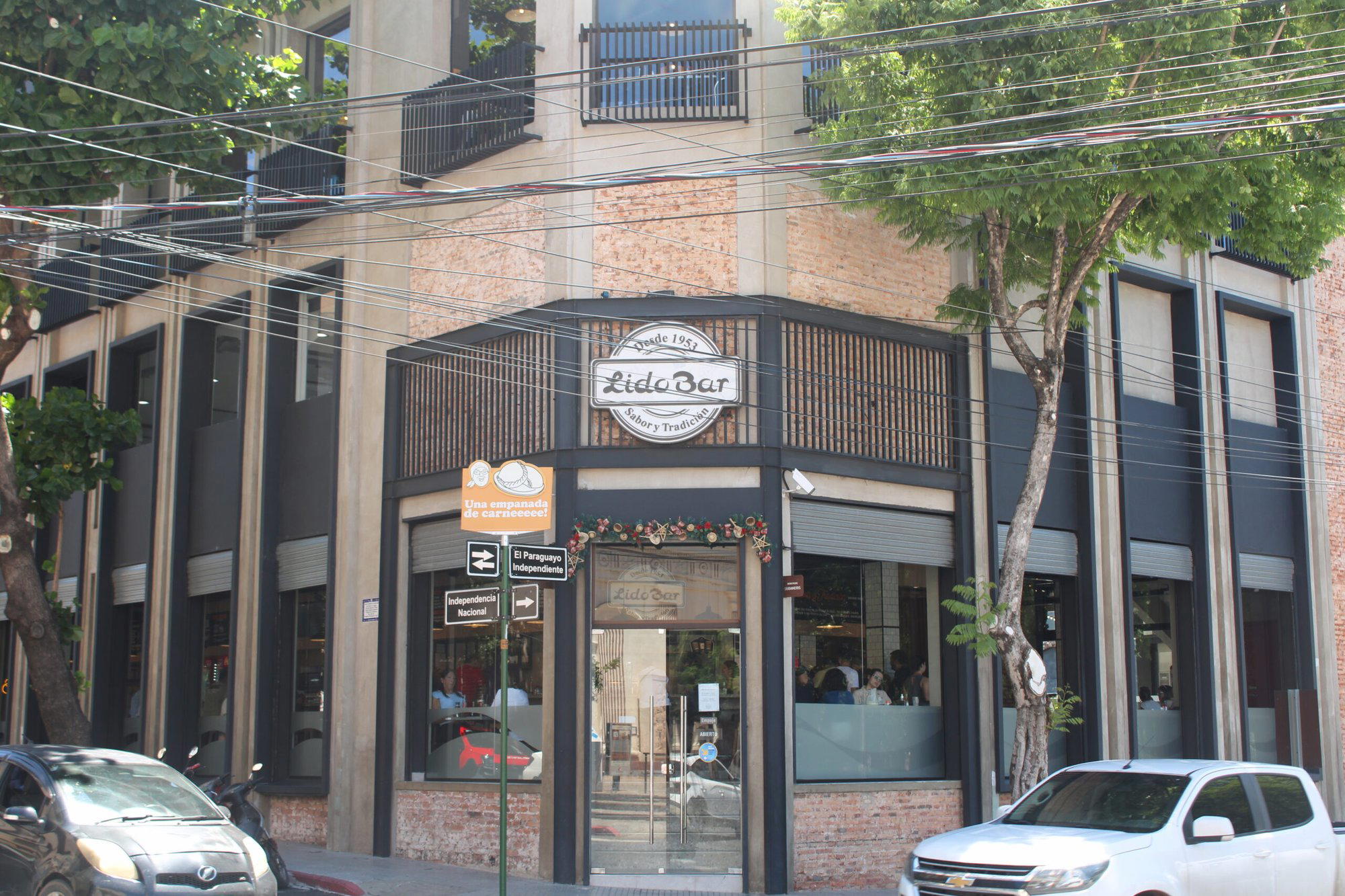
Details
- Well Known
- Lively
- Classic
- Casual Hangout
- Family
- Brunch
- Historic Building
- Local Sourcing
- A La Carte
- Vegetarian Friendly
- Vegan Options
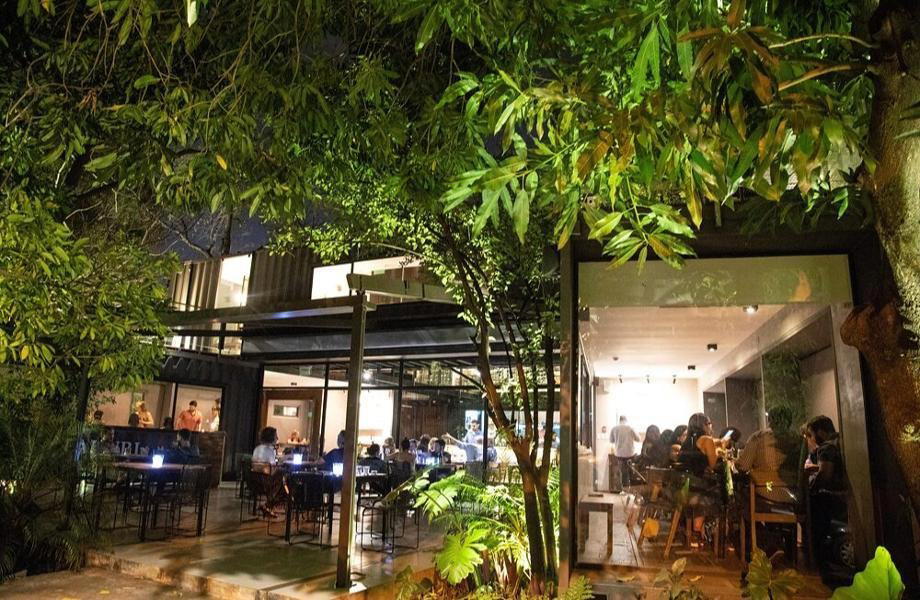
Festive and lively atmosphere in a historic building with communal seating around an elongated circular bar and diner-style setting.