Our verdict
Calle 75 'Food & Drink' sits on Avenida Hernan Cortes in Lambaré, a city that runs directly into greater Asunción's southern edge and carries its own distinct neighbourhood rhythm. The venue's name signals a dual commitment to food and drink in a market where that pairing remains less common than elsewhere in the region. For visitors working through Paraguay's emerging dining scene, Lambaré provides a grounded counterpoint to the capital's more visible restaurant corridor.

Pearl is the En Primeur Club membership app, where members save venues, book tables and use the concierge.
Lambaré and the Southern Asunción Dining Belt
Paraguay's restaurant culture has long been read through Asunción's central barrios, with Villa Morra and the financial district capturing most of the attention from visiting critics and food writers. Lambaré, which shares a continuous urban boundary with the capital along the southern edge of Gran Asunción, has operated on a different frequency: lower profile internationally, but embedded in the daily eating habits of a dense residential population. That distinction matters when assessing where Calle 75 'Food & Drink', located on Avenida Hernan Cortes, fits into the broader picture. This is not a venue positioning itself for tourist traffic or expense-account lunches. It occupies a street address that locals navigate, in a city whose dining identity is shaped more by proximity to Asunción than by its own independent culinary reputation.
For context on how Lambaré compares to the capital's more visible dining corridors, our full Lambaré restaurants guide maps the neighbourhood's character in detail. What distinguishes this southern belt from the city centre is the relative absence of international-chain saturation and a leaning toward venues that draw their identity from local supply chains rather than imported format concepts.
Ingredient Sourcing in the Paraguayan Context
Understanding what a venue like Calle 75 'Food & Drink' is likely working with requires understanding Paraguay's agricultural position. The country is one of the world's largest exporters of beef and soy, and its domestic food culture reflects that bounty at a structural level. Beef is not a premium addition to the menu here; it is the baseline. The cuts available to a restaurant sourcing locally in greater Asunción include options that would carry significant cost premiums in European or North American markets. Mandioca (cassava), maize, and a range of freshwater fish from the Paraguay and Paraná rivers form a secondary tier of ingredients that shape regional cooking in ways that imported concepts rarely replicate.
The 'Food & Drink' framing in the venue's name is worth considering in this sourcing context. Across Paraguay's mid-market dining scene, the integration of a considered drinks program alongside food remains less developed than in comparable South American markets like Argentina or Chile. Buenos Aires' cocktail bar culture and Santiago's wine-forward restaurant format have not fully translated eastward.
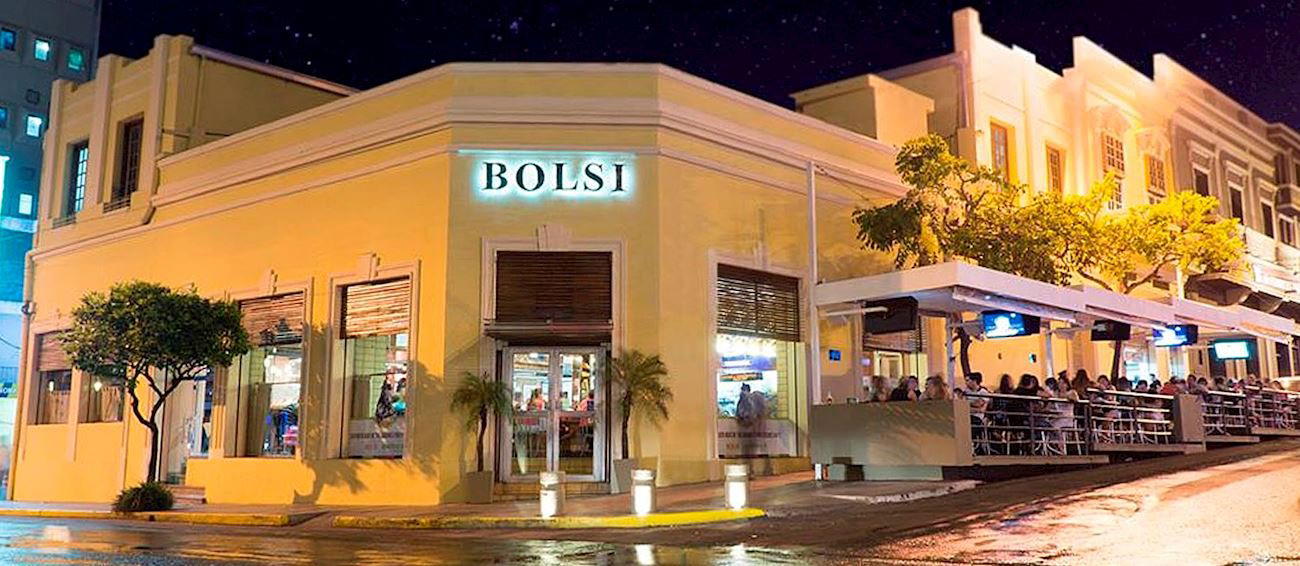
Comparable venues operating across the Asunción corridor illustrate the range. Pakuri in Asuncion and Su Restaurante in Villa Morra each represent different approaches to the capital's dining identity, while Bolsi in Asunción has maintained long-standing relevance in the central market. Lambaré's venues, including Calle 75, sit adjacent to this ecosystem rather than inside it.
The Physical Address and What It Signals
Avenida Hernan Cortes is a working thoroughfare in Lambaré rather than a dining destination street. Venues on streets like this typically serve a regular local clientele rather than drawing destination diners. That pattern holds across many South American cities: the venues that sustain themselves on residential-neighbourhood streets often achieve a consistency of product and price that destination restaurants on high-profile strips do not, because the clientele returns frequently and has clear expectations. The tradeoff is limited international visibility and, usually, a more compressed price range calibrated to local spending power.
Paraguay's dining economy operates at a meaningful discount to neighbouring Brazil and Argentina, even accounting for recent inflationary pressures in those markets. For a traveller arriving from São Paulo or Buenos Aires, the purchasing power differential in Asunción and its satellite cities is considerable, which shifts how value should be assessed across all price tiers. A mid-market venue in Lambaré represents a different absolute cost than its functional equivalent in Montevideo or Lima.
Regional and International Reference Points
Placing Lambaré's dining scene in a wider frame requires acknowledging how far the global reference tier sits from it. Venues like Le Bernardin in New York City, Alinea in Chicago, or Alain Ducasse at Louis XV in Monte Carlo operate inside a different economic and critical infrastructure entirely. So do South American venues that have attracted serious international press attention. The relevant comparison for Calle 75 is the functional mid-market tier operating across the Gran Asunción conurbation, where the metrics that matter are ingredient consistency, neighbourhood loyalty, and the capacity to hold a drinks program alongside a food offer.
Across the region, the venues that have developed the most coherent identity tend to be those anchored in specific sourcing relationships, whether that is a family beef supplier, a direct connection to the Mercado de Abasto, or a relationship with one of Paraguay's growing number of small-scale agricultural producers. Minoya Ramen in Encarnacion demonstrates how a tightly defined format can hold its own in a market without deep dining infrastructure. The question for any Lambaré venue is whether its local sourcing and format discipline create the same kind of coherent identity at the neighbourhood scale.
Planning a Visit
Calle 75 'Food & Drink' is located at Avenida Hernan Cortes, Lambaré 110702, Paraguay. Lambaré is accessible from central Asunción by taxi or ride-share in under thirty minutes depending on traffic, and the cross-border connection from Argentina via the Puente Remanso and Puente San Ignacio routes places it within a day-trip range for visitors based in Corrientes or Formosa. The venue's full name suggests a combined food and drinks offer, which is the working assumption for planning purposes, but the scope of that offer should be verified on arrival or through current local sources.
For travellers building a broader Paraguay itinerary that extends beyond Asunción, the dining options across the country's cities vary considerably in format and ambition. Pho Noodle Bar and Restaurante Honki illustrate the range of international-influenced formats finding an audience in Paraguayan markets, while internationally recognised venues like Amber in Hong Kong, Aponiente in El Puerto de Santa María, and Aqua in Wolfsburg provide reference points for what sourcing-led kitchen discipline looks like at the highest documented tier, even if the operational scale and critical context are entirely different.
Frequently asked questions
Is Calle 75 'Food & Drink' suitable for children?
The venue's address on Avenida Hernan Cortes in Lambaré places it in a working residential and commercial corridor rather than a high-end dining strip, which typically signals a neighbourhood-facing operation where families are a core part of the clientele. Contacting the venue directly before visiting with children is advisable.
Is Calle 75 'Food & Drink' formal or casual?
Avenida Hernan Cortes is a working thoroughfare in Lambaré, and venues along streets like this overwhelmingly serve everyday local demand rather than occasion dining. The name 'Food & Drink' reinforces an all-day, approachable format rather than a tasting-menu or fine-dining operation. Casual dress is a reasonable expectation, though no dress code is formally documented.
Where exactly is Calle 75 'Food & Drink' located, and how do I get there from central Asunción?
Calle 75 'Food & Drink' sits on Avenida Hernan Cortes in Lambaré (postal code 110702), a municipality that borders Asunción to the south along the Paraguay River. Lambaré is accessible from central Asunción by taxi or ride-share services, with the journey typically running through Fernando de la Mora or directly across the southern urban belt. It is a separate municipality from Asunción, so confirm your destination clearly with drivers.
What's the best thing to order at Calle 75 'Food & Drink'?
No menu data is currently documented for Calle 75 'Food & Drink' in Lambaré. Paraguay's agricultural output, beef, cassava, corn, and fresh river fish, forms the backbone of most local restaurant menus in the Asunción metropolitan area, so dishes drawing on those staples are a reasonable expectation.
Where is Calle 75 'Food & Drink' in Lambare?
Calle 75 'Food & Drink' is located at Avenida Hernan Cortes, Lambaré 110702, Paraguay, Lambare.
What's the best way to book Calle 75 'Food & Drink'?
No phone number or website is currently listed for Calle 75 'Food & Drink'. The venue is located at Avenida Hernan Cortes, Lambaré 110702, Paraguay, and a walk-in or inquiry through local directory platforms is the most practical route until direct contact details are confirmed. Neighbourhood operations in Lambaré often accommodate same-day visits without advance reservation.
At-a-Glance Comparison
Comparable venues nearby, for context on price, style, and recognition.
| Venue | Cuisine | Price | Notes |
|---|---|---|---|
| Calle 75 'Food & Drink'This venue (the venue you are viewing) | Food & Drink | Not listed | Not listed |
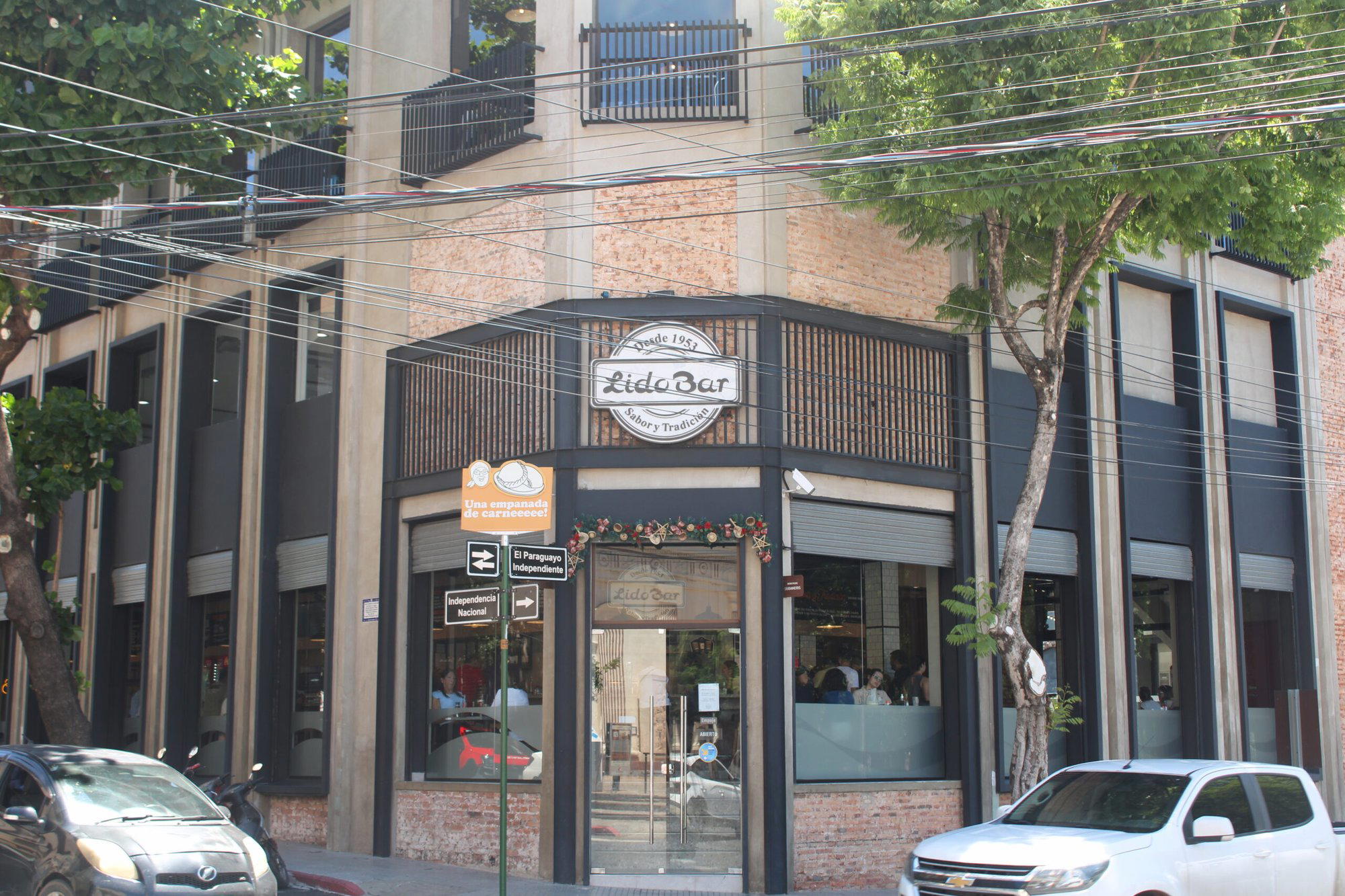
| Lido Bar | Authentic Paraguayan | Not listed | Paraguayo Independiente Downtown |
| Bolsi | Traditional Paraguayan | $1–10 | Centro |
| Restaurant Pacuri | Modern Paraguayan | $20–30 | Villa Morra |
| Cocina Clandestina | Modern Paraguayan | $20–30 | Villa Aurelia |
| Restaurante Honki | Paraguayan | Not listed | 東方市 |
Continue exploring
More in Lambare
Restaurants in Lambare
All restaurants in Lambare →
Details
- Lively
- Casual
- Casual Hangout
- Group Dining
- A La Carte
Current opening hours
- Monday
- Closed
- Tuesday
- 6 PM–12 AM
- Wednesday
- 6 PM–12 AM
- Thursday
- 6 PM–12 AM
- Friday
- 6 PM–12 AM
- Saturday
- 6 PM–12 AM
- Sunday
- 6 PM–12 AM
Hours can change for holidays and private events. Hours as of .
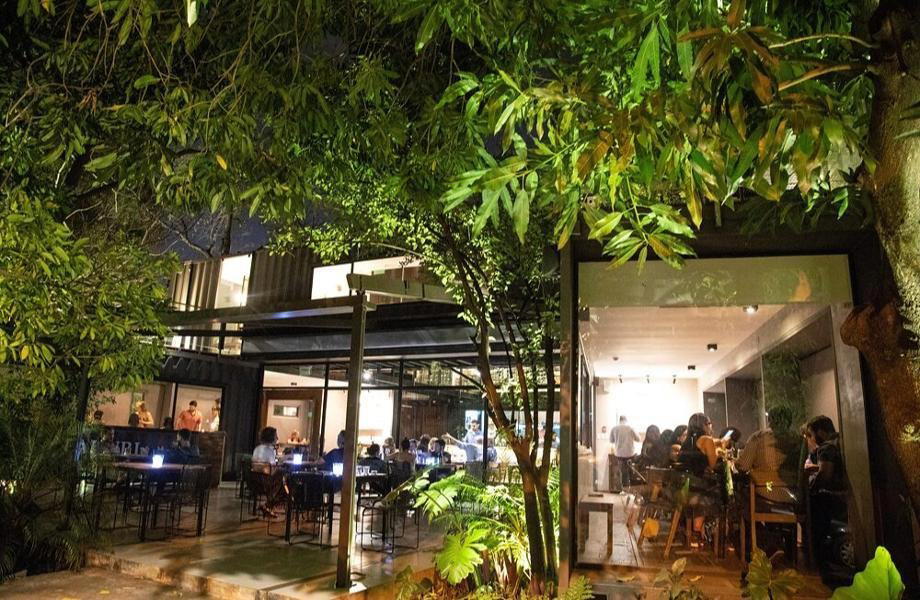
Casual, lively atmosphere typical of a neighborhood food and drink establishment.