Our verdict
Pakuri occupies a corner address on Eusebio Lillo in Asunción, placing it inside the residential-commercial stretch that has quietly accumulated some of the city's more considered dining options. The restaurant sits at a moment when Paraguayan kitchens are beginning to draw harder lines between ingredient origin and plate, a conversation Pakuri has joined on its own terms.

Pearl is the En Primeur Club membership app, where members save venues, book tables and use the concierge.
The menu
What to order
- Vori vori
- Payagua mascada
- Surubi ceviche
- Pork ribs
A Corner Table in a City Rewriting Its Own Menu
Asunción does not have the international dining profile of Buenos Aires or Santiago, and that gap is increasingly working in its favour. Without the pressure of global food-media attention, a handful of restaurants along streets like Eusebio Lillo have been allowed to develop at their own pace, answering to a local clientele rather than to tourist expectation. Pakuri, at the corner of Eusebio Lillo 902 and Infante Rivarola, sits inside that quieter, more deliberate tier of the city's dining scene, addresses that reward the visitor willing to move one step beyond the obvious.
The neighbourhood around this address is characteristic of Asunción's inner fabric: neither a polished dining district nor an afterthought, but the kind of urban block where a serious restaurant can exist without the theatrical framing that gastro-districts elsewhere tend to impose. Arriving on foot or by taxi, the street offers little in the way of signposting. That low visual noise is not incidental, it is broadly true of Asunción's more grounded restaurants, where the room, the plate, and the return visit do the work that a neon sign might otherwise attempt.
Paraguay's Ingredient Story, and Why It Matters Here
To understand what Pakuri is doing, it helps to understand what Paraguayan cuisine has to work with. The country sits on some of South America's most productive agricultural land, with a food culture built on cassava, maize, fresh river fish, native herbs, and cattle raised on open pasture. Dishes like sopa paraguaya, a dense, savoury cornbread made with fresh cheese and onion, and bori-bori, a chicken broth loaded with cornmeal dumplings, represent a culinary grammar that predates European influence and has survived it largely intact.
The more considered restaurants in Asunción are now doing something specific with this inheritance: tracing ingredient provenance with the same seriousness that kitchens in Lima or São Paulo began applying a decade ago. River fish from the Paraguay and Paraná river systems, native herbs from the Chaco and eastern forests, small-scale dairy from the interior, these are the raw materials that give a kitchen in this city a distinct competitive identity that no amount of imported technique can replicate. Pakuri's address places it in a city where that conversation is live, even if it is less loudly narrated here than in the food capitals to the south and west.
For comparison, Tierra Colorada Gastro in Asunción has been among the addresses most explicitly working with Paraguayan ingredients in a contemporary format, and Cocina Clandestina has approached local produce from a different angle, with a format that prioritises intimacy of scale. Pakuri enters that peer conversation from its own corner, literally and figuratively.
The Scene at Eusebio Lillo
Asunción's dining rhythm differs from what most visitors expect. Lunch is the main event for many locals, a tradition that persists across the city's restaurants regardless of price tier, and evening services, while present, tend to be quieter than in cities where nightlife and dining are more tightly fused. Restaurants that understand this rhythm tend to build menus and service pacing around it, rather than importing the dinner-heavy model from elsewhere.
Lido Bar, one of the city's most established addresses, has held its position for decades by reading that rhythm correctly: a broad, accessible menu anchored in local staples, served at hours that suit Asunción rather than a foreign dining clock. Bolsi in Asunción operates in a similar register. Pakuri's location and format suggest it is oriented toward the same civic eating culture, a place for the neighbourhood rather than a destination engineered for the visiting food writer.
That orientation is not a limitation. The restaurants in cities like Asunción that have built genuine reputations, as opposed to brief moments of travel-media attention, are almost always those that have answered to local demand first. The visitor who arrives having done that reading tends to find more on the plate than the one who arrives expecting a performance.
Placing Pakuri in the Wider Asunción Picture
Asunción's restaurant scene in 2024 and 2025 is at an early but genuine inflection point. Investment in food culture has been slower here than in Montevideo or Bogotá, but the foundations, ingredient quality, culinary tradition, a small cohort of serious kitchens, are in place. The city does not yet have the Michelin attention directed at it, and the 50 Best Latin America list has historically concentrated its Paraguay coverage on a small number of addresses. That means the field is less crowded, and a restaurant like Pakuri can build a reputation through consistency and sourcing rigour rather than through award-cycle positioning.
For context on what serious ingredient-led kitchens look like at the international reference tier, Lazy Bear in San Francisco and Atomix in New York City both represent programs where provenance documentation and seasonal sourcing are core to the editorial identity of the menu. The methods are different, the price points far higher, but the underlying argument, that where food comes from shapes what it tastes like and what it means, is the same argument being made, at a different scale and budget, in Asunción's more attentive kitchens.
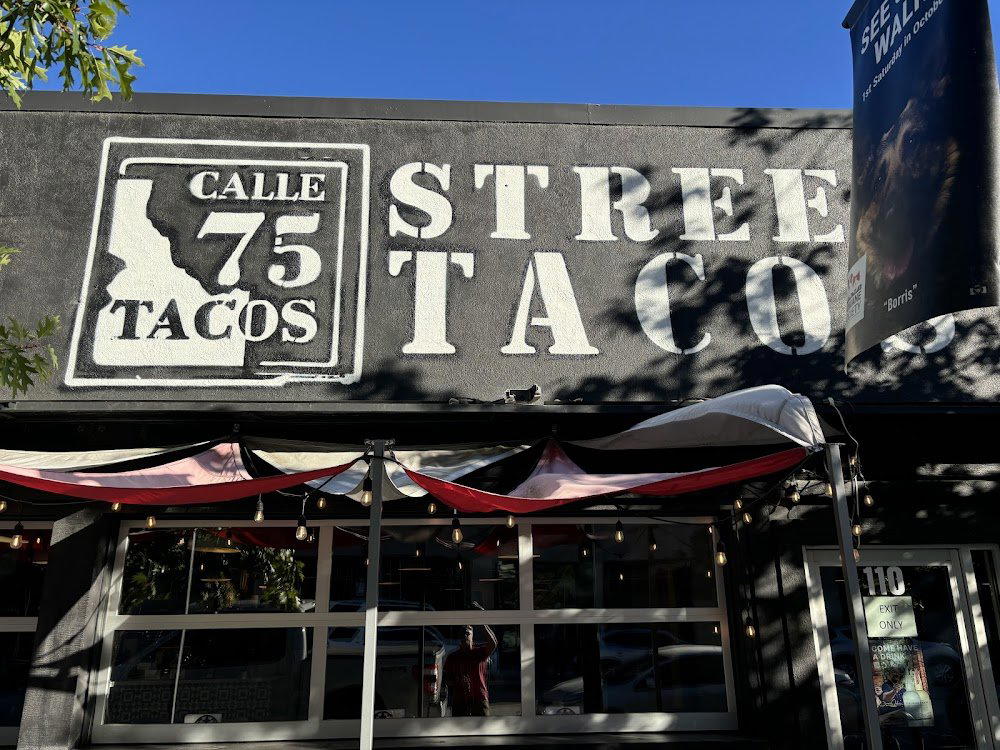
Visitors building a broader Paraguay itinerary might also consider Calle 75 'Food & Drink' in Lambaré, just across the metropolitan boundary, or, further afield, Minoya Ramen in Encarnación, which illustrates the country's Japanese-Paraguayan cultural layer, a legacy of significant immigration that has left a distinct mark on the country's food culture. Our full Asunción restaurants guide maps the city's current dining options with more detail.
Planning a Visit
Pakuri is located at Eusebio Lillo 902, corner of Infante Rivarola, in central Asunción. No phone or booking platform is listed in current public records, which in the Asunción context often means walk-in or direct contact through the venue's social presence is the standard approach. Arriving at lunch, particularly on weekdays, aligns with the city's natural dining rhythm and tends to give a more complete read of what a kitchen like this is doing. Phone or website details, if needed, are best confirmed through the EP Club Asunción directory or a local concierge before travelling. Other Paraguay addresses worth cross-referencing include Su Restaurante in Villa Morra and the Asian-influenced options documented through Pho Noodle Bar and Restaurante Honki, which trace a different strand of Paraguayan food culture entirely.
Frequently asked questions
Where is Pakuri in Asuncion?
Pakuri is located at Eusebio Lillo 902 esq. Infante Rivarola Asunción, 1849, Paraguay, Asuncion.
Is Pakuri a good option for experiencing authentic Paraguayan cuisine in Asunción?
Pakuri's address in central Asunción, at Eusebio Lillo 902, places it within the city's active dining corridor, and its orientation toward Paraguayan ingredients aligns it with a small group of restaurants currently working to define what contemporary Paraguayan cooking looks like. Paraguay's culinary tradition draws on indigenous Guaraní ingredients alongside Spanish and German settler influences, a combination that hasn't received the same international documentation as Argentine or Peruvian food. For visitors to Asunción specifically interested in that local food culture rather than a regional approximation, Pakuri is positioned as a relevant stop in that narrower category.
What do regulars order at Pakuri?
Asunción regulars tend to anchor their visits around lunch, which remains the city's main dining event. Arriving with curiosity about seasonal and regional ingredients is the more reliable guide than any fixed dish recommendation.
Can I walk in to Pakuri?
No phone number or booking platform is currently listed in public records for Pakuri, which makes confirming a reservation in advance difficult through conventional channels. In Asunción's dining culture, walk-in access at neighbourhood restaurants is more common than in Buenos Aires or São Paulo, but the city's growing interest in its own food scene means popular spots fill up, particularly at midday. Arriving at Eusebio Lillo 902, corner of Infante Rivarola, earlier in the lunch window is the more practical approach until reservation details become publicly available.
What makes Pakuri worth seeking out?
Pakuri sits in Asunción at a moment when the city's restaurant scene is developing genuine momentum without yet attracting the international attention that has pushed prices and crowds into Buenos Aires or Santiago. That timing matters: the restaurant is operating in a context where Paraguayan ingredients, drawn from one of South America's least-exported culinary traditions, are being taken seriously on the plate rather than treated as backdrop. For a traveller already in the Paraguayan capital, that combination of local agricultural depth and a city still finding its own critical voice represents a real opportunity to eat something that isn't available elsewhere.
Fast Comparison
Comparable venues nearby, for context on price, style, and recognition.
| Venue | Cuisine | Price | Awards | Notes |
|---|---|---|---|---|
| PakuriThis venue (the venue you are viewing) | Modern Paraguayan | $20–30 | Not listed | Not listed |
| Lido Bar | Authentic Paraguayan | Not listed | Not listed | Paraguayo Independiente Downtown |
| Bolsi | Traditional Paraguayan | $1–10 | Not listed | Centro |
| Restaurant Pacuri | Modern Paraguayan | $20–30 | Not listed | Villa Morra |
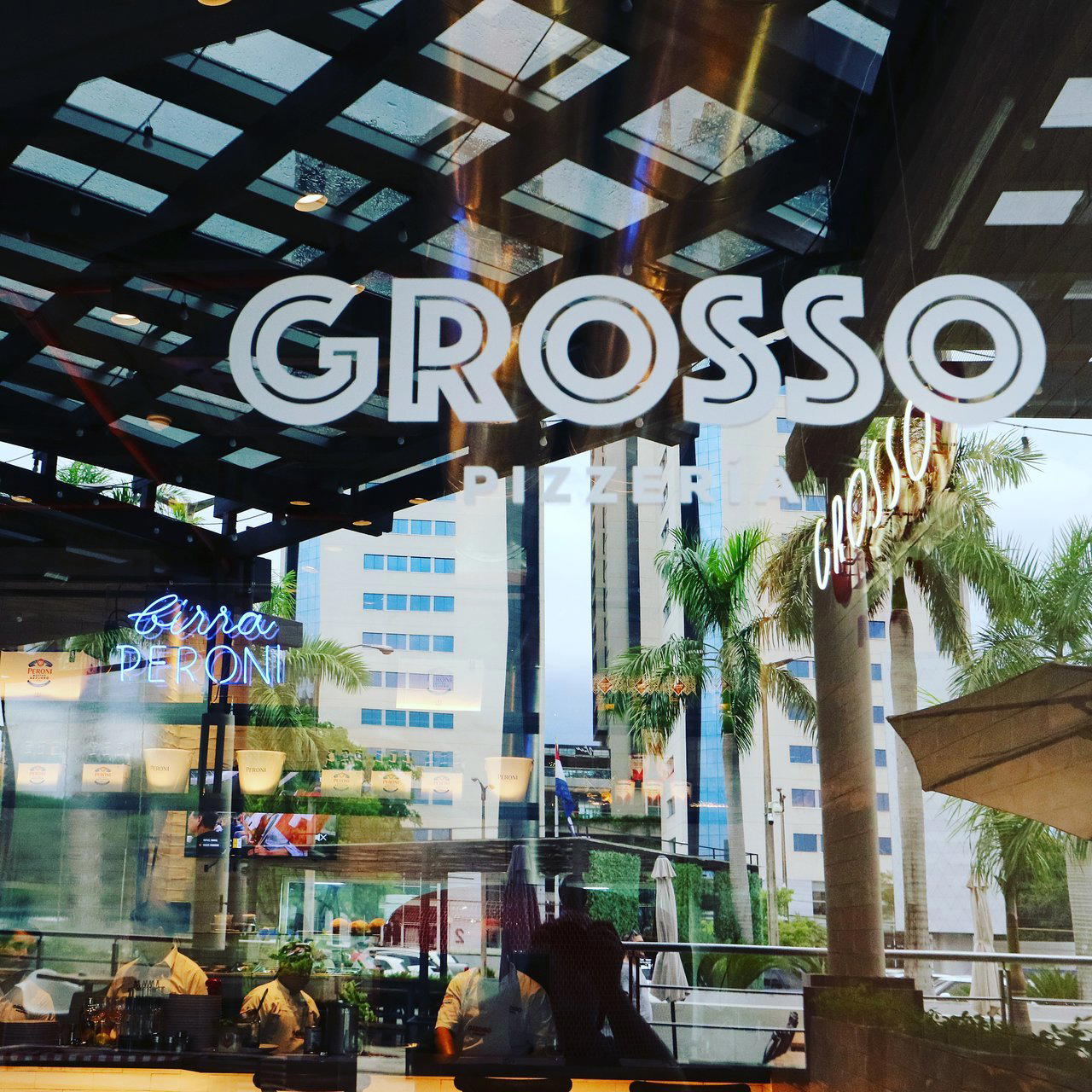
| Grosso | Italian Pizzeria | $10–20 | 50 Top Pizza Latin America #43 | Asunción |
| Cocina Clandestina | Modern Paraguayan | $20–30 | Not listed | Villa Aurelia |
Continue exploring
More in Asunción
Details
- Modern
- Cozy
- Trendy
- Elegant
- Date Night
- Special Occasion
- Business Dinner
- Open Kitchen
- Terrace
- Garden
- Extensive Wine List
- Local Sourcing
- Garden
- A La Carte
- Vegetarian Friendly
- Gluten Free Options
Current opening hours
- Monday
- Closed
- Tuesday
- 7:30–11:30 PM
- Wednesday
- 7:30–11:30 PM
- Thursday
- 7:30–11:30 PM
- Friday
- 7:30–11:30 PM
- Saturday
- 12–3:30 PM, 7:30–11:30 PM
- Sunday
- 12–3:30 PM
Hours can change for holidays and private events. Hours as of .
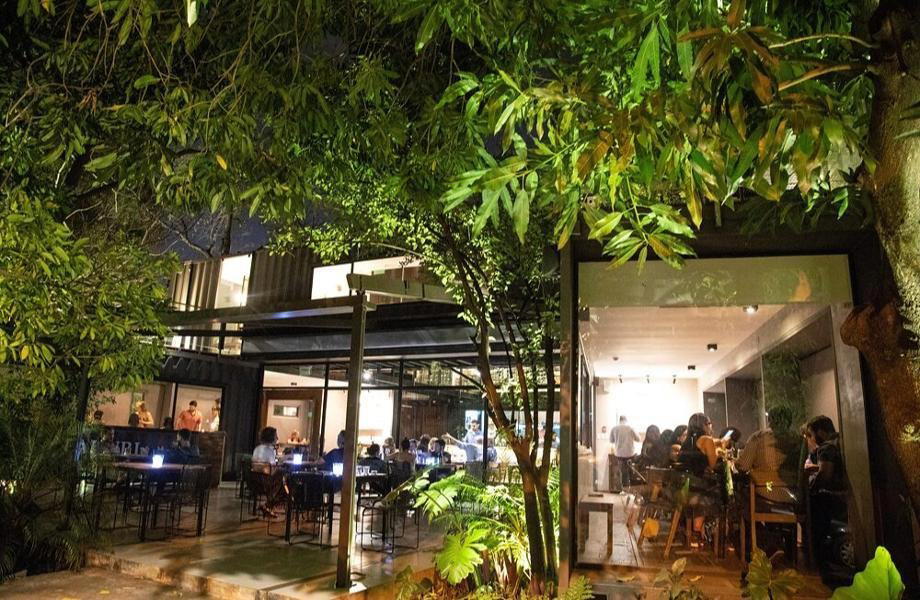
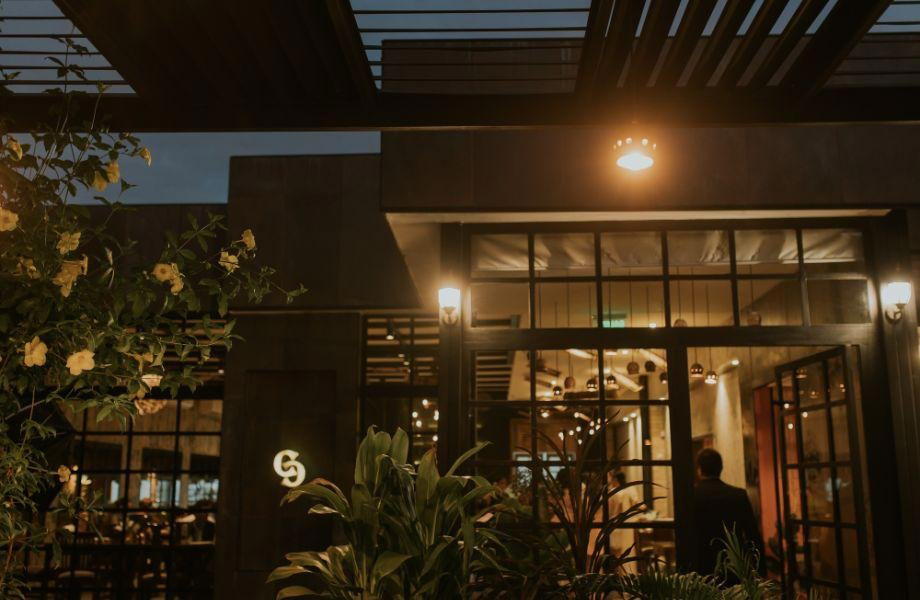
Acogedor atmosphere in a modern, transparent design of stacked containers with terraces harmoniously blending with nature.