Our verdict
Cocina Clandestina occupies a quietly known address on Capitan Pedro Villamayor in Asunción, operating in the register that defines much of the city's most interesting eating: informal in presentation, serious in intention. The name itself signals something about Paraguay's evolving restaurant culture, where the most considered cooking often happens outside conventional dining formats, in spaces that reward those who seek them out.

Pearl is the En Primeur Club membership app, where members save venues, book tables and use the concierge.
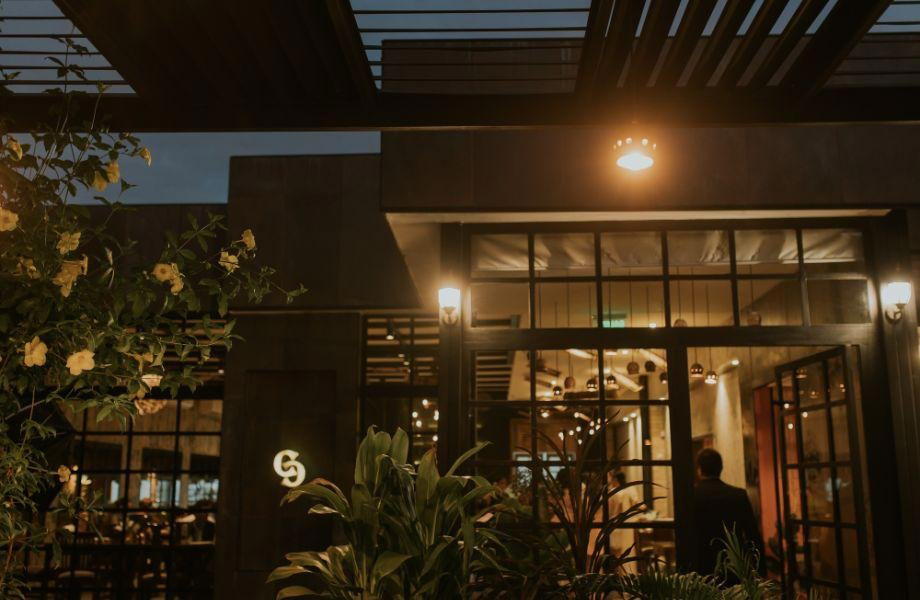
Asunción's Underground Dining Current
There is a pattern running through the most interesting restaurants in Asunción: the ones worth finding tend not to announce themselves loudly. The city's dining culture has developed in a way that privileges word-of-mouth over visibility, and Cocina Clandestina, located at Capitan Pedro Villamayor 581, fits squarely into that tradition. The name translates, without much subtlety, to "clandestine kitchen", a framing that tells you something about how the venue positions itself within the city's broader hospitality character. In a capital where restaurant culture is still establishing its identity for outside audiences, places operating under this kind of deliberate low profile represent one of the more honest expressions of local eating.
Asunción sits in an unusual position among South American capitals. It lacks the international profile of Buenos Aires or Lima, and its restaurant scene has developed largely for a local audience rather than in response to culinary tourism. That gives the city a dining culture shaped by local taste rather than imported expectation.
The Cultural Register of Paraguayan Cooking
Paraguayan cuisine is built on a small number of indigenous Guaraní foundations: maize, manioc (mandioca), and freshwater fish from the Paraguay and Paraná rivers. From those materials came dishes that are still central to the national table: sopa paraguaya, which despite its name is a dense cornbread baked with cheese and onion; chipa, a Guaraní-rooted cheese bread made with manioc starch; and mbejú, a flat manioc cake that functions as both street food and home staple.
This is not a cuisine that has received the international reappraisal that, say, Peruvian or Mexican cooking has undergone over the past two decades. That gap has created an interesting space for restaurants in Asunción that take indigenous and traditional Paraguayan ingredients seriously: there is no established canon to compete against, no external critical framework that has already decided what the leading version of this food looks like. For a venue operating under a name that implies something partly hidden from view, that open field is potentially meaningful. The "clandestine" framing in this context might read less as affectation and more as an accurate description of how Paraguayan food culture works: the most interesting things are known to those who know where to look.
Across Asunción, a cluster of restaurants has been working within this space in different ways. Tierra Colorada Gastro has approached Paraguayan ingredients through a more overtly contemporary lens. Bolsi occupies a longer-established position in the city's dining fabric. Pakuri and Restaurant Pacuri operate within their own distinct registers. Lido Bar holds a particular place in the city's institutional memory. Cocina Clandestina enters this picture at a different angle; the name alone signals that it is not attempting to compete on legacy or scale.
What the Format Implies
Venues that operate under clandestine or semi-private formats, whether in Asunción, Buenos Aires, or further afield, tend to share certain structural characteristics. Capacity is usually limited. The booking process often runs through direct contact rather than third-party reservation platforms. The format may shift between supper-club-style fixed sittings and à la carte depending on the occasion. This model, which has been part of Latin American urban dining culture since at least the early 2000s through the proliferation of "puertas cerradas" (closed-door restaurants) in Argentina and Uruguay, prioritises a particular kind of controlled experience over the open throughput of conventional restaurant service.
In that context, the address on Capitan Pedro Villamayor functions as a fixed point around which a more variable experience might orbit. For comparison, restaurants operating at the fully documented end of the spectrum internationally, from Le Bernardin in New York City to Atomix or Lazy Bear in San Francisco, publish pricing, tasting menu structures, and booking windows months in advance. The clandestine model operates by design outside that infrastructure. Within South America more broadly, the contrast is instructive: what venues like Su Restaurante in Villa Morra or Calle 75 in Lambare represent in their respective registers, Cocina Clandestina approaches differently in Asunción proper.
Planning a Visit
Plan ahead before visiting Cocina Clandestina. Our full Asunción restaurants guide covers the broader range of the city's dining options.
Those extending beyond the capital will find that Paraguay's interior and the country's other cities offer their own points of reference: Minoya Ramen in Encarnación represents the kind of specific, locally embedded eating that exists outside the capital's orbit. For visitors whose frames of reference extend to European fine dining, the contrast with venues like Dal Pescatore in Runate or Atelier Moessmer Norbert Niederkofler in Brunico underlines how differently the clandestine model operates from institutionalised fine dining. The point is not to compare on the same axis but to understand each on its own terms.
Explore Asunción's broader dining scene in our full city guide.
Frequently asked questions
Is Cocina Clandestina suitable for children?
Cocina Clandestina is recommended for reservations and follows a smart casual dress code, so it is better suited to adults than to families with young children. The setting at Capitan Pedro Villamayor 581 is structured around an intimate dining experience where atmosphere and pacing matter, neither of which aligns well with unpredictable younger guests. If you are travelling with children, contacting the venue directly before booking is the only reliable way to confirm whether they can accommodate your group.
What's the overall feel of Cocina Clandestina?
Cocina Clandestina has a low public profile, limited signage, and access that depends on knowing where to look. Venues operating under this model in Asunción tend toward close-quarters seating, a fixed or limited menu, and a pace set by the host rather than the guest. The address on Capitan Pedro Villamayor places it within the city's residential fabric, away from the commercial dining strips where most visitors start looking.
How do you get a reservation at Cocina Clandestina in Asunción?
Reservations are recommended. Bookings typically come through word of mouth, local contacts, or community networks connected to Paraguay's emerging food scene. Reaching out through Asunción-based hospitality concierges or food-focused travel communities is one practical starting point for visitors without existing connections in the city.
What dish is Cocina Clandestina famous for?
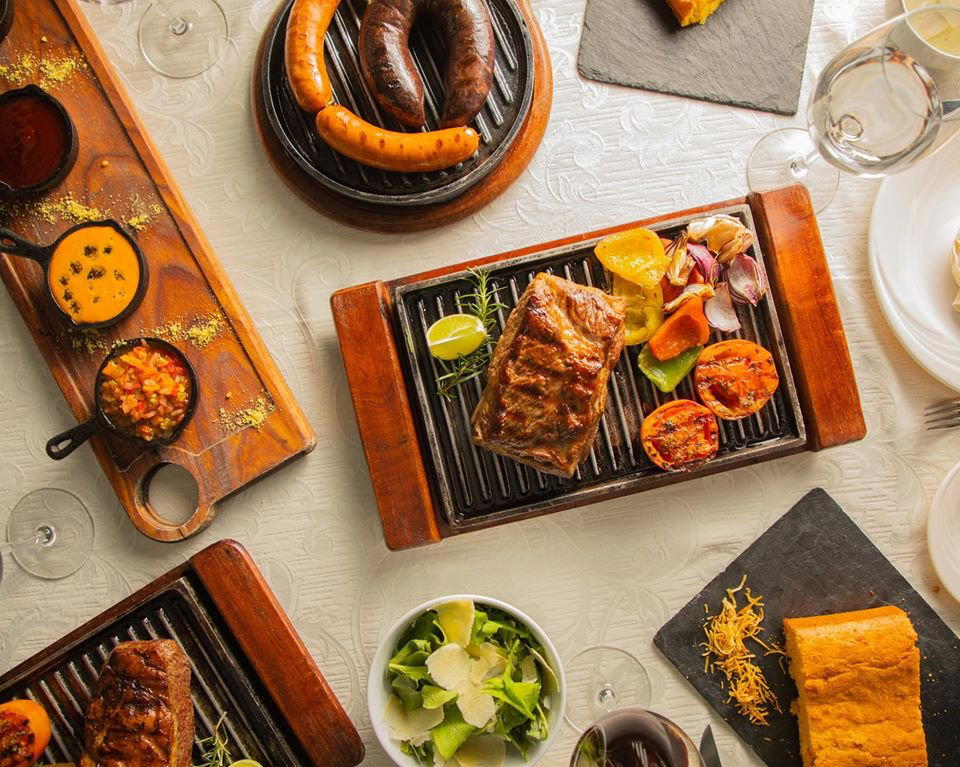
Cocina Clandestina serves Modern Paraguayan cuisine. Paraguayan cooking broadly draws on corn, cassava, freshwater fish, and slow-cooked meats, traditions that chipa, sopa paraguaya, and mbejú represent at a national level. Whether those reference points appear on the table here is something the venue itself would need to confirm.
How Cocina Clandestina Asunción compares with similar nearby venues.
| Venue | Cuisine | Price | Awards |
|---|---|---|---|
| Cocina ClandestinaThis venue (the venue you are viewing) | Modern Paraguayan | $20–30 | Not listed |
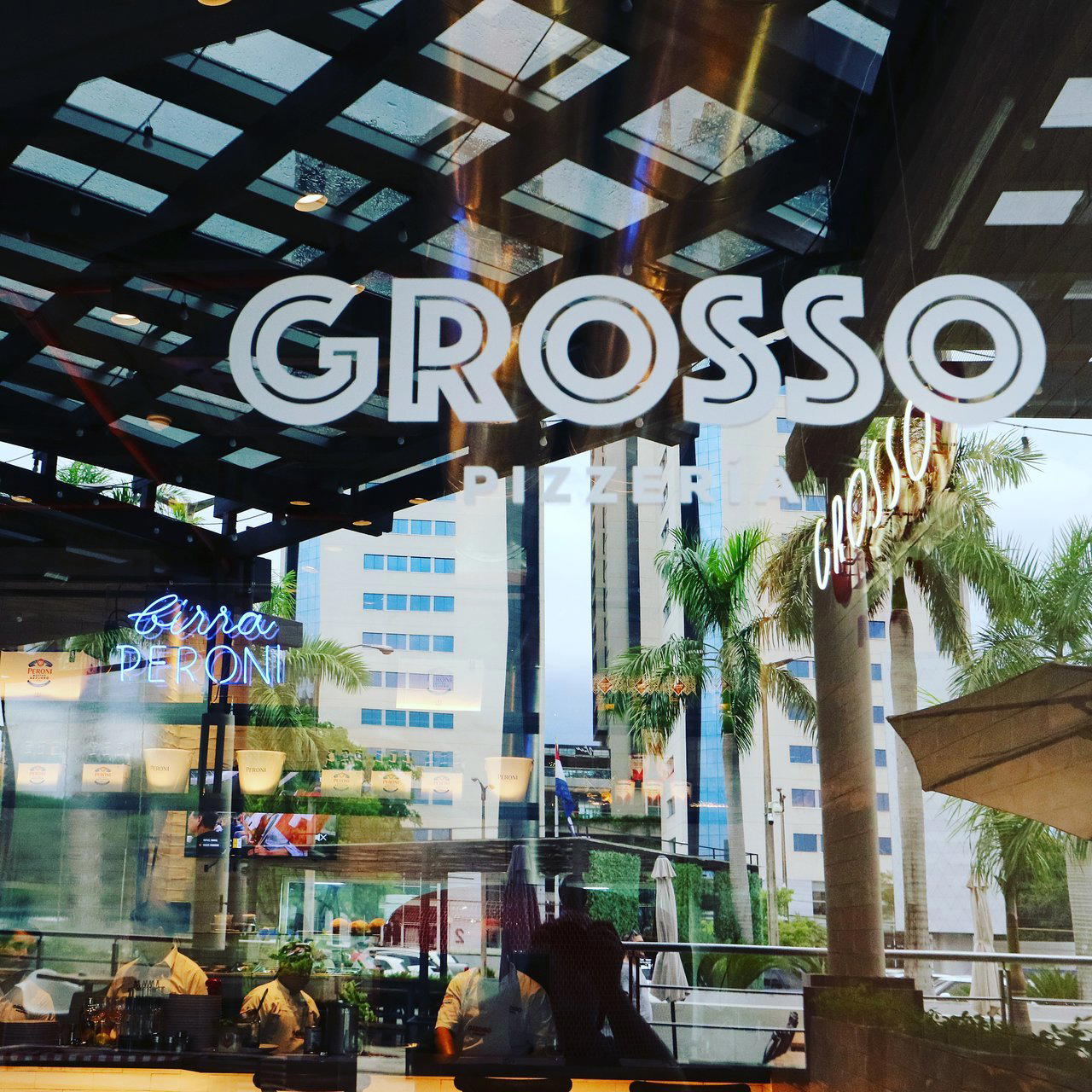
| Grosso | Italian Pizzeria | $10–20 | 50 Top Pizza Latin America #43 |
| Pakuri | Modern Paraguayan | $20–30 | Not listed |
| Tierra Colorada Gastro | Modern Paraguayan Gastro | $20–30 | Not listed |
| Lido Bar | Authentic Paraguayan | Not listed | Not listed |
Continue exploring
More in Asunción
Details
- Intimate
- Cozy
- Whimsical
- Date Night
- Special Occasion
- Local Sourcing
- Garden
- A La Carte
- Tasting Menu
Current opening hours
- Monday
- Closed
- Tuesday
- 7:30–11 PM
- Wednesday
- 7:30–11 PM
- Thursday
- 7:30 PM–12 AM
- Friday
- 7:30 PM–12 AM
- Saturday
- 7:30 PM–12 AM
- Sunday
- Closed
Hours can change for holidays and private events. Hours as of .
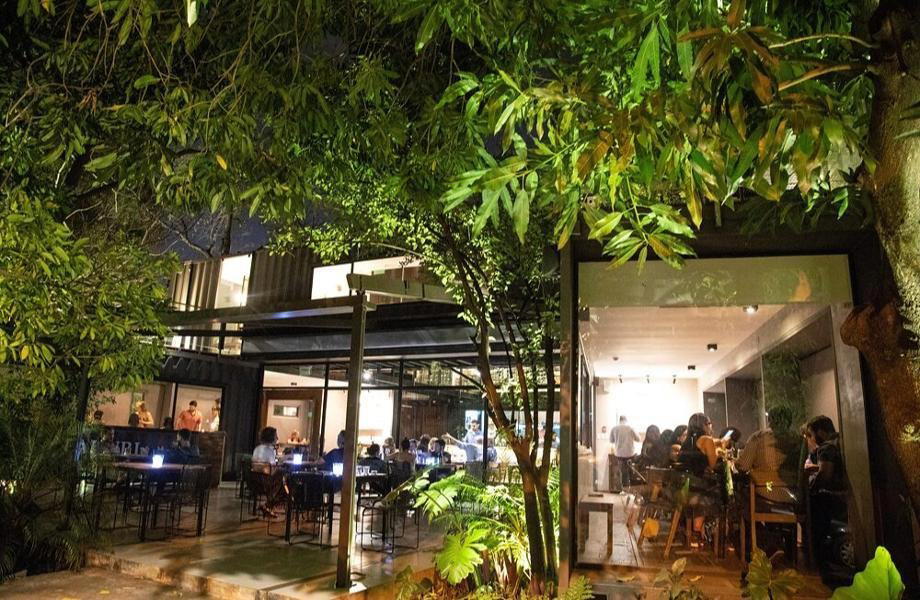
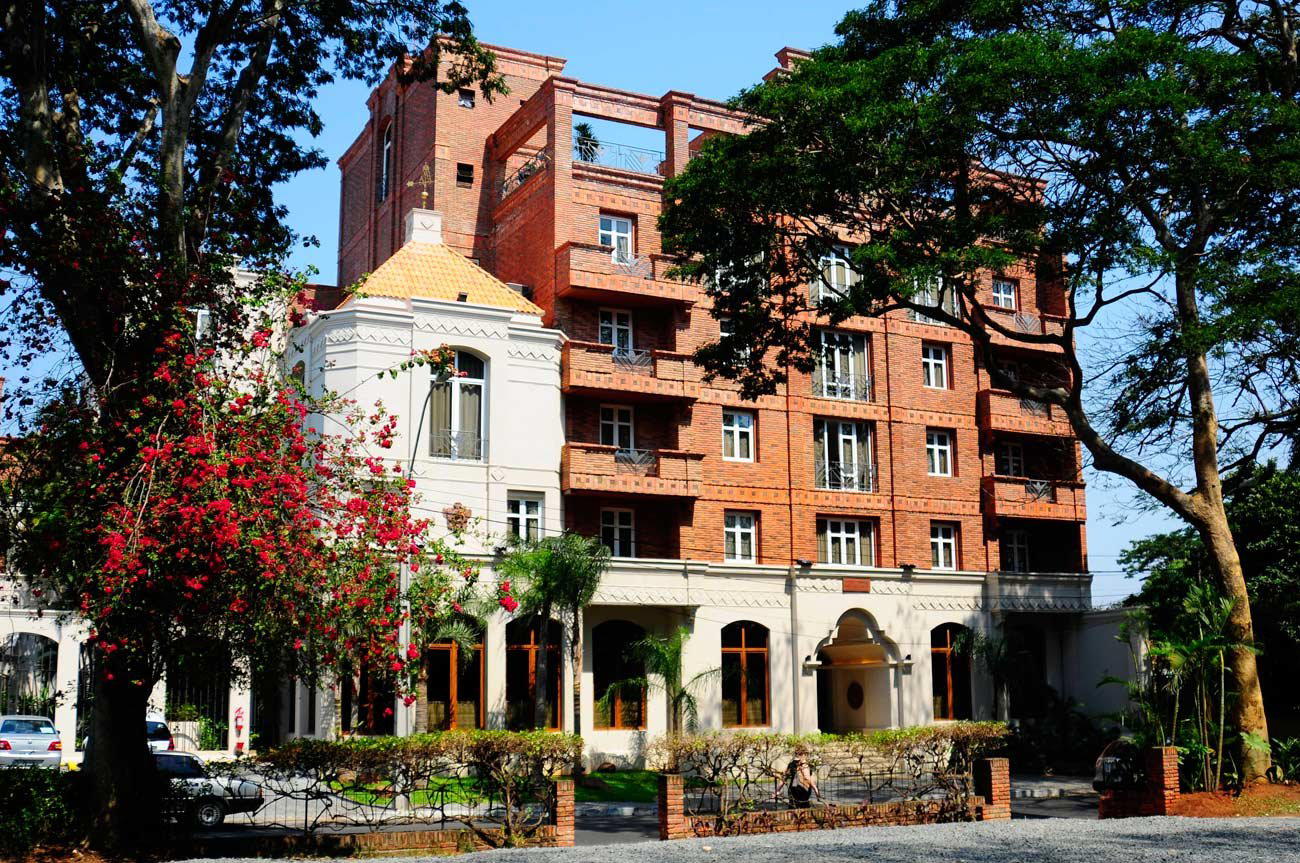
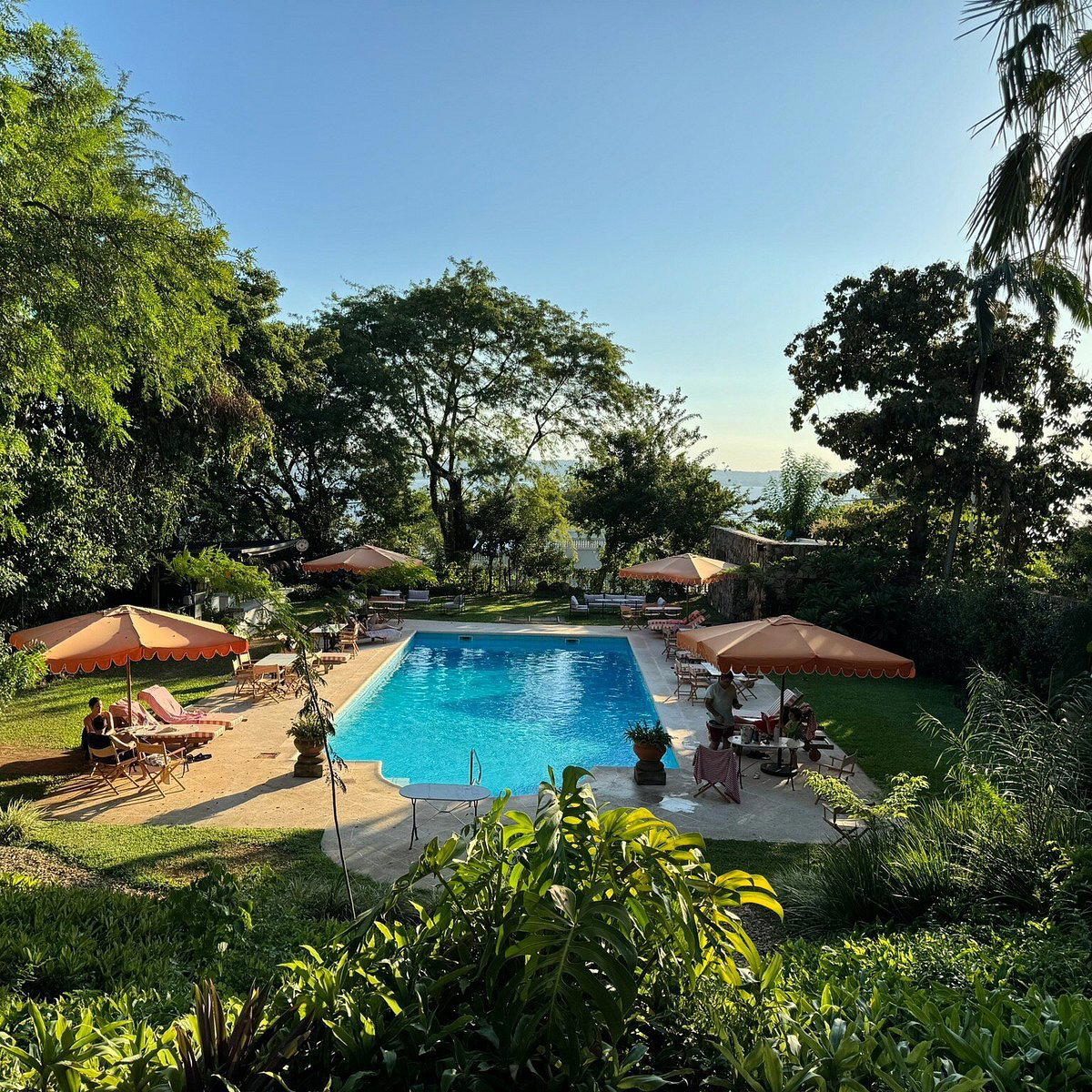
Softly lit dining space with minimalistic decor, warm lighting, and a cozy, intimate feel like a secret city dining club hidden behind railings and foliage-filled garden.