
White Guide Sweden Restaurants - Fine Level
Our verdict
Restaurang Västervik sits at Slottsholmsvägen 10 in the coastal town of Västervik, a small-city dining address that draws on the surrounding Baltic archipelago and Småland interior for its ingredients. The restaurant occupies a setting shaped by the geography around it, where proximity to the sea and short supply chains define what ends up on the plate. For travellers moving through southeastern Sweden, it represents the regional dining tradition in a town more often visited for its summer waterways than its restaurants.

Pearl is the En Primeur Club membership app — saves, bookings, and concierge access live there. Same editors, same standards.
- Address
- Slottsholmsvägen 10, 593 38 Västervik, Sweden
- Phone
- +46490795800
- Website
- slottsholmen.com
- Directions
- Get directions
Dining in Västervik: The Coastal Swedish Context
Sweden's smaller coastal towns have developed a dining character distinct from the omakase-adjacent tasting menus of Stockholm or the New Nordic formalism that defines places like Vollmers in Malmö and VYN in Simrishamn. In towns like Västervik, positioned along the Baltic coast of Småland where the granite archipelago fractures into hundreds of islands, the kitchen's relationship to its surroundings is less ideological and more logistical. The sea is close. The forests are close. The question of where the food comes from answers itself.
Västervik itself is leading understood as a summer destination for Swedes, a place whose waterfront fills with boats from June through August while the rest of the year returns it to a quieter rhythm. That seasonality shapes what a restaurant here can reasonably do. The supply chain running through a small Baltic port town is not the same as the one feeding a Stockholm brigade: proximity to fishing boats and local farms is a given, while the consistency of year-round produce and luxury imports is not. Restaurang Västervik, at Slottsholmsvägen 10, operates in this context.
Ingredient Geography: What the Coastline Provides
The eastern coast of Småland sits within one of Sweden's more productive marine zones. Baltic herring, perch, pike-perch, and seasonal shellfish have been the economic basis of Västervik's fishing community for centuries, and the archipelago's combination of brackish water and cold temperatures produces fish with a flavour profile different from both the North Sea catch and the deeper Atlantic. Restaurants working honestly with this geography — rather than importing protein to satisfy a menu template — operate with a kitchen logic that the broader Nordic food movement formalised but that coastal Swedish towns have practised far longer.
That regional tradition is the frame through which a restaurant like Restaurang Västervik should be read. The same sourcing principle that ÄNG in Tvååker and Knystaforsen in Rydöbruk have translated into nationally recognised formats exists here at a more local register, less codified, more directly tied to what the harbour and the surrounding Småland countryside produce week to week. The inland element matters too: Småland's forests supply game, berries, and mushrooms that have historically balanced the coastal ingredient base, giving the region's cooking a density that purely seafood-driven menus lack.
Across Sweden's smaller cities, the kitchens doing this most credibly tend to keep menus short and shift them often. At the scale of a town like Västervik, that discipline is not a stylistic choice so much as a structural necessity. You work with what arrives. The model is not unlike what Lilla Bjers in Visby has developed on Gotland: an island or coastal geography that enforces ingredient honesty and rewards a kitchen willing to follow the season rather than impose a fixed concept on it.
The Setting and the Town
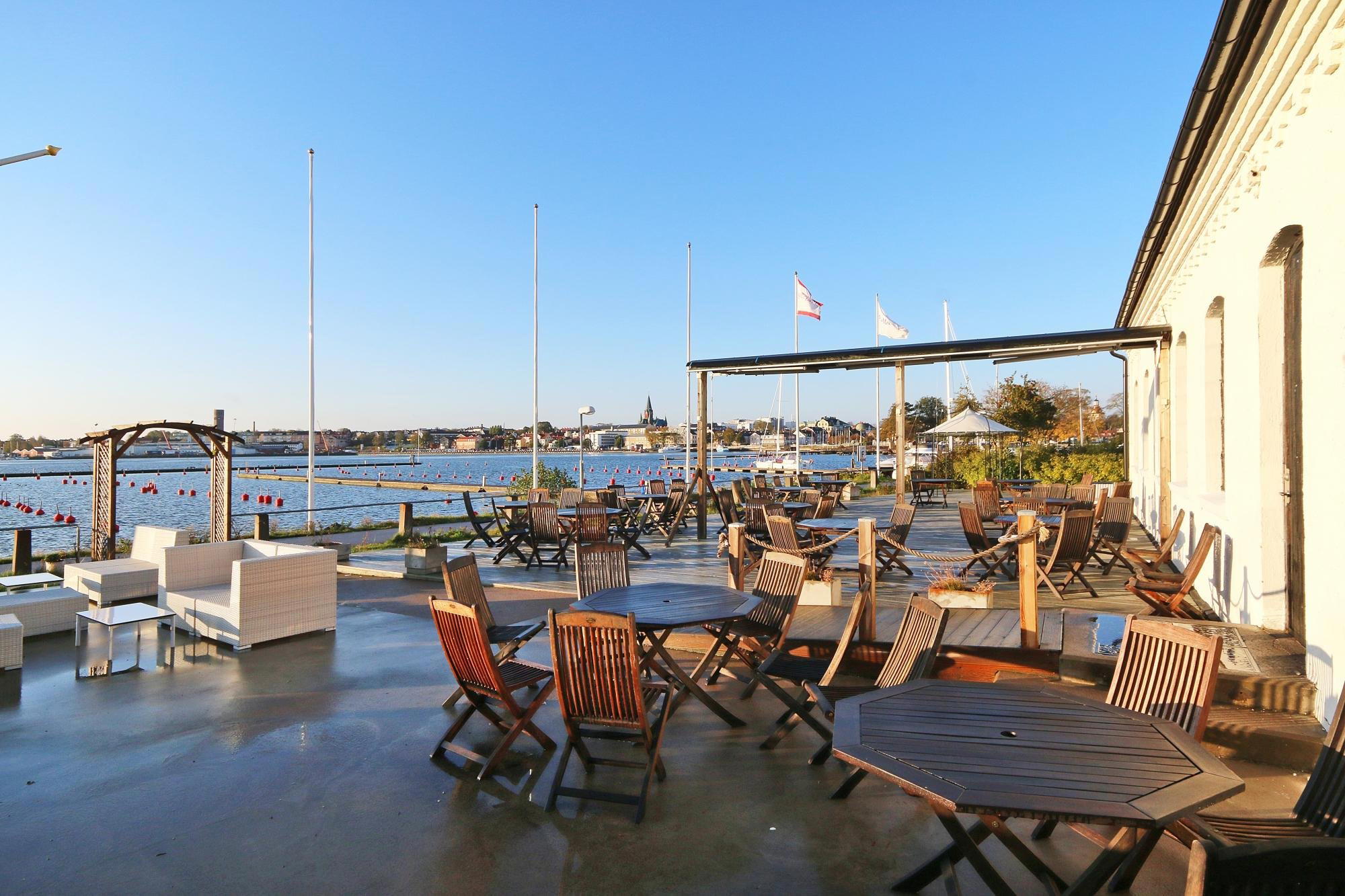
Slottsholmsvägen runs along the Slottsholmen promontory area, one of Västervik's more historically layered addresses, close to the waterfront that defines the town's public identity. The physical approach to a restaurant here carries the weight of that water proximity, a quality shared with a handful of Swedish coastal dining addresses, though each translates it differently depending on the building, the season, and the light. In summer, the long Scandinavian evening light over the Baltic gives outdoor dining a quality that no interior can replicate. In the shoulder seasons, the same setting contracts and quietens.
The broader Swedish regional dining scene, particularly along the southeastern coast and in the counties of Kalmar and Blekinge, has not attracted the same editorial attention as the Stockholm and Gothenburg circuits. That gap is partly geographic, the main fine-dining press follows the Michelin-starred cluster, which runs through Frantzén in Stockholm, 28+ in Gothenburg, and the ambitious mid-format rooms now appearing in smaller cities. Västervik sits outside that circuit, closer in character to the independently operated rooms in places like PM & Vänner in Växjö or Brasserie Park in Jönköping than to the tasting-menu-only formats further north or south.
How to Think About a Visit
Travelling to Västervik from Stockholm takes roughly three hours by train via the Stångådalsbanan or by car on the E22 corridor. Most visitors arrive in the summer months, when the archipelago boat traffic peaks and the town's restaurant capacity fills accordingly. Planning ahead for summer visits is sensible; the shoulder months of May and September offer the same coastal ingredient quality with fewer logistics. For those building a longer itinerary through southeastern Sweden, Västervik pairs naturally with visits to Gotland or the Kalmar region, where the food geography continues in a similar register. See our full Vastervik restaurants guide for further context on the town's dining options.
Contacting the restaurant directly before visiting is advisable, particularly for groups or for visits outside the peak summer window. Comparable regional rooms in Sweden's smaller coastal cities tend to operate in the mid-range price bracket with a format that accommodates both casual and more considered meals, though each property sets its own terms.
Västervik in the Wider Swedish Regional Picture
The conversation about ingredient sourcing in Swedish restaurants has moved well past novelty. At the high-recognition end, kitchens like Signum in Mölnlycke and Veto in Örebro have built sourcing programmes into their core identity. At the more local register that places like Västervik represent, the sourcing story is less narrated and more assumed. What the Baltic coast provides is the baseline, not a selling point. That matter-of-fact relationship to local produce is, in its own way, a more complete version of the argument that tasting-menu rooms make with considerably more ceremony.
For those who have tracked the provenance-led format from its high-design expressions at Le Bernardin in New York or its tightly edited Asian inflections at Atomix back to its quieter origins in regional European coastal cooking, the Västervik context is a reminder of what the format looks like when it has not been packaged for an international audience. It is simply how kitchens in fishing towns have always worked, and places like Adrian Restaurang in Borås, John's Place in Varberg, and Camp Ripan in Kiruna each demonstrate how regional Swedish rooms continue that tradition across very different geographies. Enoteket in Norrköping offers a useful parallel further up the Baltic coast, where a similar relationship between geography and menu has produced a recognised format from a non-capital base.
Frequently asked questions
Does Restaurang Västervik work for a family meal?
Västervik itself is a town that draws family visitors along the Småland coast, and a restaurant at Slottsholmsvägen 10 sits within a waterfront area well suited to that kind of outing.
What kind of setting is Restaurang Västervik?
The address, Slottsholmsvägen 10, places the restaurant on the Slottsholmen promontory, one of Västervik's more historically layered areas close to the waterfront. That coastal position is a defining feature of the dining context here, where the surrounding water and town character shape the atmosphere more than interior design alone.
Is Restaurang Västervik a good option for visitors arriving from Stockholm?
Västervik sits roughly three hours from Stockholm by train via the Stångådalsbanan or by road on the E22 corridor, making it a viable destination for a longer day trip or overnight stay. Restaurang Västervik at Slottsholmsvägen 10 is positioned near the waterfront in a part of town that rewards on-foot exploration, so combining a meal with time in the Slottsholmen area makes practical sense.
What dish is Restaurang Västervik famous for?
The eastern Småland coastline supplies Baltic herring, pike-perch, and perch as regional staples, so fish-led cooking is a reasonable expectation, but confirmed menu details should be sought directly from the restaurant.
Where is Restaurang Västervik located?
Restaurang Västervik is located at Slottsholmsvägen 10, 593 38 Västervik, Sweden, Vastervik.
Can I walk in to Restaurang Västervik?
Västervik draws a concentrated summer visitor flow along the Baltic coast, which typically tightens availability at local restaurants during peak season — phoning or booking ahead is advisable, particularly between June and August.
Quick Comparison
| Venue | Cuisine | Price | Awards | Notes |
|---|---|---|---|---|
| Restaurang VästervikThis venue — the venue you are viewing | Local Swedish Hotel Restaurant | $20–30 | White Guide Sweden Restaurants - Fine Level | Not listed |
| Operakällaren | Modern Scandinavian Fine Dining | $150–200 | 1 Michelin Star · World's 50 Best #27 | Swedish, Modern Cuisine |
| AIRA | Modern Nordic Seasonal Tasting Menu | $200–300 | 2 Michelin Stars · La Liste Top Restaurants | Modern European, Modern Cuisine |
| Vollmers | Modern New Nordic with Scanian Terroir | $150–200 | 2 Michelin Stars · La Liste Top Restaurants | New Nordic, Contemporary |
| VYN | Modern Scandinavian Fine Dining | $300–500 | 2 Michelin Stars · World's 50 Best #47 | New Nordic, Creative |
| Adam / Albin | Modern Scandinavian Fine Dining | $100–150 | 1 Michelin Star · La Liste Top Restaurants | New Nordic |
Recognition history
Dated appearances from independent guides and award organizations, with the underlying list record or original source where available.
White Guide Sweden Restaurants - Fine Level
White Guide
Continue exploring
More in Vastervik
Restaurants in Vastervik
Browse all →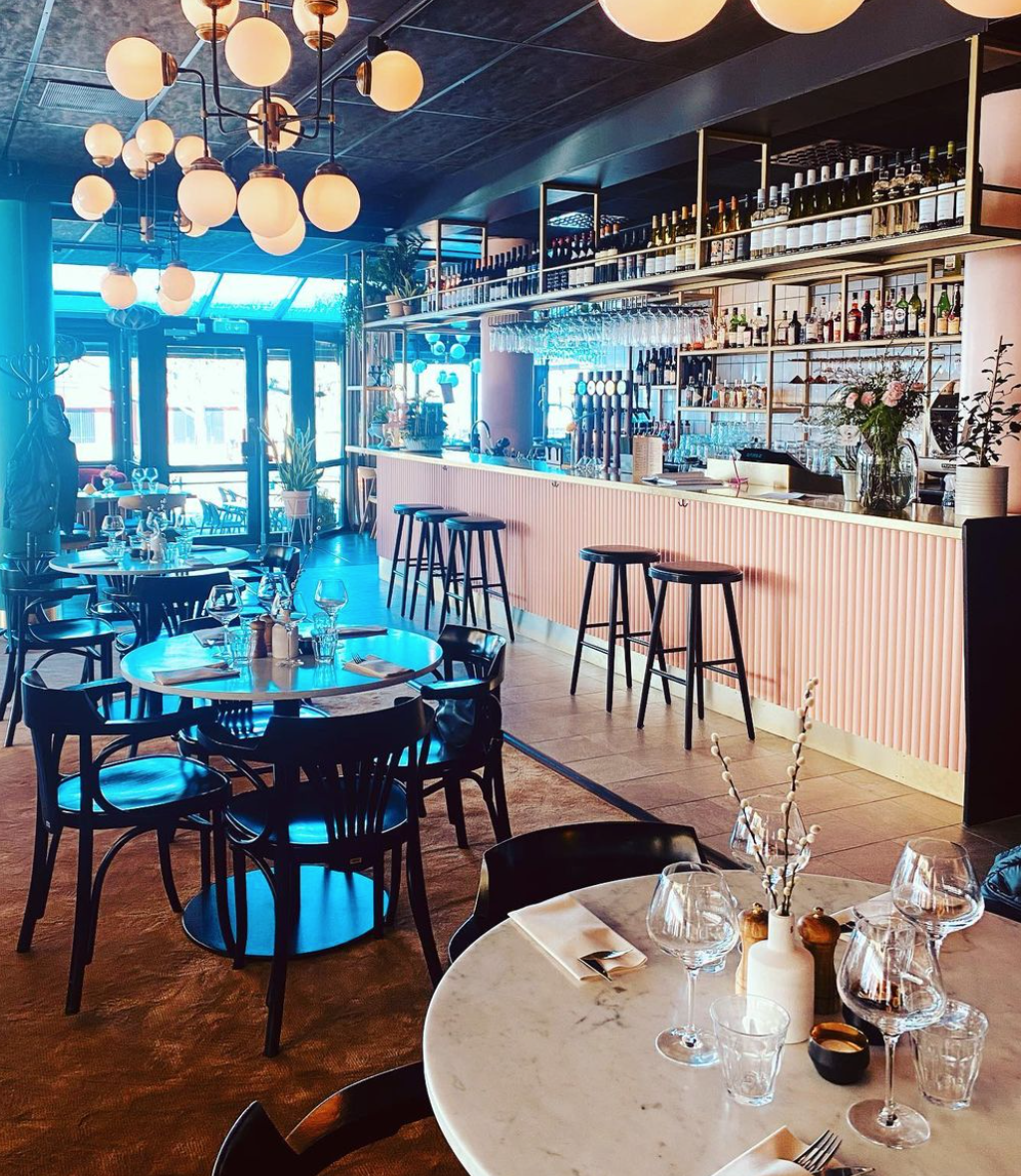
Hotels in Vastervik
Browse all →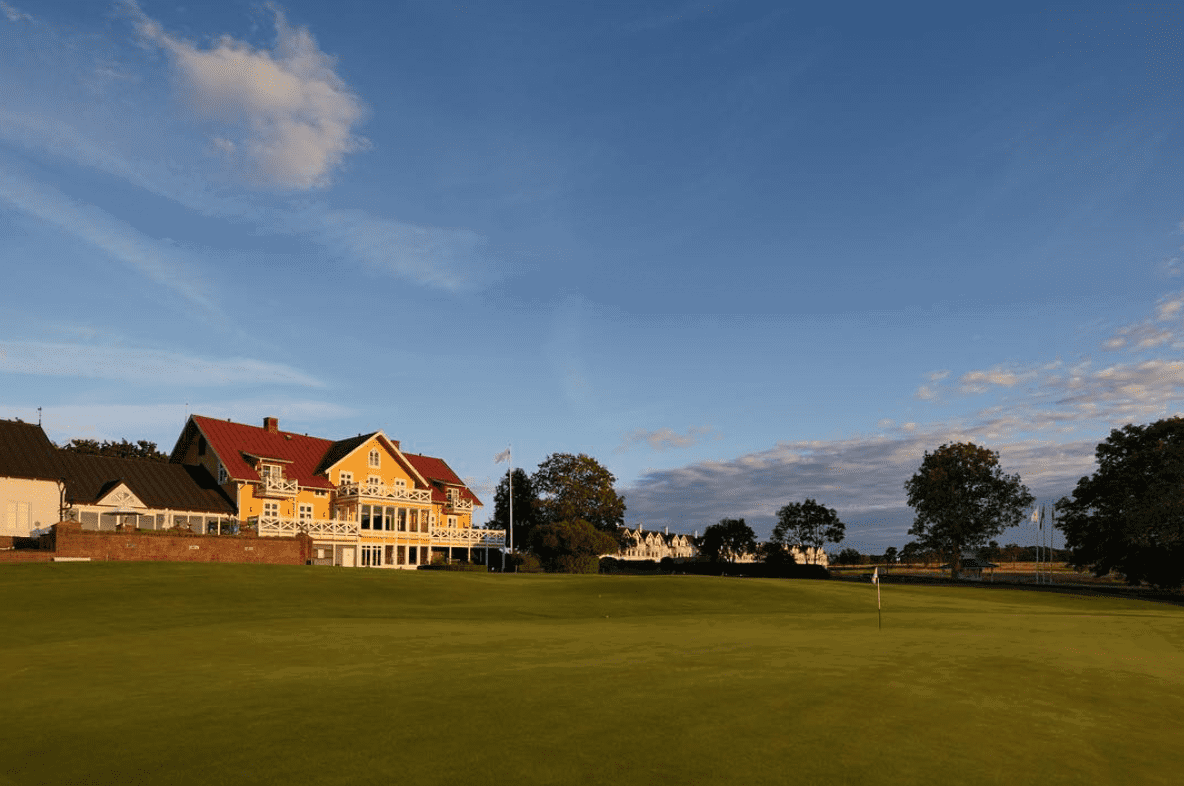
Details
- Scenic
- Modern
- Romantic
- Sophisticated
- Date Night
- Business Dinner
- Group Dining
- Celebration
- Private Event
- Waterfront
- Hotel Restaurant
- Terrace
- Extensive Wine List
- Local Sourcing
- Waterfront
- A La Carte
- Vegetarian Friendly
A modern coastal hotel-restaurant setting with a relaxed, scenic archipelago atmosphere.