Strega
On Chapel Street in the heart of New Haven, Strega occupies a stretch of the city where Italian-American tradition and a maturing restaurant scene intersect. The address places it within walking distance of Yale's campus and the dining corridor that connects neighborhood institutions to newer arrivals. For visitors already working through New Haven's food geography, it belongs on the same circuit.
Pearl is the En Primeur Club membership app — saves, bookings, and concierge access live there. Same editors, same standards.
- Address
- 1006 Chapel St, New Haven, CT 06510
- Phone
- +14753002924
- Website
- streganewhaven.com
- Directions
- Get directions
 Saves & bookings on Pearl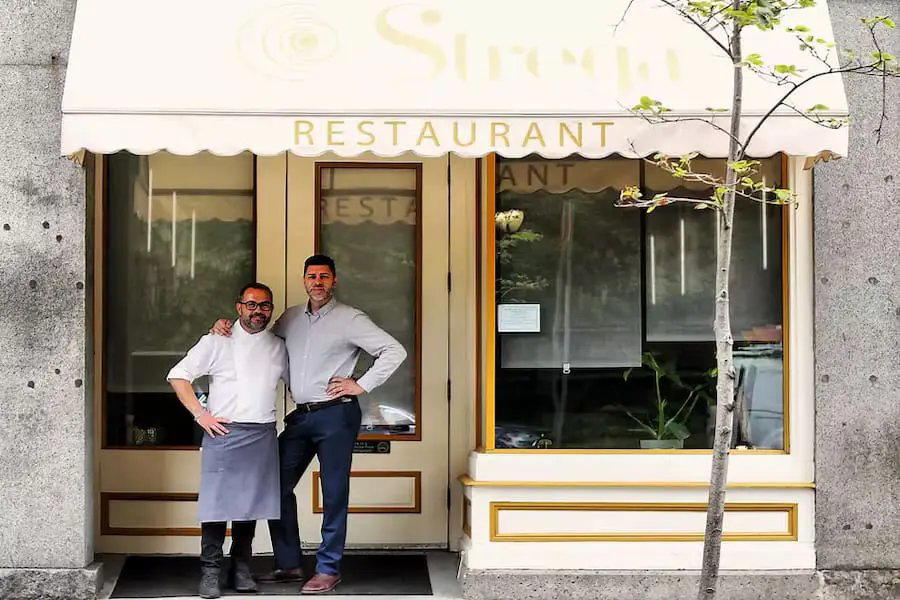
Chapel Street and the Italian Thread Running Through New Haven
Chapel Street has long been one of New Haven's more instructive dining addresses. It runs through a city that built its culinary identity on two things above all else: pizza, in the coal-fired Neapolitan tradition carried by Frank Pepe and Modern Apizza, and the Italian-American table more broadly, the kind of cooking that arrived with Southern European immigrants in the late nineteenth century and never really left. Consiglio's has held that tradition on Wooster Street for decades. Strega, at 1006 Chapel St, sits in a different part of the city but draws from the same deep well.
The name itself signals something. Strega, Italian for witch, carries the weight of folklore, of old-country storytelling, of the Campanian liqueur that appears on certain Italian-American tables after dinner as a ritual rather than an afterthought. Restaurants that reach for names like this tend to be making a statement about register: this is not the red-sauce casual end of the spectrum, and it is not the aggressively modernized Italian-American that strips out everything familiar. It is somewhere in between, and in New Haven that particular middle ground has become more crowded and more competitive as the city's dining culture has matured beyond its pizza identity.
Where the Ingredients Come From, and Why That Framing Matters
Italian cooking, at its most serious, is an argument about sourcing. The cuisine's canonical logic holds that technique is secondary to the quality of what goes into the pan: the tomato, the olive oil, the aged cheese, the cut of meat. This is not a romantic abstraction. It is a practical constraint that separates restaurants working in the Italian tradition from those merely invoking it. In Connecticut, that sourcing question has a specific local dimension. The state sits close enough to New York's wholesale markets and the Hudson Valley's farm network that ingredient access is real, not aspirational. It also has its own agricultural pockets, shoreline seafood sources along Long Island Sound, and a growing number of producers oriented toward restaurant supply.
For a venue operating under a name with Italian-American connotations on a street like Chapel, the sourcing frame is not incidental. It is the thing that distinguishes a kitchen with genuine ambition from one running a serviceable neighborhood program. The restaurants in New Haven that have built lasting reputations, from Claire's Corner Copia on its vegetarian sourcing commitments to Atticus Market on its artisan-supply orientation, have done so by making a clear case for where the food comes from. At the higher end of the American fine dining spectrum, venues like Single Thread Farm in Healdsburg and Blue Hill at Stone Barns in Tarrytown have made sourcing provenance the organizing principle of the entire dining experience. Strega operates at a different scale and in a different market, but the underlying question applies equally: what is the kitchen's actual relationship with its ingredients?
New Haven's Dining Register and Where Italian Fits
New Haven has a more layered dining culture than its reputation sometimes suggests. The pizza narrative is real and deserved, but it has occasionally obscured the city's range. BAR on Crown Street plays the pizza card with a craft-beer pairing program that pushes it into a younger, more casual register. Barcelona Wine Bar operates in the Spanish small-plates mode that has become a reliable urban dining format across the Northeast. Union League Cafe, now closed, held the French fine-dining position for years. What remains is a city actively figuring out which dining formats its population, a mix of Yale students, faculty, medical center staff, and long-established neighborhoods, actually sustains.
Italian in this context occupies a particular strategic position. It is familiar enough to travel well across income levels and occasion types, but serious enough, when executed at the right level, to compete with the destination dining that New Haven residents increasingly drive to New York or Hartford to find. The Italian-American table also has the advantage of occasion flexibility: it can read as a weeknight neighborhood dinner or a celebratory meal depending almost entirely on the room and the pacing. Venues like Emeril's in New Orleans and, at the most technical end, Le Bernardin in New York City have demonstrated how much latitude exists between casual and formal within a single culinary tradition. The question for any Italian-leaning venue in a mid-sized American city is where it chooses to sit on that spectrum.
The Room and the Experience of Arrival
Chapel Street in the blocks around Strega mixes retail, residential, and institutional uses in the way that many walkable New Haven streets do. Arriving on foot from the Yale campus or from the Green, the street has enough density to generate foot traffic without the noise levels that make conversation difficult. For a restaurant aiming at a certain kind of evening, the physical approach matters as much as the interior: a diner who has already committed to the walk has already made a decision about the occasion.
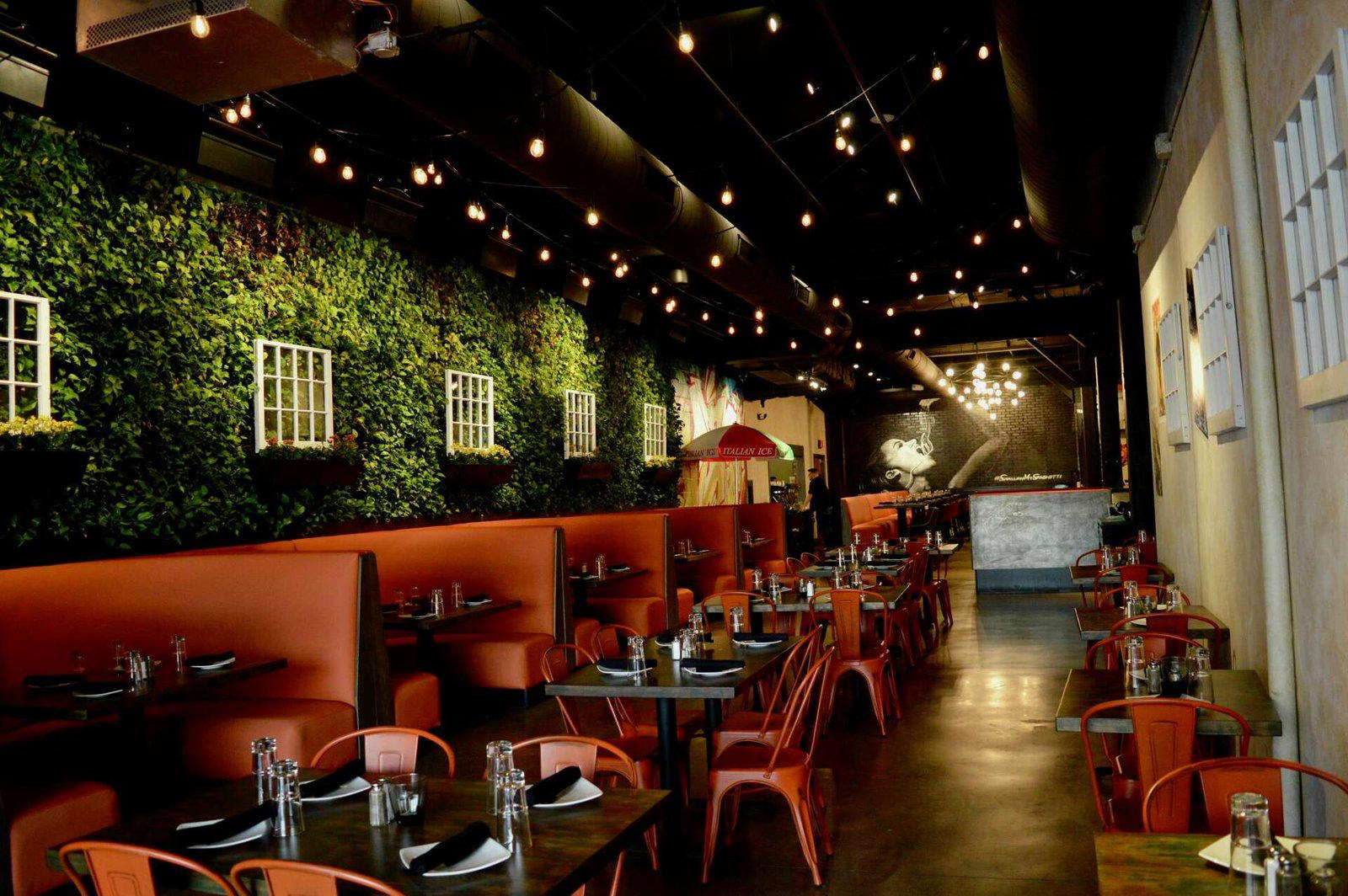
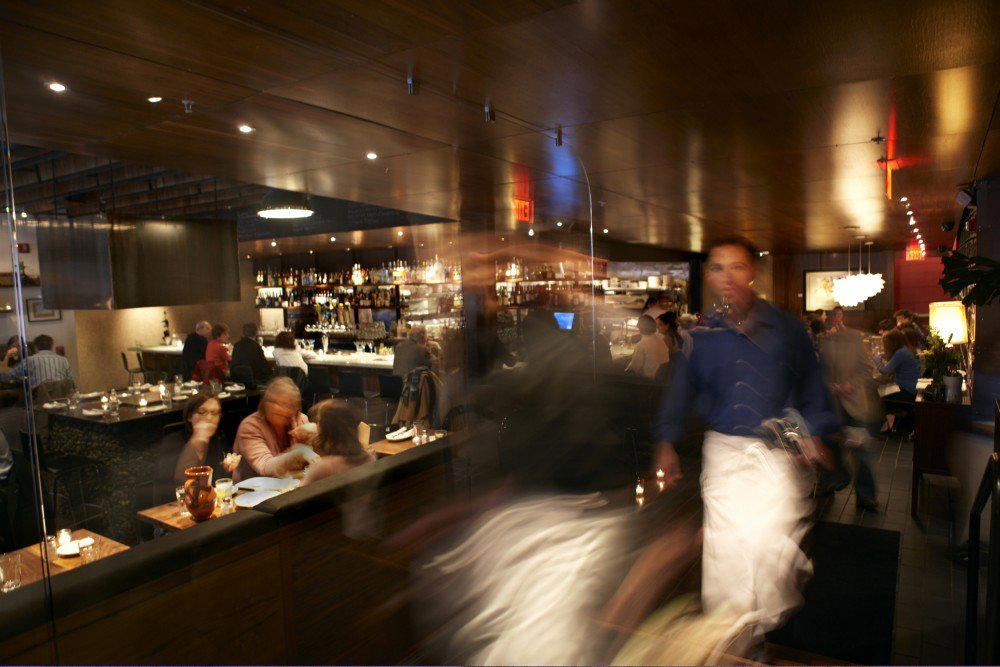
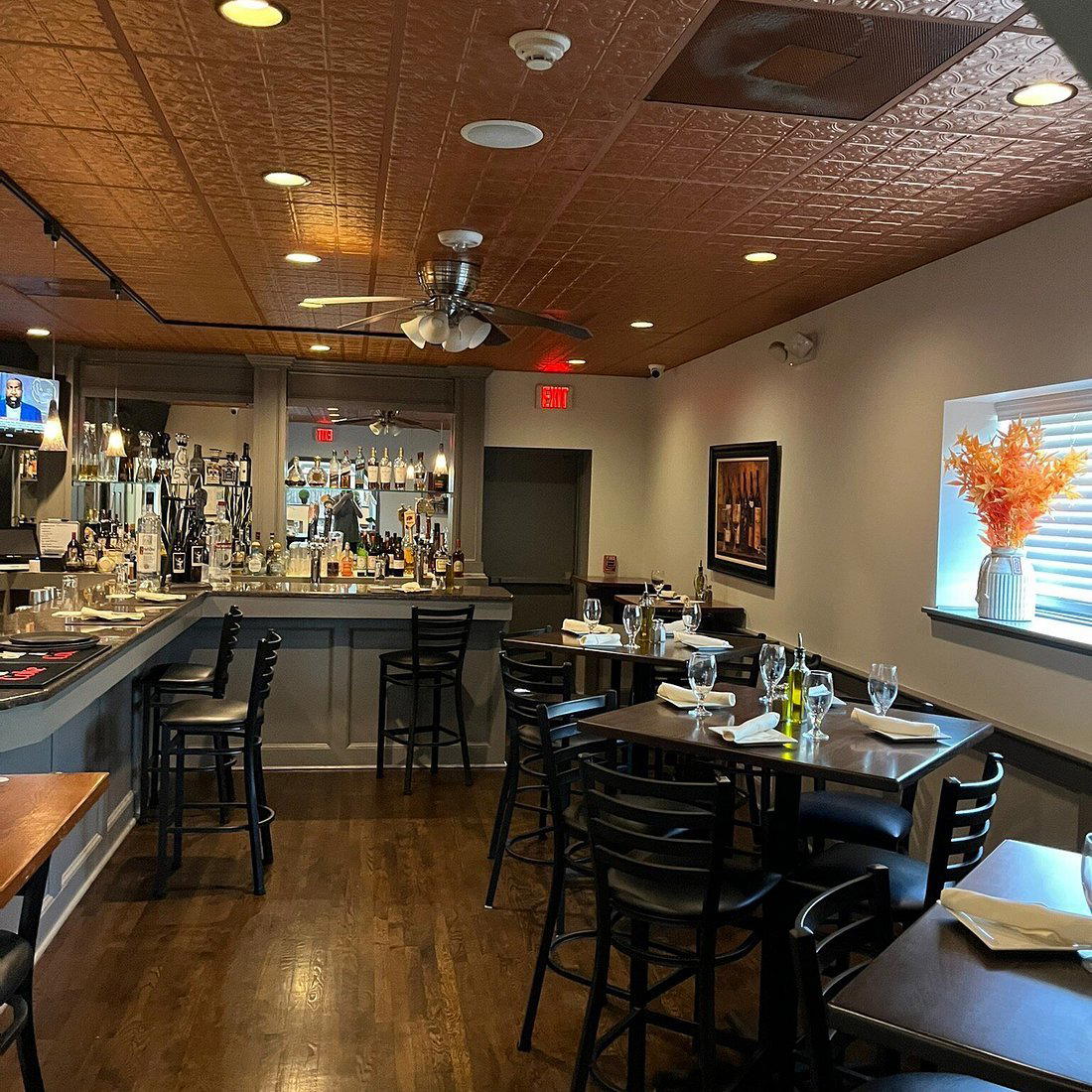
Italian restaurants in this register typically work in one of two room modes: the warm, dark, candle-and-brick environment that signals old-country continuity, or the spare, design-conscious space that signals a contemporary reinterpretation. Either approach can work if it is internally consistent. The missteps tend to happen in the middle, where the room tries to do both and achieves neither the warmth of the former nor the clarity of the latter. For the comparable Italian dining options available to New Haven residents, this is the arena in which Strega is competing.
Planning a Visit
Strega is located at 1006 Chapel St, New Haven, CT 06510, on a stretch of Chapel that is accessible on foot from the central Yale campus in under ten minutes. New Haven is served by Metro-North from New York Penn Station, with Union Station approximately a fifteen-minute walk from Chapel Street. For visitors coming specifically for dinner, the Chapel Street corridor also connects to Barcelona Wine Bar and other venues that make an evening's progression practical without requiring a car. For a fuller sense of how Strega fits within the city's restaurant options across price points and cuisines, the full New Haven restaurants guide covers the field in more depth.
Those building a longer trip around serious dining in the region might consider how New Haven fits against the broader Northeast circuit: Atomix in New York City, The Inn at Little Washington, and Alinea in Chicago each represent the formal end of the American tasting menu spectrum, while New Haven's appeal is more about the specific character of a mid-sized city with an unusually food-literate dining public. For West Coast comparisons at the sourcing-driven end, The French Laundry in Napa, Lazy Bear in San Francisco, Providence in Los Angeles, and Addison in San Diego offer useful benchmarks for what ingredient-forward fine dining looks like when the format is fully realized. 8 1/2 Otto e Mezzo Bombana in Hong Kong shows how the Italian fine dining format travels internationally.
How Strega New Haven compares with similar nearby venues.
| Venue | Cuisine |
|---|---|
| Union League Cafe | French |
| Louis Lunch | Hamburgers |
Continue exploring
More in New Haven
Restaurants in New Haven
Browse all →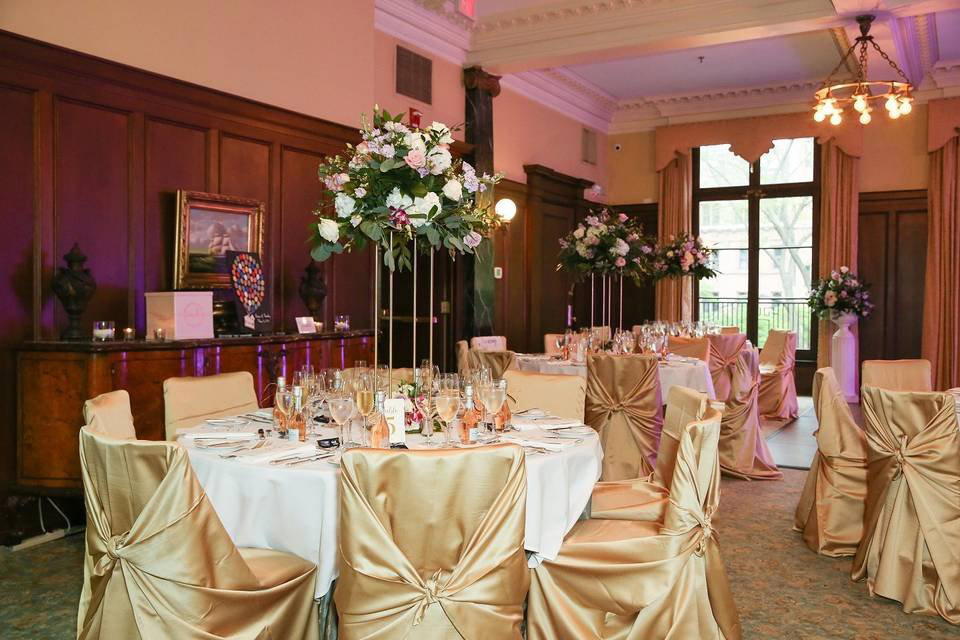

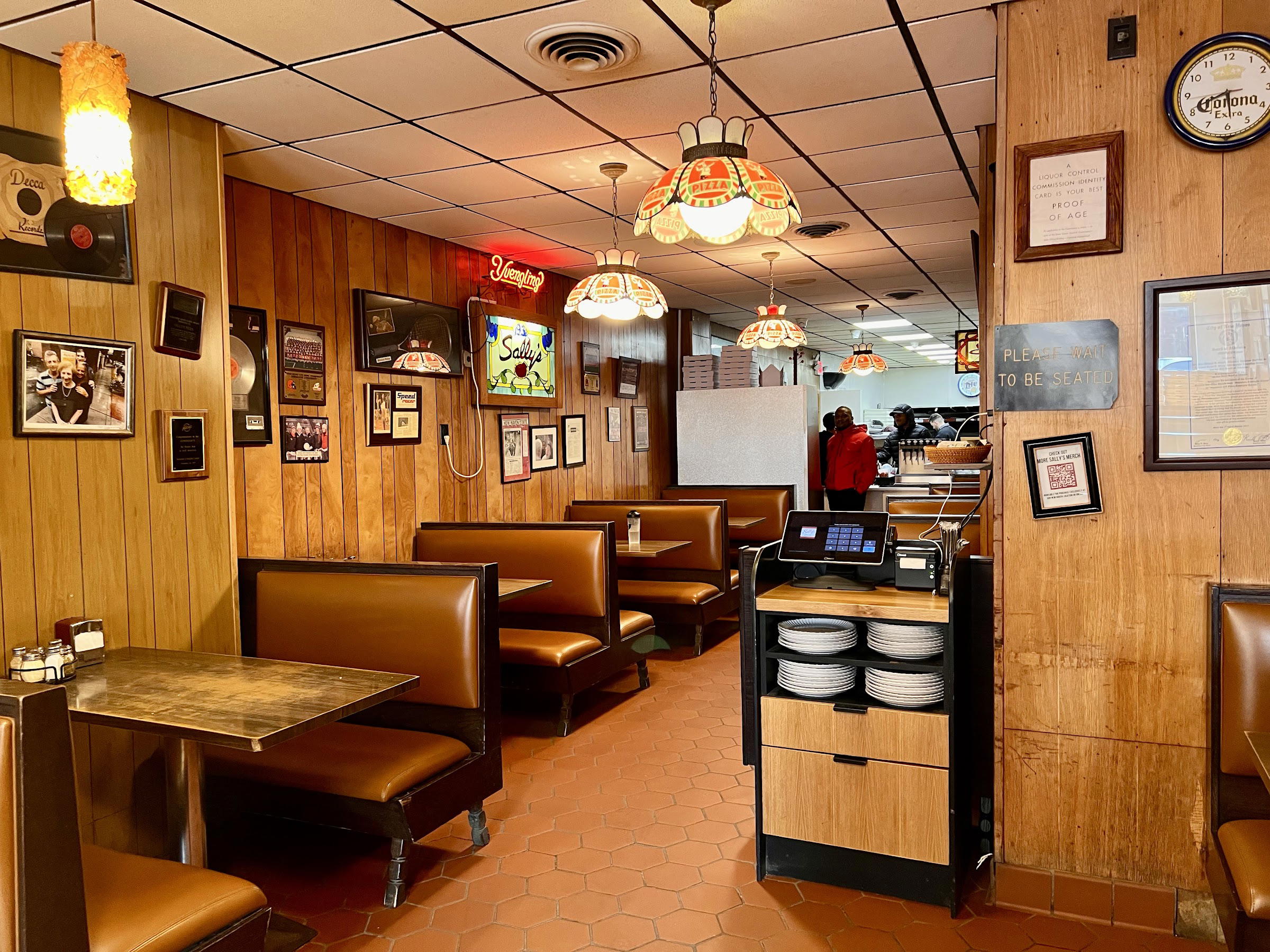
Bars in New Haven
Browse all →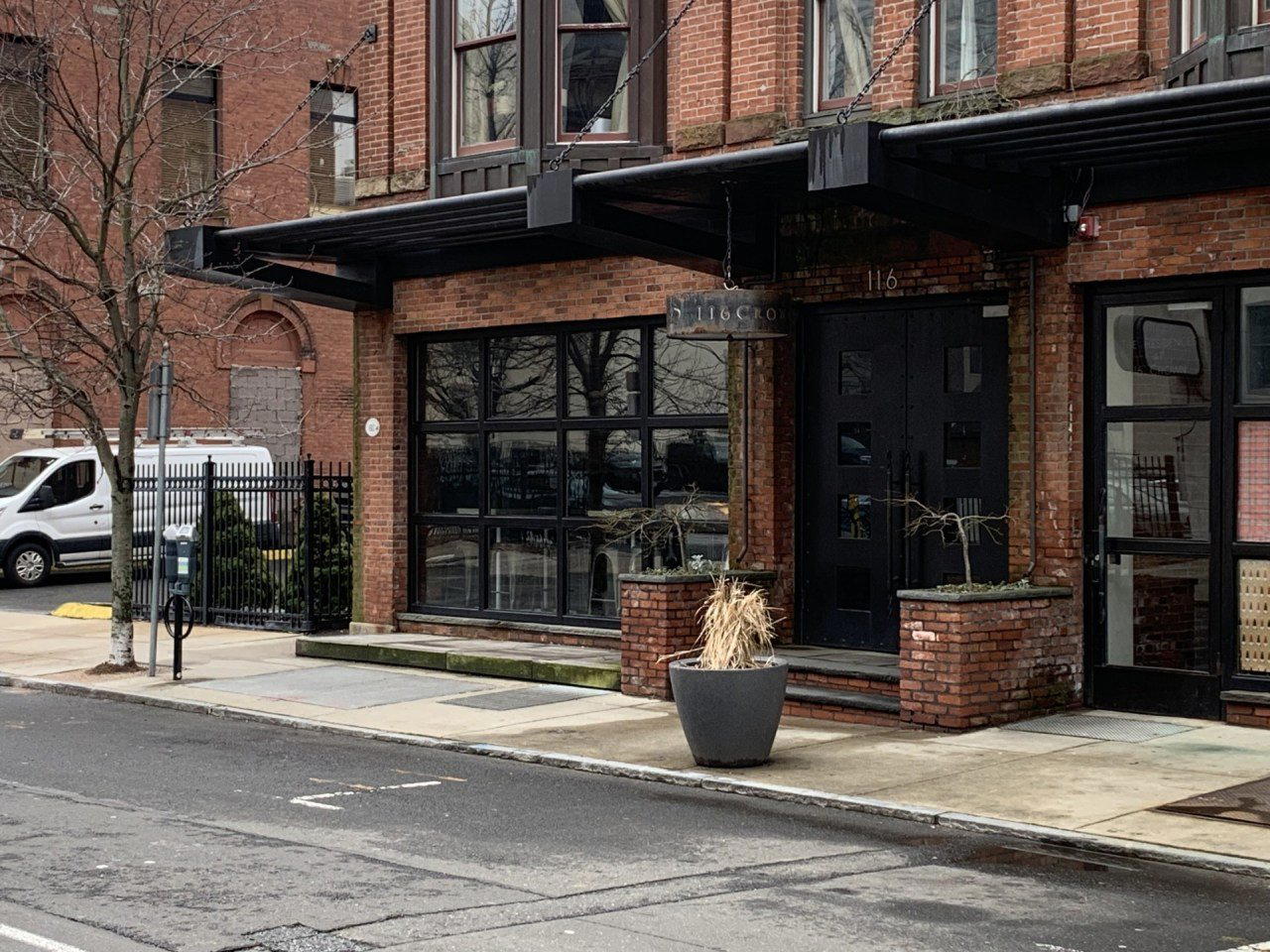
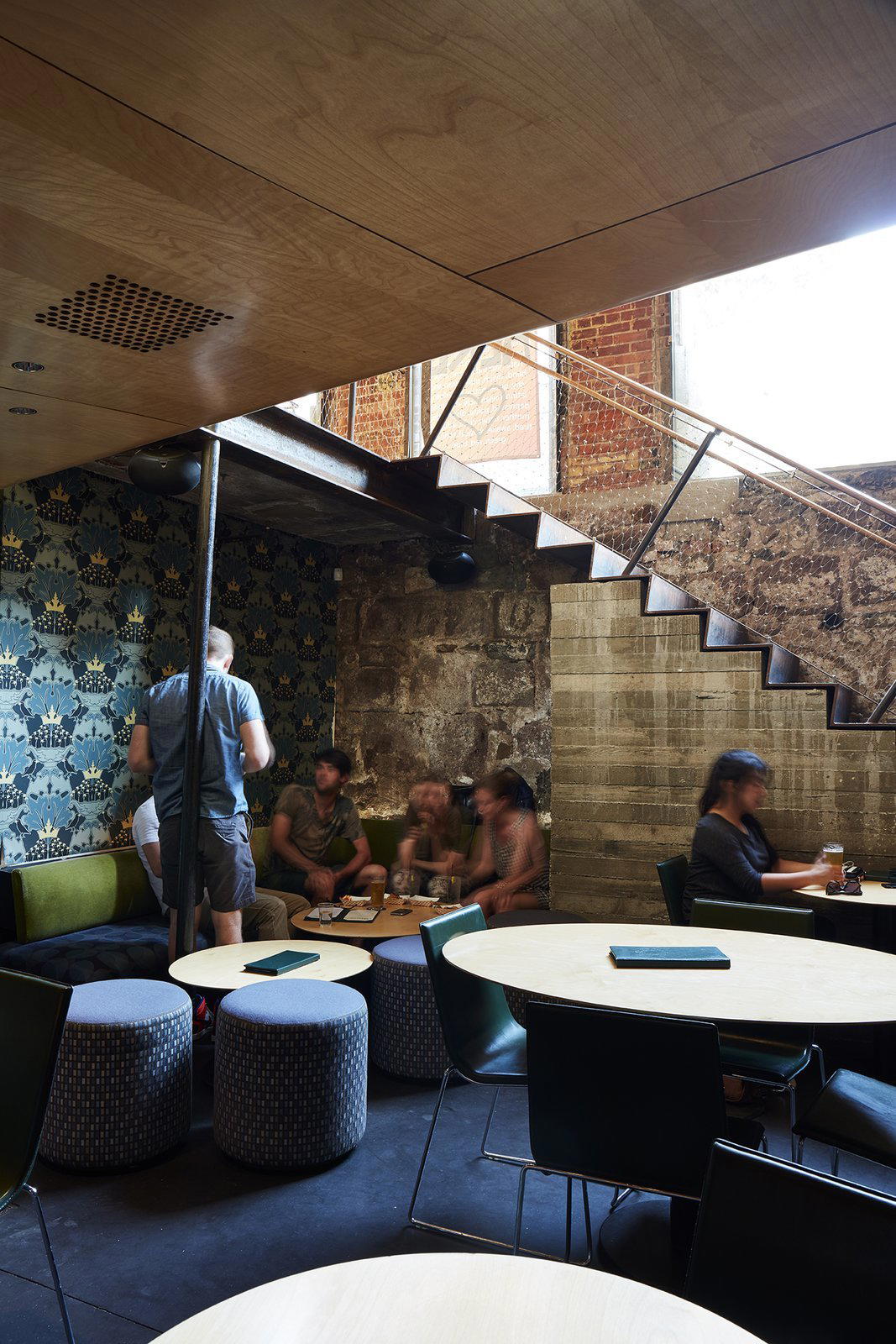
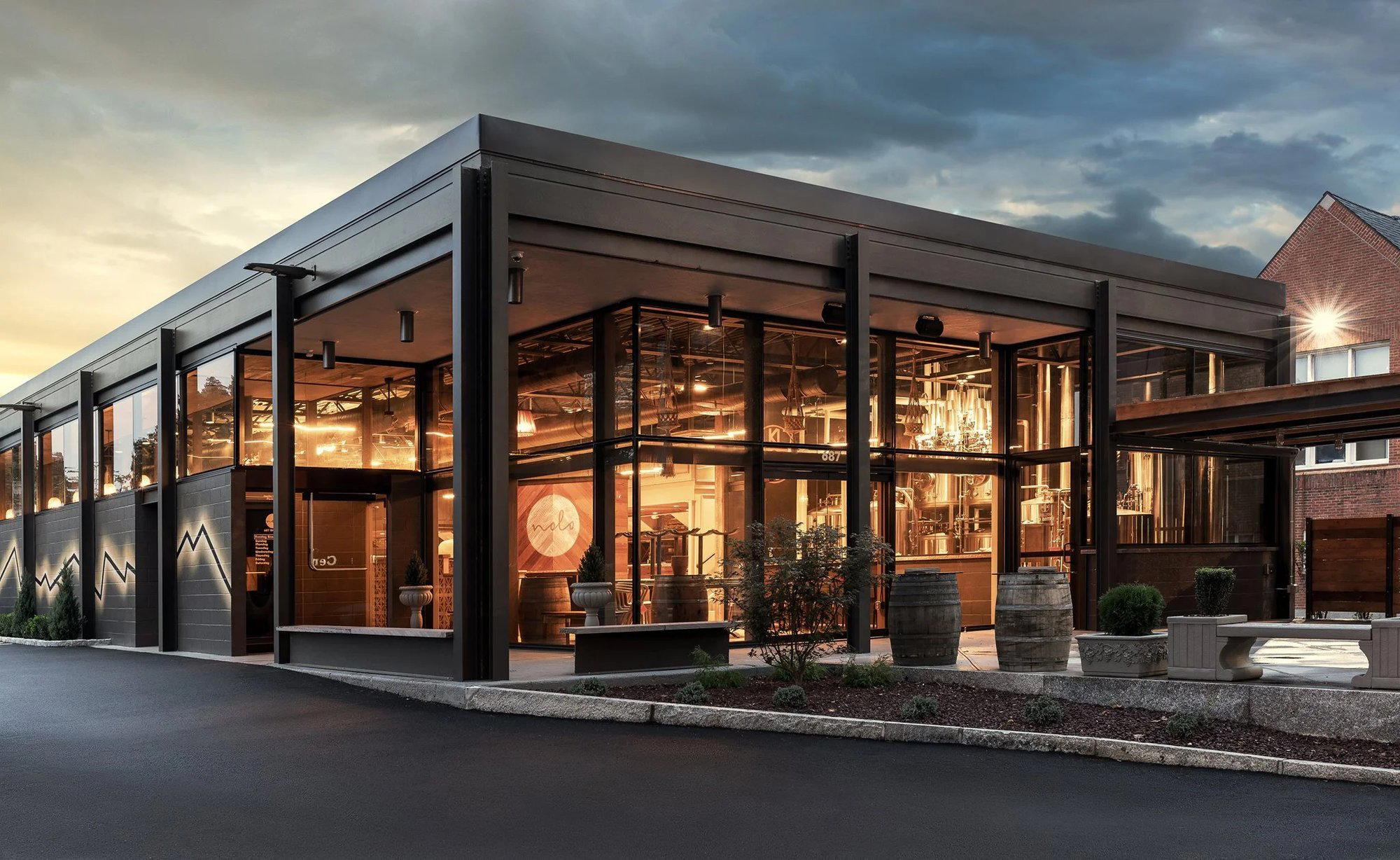
Hotels in New Haven
Browse all →


At a Glance
- Elegant
- Sophisticated
- Intimate
- Modern
- Date Night
- Special Occasion
- Celebration
- Open Kitchen
- Extensive Wine List
- Street Scene
Current opening hours
- Monday
- Closed
- Tuesday
- 5–9 PM
- Wednesday
- 5–9 PM
- Thursday
- 5–9 PM
- Friday
- 5–10 PM
- Saturday
- 5–10 PM
- Sunday
- Closed
Hours can change for holidays and private events. Last verified .
Cozy and elegant with a relaxed modern Italian atmosphere, well-suited for special occasions near Yale.
Know Before You Go
- Getting there
- 1006 Chapel St, New Haven, CT 06510