Straits
Straits sits on the fourth floor of 845 Market Street, placing it at the intersection of Union Square's retail corridor and San Francisco's broader dining conversation. The name signals a geographic and culinary reference point, the Straits of Malacca, anchoring the restaurant in the Southeast Asian cooking traditions that have shaped California's most interesting mid-tier dining in recent years.
Pearl is the En Primeur Club membership app — saves, bookings, and concierge access live there. Same editors, same standards.
- Address
- 845 Market St Fl 4 (btwn 4th & 5th), San Francisco, CA 94103
 Saves & bookings on Pearl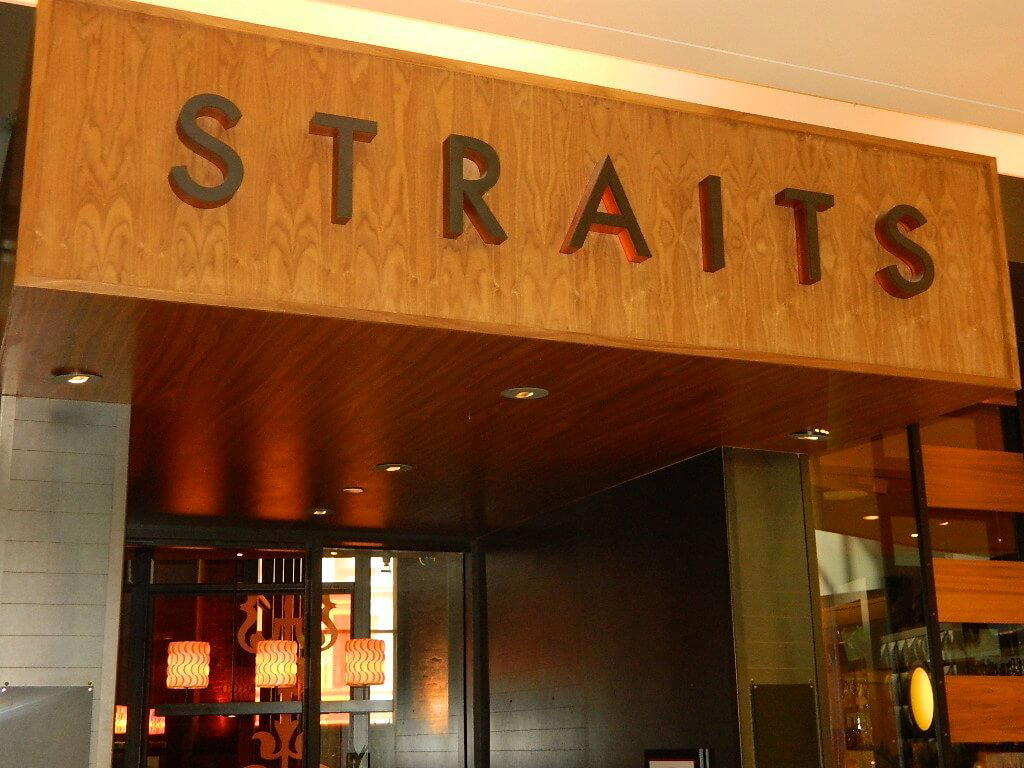
Fourth Floor, Market Street: What the Address Tells You
San Francisco's Market Street corridor doesn't announce itself the way the Mission or Hayes Valley do. It runs through the commercial center of the city, Union Square to one side, the Tenderloin to the other, and the dining that happens here tends to serve a mixed crowd: office workers at lunch, shoppers between stops, and hotel guests who haven't ventured far. The fourth floor of 845 Market Street sits above that foot traffic, creating a quieter setting for a meal. In cities like New York or Chicago, that kind of mid-rise positioning often signals a banquet hall or a corporate dining room. In San Francisco, it can mean something more considered.
Straits takes that address and works with it. The location places the restaurant inside a building that draws from Union Square's density, close enough to the Moscone corridor and the shopping blocks that it will always see a tourist-adjacent crowd, but the name itself gestures somewhere else entirely. The Straits of Malacca, the narrow waterway threading between the Malay Peninsula and the Indonesian island of Sumatra, gave its name to among the more culinarily complex trading routes in the world. That geography matters when you're reading a menu.
The Cuisine It References and Why That Reference Carries Weight
Straits cuisine, the cooking that emerged from the Peranakan communities of Penang, Malacca, and Singapore, is the result of several centuries of layered migration and trade. Chinese settlers, primarily Hokkien, intermarried with local Malay populations and absorbed cooking techniques, spice vocabularies, and flavor logic from both cultures. What resulted is neither purely Chinese nor purely Malay: dishes like laksa, ayam buah keluak, and kueh pie tee carry Hokkien structure with Malay spice depth, and the combination produces something that resists easy categorization on a Western menu.
That complexity is part of why Straits cuisine has remained a relatively specialist category in the United States, even as Southeast Asian cooking more broadly has grown in visibility. Singaporean and Malaysian cooking now appear with more frequency in American cities, the James Beard Foundation has progressively recognized Southeast Asian chefs over the past decade, and regional restaurants in cities like New York, Los Angeles, and the Bay Area have pushed the cuisine into more mainstream critical conversation. But Peranakan cooking specifically requires both the spice infrastructure and the cultural fluency to execute correctly. In San Francisco, a city with deep ties to Asia-Pacific migration history and a long-established Cantonese community, the ground is more fertile for this kind of cooking than it would be in most American markets.
For context, San Francisco's upper-tier dining conversation is currently dominated by restaurants like Benu, which holds three Michelin stars and works a French-Chinese register, and Atelier Crenn, where the frame is Modern French. Lazy Bear and Saison anchor the Progressive American end, and Quince holds the contemporary Italian position. What's notable about that comparable set is how Western-facing it is. Southeast Asian cooking, particularly at the Peranakan end, occupies a different part of the market, one where cultural specificity rather than tasting-menu prestige is the primary credential.
San Francisco as Context for This Kind of Cooking
California has always been the American state most structurally connected to Southeast Asian migration. The Bay Area's Vietnamese, Filipino, and Singaporean communities are large enough and established enough that the cooking they brought has moved from ethnic enclave into broader culinary conversation. That shift is documented: Bay Area Singaporean and Malaysian restaurants have appeared in national travel features with increasing regularity through the 2010s and into the 2020s, and the city's food media has been attentive to the category in ways that, say, the Midwest has not.
That context matters for Straits specifically. A restaurant working a Straits cuisine reference in San Francisco is operating in a city where at least a portion of the dining public has the cultural reference points to read the menu correctly, and where the local ingredient supply, with its Pacific Rim connections and agricultural diversity, makes the spice and produce requirements more achievable than in other American markets. Compare that to, say, Blue Hill at Stone Barns in New York or The Inn at Little Washington, where the cooking's frame is deeply rooted in European tradition and American terroir. Straits is drawing from a different culinary archive entirely.
Nationally, the conversation about what qualifies as fine dining has expanded considerably. Atomix in New York has repositioned what Korean fine dining looks like; Providence in Los Angeles has consistently argued for seafood-driven California cuisine at the tasting menu tier; Addison in San Diego holds the only Michelin three-star in Southern California. What these restaurants share is a willingness to make a specific, sustained argument about what their cuisine is and where it comes from. Straits, in naming itself after a geographic and cultural reference point rather than a chef or an aesthetic, is making a similar kind of argument, one grounded in culinary heritage rather than personality.
For readers building a San Francisco itinerary that extends beyond the Michelin-starred tasting menu circuit, The picture it gives is of a city where particularly interesting eating often happens in the gaps between the well-documented prestige tier and the neighborhood staple, and where cuisines with deep cultural roots, from Cantonese to Filipino to Peranakan, are increasingly the places where that gap is being filled with the conviction.
Emeril's in New Orleans, Alinea in Chicago, Le Bernardin in New York City, Bacchanalia in Atlanta, and 8½ Otto e Mezzo Bombana in Hong Kong. Each of those restaurants is making a strong claim about a specific culinary tradition. Single Thread Farm in Healdsburg does the same through a Japanese-Californian lens. Straits, working the Peranakan angle in a Market Street building above Union Square, is participating in that same broader American conversation about which culinary traditions get to count at the table.
Planning a Visit
Straits is located at 845 Market Street, fourth floor, between 4th and 5th Streets in San Francisco's Union Square district, placing it within walking distance of the Powell Street BART and Muni station. Given the address and the building's mixed commercial nature, confirming current hours and reservation availability directly before visiting is advisable.
City Peers
Comparable venues nearby, for context on price, style, and recognition.
| Venue | Cuisine | Price | Notes |
|---|---|---|---|
| StraitsThis venue — the venue you are viewing | Singaporean Fusion | $$ | Not listed |
| Ingredients | Global Fusion with Local Sourcing | $$ | Noe Valley |
| ama by Brad Kilgore | Italian-Japanese Itameshi | $$$ | Chinatown |
| 1760 | Global Fusion with Asian Influences | $$$ | Polk Gulch |
| Firefly | Seasonal American Comfort Cuisine | $$ | Noe Valley |
| Noe Valley Books | Dining | Not listed | San Francisco |
Continue exploring
More in San Francisco
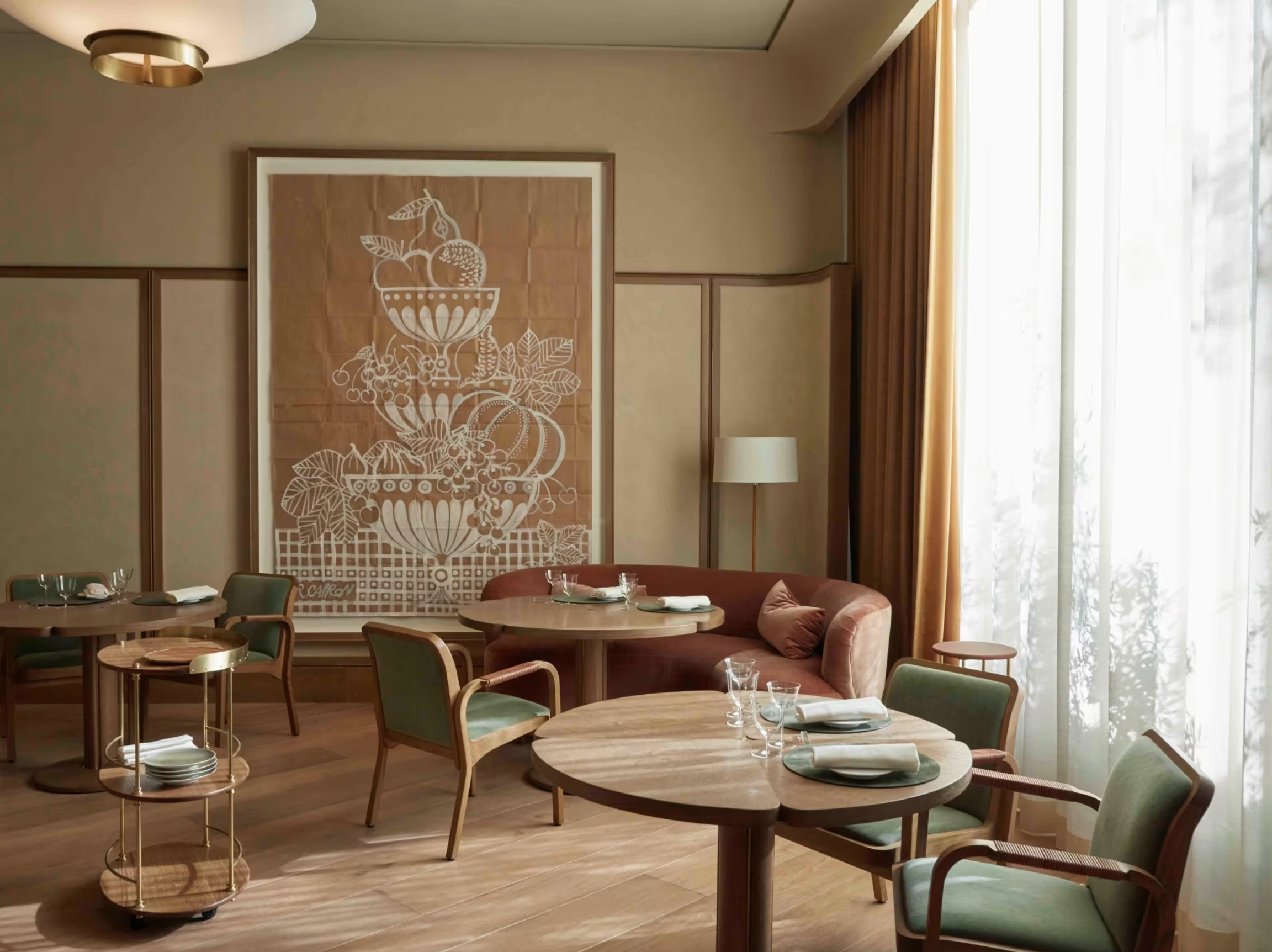
Restaurants in San Francisco
Browse all →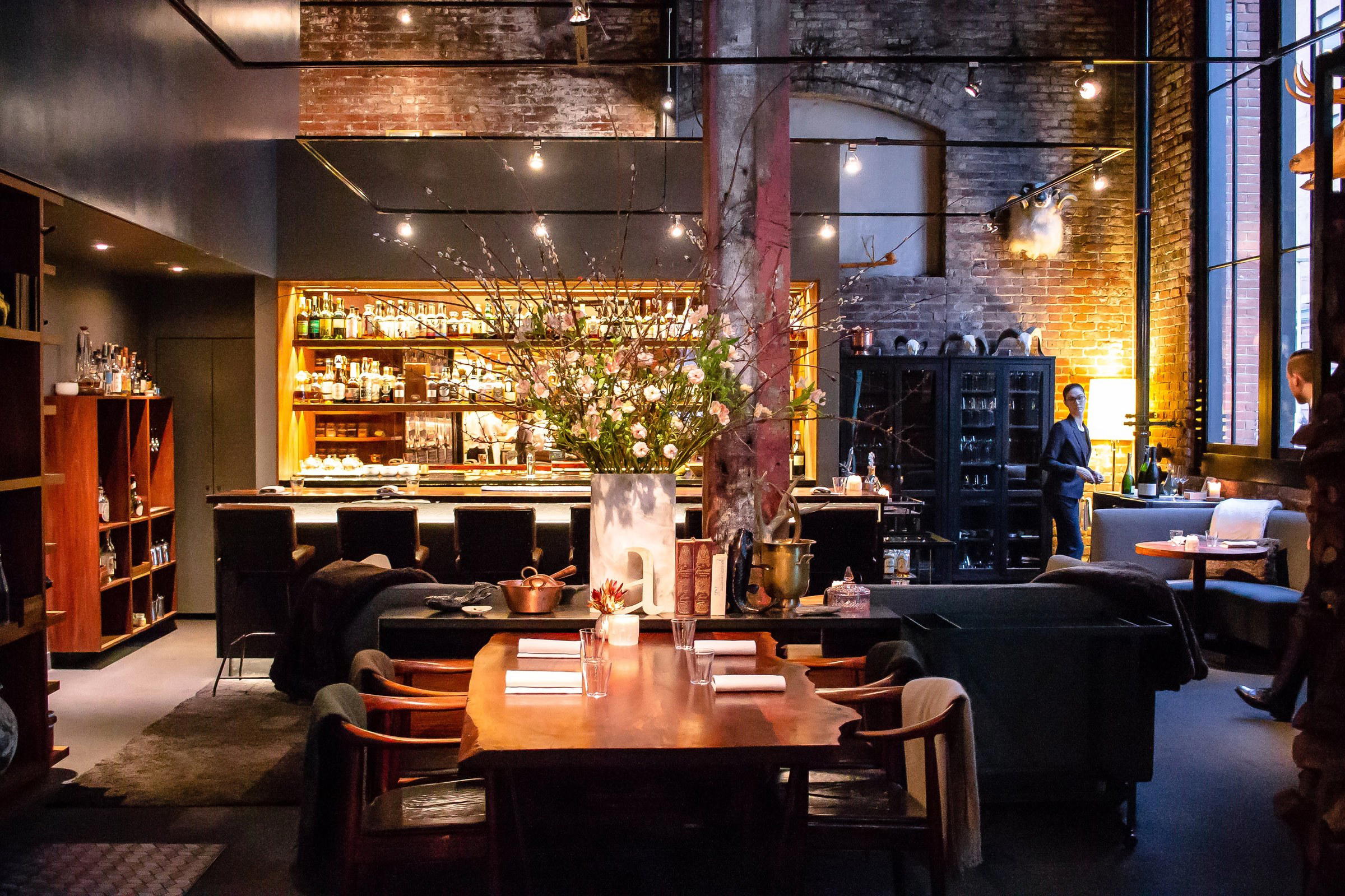
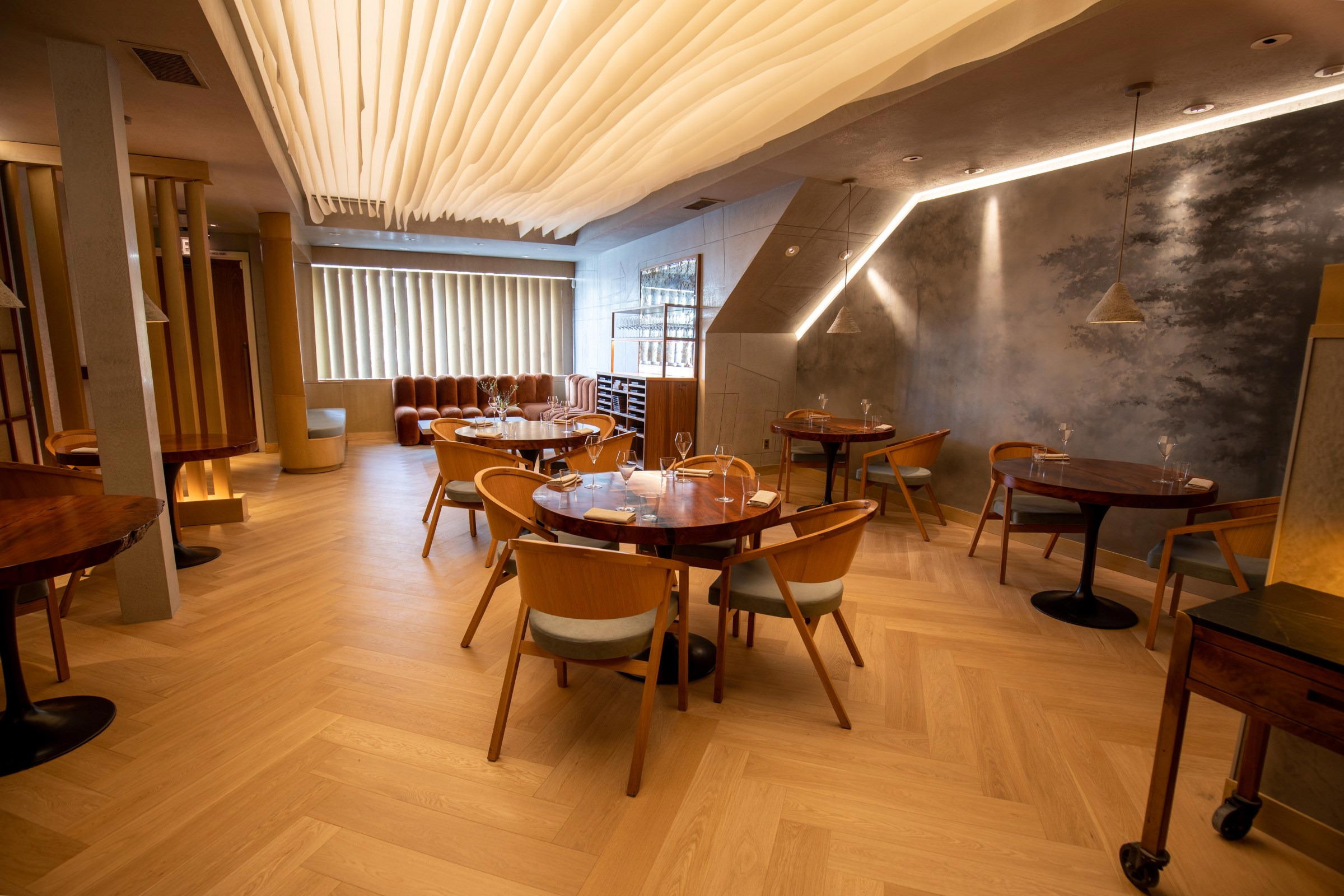

Bars in San Francisco
Browse all →
Hotels in San Francisco
Browse all →
Wineries in San Francisco
Browse all →
At a Glance
- Modern
- Sophisticated
- Date Night
- Group Dining
- Casual Hangout
- Open Kitchen
- Craft Cocktails
Sleek and sultry atmosphere providing a sexy lounge-like break from the city bustle.