Stora Hotellet i Fjällbacka

Star Wine List
Our verdict
One of the oldest grand hotels on Sweden's Bohuslän coast, Stora Hotellet i Fjällbacka has been receiving guests since the 1800s and remains a serious dining address today. Under Swedish Chef of the Year-winner Thomas Sjögren, the kitchen channels the region's fishing heritage and coastal larder into a format that sits well above the typical seaside hotel restaurant. For the West Sweden coastline, it is the benchmark.

Pearl is the En Primeur Club membership app — saves, bookings, and concierge access live there. Same editors, same standards.
- Address
- Galärbacken 2, 457 40 Fjällbacka, Sweden
- Phone
- +46 525 315 00
- Website
- shfjallbacka.se
- Directions
- Get directions
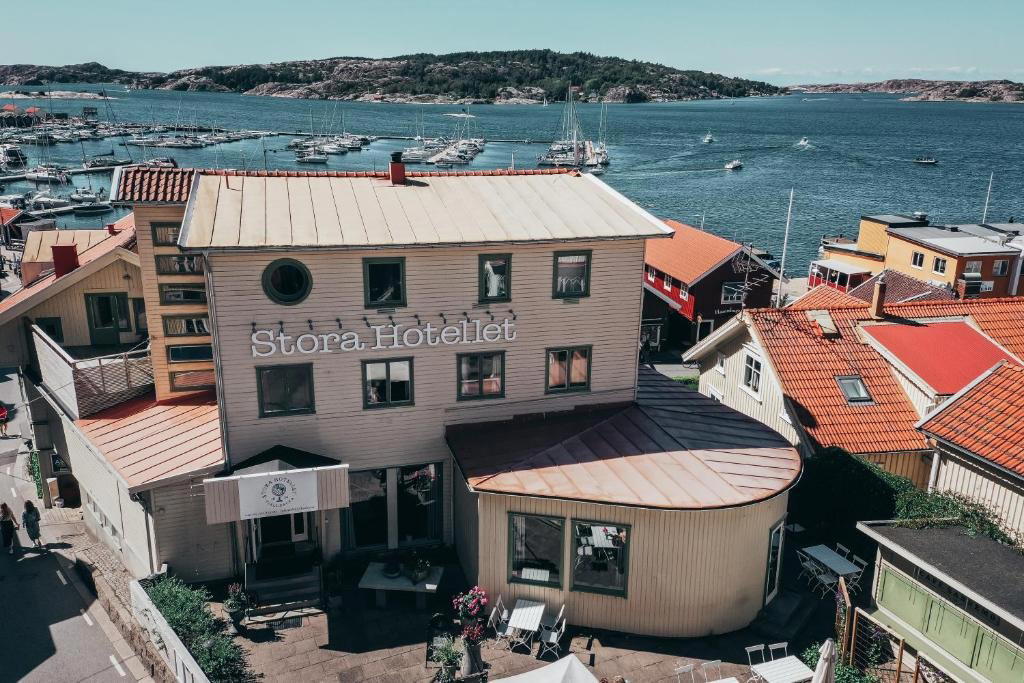
Where the Bohuslän Coast Sets the Table
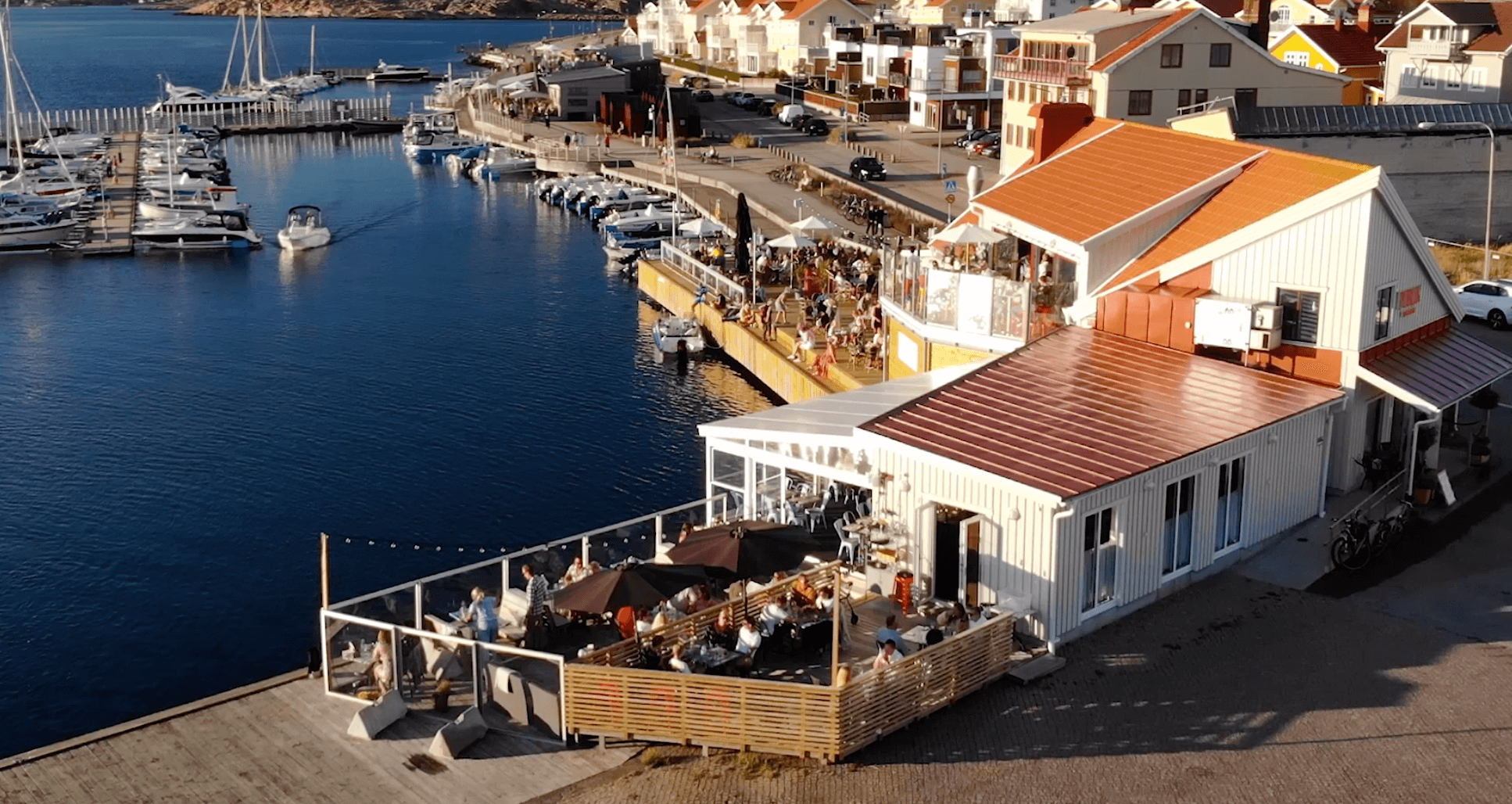
Fjällbacka is one of those West Sweden villages that looks as though someone paused it mid-century and forgot to press play. The wooden architecture climbs steeply from the harbour, the water between the skerries shifts from grey to green depending on the light, and the supply boats that have worked these waters for generations still move with the same unhurried rhythm. Arriving at Stora Hotellet i Fjällbacka on Galärbacken, the building announces itself in the manner of a nineteenth-century provincial grand hotel: solid, considered, the kind of structure that suggests the town took itself seriously long before tourism discovered it.
That context matters when you sit down to eat here. The kitchen is not drawing on coastal imagery as an aesthetic choice. It is drawing on a coastline that is still actively producing: shrimp pulled from cold Atlantic waters a short distance away, crayfish, west-coast oysters, the kinds of ingredients that have defined Swedish seafood cooking for centuries. In a country where the conversation about New Nordic cuisine has often centred on Copenhagen or Stockholm, the Bohuslän coast represents something older and more direct — a pantry that predates the trend by several hundred years.
The Credential Behind the Kitchen
Sweden's restaurant industry uses Chef of the Year as its most visible benchmark for technical kitchen talent. The award, contested among active working chefs rather than retrospective career achievements, carries real weight in the domestic professional conversation. The fact that he is operating on the Bohuslän coast rather than in a major city is the relevant detail: it signals a kitchen anchored to a specific geography rather than one performing geography for urban diners.
That distinction shapes what arrives at the table. Coastal Swedish cooking at this level is not simply a matter of sourcing seafood locally. It involves an understanding of what the cold, rocky West Sweden waters produce, how those products change across the seasons, and how to apply technical discipline without dismantling the directness that makes the region's ingredients compelling in the first place. Comparable approaches in coastal fine dining internationally — think of the way Le Bernardin in New York City treats the sourcing relationship as structural rather than decorative, tend to share that same refusal to ornament what the sea already provides well.
What the Bohuslän Larder Actually Means
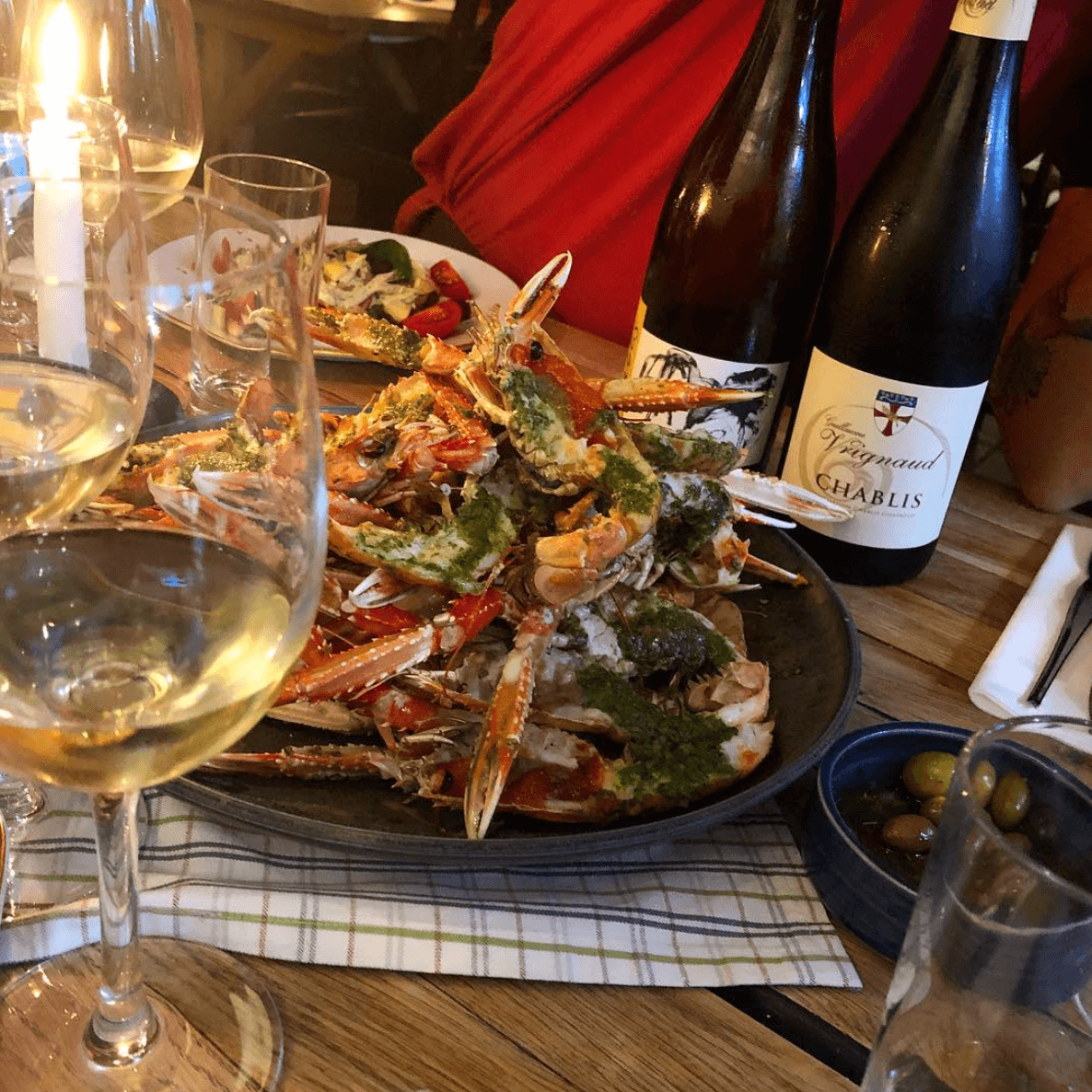
The Bohuslän archipelago runs from Gothenburg north to the Norwegian border. It is one of the most productive stretches of coastline in Scandinavia. West-coast shrimp have been the region's calling card for generations; the fishing tradition here is not artisanal in the recent fashionable sense but genuinely industrial and deeply rooted. What has shifted in the last two decades is the willingness of serious kitchens to treat this proximity as a competitive advantage rather than a given. For restaurants at the level of Stora Hotellet, that means building menus around what the coast is producing at a given moment rather than around a fixed repertoire that happens to include local ingredients as decoration.
Seasonality in this context has real edges. The Bohuslän summer, roughly June through August, brings the Swedish tourist season and the peak of coastal abundance. The shoulder months, particularly September and October, are when serious diners tend to find the most interesting produce on the plate, the season's final catches, the transition into preserved and cured preparations, the slight tightening of the menu that comes when a kitchen is working with what remains rather than with everything. Booking during these periods requires more planning than peak summer, when the village is busier and the hotel's dual role as accommodation and dining destination means tables fill early. Galärbacken 2 is the address; arriving in Fjällbacka itself involves either the E6 motorway and a turn west toward the coast, or the ferry connections that serve several of the surrounding islands and points north.
Positioning Against the Broader Swedish Fine Dining Map
Swedish fine dining has sorted itself into roughly two tiers. The Stockholm axis holds the international-facing addresses: Frantzén in Stockholm operates at the global three-Michelin-star level; AIRA and Operakällaren hold their own positions in the capital's upper bracket. Outside Stockholm, a network of serious regional kitchens has emerged over the past decade, several of them in smaller cities or coastal towns where the sourcing argument is local rather than imported. Signum in Mölnlycke, Knystaforsen in Rydöbruk, and PM & Vänner in Växjö all sit in this regional tier, as do 28+ in Gothenburg and Fyr in Halmstad. Stora Hotellet fits this regional-serious category: a kitchen with a nationally recognised credential, operating in a small coastal town, where the setting is not incidental to the food but actively part of what the kitchen is cooking.
The comparison with Hotell Borgholm in Borgholm or JH Matbar in Ystad is instructive: these are Swedish coastal addresses where serious cooking and historic hotel infrastructure coexist, a format that asks the kitchen to serve a broader audience than a pure destination restaurant while still holding a culinary standard. Stora Hotellet, with its nineteenth-century pedigree and a Chef of the Year credential at the pass, sits at the more ambitious end of that format.
Planning Your Visit
The hotel's position as both an accommodation address and a dining destination means that guests staying on-site have a structural advantage during the summer high season. The hotel has been operating since the 1800s, which implies an institutional familiarity with the rhythms of seasonal coastal tourism, including the congestion that comes with it. Visitors travelling specifically to dine should treat advance booking as non-negotiable from late June through August; Fjällbacka is not a large town and the number of serious tables is finite. Those approaching from Gothenburg will find the drive along the coast, roughly 100 kilometres north, direct by car. For a broader picture of what Fjällbacka offers beyond the hotel's dining room, our full Fjällbacka restaurants guide, hotels guide, bars guide, wineries guide, and experiences guide cover the town's wider hospitality offer in full.
Frequently asked questions
Is Stora Hotellet i Fjällbacka okay with children?
The hotel has been welcoming guests since the 1800s, which speaks to a broad hospitality tradition rather than a strictly adult-only positioning. That said, the kitchen is led by Swedish Chef of the Year-winner Thomas Sjögren, so the dining room tilts toward a more considered meal than a casual family stop. Families staying on-site at Galärbacken 2 are best placed to judge the fit on arrival.
What kind of setting is Stora Hotellet i Fjällbacka?
This is a 19th-century grand hotel sitting in one of West Sweden's most photographed fishing villages on the Bohuslän coast. The property functions as both an accommodation address and a restaurant destination, which gives it a different weight than a standalone dining room. The surrounding archipelago, running north toward the Norwegian border, shapes the kitchen's sourcing and the broader atmosphere of the place.
Has Stora Hotellet i Fjällbacka won any awards?
Stora Hotellet i Fjällbacka has received recognition including: Stora Hotellet (the grand hotel) in Fjällbacka has been receiving guests since the 1800s. Most recently they are well taken care of by Swedish chef of the year-winner Thomas Sjögren and crew in three....
What do regulars order at Stora Hotellet i Fjällbacka?
The Bohuslän coastline is among Scandinavia's most productive for shellfish and cold-water fish, and Thomas Sjögren's kitchen — the work of a Swedish Chef of the Year recipient — is expected to put that larder at the centre of the menu.
Where exactly is Stora Hotellet i Fjällbacka?
Stora Hotellet i Fjällbacka is located at Galärbacken 2, 457 40 Fjällbacka, Sweden, Fjällbacka.
Is Stora Hotellet i Fjällbacka reservation-only?
Given that Thomas Sjögren, a Swedish Chef of the Year-winner, leads the kitchen, and the hotel draws visitors specifically to Fjällbacka rather than passing trade, advance booking is strongly advisable, particularly during Sweden's summer coastal season.
Side-by-Side Snapshot
Comparable venues nearby, for context on price, style, and recognition.
| Venue | Cuisine | Price | Awards | Notes |
|---|---|---|---|---|
| Stora Hotellet i FjällbackaThis venue — the venue you are viewing | Seasonal West Coast Seafood | Not listed | Star Wine List | Not listed |
| Den lilla krogen | Modern Swedish with Local Organic Ingredients | Not listed | Star Wine List · White Guide Sweden Restaurants - Fine Level | center |
| Ölme Prästgård Gästgiveri | Nordic Swedish | Not listed | White Guide Sweden Restaurants - Fine Level | Ölme |
| Simsons | Swedish Seasonal Fine Dining | Not listed | White Guide Sweden Restaurants - Very Fine Level | Käringön |
| Gastro Gaspari | Nordic Gastro | Not listed | White Guide Sweden Restaurants - Fine Level | Flyingeby |
| Mestiza | Modern Fusion Tapas | $50–100 | Star Wine List · White Guide Sweden Restaurants - Fine Level | Linné |
Recognition history
Dated appearances from independent guides and award organizations, with the underlying list record or original source where available.
Star Wine List
Star Wine List
Continue exploring
More in Fjällbacka
Restaurants in Fjällbacka
Browse all →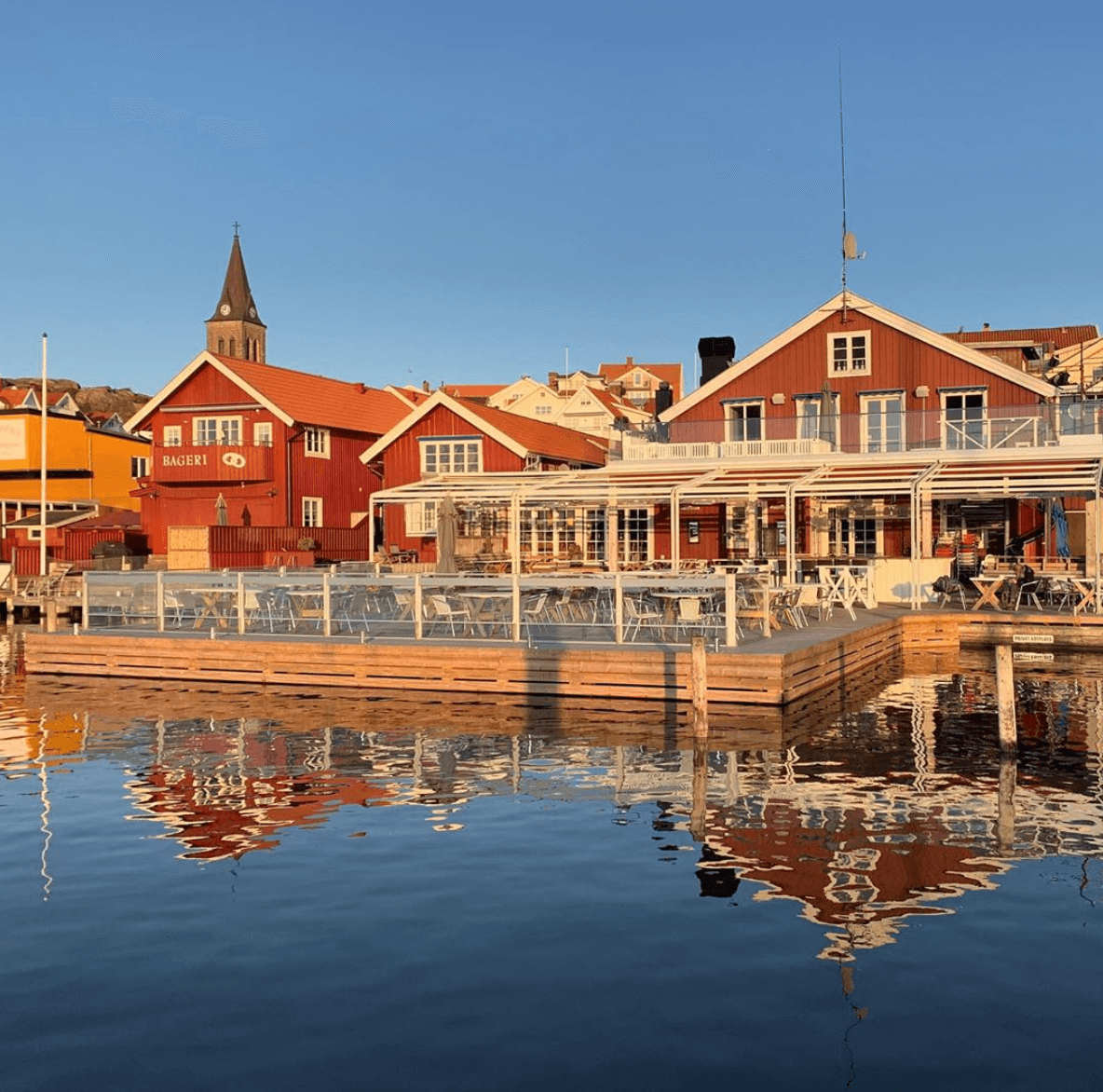
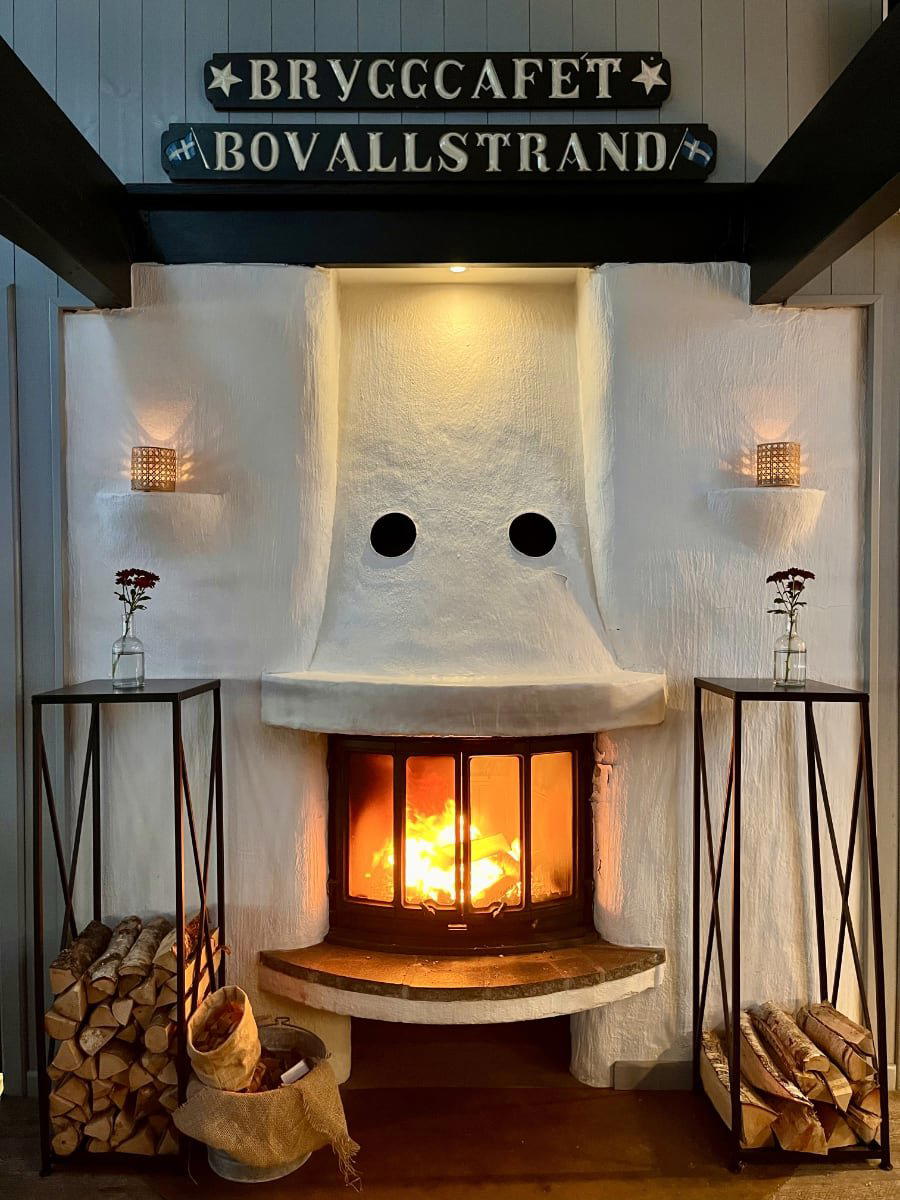
Bars in Fjällbacka
Browse all →
Hotels in Fjällbacka
Browse all →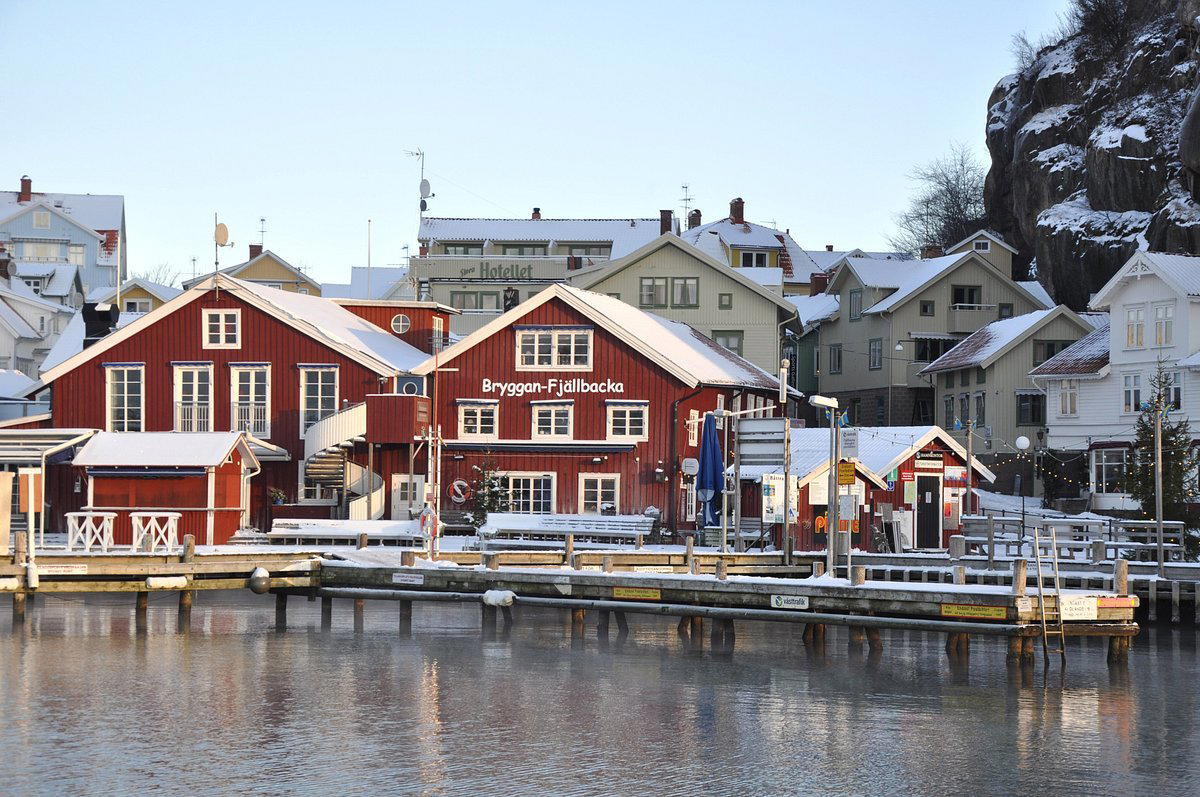
Wineries in Fjällbacka
Browse all →
Details
- Romantic
- Scenic
- Cozy
- Classic
- Date Night
- Special Occasion
- Group Dining
- Private Event
- Waterfront
- Hotel Restaurant
- Historic Building
- Terrace
- Private Dining
- Extensive Wine List
- Local Sourcing
- Waterfront
- A La Carte
- Wine
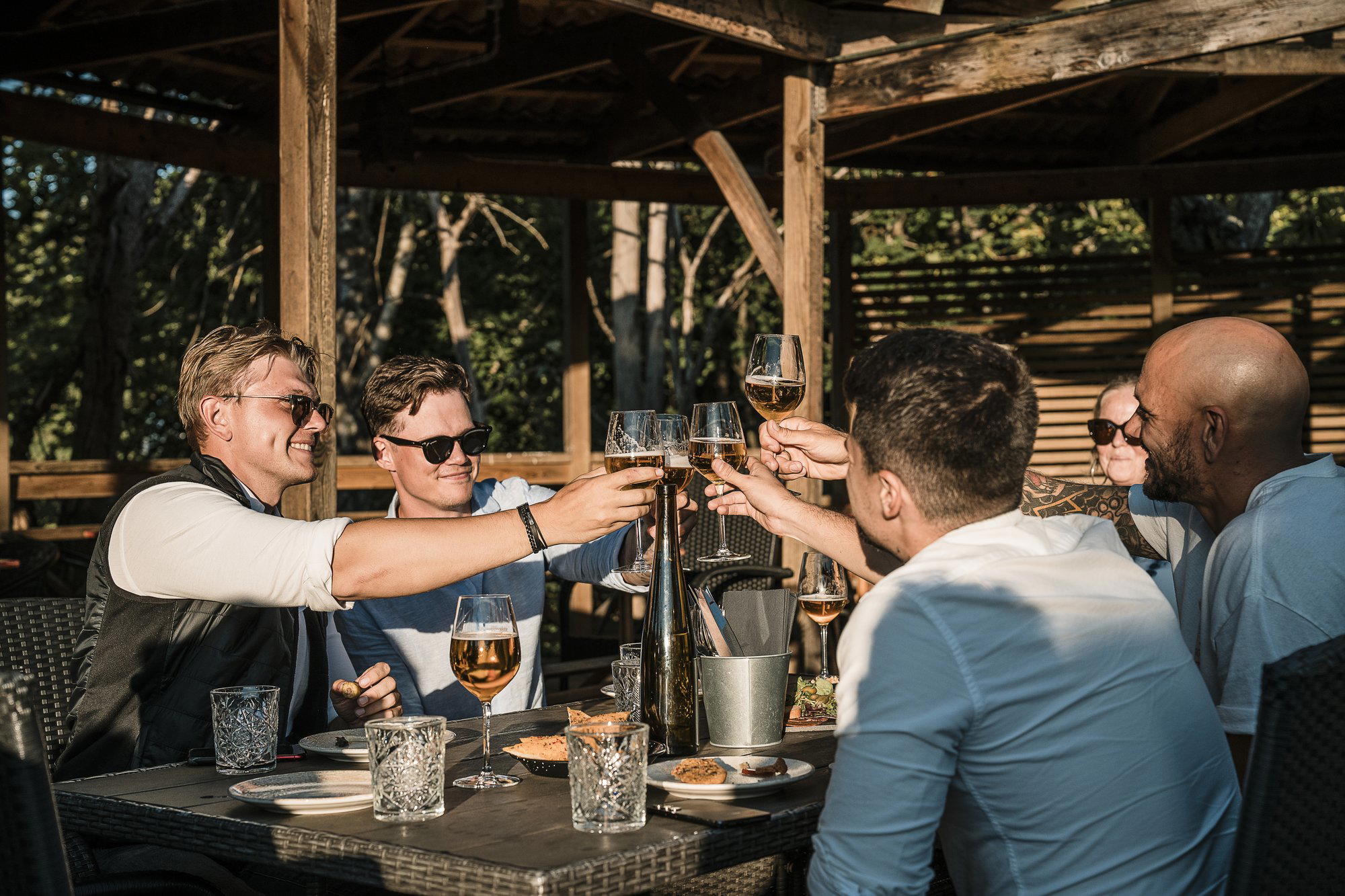
Coastal, romantic and relaxed, with a cozy boutique-hotel atmosphere shaped by marina views, a lounge, courtyard and Bohuslän seaside setting.