Bryggcafét Bovallstrand

Star Wine List
Our verdict
On the Bohuslän coast north of Gothenburg, Bryggcafét Bovallstrand sits at the harbour square of one of Sweden's most photogenic fishing villages, where the westerly light turns amber at dusk and the shellfish come straight off local boats. The café trades in the west coast's most honest culinary proposition: ingredients pulled from the sea within hours, served without ceremony but with genuine care. For anyone travelling the coastal road, it represents the region's character in a single sitting.

Pearl is the En Primeur Club membership app, where members save venues, book tables and use the concierge.
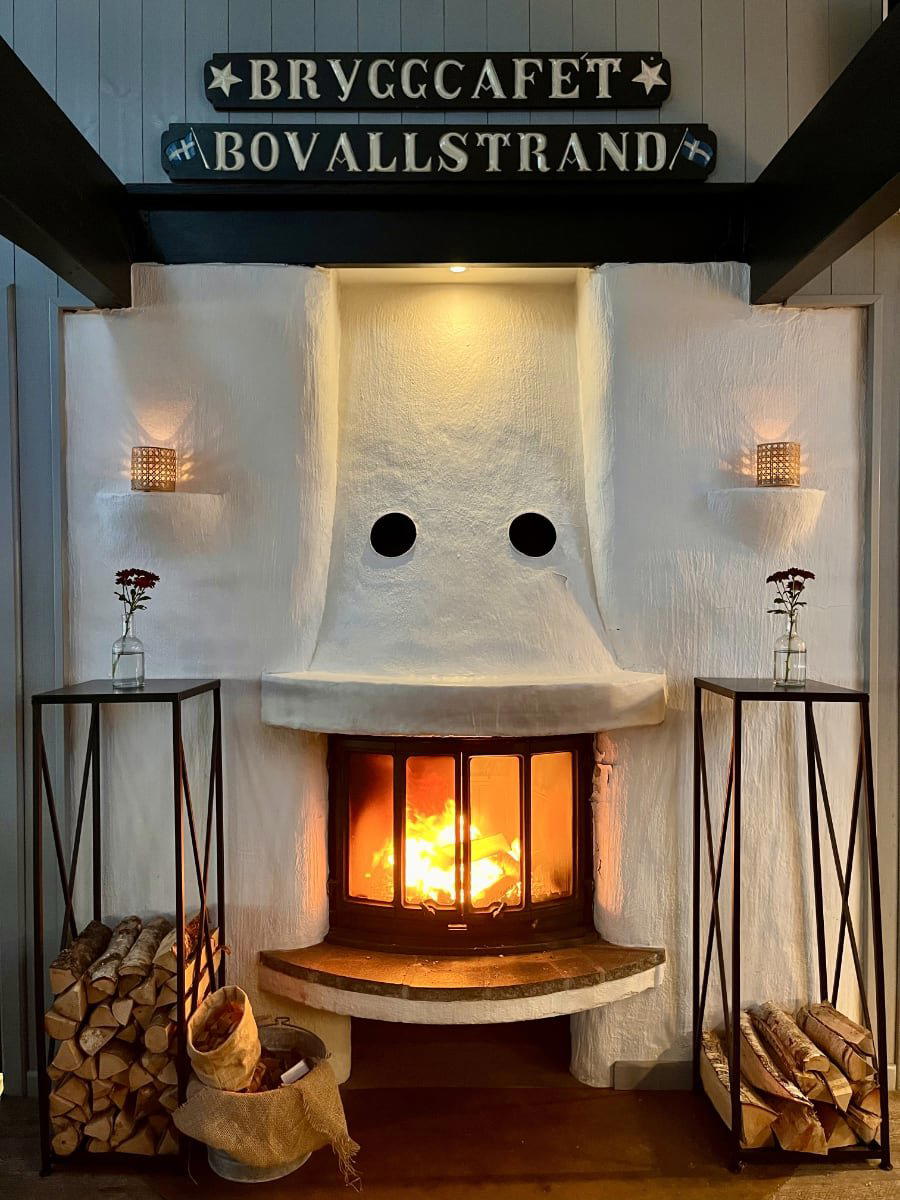
The menu
What to order
- Catch of the day
- Fish & chips
- Fish soup
- Steak with red wine sauce
The West Coast Table: What Bohuslän Puts on the Plate
Sweden's western coastline runs north from Gothenburg through a chain of granite-edged fishing villages, each one a variation on the same elemental theme: rocks, herring, crayfish, and cold clear water. The Bohuslän coast has built its culinary reputation not on technique or tasting menus but on proximity, the distance between the sea and the plate measured in hours rather than days. In that tradition, Bryggcafét Bovallstrand operates from Torget 7, the harbour square at the centre of Bovallstrand, in a position that says everything about the sourcing logic behind the food.
This is not the register of Frantzén in Stockholm or the New Nordic precision of Vollmers in Malmö. The west coast café tradition sits at a completely different point on the Swedish dining spectrum, where the credential is the harbour view and the morning catch, not the chef's biography or the number of courses. Bryggcafét represents that tradition in a village whose entire identity is built around the sea.
Approaching Bovallstrand: The Setting as Context
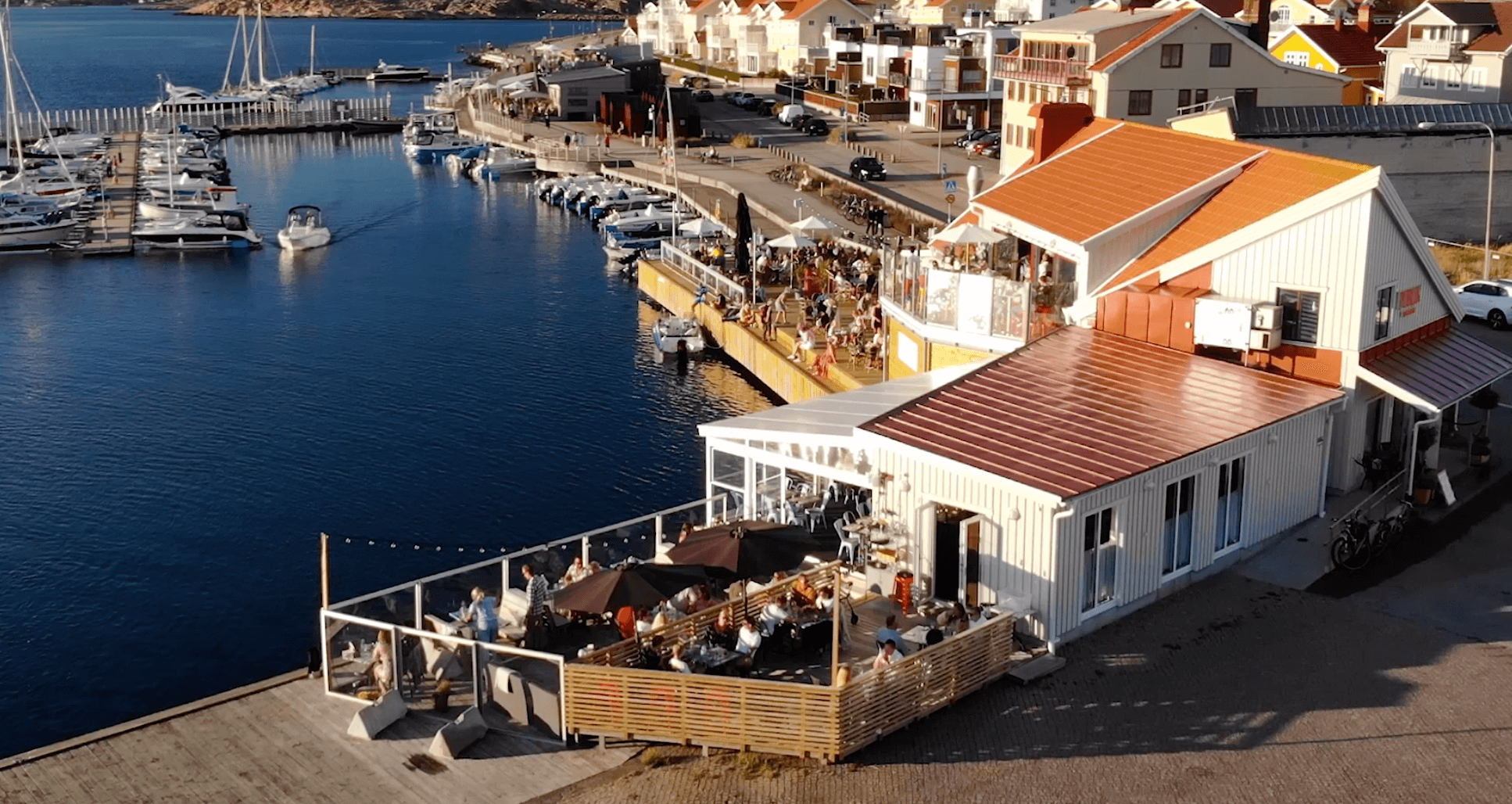
The village of Bovallstrand sits on the Sotenäs peninsula, roughly two and a half hours by car north of Gothenburg along the E6 and then the coastal roads. Arriving by water is the more atmospheric option if you have access to a boat, since the harbour square reveals itself from the sea exactly as these villages were meant to be approached. On foot from the road, the drop down to Torget reveals the classic Bohuslän arrangement: painted wooden buildings, a working harbour, and water on three sides.
The light here in summer, from late June through August, arrives at a low angle for much of the day, which is the practical reason so many people schedule meals around the late afternoon. The west coast crayfish season, which opens in late August, draws visitors specifically to villages like Bovallstrand, where the shellfish arrives without the supply-chain distance that compromises it in Stockholm or Gothenburg. Sitting at a harbour café during crayfish season in Bohuslän is about as close to the source as Swedish shellfish eating gets.
The Ingredient Logic of the Bohuslän Coast
Sourcing argument for eating on this coastline rather than replicating its flavours elsewhere is direct. The Skagerrak waters off Bohuslän carry cold, clean currents from the North Sea, producing shrimp, crab, lobster, and oysters that local fishermen land at small harbours like Bovallstrand's. The crayfish eaten here during the August season arrive from local trapping operations, not from imported stock. Prawns bought off the boat in Bohuslän are a different product from the same species packed and shipped south.
Swedish west coast dining at this informal register connects to a long tradition of simple treatment for first-rate shellfish: cold prawns with good bread and butter, crayfish with dill and aquavit, mussels steamed in local beer. The cuisine's restraint is a function of confidence in the raw ingredient, not a lack of ambition. Villages along this coastline have been eating this way for generations, and the café format at the harbour square is where that tradition survives most legibly for visitors.
For context on how ingredient sourcing shapes restaurant reputation across Swedish coastal dining, the contrast is instructive. VYN in Simrishamn and ÄNG in Tvååker apply a more composed New Nordic frame to similar coastal and regional produce, using technique to transform what informal harbour cafés present directly. Neither approach is wrong; they are simply different arguments about what the ingredient requires.
Where Bryggcafét Sits in the Region
The Swedish west coast has accumulated a varied dining scene across its villages and towns. Gothenburg anchors the region with a concentration of Michelin-recognised restaurants, including 28+ in Gothenburg, which has held its position at the top of the city's dining tier for decades. Further along the coast, places like Fyr in Halmstad bridge the gap between the informal coastal café and the composed restaurant format.
Bryggcafét Bovallstrand occupies the more casual end of this spectrum, which is precisely what the location calls for. Bovallstrand is a small village, not a dining destination in the way that a city is. Visitors arrive here for the coastline, the sea, and the pace. The harbour café tradition in villages like this one serves a different purpose from the destination restaurant: it makes the local ingredient accessible without requiring a booking itinerary built around a single meal.
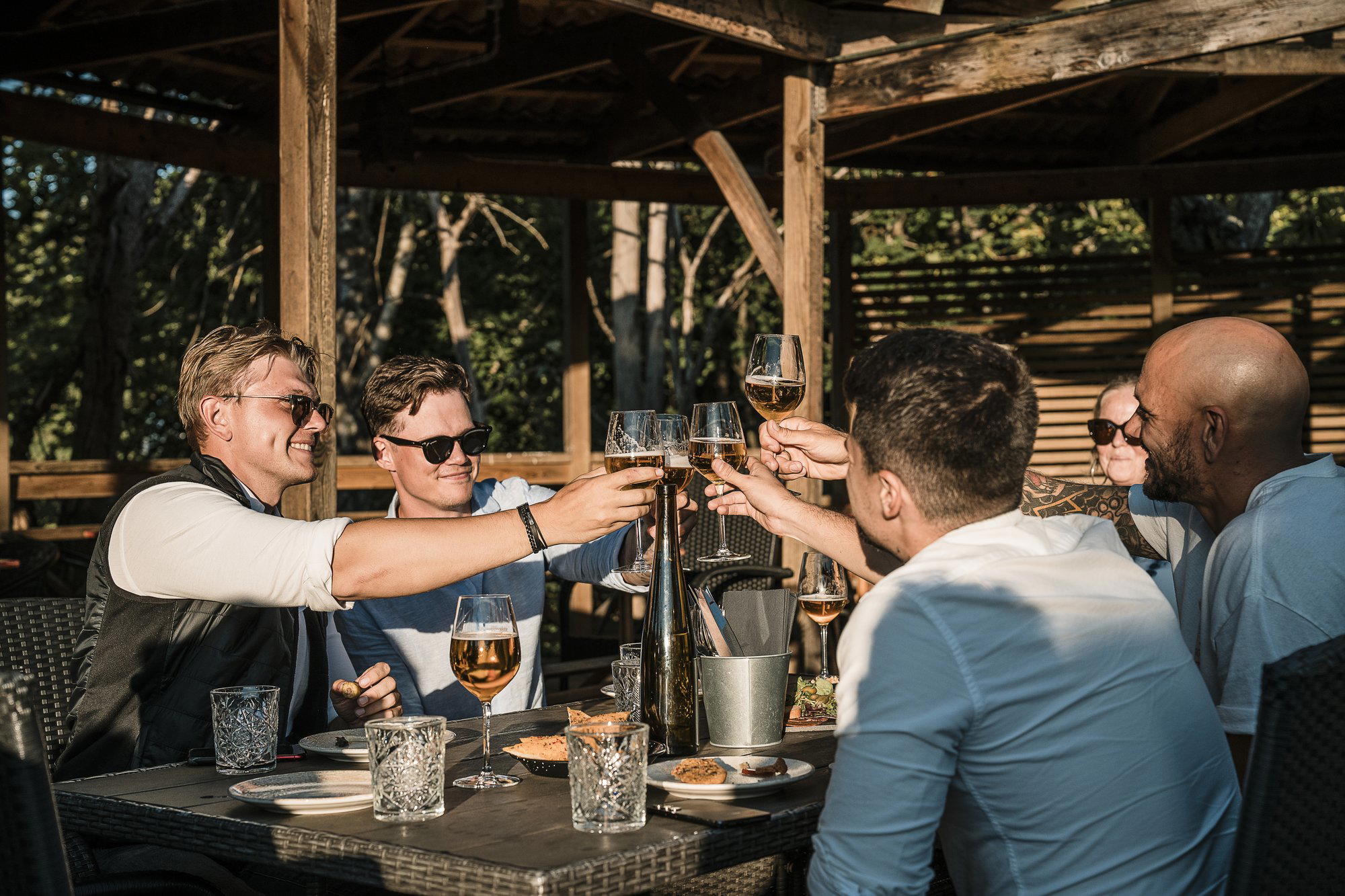
That said, the west coast's reputation, referenced in the venue's own awards note as a coastline of beautiful fishing villages and locations by the sea, waiting for a sunset, crayfish, and a bottle of wine, rests on places like Bryggcafét delivering on exactly that promise. The informal format is not a compromise; it is the correct register for the setting.
Planning a Visit: Practical Notes
Bovallstrand is accessible by car along the Sotenäs peninsula roads from the E6 motorway; public transport connections are limited, which makes a hire car from Gothenburg the practical approach for most visitors. The summer season, running from June through August, is when the village is at full activity and when the shellfish calendar aligns with the longest days. The crayfish season specifically opens in late August, making the last weeks of summer the point when the west coast café proposition is at its most concentrated.
Given the seasonal nature of small harbour cafés in Bohuslän, visiting during the shoulder months of May or September requires checking current opening arrangements directly, as hours and availability shift significantly outside the main summer window. Accommodation in Bovallstrand and the surrounding Sotenäs area is limited; our full Bovallstrand hotels guide covers options for staying in the area. For broader planning across the village, our full Bovallstrand restaurants guide, bars guide, and experiences guide map the rest of the scene.
Visitors comparing the Bohuslän coast to other Swedish coastal dining traditions may find useful contrast in destinations further south. JH Matbar in Ystad and Hotell Borgholm in Borgholm each translate coastal Swedish ingredients into more composed formats, while retaining the sourcing logic that defines this tradition. On the international scale, the argument for place-specific seafood sourcing finds its most cited expression in counters like Le Bernardin in New York City, where the proximity-to-source principle operates at maximum formal intensity. The Bovallstrand harbour café operates at the other end of that formality spectrum, but the underlying premise, that the ingredient's origin determines the quality ceiling, is the same.
Frequently asked questions
Is Bryggcafét Bovallstrand suitable for children?
Bryggcafét sits on the village square at Torget 7 in Bovallstrand, a small fishing settlement on the Sotenäs peninsula where the pace is unhurried and the setting is relaxed. Harbour-side café culture on the Bohuslän coast tends to be informal and family-friendly by nature, with the focus on fresh seafood rather than formal service.
What's the vibe at Bryggcafét Bovallstrand?
The address alone sets the tone: Torget 7 is the village square of Bovallstrand, a granite-edged fishing community on the Sotenäs peninsula roughly two and a half hours north of Gothenburg. The Swedish west coast awards record singles out Bryggcafét as a standout among the region's many harbour-side spots, which points to a café that earns its place through food and setting rather than spectacle. Expect the kind of easy, sea-facing atmosphere that defines the Bohuslän coast at its most straightforward.
What's Bryggcafét Bovallstrand known for in terms of accolades?
Bryggcafét Bovallstrand has received recognition including: The Swedish west coast is littered with beautiful fishing villages and incredible locations by the sea, all just waiting for a sunset, a plate of crayfish and a bottle of wine. But Bryggcafét and its....
What dish is Bryggcafét Bovallstrand famous for?
The Swedish west coast editorial record for Bryggcafét specifically calls out crayfish as a reference point for the kind of eating this coastline does well, alongside the broader seafood the Skagerrak waters supply. Bohuslän is Sweden's primary source of langoustine, shrimp, and crab, and restaurants in fishing villages like Bovallstrand typically build their menus around whatever the local boats bring in.
Comparison Snapshot
Comparable venues nearby, for context on price, style, and recognition.
| Venue | Cuisine | Price | Awards | Notes |
|---|---|---|---|---|
| Bryggcafét BovallstrandThis venue (the venue you are viewing) | Swedish Seafood | $30–50 | Star Wine List | Not listed |
| Bryggvingen | Swedish West Coast Seafood | Not listed | White Guide Sweden Restaurants - Fine Level | Nosund |
| Brännö Varv | Scandinavian Seafood | $20–30 | Not listed | Brännö Island, Styrso |
| Skärets Krog | Modern West Coast Seafood | Not listed | Star Wine List · White Guide Sweden Restaurants - Very Fine Level | Smögen Boardwalk |
| Salt & Sill | Bohuslän Seafood with Herring Specialties | Not listed | Not listed | Kladesholmen |
| Beijing8 | Modern Chinese Dumplings | $10–20 | Not listed | Östermalm |
Recognition history
Dated appearances from independent guides and award organizations, with the underlying list record or original source where available.
Star Wine List
Star Wine List
Continue exploring
More in Bovallstrand
Restaurants in Bovallstrand
All restaurants in Bovallstrand →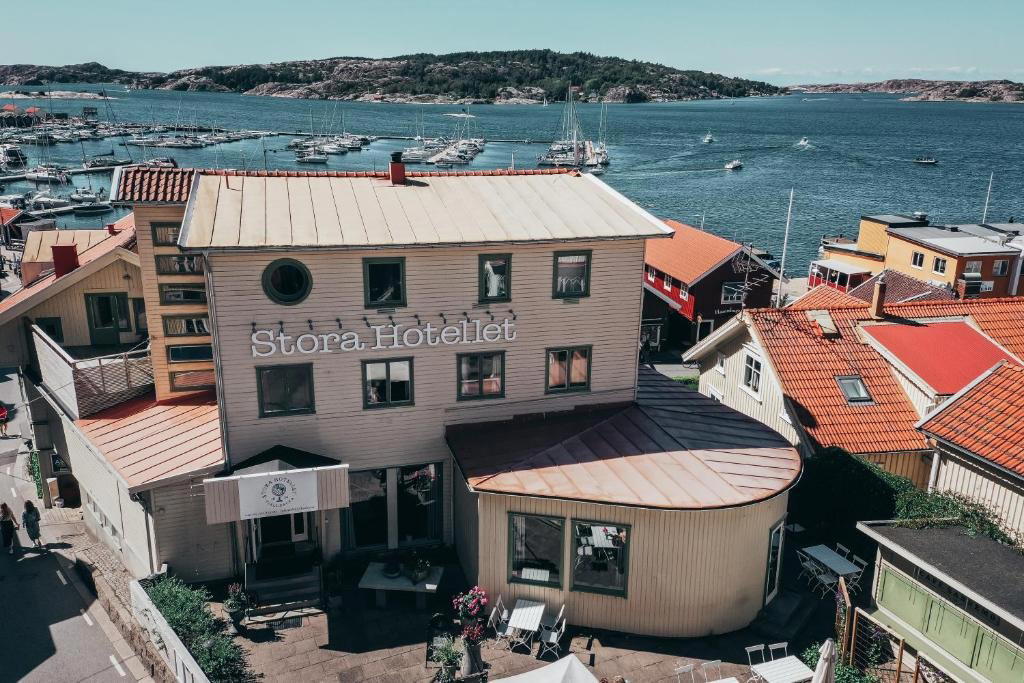
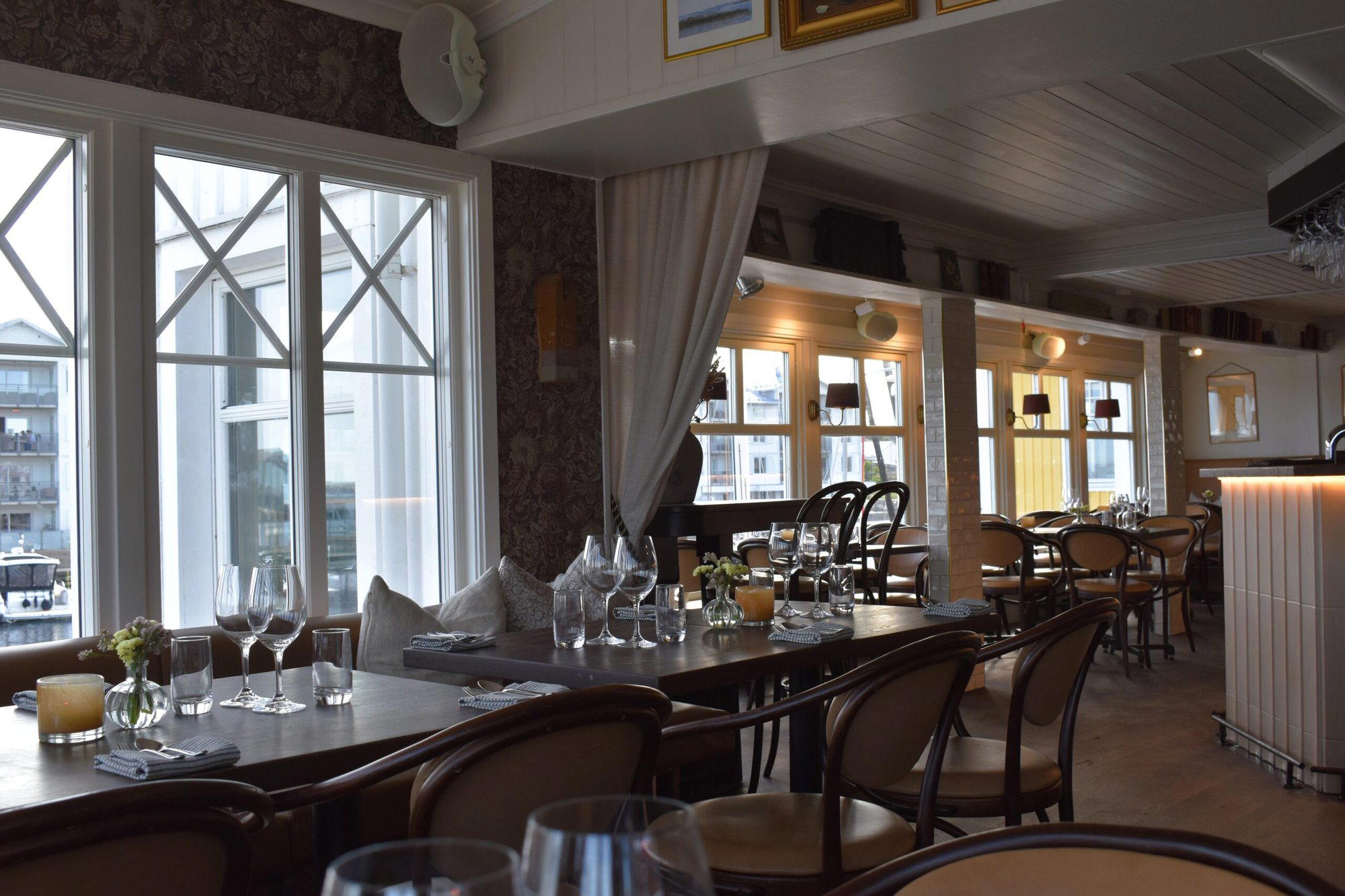
Bars in Bovallstrand
Browse all →
Hotels in Bovallstrand
Browse all →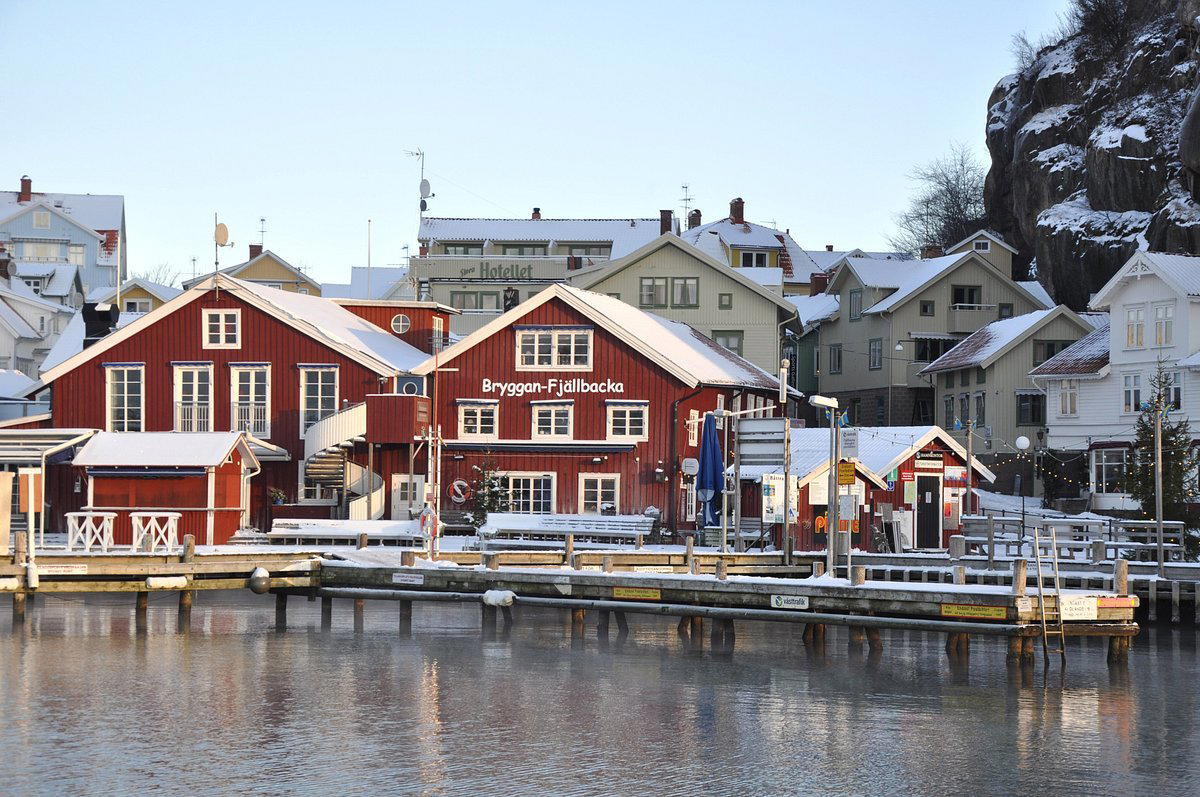
Wineries in Bovallstrand
Browse all →
Details
- Scenic
- Cozy
- Classic
- Rustic
- Casual Hangout
- Family
- Group Dining
- Waterfront
- Standalone
- Local Sourcing
- Sustainable Seafood
- Waterfront
- A La Carte
- Wine
- Pescatarian Friendly
Current opening hours
- Monday
- 12–8 PM
- Tuesday
- 12–8 PM
- Wednesday
- 12–8 PM
- Thursday
- 12–8 PM
- Friday
- 12–11:30 PM
- Saturday
- 12–11:30 PM
- Sunday
- 12–8 PM
Hours can change for holidays and private events. Hours as of .
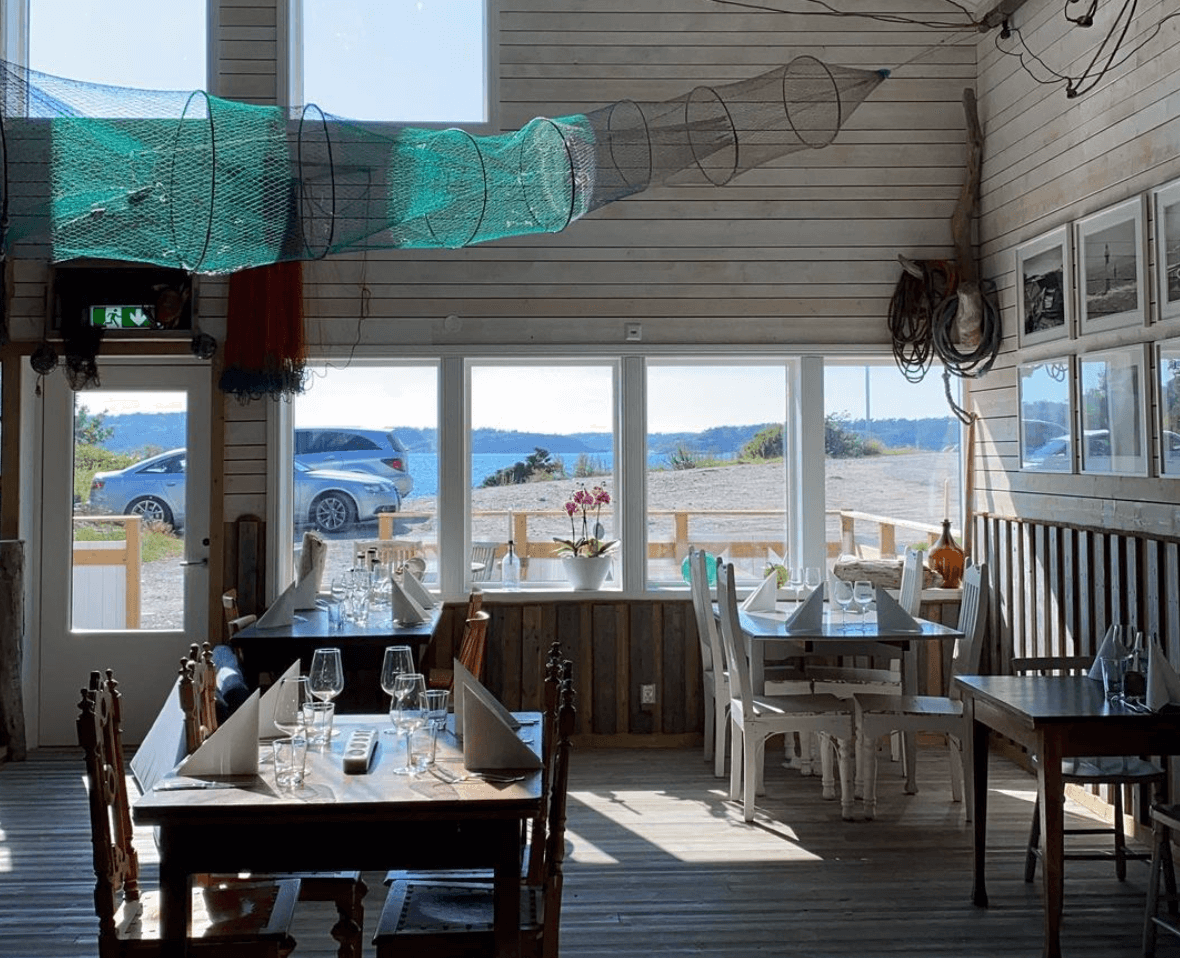
Relaxed and intimate with maritime charm, featuring beautiful presentation of dishes and warm, helpful service in a seaside location.