Sticky Rice

Sticky Rice on East Colonial Drive is one of Orlando's few dedicated Lao kitchens and the only one holding a 2025 Michelin Plate. Three communal tables, low stools, and a compact street-food menu built around spice-rubbed wings, pork laab, and the namesake purple sticky rice make it an unusually focused stop on a dining corridor that trends toward volume and flash.
Pearl is the En Primeur Club membership app — saves, bookings, and concierge access live there. Same editors, same standards.
- Address
- 1915 E Colonial Dr, Orlando, FL 32803
- Phone
- (321) 800-6532
- Directions
- Get directions
 Saves & bookings on Pearl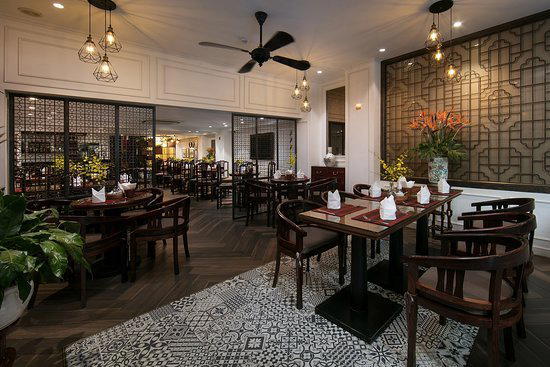
East Colonial Drive and the Case for a Smaller Menu
East Colonial Drive runs through one of Orlando's most culinarily eclectic stretches, where Vietnamese strip-mall counters sit beside full-service Latin dining rooms and long-standing Florida comfort spots. Against that backdrop, a restaurant with three communal tables, low stools, and a compact menu of Lao street food is a deliberate outlier. Sticky Rice, at 1915 E Colonial Dr, Orlando, is a Laotian Street Food restaurant recognized with the Michelin Plate in 2025 and priced at about $20 per person. It does not attempt to cover ground; it holds a focused position in a cuisine that remains underrepresented in American restaurant cities at this price tier.
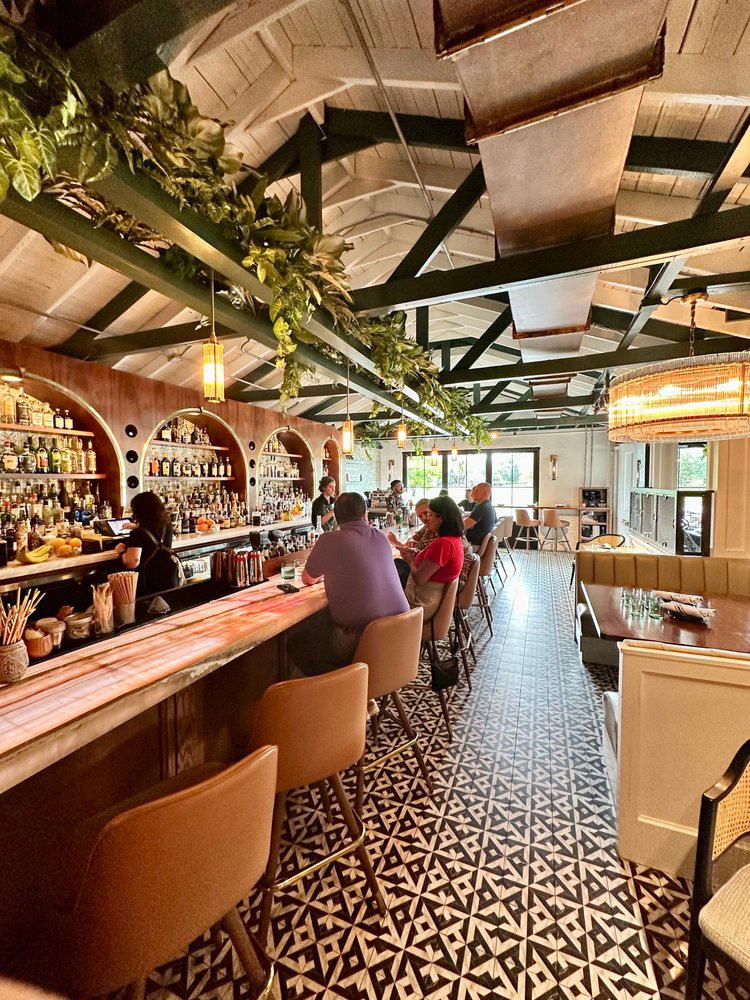
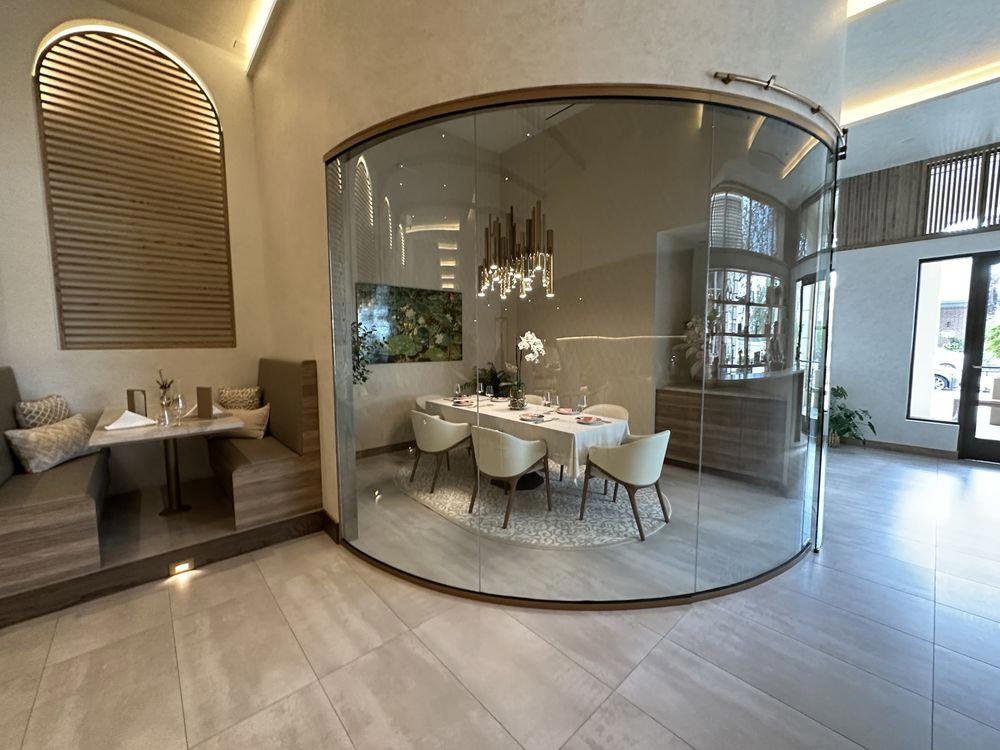
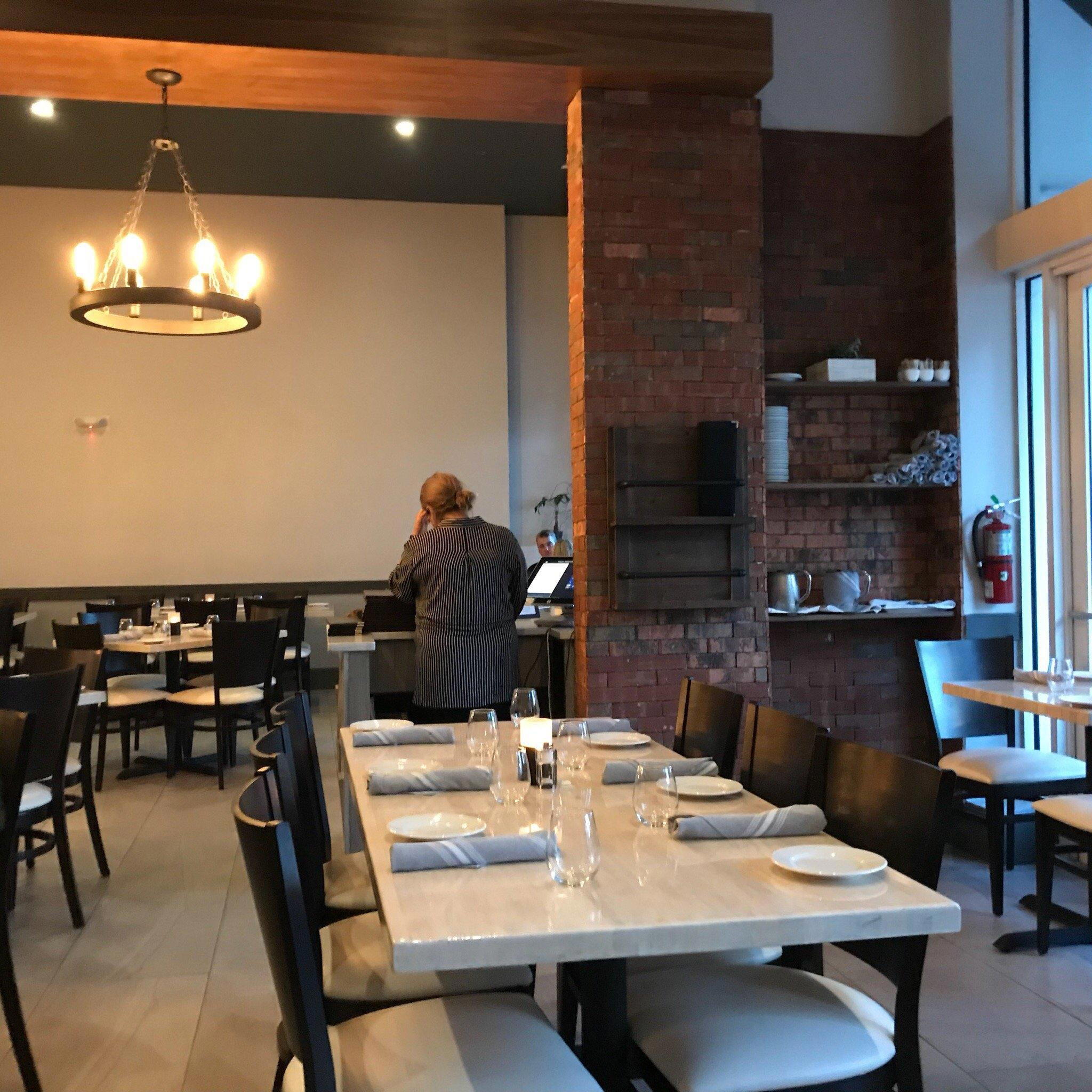
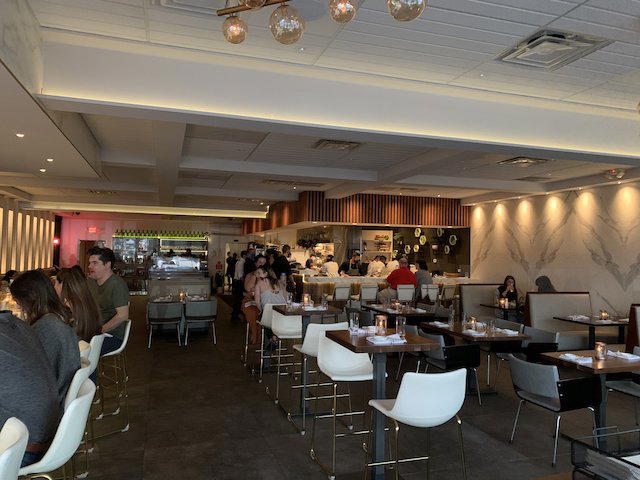
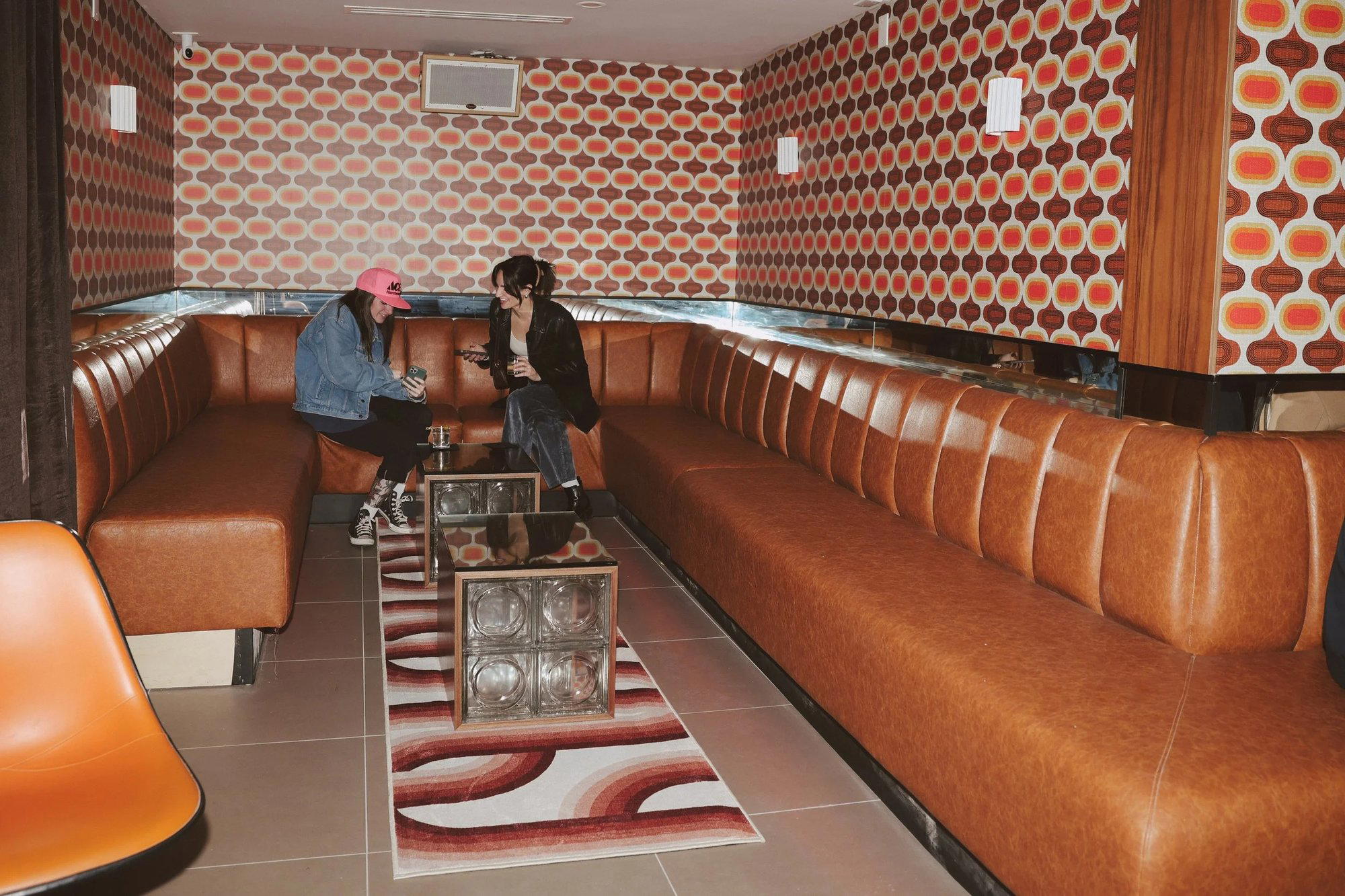
The building itself gives little away from the street, a nondescript facade that puts nothing on display before you walk in. Once inside, the spatial logic becomes clear: a host station at the front, then three communal tables arranged around a room anchored by a large mural and overhead light fixtures assembled from what appear to be traditional sticky rice baskets. The design reads as considered rather than decorated, using functional objects from the cuisine's own material culture as the primary visual element. At a price point of two dollar signs, that kind of restraint in the room is more common in cities like Los Angeles or New York; in Orlando's mid-price tier, it is less typical.
Lao Street Food in a City That Defaults to Thai
American diners have spent decades building familiarity with Thai cuisine while Lao cooking, which shares borders, ingredients, and some techniques with northern Thailand, has remained largely absent from mainstream restaurant programming. The gap is beginning to close. A small number of dedicated Lao kitchens have opened across the country in the past several years, including Bar Sen in Oklahoma City and Snackboxe Bistro in Duluth, each operating in markets where the cuisine had little previous visibility. Sticky Rice belongs to that same cohort: a single-cuisine commitment in a city where Lao food has no established dining cluster to lean on.
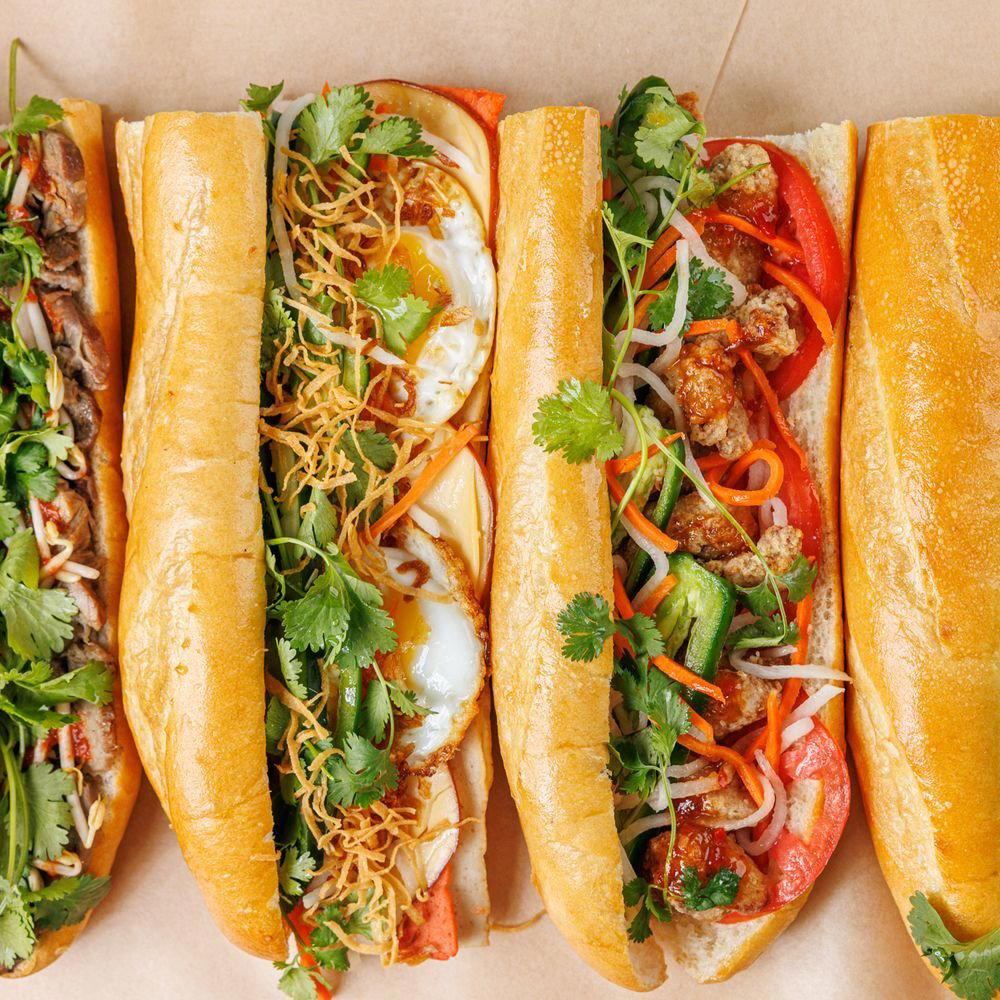
The menu is compact by design. Spice-rubbed chicken wings arrive hot with visible char, a preparation that prioritizes dry heat over sauce weight. Pork laab is assembled with toasted rice powder, cilantro, lime, and mint, the rice powder doing the specific work it does in Lao cooking, adding texture and a faint nuttiness that separates the dish from its Thai larb counterpart. The namesake dish is purple sticky rice served with coconut sauce, chopped mango, and toasted coconut flakes. The sweet the restaurant format is common across Lao and Thai traditions, but the purple variety, made with glutinous rice cooked with butterfly pea flower or similar natural colorant, has a slightly earthier base that works well against the sweetness of the coconut preparation. These are not elaborate composed dishes; they are precise renditions of street food that depends on technique and ingredient quality rather than presentation complexity.
The Michelin Plate in Context
Orlando's Michelin coverage expanded relatively recently, with the guide entering the Florida market and recognizing venues across a wider price range than its traditional starred tier. The Michelin Plate, awarded in 2025 to the restaurant, signals that inspectors found the cooking good enough to recommend without placing it in the starred bracket. In practical terms, a Plate designation at a two-dollar-sign restaurant is more significant than it might appear: it means the guide is assessing value and precision together, not just technical ambition. For comparison, Orlando's starred venues tend to operate at the higher price points represented by restaurants like Capa and the broader fine-dining tier that includes the city's Japanese omakase counters such as Kadence and Natsu. The restaurant operates at a different register entirely, sitting closer to the street-food-faithful approach that drives Plate recognition across Southeast Asian cuisines globally.
It has built a consistent audience, which at a three-table venue means the room fills regularly and the kitchen maintains its output under repeat-visit scrutiny.
On Drinks: What a Compact Program Signals
The editorial angle that applies most naturally to a venue like this is not a deep cellar or a sommelier-curated list, the format and price point do not suggest that. What matters here is what the absence of a developed wine program communicates about the room's purpose. Lao street food, built on bright acid from lime, heat from chilies, and the herbal forward notes of cilantro and mint, pairs well with cold lager, light sparkling options, or low-intervention whites that do not compete with the spice register. Restaurants in this category that invest in considered but low-pretension drink programs, a tight rotating selection rather than a long list, tend to serve the food better than those that default to a generic house wine approach. Whether the restaurant's current program meets that standard is not verifiable from available data, but the cuisine itself sets a clear brief for what would work. Diners who have navigated similar street-food formats at comparable venues know to ask what is cold and low in tannin rather than reaching for the wine list by default.
How This Fits Orlando's Broader Dining Picture
Orlando's dining scene has diversified considerably at the independent mid-price tier. The city's Asian dining corridor on East Colonial is one of the more substantive in the Southeast, covering Vietnamese (see Camille), Japanese (Sorekara), and now, with some establishment, Lao. That geographic clustering matters for diners planning a multi-stop evening or a focused exploration of Southeast Asian cooking in one area. The restaurant is accessible from the central corridor without requiring a separate trip to a different part of the city.
For reference points outside Florida on what Michelin-recognized cooking looks like at different price tiers, the contrast between the restaurant's format and the ambitions of restaurants like Le Bernardin in New York City, Alinea in Chicago, or The French Laundry in Napa is instructive. Michelin's willingness to recommend both registers, the precise street-food counter and the multi-course tasting room, is one of the more useful things the guide does for readers trying to calibrate where to spend their time. Venues like Lazy Bear in San Francisco, Emeril's in New Orleans, and Single Thread Farm in Healdsburg all demonstrate different points on that spectrum.
Planning Your Visit
The restaurant sits at 1915 E Colonial Dr in the Mills 50 area, which has enough density of independent dining to make it worth building a longer evening around rather than treating as a single-stop destination. The three-table communal format means capacity is low by definition; a 4.5-star average across more than 1,500 reviews at a small venue suggests demand regularly exceeds supply, particularly on weekends. The two-dollar-sign price range makes it one of the more accessible Michelin-recognized options in Orlando by cost, which also contributes to consistent demand.
Frequently Asked Questions
- What should I eat at the restaurant?
- The menu is small enough that ordering broadly makes sense. The spice-rubbed chicken wings and the pork laab with toasted rice powder, cilantro, lime, and mint are the dishes that have drawn consistent attention, including in the Michelin inspector notes that contributed to the 2025 Plate award. The namesake purple the restaurant with coconut sauce and mango is the logical close to a meal, the preparation is a considered version of a format common across Lao and Thai traditions, and the toasted coconut finish adds texture that a simpler rendition would skip.
- Should I book the restaurant in advance?
- With only three communal tables and a Michelin Plate awarded in 2025, the seating math works against walk-ins, particularly on weekends. At a two-dollar-sign price point in a city where Lao cooking has no competing cluster to absorb overflow demand, the restaurant draws from a wider catchment than its size would suggest.
Nearby-ish Comparables
Comparable venues nearby, for context on price, style, and recognition.
| Venue | Cuisine | Price | Notes |
|---|---|---|---|
| Sticky RiceThis venue — the venue you are viewing | Laotian Street Food | $$ | Not listed |
| Se7en Bites | Southern Comfort Food with Modern Twist | $$ | Milk District |
| Black Rooster Taqueria | Modern Mexican Taqueria | $$ | Mills 50 |
| Thai Thani - Orlando | Authentic Thai Cuisine | $$ | International Drive |
| Shin Jung | Traditional Korean BBQ | $$ | Mills 50 |
| Swine & Sons | Modern Southern Comfort | $$ | Milk District |
Recognition history
Dated appearances from independent guides and award organizations, with the underlying list record or original source where available.
Michelin Plate
Michelin
Michelin Plate
Michelin
Michelin Plate
Michelin



At a Glance
- Cozy
- Trendy
- Energetic
- Casual Hangout
- Family
- Group Dining
- Open Kitchen
- Beer Program
Current opening hours
- Monday
- 11:30 AM–10 PM
- Tuesday
- 11:30 AM–10 PM
- Wednesday
- 11:30 AM–10 PM
- Thursday
- 11:30 AM–10 PM
- Friday
- 11:30 AM–10 PM
- Saturday
- 11:30 AM–10 PM
- Sunday
- 11:30 AM–9:30 PM
Hours can change for holidays and private events. Last verified .
Casual and cozy with communal low tables, massive mural, sticky rice basket light fixtures, and lively Asian street food atmosphere.